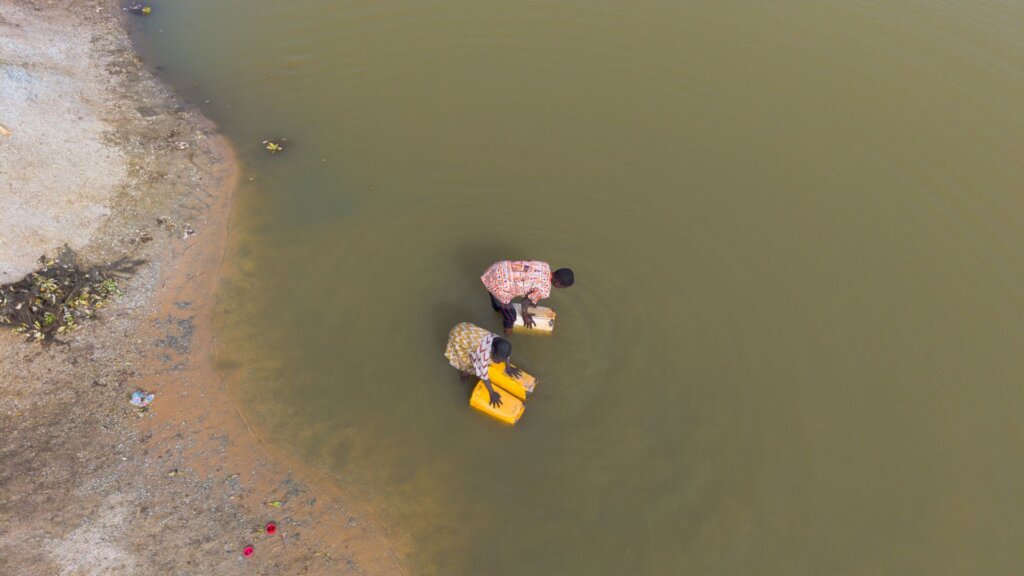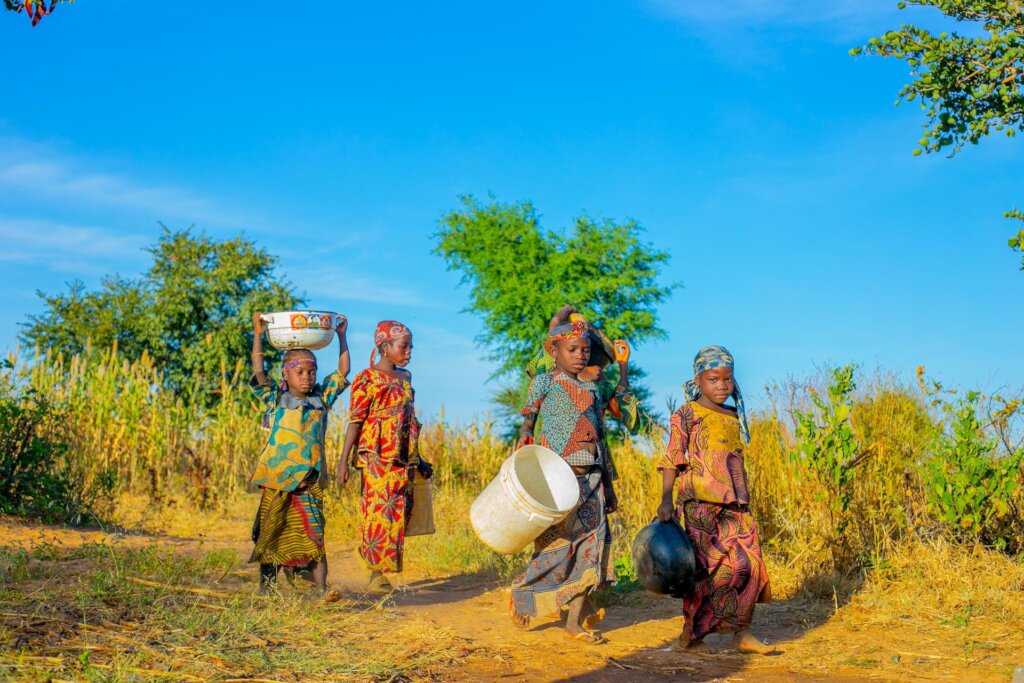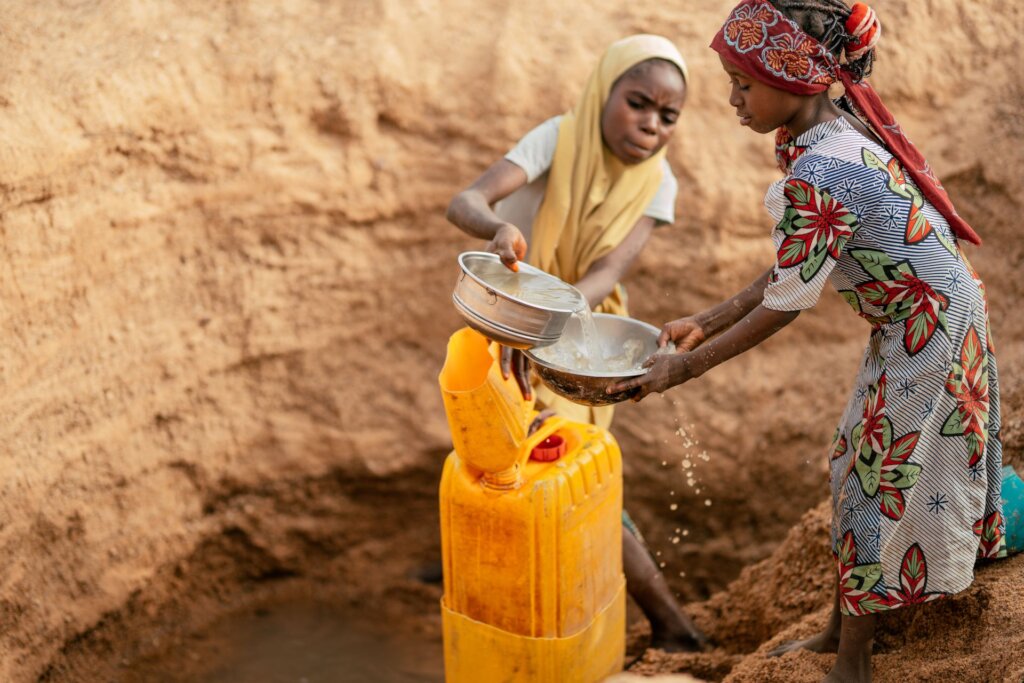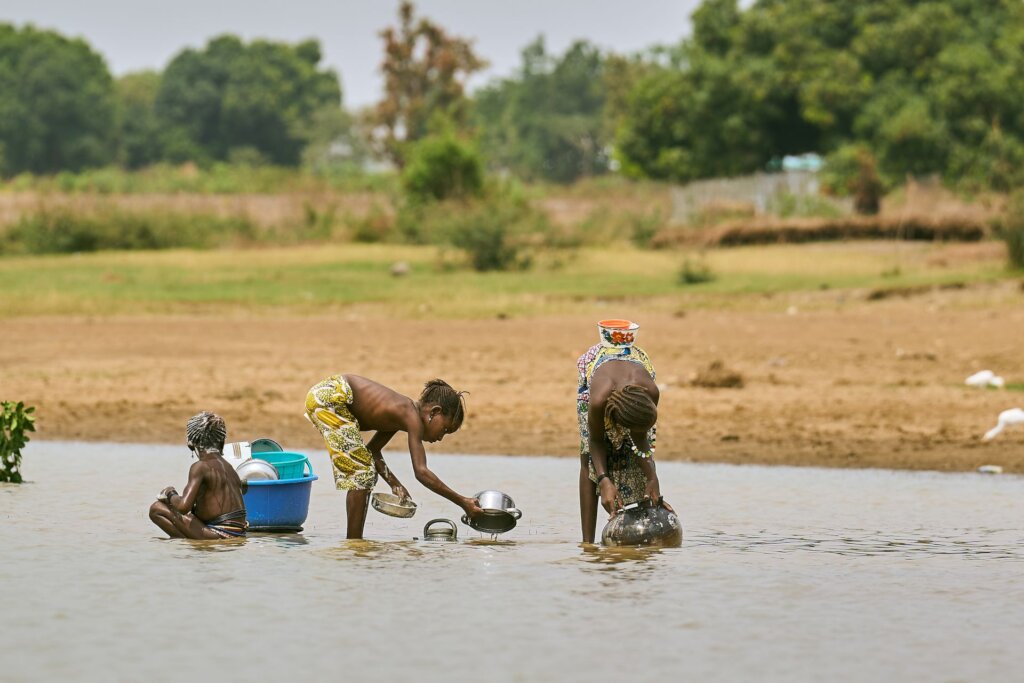
Millions of rural children in Nigeria lack access to safe drinking water and depend on contaminated ponds, streams, and shallow wells that expose them to waterborne diseases. This project will construct solar-powered boreholes in underserved communities, providing a reliable source of clean water close to homes and schools. Access to safe water will improve children's health, reduce time spent fetching water, and help them attend school regularly.
Many rural communities in Nigeria lack access to safe drinking water. Children and their families often rely on unsafe water sources such as streams, ponds, and shallow wells, exposing them to diseases including diarrhea, cholera, and typhoid. Long distances to water sources also consume valuable time that children could spend in school. The shortage of clean water continues to affect health, education, and the well-being of vulnerable rural households.
This project will construct solar-powered boreholes in rural communities where access to safe drinking water is limited or unavailable. The boreholes will provide a reliable and sustainable source of clean water for children, families, and schools. By bringing safe water closer to where people live, the project will reduce dependence on contaminated sources, lower the risk of waterborne diseases, and reduce the time spent fetching water each day.
Access to safe and reliable water can improve the health, education, and quality of life of rural children and their families. Fewer waterborne diseases mean lower healthcare costs and reduced school absenteeism. Communities will spend less time searching for water and more time on education, farming, and other productive activities. The solar-powered systems will provide a sustainable source of clean water that can benefit communities for many years.



Support this important cause by creating a personalized fundraising page.
Start a Fundraiser