By Communications Team | USA for UNFPA
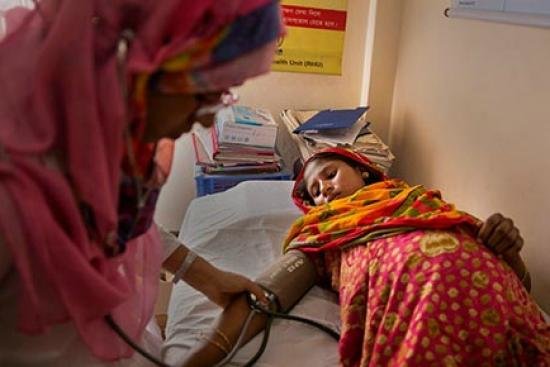
Ukhiya, COX'S BAZAR — In a quiet corner of Friendship Hospital, under the soft whir of ceiling fans and the hushed urgency of midwives, a mother lay still—her body exhausted, her heart racing with both fear and hope.
$100 funds a community midwife for one month, ensuring women have skilled care before, during, and after childbirth—when every second counts.
Earlier that day, Rahima*, 36, arrived at the hospital in critical condition, referred from another health facility. By the time she reached Friendship Hospital—supported by UNFPA, the United Nations sexual and reproductive health agency—her situation was dire. She was diagnosed with moderate anemia and signs of fetal distress. Meconium in the amniotic fluid signaled an emergency: the lives of her unborn babies were at immediate risk.
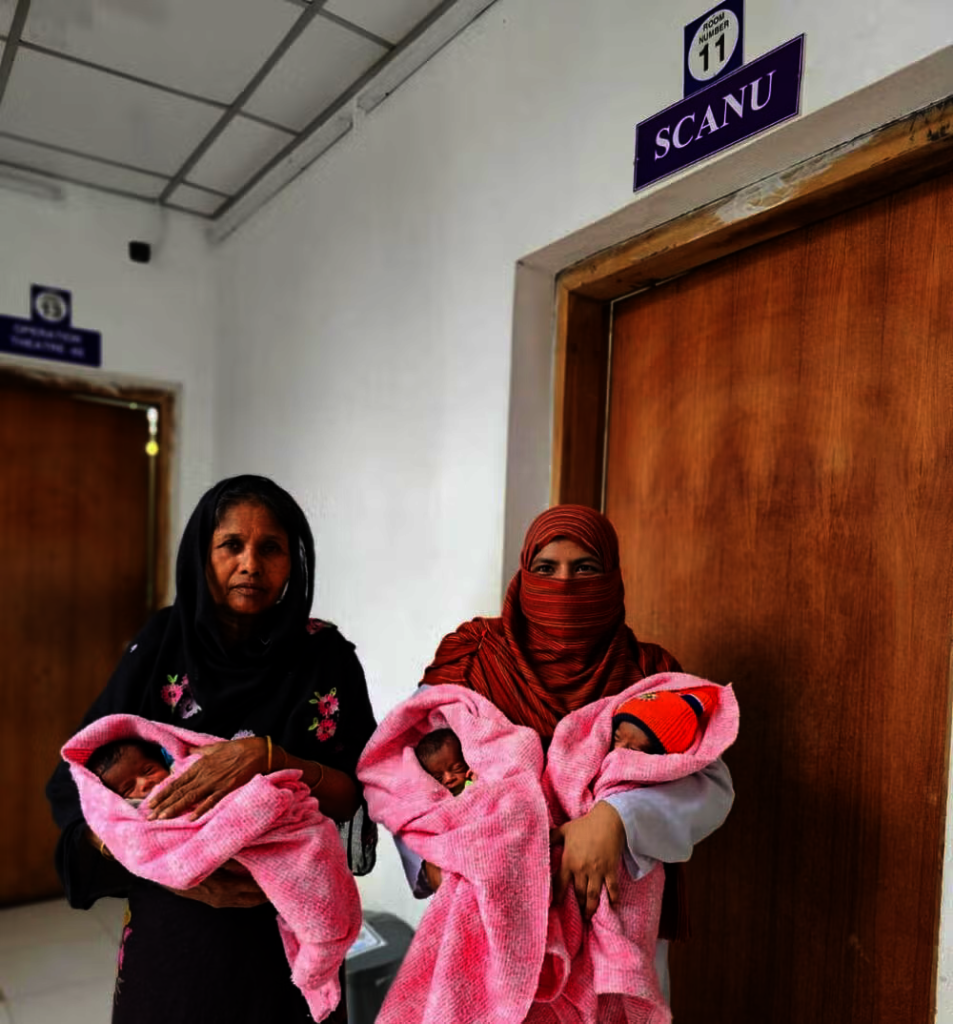
The medical team didn't hesitate. An emergency cesarean section was performed. What followed was nothing short of extraordinary—three cries: fragile, uneven, but alive. Triplets—two boys and a girl—were born into the world.
The boys, weighing just 3 pounds, 15 ounces and 4 pounds, 2 ounces, were cold and unable to feed. Their sister, born at 4 pounds, 7 ounces., was alert and stable. In a region where access to maternal healthcare is a daily challenge, the safe delivery of 3 premature babies to a mother with anemia could have ended in heartbreak—but it didn't. Instead, it became a story of survival, strength, and the power of care.
For clinics like Friendship Hospital to be ready for emergencies like Rahima's, they need supplies, medications, and equipment on hand at all times.
$150 can help provide what clinics need to manage life-threatening obstetric emergencies.
The 2 boys were immediately transferred to the Special Care Newborn Unit (SCANU)—supported by UNFPA to strengthen maternal and newborn health services in the region. There, they received round-the-clock specialized care: placed under radiant warmers to regulate body temperature, nurtured with Kangaroo Mother Care, and fed breast milk drop by drop through a small dropper.
For four days, their mother remained nearby—watching, praying, holding them close, and slowly helping them grow stronger.
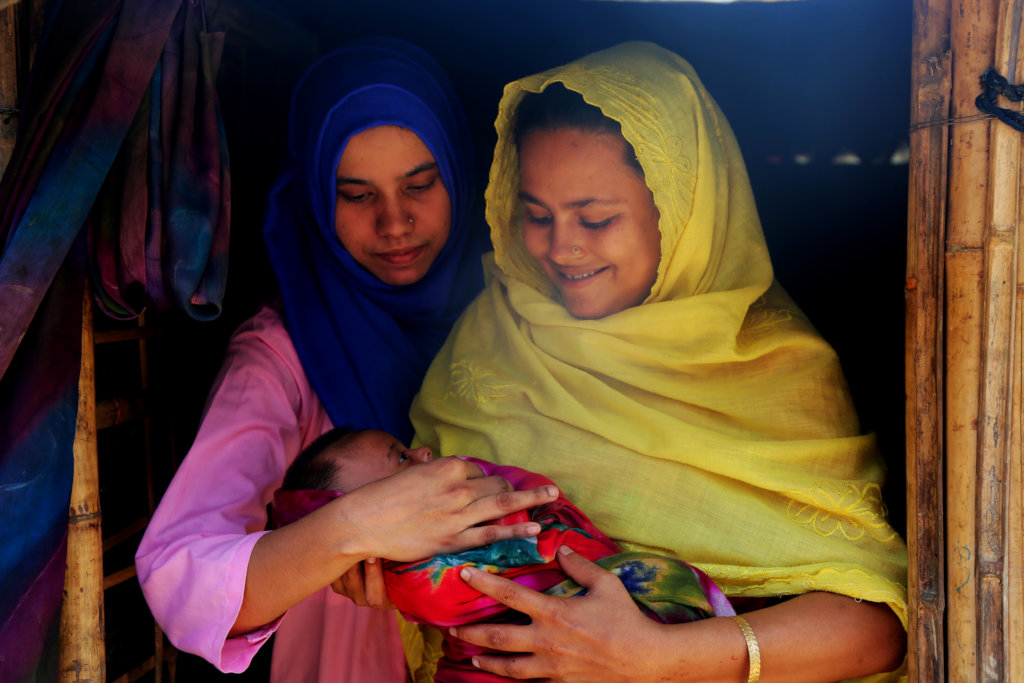
When her sons were finally placed back in her arms—stable, safe, and reunited with their sister—it was not just a joyful reunion. It was a powerful reminder of what's possible when women have access to quality maternal and newborn healthcare, especially in a humanitarian setting.
Investing in mothers, protecting futures
This story is more than a medical milestone. It is a portrait of maternal strength and of health workers who meet every emergency with skill, compassion, and commitment.
In places like Ukhiya, where crisis and displacement stretch resources thin, Friendship Hospital stands as a lifeline. Operating around the clock, it delivers emergency obstetric care, essential reproductive healthcare, and support for survivors of violence—serving both Rohingya refugees and host communities alike.
Every emergency cesarean performed, every newborn delivered safely, every mother supported is proof of what's possible when we prioritize maternal health.
For $15, you can provide Emergency Birth Kits for 3 mothers—helping ensure safer deliveries even when hospitals are miles away.
*Name changed to protect privacy.
Project reports on GlobalGiving are posted directly to globalgiving.org by Project Leaders as they are completed, generally every 3-4 months. To protect the integrity of these documents, GlobalGiving does not alter them; therefore you may find some language or formatting issues.
If you donate to this project or have donated to this project, you can receive an email when this project posts a report. You can also subscribe for reports without donating.



Support this important cause by creating a personalized fundraising page.
Start a Fundraiser