By Marline Grand Jean | Development Officer
Overview
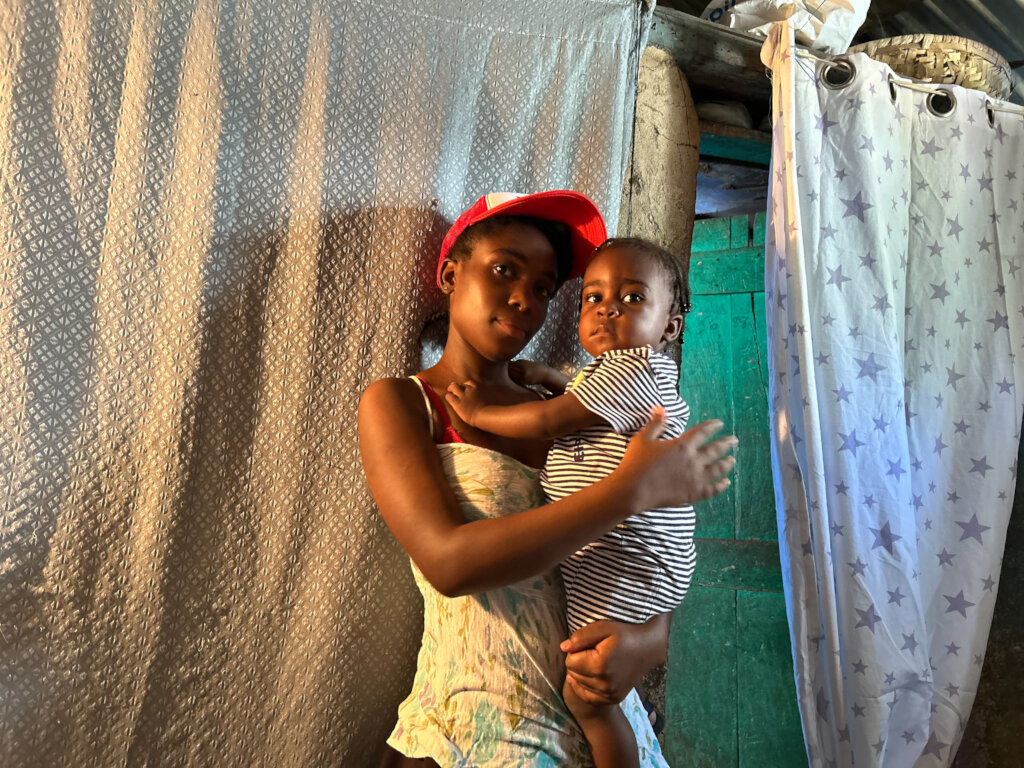
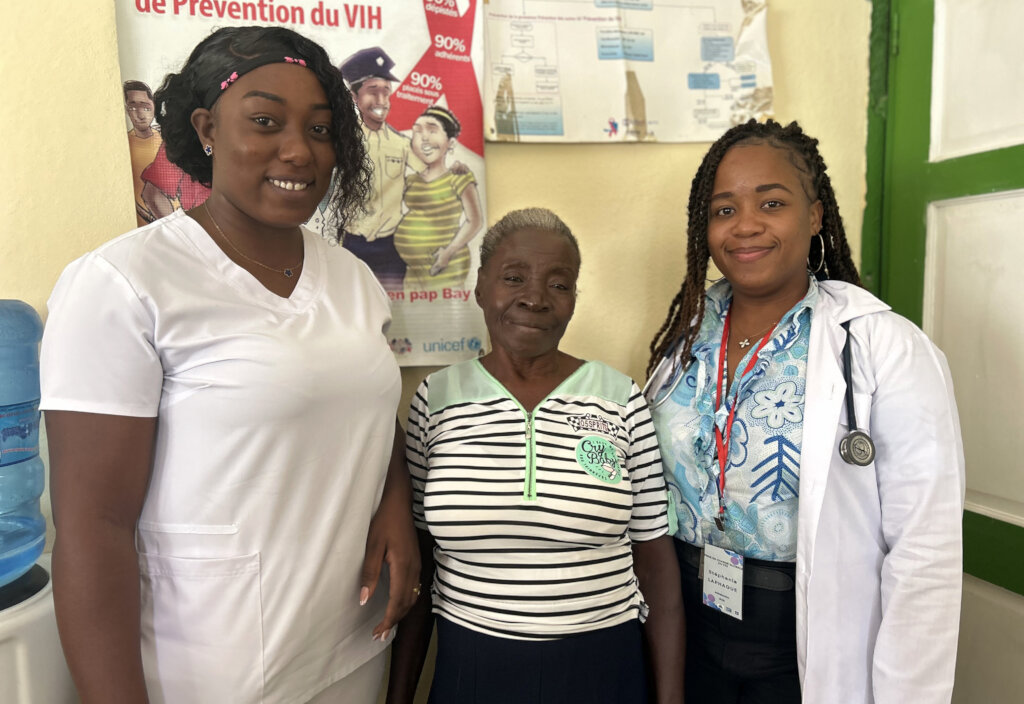
The first months of 2026 were marked by a continued deterioration of the humanitarian and security situation across Haiti. For people living with HIV (PLHIV) and patients affected by tuberculosis (TB), local challenges increased the risk of delayed diagnosis, interrupted treatment, and loss to follow-up. Despite these challenges, Zanmi Lasante’s Clinical teams, community health workers, and outreach staff continued to provide prevention, testing, treatment, adherence support, and patient follow-up services, ensuring that vulnerable populations maintained access to essential care.
Maintaining Continuity of HIV Care
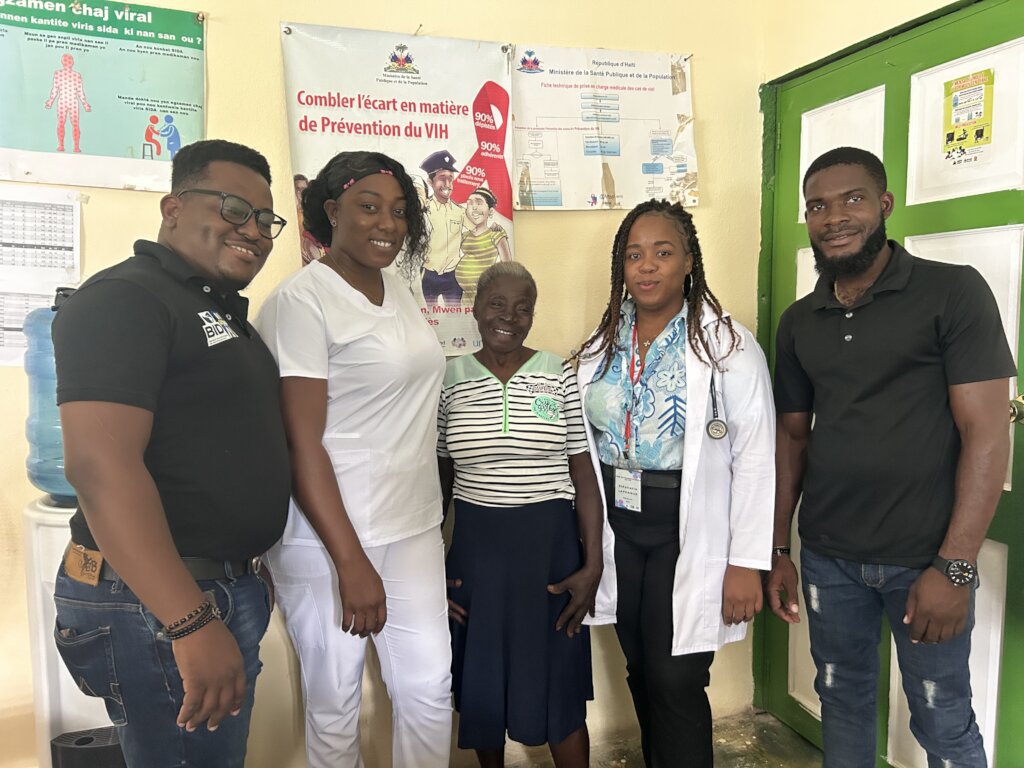
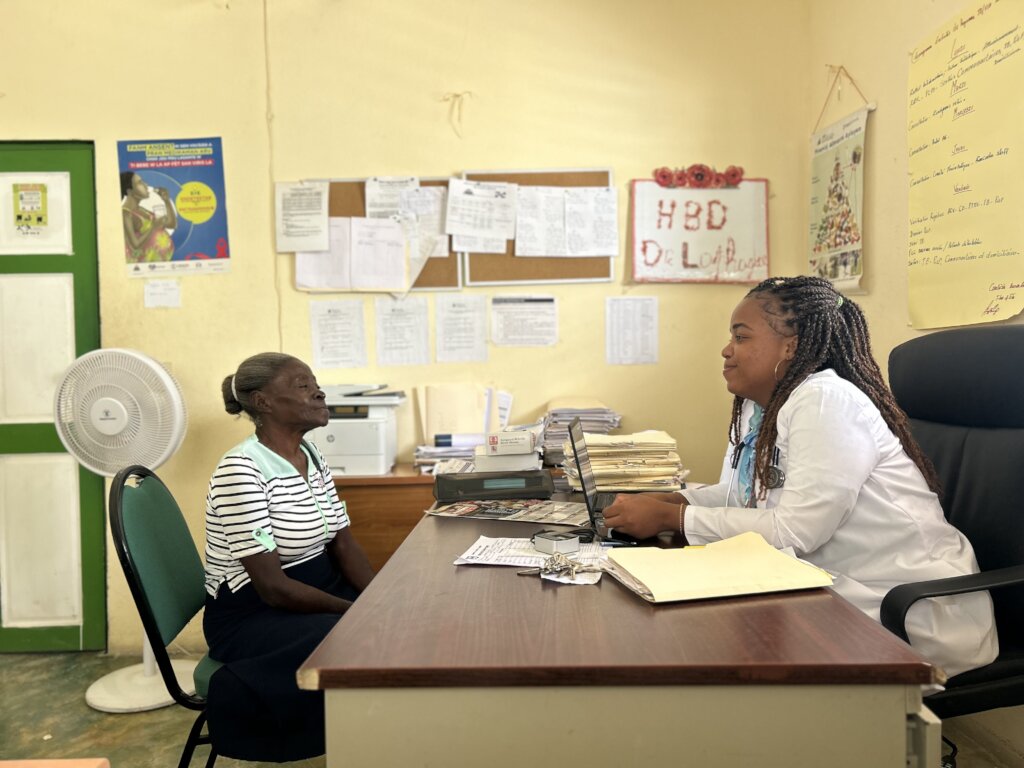
Across the Zanmi Lasante network, HIV services continued to support nearly 18,000 people living with HIV. Healthcare teams continued to provide routine consultations, adherence counseling, patient education, viral load monitoring, mother support groups, pediatric adherence activities, and differentiated service delivery models across supported facilities.
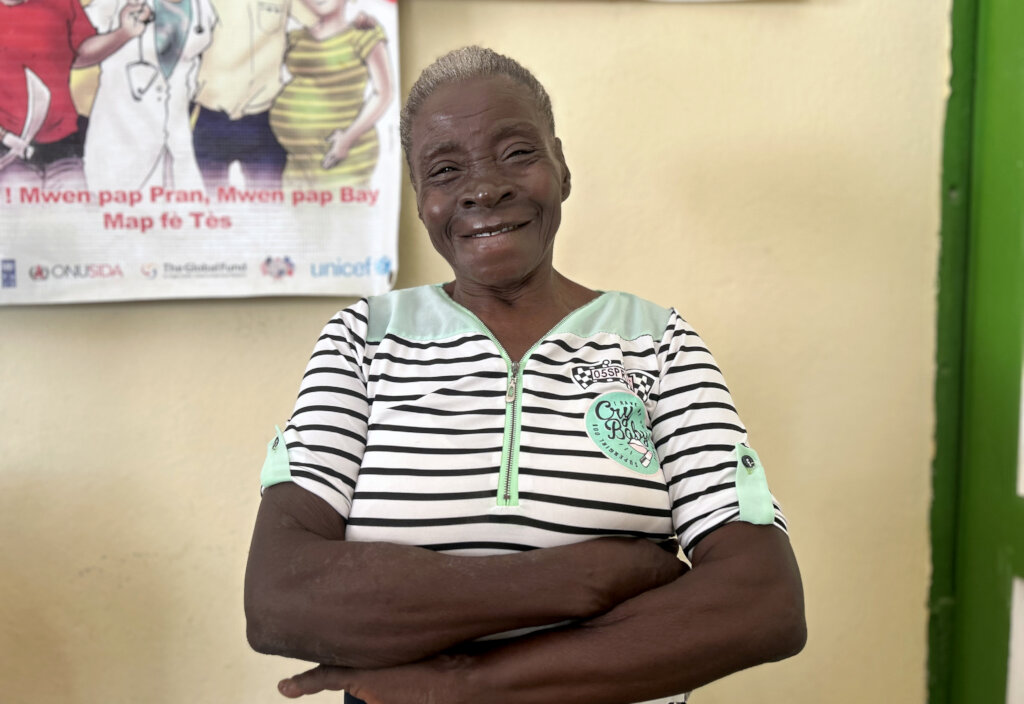
More than twenty patients were successfully re-engaged in treatment services. Community-based approaches helped ensure that patients remained connected to services and received the support necessary to continue treatment.
Strengthening Integrated TB/HIV Services
Between February and April 2026, ZL team’s identified and evaluated 2,166 individuals presenting with symptoms suggestive of tuberculosis, resulting in the diagnosis of 296 drug-sensitive TB cases. Among these patients, 75 individuals were diagnosed with HIV co-infection.
89 percent of TB/HIV patients were successfully initiated on antiretroviral therapy (ART) and cotrimoxazole prophylaxis (CTX) across all reporting sites. Several facilities achieved complete ART and CTX coverage among identified TB/HIV patients, reflecting strong coordination between HIV and TB services and effective patient follow-up mechanisms.
Bringing Services Closer to Vulnerable Communities
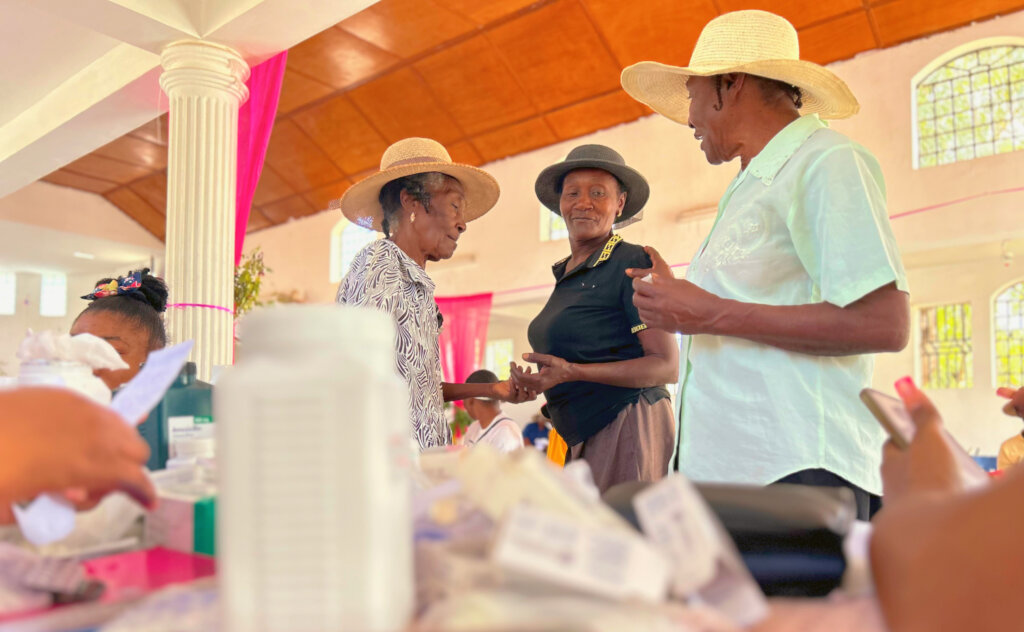
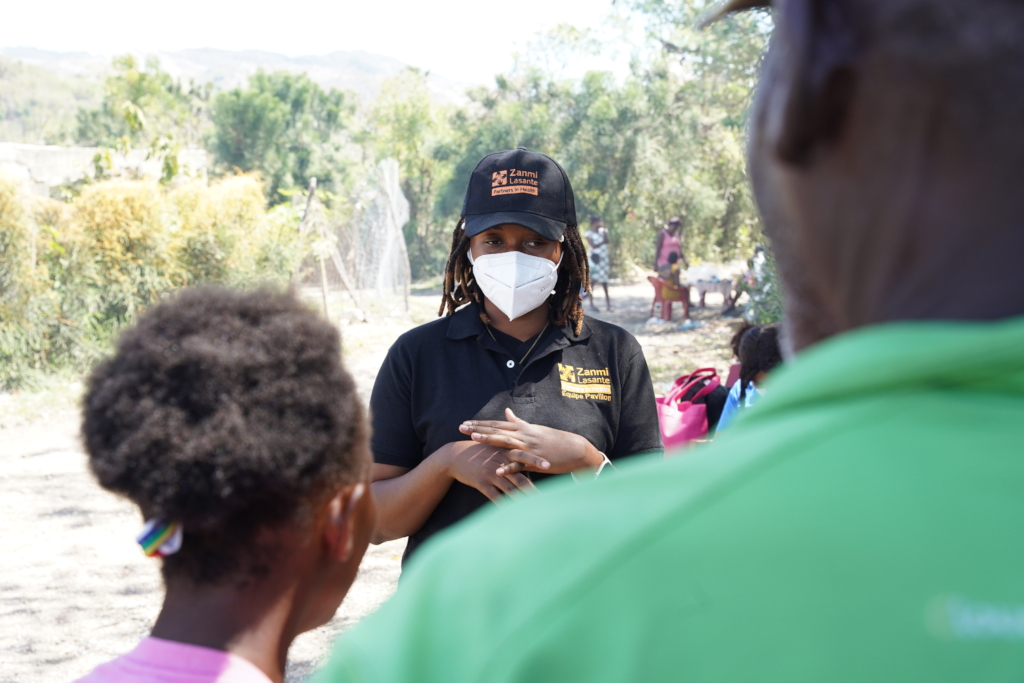
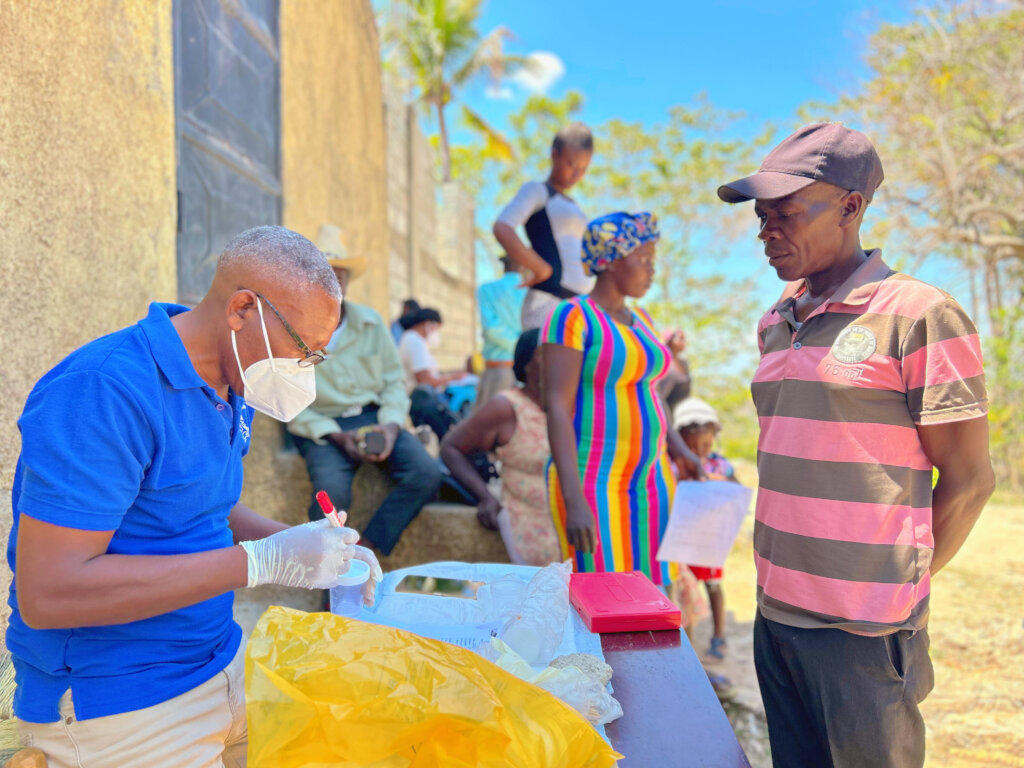
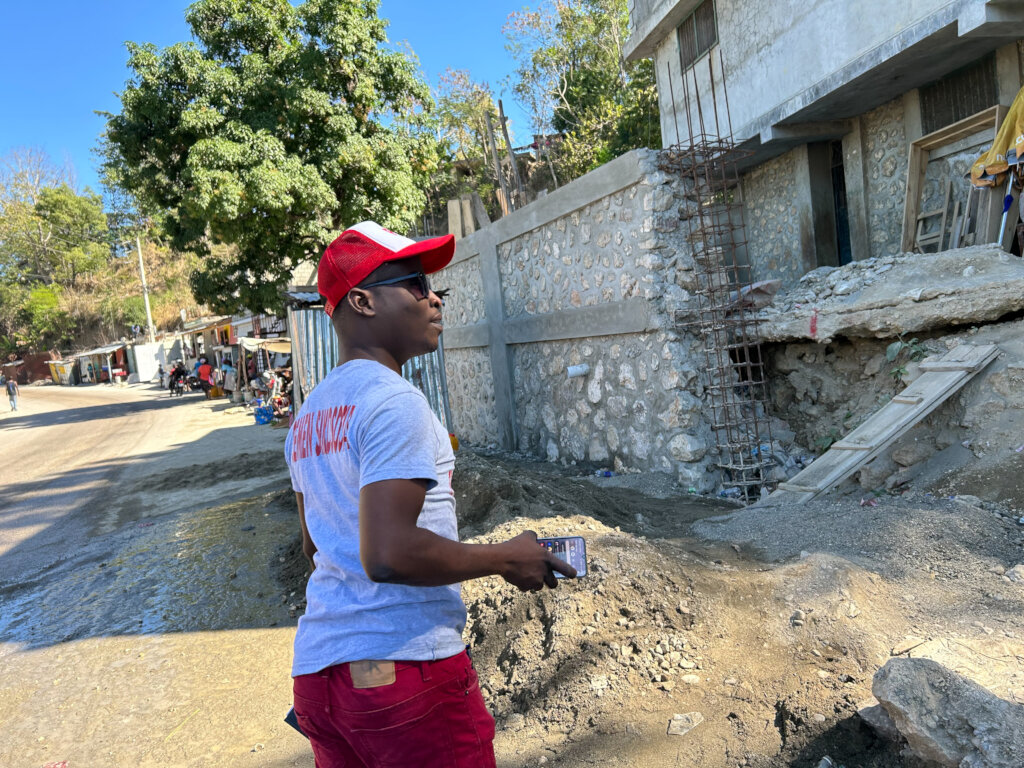
In March, a mobile outreach intervention was conducted at the Morne Calvaire displacement site, reaching nearly one hundred internally displaced persons through integrated health services. Activities included HIV and TB education, screening services, medical consultations, referrals, and access to essential medicines.
The intervention provided an opportunity to identify individuals requiring additional care, reconnect vulnerable patients to health services, and strengthen awareness of HIV and TB prevention within displaced communities.
Advancing Prevention and Community Awareness
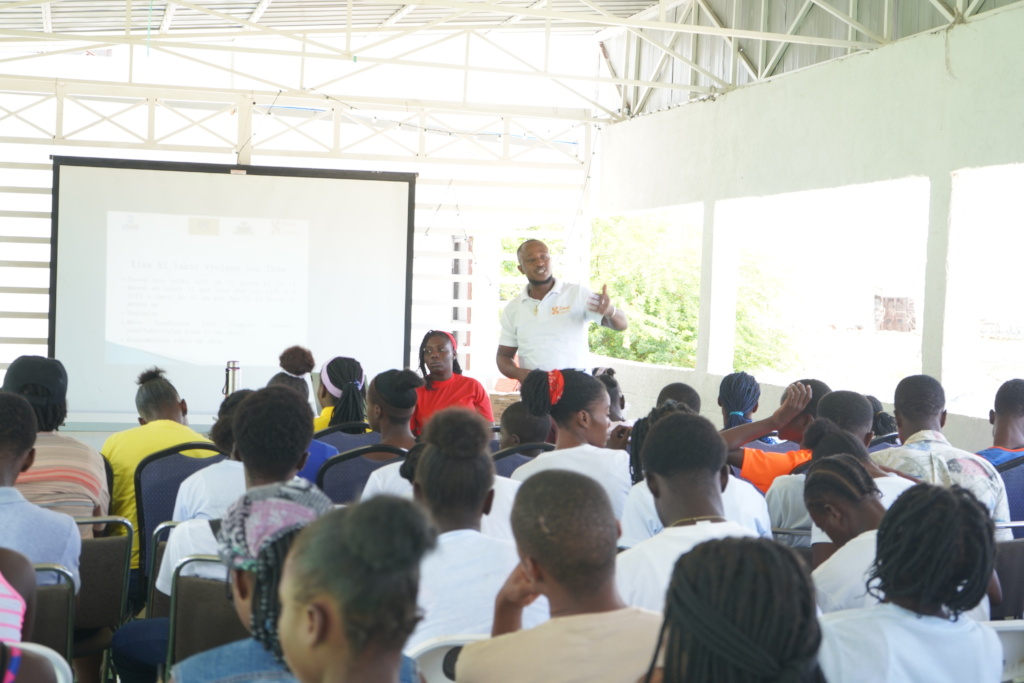
In March, activities organized in observance of World Tuberculosis Day reached approximately 250 patients, healthcare workers, and community members through education and awareness sessions focused on TB prevention, symptom recognition, early diagnosis, treatment adherence, and stigma reduction.
In April, HIV and TB teams leveraged the Mozayik Festival in Saint-Marc as an opportunity to engage communities through health promotion activities. Over three days, healthcare workers conducted awareness sessions on HIV prevention, non-discrimination toward people living with HIV, and correct condom use.
Our team also continued to provide prevention services, including HIV testing, counseling, and access to pre-exposure prophylaxis (PrEP) for individuals identified as being at elevated risk of HIV infection.
Looking Ahead
Zanmi Lasante will continue prioritizing patient retention, treatment adherence, HIV prevention, integrated TB/HIV services, and community-based outreach to ensure that vulnerable populations remain connected to essential healthcare services.
The achievements highlighted in this report were made possible through the generosity of donors, partners, and supporters who believe that access to healthcare is a fundamental human right.
Yet the needs remain immense. Your support can help us keep clinics open, bring care closer to displaced communities, strengthen HIV and TB services, and ensure that no patient is left behind.
Continue this journey with us by supporting Zanmi Lasante through GlobalGiving. Together, we can turn resilience into recovery and hope into lasting impact!
Links:
By Marline Jean Grand | Development Officer
By Coralie Noisette | Director of Development
Project reports on GlobalGiving are posted directly to globalgiving.org by Project Leaders as they are completed, generally every 3-4 months. To protect the integrity of these documents, GlobalGiving does not alter them; therefore you may find some language or formatting issues.
If you donate to this project or have donated to this project, you can receive an email when this project posts a report. You can also subscribe for reports without donating.



Support this important cause by creating a personalized fundraising page.
Start a Fundraiser