By Yohana Kashililah | Project Coordinator
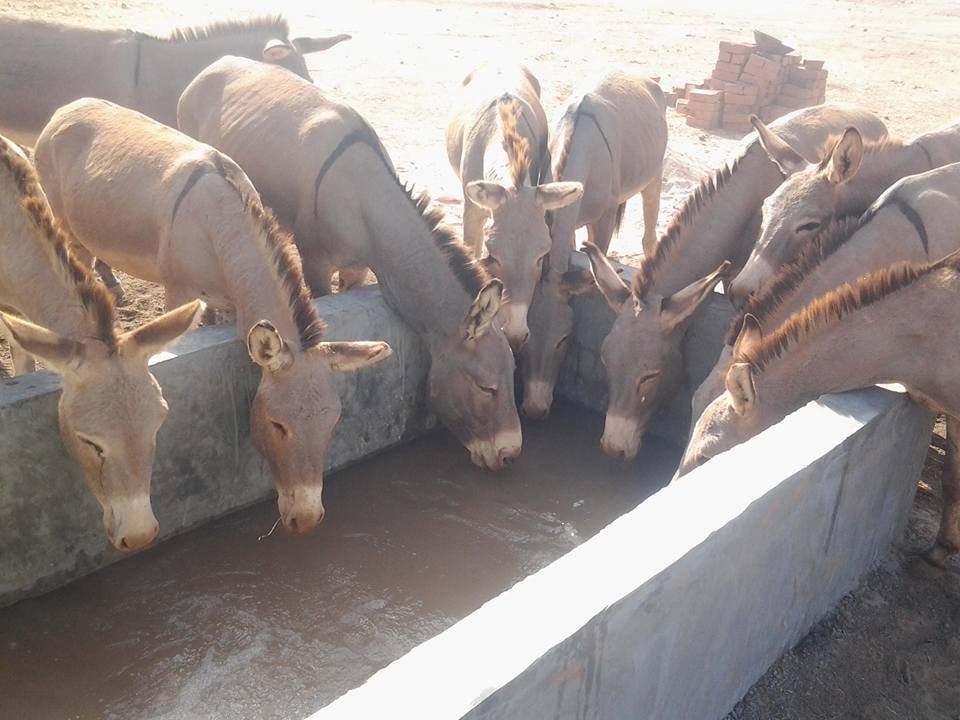
Donkeys are very much herd animals. They are happiest with at least one other donkey for companionship, and form very close bonds with their friends. They will also bond with other equines, sometimes sheep & goats, but they're happiest with their own kind. Donkeys have more of the gregarious, loving nature of a dog than the manner of a horse. They want to be close to owner side, soaking up all the attention possible. They're also very smart and learn things easily - and they don't forget what they've learned. If they trust you and understand what you're trying to have them do, they'll usually try to accommodate and please you. Above all - they need to know they can trust and depend on you - their caretaker.
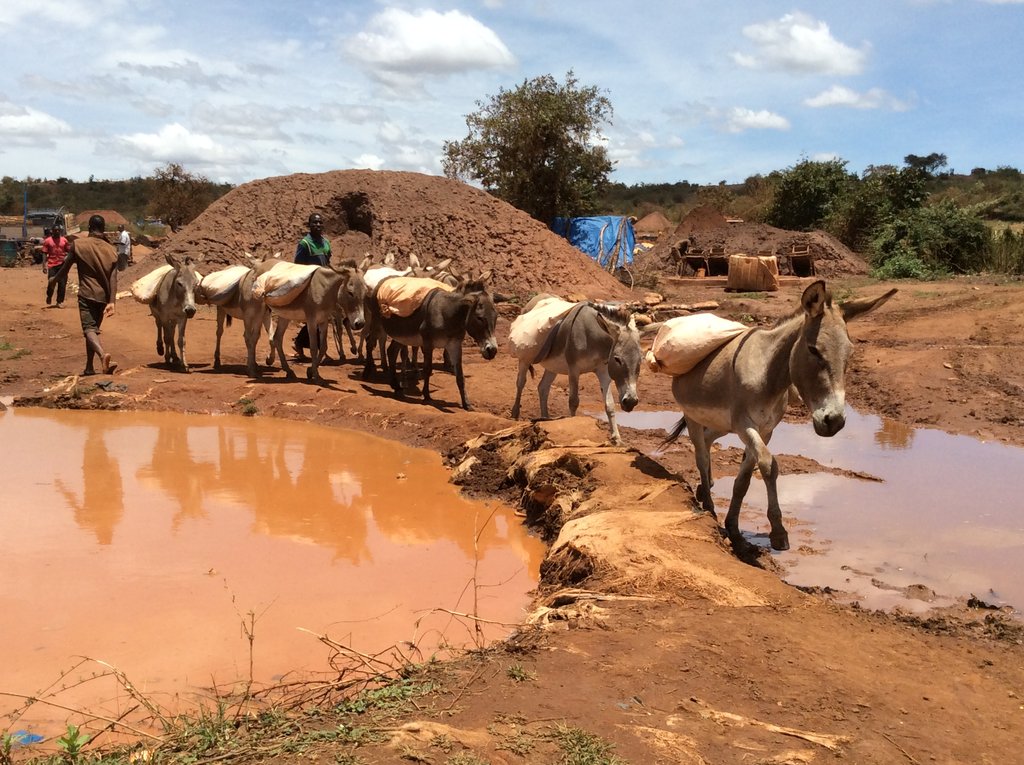
The majority of working Donkeys at Kahama district are subjected to extreme climates, strenuous workloads with limited rest, water and food: making them vulnerable to disease and injury. Donkey Owners struggle to provide for their Donkeys having very little understanding of their care, management or welfare needs. This is further compounded as local vets and more affordable Para-vets also have little to no training in equine veterinary medicine or welfare and are working in the same environments with limited drugs and equipment.
Donkeys are the most important animals in transport and farming systems of Kahama district, with currently more than 10.000 donkeys’ populations. The district is composed of many small villages with a total of 34 rural areas, population of 523,802 households using draft animals.
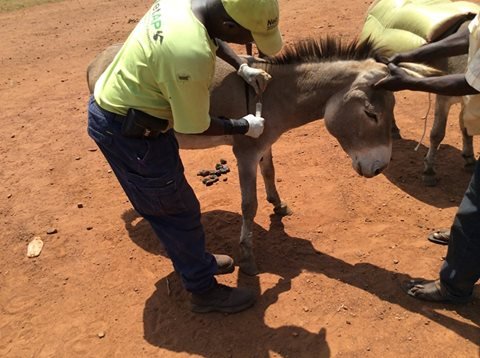
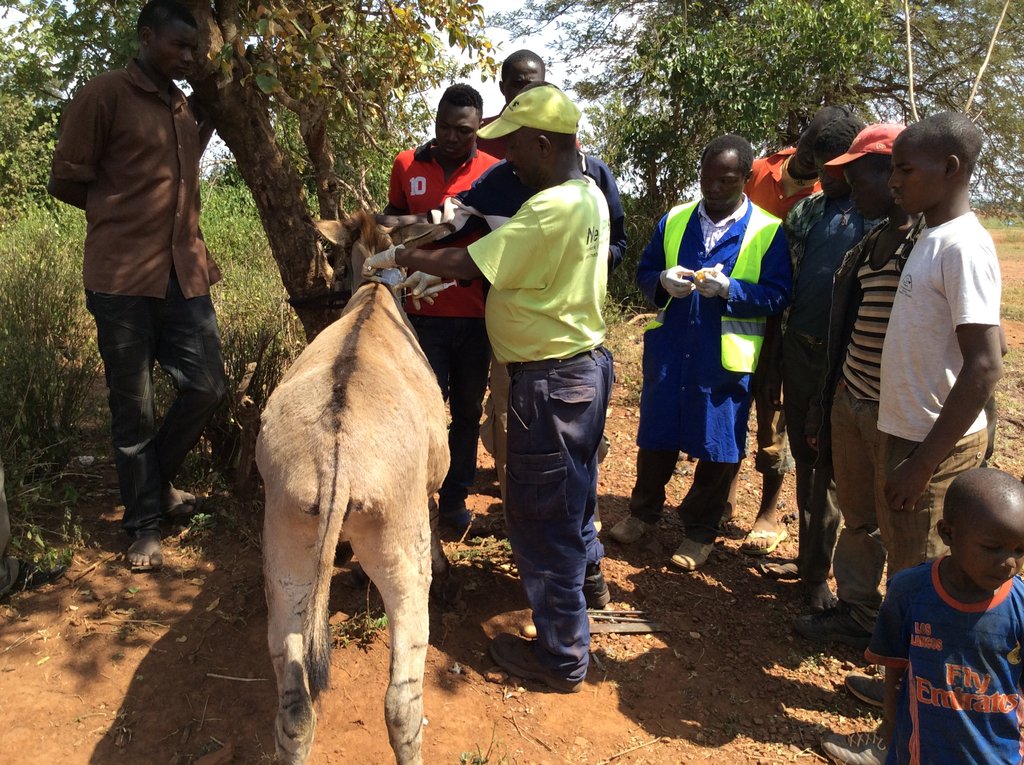
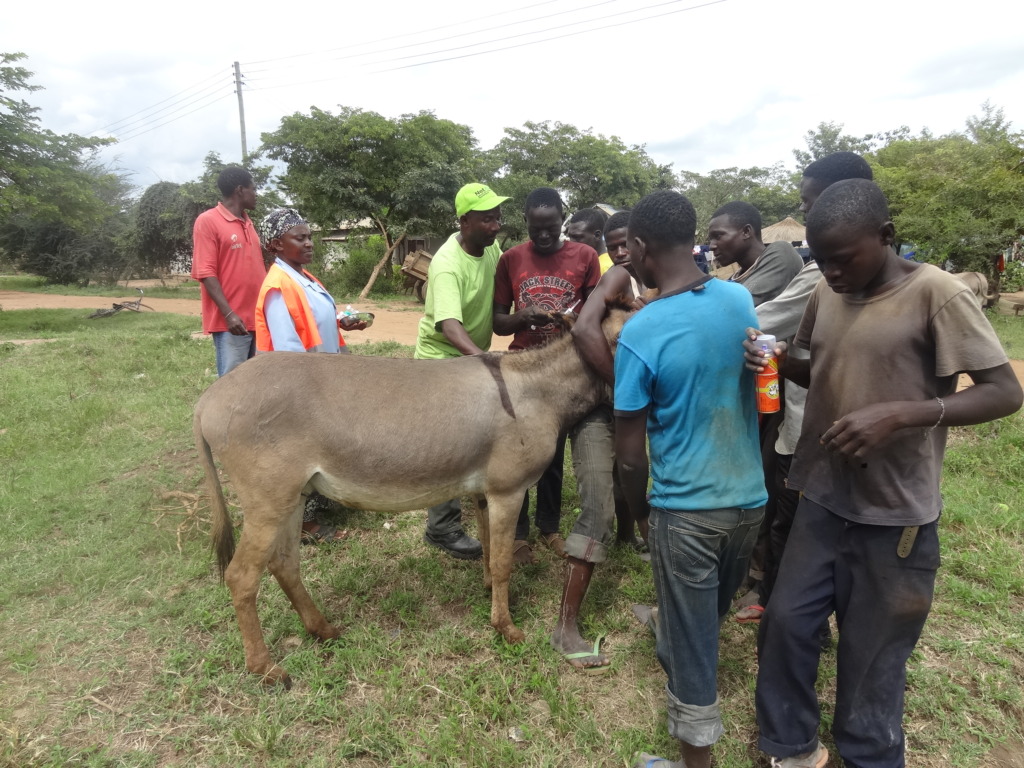
The mobile clinic provides routine de-worming, wounds treatments, Eyes treatments, teeth rasping, and feet trimming, promoting donkey welfare knowledge with donkey welfare assessment per village.
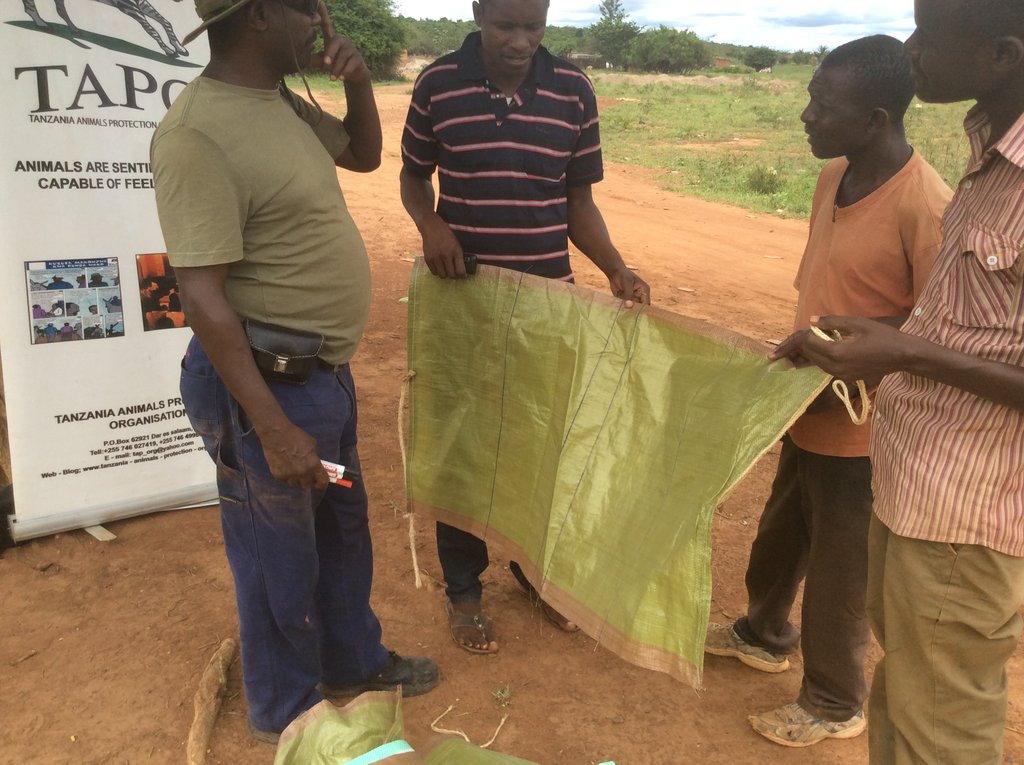
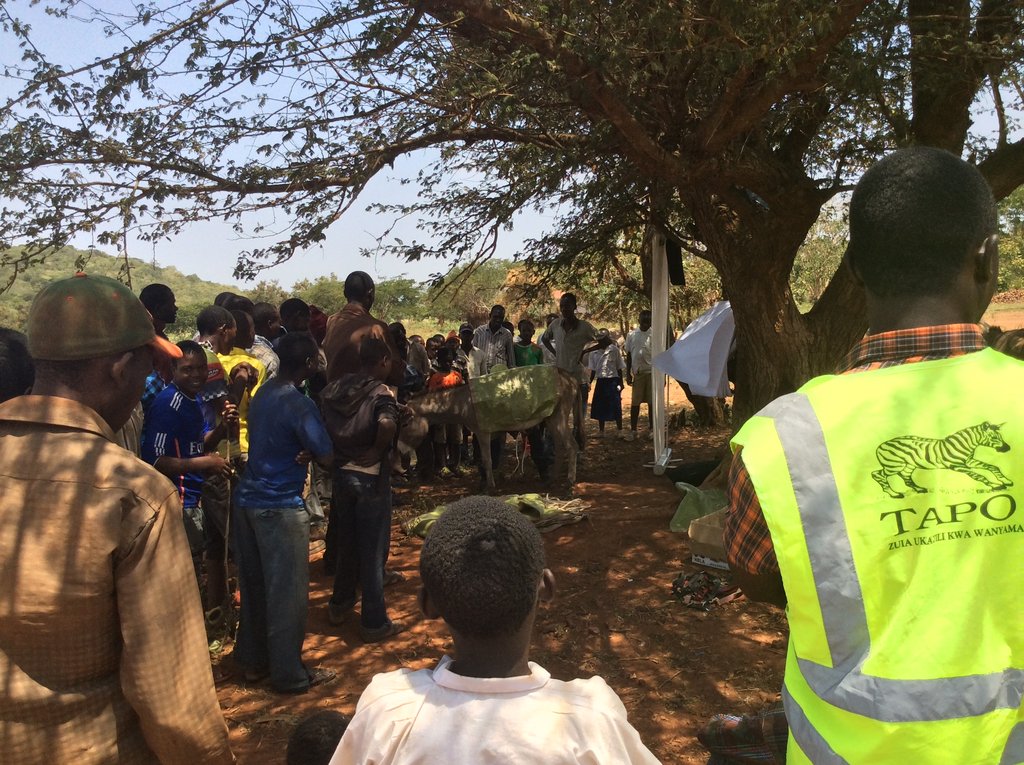
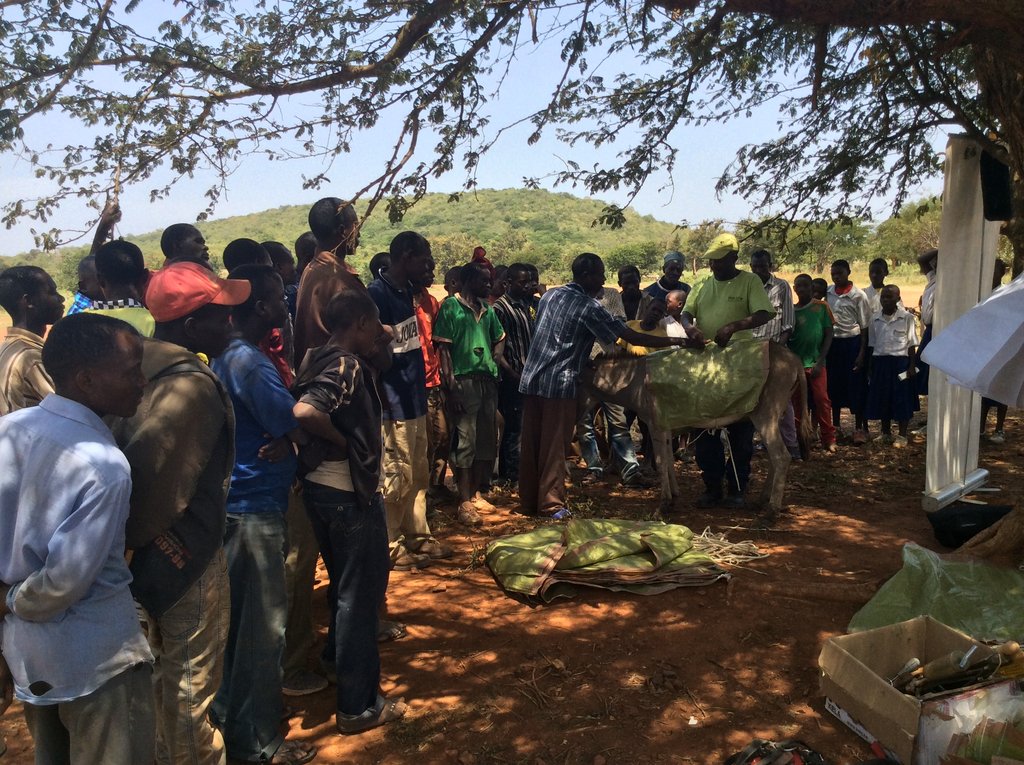
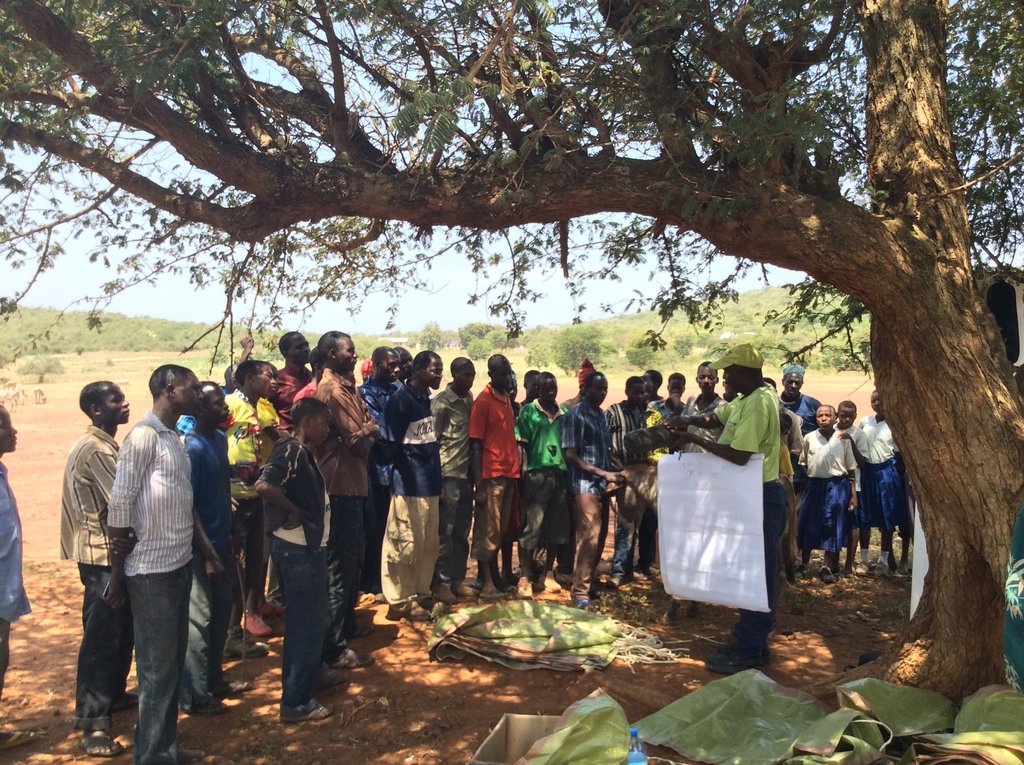
Oxen Single Shaft cart without padding or harnessing materials are a major issue for working donkeys, causing terrible injuries. The mobile also implements a basic donkey care education programme to improve donkey welfare, modify carts, basic health care, feeding and donkey shelter.
Through our clinics, N TAPO treats nearly 5000 donkeys each year who may have never even received basic care before. This lack of treatment can lead to needless suffering, pain, ill health and premature death.
Our veterinary approach is based on supporting the provision of preventative and treatment services to working donkeys and not working donkeys with abandon donkeys, the dedicated teams of highly experienced vets and animal health professionals providing free veterinary services to donkey village communities through mobile clinics by involving local government officials, village leaders, and local animal health workers.
These focus on in all Kahama village areas where no local veterinary services exist or where local practitioners do not yet have the required level of skill or experience.
Relief of pain and immediate welfare problems are our first priority. We ensure that our mobile veterinary teams are kept up with all needed veterinary equipments and medicines in order for all donkeys to receive the proper veterinary care.
We aim to provide high quality veterinary care using appropriate locally available medicines and equipment. We also develop resource materials to share clinical information relevant to local circumstances.
.
In the long-term we aim to build the capacity of local service providers to enable us to hand over responsibility for donkey welfare to sustainable local structures.
There is many condition that affect donkey Health, However, detecting illness in the donkey can be made more difficult by its stoical nature. Dullness and ‘depression’ may be the only symptoms exhibited. These subtle behavioral changes may also be accompanied by anorexia. This means that a donkey may be in the advanced stages of a disease before it is noticed or a diagnosis is reached. Our mobile team are therefore take much attention to a dull donkey very seriously as it could potentially be a very sick animal,
However, dullness does not always indicate disease in donkeys as they are naturally quiet
Animals and other things such as separation from a friend can induce these signs as well.
Some Common Health Problems:
`Why Does My Donkey Look Dull?
4.1Wounds treatments
Wounds are main problem facing donkeys in all villages we attending; we encounter difference wounds on parts of the donkey body,
Abrasions- Caused by friction. A rope burn is a typical abrasion. Most abrasions normally involve only the skin and hair, but sometimes they can go deeper. Abrasions will often seep blood or body fluids and can look very messy.
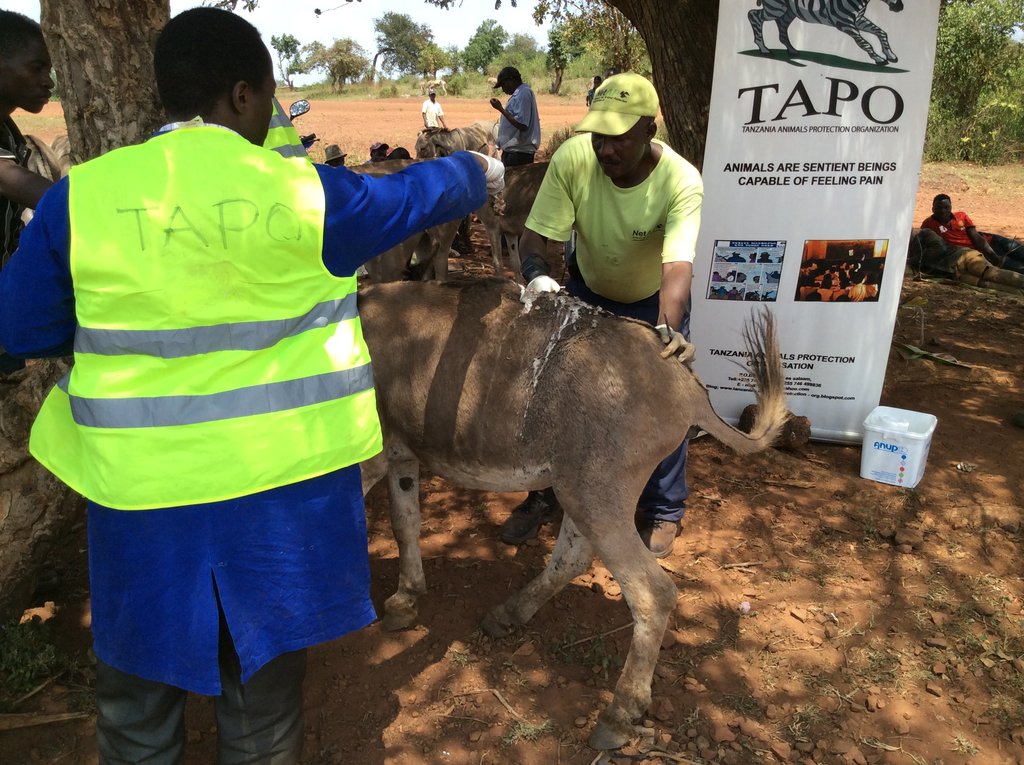
Neck Wounds- these are fresh wounds caused by using oxen yoke for cart pulling without any insulation or padding materials to protect from collision between tree and skin.
Back wounds-these are fresh wounds and heal wounds caused by difference causes, beaten by handlers, cut by machetes, pour hot water, hitting by cart and kicking from other donkeys.
Incised wounds- These are made by a sharp object such as a knife or a piece of broken glass. They will have clean-looking edges and may bleed heavily if donkey blood vessels are cut.
Tears- More jagged edges. These kinds of wounds are often caused by barbed wire. They are very unlikely to bleed as badly as an incised wound because the wound is usually created by a pulling or pushing action against an object. Blood vessels, being elastic, are often able to stretch or slide with the foreign object and then spring back into position.
Puncture wounds- Caused by the likes of a stake or nail. Will usually not bleed heavily because of the elasticity mentioned for tears, but if the object does manage to puncture a major blood vessel then the outcome for the unlucky donkey may be fatal.
Contusions- Essentially, an internal wound. The tissues have been damaged and are bleeding, but the skin is not broken. Usually, there will be swelling at the site and the donkey will show discomfort.
All donkeys with wounds were cleaned and sprayed followed by injection of Antibiotics, dewormer and multivitamin also the owners were given advice not work donkeys until the wounds disappear.
4. 2 Flies and Eyes treatments
Some donkeys suffer with sores around their eyes from the flies biting. Occasionally a donkey will suffer from a highly uncomfortable reaction to flies and midges called "sweetitch". In fact the itch is anything but sweet and causes the animal severe irritation so it will rub its skin raw and bleeding, which in turn attracts more flies.
Most of the donkeys were found with eyes problem, we encounter more tan 34 donkeys one eye totally blind and other have wounds outside and was caused by kicking, beating and cart accident and all were treated wit eyes ointment and injected antibiotics and other medicines as normal
4.3 Feet care
Many Kahama Donkeys need their hooves trimmed every 2 - 4 month, depending on growth and the type of terrain. Because donkeys are designed to live on harder, rockier their hooves are also harder and they don't do so well in the nice soft paddocks. Their hooves do not wear down and hoof mechanism is impaired. They often become very high heeled and contracted; also donkey shelter should be cleaned out regularly to prevent the build-up of bacteria in the manure which attack the donkeys' hooves causing foot problems.
Donkey hooves should be cleaned out with a hoofpick every day if possible but certainly a couple of times a week to remove small stones and sharp chippings which may become lodged in the hoof and cause lameness.
The walls are rasped at the ground surface so that they are just level with the outside of the sole.
Each foot needs to be balanced correctly from side to side and from heel to toe. However, the quarters may need to be rasped slightly shorter than the heel and toe, to bring the walls level with the sole in this area.
Both front feet should generally be a matching pair in length and angle, as should both back feet.
The heels are short. The frog is flattened, wide and tough and in contact with the ground.
The frogs are trimmed of any doggy, dead material that is hanging off.
4.4 Tooth rasping
Just as with horses, donkeys' teeth continue to grow throughout their lives and the constant chewing of roughage causes them to wear. Because equines chew from side to side in the same direction, sharp points can develop on the sides of their teeth. These points can interfere with the eating and proper chewing of food, which can in turn lead to weight loss or other digestive problems. Donkeys are checked in all areas we visit. If sharp areas are present, they will file them off. This is not painful to the donkey and is usually tolerated very well.
Teeth should be checked every few months if possible. They can develop sharp points on their teeth which can make sores in their mouths, making it difficult to eat. If you know your donkey's habits and usual behavior, you'll notice if there appears to be a problem with their eating and apparent comfort. You might also notice a drop in their weight and condition
4.5 Respiratory Disease
Some of the main causes of respiratory disease in the donkey are viral
and bacterial infections, parasites, allergies and anatomic problems. as a donkey
that looks ill with respiratory signs, which may include coughing, nasal discharge and fever
(average temperature in donkeys is 37.1ºC, important to treat donkeys with ivermectin To prevent respiratory disease and it is important to keep them in a clean well ventilated environment,
4. 6 Deworming
All Kahama Donkeys need to be wormed every 2 - 3 months. A regular deworming program is necessary to reduce internal parasites and keep donkey in the best of health. Special care must be given to donkeys who have not been on a regular deworming program and who may be carrying a heavy parasite load.
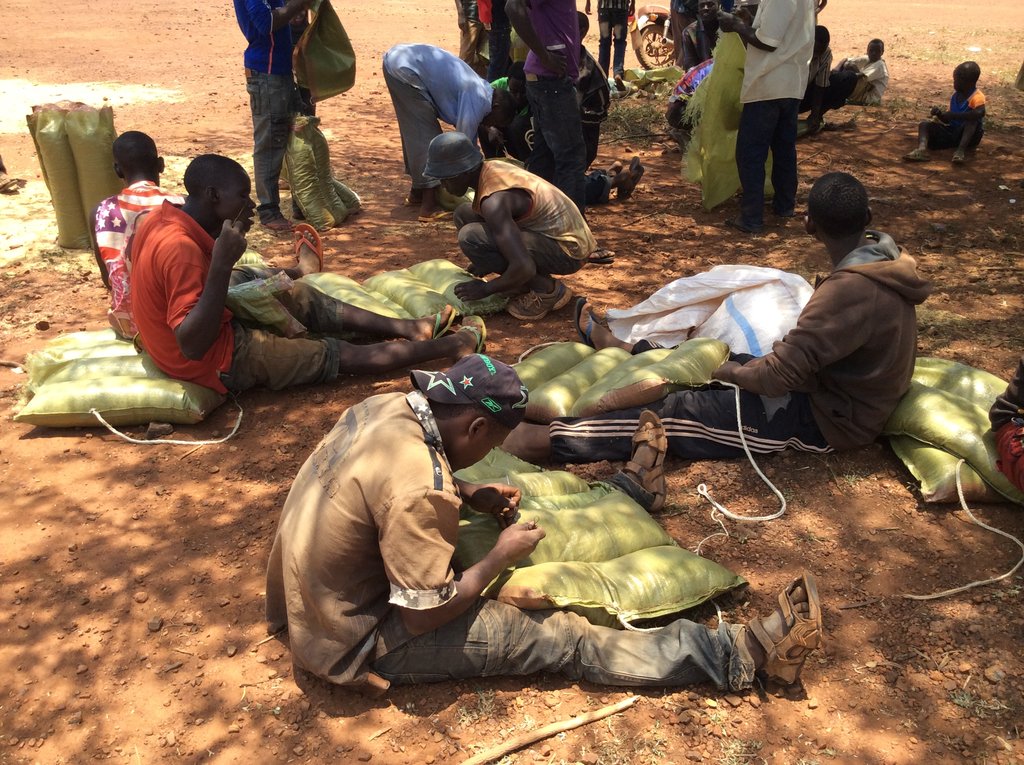
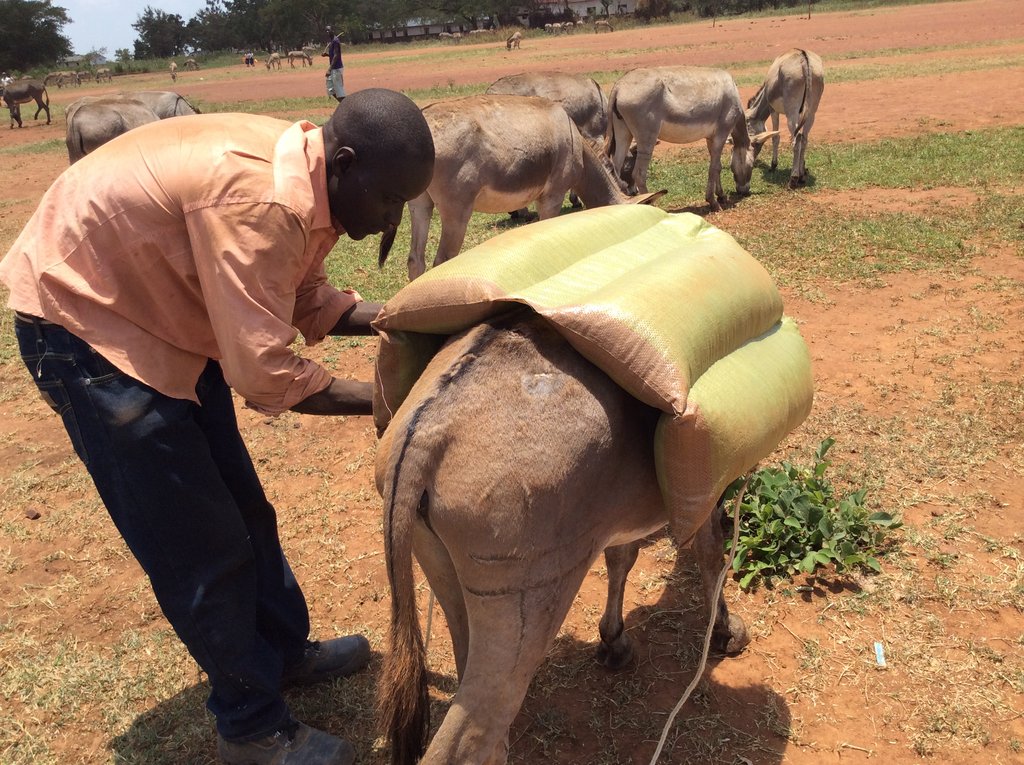
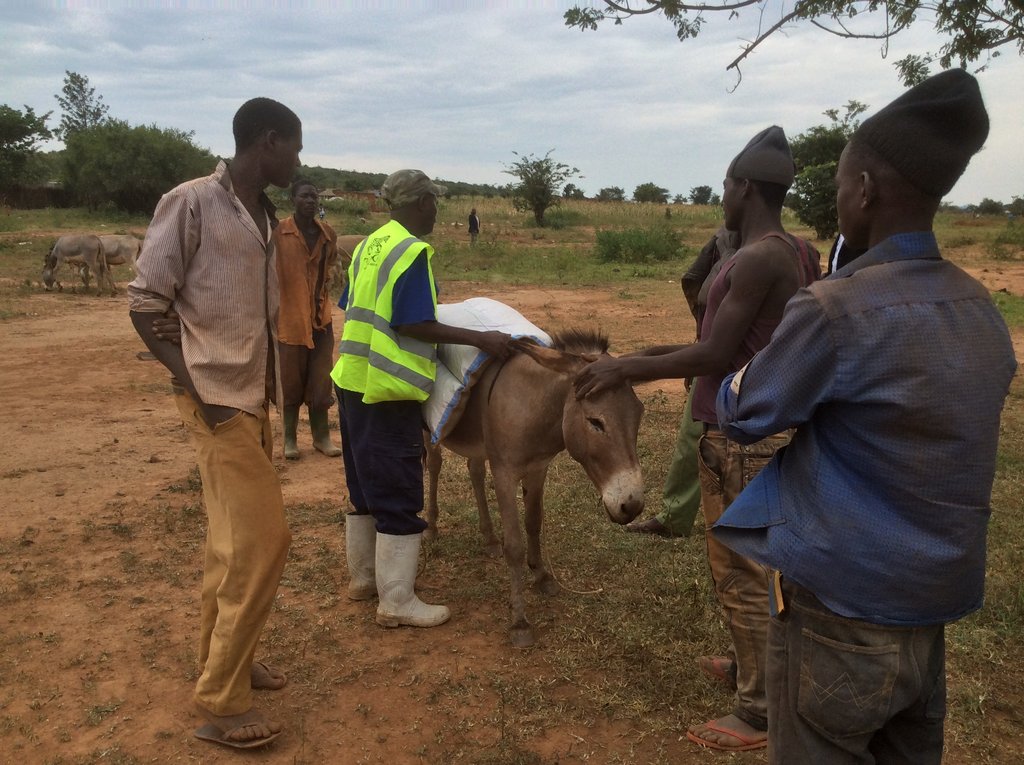
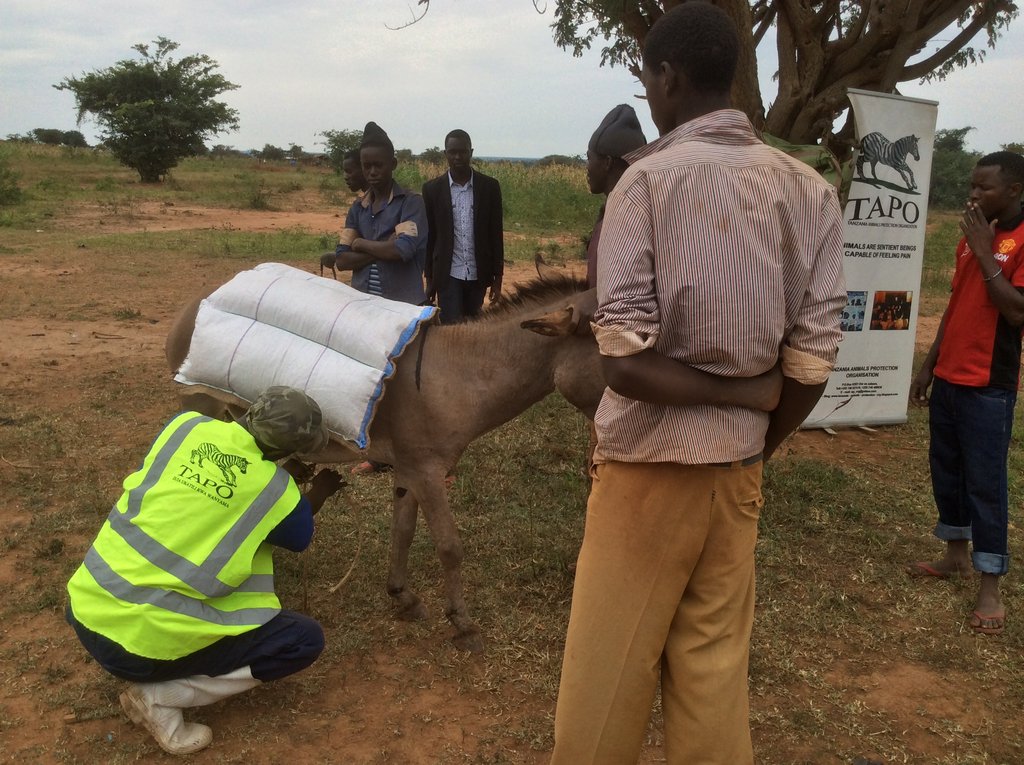
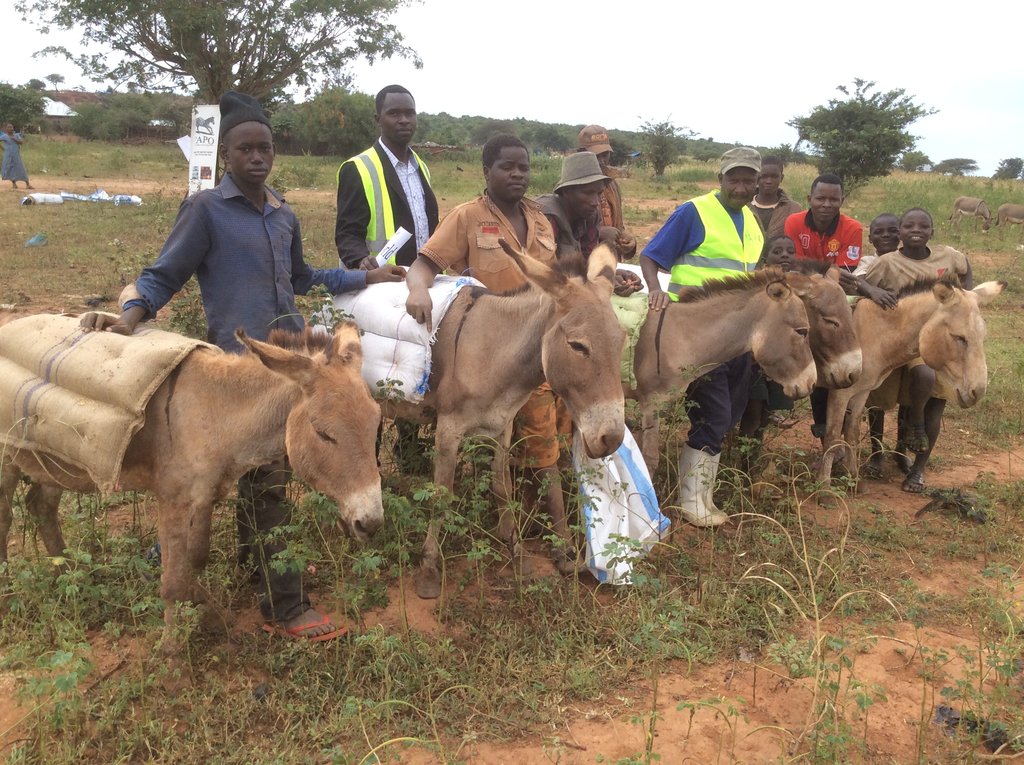
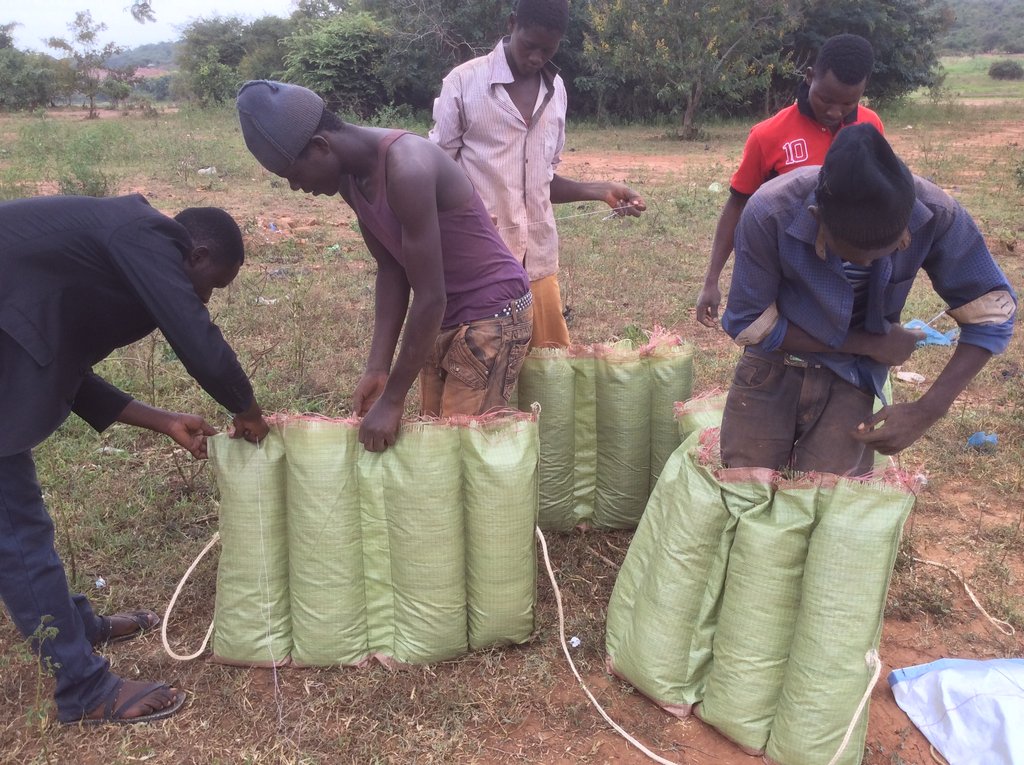
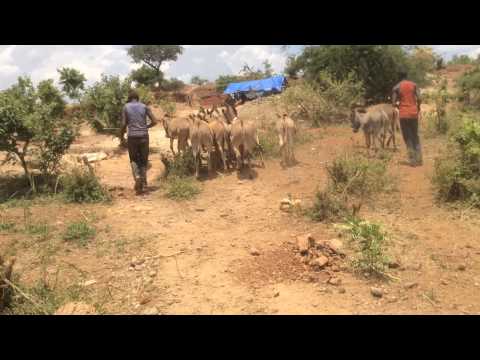
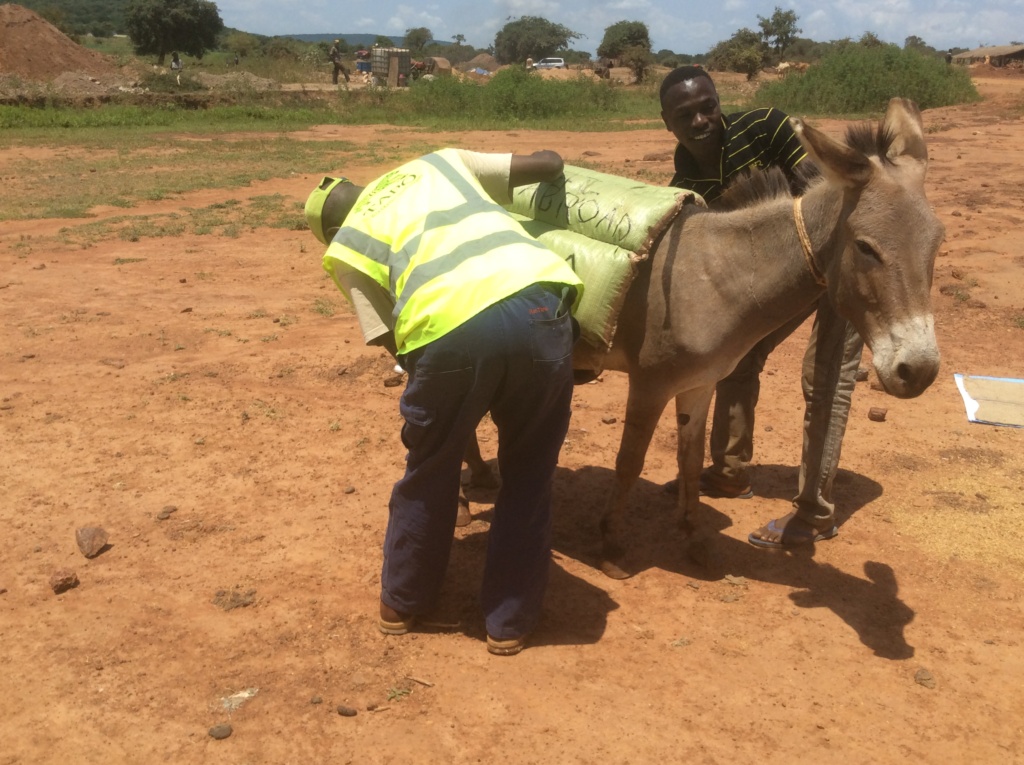
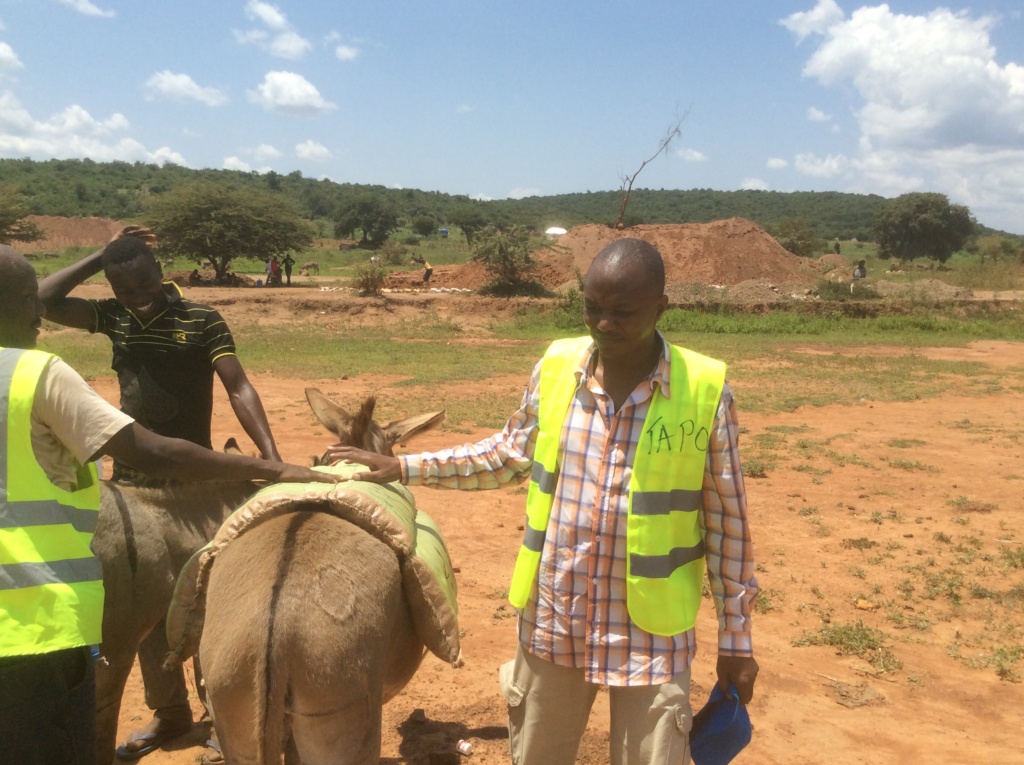
During our routine veterinary treatment and Donkey pack saddle training at Mwakitolio local gold we had meeting with village local officials and discussed the welfare problem facing over working and they have agreed to put “Working Donkeys Regulations” within mining areas 6 hours per day only, from 7.00 am to 12.00am, the rest of time is for feeding and relax.
Donkeys will continue to be sustainable and valuable resources for the provision of draft power in Kahama. Their more effective use will depend on availability of more veterinary care, donkey welfare education. Animal welfare education and humane education will be advanced if the Tanzania Government will introduce it into the national curriculum through the Ministry of Education, with resources available to help the poor suffering donkey at within community
In order to develop animal welfare movements, the well-financed organizations need to support the small organizations in order effectively to make changes in animal welfare education programs worldwide. By supporting long term project.
Links:
Project reports on GlobalGiving are posted directly to globalgiving.org by Project Leaders as they are completed, generally every 3-4 months. To protect the integrity of these documents, GlobalGiving does not alter them; therefore you may find some language or formatting issues.
If you donate to this project or have donated to this project, you can receive an email when this project posts a report. You can also subscribe for reports without donating.