By Parthibhan Amudhan | General Manager
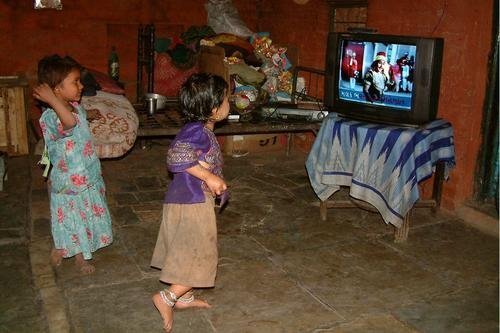
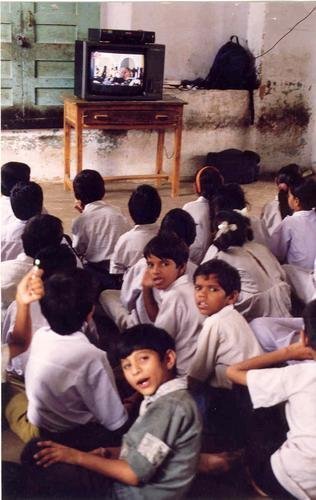
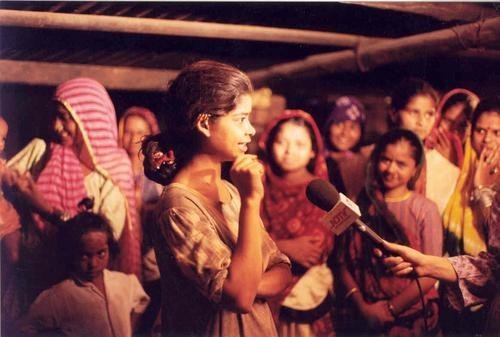
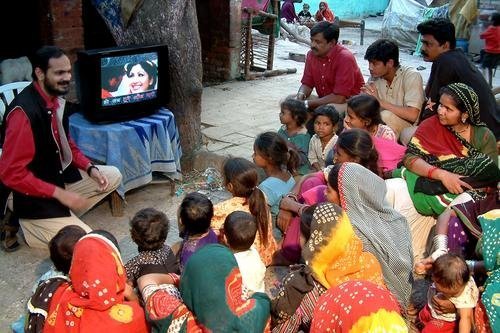
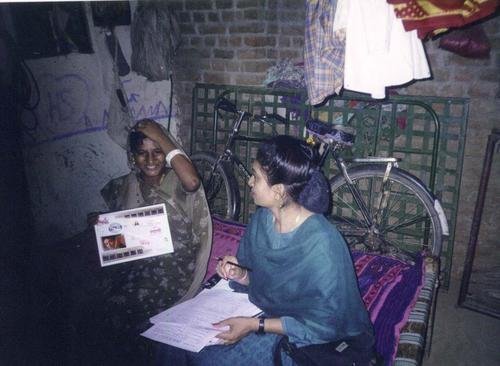
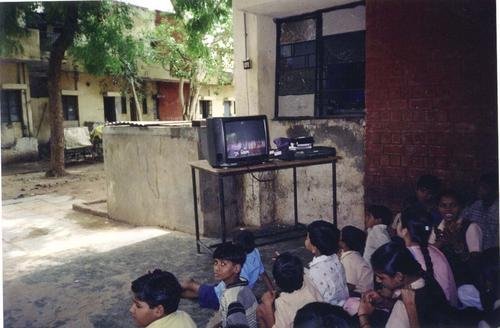
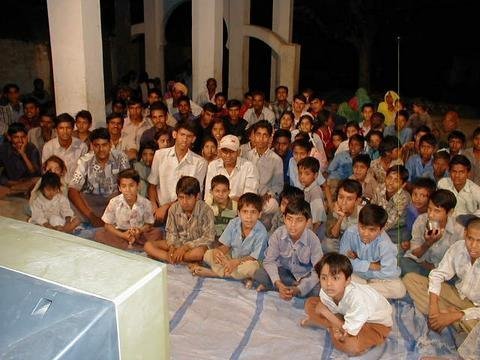
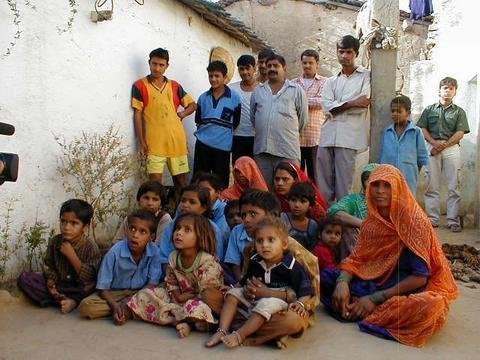
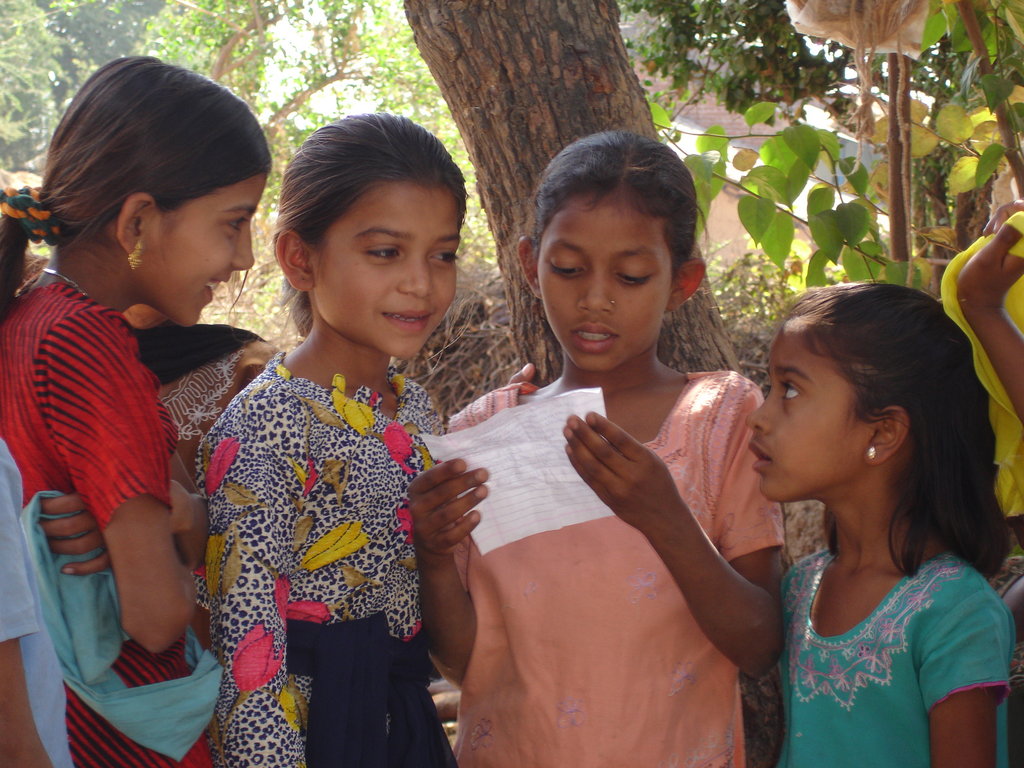
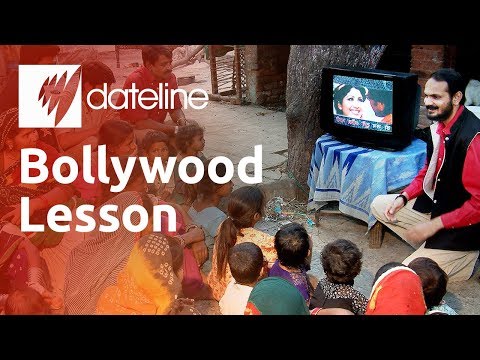
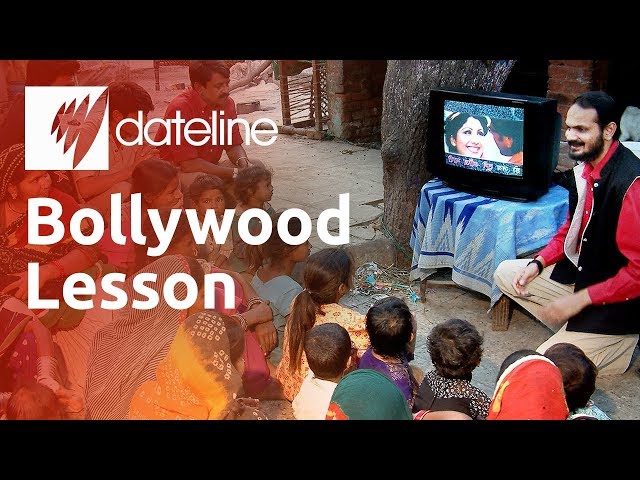
PlanetRead's Same Language Subtitling (SLS) was covered by Amos Roberts of SBS One, an Australian news channel. Amos travelled all the way to India to film a documentary of PlanetRead's work.He met many people in the field who have benefitted from SLS. The film is available on SBS One's YouTube channel here: https://www.youtube.com/watch?v=tOsWToI2PIw along with a brief article of on their website here: http://www.sbs.com.au/news/dateline/story/bollywood-lessons
Here's an excerpt from the article:
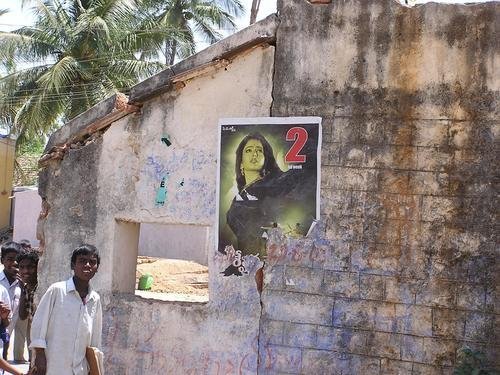
India has high illiteracy, but a simple idea of showing Bollywood movies with subtitles is having a remarkable effect on reading skills.
One of India's biggest success stories, Bollywood, is being used to tackle one of its biggest failings, illiteracy.
The country has the greatest number of illiterate people in the world, but a remarkably simple idea is gradually changing that. Amos Roberts meets Brij Kothari, who wondered if subtitling the song and dance numbers in films would teach people how to read.
By Parthibhan Amudhan | General Manager
By Parthibhan Amudhan | General Manager
Project reports on GlobalGiving are posted directly to globalgiving.org by Project Leaders as they are completed, generally every 3-4 months. To protect the integrity of these documents, GlobalGiving does not alter them; therefore you may find some language or formatting issues.
If you donate to this project or have donated to this project, you can receive an email when this project posts a report. You can also subscribe for reports without donating.



Support this important cause by creating a personalized fundraising page.
Start a Fundraiser