By Lara Kraft | VP, Co-Executive Director, Chairwoman
This has been a "Summer of Second Chances."
When we last checked in this spring, we introduced you to four orphaned black bear cubs who had suddenly found themselves without mothers and with very few places equipped to take them. We told you then that at Keepers of the Wild, stillness is an illusion.
The months since have certainly proven that true.
Since April, our sanctuary has moved through one of those extraordinary stretches when the calls for help seem to come one after another. New animals have arrived needing everything from emergency veterinary intervention to specialized diets, quarantine, round-the-clock observation and, perhaps most importantly, a safe place to land.
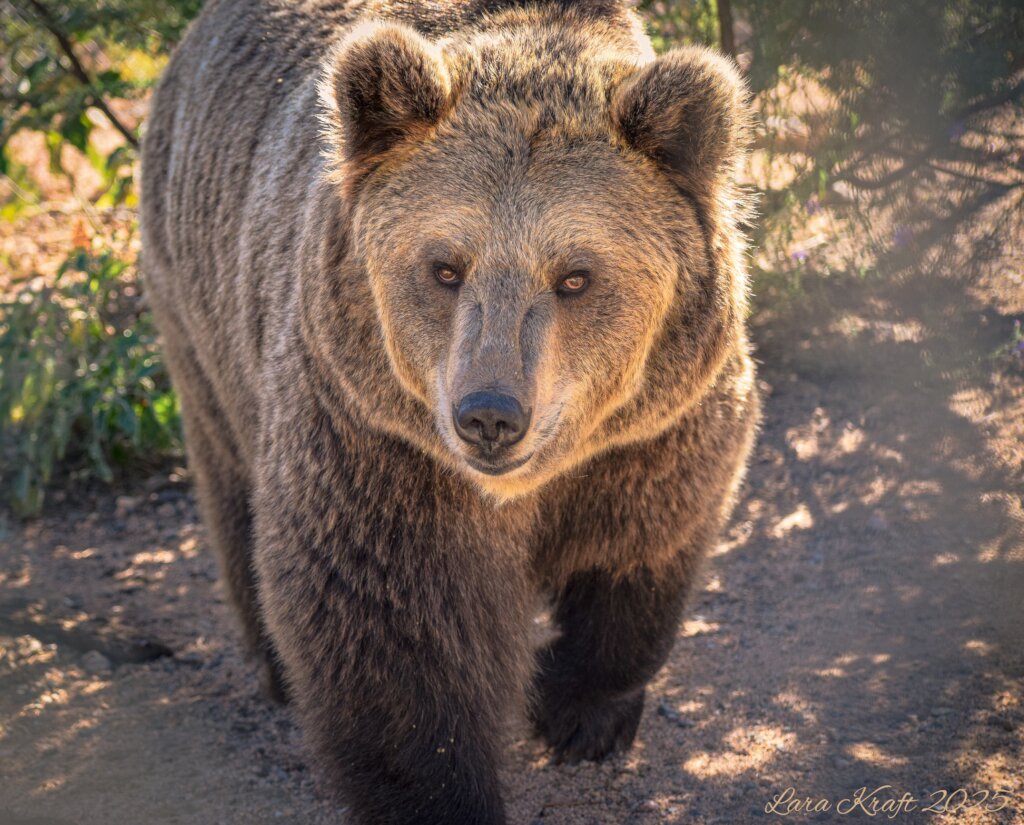
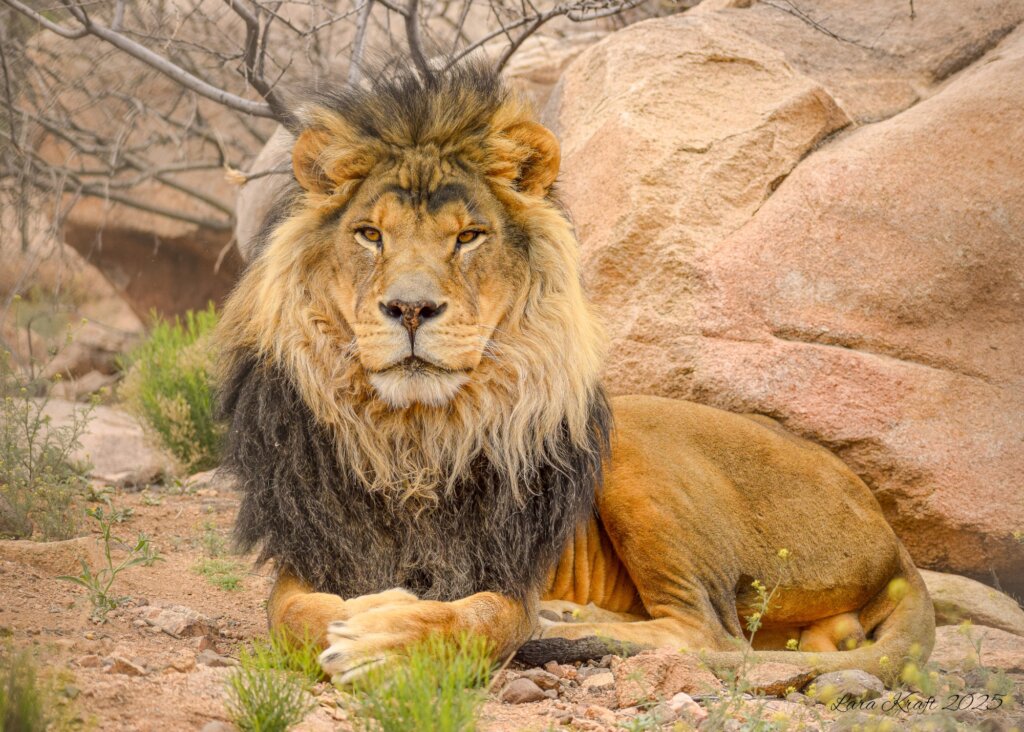
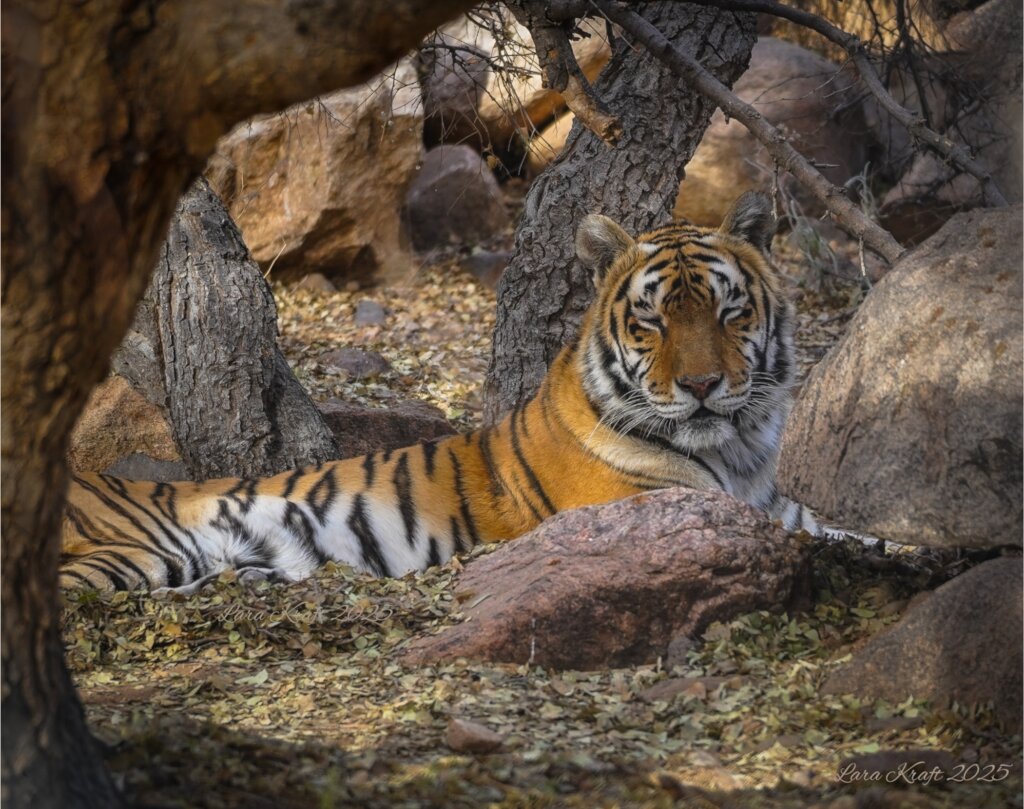
Through it all, approximately 150 rescued animals already call Keepers of the Wild home. Their needs don't stop when another animal arrives at the gate. Thirteen bears still need to be fed. Tigers still need medications and enrichment. Habitats still need repairs. Our animal care team still arrives every morning to begin another day of work across 175 acres.
Rescue does not replace the work already happening here.
It adds to it.
And this summer, it added quite a lot.
Small Arrivals, Big Commitments
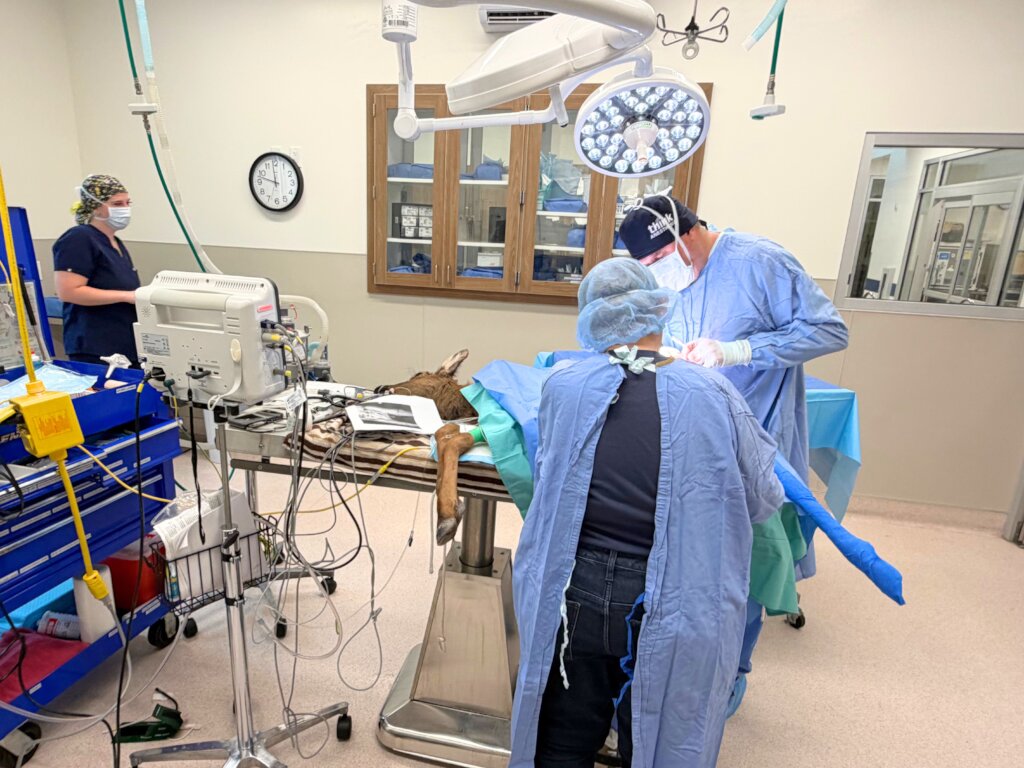
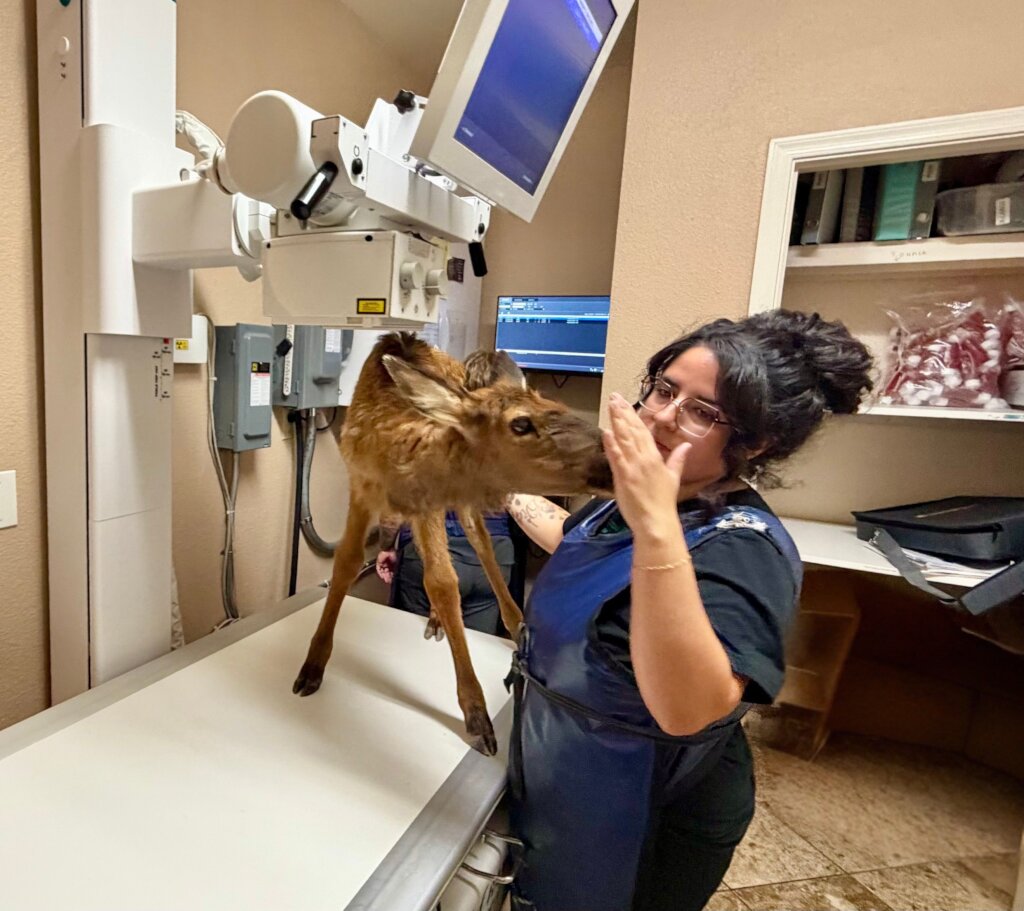
Among our newest residents is Winston, a young elk calf whose story quickly became a medical one. Winston required surgery and specialized veterinary care, adding an unexpected but necessary expense to an already busy rescue season.
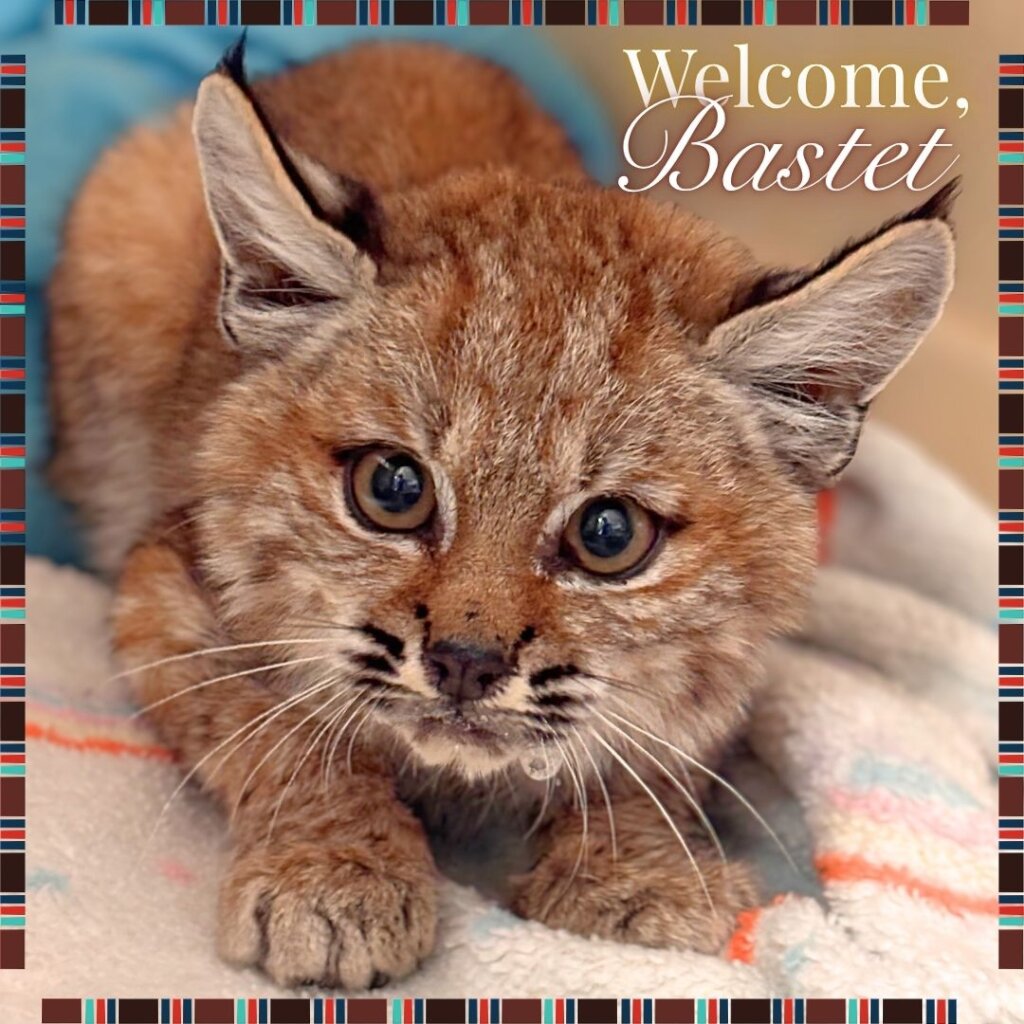
Then came Bastet, a tiny bobcat kitten weighing only a few pounds.
She arrived frightened, painfully thin, and understandably suspicious of the humans suddenly responsible for her care. At an age when she should have been following her mother through the wild and learning how to be a bobcat, Bastet instead found herself in our quarantine area.
Here, she has been given something every rescued animal desperately needs: time.
Time to gain weight. Time to become stronger. Time to learn that food will keep coming and that the people entering her space are there to care for her. Our goal is not to make her tame. It is to give her everything she needs to grow into the wild little creature she was always meant to be.
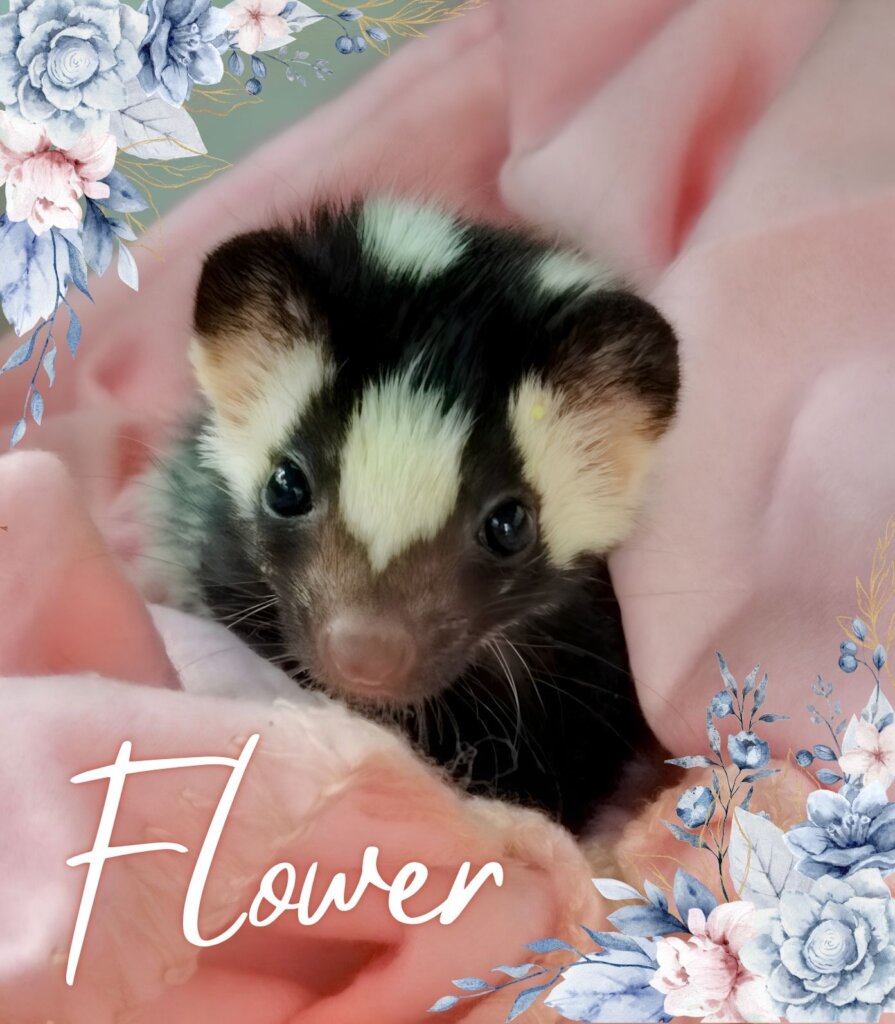
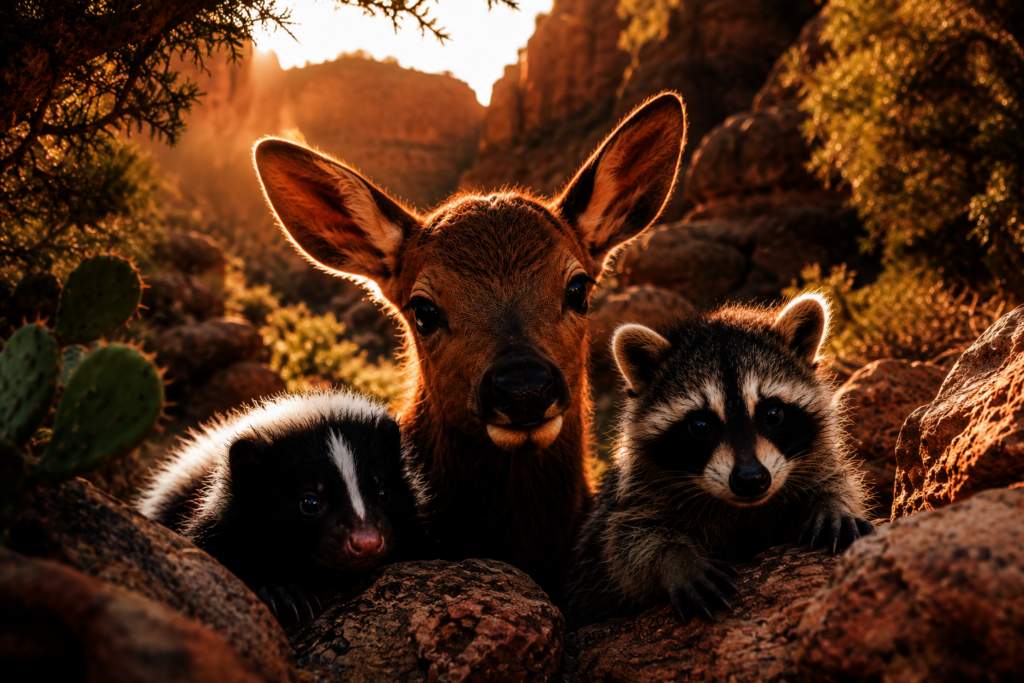
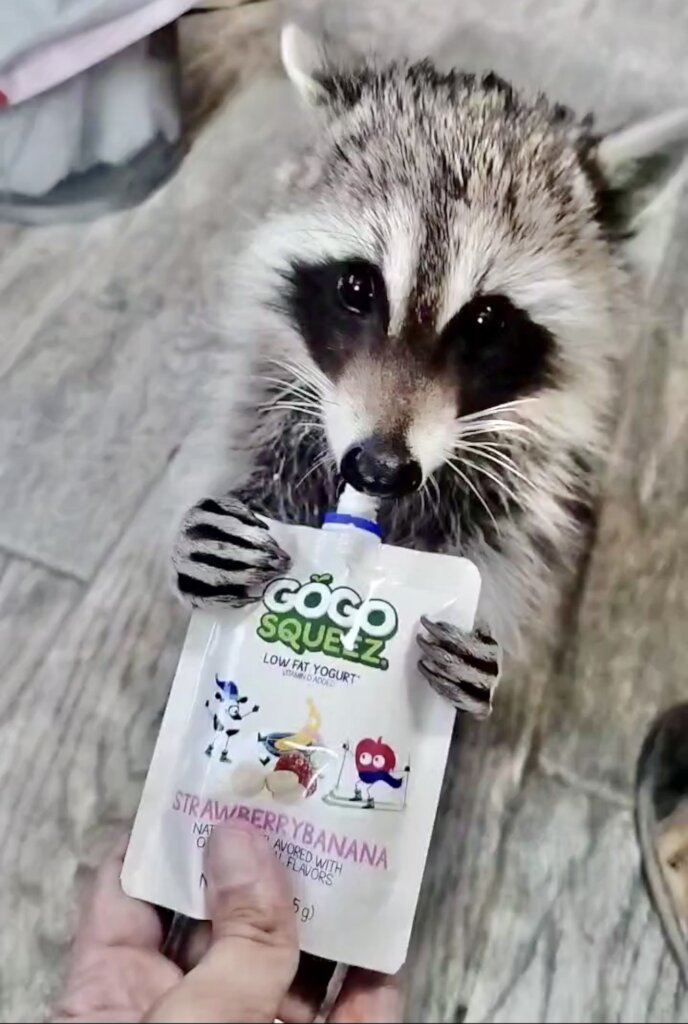
This summer also brought Pua, a young raccoon, and Flower, a spotted skunk, each with their own needs and each adding another layer of care to an already complex sanctuary operation.
These may be small animals, but the commitment we make when we accept them is anything but small.
Every new arrival requires food, veterinary assessment, quarantine space, staff time, supplies, and long-term planning. Rescue has no predictable schedule and no convenient time for the phone to ring.
When it does, we simply hope we are in a position to say yes.
About Those Bear Cubs...
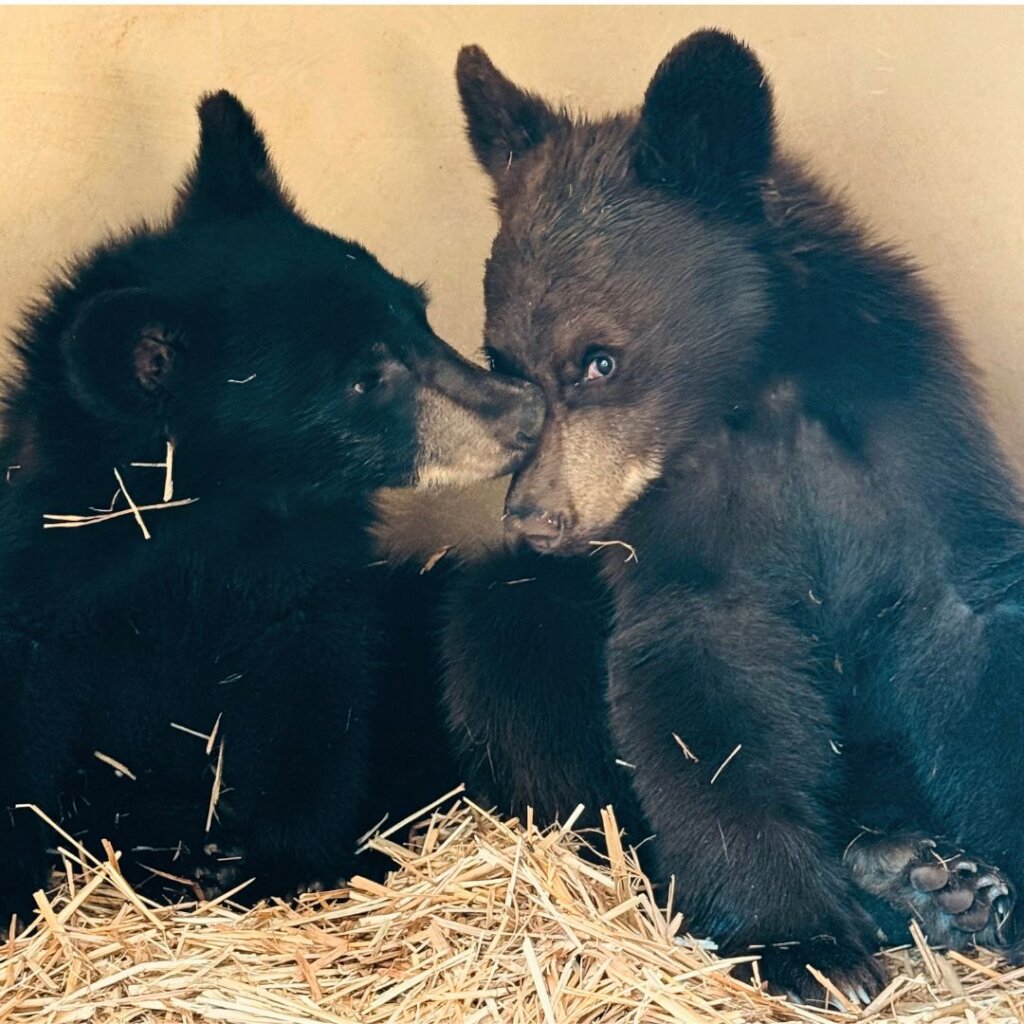
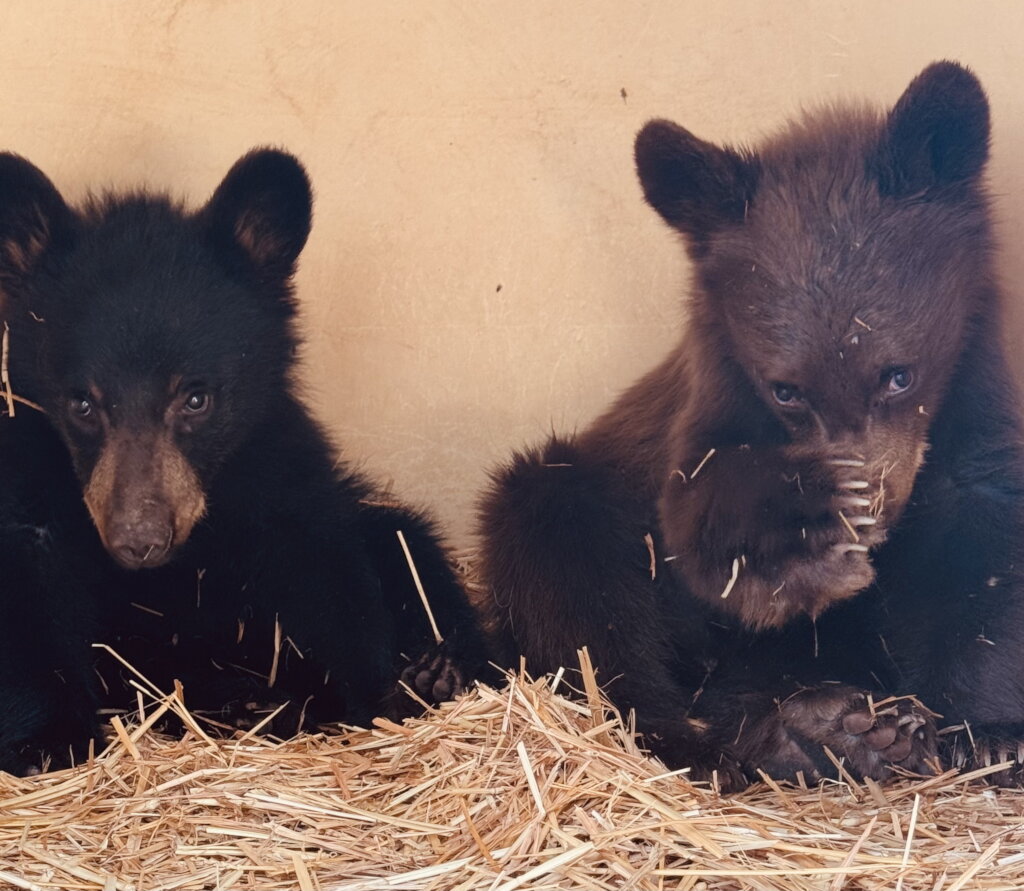
If you remember the four orphaned black bear cubs from our last report, we are happy to tell you that they are doing exactly what healthy, growing black bears should be doing.
Unfortunately for our maintenance budget, that includes destroying things.
A lot of things.
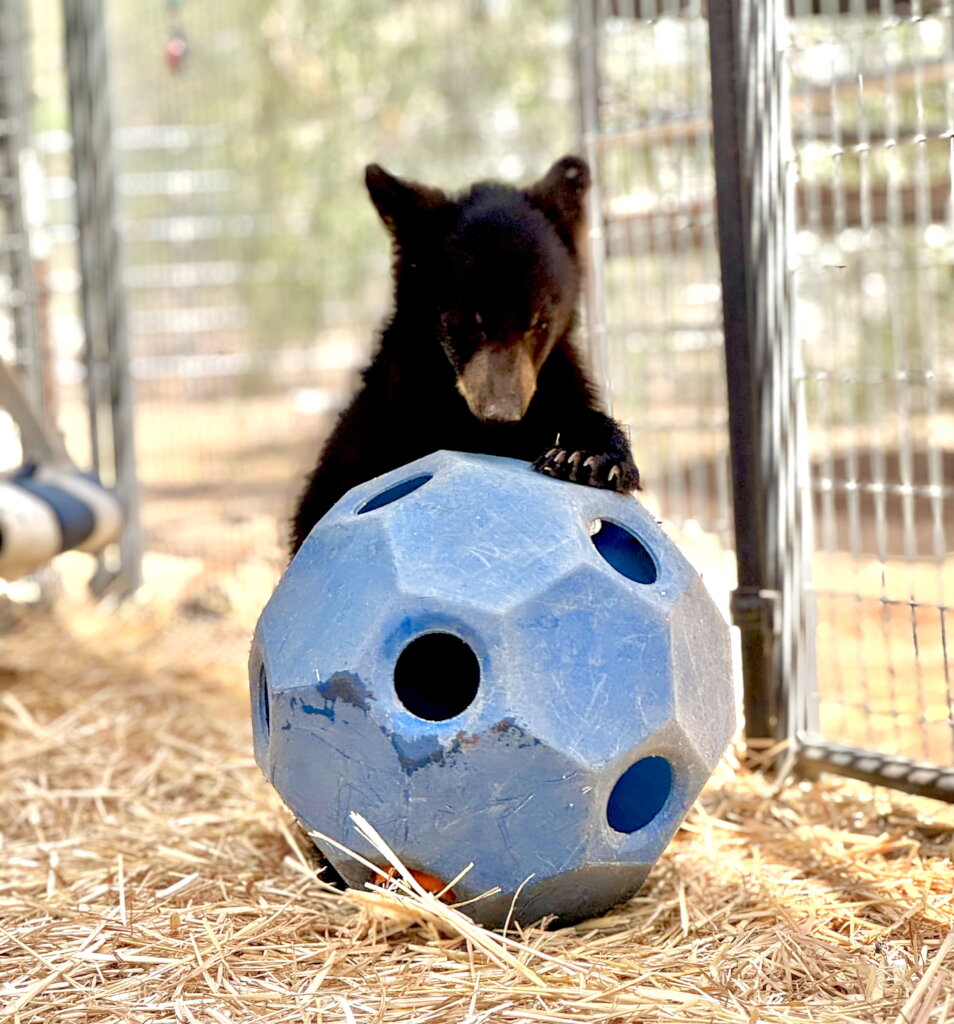
Their habitat has become a rotating experiment in what can—and cannot—survive four increasingly strong, curious young bears. They climb, wrestle on, and dismantle their habitat. Vegetation is investigated and promptly destroyed. Enrichment items that look impressively sturdy to the human eye can have remarkably short life expectancies once the cubs get involved.
And we wouldn't have it any other way.
Digging, climbing, pulling, shredding, wrestling, and manipulating their environment are natural bear behaviors. Giving these cubs opportunities to use their bodies and minds is essential to providing meaningful sanctuary care.
It also means continually rebuilding.
Our team is now working to replace and expand enrichment throughout their habitat with new platform levels, heavy-duty hammocks, tire swings, vegetation, and other structures designed to challenge four bears who seem personally committed to testing our construction abilities.
An important lesson lies beneath the chaos: rescue is only the beginning.
Saving four orphaned cubs was one moment. Caring for those bears through adolescence, adulthood, and eventually old age is the promise that followed.
That is what sanctuary means.
The $180,000 Expense We Couldn't Put Off
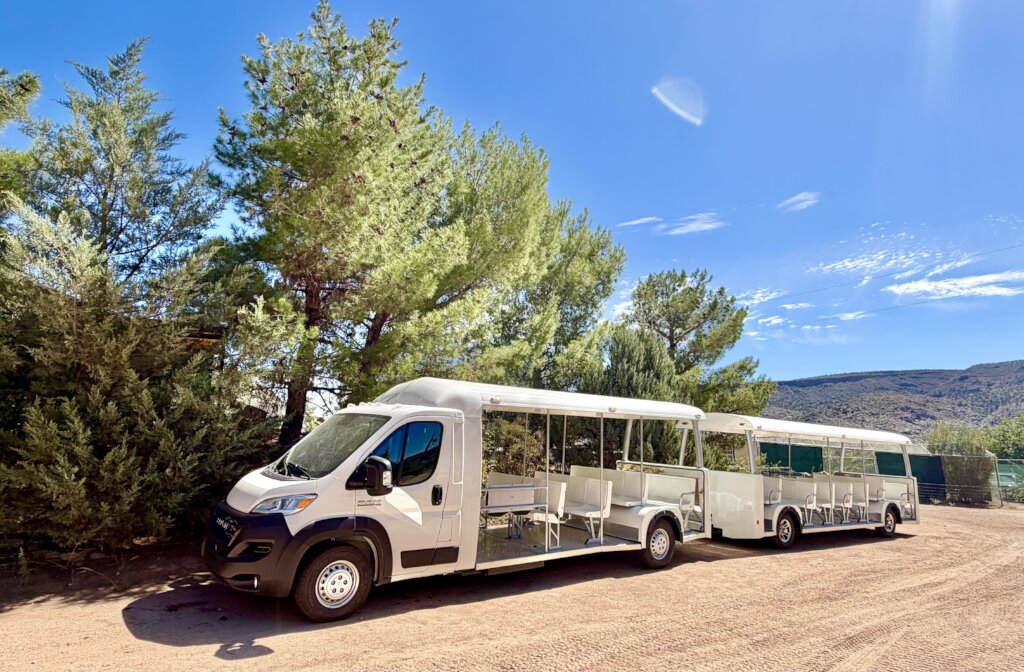
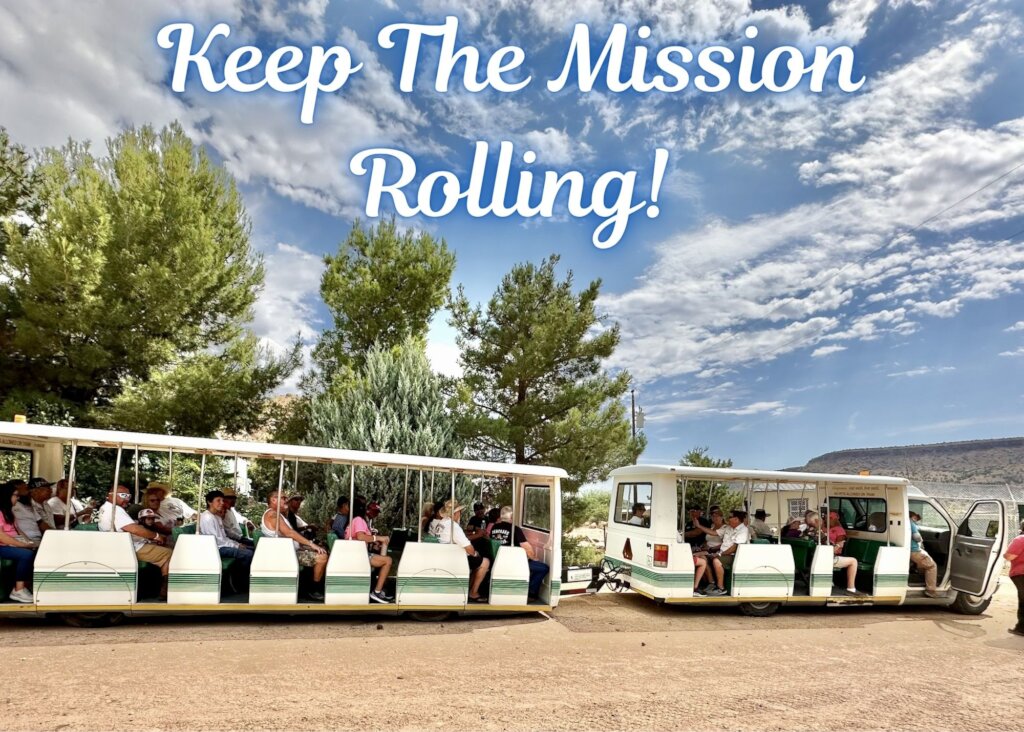
In April, we also shared another urgent need: replacing our aging tour tram.
For more than a decade, our old tram carried tens of thousands of visitors through the sanctuary. It allowed people of different ages and mobility levels to experience our 175-acre canyon, hear the stories of the animals who live here, and learn why true sanctuary is so different from exploitation.
We had hoped to raise the approximately $180,000 needed to offset the cost of its replacement.
We didn't.
But the tram still needed replacing.
So we replaced it.
It was not an easy expense to absorb. For a nonprofit with an annual operating budget of approximately $3 million, an unexpected six-figure hit to our reserves matters—a lot. But letting an essential part of our operation deteriorate until it failed wasn't a responsible alternative.
Our tours are not simply a visitor amenity. They are one way we fulfill our educational mission, and the revenue they generate directly supports animal care. The tram helps make our sanctuary accessible while carrying thousands of people each year into conversations about wildlife, captivity, responsible stewardship, and the realities faced by animals exploited for entertainment or kept as pets.
The new tram is now part of that mission.
We're incredibly proud of it.
We just wish it hadn't kicked our bank account quite so hard on the way in.
When $180,000 Is Only One Piece of the Puzzle
That tram purchase didn't happen in isolation.
It happened during the same months that Winston needed surgery. Bastet needed care. Pua and Flower arrived. Four bear cubs continued growing at an astonishing rate. Habitats needed maintenance and enrichment. Our staff continued providing professional care to approximately 150 animals representing around 50 species.
And every single one of them needed to eat.
Our carnivores alone consume roughly 1,350 to 1,500 pounds of meat every week, and food costs across the sanctuary total approximately $200,000 each year.
Then there are veterinary expenses, medications, utilities, staffing, habitat maintenance, equipment, enrichment, and the countless less-visible costs required to operate a professional wildlife sanctuary every day of the year.
There is no pause button.
There is also no government funding underwriting this work.
As a 501(c)(3) nonprofit organization, Keepers of the Wild depends on admissions, donations and people who believe that animals who have already lost so much deserve somewhere safe to spend the rest of their lives.
Rescue Is a Promise
There is something irresistible about the beginning of a rescue story.
A tiny bobcat looking out from a carrier. An orphaned bear cub taking its first tentative steps into a new habitat. A young elk receiving the medical care he desperately needs.
Those moments are powerful, and they should be.
But they are not the whole story.
At Keepers of the Wild, rescue is not something we do for an afternoon. It is a promise we may keep for decades.
When we say yes to an animal, we are also saying yes to tomorrow morning's breakfast and next month's veterinary bill. We are saying yes to replacing enrichment after it has been enthusiastically demolished, repairing fences years from now, managing the medical needs that come with old age and having trained caregivers there every single morning along the way.
We don't rescue animals simply to save them for a day.
We rescue them so they never need saving again.
And right now, keeping that promise matters more than ever.
The Season Ahead
As summer begins to fade, we are heading toward one of the most financially challenging periods of our year. Visitor numbers slow, and with them, an important source of operating revenue.
The cost of caring for the animals does not.
Bastet will keep growing. Winston will continue needing care. Our bears will continue eating—and undoubtedly destroying whatever we build for them next. Tigers will need meat and medication. Habitats will need maintenance. Staff will need to be here.
And eventually, the phone will ring again.
We don't know whether the next animal will weigh three pounds or three hundred. We don't know what species it will be or what condition it will arrive in.
What we do know is that when that call comes, we want to be able to say yes.
Your gift helps make that possible.
It becomes food in a tiger's bowl and fresh bedding in quarantine. It helps pay a veterinary bill we didn't know was coming. It replaces a climbing platform beneath four growing bears. It keeps trained animal caregivers here seven days a week. And sometimes, it helps replenish the resources we had to spend simply because waiting was not an option.
This summer has asked a great deal of our sanctuary.
It has also reminded us exactly why we are here.
For 31 years, Keepers of the Wild has stood in the space between an animal with nowhere to go and the second chance waiting on the other side.
With your help, we will keep standing there.
And when the phone rings again, we will keep fighting to say:
Yes.
With much gratitude and a wild heart,
Links:
By Lara Kraft | VP, Co-Executive Director, Chairwoman
By Lara Kraft | VP, Co-Executive Director, Chairwoman
Project reports on GlobalGiving are posted directly to globalgiving.org by Project Leaders as they are completed, generally every 3-4 months. To protect the integrity of these documents, GlobalGiving does not alter them; therefore you may find some language or formatting issues.
If you donate to this project or have donated to this project, you can receive an email when this project posts a report. You can also subscribe for reports without donating.



Support this important cause by creating a personalized fundraising page.
Start a Fundraiser