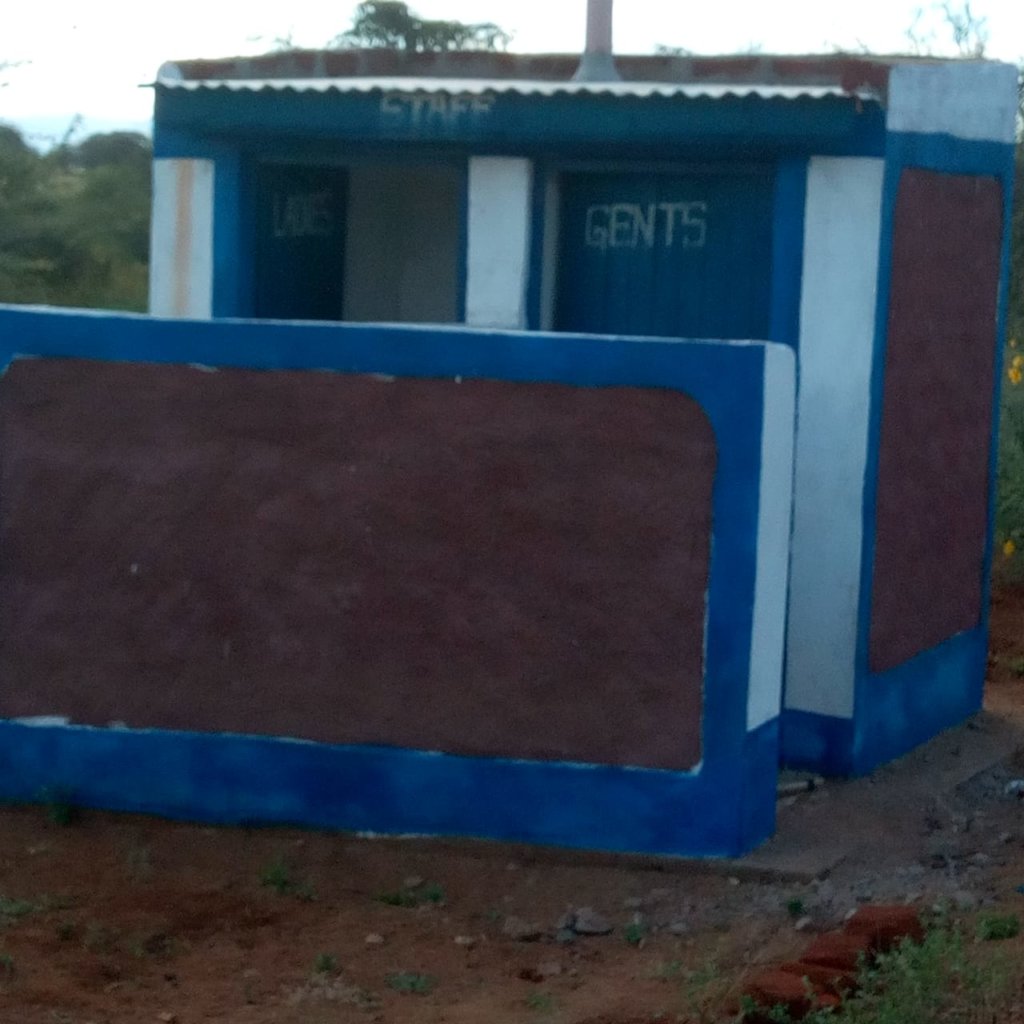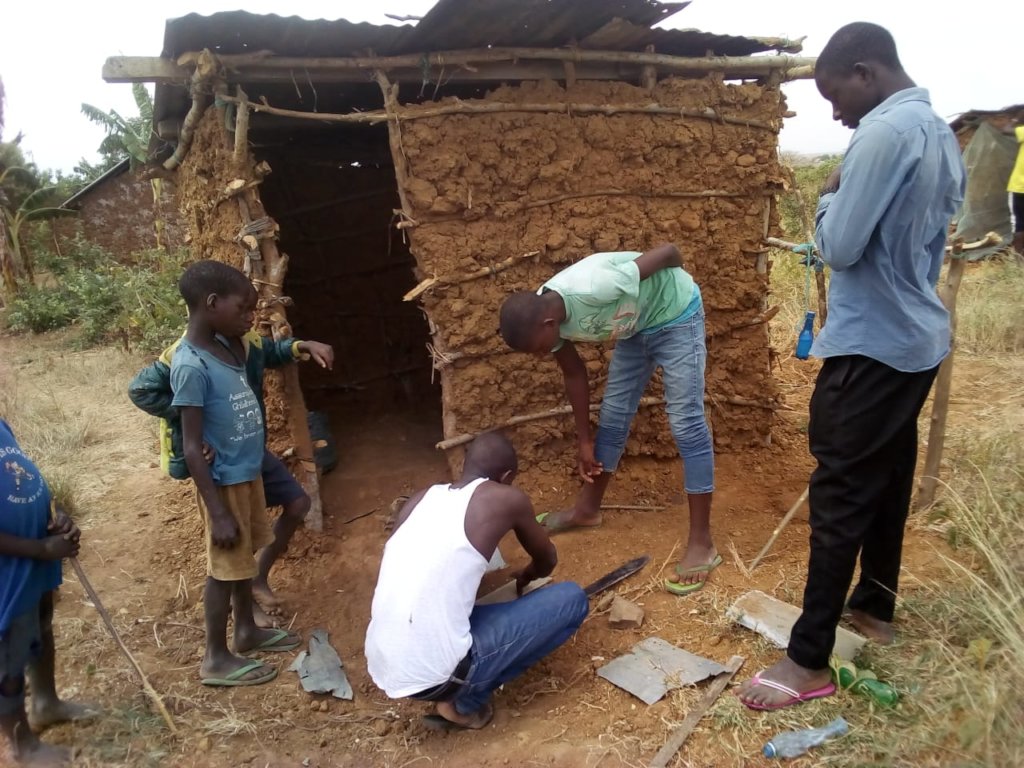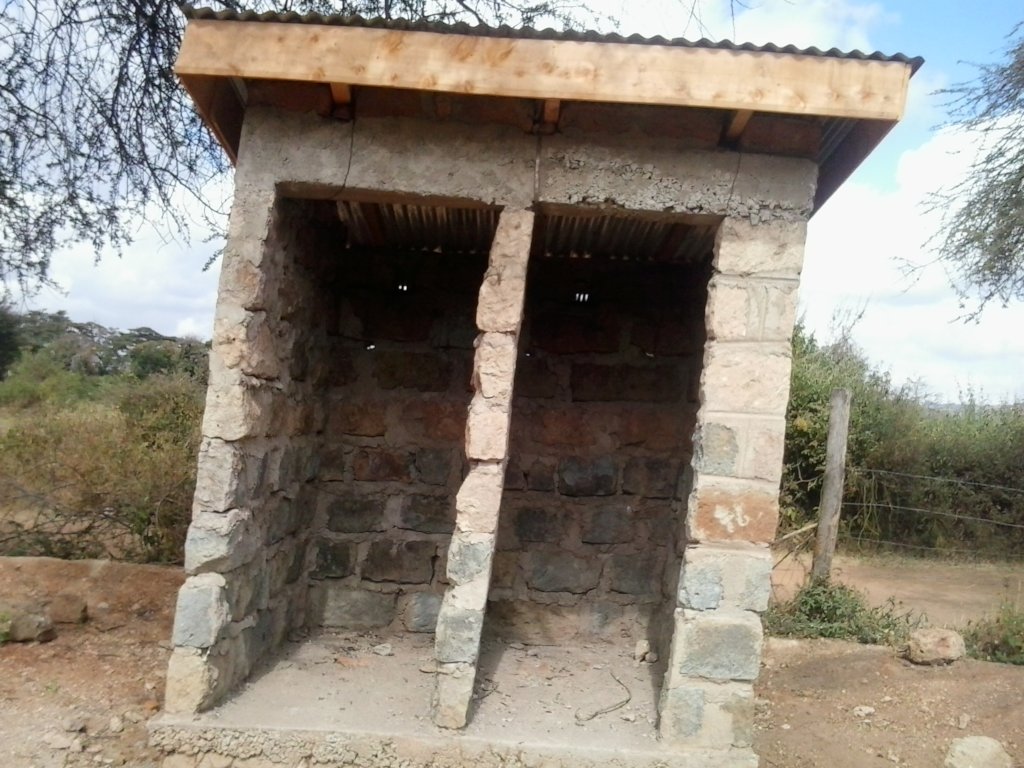
MAEEO will train 60 public schools on management of sludge and foul odour using effective microorganisms (EMO) and provide them with enough stock for use in 600 pit latrines for three months in Machakos County of Kenya. The training will cover use of pit latrines in human excreta management, challenges, what is EMO, their use in sludge and odour management, application procedure and benefits. 60 environment and sanitation clubs will be formed and trained to continue with the work.
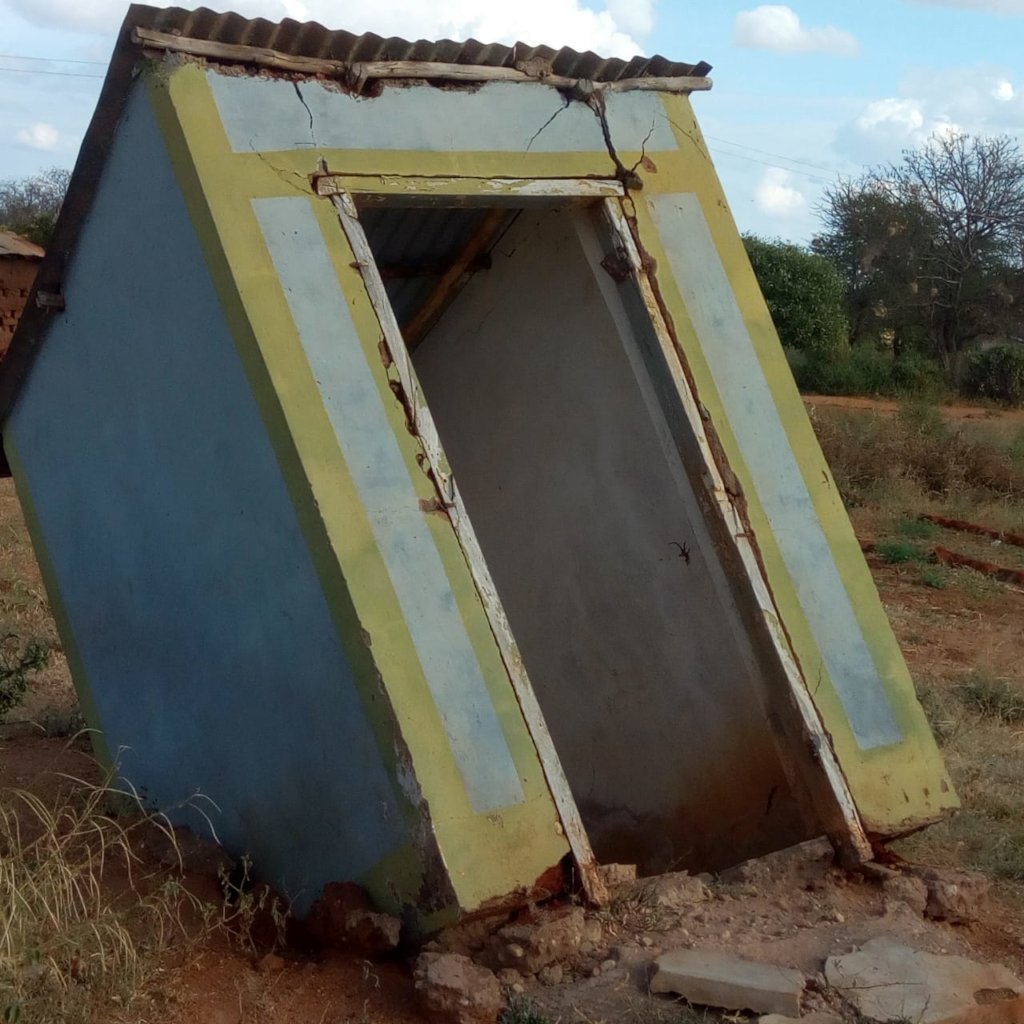
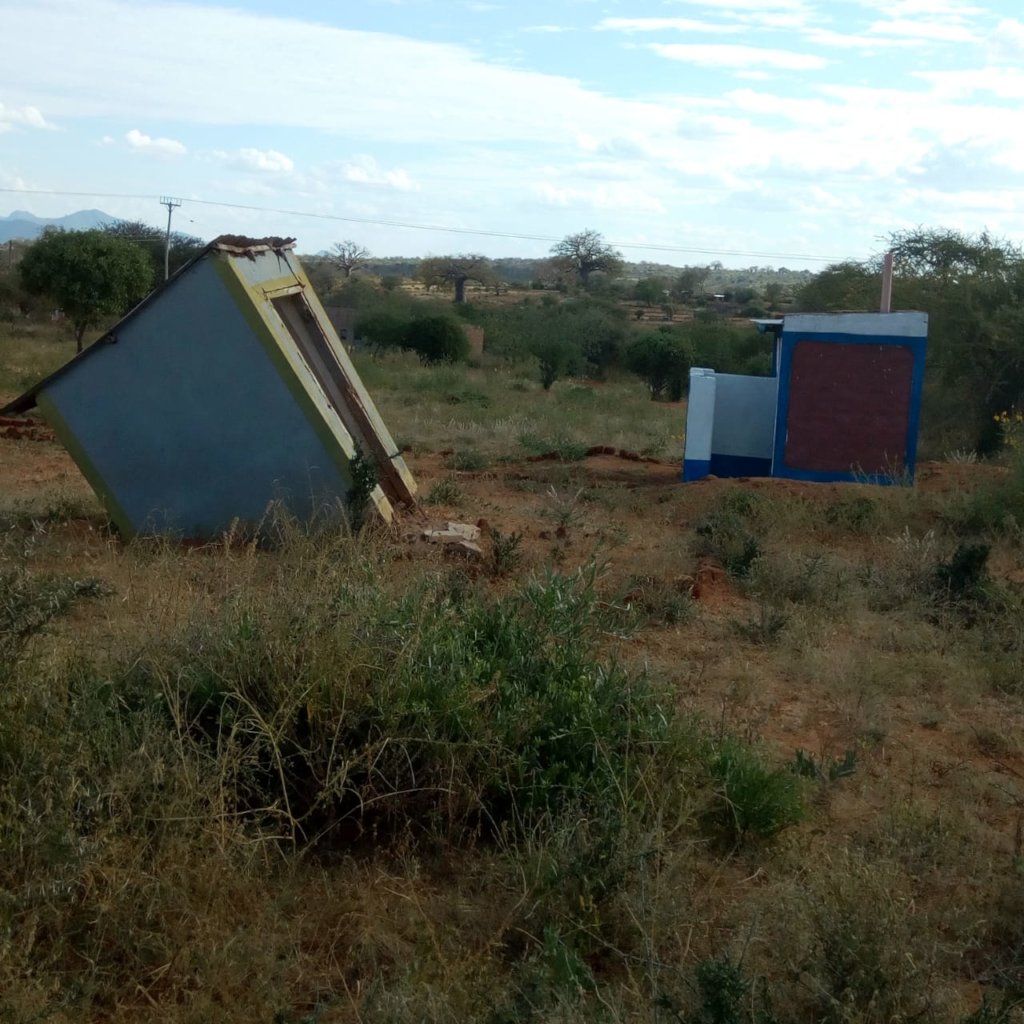
Pit latrines used in most schools are prone to foul smell and fill up faster while land is no longer available for construction of new ones. Use of modern cleaning agents such as disinfectants, bleaches and detergents kill useful bacteria that control sludge and foul odour. Manual pit emptying involving physical handling of sludge with pathogens and bad smell is common, posing a public health risk. Use of effective microorganisms (EMO) to control sludge and bad odour as alternative is needed.
The project will train the schools on how to maintain well-functioning latrines, that allows excreta to settles giving microbes a chance to break down the organic matter and ensure the liquid stays fluid keeping foul odour to a minimum. They will be shown how to revive latrines by inoculation with a strong, live culture of microbes (EMO) that use organic matter to multiply. Using EMO to maintain Pit latrines is cost effective and solves odour and waste disposal problem.
EMO reduces smell and sludge volume in pit latrines, lowers pit latrines maintenance costs, reduce public health risk in handling of fresh sludge, stabilizes and strengthen pit latrines walls preventing collapse, make latrines dry faster and more hygienic after cleaning, reduce fly and other crawling insects (maggots and cockroaches) that pose serious health risks, prevent open defecation by making latrine use comfortable, prevent ground water pollution and can be used in hand washing.
This project has provided additional documentation in a DOCX file (projdoc.docx).