Project Report
| Feb 3, 2025
What We Accomplished Together In 2024 To Bridge the Early Childhood Education Gap
![]()
Thank you for your continued support of our Education program. This program is our strategy for bridging the early childhood education (ECE) gap that exists between urban and rural areas in Zimbabwe. This gap in early childhood education is a significant problem that affects children’s foundational learning experiences and opportunities. The following are some of the factors that contribute to this disparity:
a) Access to Infrastructure and Facilities:
In urban areas, early childhood centers are more readily available and are equipped with better infrastructure, including learning materials, and trained staff. Sadly in rural areas, communities struggle with lack of access to basic educational facilities. Children have to travel long distances to attend school, and even if a school exists, it is under-resourced and overcrowded.
b) Teacher Training and Quality:
Urban areas tend to attract better-trained educators due to teachers having more access to resources and ongoing training which is inaccessible in rural areas.
c) Socioeconomic Factors:
Urban families tend to have better financial resources which can translate into more access to books, private tutoring, or the ability to send children to better schools. Unfortunately, poverty rates are typically higher in rural areas; families are unable to afford basic education costs. The majority of people in the rural areas rely on subsistence farming as their only source of income. Recurring droughts have left many families struggling to make ends meet.
d) Funding
Rural areas are underserved as education initiatives are disproportionately concentrated in urban areas leading to more funding and development of education programs.
e) Digital Divide
Urban schools have more access to technology such as computers, tablets, and internet connectivity, which can enhance early learning experiences, while rural schools have limited access to such resources, further exacerbating early childhood education gap.
Impacts of the Early Childhood Education Gap:
- Developmental Delays: Lack of access to quality education can hinder children's cognitive, social, and emotional development.
- Long-term Educational Outcomes: This gap in early education contributes to lower educational attainment in rural areas, which in turn perpetuates cycles of poverty and limits economic mobility.
- Inequality: This disparity creates a cycle of inequality, where children from urban areas have better opportunities to succeed academically, while those in rural areas face more barriers to accessing quality education.
What We Accomplished Together in 2024 To Address the Gap:
As our strategy to bridge the early childhood gap we accompished the following in 2024:
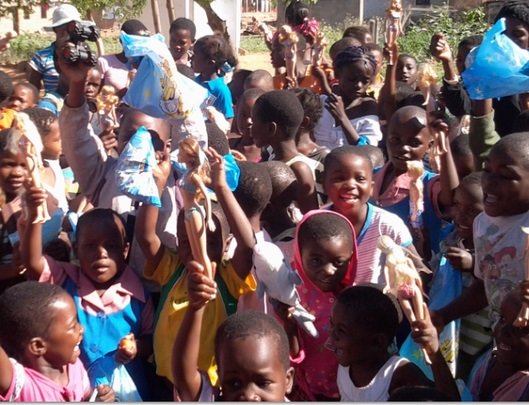
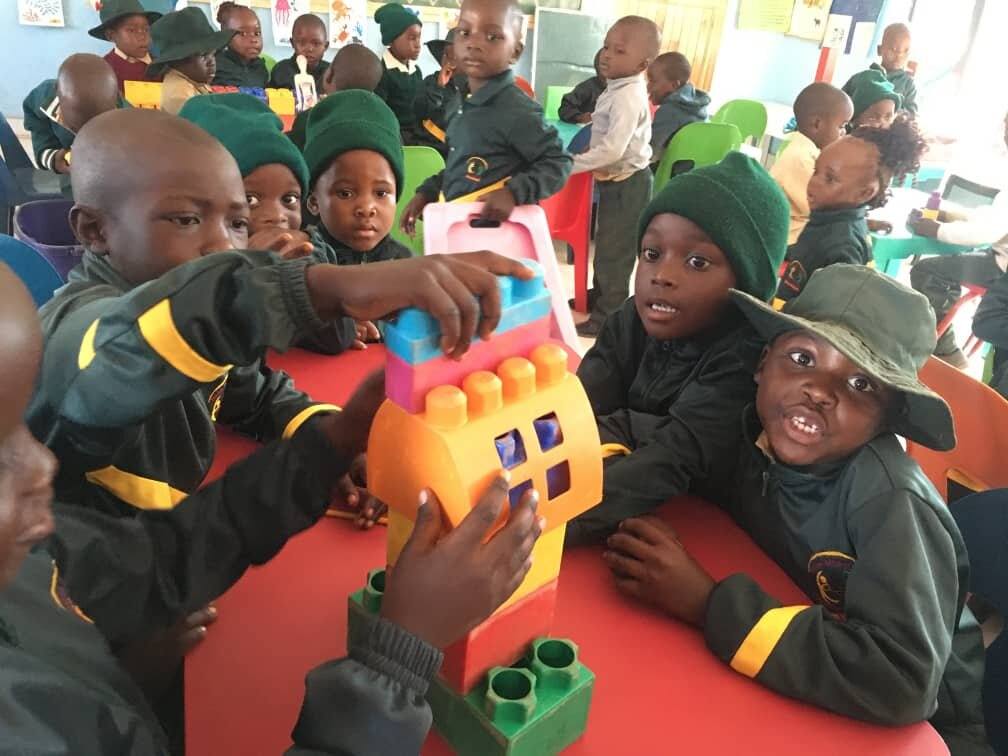
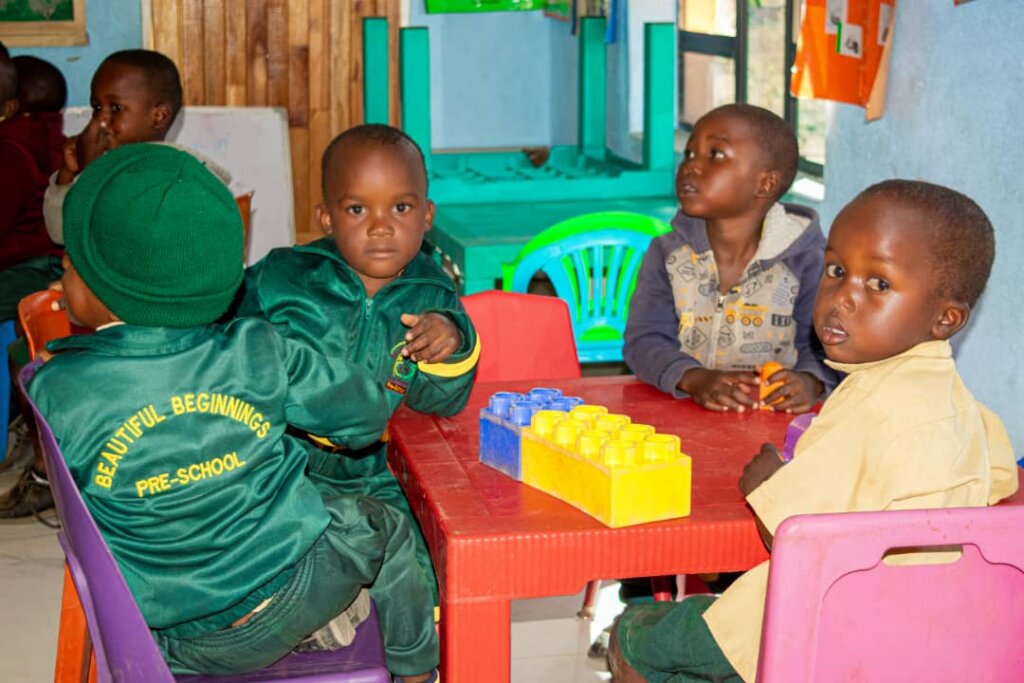
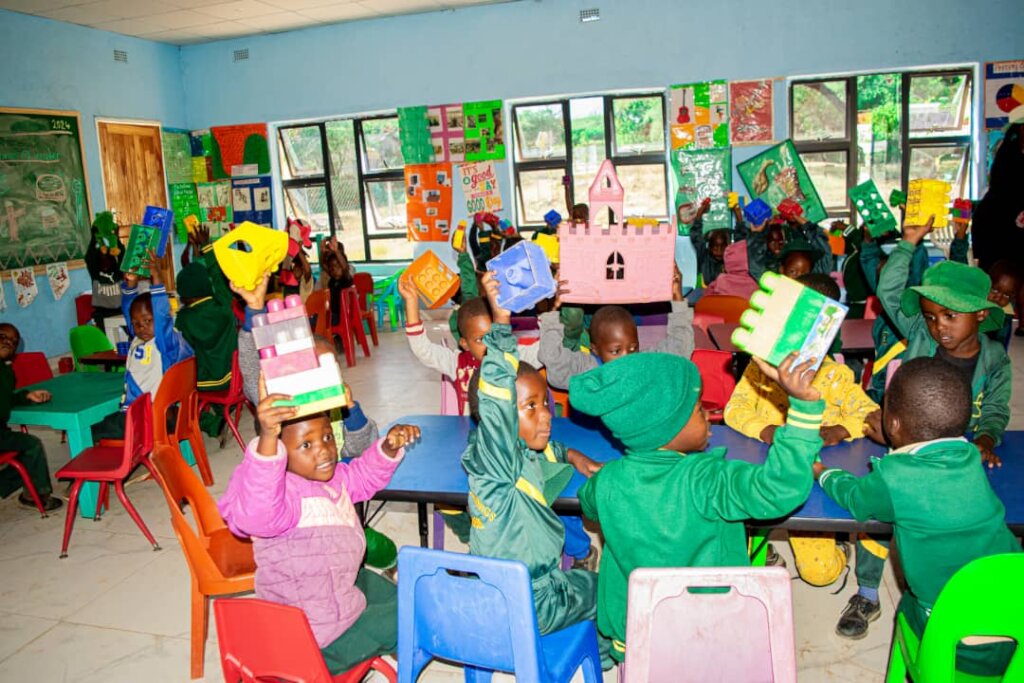
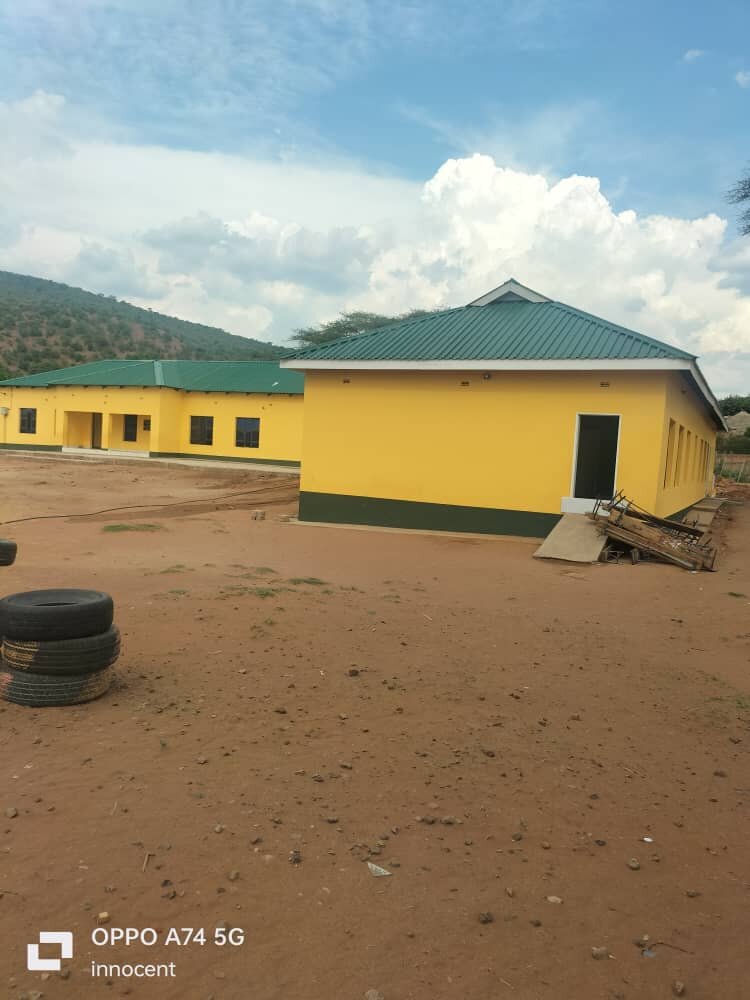
1. We completed 2 classroom blocks and we received donations of computers, children's books, desks, chairs and toys from New England Pentecostal Ministries (NEP) and friends of the foundation
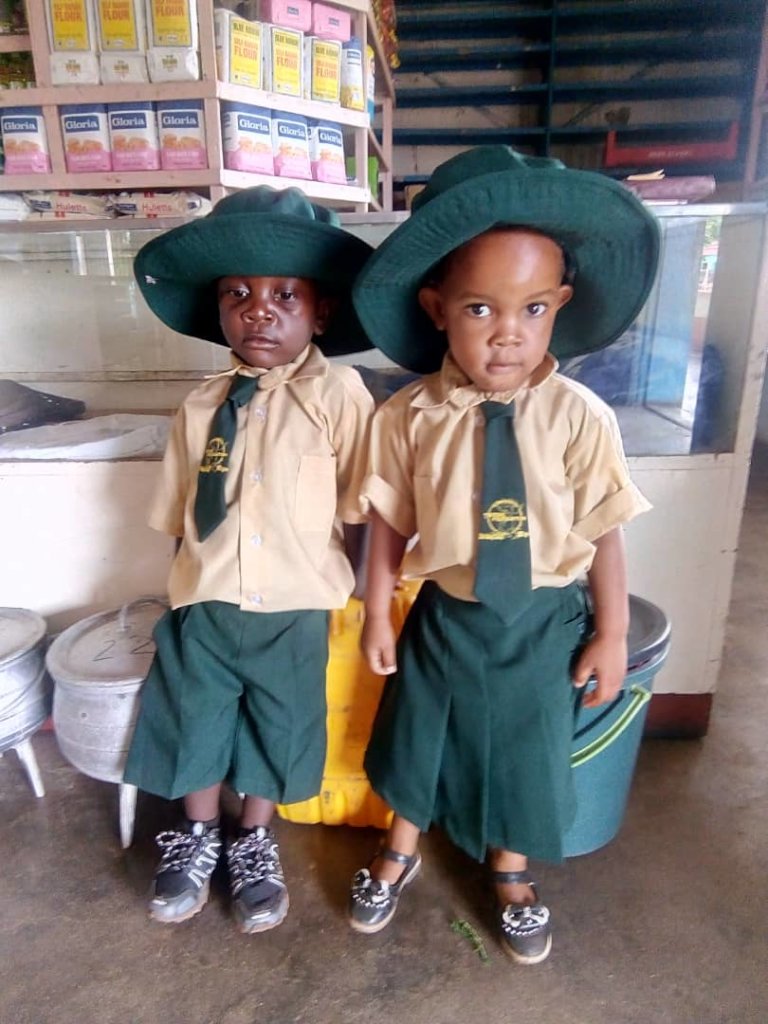
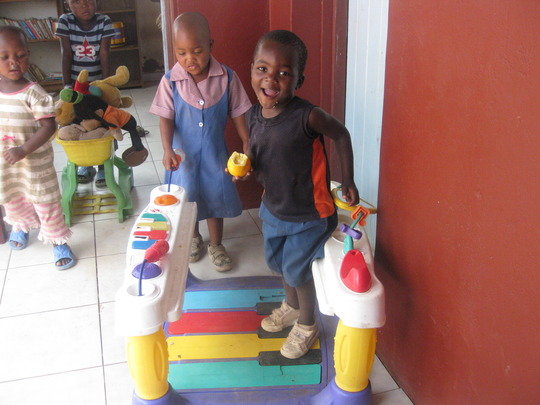
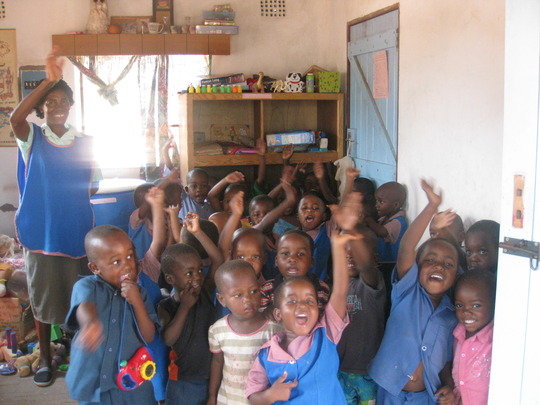
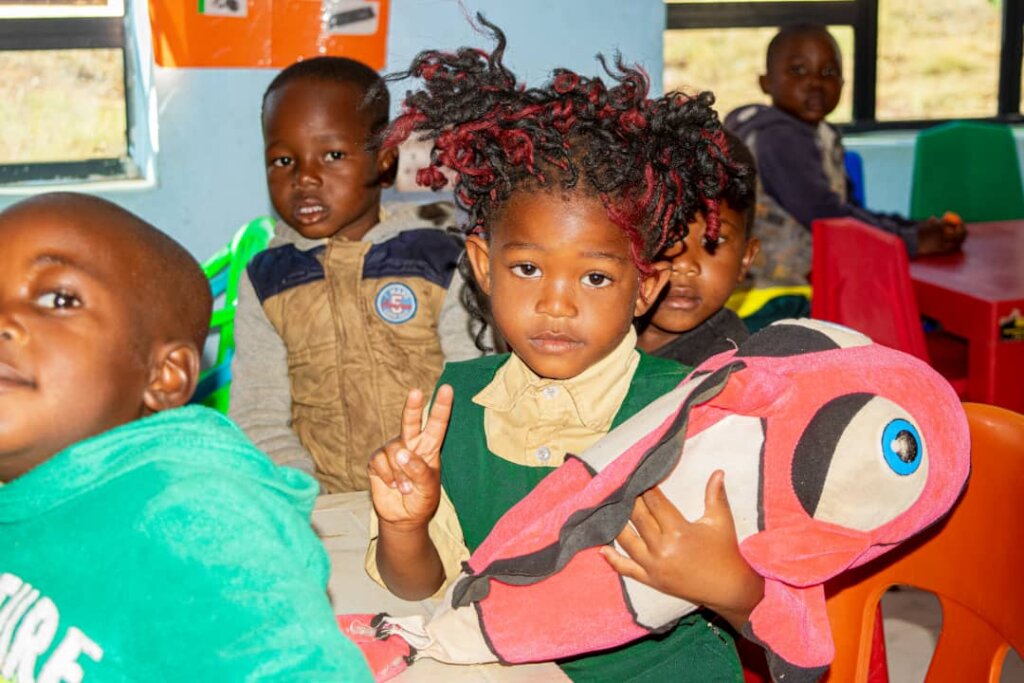
2. We now have 140 kids enrolled at our school, starting from EDCA, ECDB to grade 1 and grade 2. The children's favorite time is when they get to play with the toys and ride bikes.
3. As part of our staff, we now have 4 teachers, a school headmaster, an accountant, 2 cooks, 2 security guards and a school cleaner.
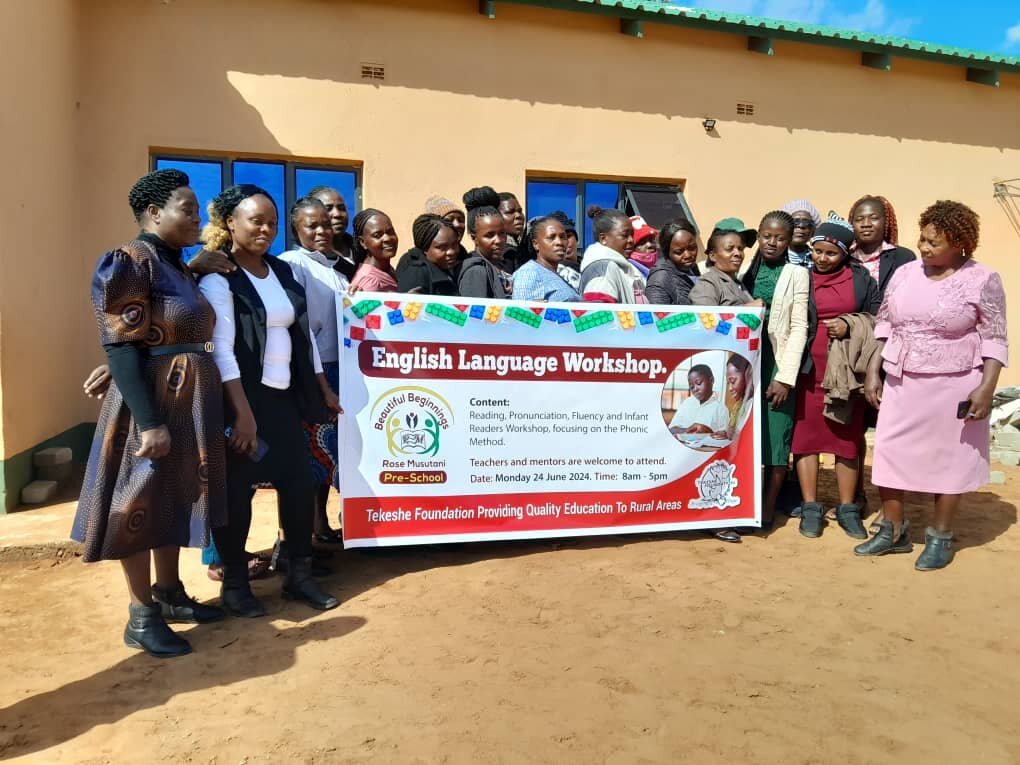
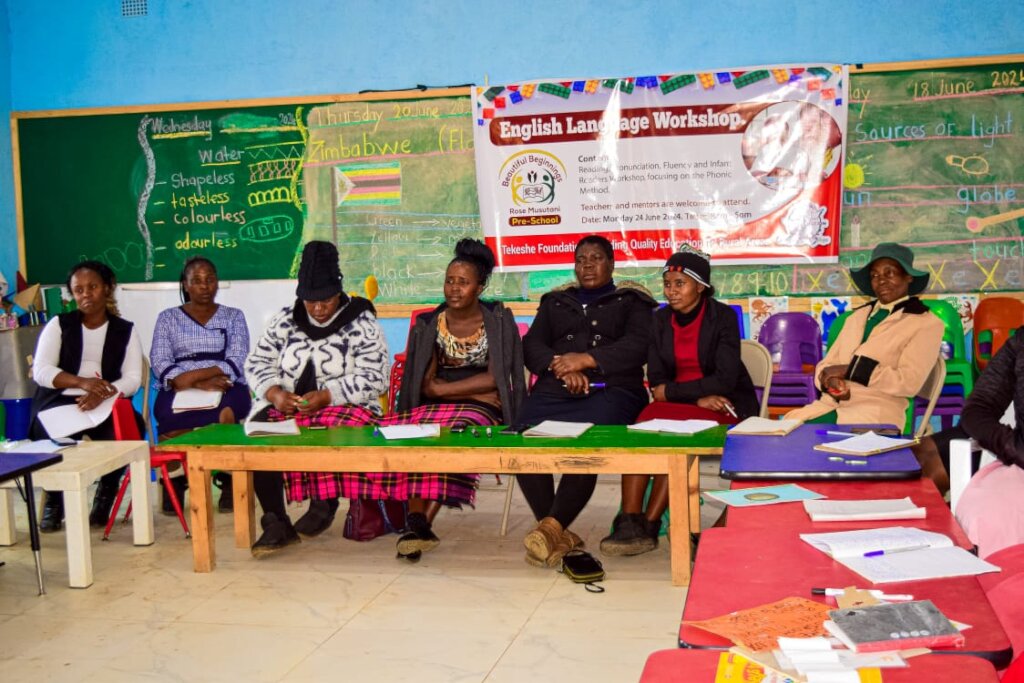
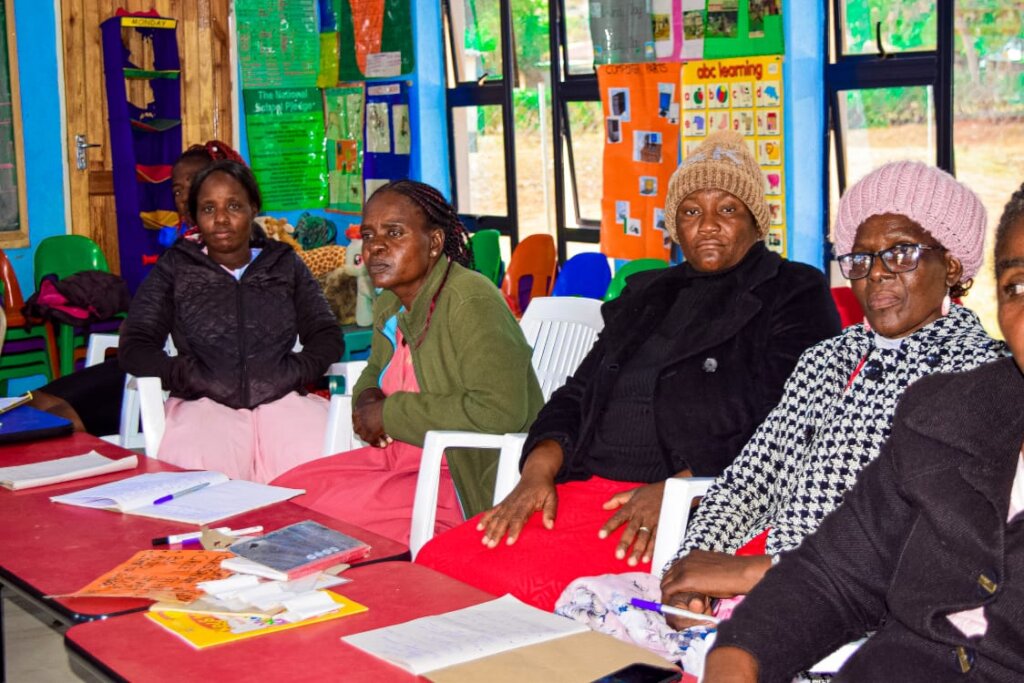
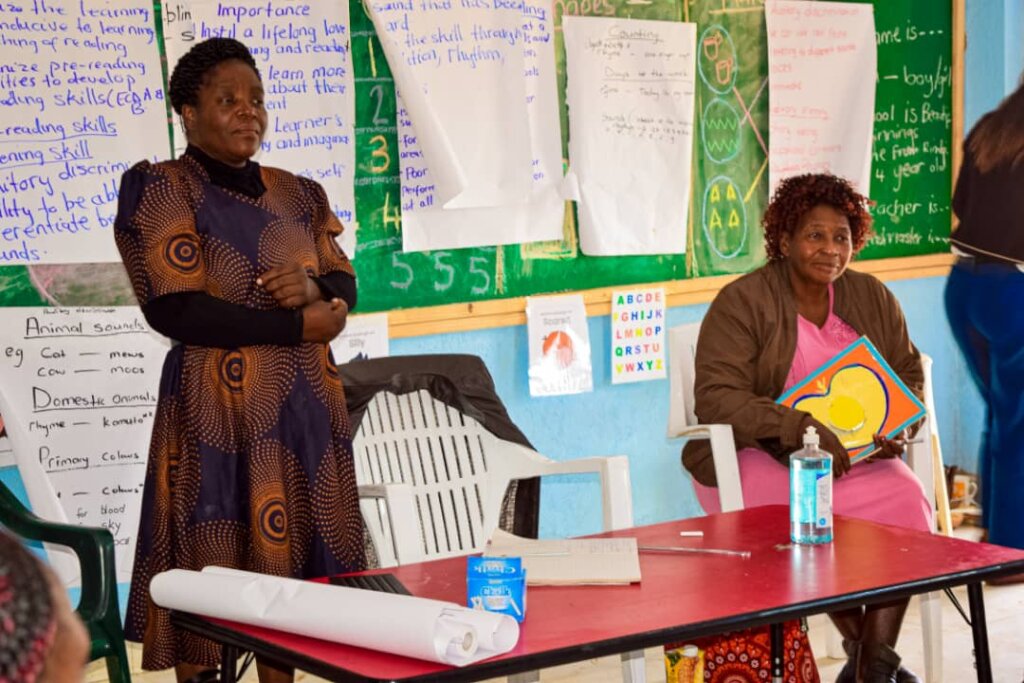
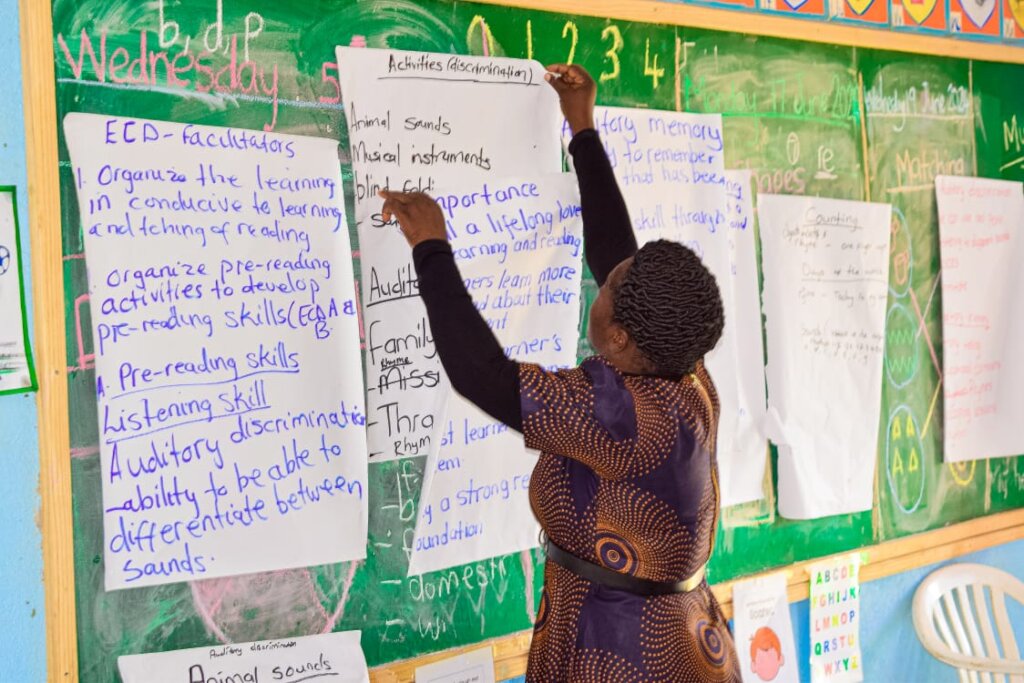
4. We conducted a phonics teacher training workshop attended by 30 rural teachers.
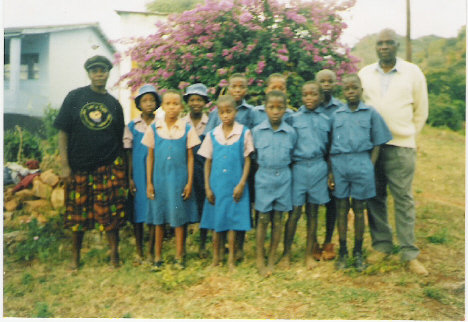
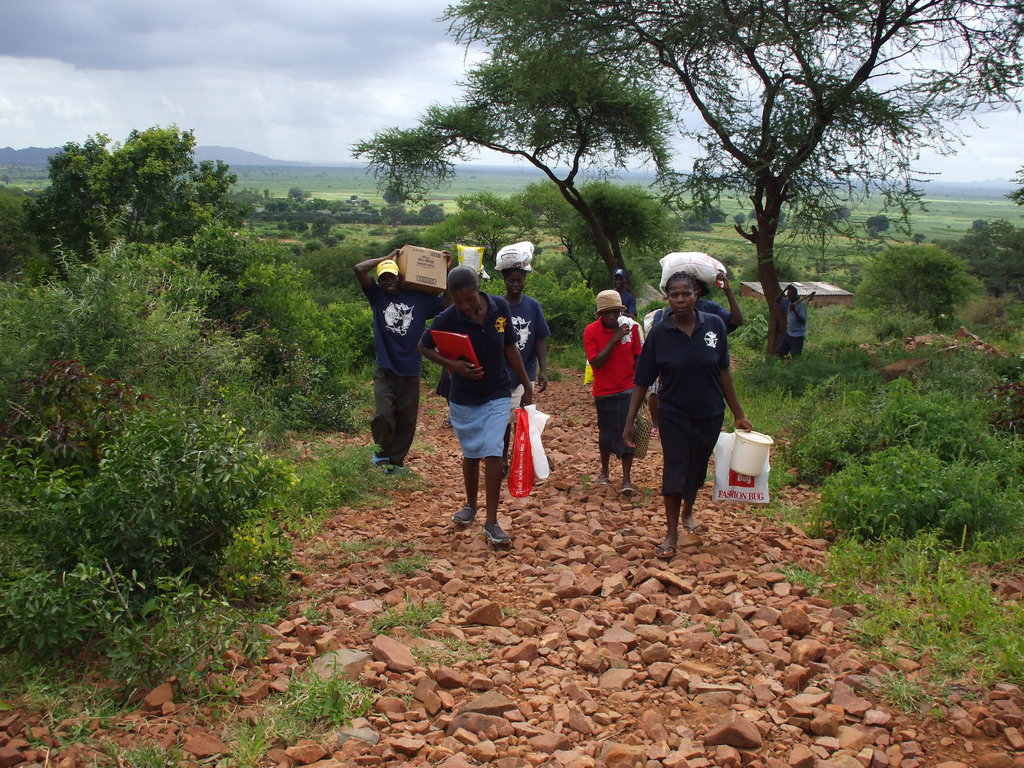
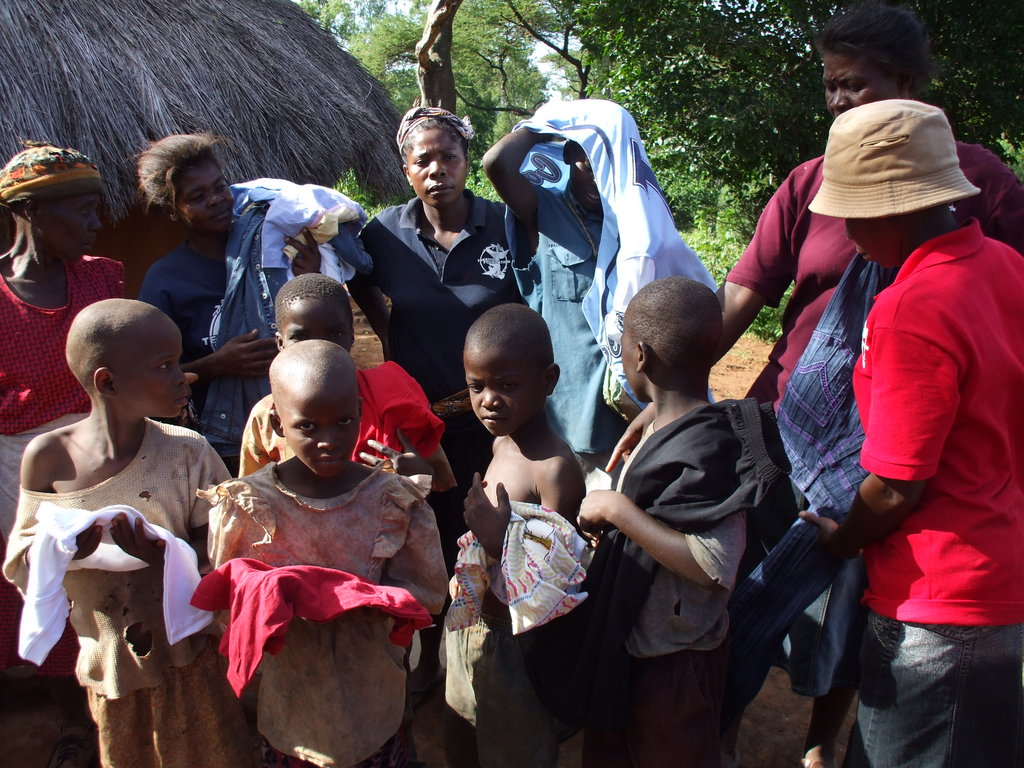
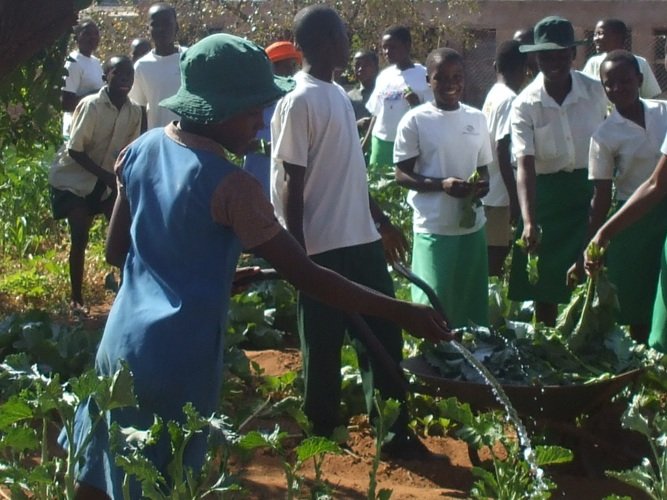
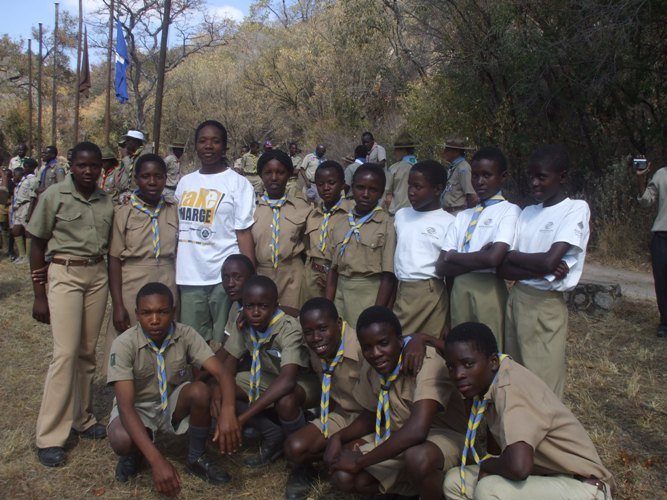
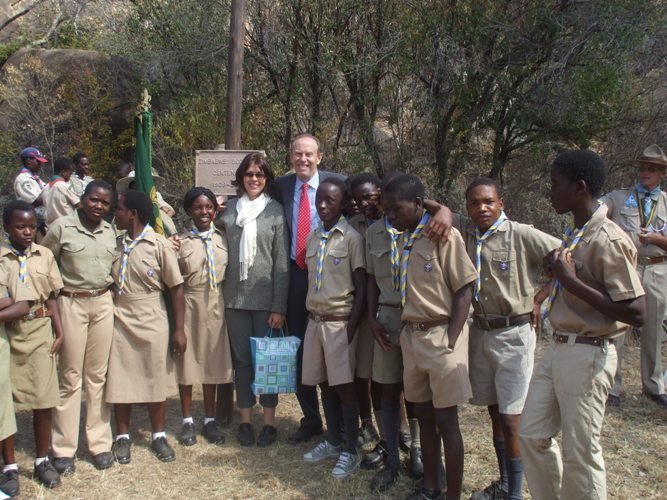
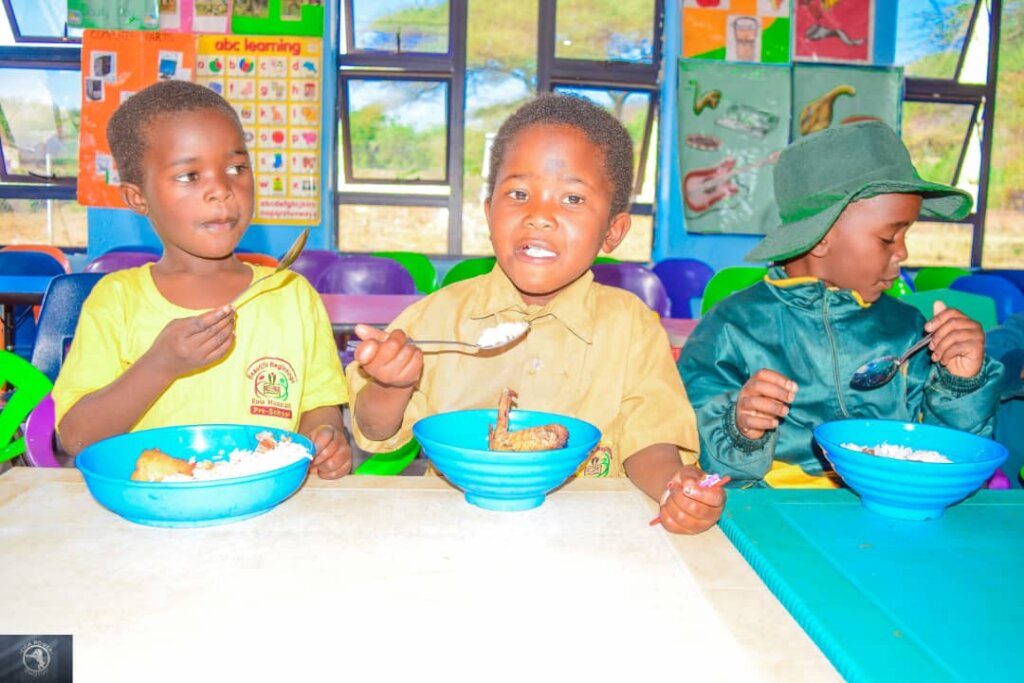
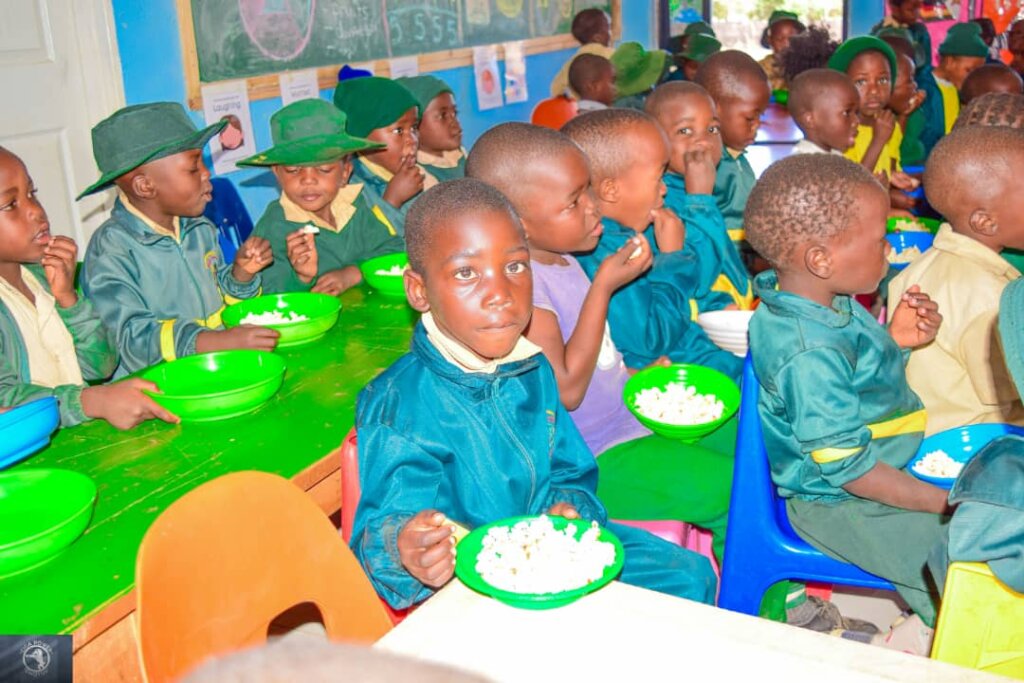
As you can see in the attached pictures, we accomplished a lot together in 2024! We couldnt have accomplished all this without your support!
Thanks again for the difference you are making in the lives of underserved kids in these rural areas.
May you have a very Happy and Prosperous 2025!
Best Regards,
Thelma
![]()
![]()
![]()
![]()
![]()
![We have completed 2 classroom blocks]()
We have completed 2 classroom blocks
![Phonics Training Workshop]()
Phonics Training Workshop
![Phonics Training Workshop]()
Phonics Training Workshop
![Phonics Training Workshop]()
Phonics Training Workshop
![Phonics Training Workshop]()
Phonics Training Workshop
![Phonics Training Workshop]()
Phonics Training Workshop
![Share on Twitter]()
![Share on Facebook]()