By Carol Vernal | CEO, Children's Medical Aid Foundation
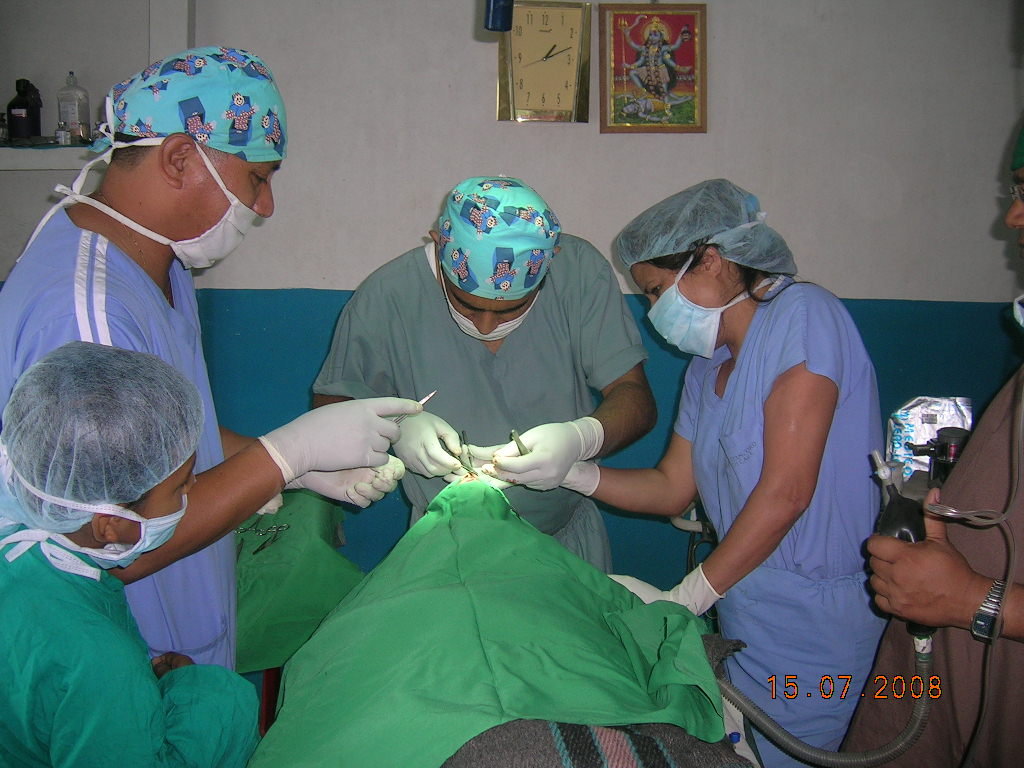
In August 2012, Dr. Kiran, the Outreach Program Director for the Mobile Surgical Team, headed up a team visit to Pyuthan Camp, about six hours from Kathmandu and a day’s walk from the nearest road. Pyuthan is Dr. Kiran's home village where he grew up in a mud-walled house with 11 brothers and sisters. He followed his father’s wish to become a doctor so he could care for the village people.
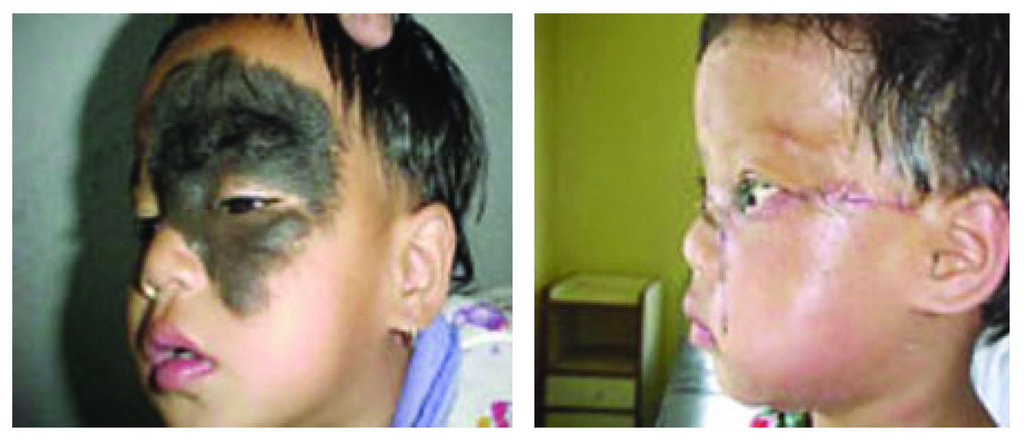
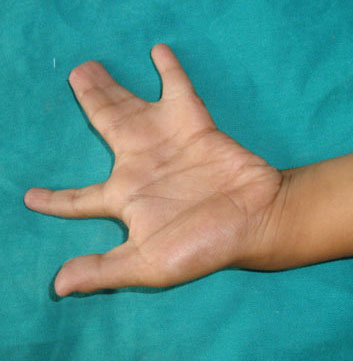
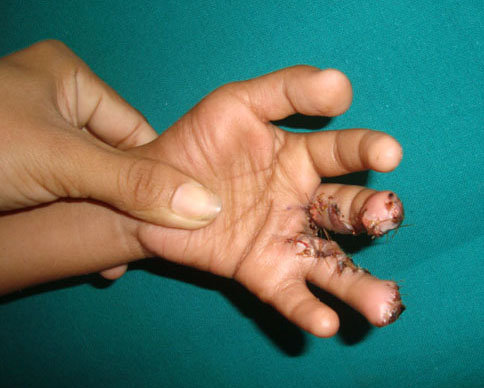
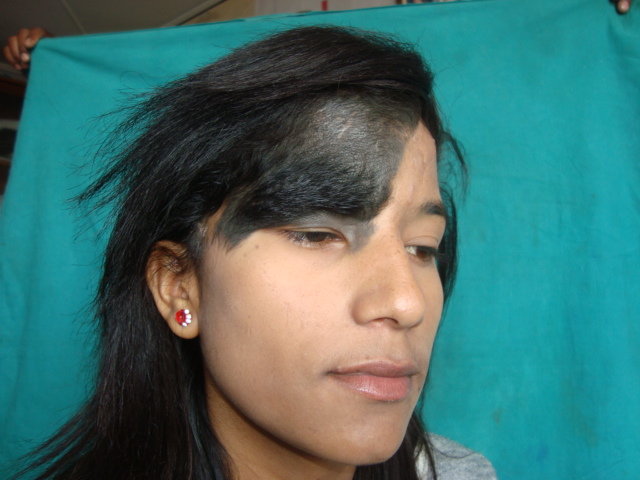
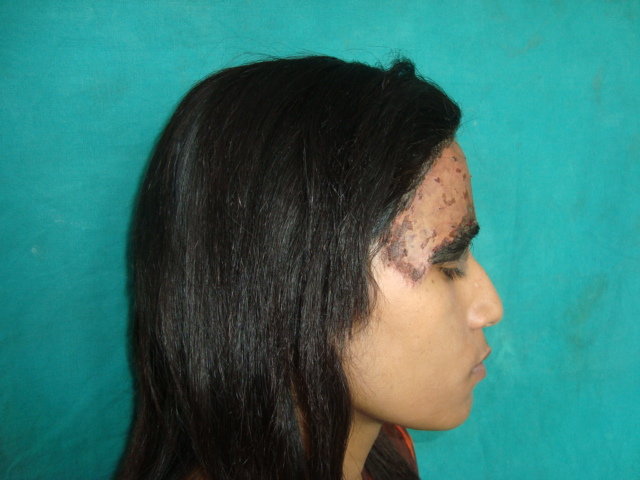
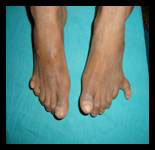
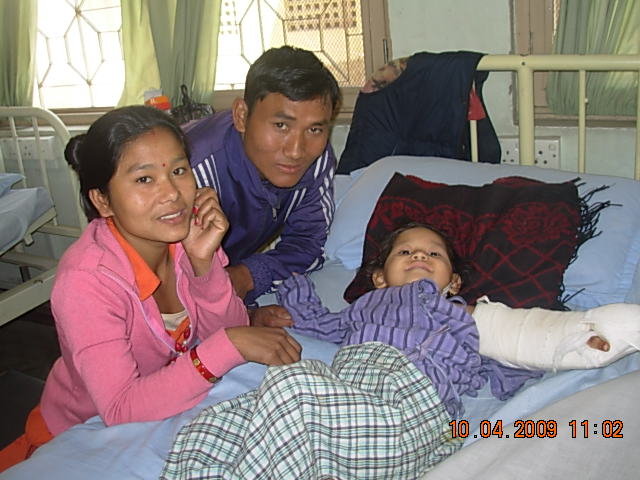
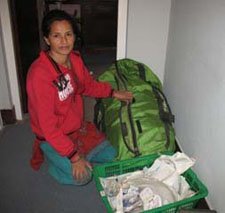
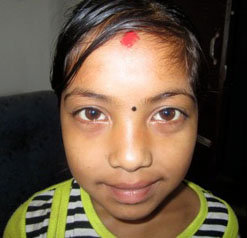
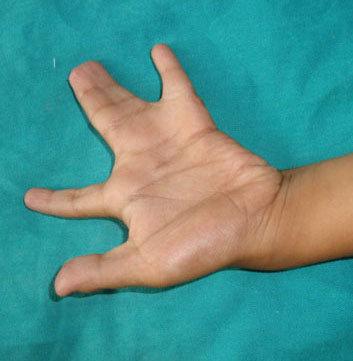
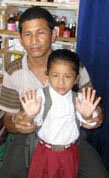
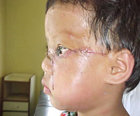
Two CMAF-sponsored patients were among the many patients cared for during the Pyuthan surgical camp. Care included a follow-up visit to see how our patients were doing (see photos).
1) Shreya had a bilateral hand syndactyly, two fingers that were joined on both the right and left hands. After surgical correction, Shreya’s hands look perfectly normal and she is free of the stigma caused by her deformity. Her physical transformation means that she can go to school and play with other children without fear of ostracism, and that someday she can marry and raise children of her own.
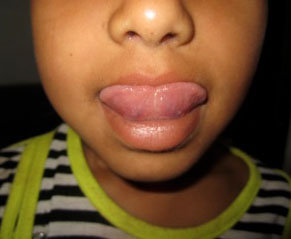
2) Have you heard the phrase about being tongue-tied, not able to talk? Well, it’s a very real condition that can easily be corrected, rather than leave the individual to a lifetime of discomfort. We were able to correct a tongue-tie for Subikshya. The membrane along the bottom center of her tongue was attached to the lower mouth. This made it impossible for her to raise her tongue when trying to eat or create vowel sounds. After the surgery, she can now eat and speak properly, and her confidence has improved immensely.
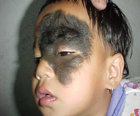
Resurge and other international medical organizations continue to do a great job of reaching and treating children with cleft lip or cleft palate. The CMAF Corrective Surgery Program addresses a variety of disfiguring congenital defects not treated by other organizations. This includes large facial moles, syndactyly (webbed fingers or toes), polydactyly (“extra” fingers or toes), constriction band syndrome (hands or feet constricted by amniotic bands), symbrachydactyly (abnormally short, webbed fingers), and hypospadius (malformed ears).
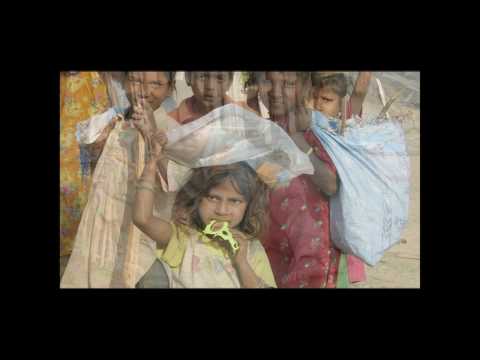
Due to impoverishment and the geographical restraints of remote, rural living, children suffering from injuries often cannot access appropriate, timely care. Those cases are referred to as post-traumatic injuries, and can include such conditions as infections that cause improper healing or bone fractures that don’t mend properly and result in handicaps. In addition to treating congenital defects, the CMAF Corrective Surgical Team can sometimes help correct deformities and/or improve compromised function resulting from poorly healed injuries.
The Mobile Surgical Team is comprised primarily of native Nepalis who bring their cultural understanding and communication abilities to their practice. They are assisted periodically by volunteer physicians, nurses, and therapists from other countries. Medical students and professionals are encouraged to contact us to find out about volunteer opportunities to work with the Mobile Surgical Team.
Fall is our busiest time of year. We are sponsoring our 8th Annual Kathmandu Festival in Sonoma, CA (where we are based) on Sept. 15th and 16th, which helps raise funds for the Corrective Surgery and Clinic Development programs. I will be visiting Nepal this fall to meet with Mobile Surgical Team members and explore possible collaborations with rural clinics and NGOs providing other types of medical services to populations we also serve. Watch for updates and photos from Nepal on our Facebook page during October and November!
Links:
Project reports on GlobalGiving are posted directly to globalgiving.org by Project Leaders as they are completed, generally every 3-4 months. To protect the integrity of these documents, GlobalGiving does not alter them; therefore you may find some language or formatting issues.
If you donate to this project or have donated to this project, you can receive an email when this project posts a report. You can also subscribe for reports without donating.