By Carol Vernal | Carol Vernal
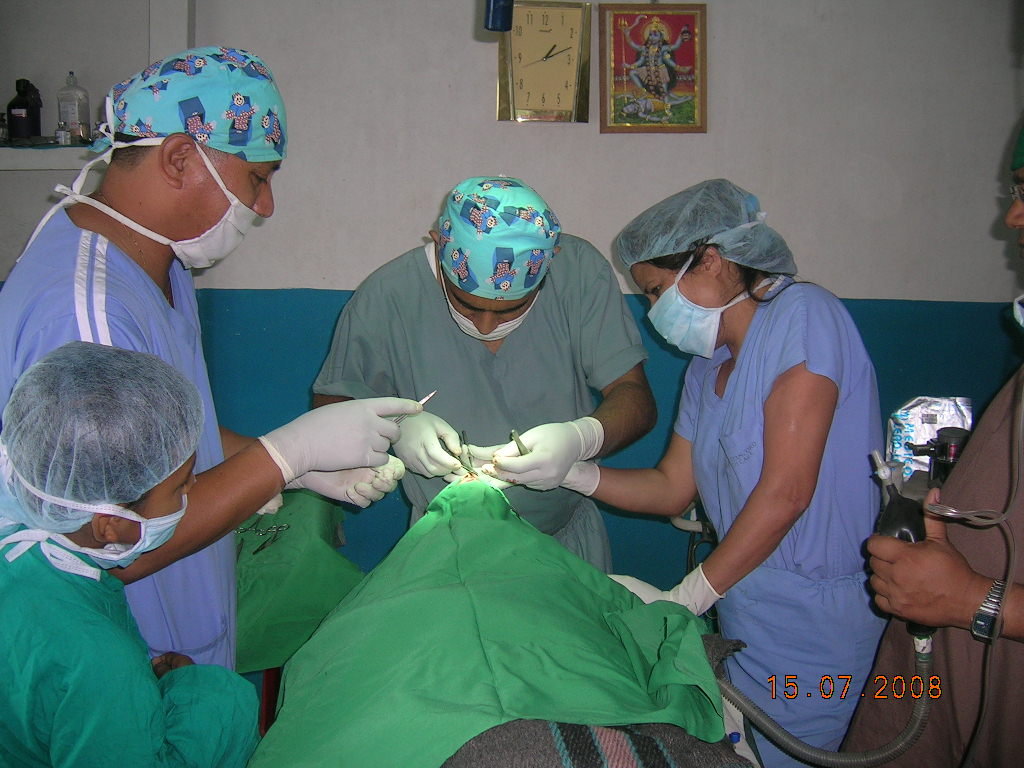
Health Care available at 5 surgical outpost centers in Nepal.
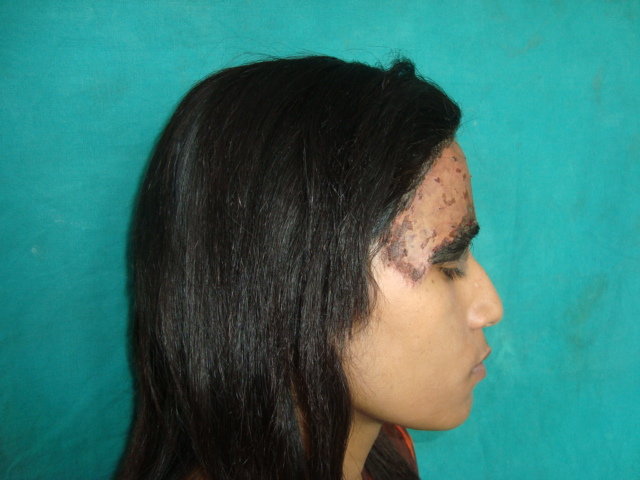
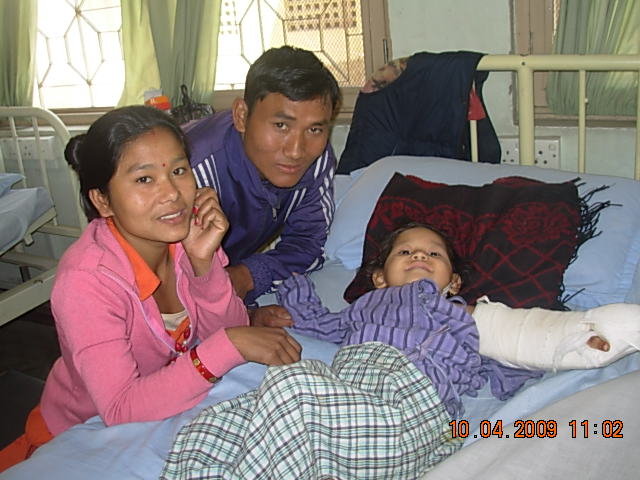
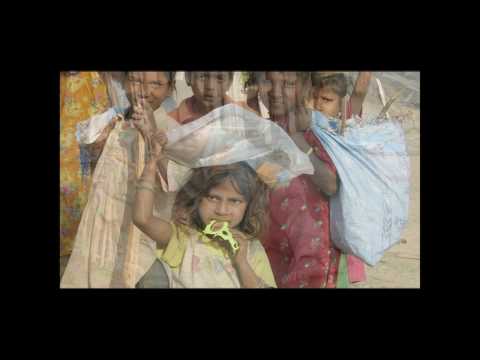
Like most developing countries, agriculture is the primary way of life. The government offers minimal support services or benefits. An estimated 50% of the population is living on less than $1.25 a day, and as a result the day to day life for the Nepali people can be harsh. Therefore, specialist medical care is difficult to access and a luxury that few would be able to afford. The inability for most patients to afford corrective surgery, means many individuals must endure a life tragically inhibited by their disabilities. The negative stigma associated with disfigurement can be equally devastating. There is so much more to be done, but always, the children are our inspiration to keep pushing for improved access to quality care. We have a fantastic team of volunteers and excellent logistical support from our Nepali partners. We are grateful to our donors who are helping us transform the lives of Nepali children struggling with congenital defects.
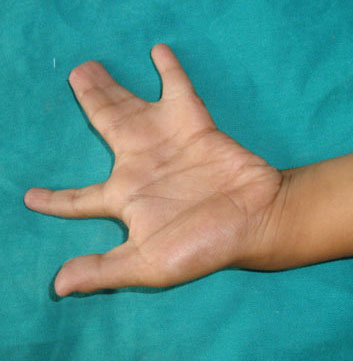
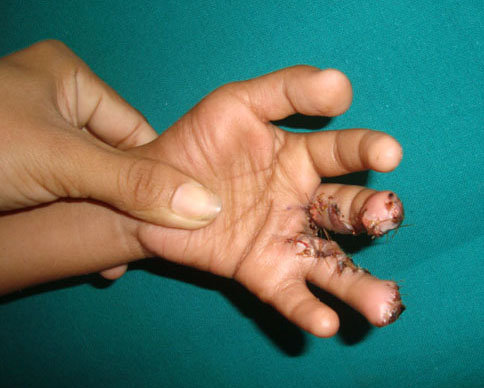
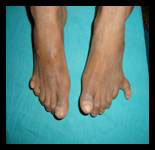
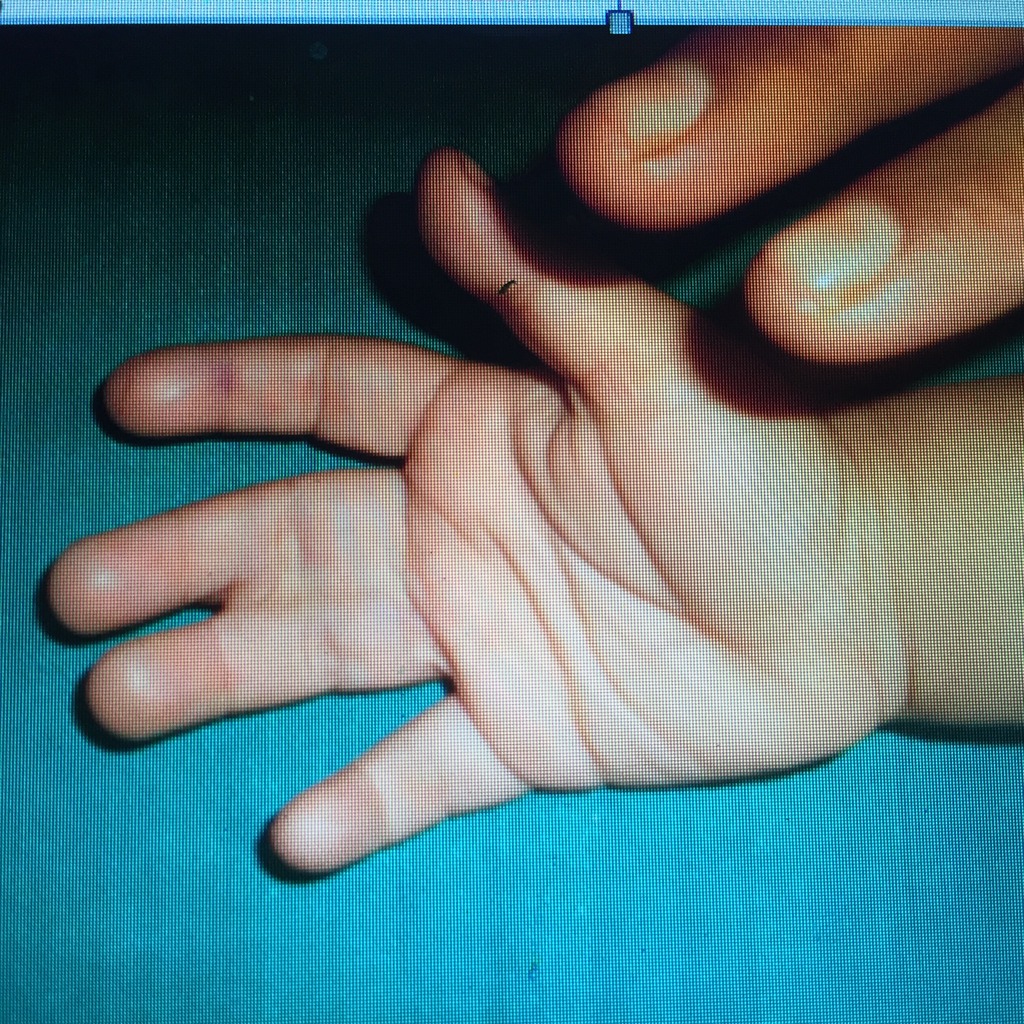
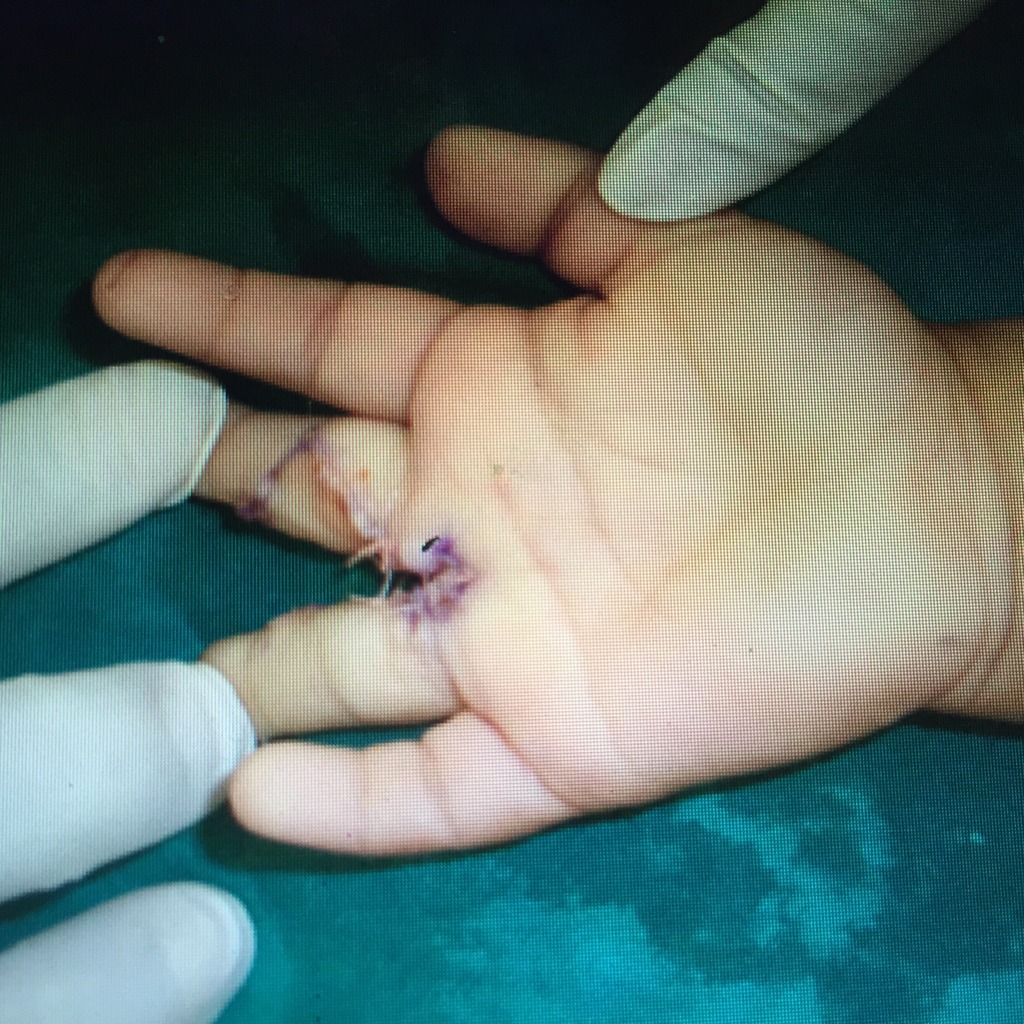
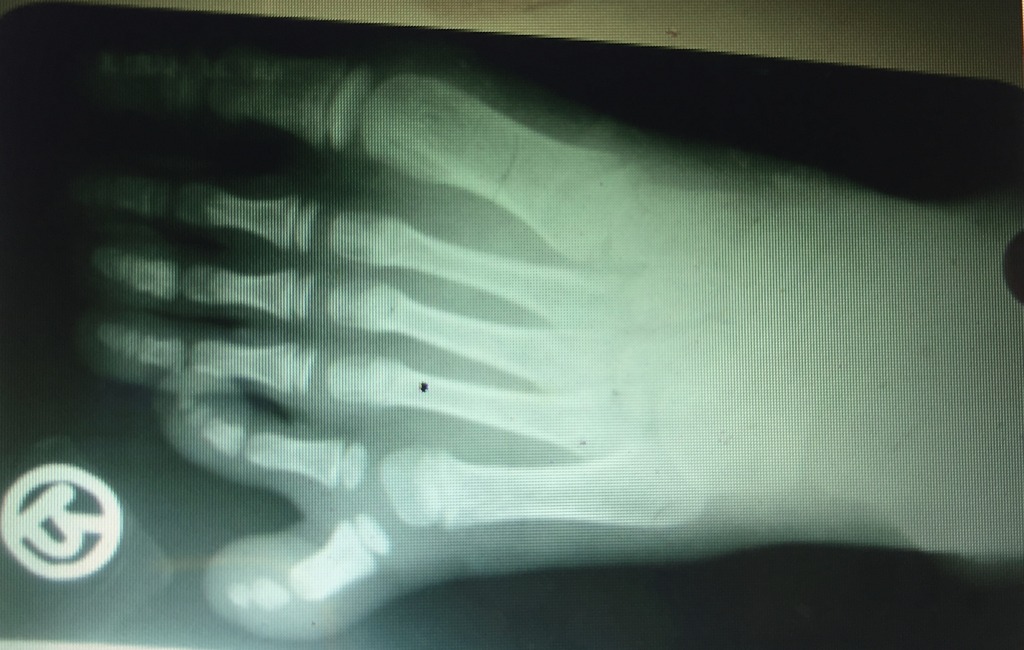
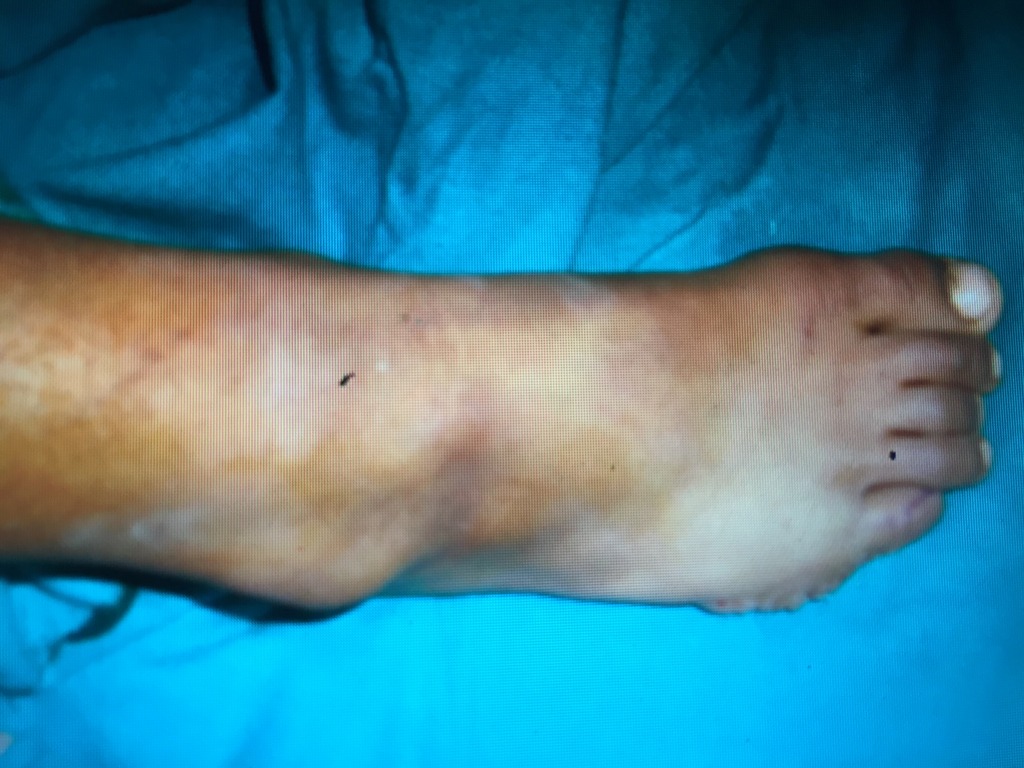
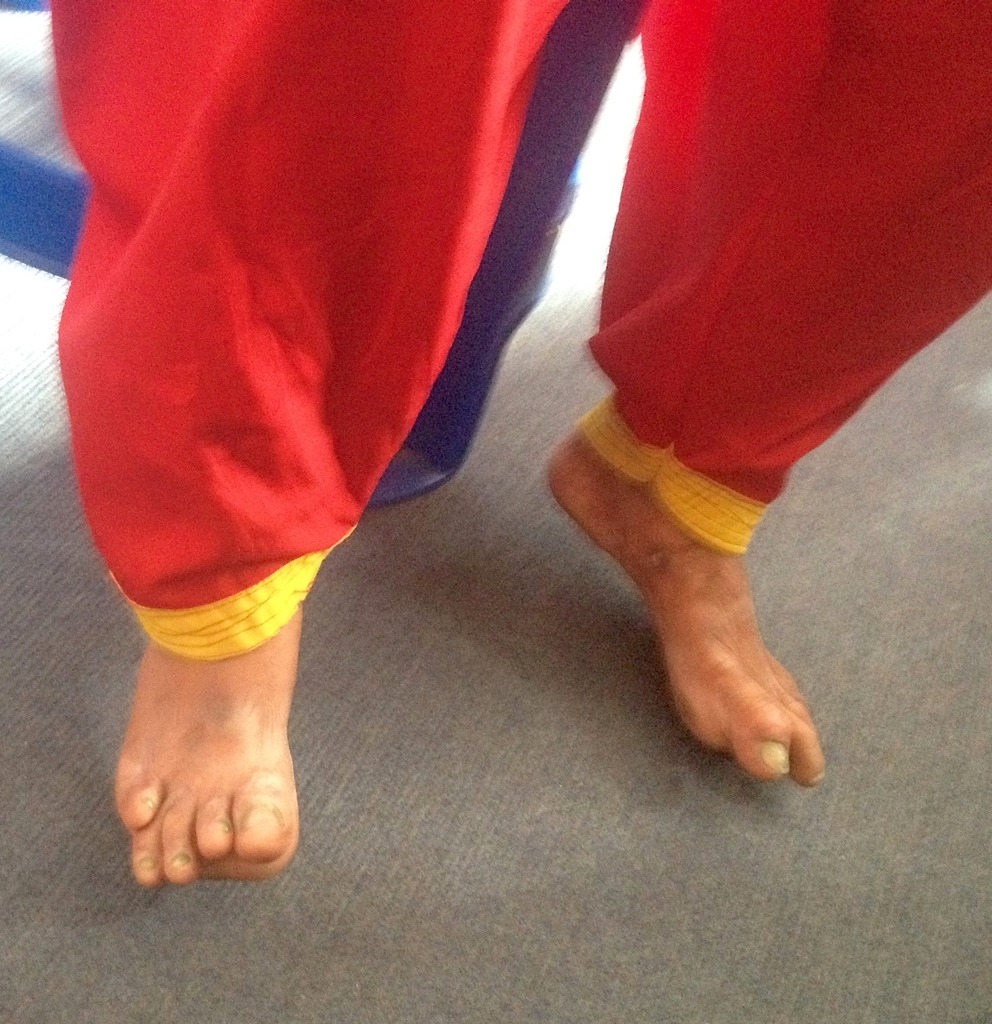
Syndactyly and polydactyly are the most common problems seen. The severity of syndactyly varies. In more complex syndactyly, the bones of adjacent difits are fused. Polydactyly may range from small skin tags to fully formed extra fingers with bone, blood vessels, and muscle tissue.
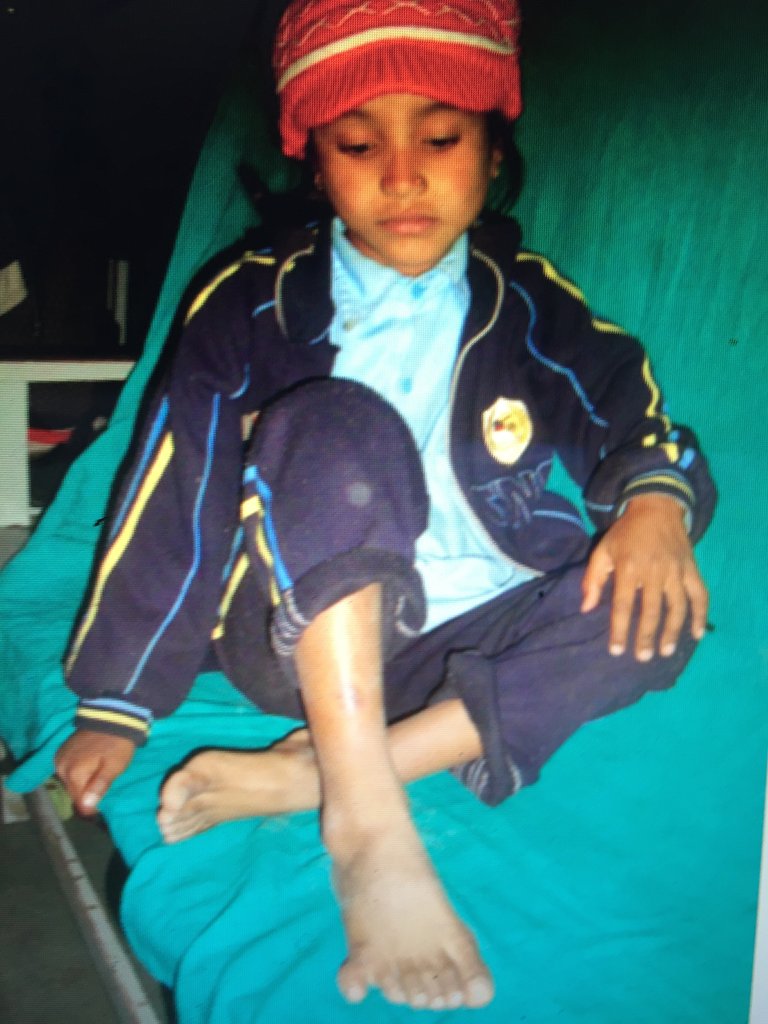
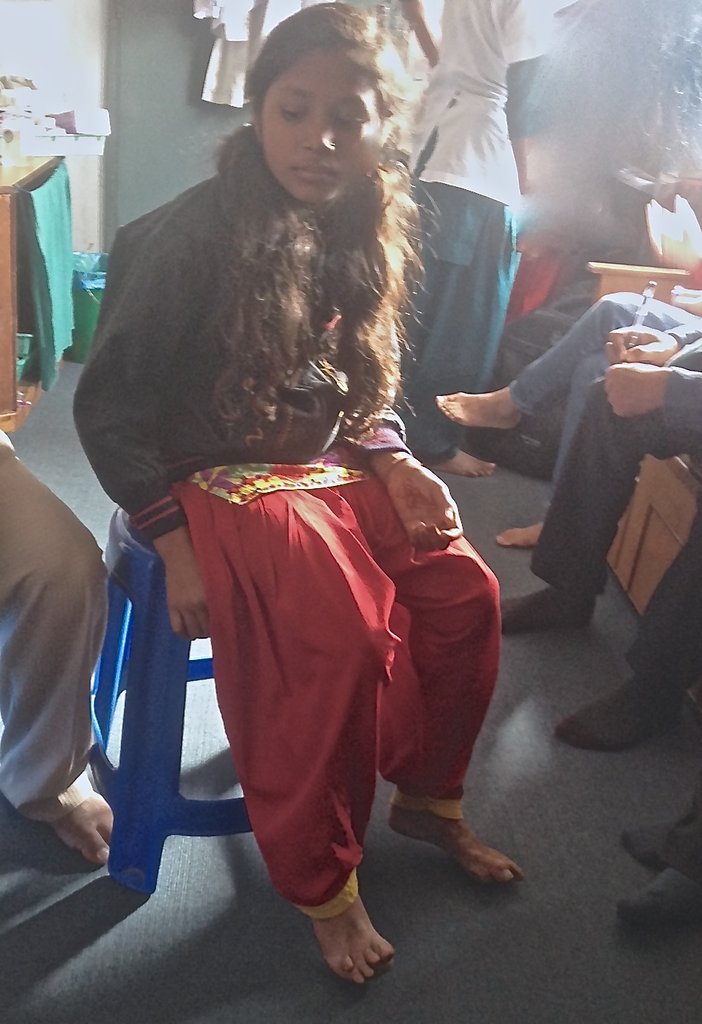
Namilta, a 7 year old girl lives in a 10"X12" mud house with 3 siblings. She must walk 1 hour on a dirt path to school every day and 5 hour walk to the nearest road were transport is available. Because Namita was unable to wear proper shoes to school she sufferd from embarrassment and teasing from classmates but now she will be able to walk proudly to school in comfortable shoes that keep her feet warm and protected.
SYNDACTYLY
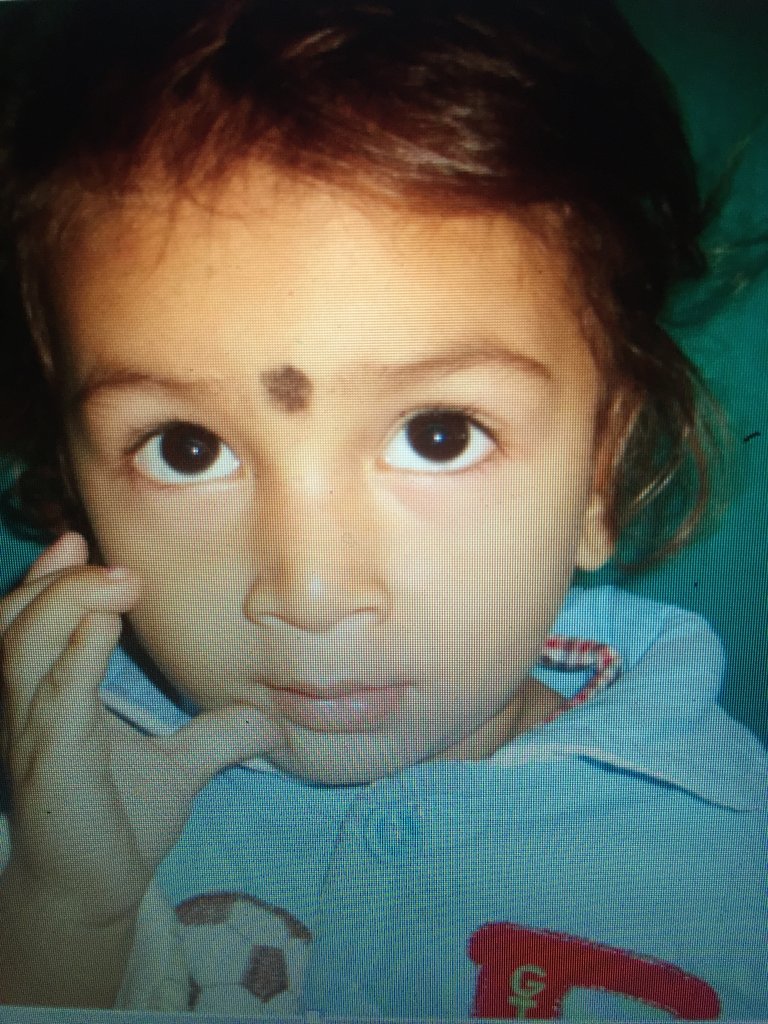
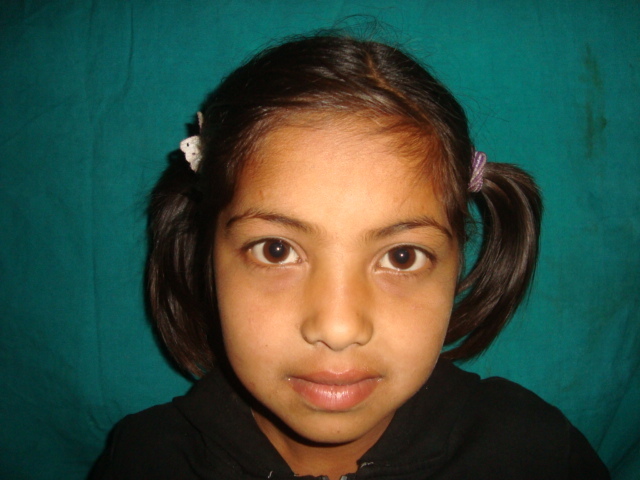
Akish, a 2-year-old Hindu girl that lives near the Indian border in a house made of mud and brick with 6 family members. It is a Hindu belief that all extremities must be free of disfigurement. A girl with disfigurement or deformity is not acceptable for marriage and will suffer from stigma and shame. The perfect time for surgical correction is between 1 -2 years of age. Akish has come to us early and is one of the lucky ones as she will avoid the stigma and shame associated with deformities and have full function of her right hand before learning to write.
The name has been changd to protect privacy
By Carol Vernal | Founder & CEO
By Carol Vernal | CEO
Project reports on GlobalGiving are posted directly to globalgiving.org by Project Leaders as they are completed, generally every 3-4 months. To protect the integrity of these documents, GlobalGiving does not alter them; therefore you may find some language or formatting issues.
If you donate to this project or have donated to this project, you can receive an email when this project posts a report. You can also subscribe for reports without donating.