By Anshu Gupta | Project Leader
In 2016 Goonj started work on menstrual hygiene in Rajasthan, a state well known around the world for its forts and palaces and the ever colorful Jaipur, part of the golden triangle of tourism in India. Unfortunately there is a different aspect which brought our attention to working in Rajasthan. It was stories of women using sand stuffed in cloth for their menses (with less cloth and abundance of sand given the Thar desert), many women of a village using the same piece of cloth for their menses in absence of enough cloth and stories of rampant uterus removal etc. which proved to be a motivation to take our decade old work with menstrual hygiene and management to the women in the deep interiors of Rajasthan.
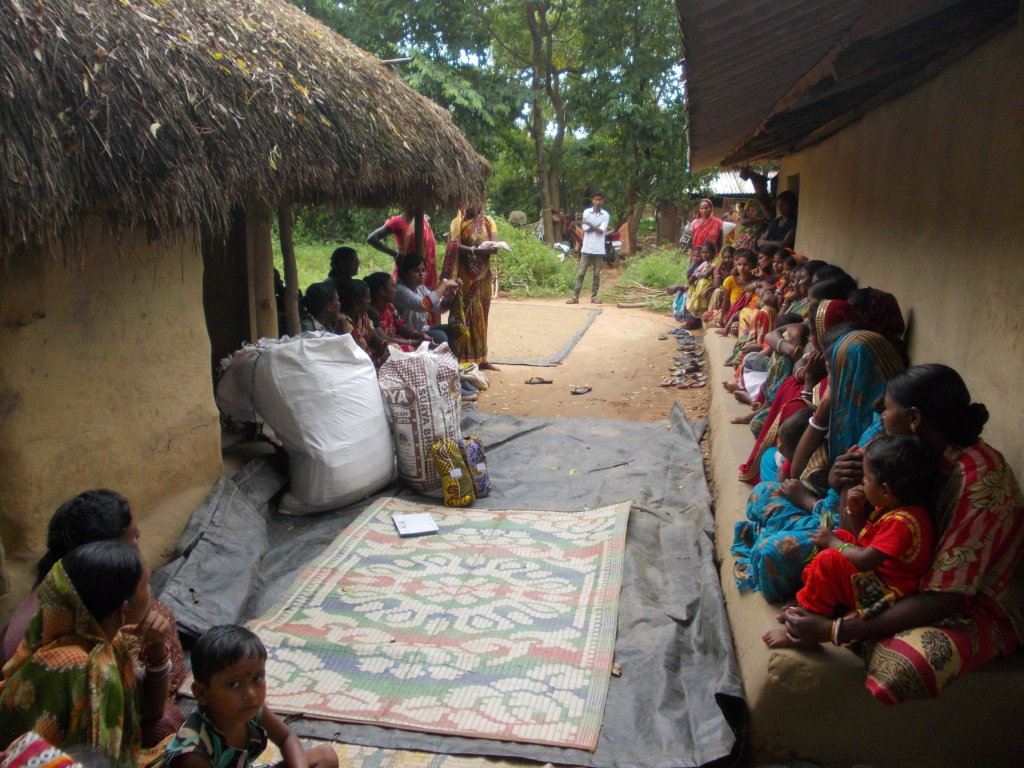
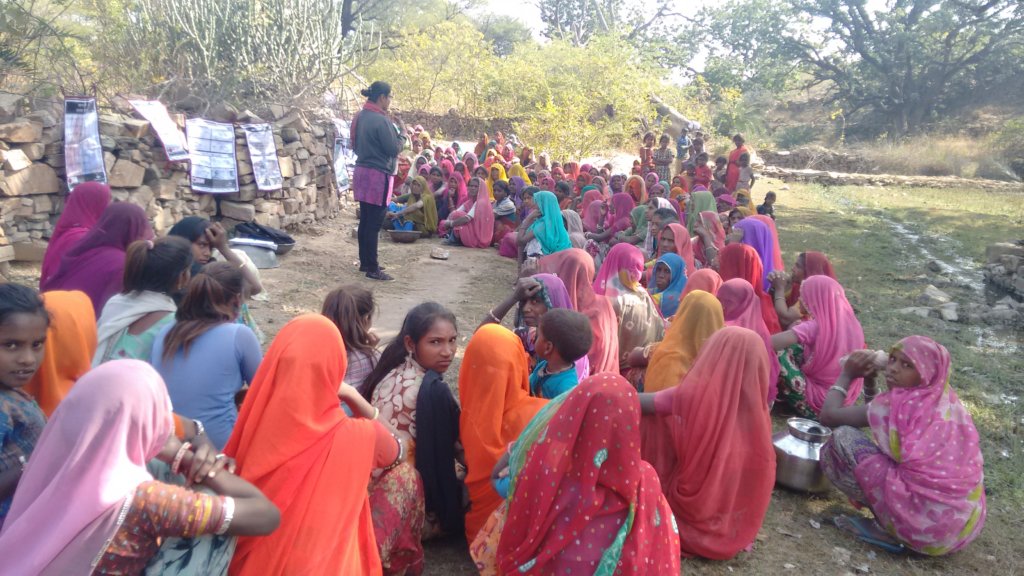
The Goonj team started with the villages of Udaipur and Dungarpur district..In this part of Rajasthan, most villages are on small mountains, where the distance between two houses could be between 100 meters to 1 km, mostly covered by foot. Most women work in the fields and the men go out to nearest block/district for work.. When the team started talking to these women, they found that No pad is available in the village market. These women face a challenge on different levels; not only do they not have access to pads, even affording a clean piece of cloth is tough while awareness around the menstrual hygiene and basic good practices around dealing with menstrual cloth were also found to be minimal.
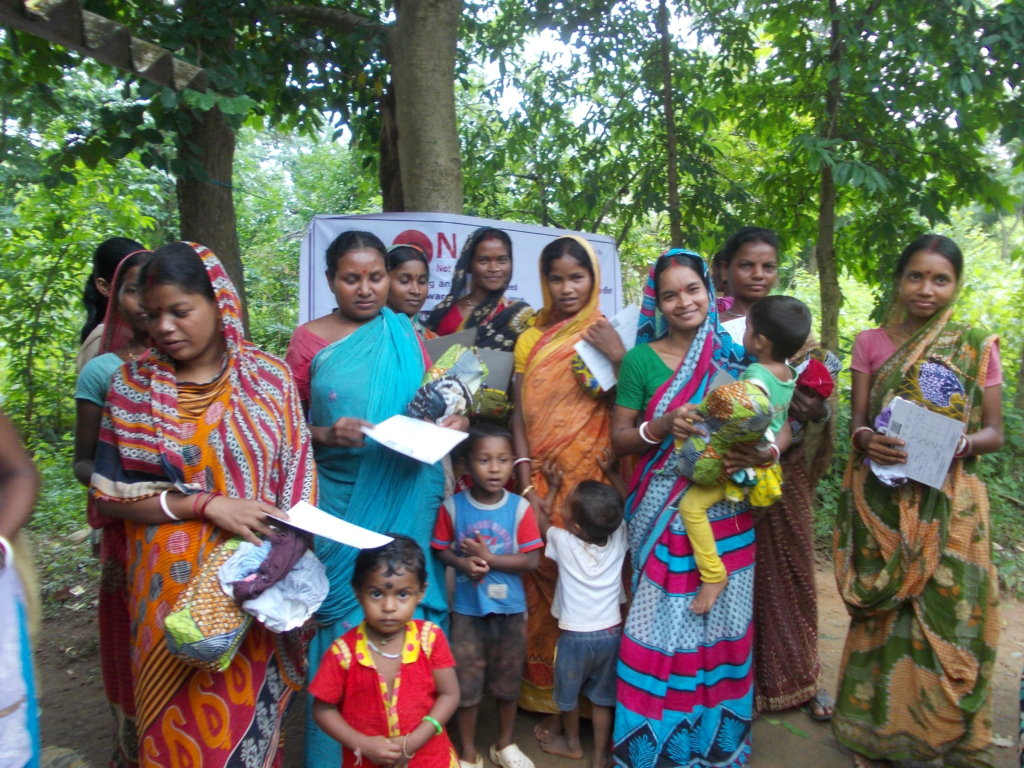
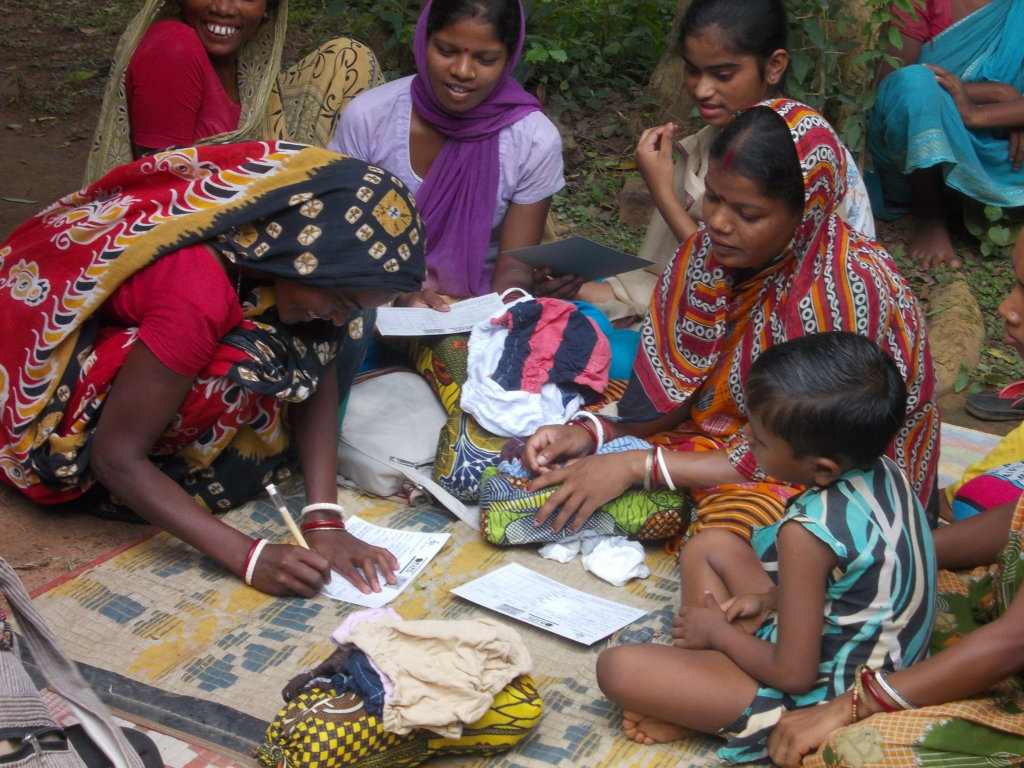
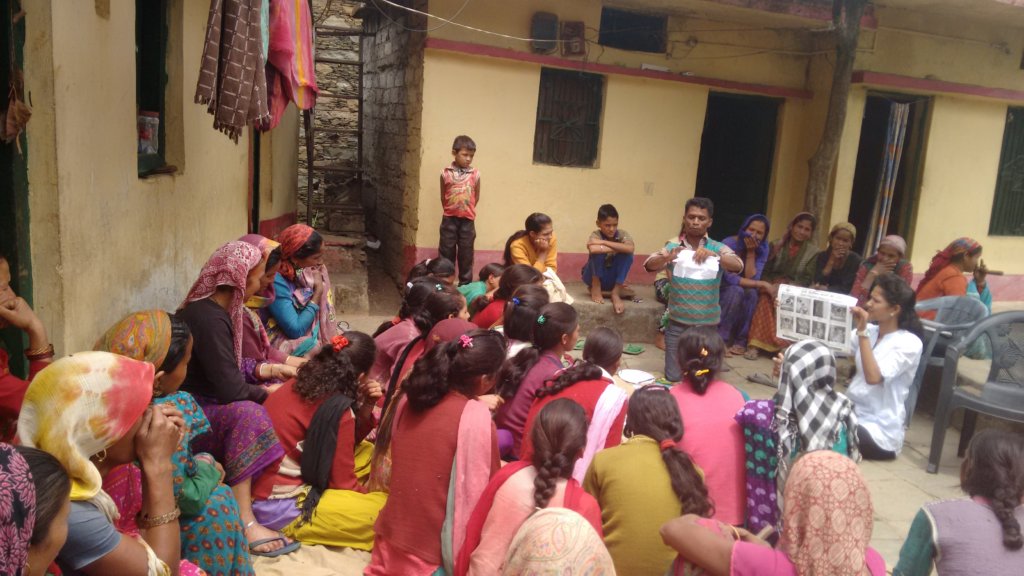
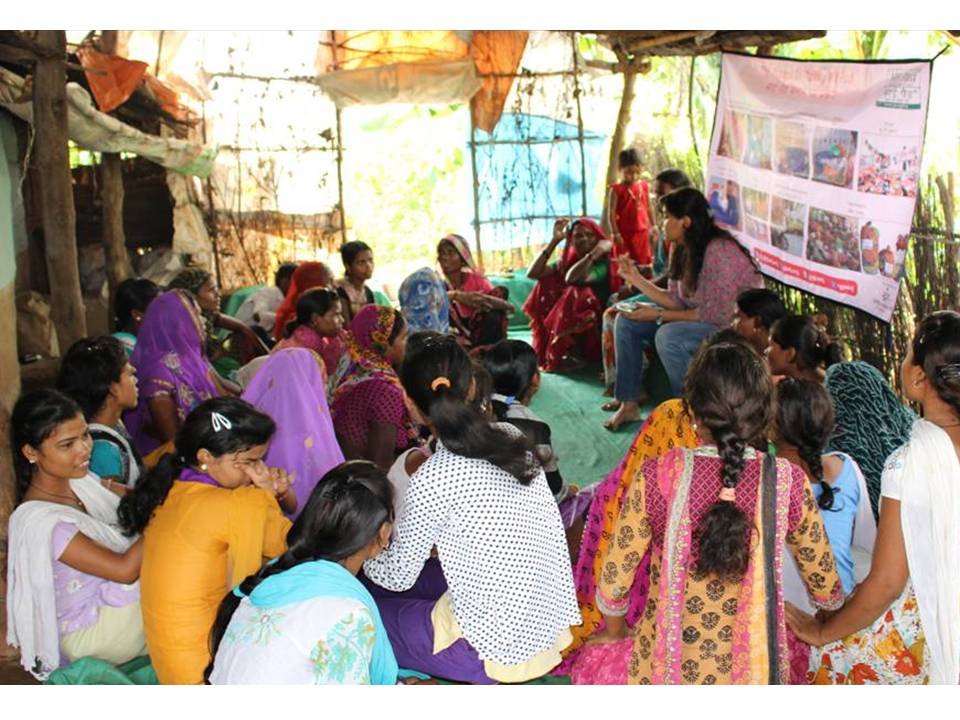
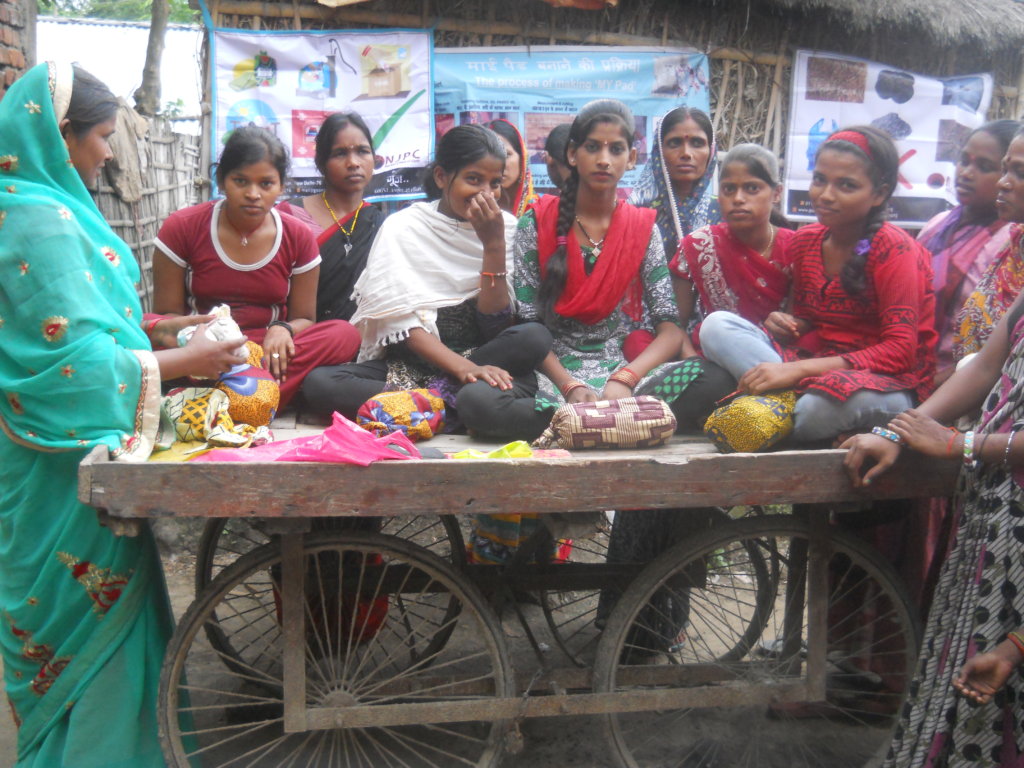
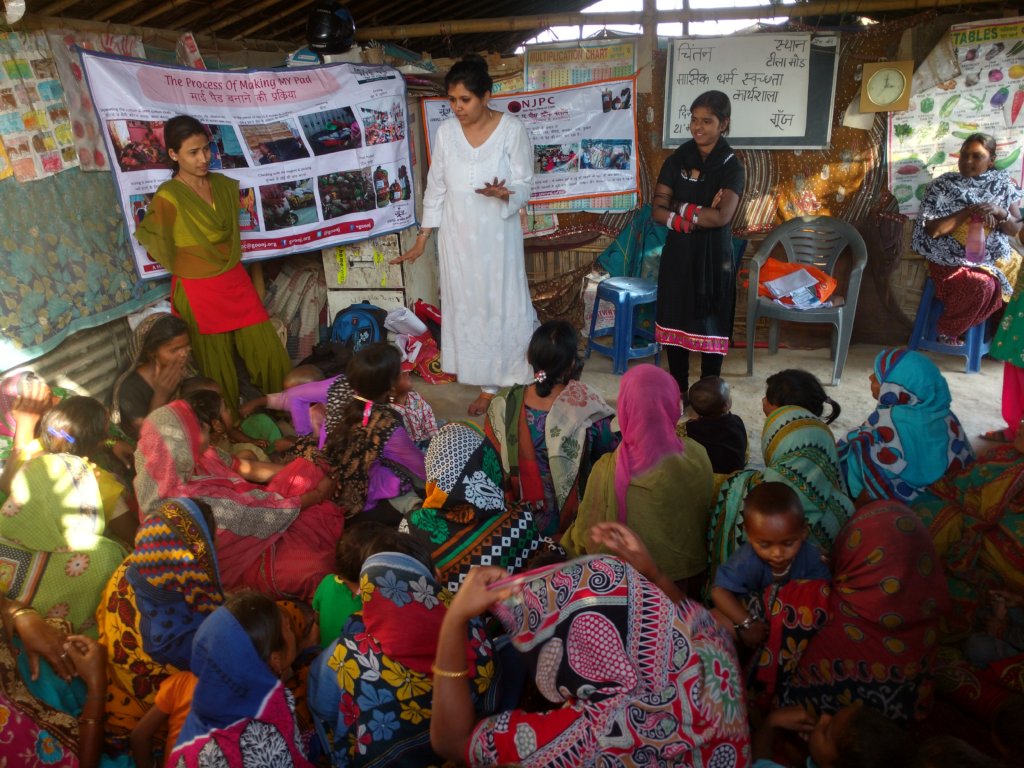
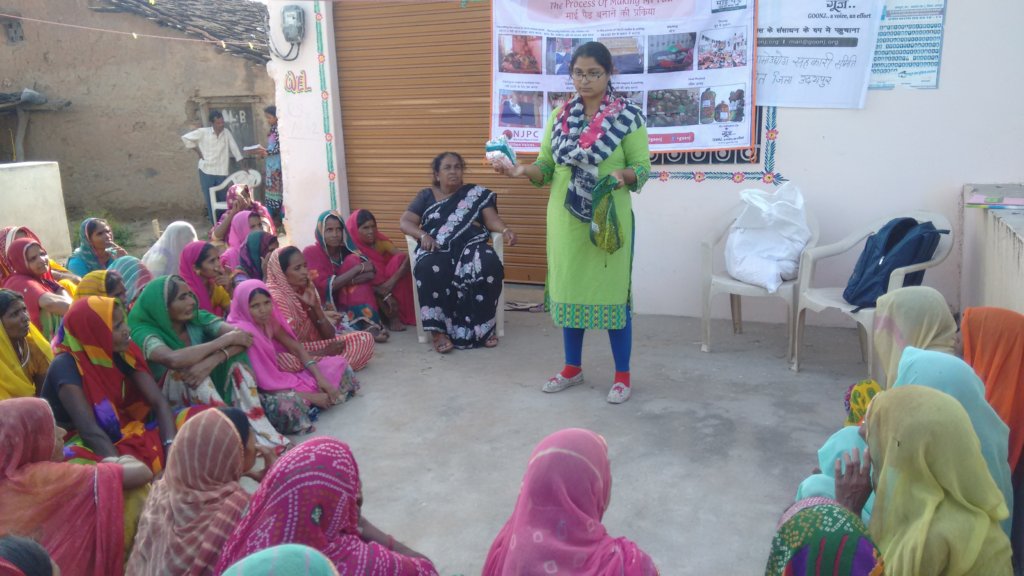
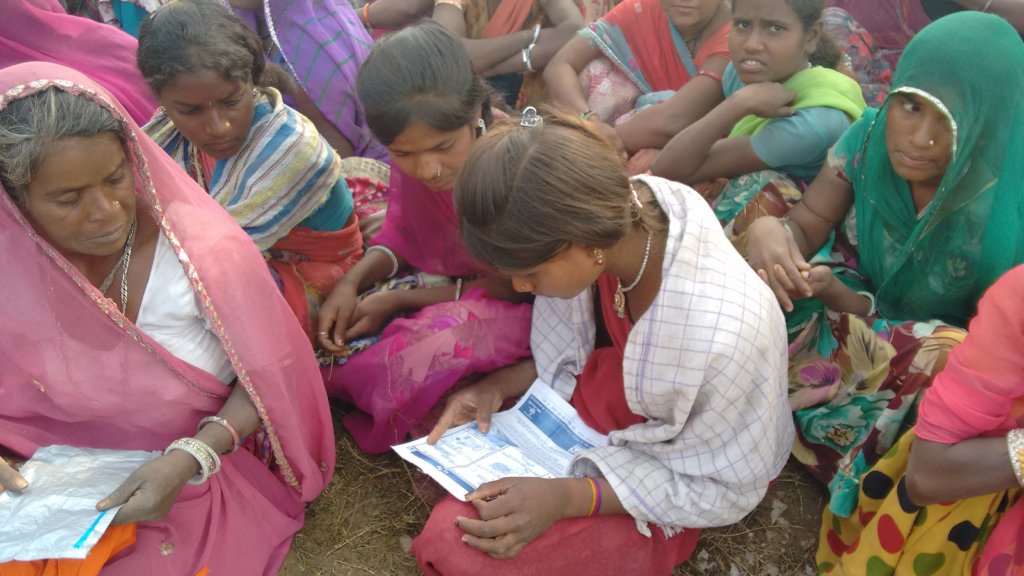
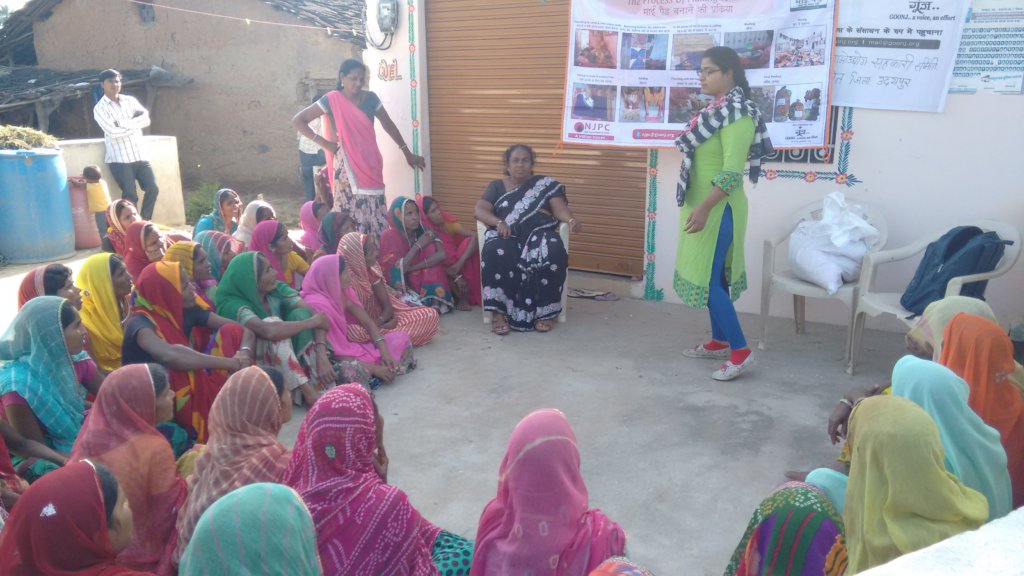
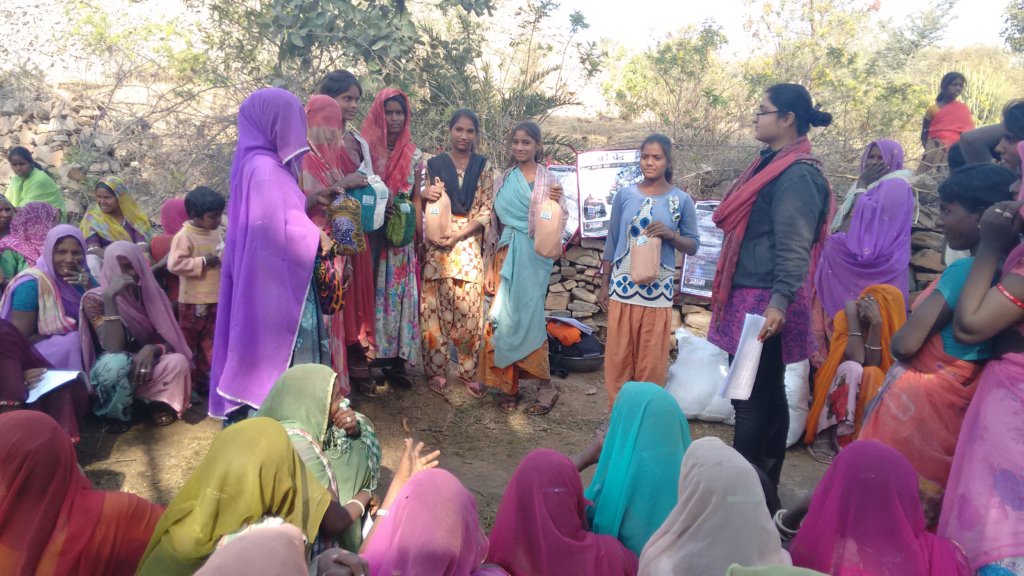
The Goonj team conducted awareness sessions with the women apart from reaching out NJPC *Dignity Packs to women and school going girls. These packs are also given to each family as part of Goonj’s Family Pack where even one member works for their village development and get these packs with a lot of information on do’s & don’ts of menstrual hygiene.
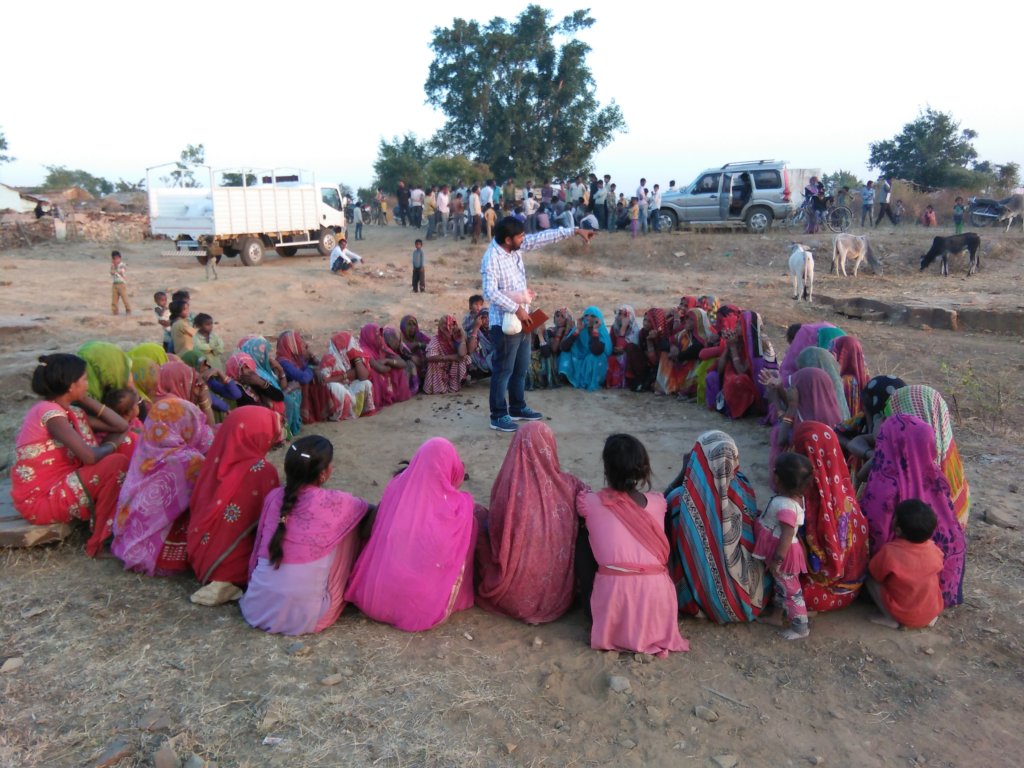
Discussion with women
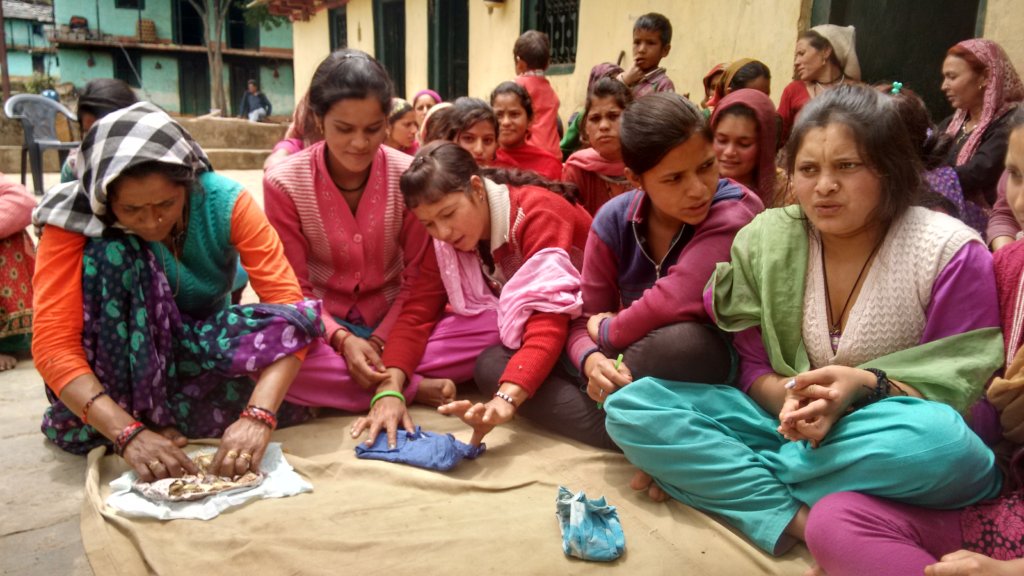
In one of the session at Manas village a group of 40 women dressed in their traditional attire spoke on the problems they face during menstruation.
Sovni Bai said, “There is no one at the primary health centre for checkups, mostly we go to Udaipur district. Usually we suffer from stomach pain, irritation, and white discharge but due to shame/embarrassment, we do not talk to anyone about it.” All women present agreed to this.
Nakki Devi said, “Mostly we use clothes for our menses; procured from our old sarees, blouse, petticoat.. We wash and re- use the clothes. When we do not have clothes, we buy a red cloth at Rs. 20 available at the big market of Udaipur district and the cloth is not even fully cotton. We have used this cloth but irritation and scratching remains.”
The discrimination based on religion, caste and gender is quite high here which makes menses more challenging for women. The challenge for the Goonj team was to gather these women, so far from each other at one place..
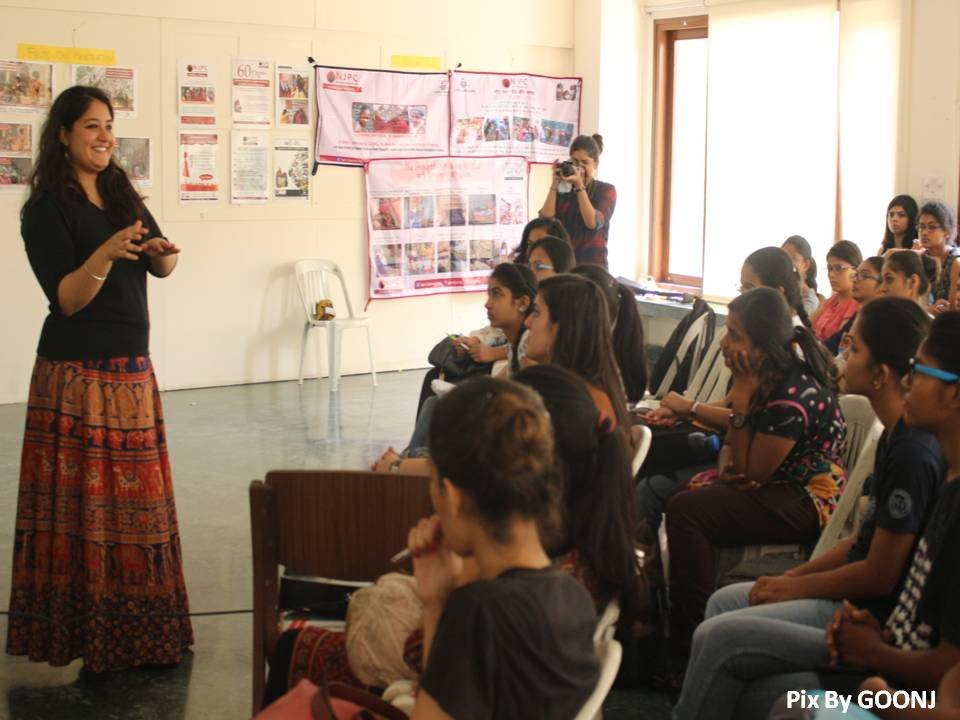
Discussion with young girls
In one of the sessions at a school, girls shared on menses.
“During my periods my grandmother does not allow me to go inside the kitchen. She treats me differently on those 4 days. She continuously restricts me to touch things, to sit here and there, to go outside, to talk to people. I feel that my having periods I have done something wrong.”- says Suman
Rakhi said, “I was unaware of my periods, I was in school when I stained my skirt and then my friend told me about it. I was scared and told my mom. She gave a pack of sanitary pad but never spoke to me about the issue. I was just restricted from various things. I get angry, fight with my mom and she scolds me back. I stop talking much during those 4 days.”
Goonj has reached out *Dignity Packs to more than 200 women/ girls in Rajasthan till now.
(*Dignity Pack = 10 Goonj’s cloth pads:MY Pads, an undergarment, and a lot of information on do’s and don’ts around menstrual hygiene)
Links:
Project reports on GlobalGiving are posted directly to globalgiving.org by Project Leaders as they are completed, generally every 3-4 months. To protect the integrity of these documents, GlobalGiving does not alter them; therefore you may find some language or formatting issues.
If you donate to this project or have donated to this project, you can receive an email when this project posts a report. You can also subscribe for reports without donating.