By Anshu Gupta | Founder Director
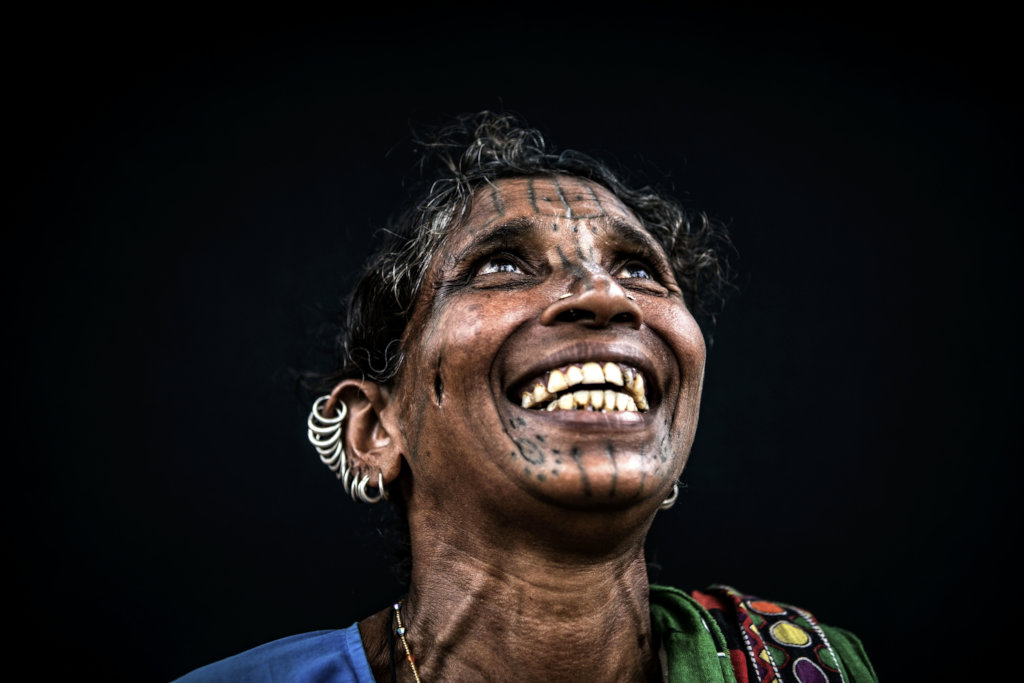
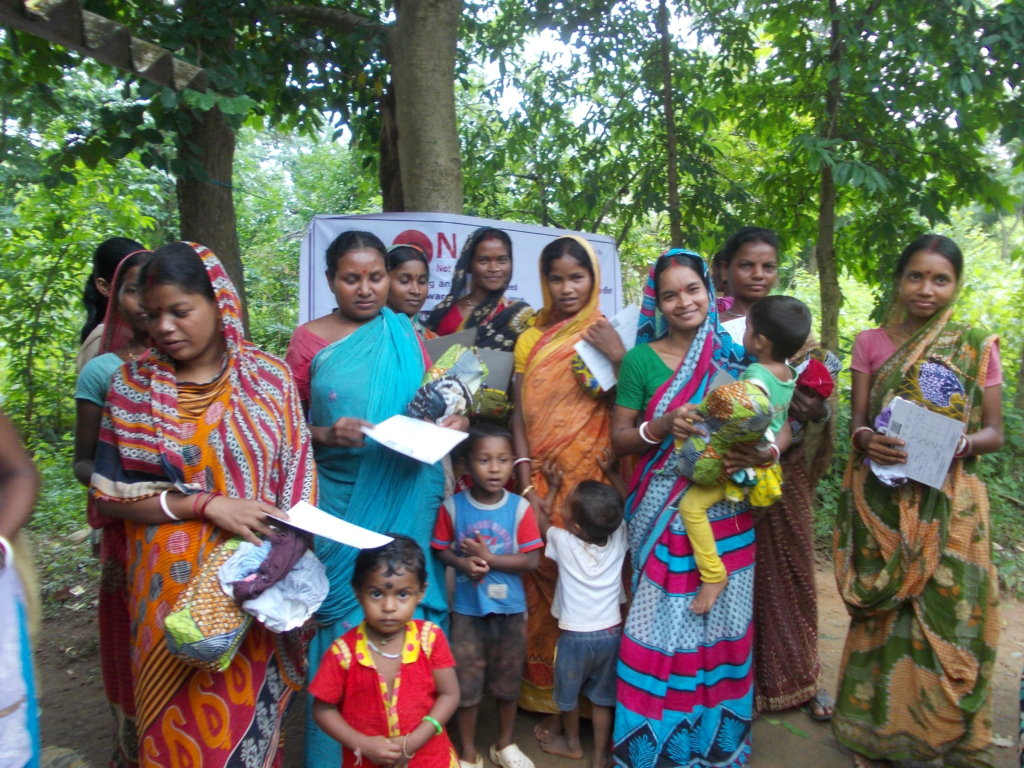
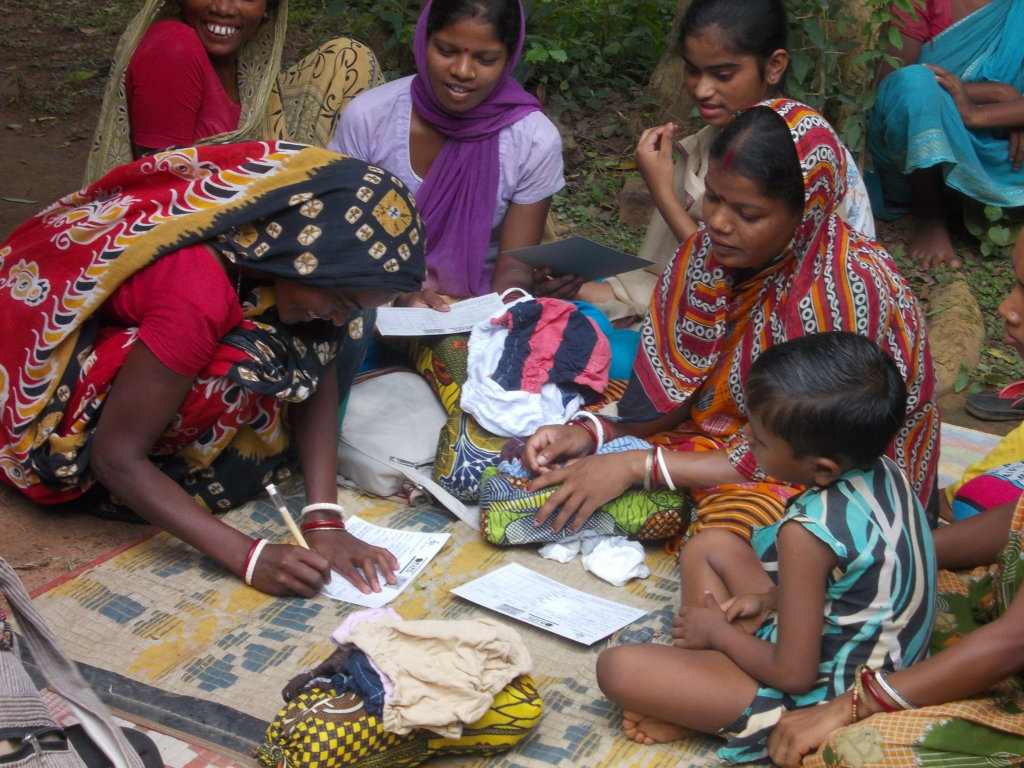
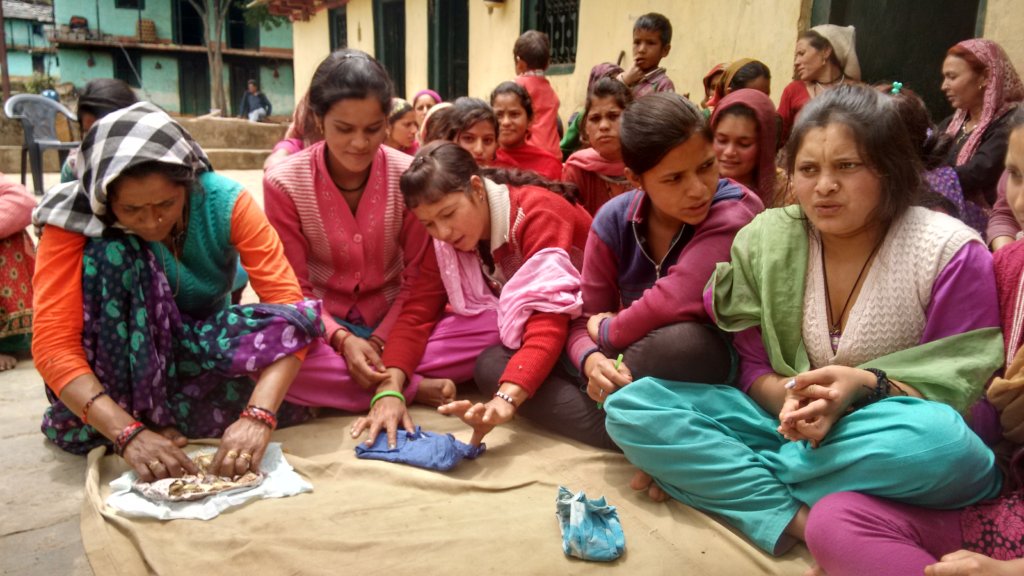
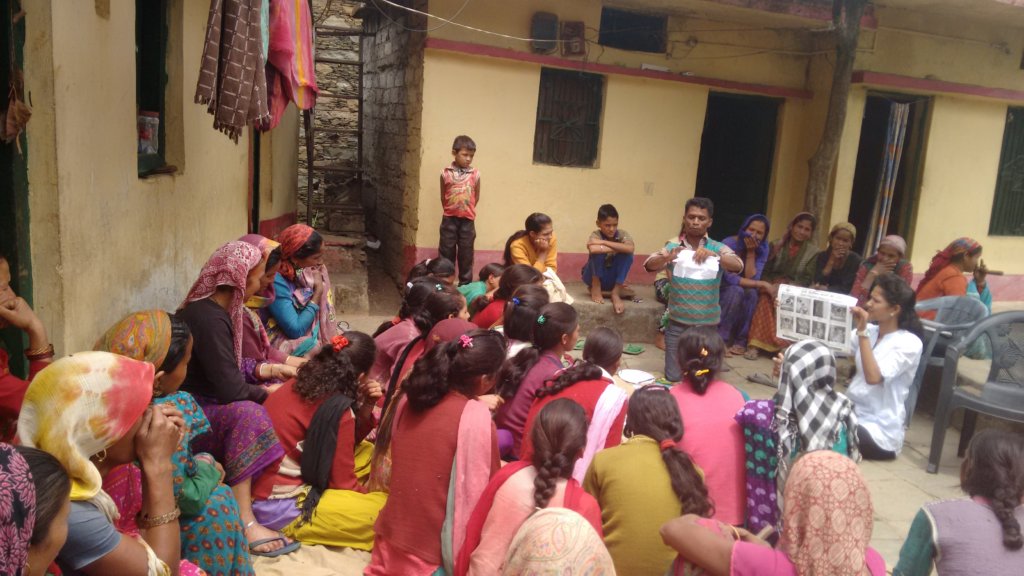
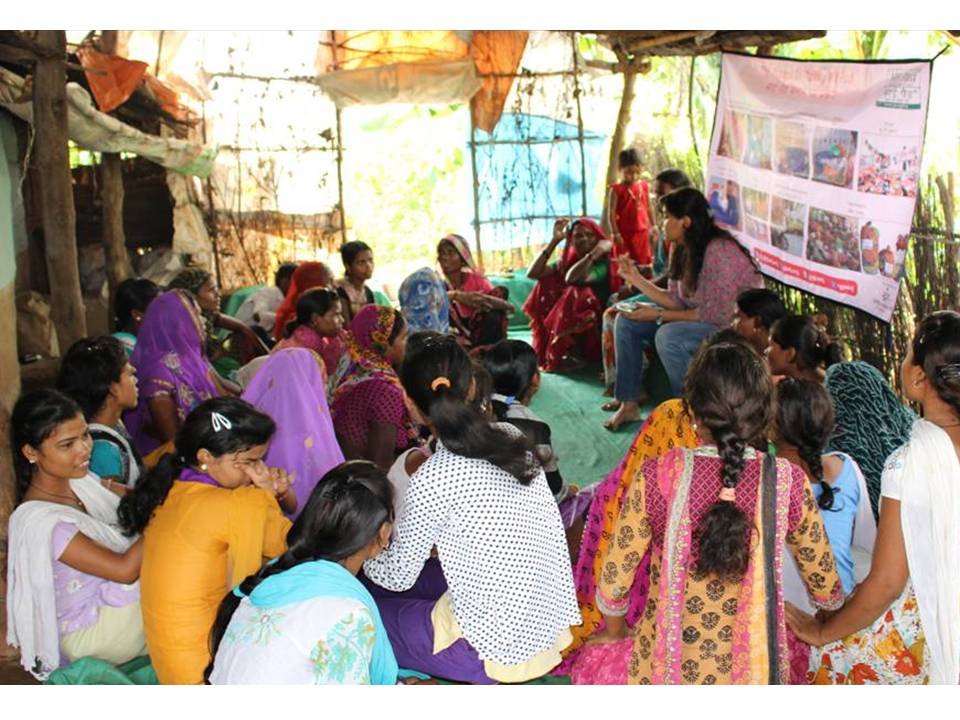
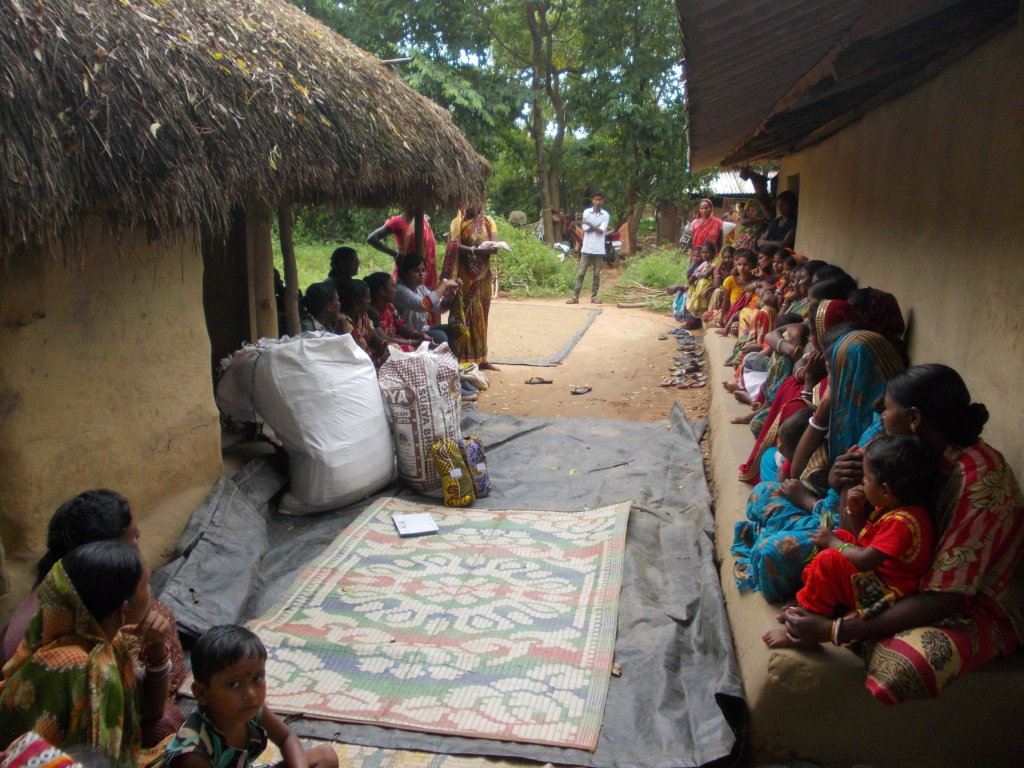
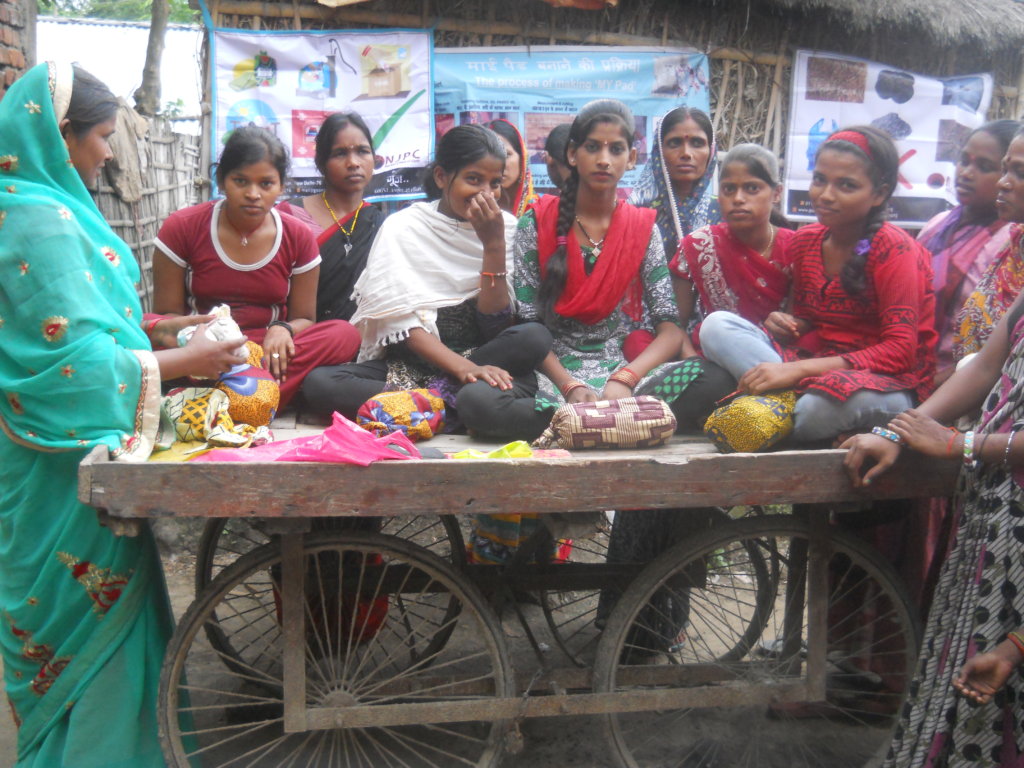
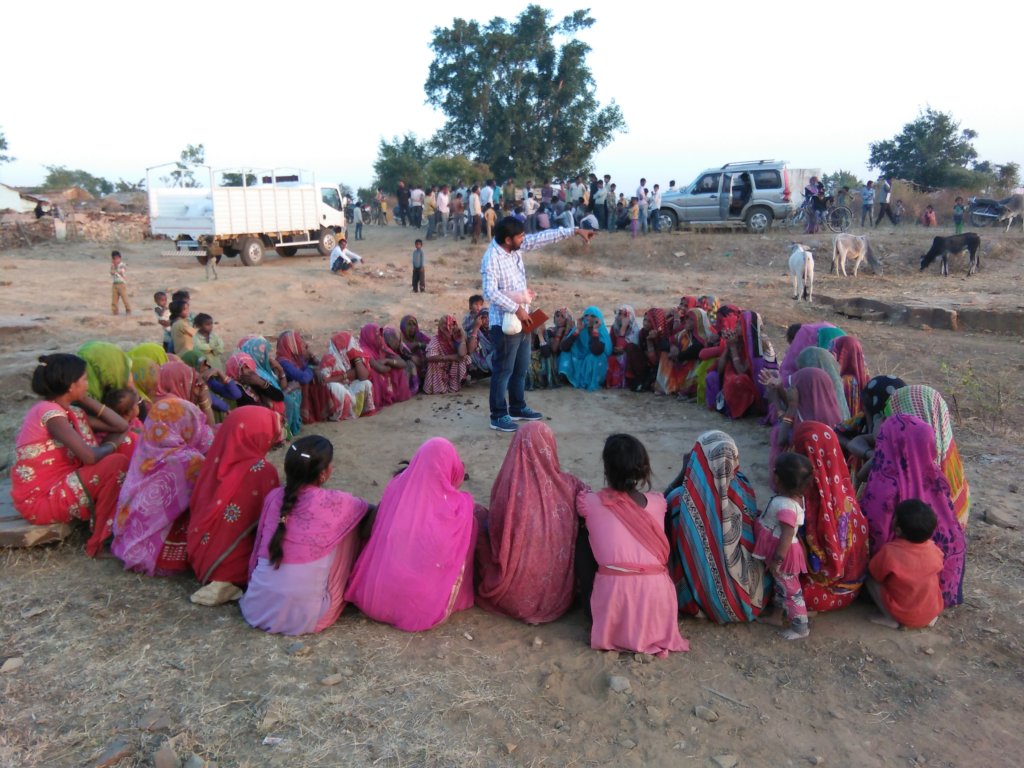
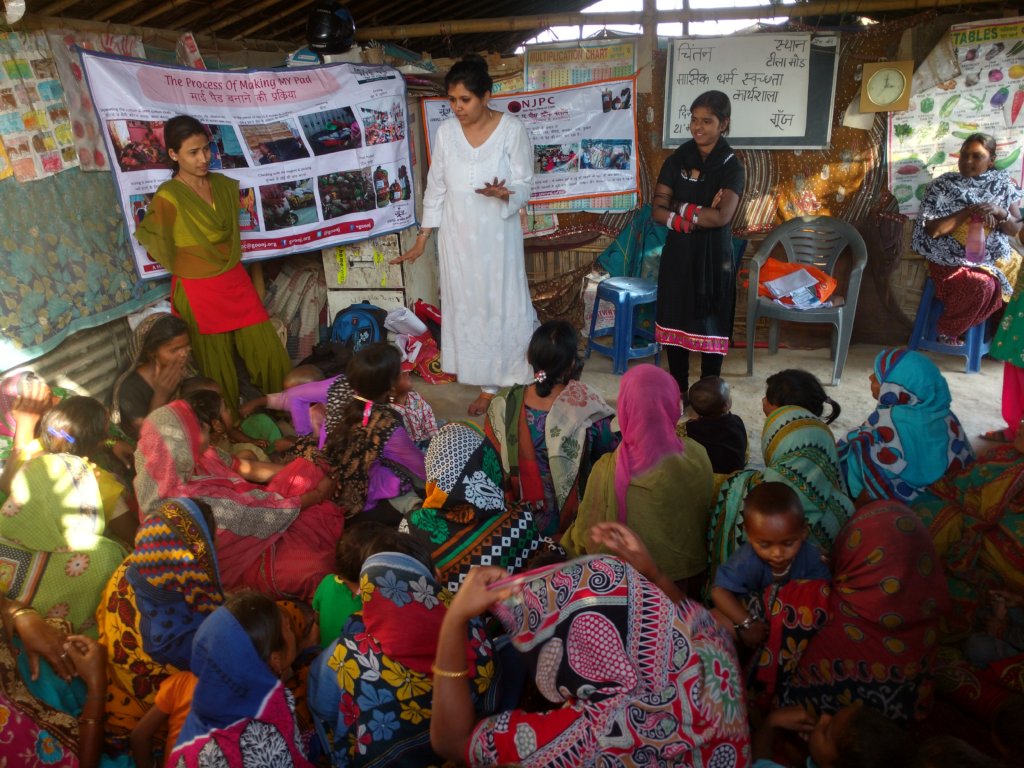
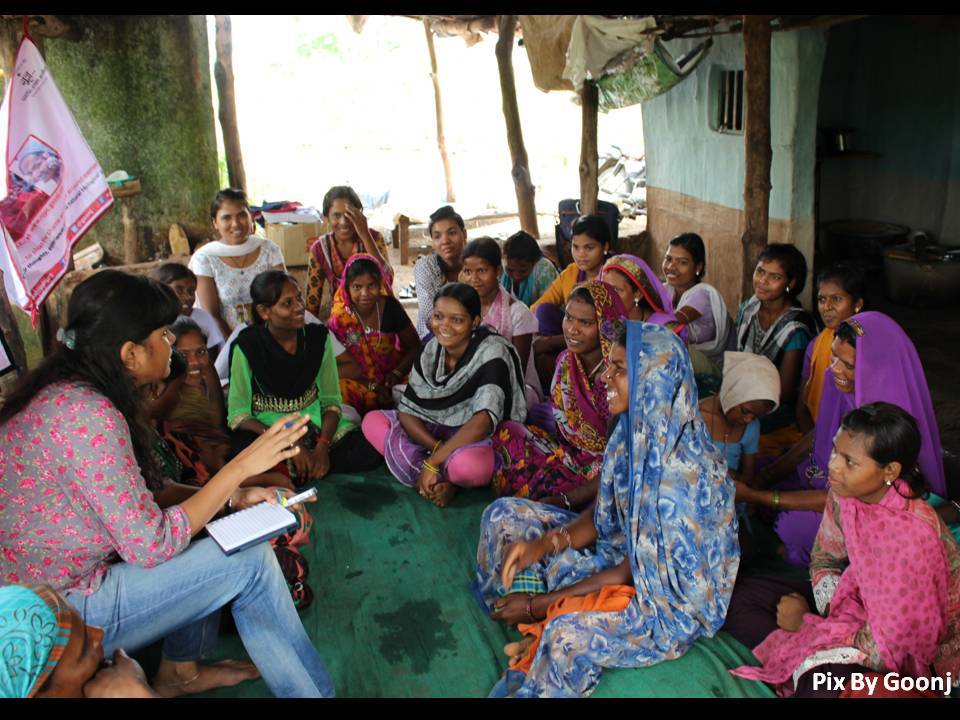
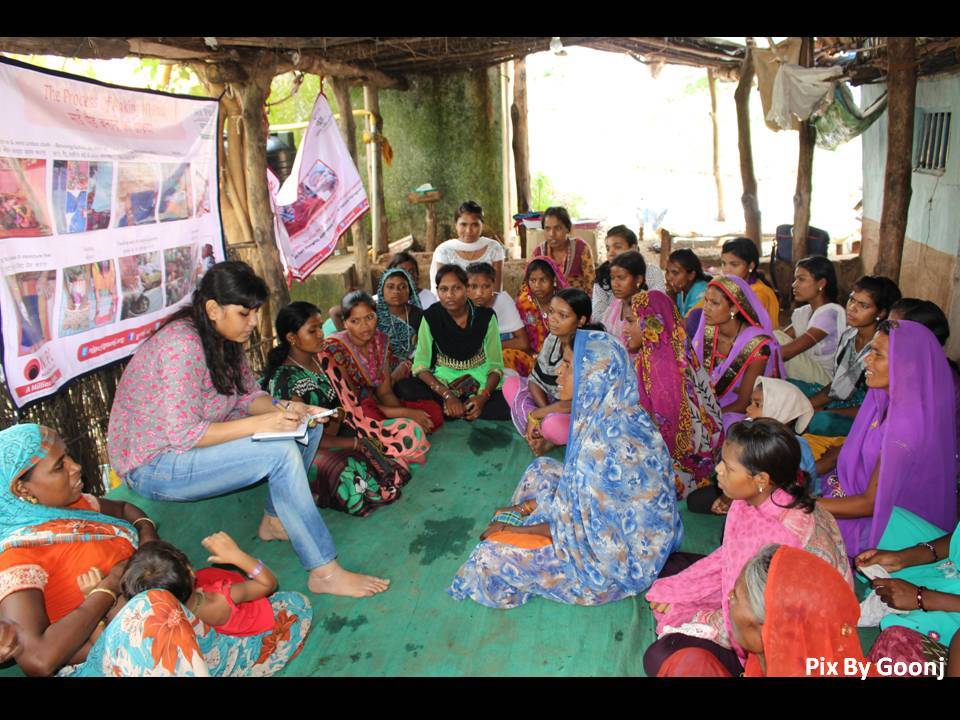
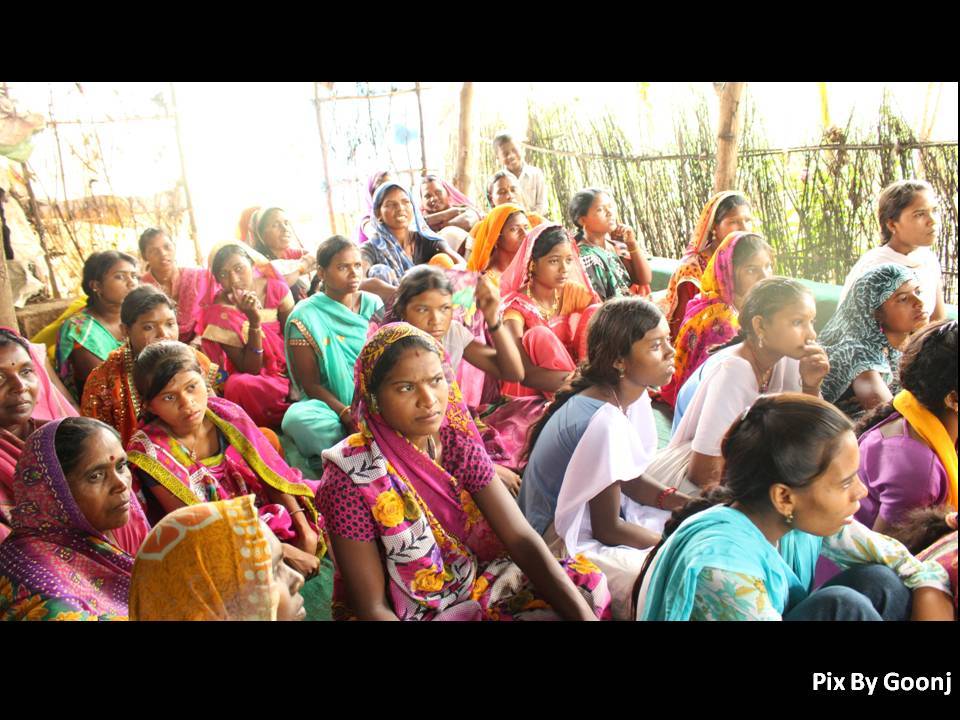
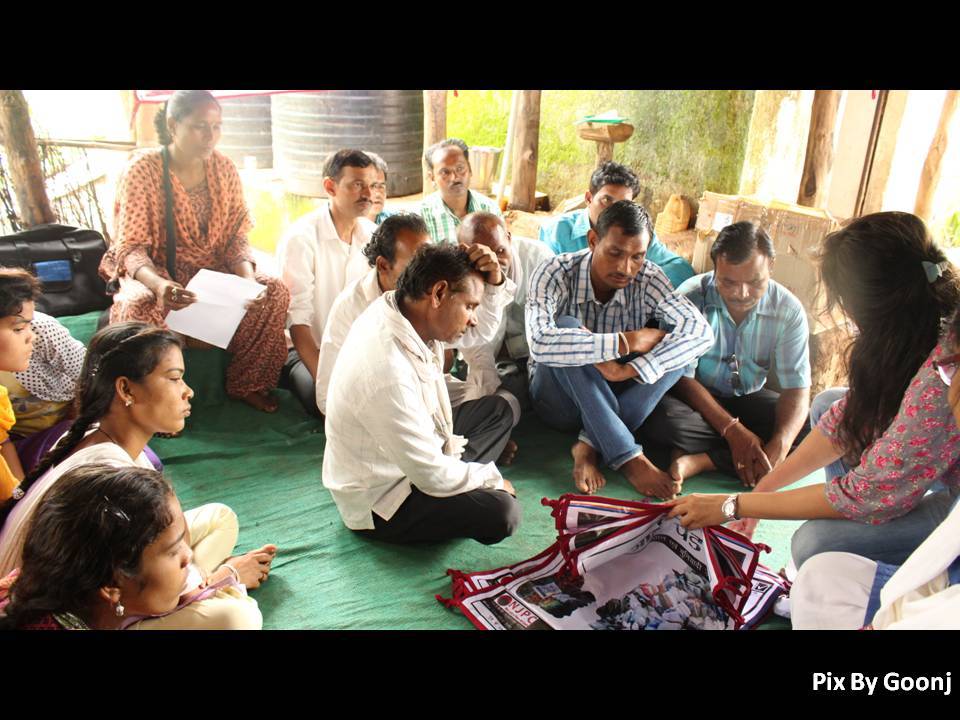
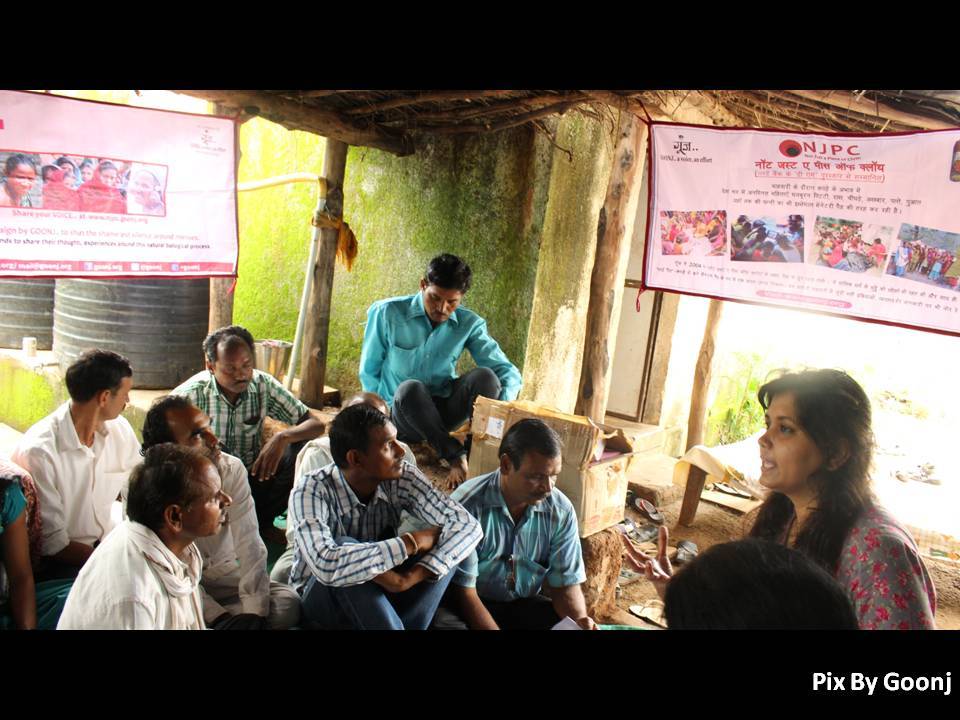
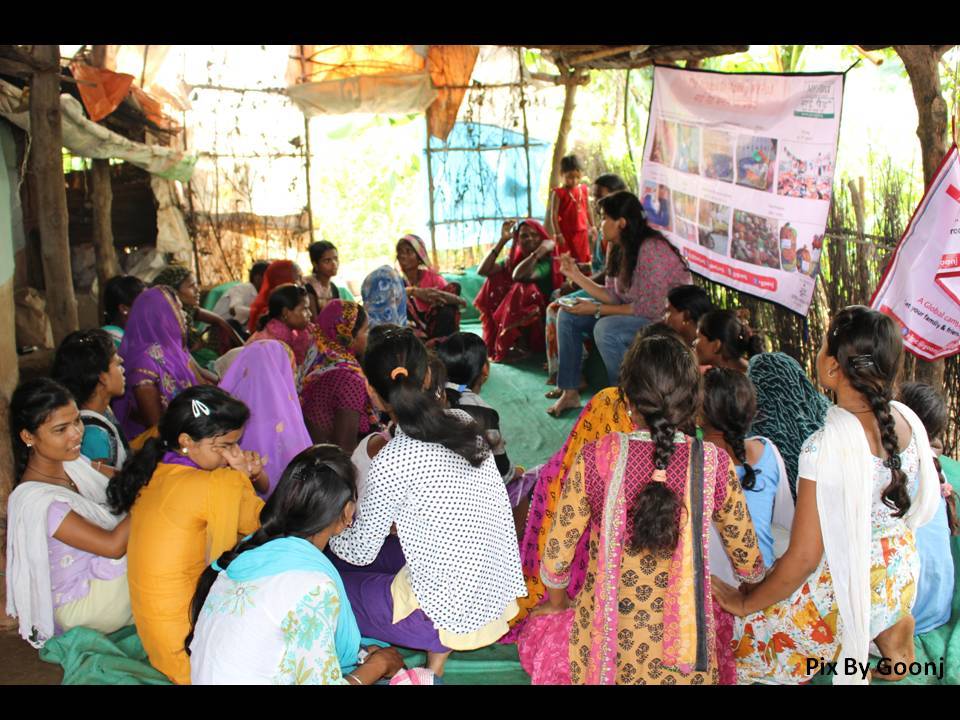
Khandwa district of Madhya Pradesh is really the heart of central India. It is a largely tribal area, home to the Korku tribal community. Goonj has been working here for many years now, together with its local partner organization Spandan. Goonj has been working closely with Spandan on the issue of menstrual hygiene and management through its Not Just a Piece of cloth (NJPC) initiative. The tribal women of Khandwa had no access to knowledge on menstrual hygiene management and have been devoid of basic amenities like a sanitary cloth or a toilet apart from facing huge taboos because of the shame and silence around the issue. On a recent visit to Khandwa a two member Goonj team met more than 50 village women during a NJPC awareness session where the women shared their stories and experiences.
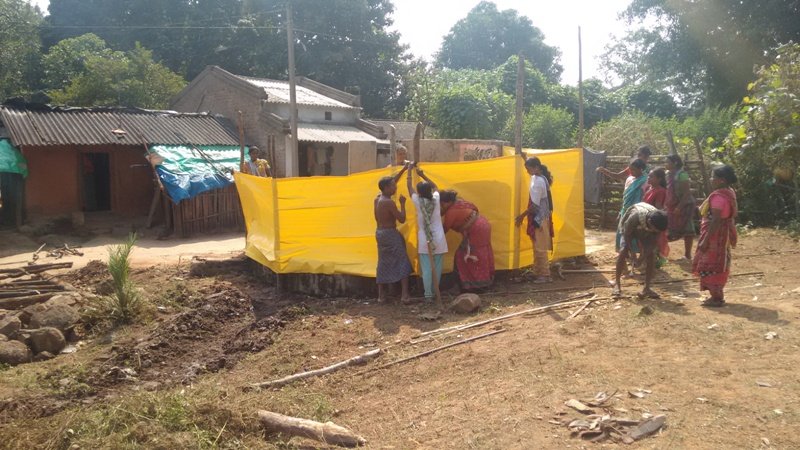
In Langoti village, Shyamwati has been using Goonj MY Pads (cloth sanitary pads) for the past four years. She said, “Earlier I used the tericot cloth (synthetic cloth for cloth pad) at home. I used to wash it dry and reuse it again. When I saw women attending the Goonj awareness sessions and taking cloth pad from Goonj. I too came along. I found that it has many advantages. I became more aware on the issue of menstruation. I also worked under Cloth for Work (another Goonj initiative where people work on their own issues and get material as reward) where we undertook land bunding and also worked on digging the well in Langoti village. I got ration and clothing and I am using that material.”
Women of the Korku tribe undergo a lot of suffering during menstruation facing huge challenges around washing, drying, changing and disposing. A lady shared, “I used cloth during menstruation. When I got married, I felt shy from my in laws and so I would store the cloth at a hidden place in the roof ceiling behind a wooden plank.” Here the houses are temporary sheds which are not completely water resistant. Still the women don’t have a choice. They continue to store their menstrual cloth thus, even when it’s raining. “I had no option. Many a times I couldn’t even dry up my cloth and even used a moist cloth pad. When I came to know about MY Pad it was a big relief.” She also mentioned that reusing a moist cloth pad made her feel uncomfortable and stinky.
The young girls our team met, expressed that earlier there was a lot of hesitation but now they had become bit comfortable on the issue and were now more aware about the disposal and hygiene aspects of using a cloth.
Ramwaati, another village resident said that earlier she washed the cloth pad in the nearby pond and dried it under a saree. This was cautiously done when there were no men around. She also shared that every time she tore a piece of tericot cloth and used it as a pad she was scolded by her family members. She further added, “MY Pad helped me a lot, now I reuse it and dry it separately and do not put it under a cloth for drying.”
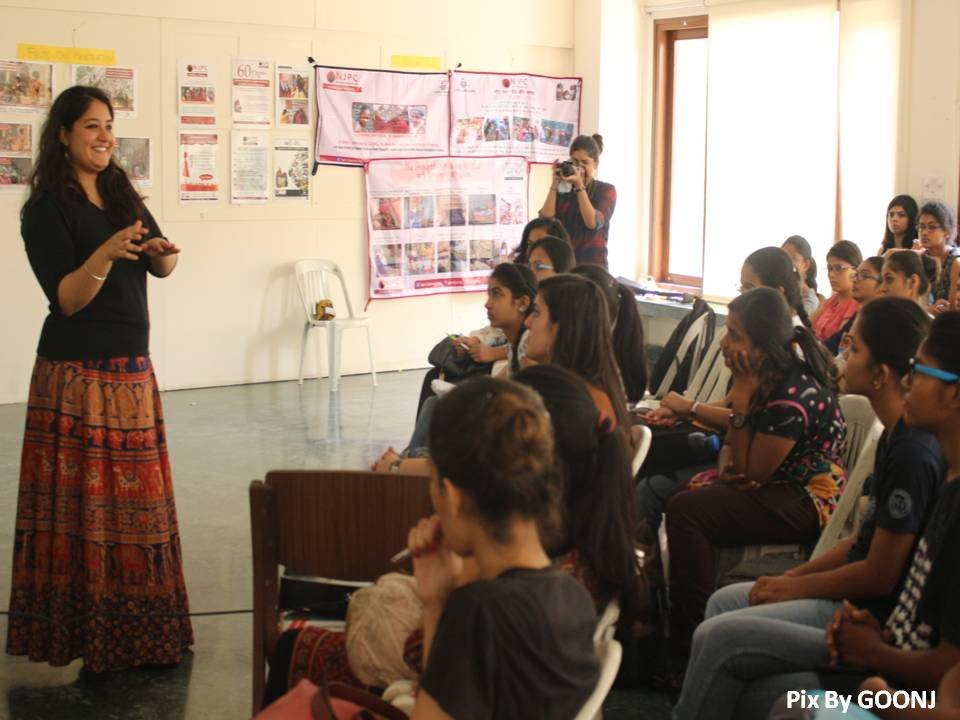
In many remote communities of India the awareness sessions done by Goonj are making women more confident in taking steps to improve their menstrual hygiene practices. The big change is that they have started talking about the subject.
Links:
Project reports on GlobalGiving are posted directly to globalgiving.org by Project Leaders as they are completed, generally every 3-4 months. To protect the integrity of these documents, GlobalGiving does not alter them; therefore you may find some language or formatting issues.
If you donate to this project or have donated to this project, you can receive an email when this project posts a report. You can also subscribe for reports without donating.