By Anshu Gupta | anshu@goonj.org
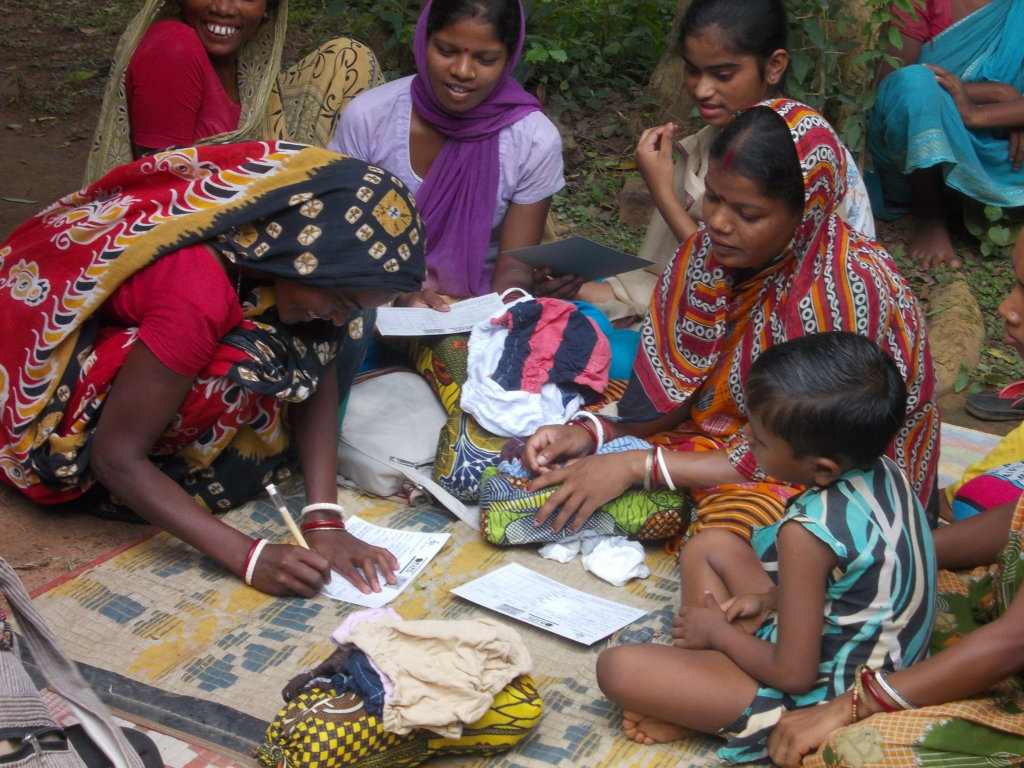
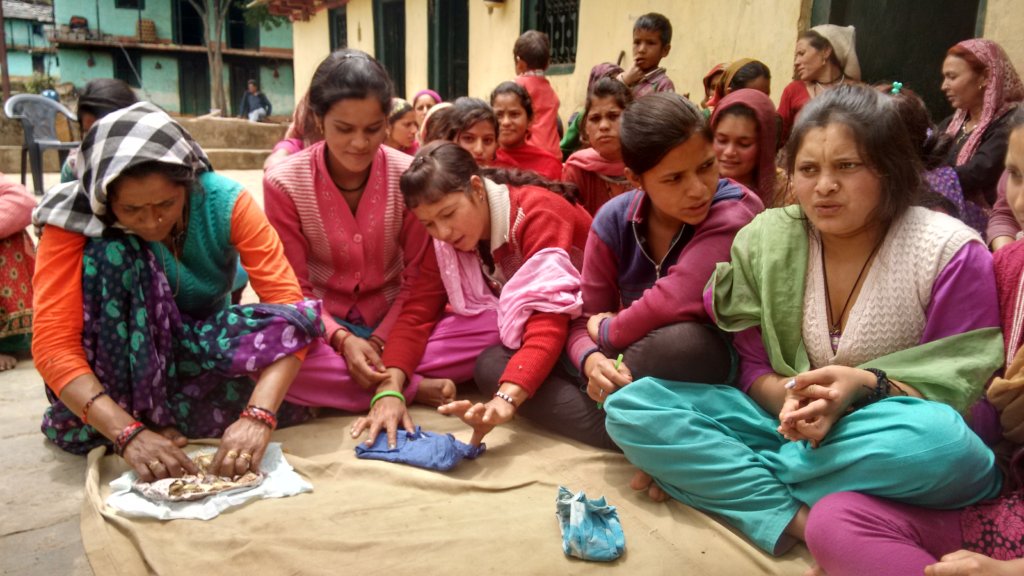
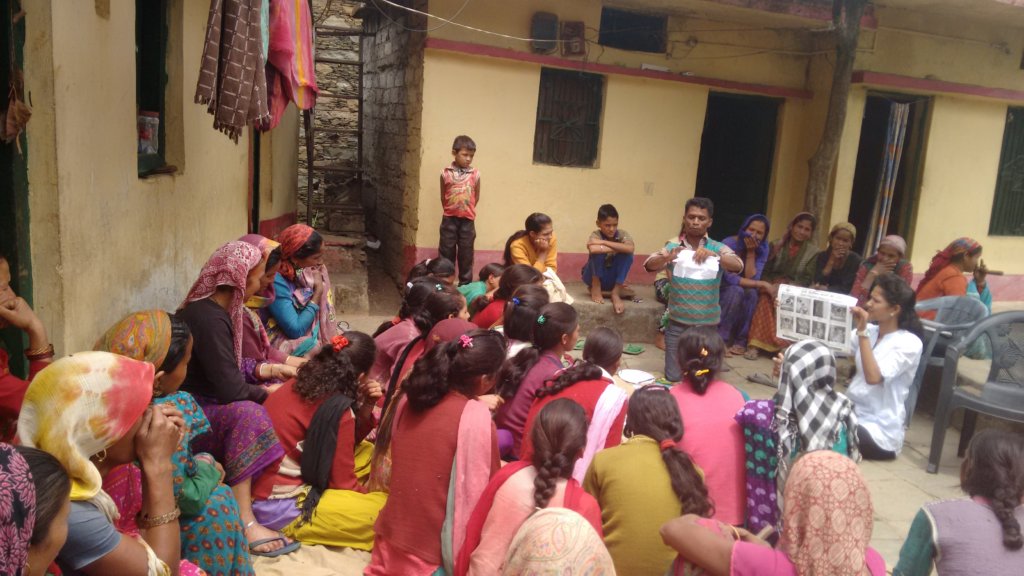
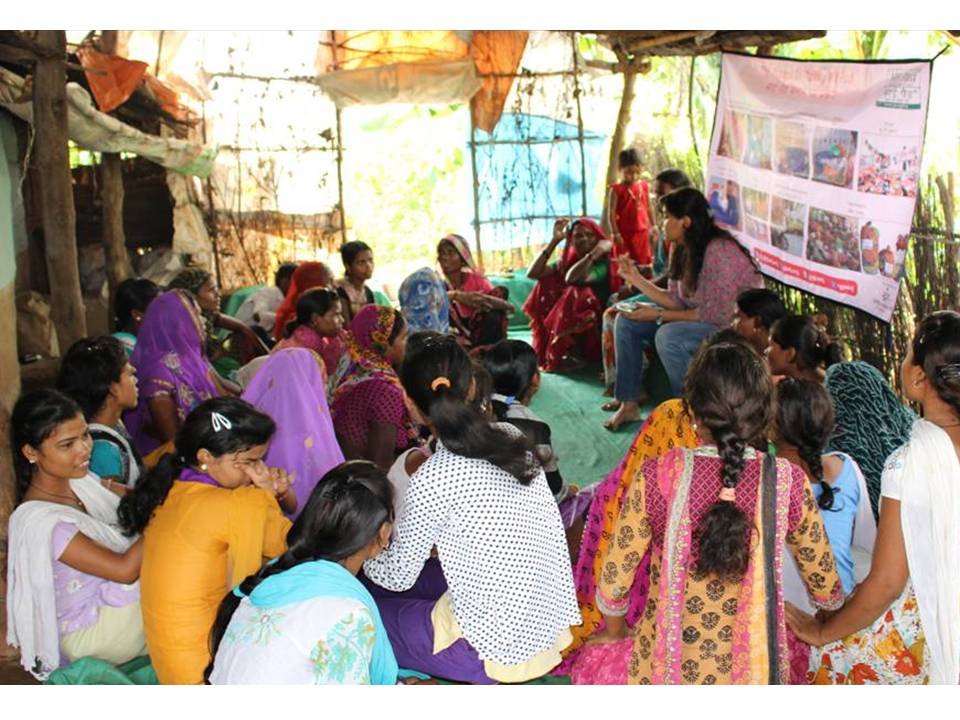
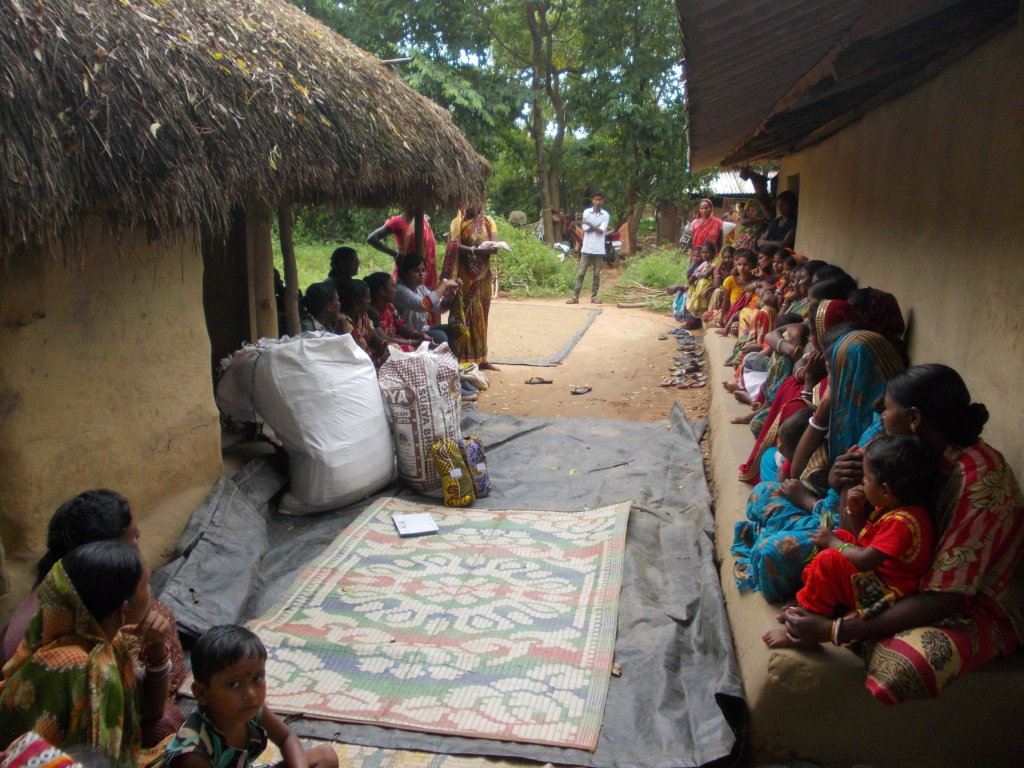
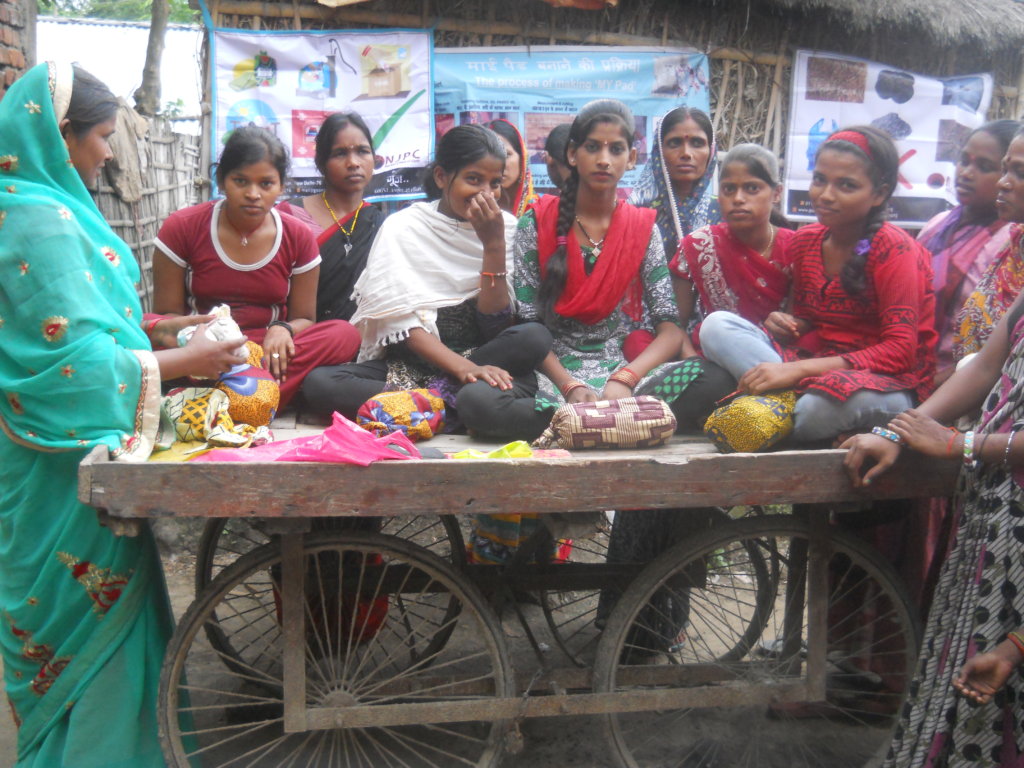
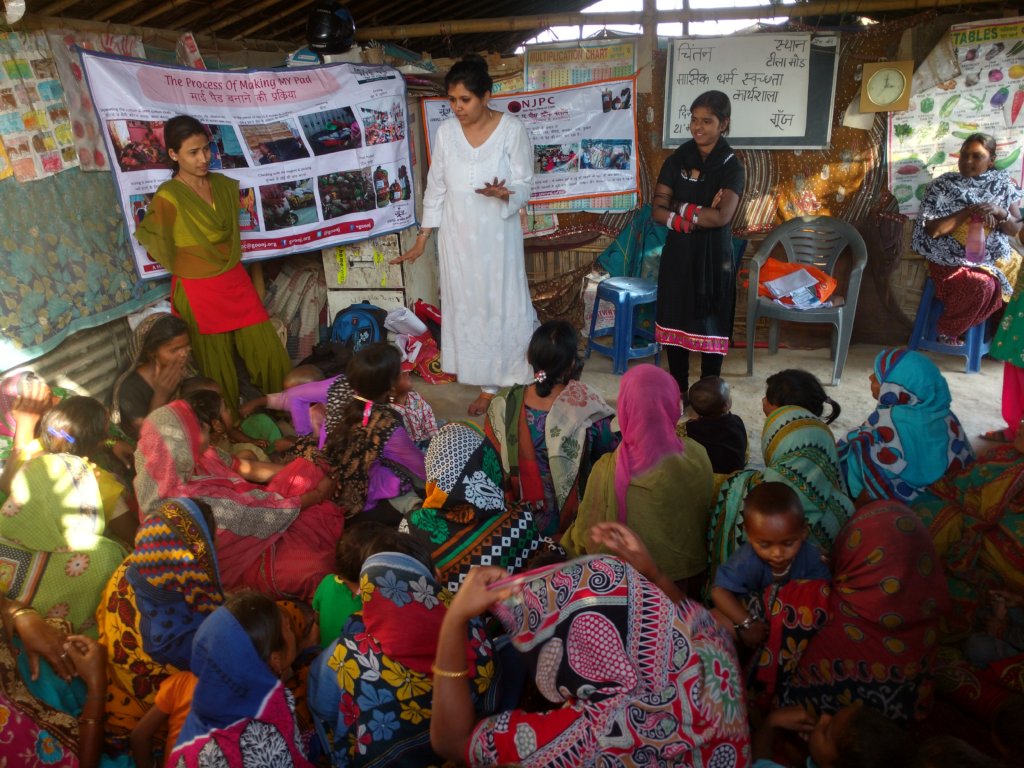
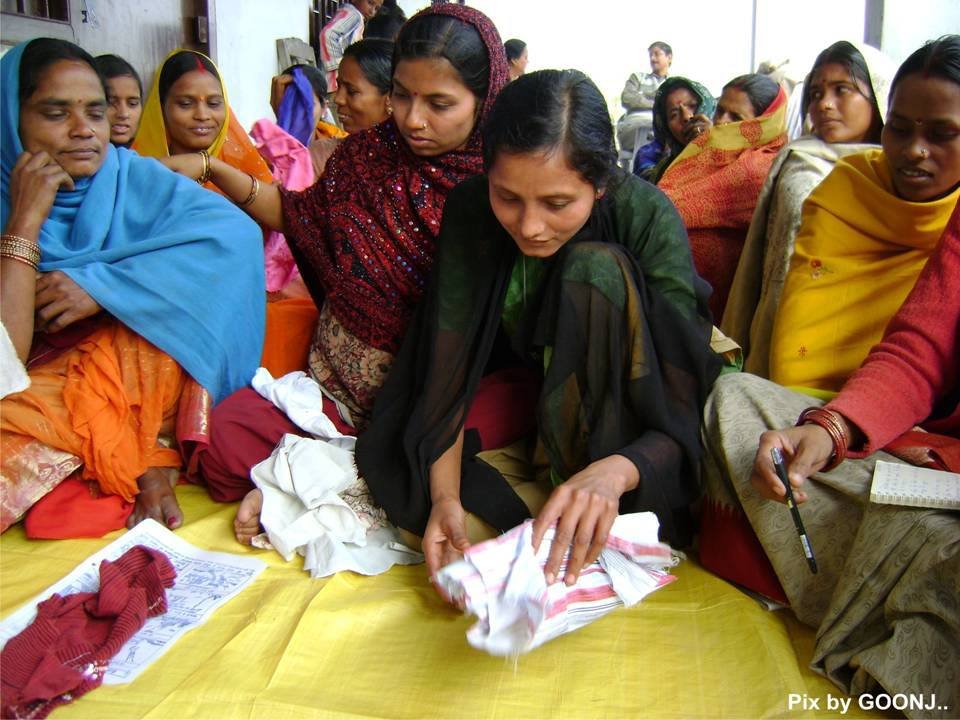
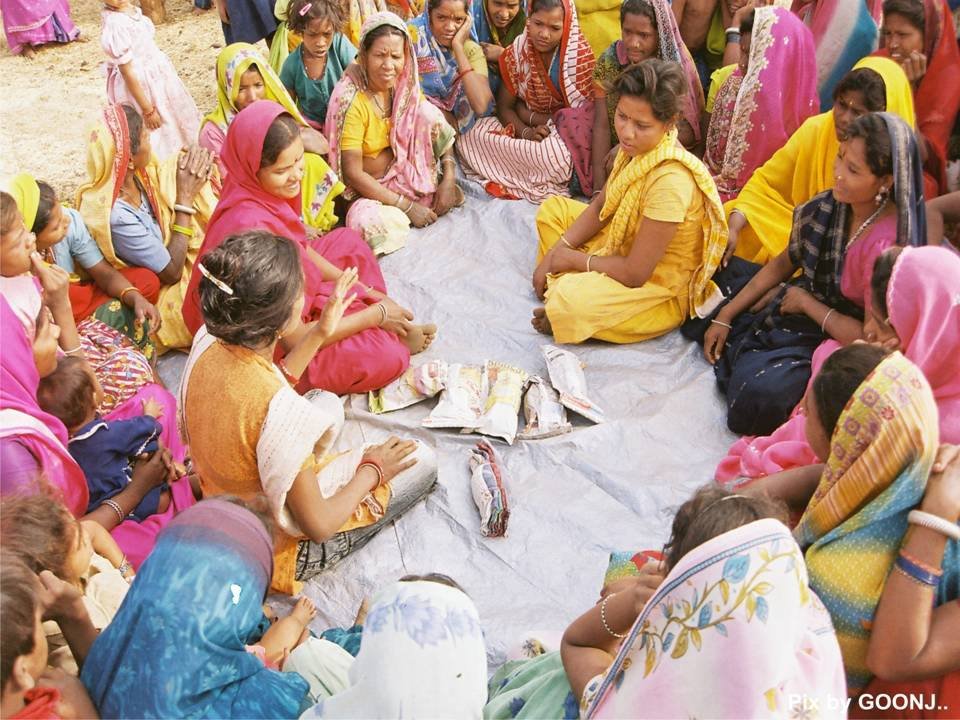
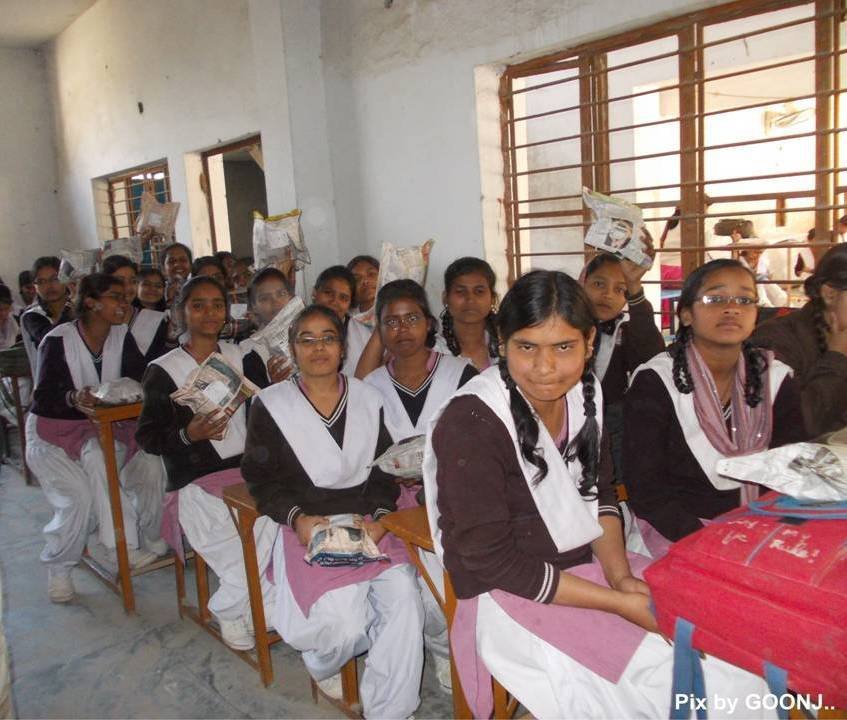
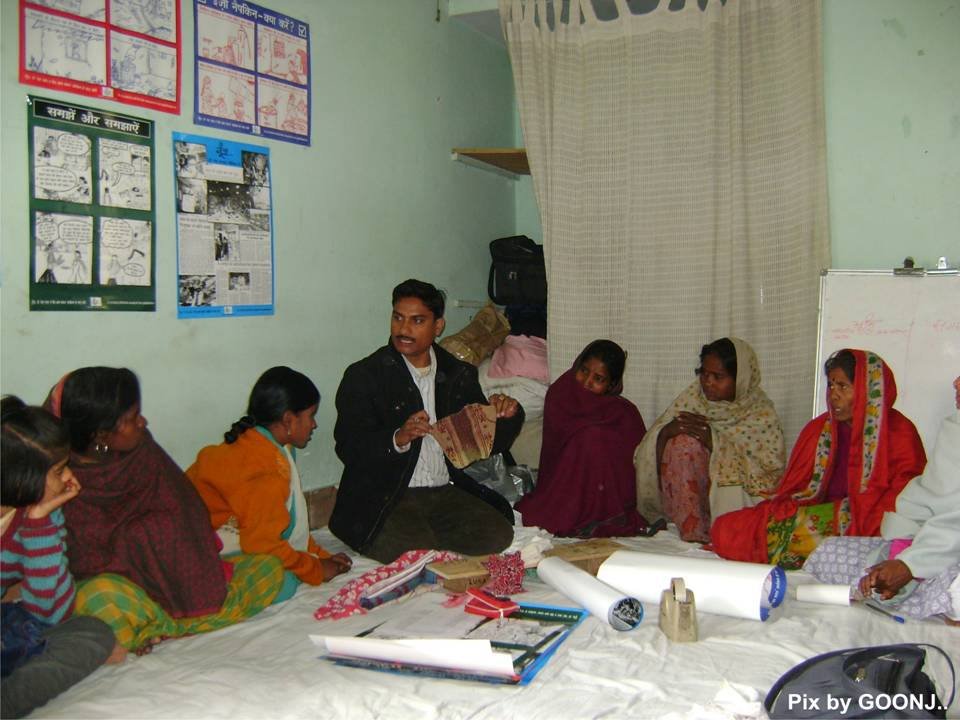
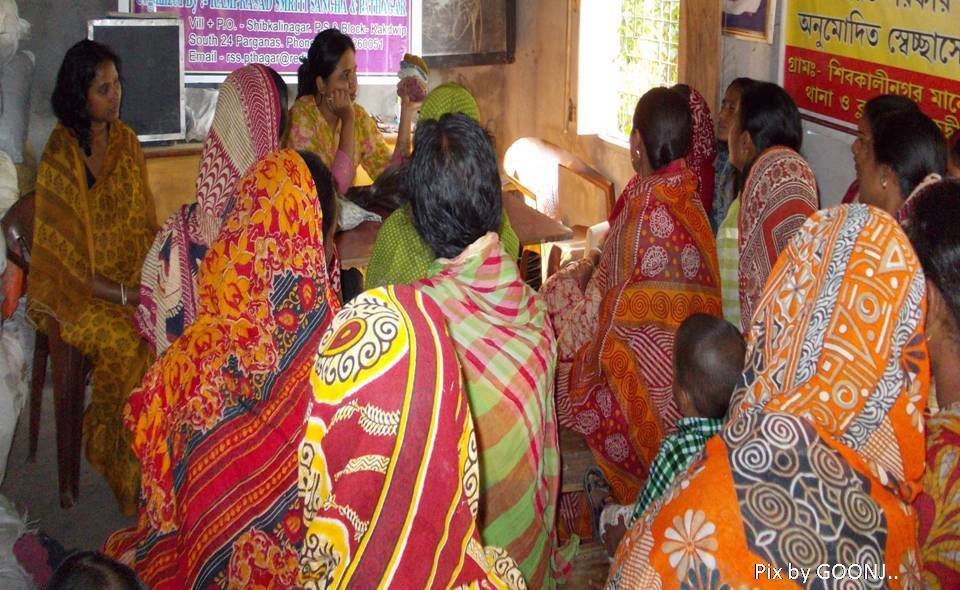
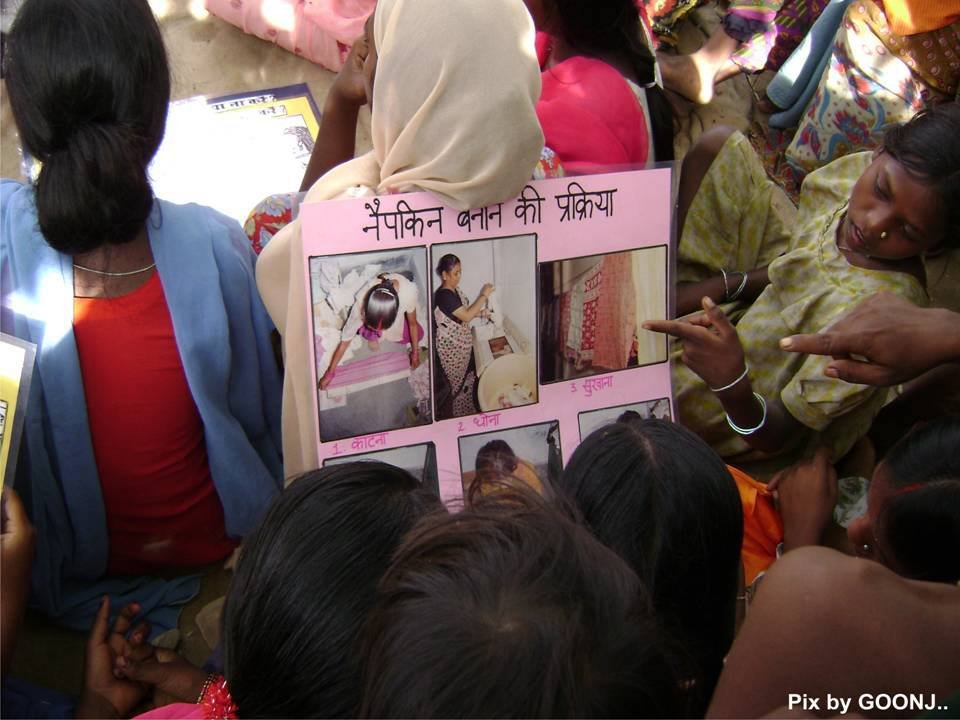
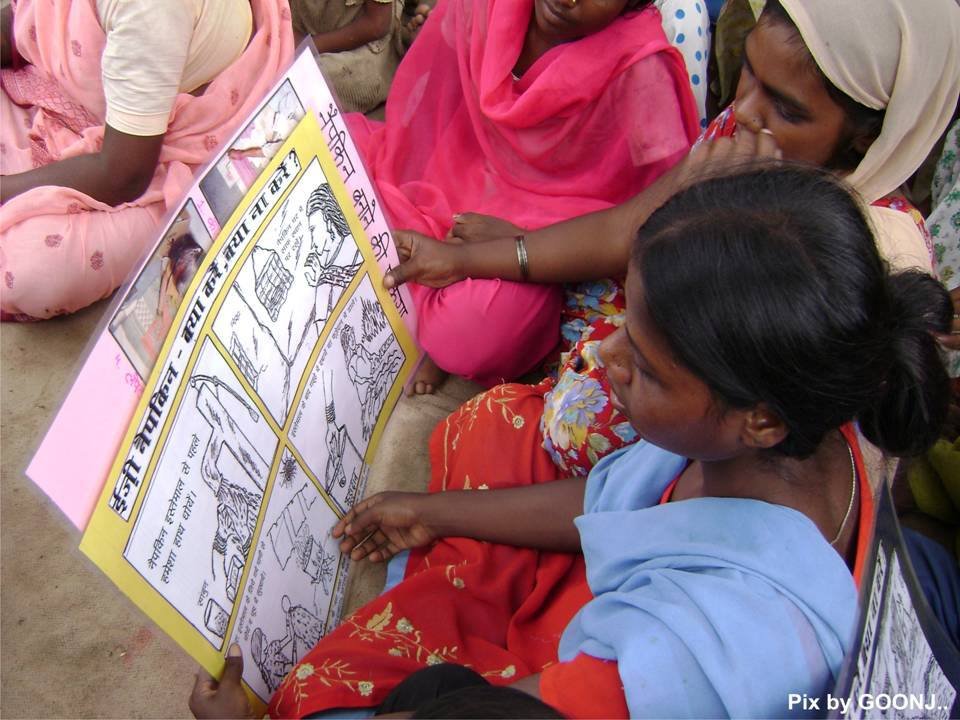
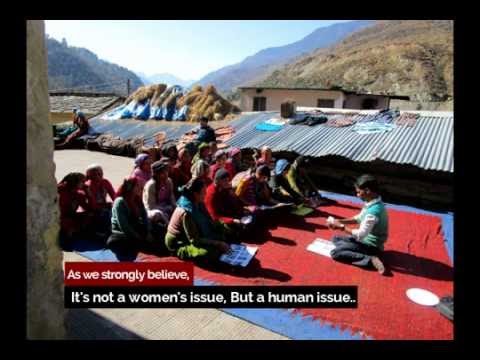
Millions of women use sand, wood ash, old rags, newspapers & even plastic bags due to non-availability of sanitary pads in India. Shame & silence associated with the issue makes it the most taboo subject even among women. The irony is that even the biggest health/RCH projects don’t have a budget for sanitary pads. This is a nationwide intervention, which starts with providing a physical product but stresses more on changing practices, behavior change, education & replication in the long term. The clean cloth pad (called My Pads) is developed out of old cloth collected from urban masses. Its made with highly indigenous processes while we also teach the user women to make it on their own. This sensitive subject is addressed while emphasizing on behavior change & knowledge exchange through meetings, exhibitions etc. on related health & hygiene issues.
We call our strategy as ‘TRIPPLE A’ - awareness, accessibility and affordability. Until a women has all three of these, making a long term impact on her behavior around menstrual hygiene is difficult. Thus GOONJ’s NJPC is not just about reaching a clean cloth sanitary pad but more a holistic solution which is taking care of all aspects of the problem.
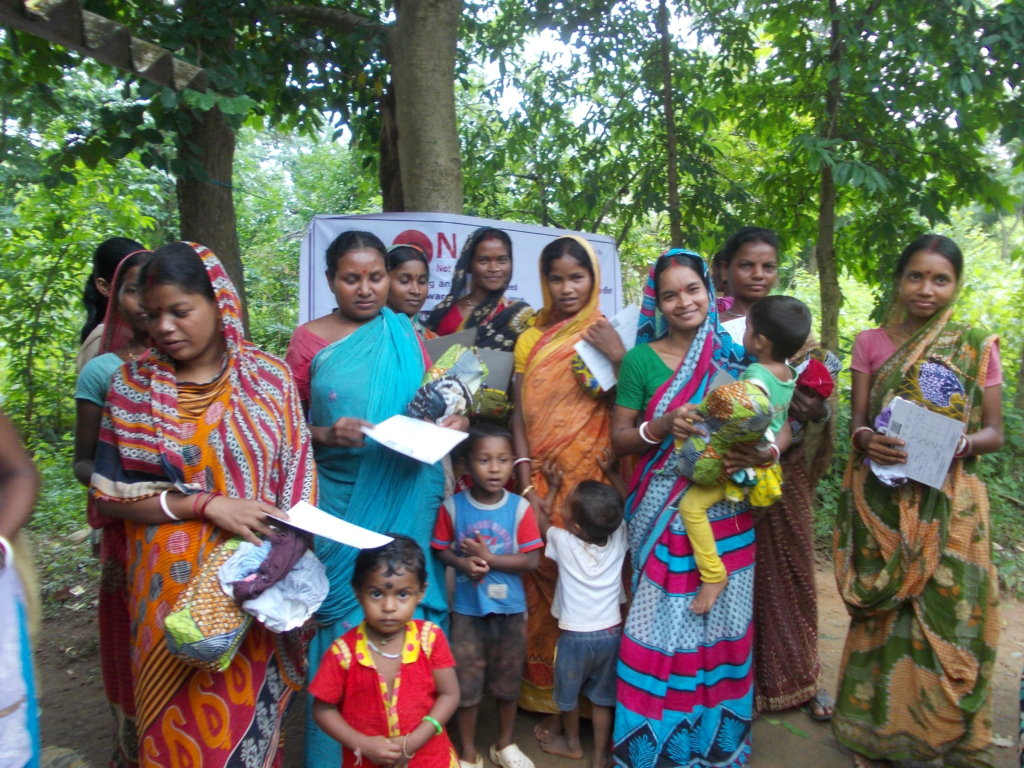
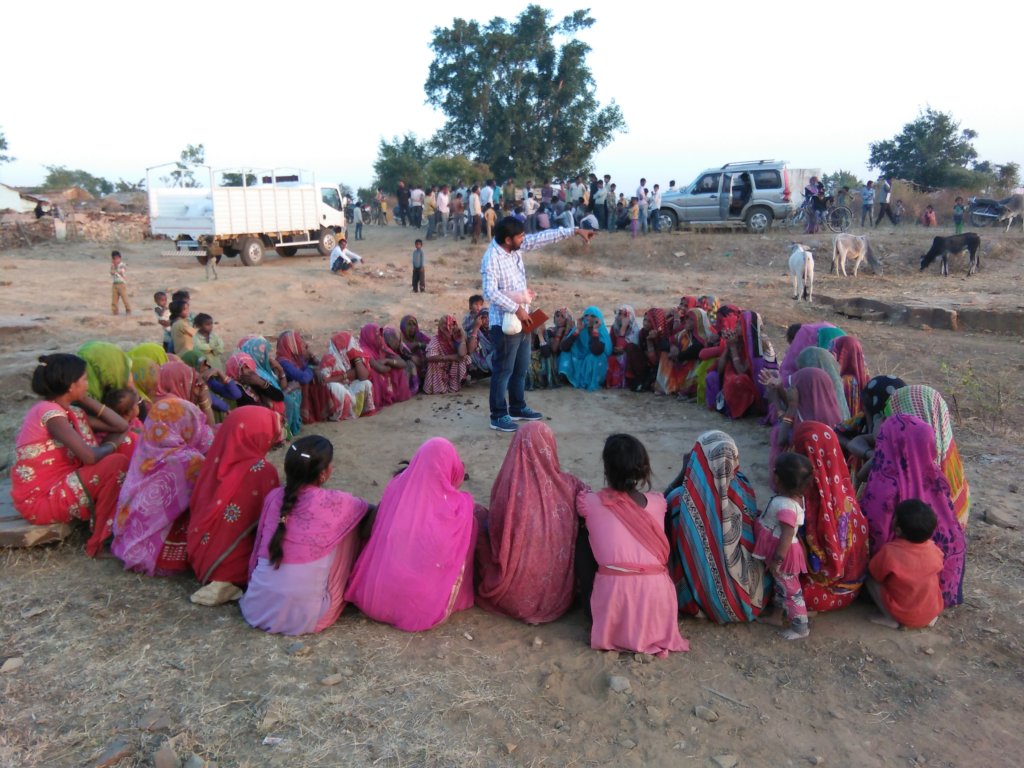
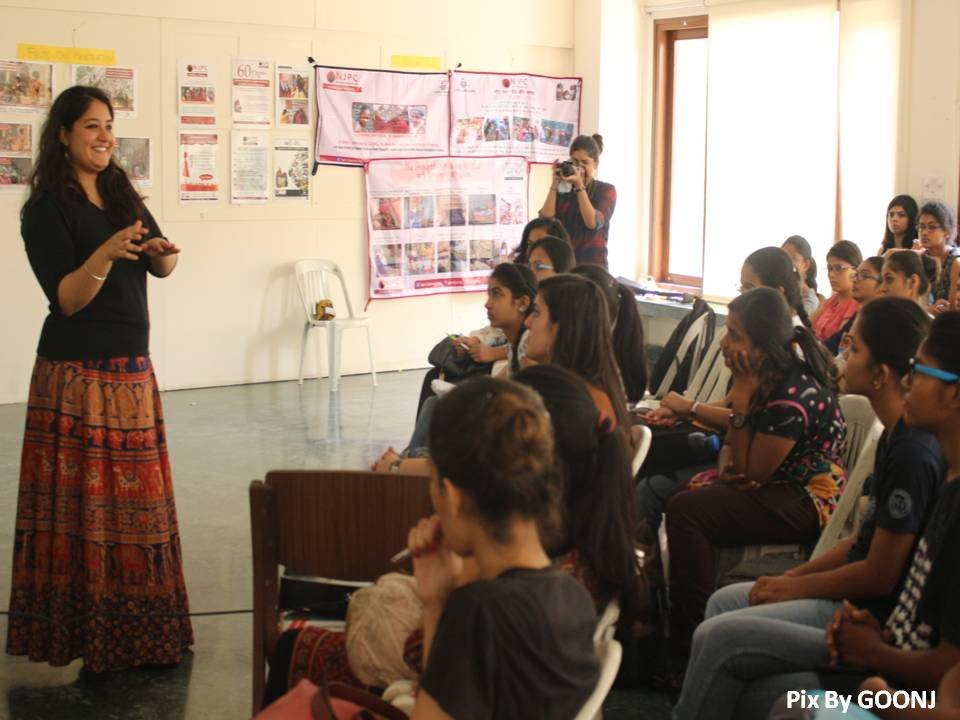
In the cities for the first time we are initiating discussion on this issue by directly involving the urban women, drawing on their instinctive empathy. We use old cotton cloth lying useless in the cities as a resource to address this important yet taboo basic need of the village & slum women. In village India we use this pad as a tool to connect with women, to get them to talk about their challenges and health issues, to discuss with them and generate more awareness on the related health and hygiene issues. The use of cloth; a material most village women are comfortable and familiar with, coupled with the reuse possibilities makes it a viable option. This is a highly replicable, cheap and easy to do initiative which brings an environment friendly product.
Links:
Project reports on GlobalGiving are posted directly to globalgiving.org by Project Leaders as they are completed, generally every 3-4 months. To protect the integrity of these documents, GlobalGiving does not alter them; therefore you may find some language or formatting issues.
If you donate to this project or have donated to this project, you can receive an email when this project posts a report. You can also subscribe for reports without donating.