By Sneha Dey | Project Contributor
This update comes from Bihar, the ancient land of Buddha in the central heartland of India, often in news for its annual floods.
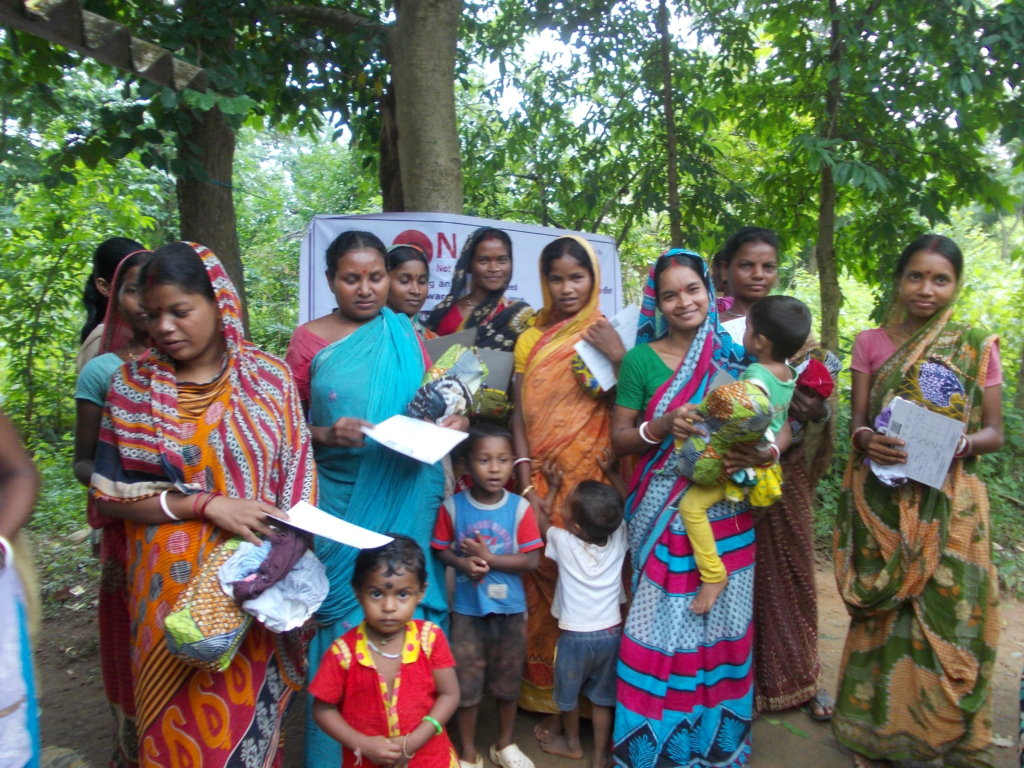
Garedi Tola is a tiny village in Saharsa district of Bihar where young girls commonly leave school to take responsibility of their siblings. Most end up getting married and bearing children even before they turn 18. In such a scenario it’s not difficult to imagine that most know little about menstrual hygiene given the all pervasive culture of shame and silence around menstruation in the villages of India. Swelling and uterus infections are some of the common ailments most women struggle with.
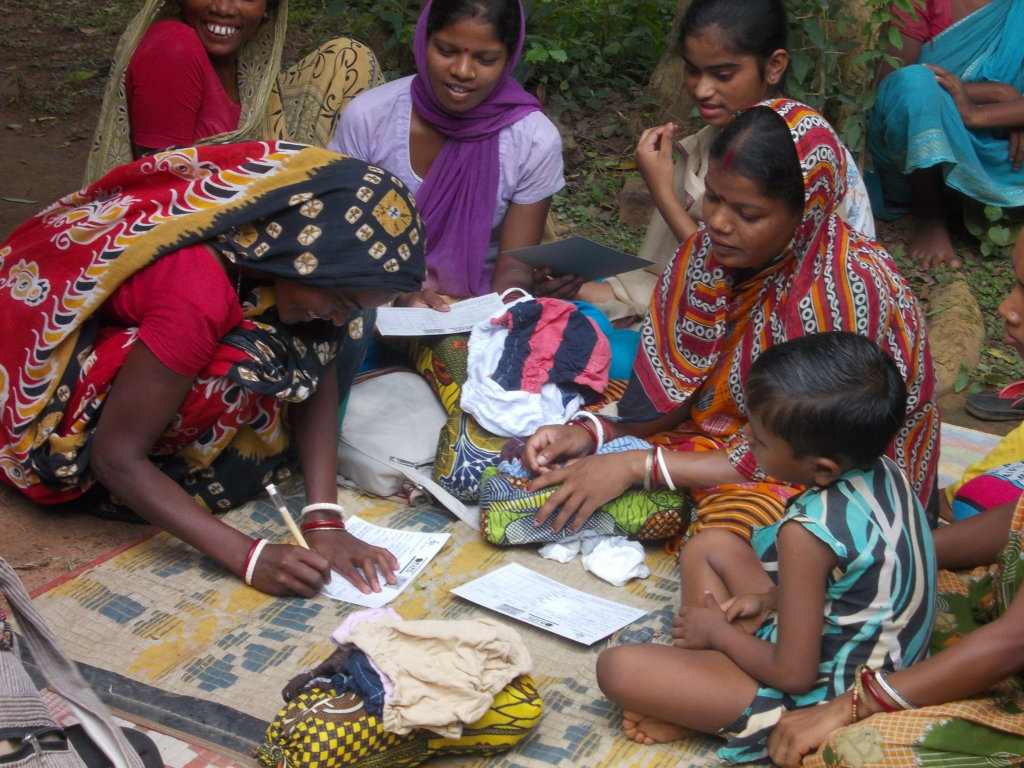
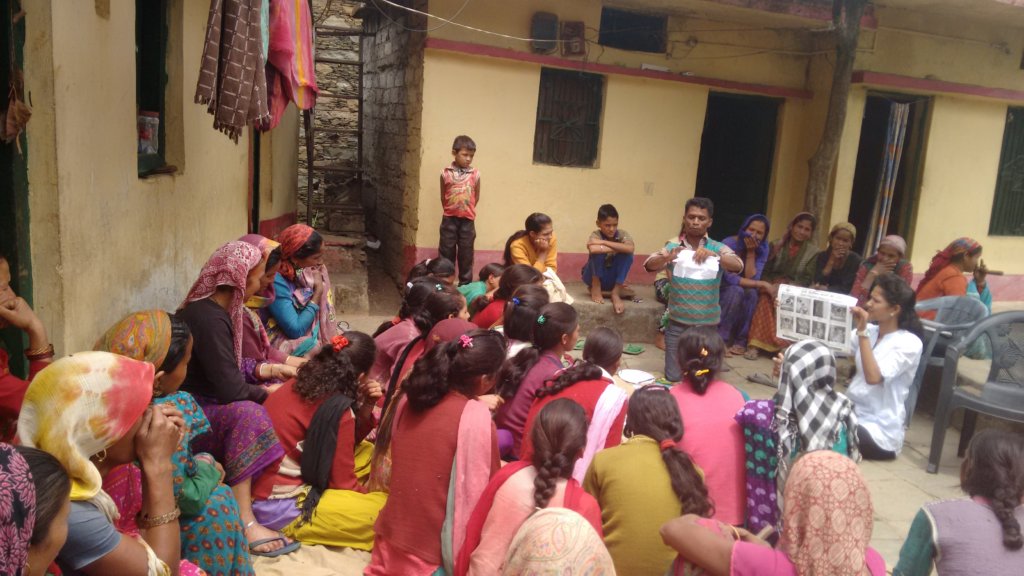
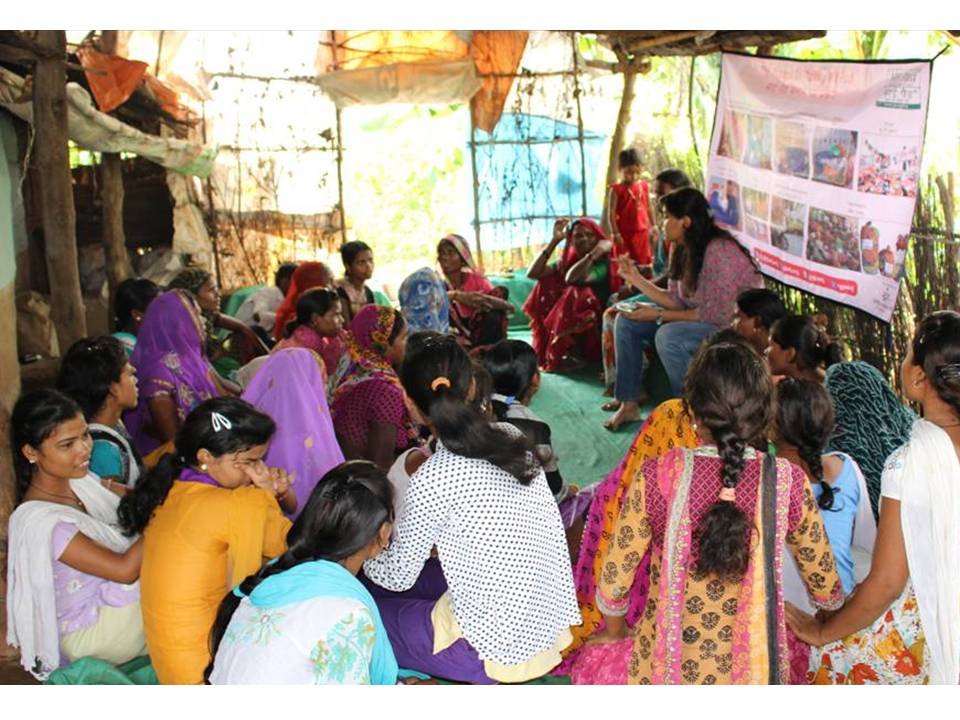
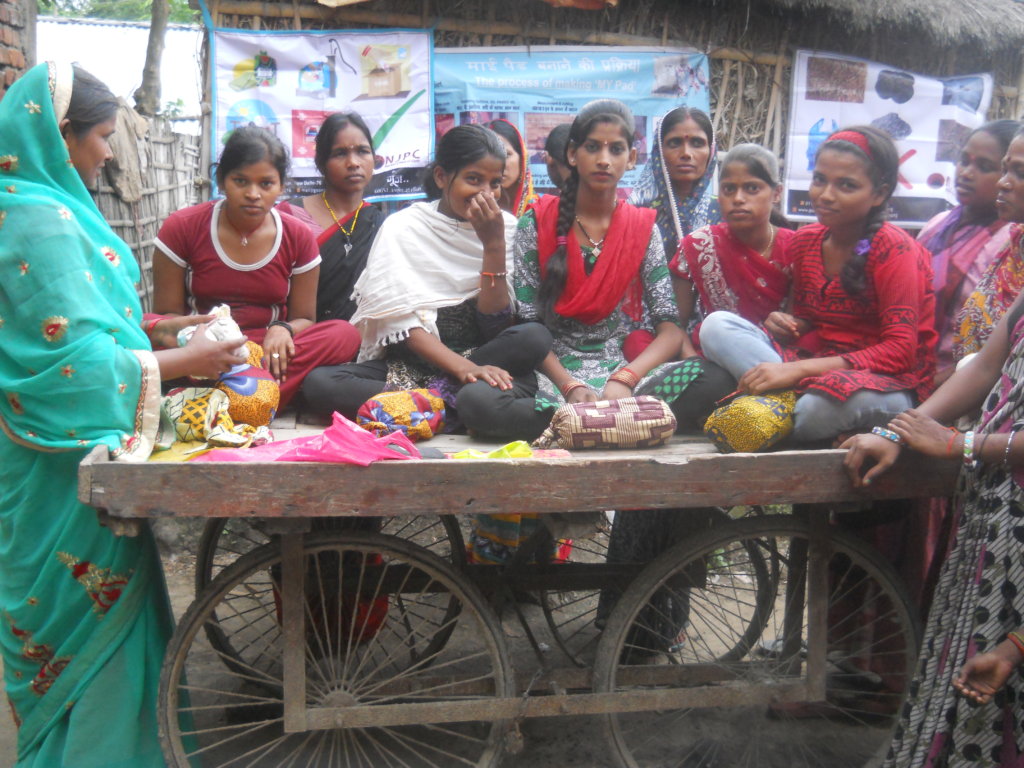
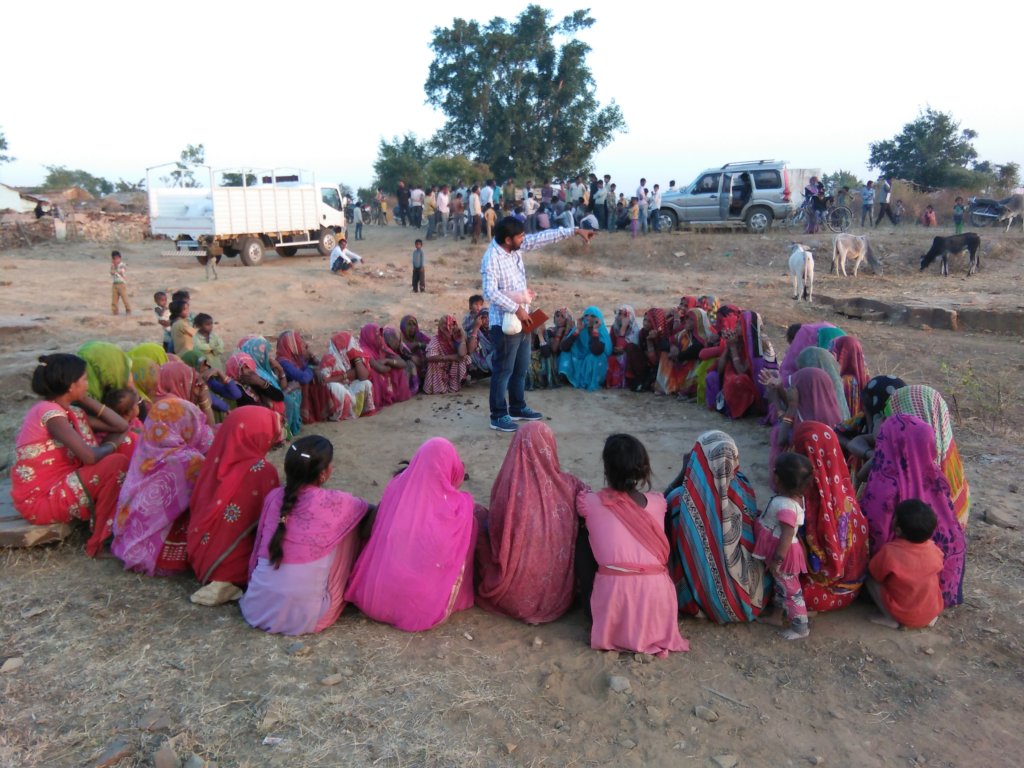
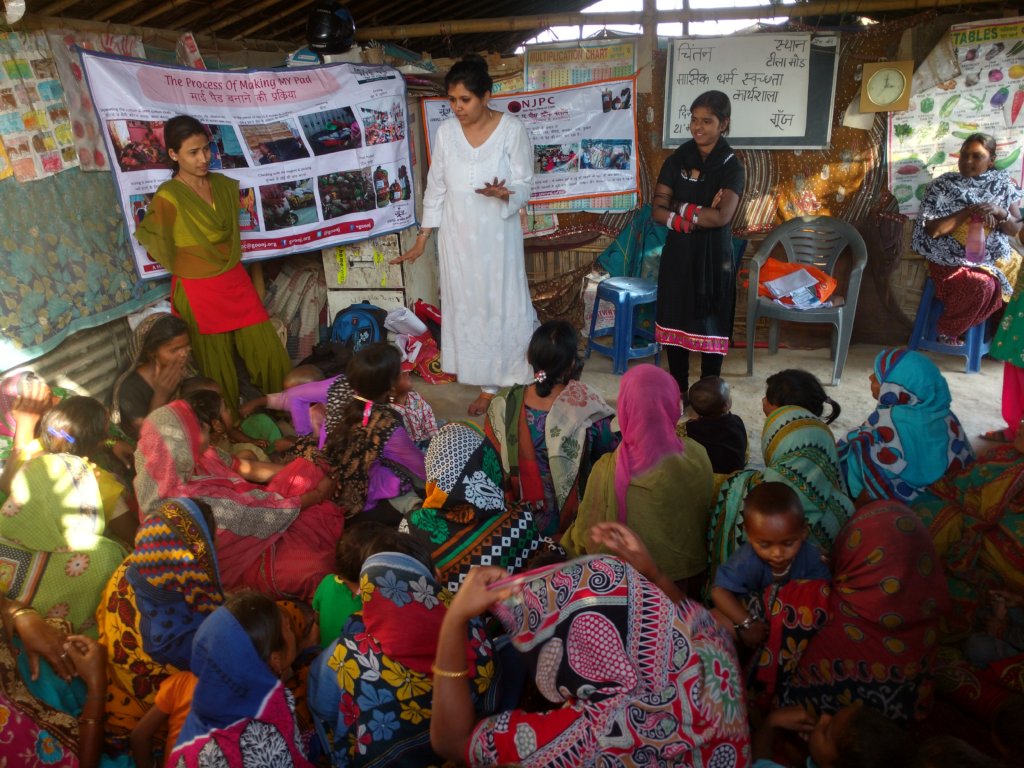
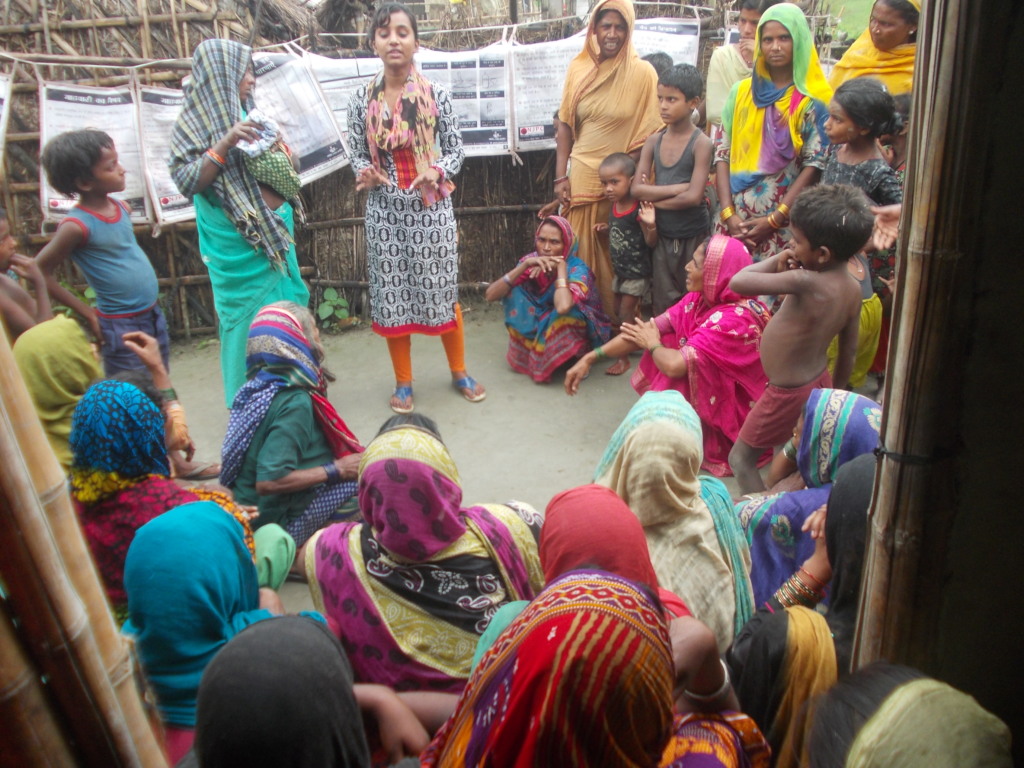
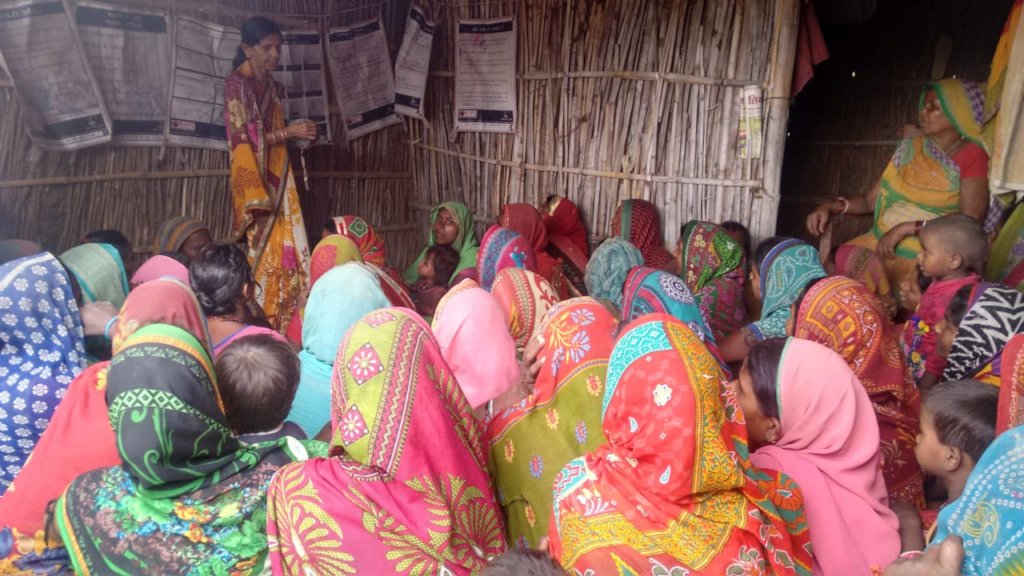
Our team met a young girl Gunjan, from Garedi Tola in our Chuppi Todo Baithak (Break the Silence, menstrual awareness meeting) under our ‘Not Just A Piece of Cloth’ (NJPC) initiative, she said “I am 13 years old and initially I was very shy talking about menstruation. When I got my periods for the first time, I didn’t understand what was happening. To hide it from others I used a piece of cloth to just rub off the blood flow and when the flow was heavy I washed the vaginal area. Five months passed like this and then one day when I was sleeping, my mother saw the blood in my clothes and then she told me about menstruation and how to use cloth properly.”
Notice how for almost five months Gunjan practiced poor menstrual hygiene, hiding it even from her mother due to the stigma and taboos around menstruation. Many girls like her go through a mental and physical battle of shame and silence every month, trying to deal with their menstruation with dignity and in a healthy way.
Also sharing here the story of Meena, a 35 year old, who went through two operations, out of which one was for infection and swelling of her uterus. We met her as part of our menstrual hygiene related discussions in the NJPC awareness meeting. She sadly expressed, “Lives of poor people are destroyed because of these financial burdens. My operation could only happen because of the loan otherwise I wouldn't be alive.”
Meena further shared that her family is now facing huge financial debt due to these operations. Her husband spoke with tears of helplessness, “I used to earn daily wages working as a migrant laborer in Punjab but I could not go to earn for the last one year because I had to take care of my wife. I will have to wait for another six months before I am able to go.” The family has seven children and now the couple doesn’t know how to take care of them.
In Meena’s village when Goonj’s team member Khushboo spoke to other women we found that there were 15 women who, like Meena had gone through a uterus operation.
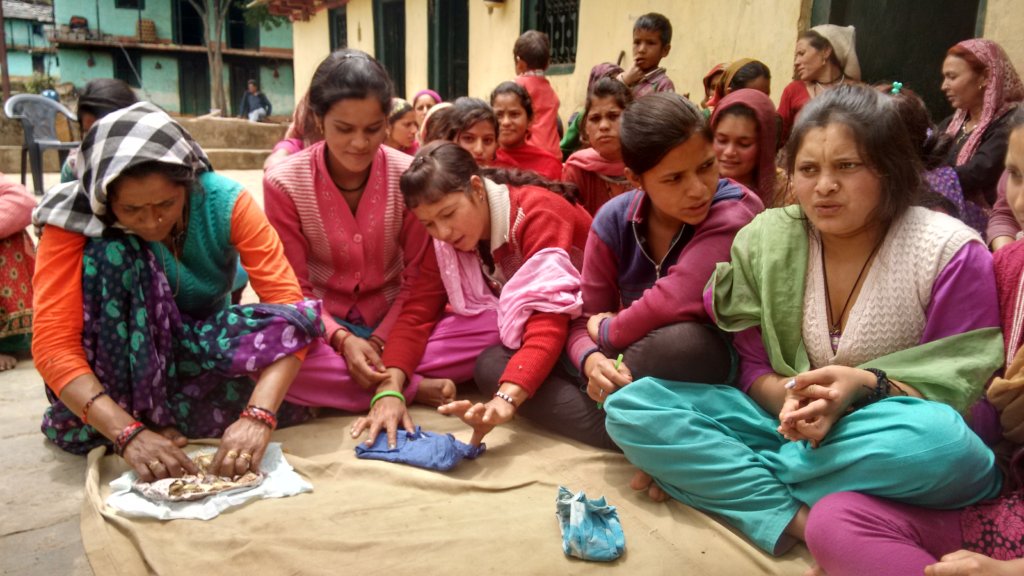
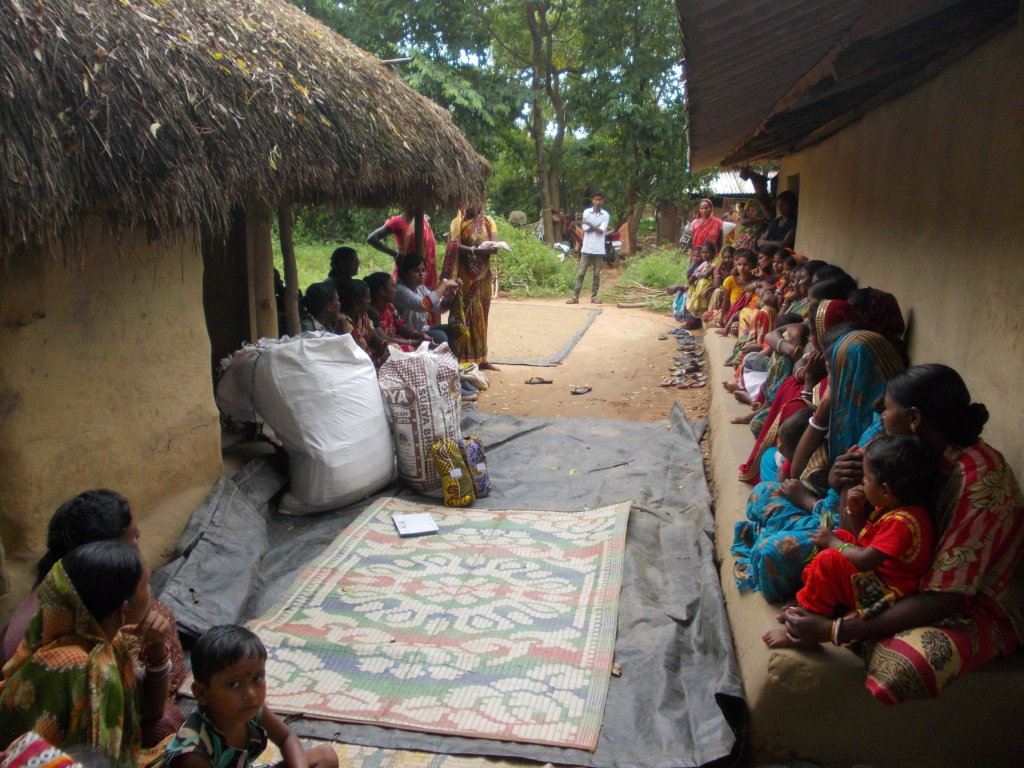
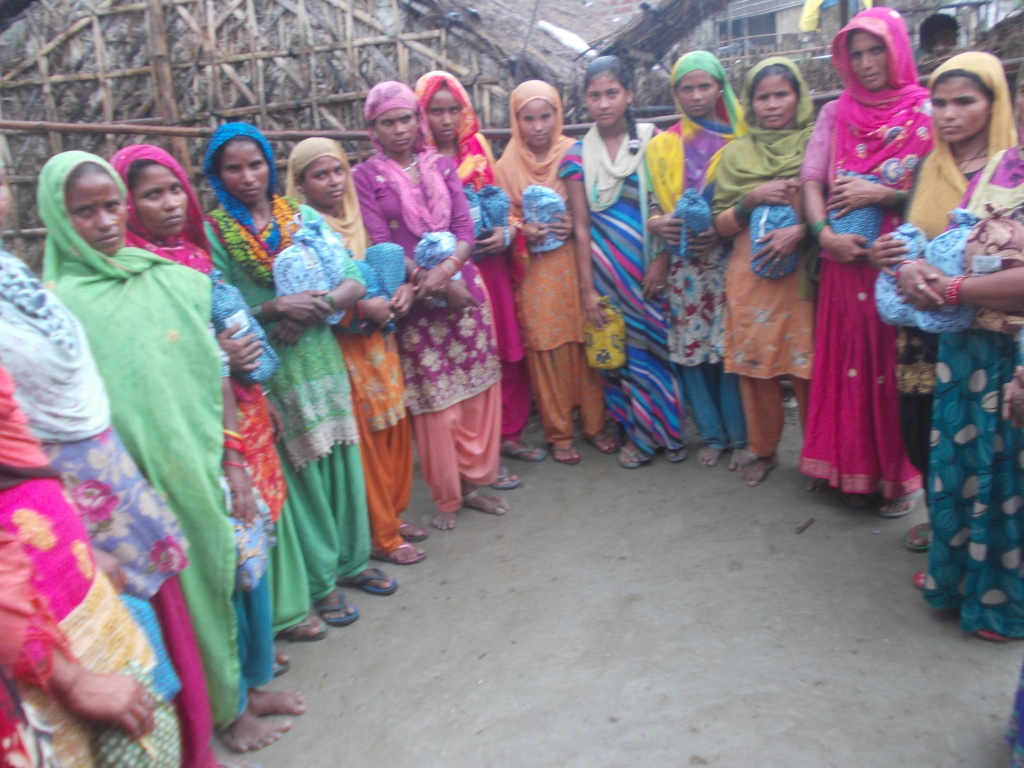
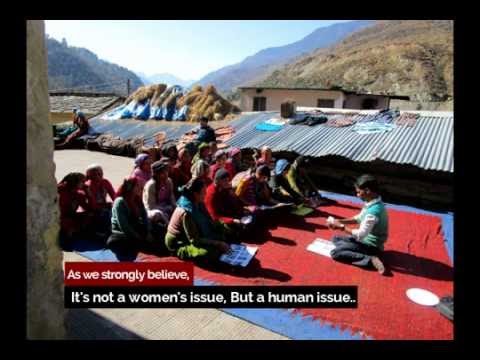
In our menstrual awareness meetings in this village, we spoke to girls and women like Gunjan and Meena about hygienic practices of using cloth and managing menstruation. Each women also received Goonj’s Menstrual Dignity Packs including cloth pads.
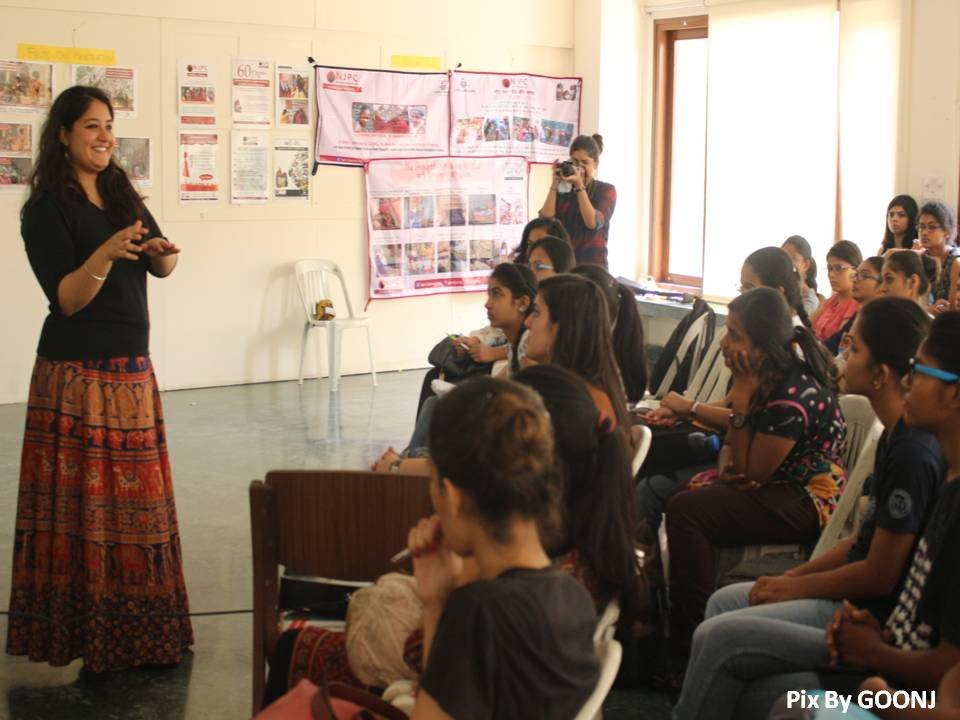
That’s why Goonj has been working relentlessly among urban and rural masses, highlighting that menstruation is a human issue.. a basic biological process and not a women’s issue.. The indignity, shame and health risks that women put themselves through, is unnecessary and must go.. We also highlight how menstrual hygiene has a direct and important connect with a woman’s health.
For more than a decade Goonj’s ‘Not Just a Piece of Cloth’ initiative on menstrual health and hygiene has been reaching out to women across the country with a Triple-A (Awareness, Access, Affordability) strategy.. Affordability Goonj is reaching out its affordable cloth pads made from surplus urban cloth. Access reaching out to women in far flung areas, who don’t even have access to menstrual information and menstrual products. Awareness on menstrual health and hygiene and a safe space where women can speak about their menstrual challenges.
Cloth Pads like the one’s reached by Goonj, are not only a viable option for women who don’t have access or can’t afford anything else. Cloth pads are also easily biodegradable and are thus eco -friendly. Goonj uses MY Pads as a tool for spreading more awareness about menstrual hygiene and other related issues. Our larger aim is that a woman treats her menstruation in a healthy and hygienic manner, irrespective of whatever product she uses.
Links:
Project reports on GlobalGiving are posted directly to globalgiving.org by Project Leaders as they are completed, generally every 3-4 months. To protect the integrity of these documents, GlobalGiving does not alter them; therefore you may find some language or formatting issues.
If you donate to this project or have donated to this project, you can receive an email when this project posts a report. You can also subscribe for reports without donating.