By Sneha Dey | Project Contributor
For menstrual hygiene work in India 2017 – 18 will go down as an interesting year.. it is a bit early to call it a turning point so interesting is how we are witnessing it..
One big development was the release of a full length Hindi feature film in Indian cinema halls, titled ‘PAD Man’ featuring a popular mainstream hero. It’s a moment when the masses openly and collectively went to see a 3 hour movie centered around this basic biological aspect of every woman. The effect was a mixed one.. the larger narrative was clustered around the fact that if we provide women with cheap, even if questionable quality pads, it would solve all their problems.
Goonj is happy that for the first time this issue got such a mainstream attention and space but it really saddened us to see that the emphasis is entirely product centric.. We continued our work among women in the most far flung villages under our ‘Not Just a Piece of Cloth’ initiative.
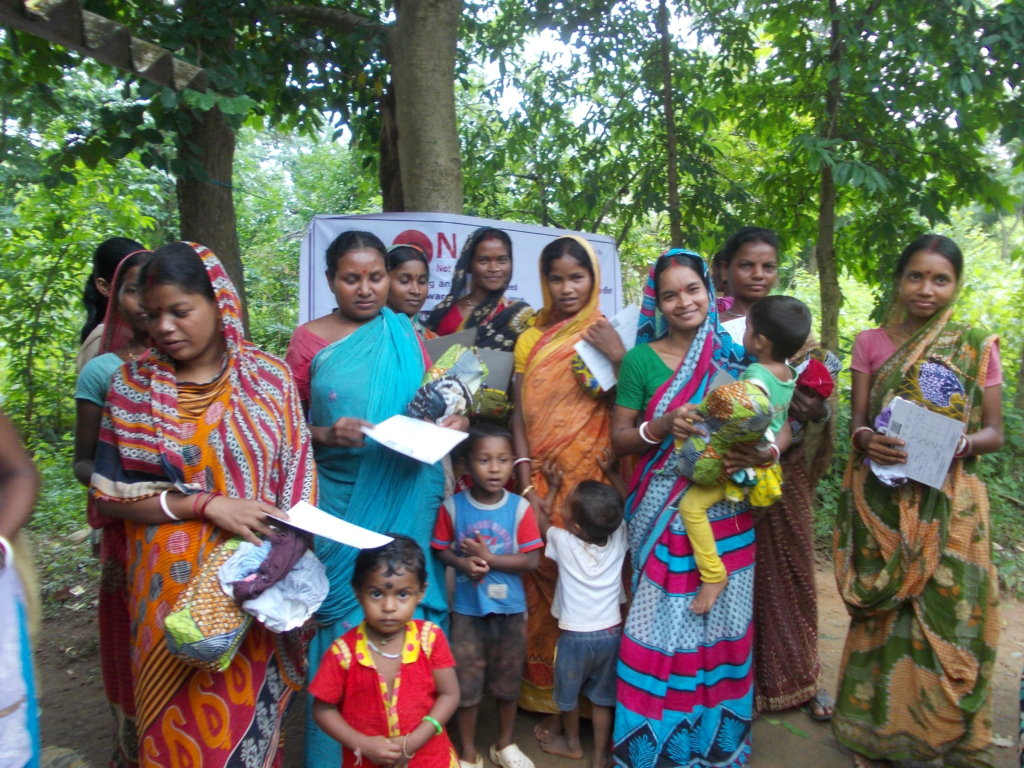
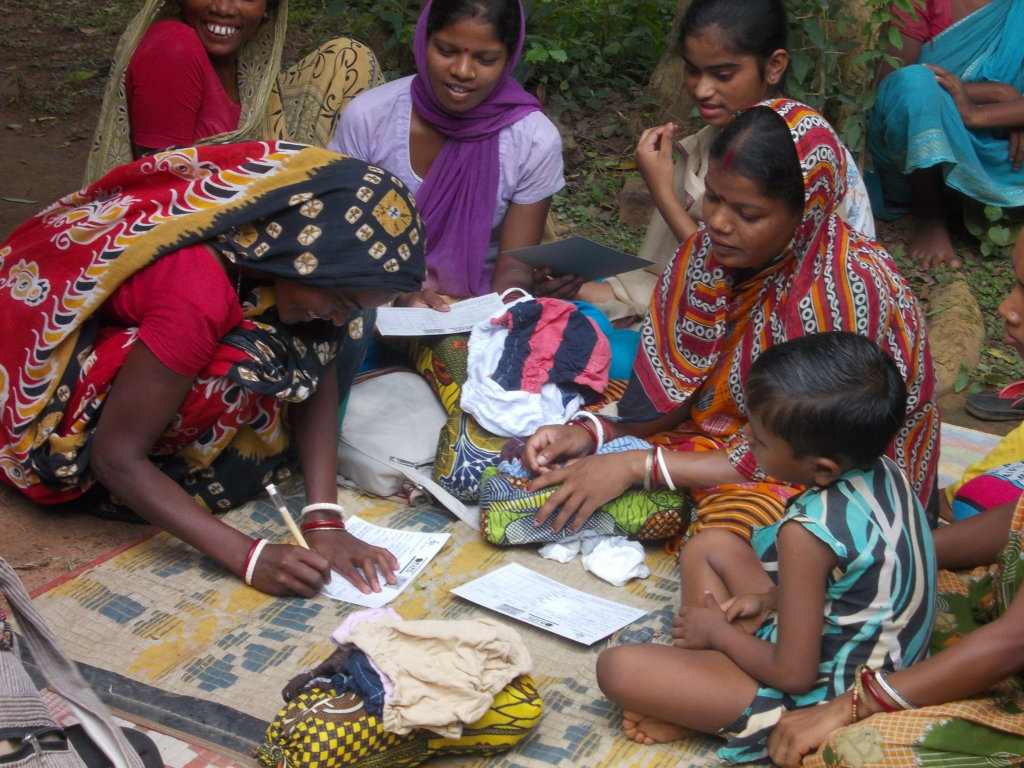
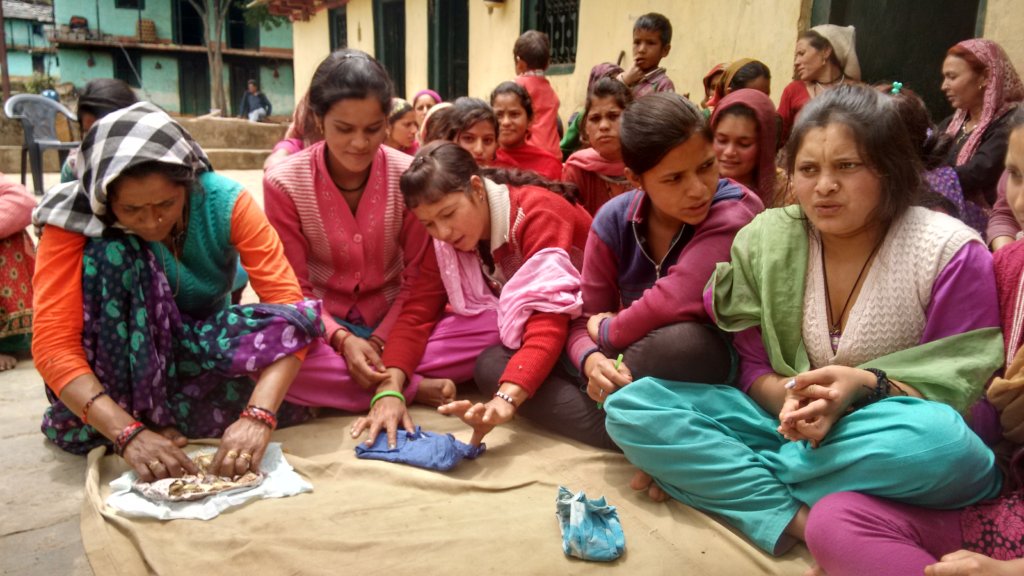
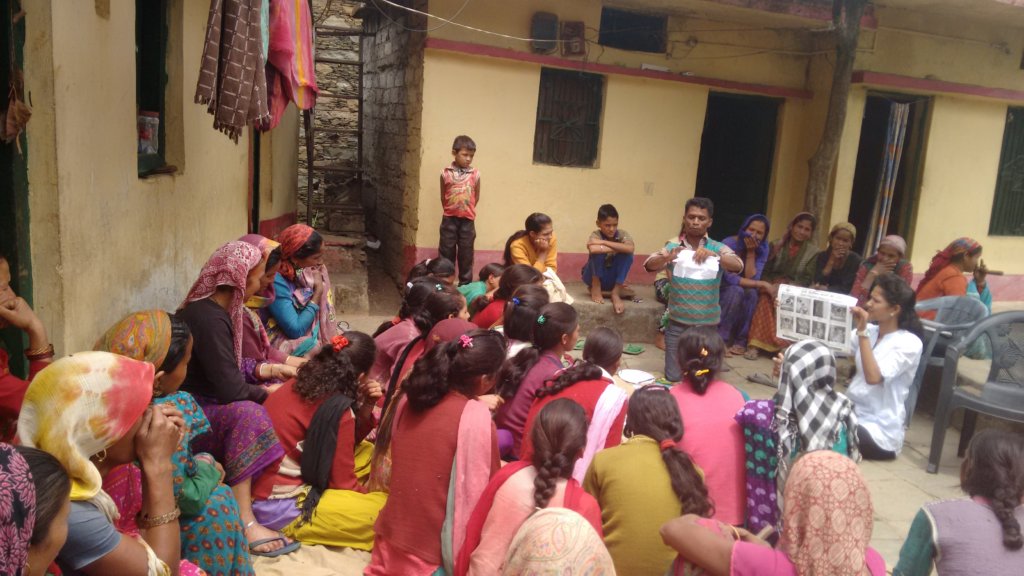
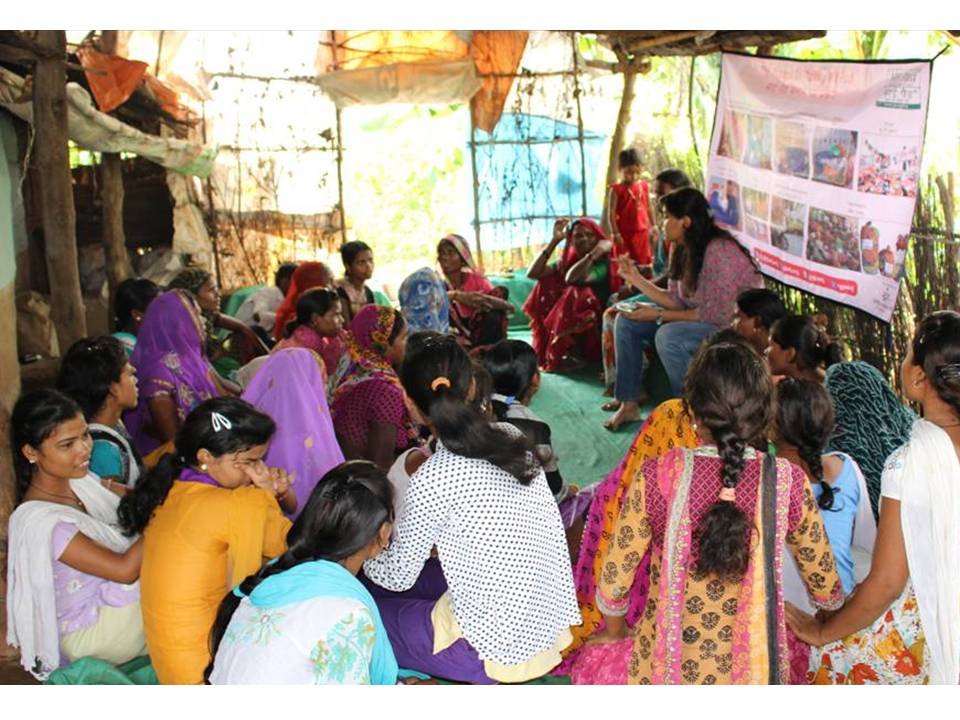
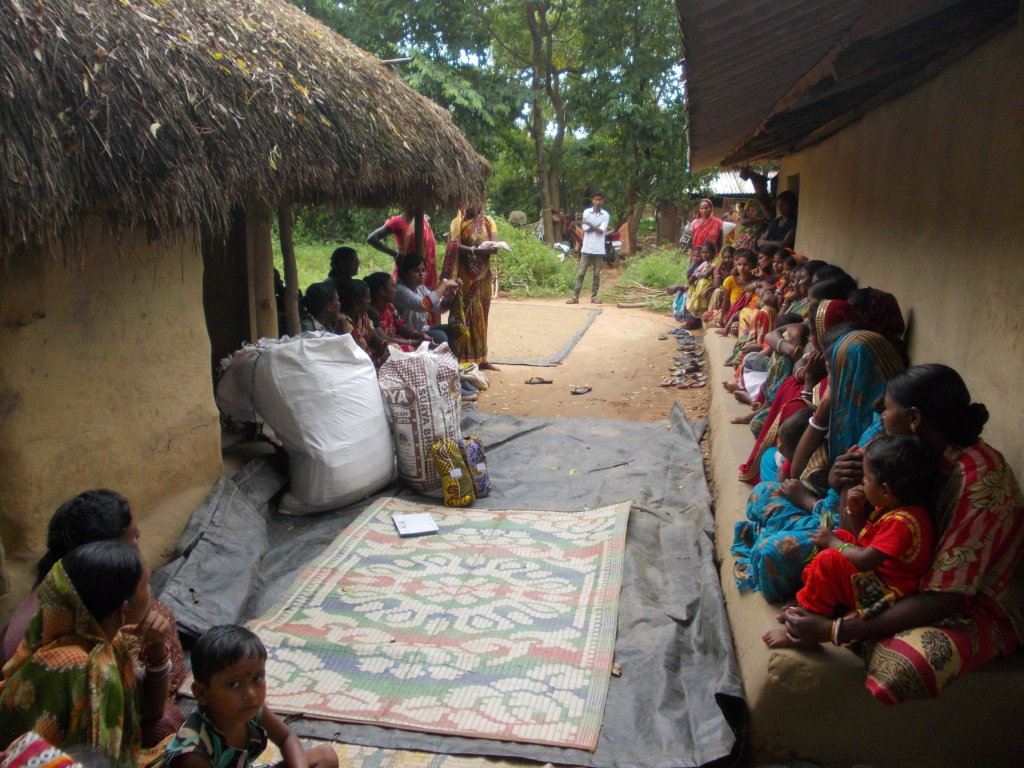
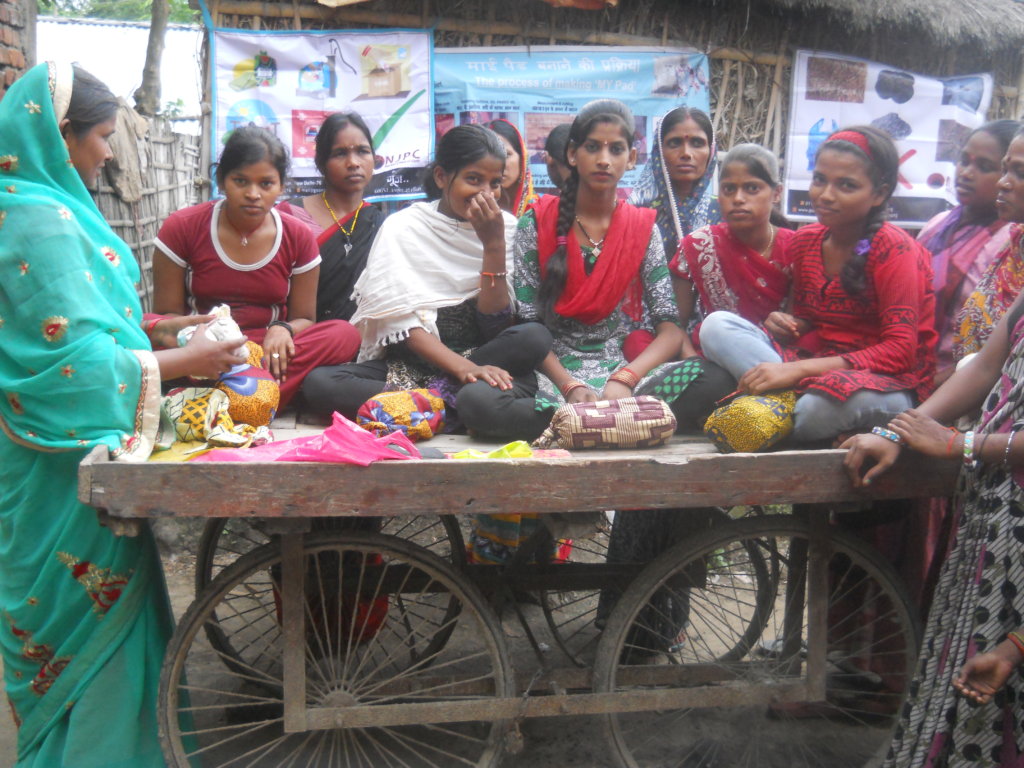
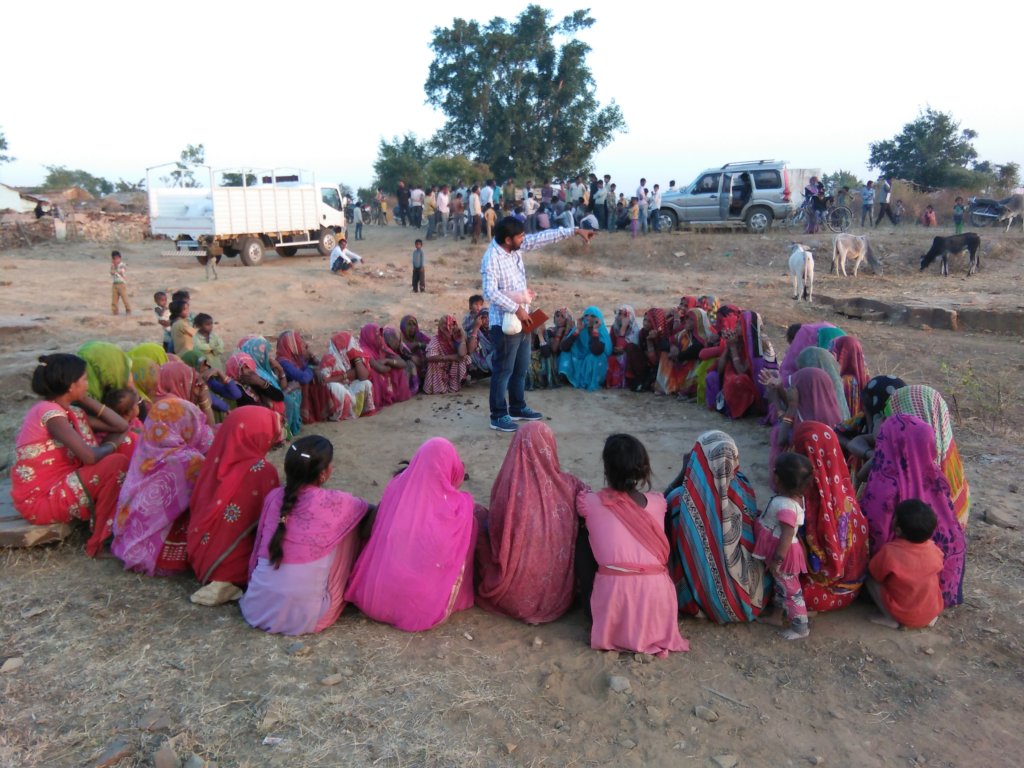
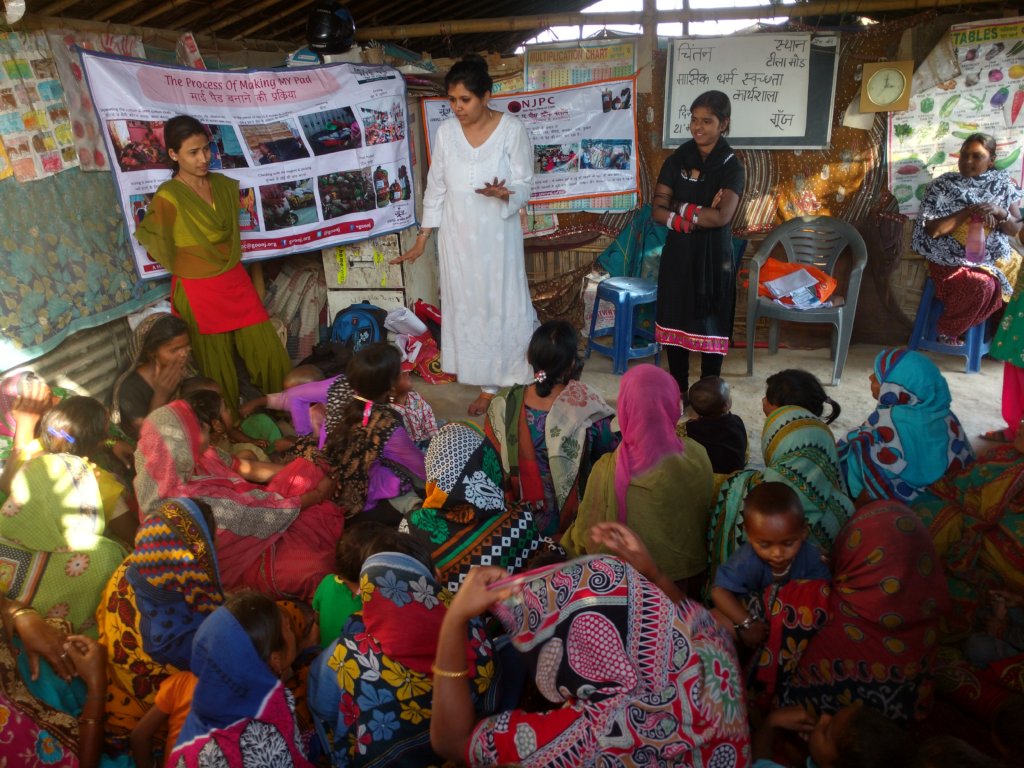
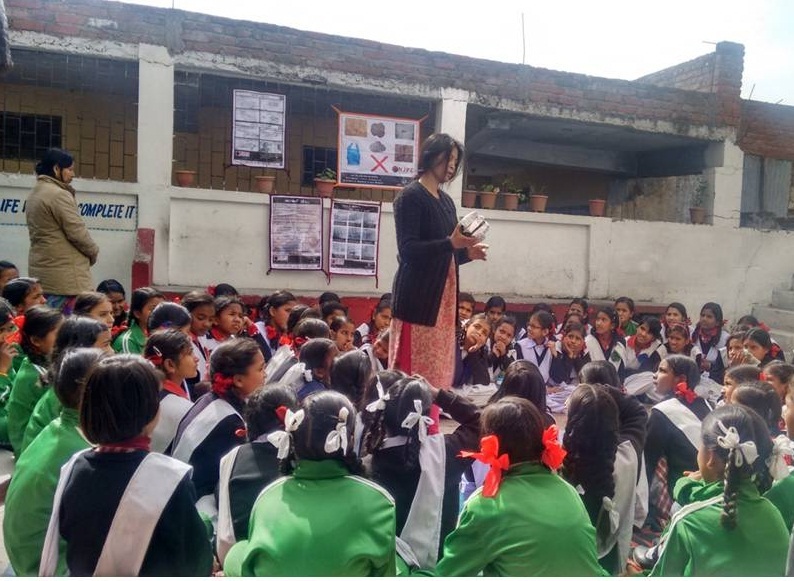
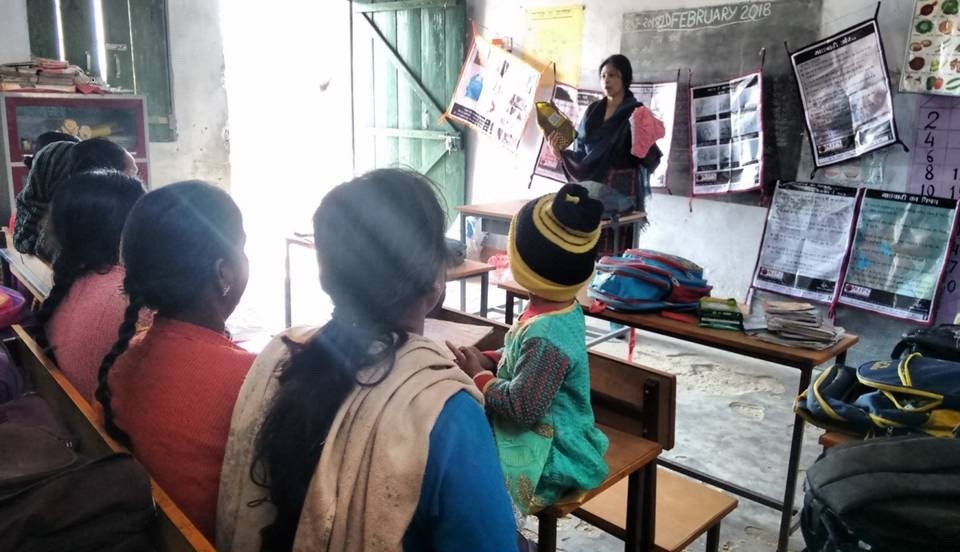
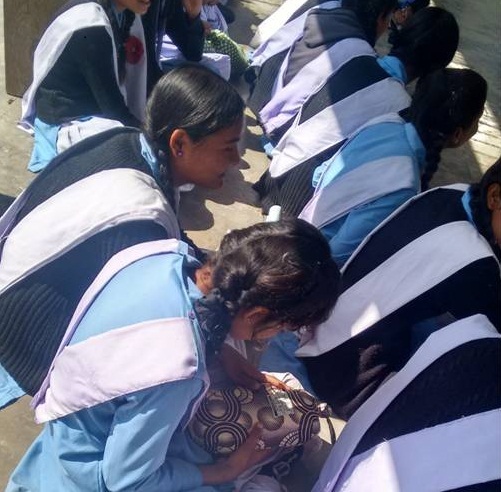
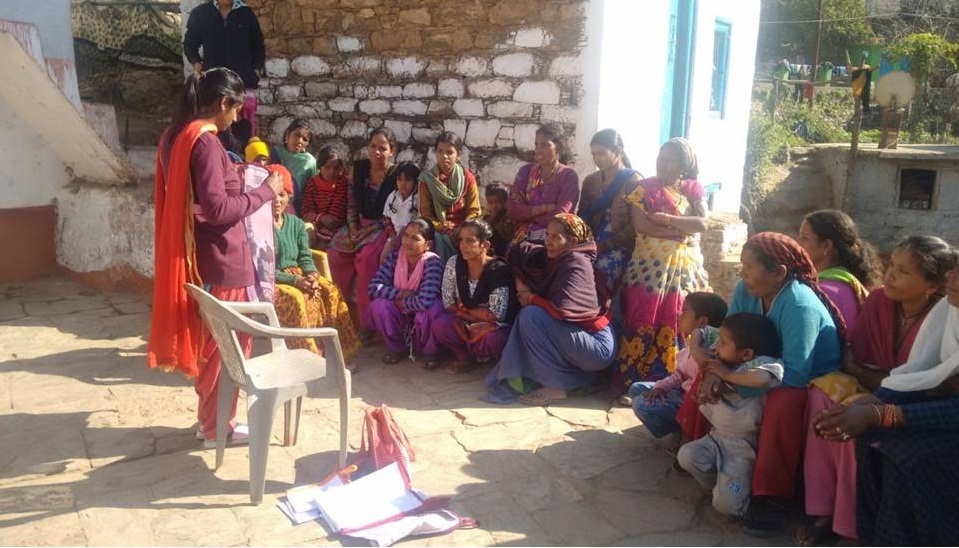
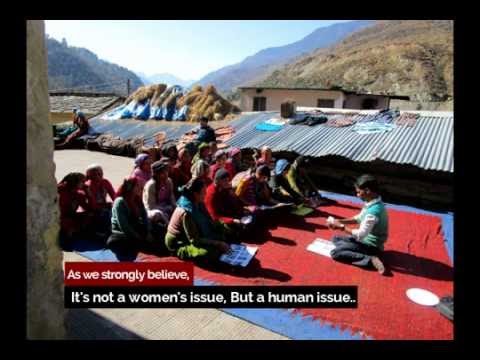
We reached out to 577 women in villages of Pithoragarh District of Uttarakhand to provide MY Pads; Goonj’s cloth pads and talked to them extensively about menstrual hygiene and the taboos and challenges they face around menstruation. In 21 villages, 5 schools and a community of laborer women and adolescent girls participated in ‘Chuppi Todo Baithaks’ (break the silence meetings to open up dialogue on menses), out of which 488 women have received Goonj’s ‘MY PADs’ as a viable option for dealing with their menses.
Pithoragarh is one of the higher terrain hilly part of Uttarakhand. 15 of the 21 villages in Kanalichina area, where we reached are very remote and difficult to reach. Our team travels around 30 -40 kilometers to reach to them. The nearest market is around 40 -50 kilometers away where any sanitary cloth/pad is available..
Access and Affordability ; There are no proper roads in these 21 villages and villagers are relatively poorer to nearby towns. Even though Sanitary pads are available in local markets, typical households 3 to 4 women and daughters find it difficult to afford the market pads. As a result they end up using the same menstrual cloth for several months.
Awareness; Generally women in these villages are unaware of menstrual hygiene so their practices around, washing, storing, and disposal of menstrual products mostly tends to be un-hygienic.
Culture of Shame and Silence and Taboos; Here prevalent taboos forbid women to take a bath during menstruation. They can take a bath and wash their clothes fourth day onwards, on fifth day after bath women have to sprinkle GO-MUTRA (cow urine) on herself to be considered PURE again for doing domestic work. Most homes have only one bathroom and if a menstruating woman bathes the bathroom is unfit to use by others.
Impact; Goonj is the first one to talk about this issue (Menstruation) in this area. Young girls here generally get half baked menstruation related information from their peer group. There are a few Anganwadi, ASHA workers who are expected to give some information to women about menstruation but they themselves know little. Our ‘Break the silence’ meetings with women of Pithoragarh were a revelation around their menstrual conditions. During the dialogue many shared their menstrual experiences and issues, dealing with the issue of white discharge. Thus these meetings became the one place women could voice there personal menstrual issues and share it with others facing the same.
Sunita, from Bhandari village said, “I face irregular periods and for the last few years I am facing the issue of white discharge.” Savitri from Suni village said, “During menstruation stomach and back pain is a usual issue that we go through.” Yashoda, from a local Girl’s Hostel told, “I am facing the problem of white discharge from few years now, but still I do not know the reason of it.”
Goonj’s ‘MY PADs’ kit was welcomed by 577 women/girls as a healthy and hygienic practice in menses.
Links:
Project reports on GlobalGiving are posted directly to globalgiving.org by Project Leaders as they are completed, generally every 3-4 months. To protect the integrity of these documents, GlobalGiving does not alter them; therefore you may find some language or formatting issues.
If you donate to this project or have donated to this project, you can receive an email when this project posts a report. You can also subscribe for reports without donating.