By aman chhabra | Project Leader
Dear Donor,
Hope you and your loved ones are safe and healthy!!
Mentioning below some of the key highlights of our work between April and July 22.
Collaboration with Education Department and DLSA at Gurugram
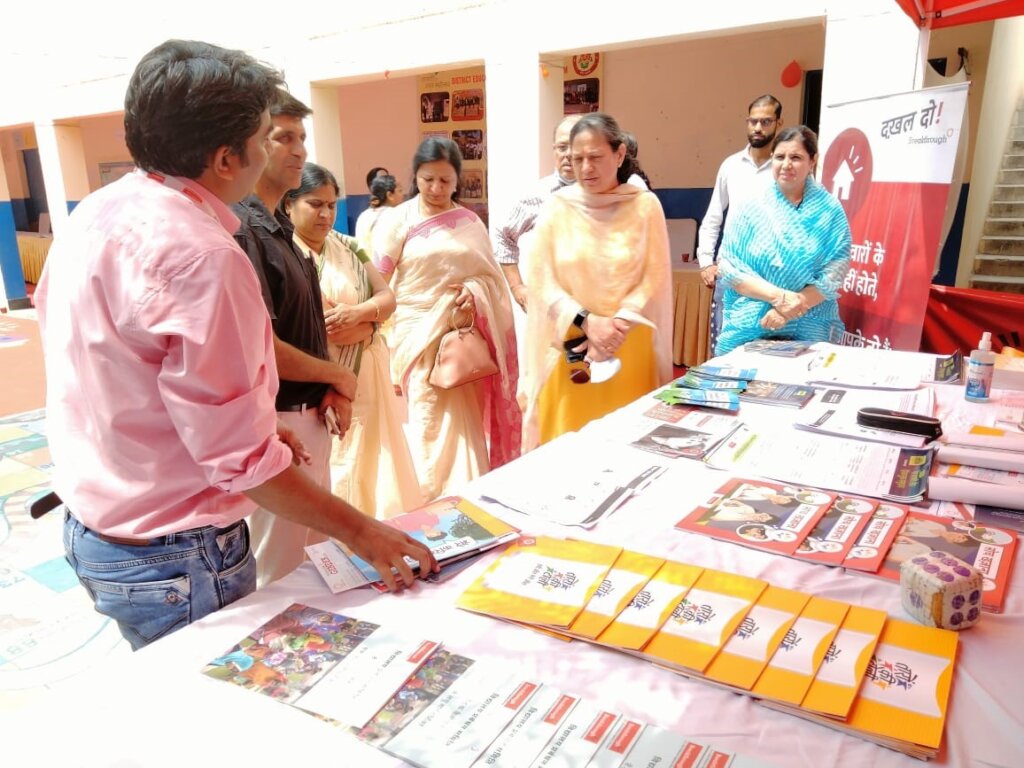
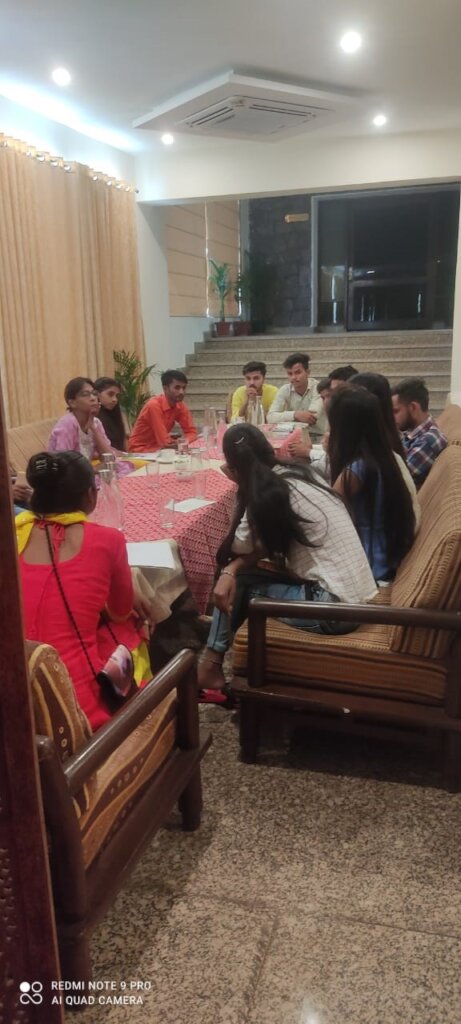
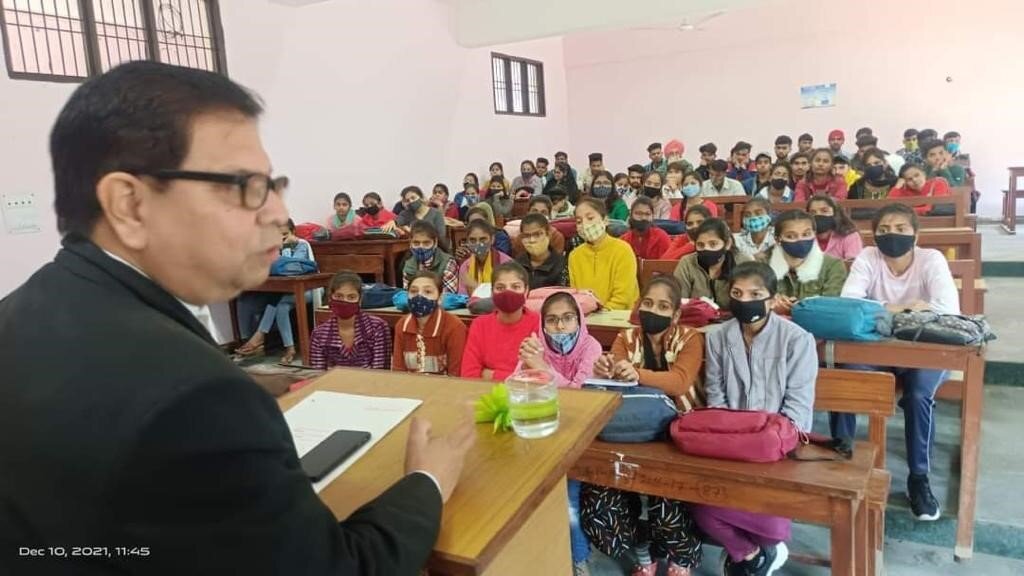
On 5th May, we got opportunity to collaborate with DLSA (District legal Service Authority) and Education department in Gurugram district. In the event organized for tablet distribution to school students of grade 10th and 12, Breakthrough also set up to stall, where we facilitated discussion and distributed the content and IEC material of Child Safety, Gender Based Discrimination, Early Marriage and career & aspiration of adolescents especially girls. We also got opportunity to meet Deputy Commissioner Mr. Nishant Yadav and Gurugram SDM Ms Ankita. Captain Indu Boken, District Education Officer Gurugram visited our stall and appreciated the work Breakthrough does in schools.
MH Day celebration across Haryana
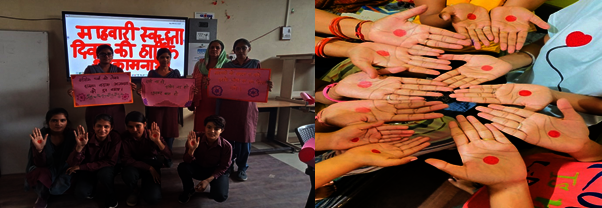
To celebrate Menstrual Hygiene day on 28th May, Breakthrough India organized 1-day celebration in Haryana state so that community people could understand Menstruation is not a curse, rather it’s a part of life where proper hygiene is important.
We addressed people of six district, 22 GPs, 17 villages where our team reached out to 1310 people and generated awareness among them about Menstrual Hygiene Management.
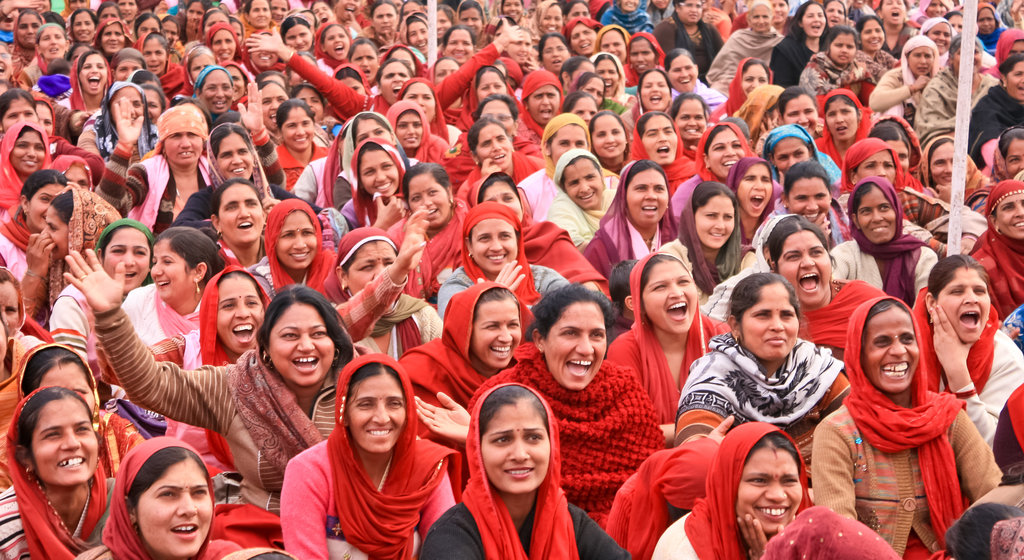
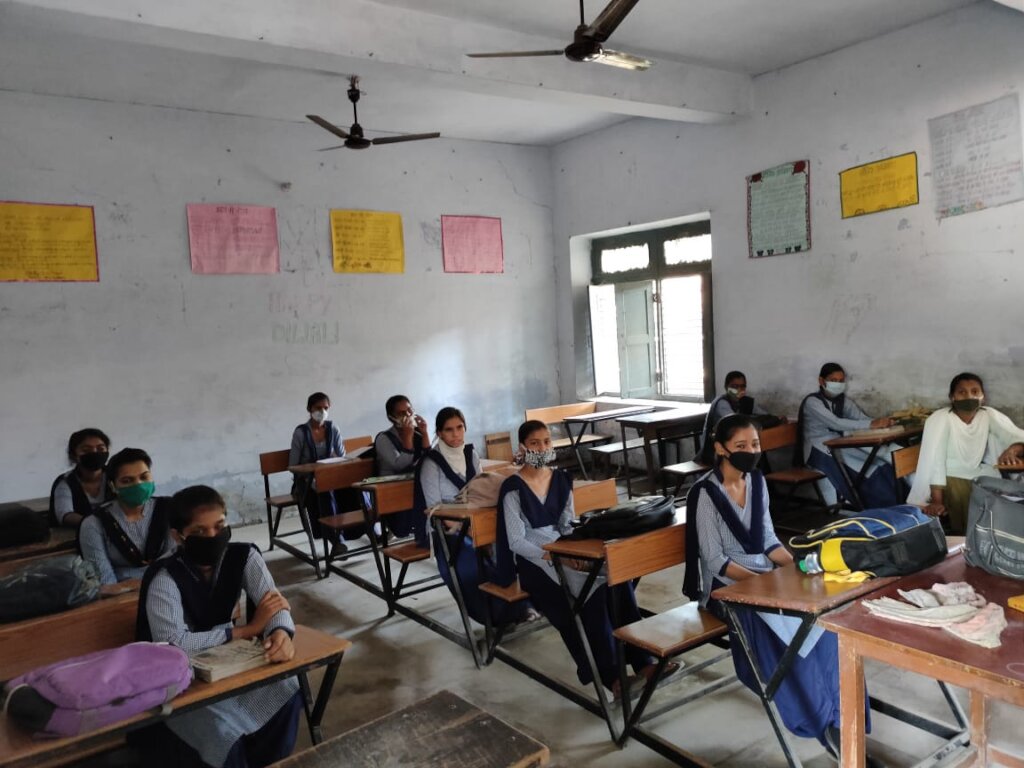
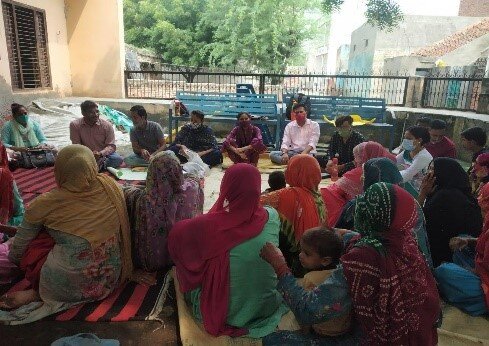
We reached out to Community Members, School Staff, ANM/ASHA workers and youth who actively participated in the program. In Rohtak/Jhajjar districts out of 739, 439 were adolescent girls, 56 youth girls, 223 household women and 21 school staff participated in the Celebration organised by Breakthrough. In Karnal, Panipat and Sonipat districts, we have reached out to 420 adolescents Girls, 108 adolescents boys and 40 men and women. MHM related video based interaction sessions were carried out in different community groups with women, adolescents and young girls. Along with the Breakthrough field team, team change leaders or youth respective area also support to organise MH day celebration at Gurugram and reached out to nearly 5 GPs, 130 adolescents Girls and 20 women. Red dot on hand activity were also performed raise awareness among community girls and women about the importance of menstrual waste management and protect the waste collectors from health problems caused.
Kishori Melas
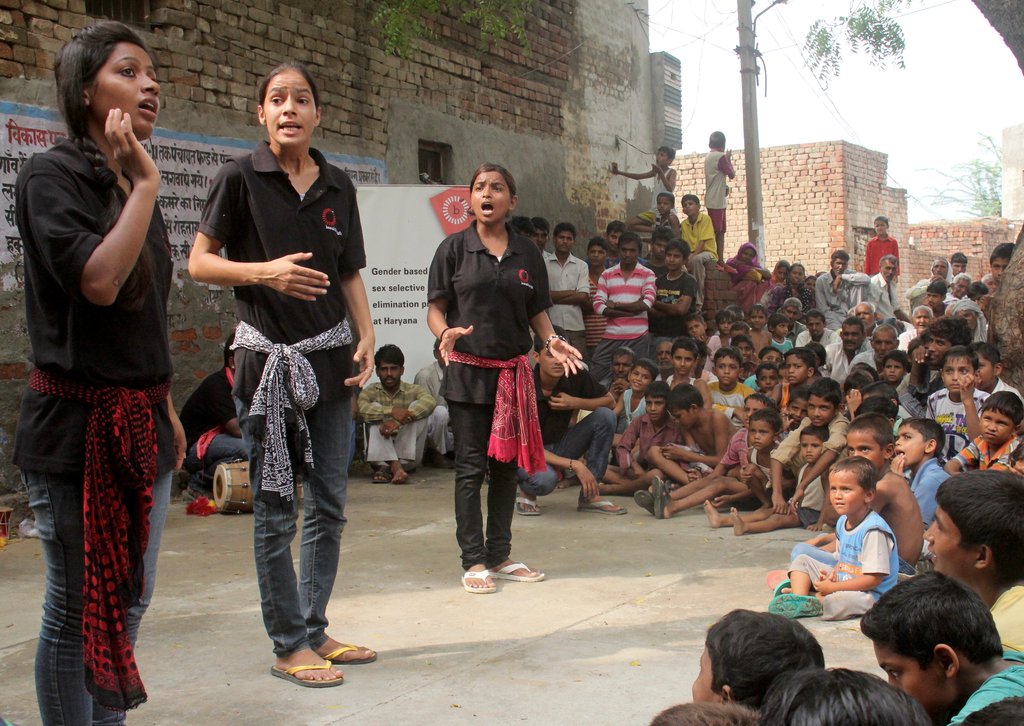
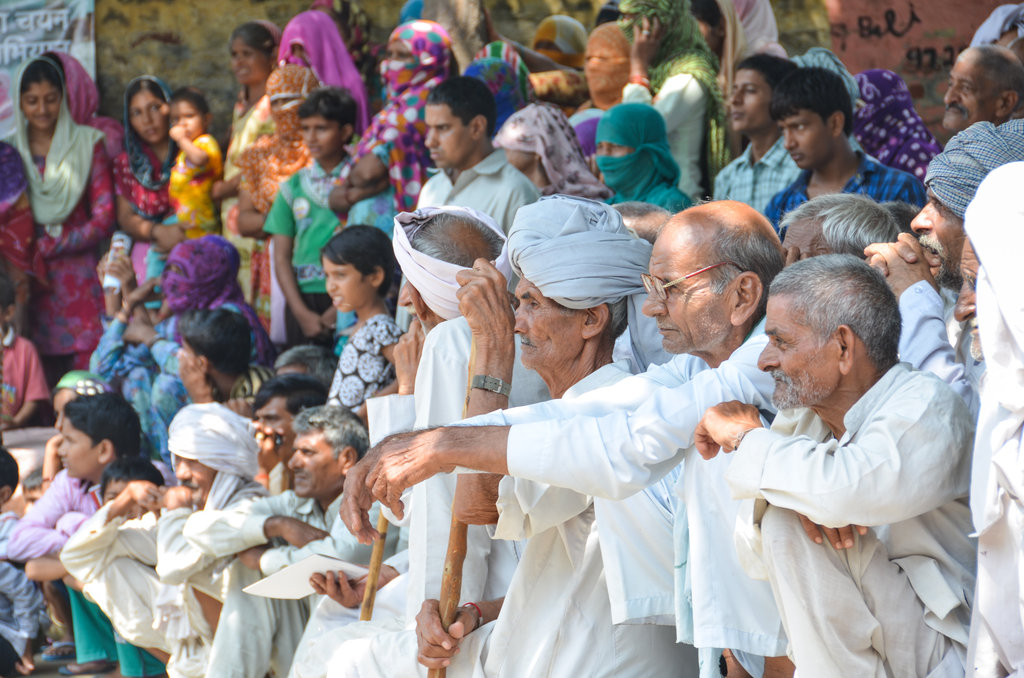
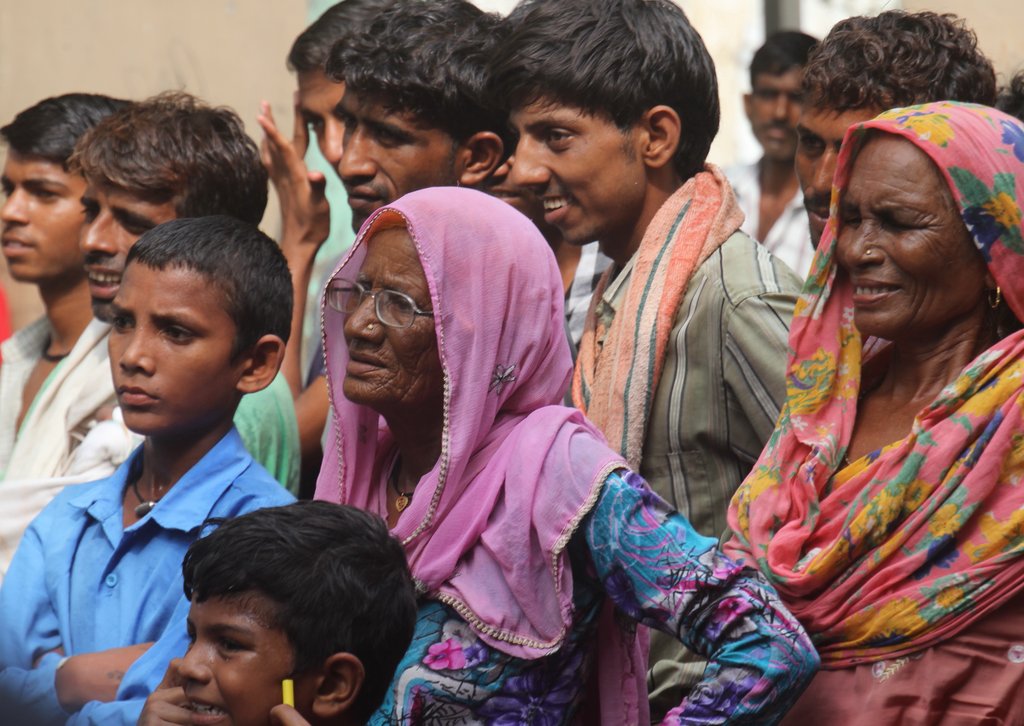
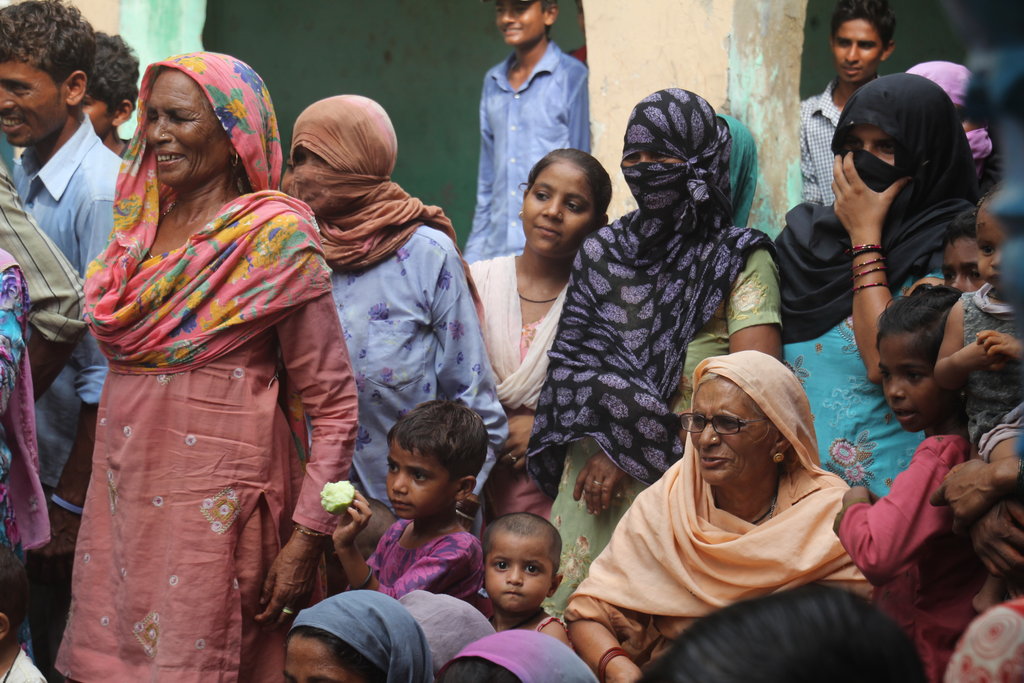
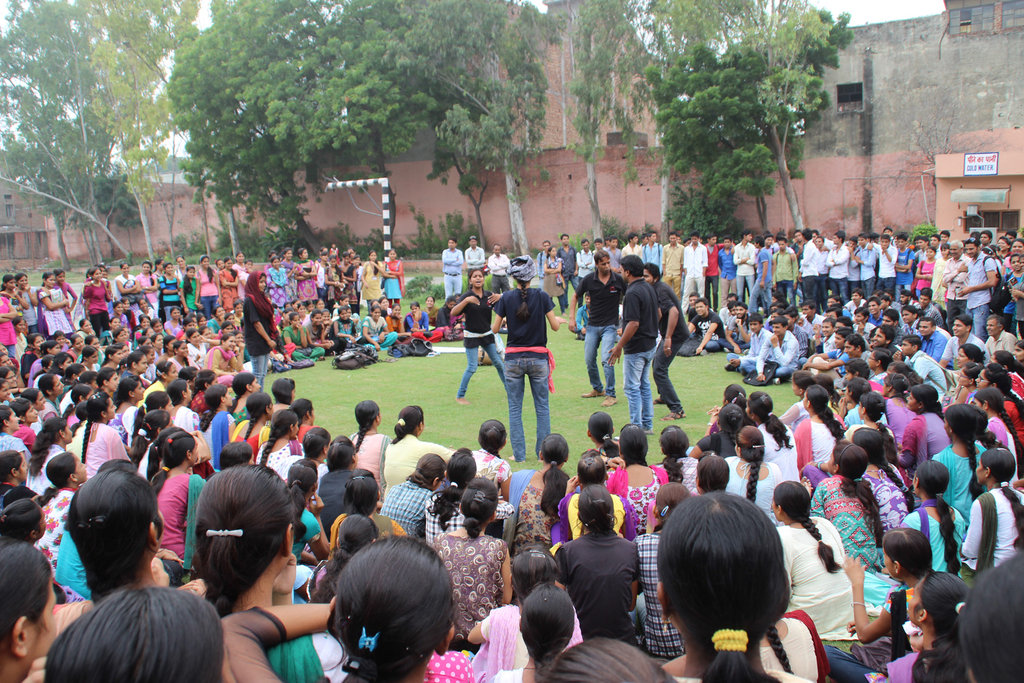
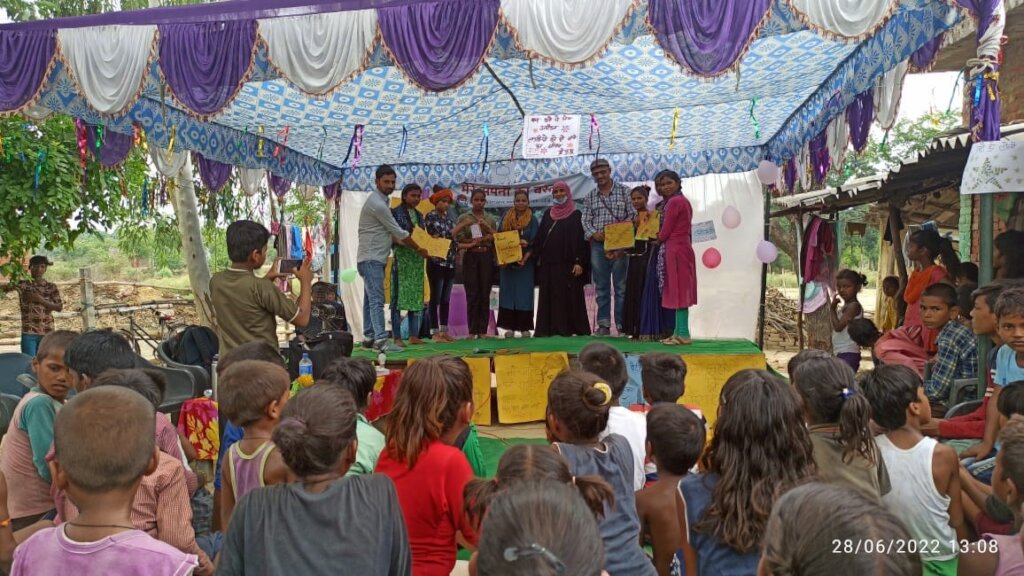
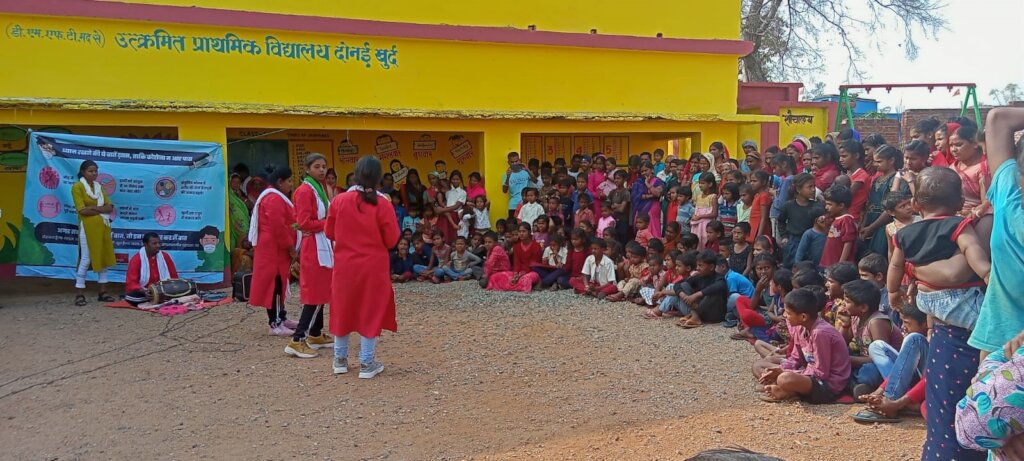
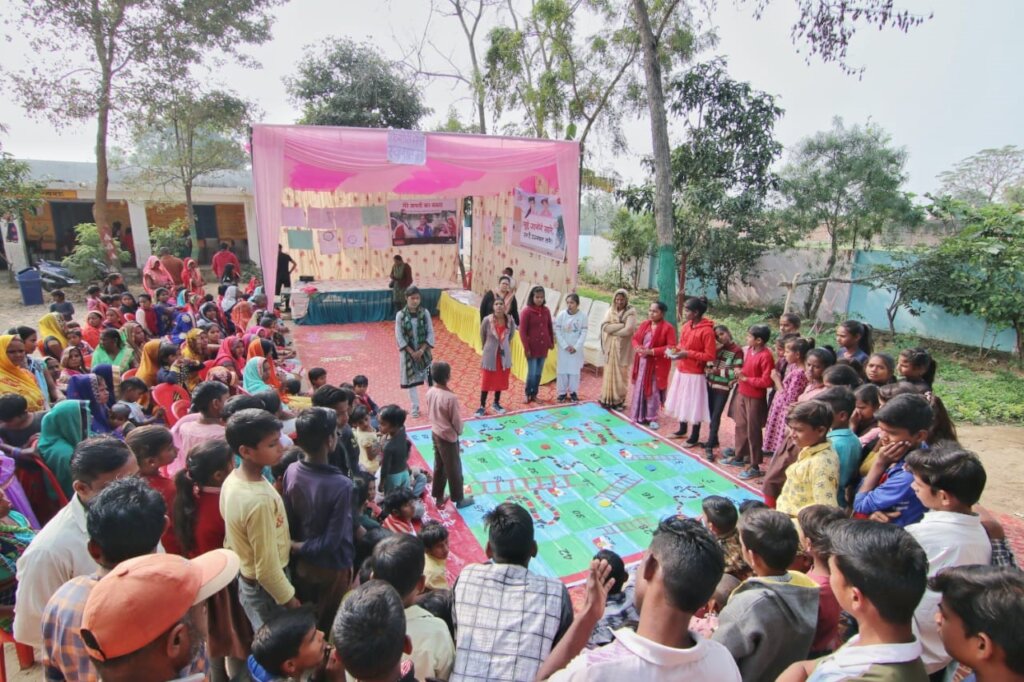
90 Kishori Melas were conducted in UP during this reporting period. The objective of the Kishori Melas was to give a platform to the adolescent girls, so that they can express their views openly, as well as share their expectations and dreams in front of everyone. We reached 16352 people in 90 villages. The melas also provided an opportunity to hold intergenerational dialogues and cross learning through sharing of stories. The adolescents tried to give messaging to the gathering against early marriage, gender based discrimination and violence and for rights of girls through role plays, songs and dance presentations too. Besides adolescents and Nari Sangh women, the melas were attended by Pradhans (Village Head), government officers and other community members. Community showed great appreciation of the program by cooperating and extending support.
During the Kishori mela in Bibipur, Lucknow, TCL ( Team Change Leader) Shivani said, “The theatre we have presented today is actually an expression of demand of all girls that they should be allowed to take up a job and pursue a career of our choice”.
Thus Kishori melas became a platform for open intergenerational dialogues on education, aspiration and rights of girls.
Capacity Building of BT team and SMC members:
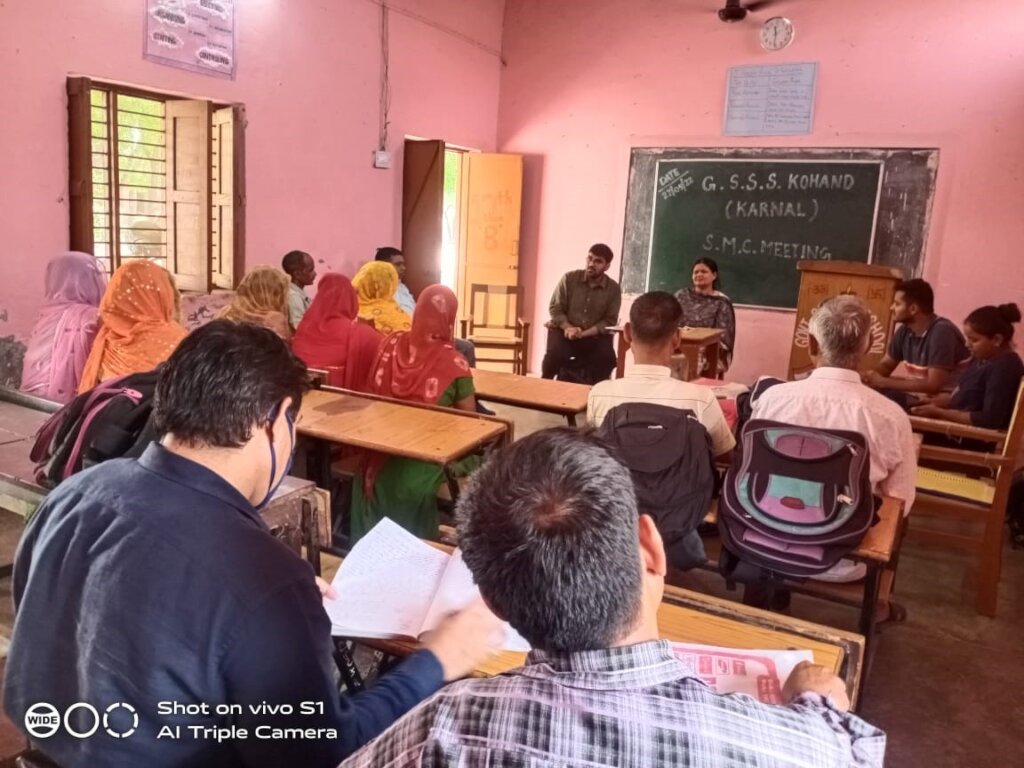
Right to education act put more attention and gave space to the different stakeholders from society post recognizing the issue and importance of community participation or their involvement in education; Breakthrough took ownership and organized a 3rd level of training workshop for School Management Committee members in 10 selected GPs (Gram Panchayats) across Haryana.
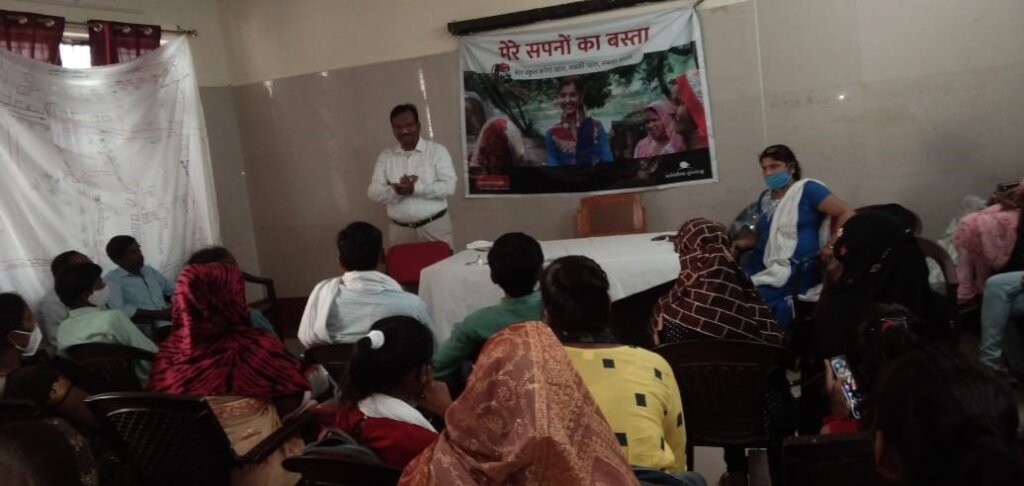
During these trainings 100+ SMC (School Management Committee) members were engaged in discussion on roles and responsibilities of SMCs like Importance of a School Management Committee, roles and responsibilities of a member, ways to identify and resolve issues. In these trainings, we helped and motivated SMC members to conduct regular meetings and selecting 4 task for themselves to take up in near future.
Capacity Building Training of Team Change Leaders in Haryana:
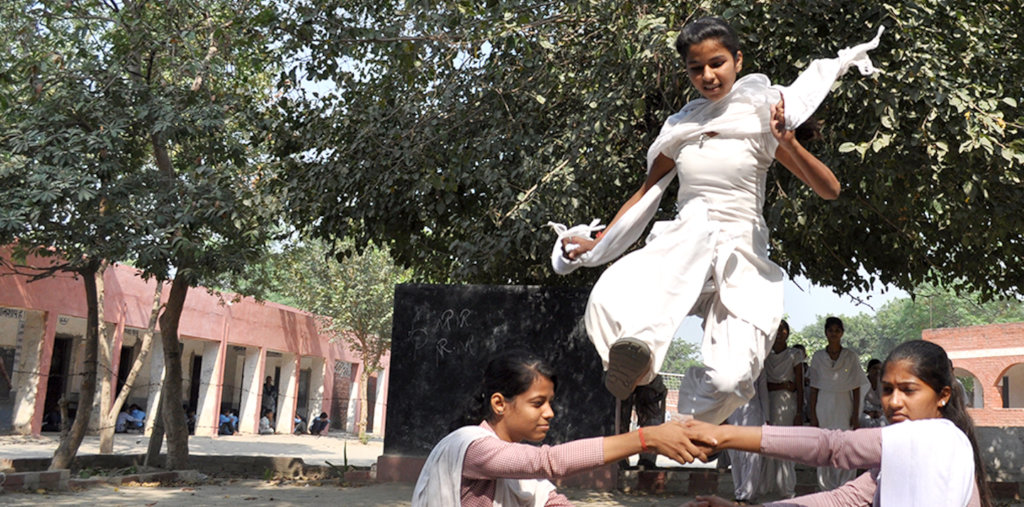
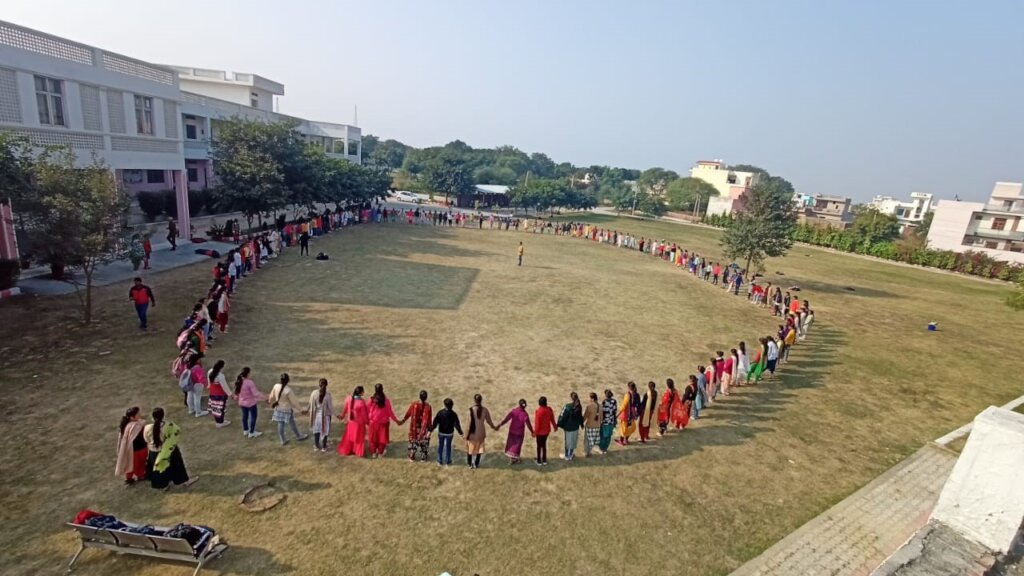
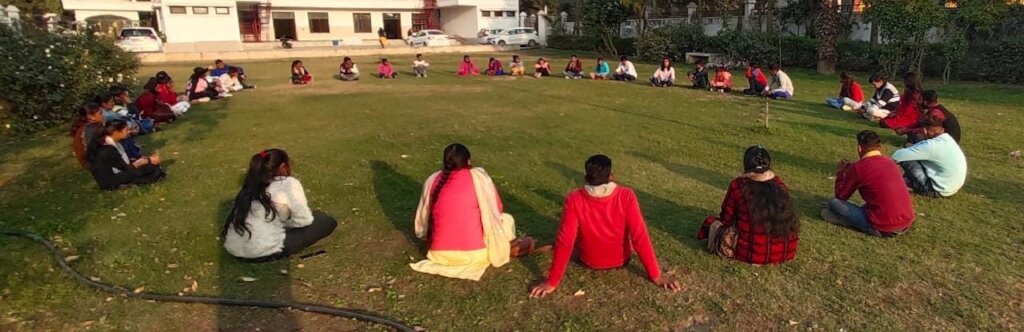
A Capacity Building training was organised with 30 Team Change Leaders in Rai, Sonipat district of Haryana state in the month of June. This includes in-depth training of our team change leaders’ young girls and boys who were selected through a process for a 3-year transformational journey and expected to play community leaders role to challenge discriminatory gender towards Breakthrough’s vision and mission in their immediate community surroundings. Team Change Leaders are young volunteer leaders in the age group of 19 to 25 based out of Breakthrough’s direct intervention areas. The training was focused to build-up the confidence to make their own life decisions and embark on a journey of being Team Change Leaders. Team Change Leaders are also expected to work as bridge between adolescents and community to address the GBD issues that become barriers in their aspirations.
Staff Training on Child Safeguarding Policy
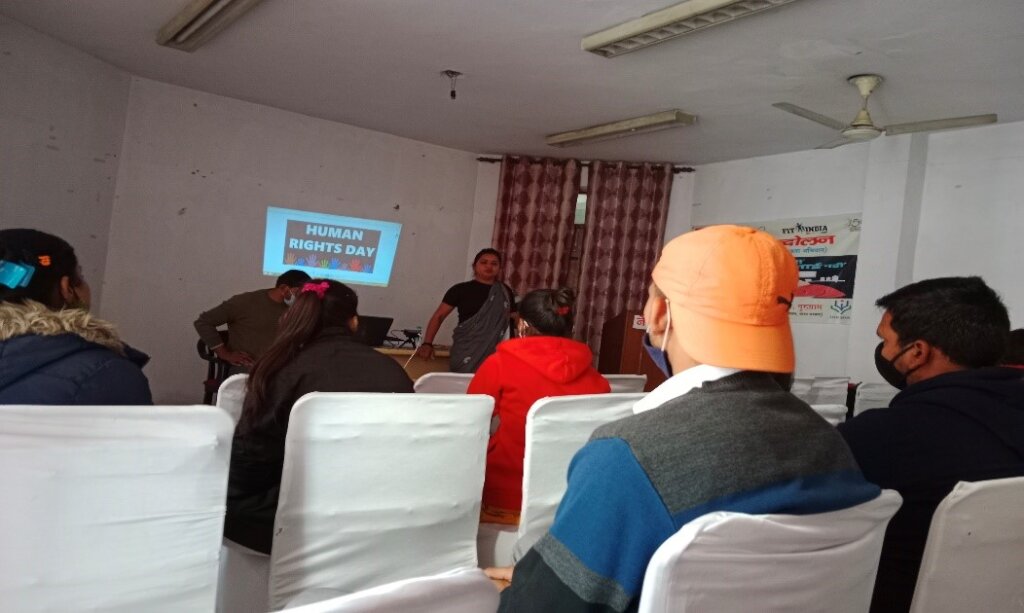
In the last few years, many laws and policies related to Child Safeguarding and protection have been made and amended to ensure the safeguarding process in the organization as the organization works with adolescents. Keeping this in mind, Breakthrough Team organized a one-day Training on Child Safeguarding Policy on 25th of June with 23 members of Haryana team including Community Developers and District Leaders. Objective of this session was to make aware new joiners with BT’s Child Safeguarding Policy and take review of implementation and challenges in the ground. To develop a common sense of purpose amongst participants on strategies and approaches to ensure high quality and consistent implementation of child safeguarding measures throughout their interaction within the community.
This all work is happening because of support of DONORS like YOU. We would request you to continue your support and if possible recommend our project to like-minded people.
With Hope and Gratitude,
Aman Chhabra.
By aman chhabra | Project Leader
By aman chhabra | Project Leader
Project reports on GlobalGiving are posted directly to globalgiving.org by Project Leaders as they are completed, generally every 3-4 months. To protect the integrity of these documents, GlobalGiving does not alter them; therefore you may find some language or formatting issues.
If you donate to this project or have donated to this project, you can receive an email when this project posts a report. You can also subscribe for reports without donating.



Support this important cause by creating a personalized fundraising page.
Start a Fundraiser