By Kaprie J G Thoronka | Executive Director
REPORT TO GLOBAL GIVING JUNE 2016
Organisation: ChildHelp Sierra Leone
Country: Sierra Leone
Project Locations: Bombali, Port Loko and Kambia districts
(Northern Province of Sierra Leone)
Donor: Global Giving (UK/USA)
Co-financier: Anne Frank Fonds, Switzerland
Reporting Period: December 2015 to June 2016
Description:
Serra Leone is a former British Colony. Serra Leone operates a Socio Cultural system based on traditional African customs that place high premium on Male dominance over female folks in decision making, control of resources and leadership. The social cultural norms lean disproportionately in favour of Men against Women. Women in Sierra Leone are often victims of Gender Base Violation, in the forms of physical, sexual, emotional and economic abuse. These abuses undoubtedly inflict not only physical injuries but emotional injuries as well. Women are enduring oppressive situations even during the civil war and Ebola outbreak due to lack of Livelihood and capacity to take control of their lives or resist and break free from the circle of violence they find themselves.
Over the years both Government and Non-Governmental Organizations have attempted to address these abuses against Women. The Government has enacted the Domestic Violence Act, 2007, the Devolution of Estates Act, 2007, the Customary Marriage and Divorce Act, 2009 and the Sexual Offences Act, 2012. All these legislations are aimed at providing greater safety and security for Women.
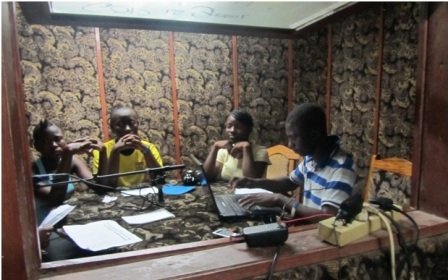
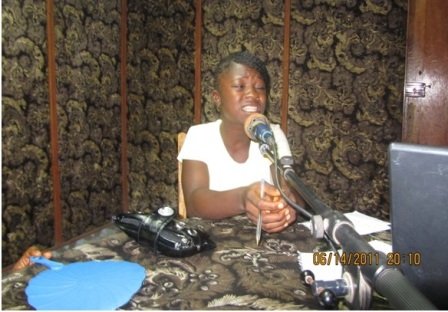
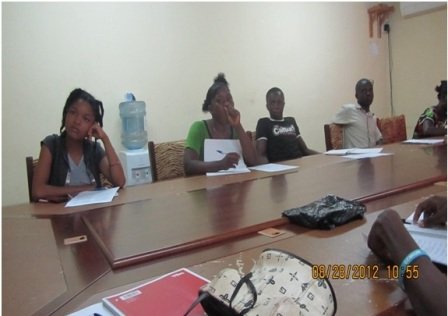
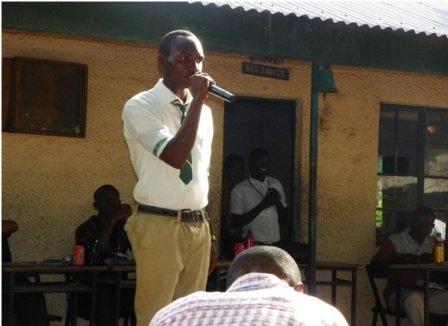
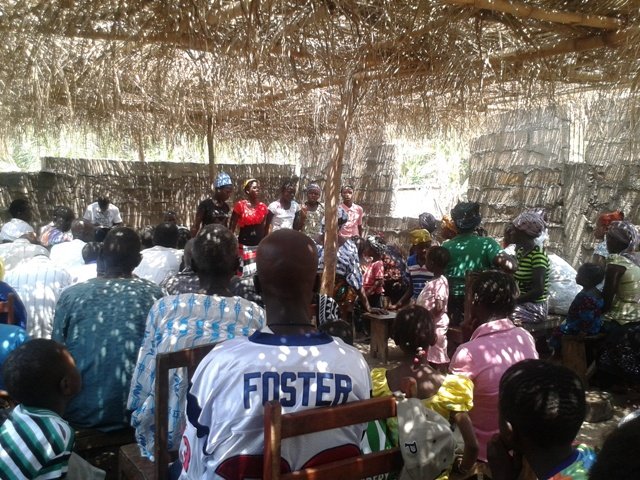
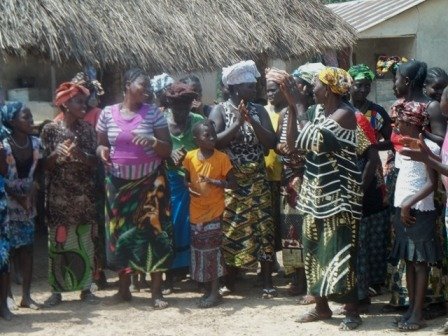
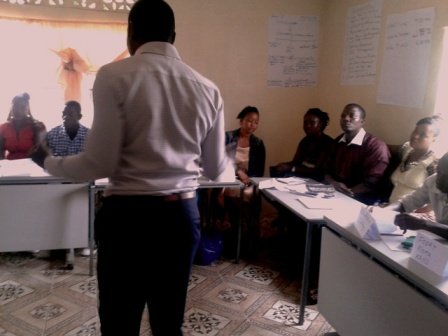
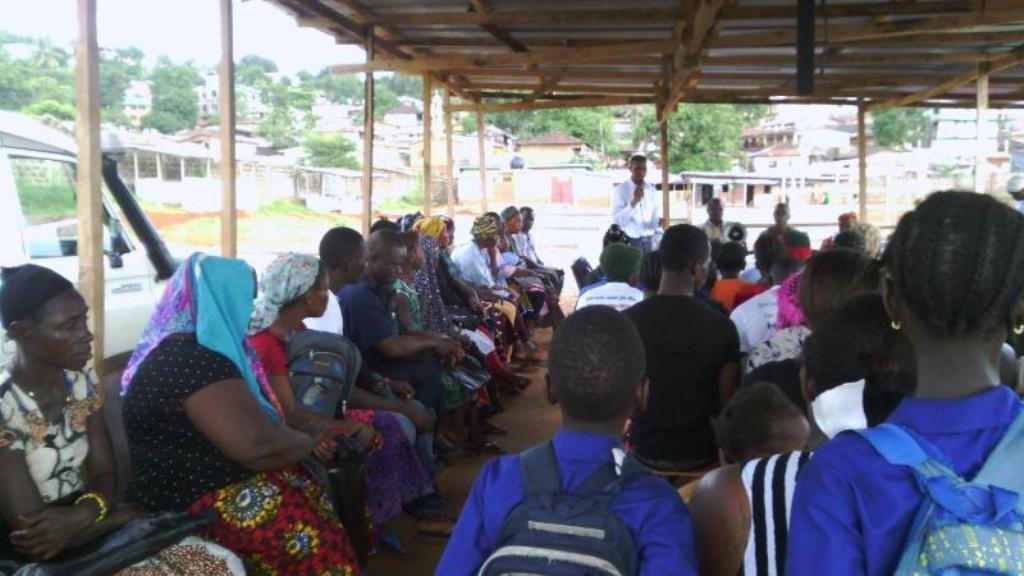
During 2014 and 2015, the Ebola outbreak caused destruction, loss of properties, intimidation, stigmatisation and neglect. The crisis resulted in early marriages, unwanted pregnancies and unwanted babies. These same girls continued going to the streets, abandoned places and clubs etc to survive and take care of their unwanted babies. The Global Giving Support and a support from Anne Frank Fonds help us in our consultations, workshops and field events identifying survivors and assessing the prevalence of early child marriage and teenage pregnancies so as to end such practice using the best practice, involving stakeholders, CSOs, the business bodies, religious groups and youths.
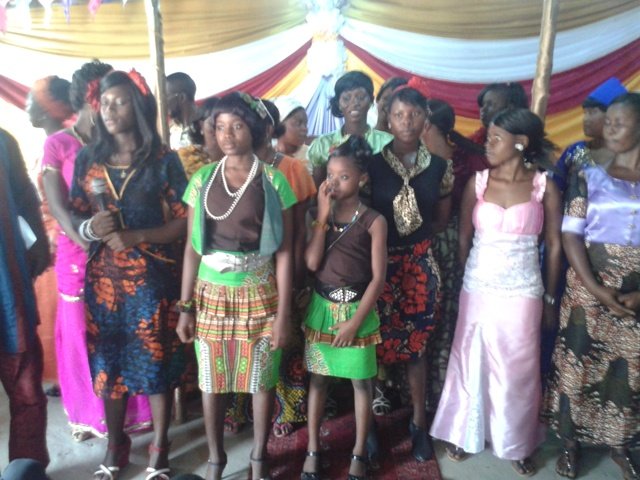
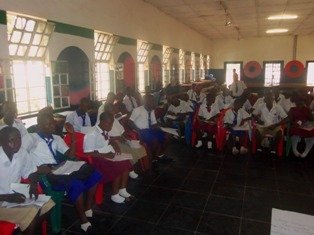
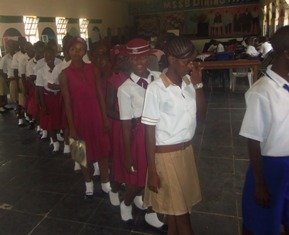
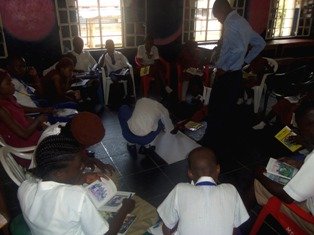
The result of the 6-months field activities revealed that 75% of women and girls interviewed experience Gender Base Violence (CEFM) including prostitution. 39% of participants identified economic power as the major cause of CEFM. 120 girls affected have been supported with life-skills and literacy training support for empowerment including messages of CEFM, FGM/C and Harmful Traditional Practices and the role of culture and elders in early marriage.
The beneficiaries engaged with livelihood activities are empowered to actively take the process forward. Their Economic activities has build their confidence and self-worth and thus built their relationship with their families and their communities when the project fade out finally. The participation of girls in household expenses will go a long way in changing the communities’ perception on women and girls there by consulting them in decision making and thus serve as partners in development. The start-up kits to be given to the clients to start their business will be an asset of promoting the business for longer years.
ChildHelp SL’s experience with these projects is that the root causes of gender base violence are linked to livelihood issues. ChildHelp SL is convinced that livelihood Empowerment for these girls will help break free from oppressive relation or situations. ChildHelp SL developed a staff code of conduct which state among others the relationship that a staff must maintain with a beneficiaries and the giving of gift and appreciations to staff by the beneficiaries before, during and after the project implementation.
ChildHelp SL protects beneficiaries from exploitation and abuse by the programme staff. ChildHelp SL also gives every beneficiary a care letter to assure them of their security in the programme. This letter clearly states that the services are free, show the details of person (s) responsible for the beneficiaries, provide assurance of quality and effective services and where a beneficiary should express concerns in a situation where she sense threatened or exploited.
More girls affected are still out there in need of such support to be trained in life-skills and economic empowerment. More funding is needed to support them. With continued support from supporters will help end child, early and forceful marriages and will help girls to take care of themselves and their new born babies.
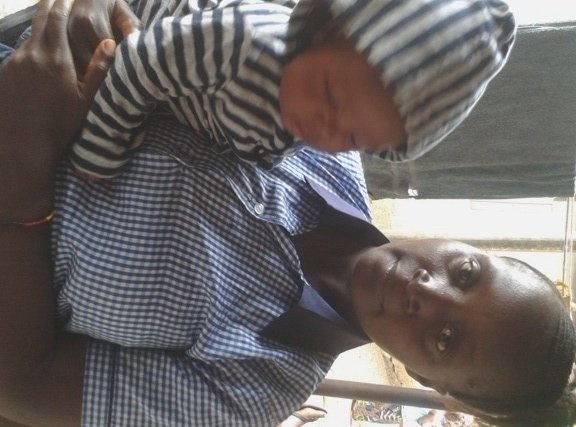
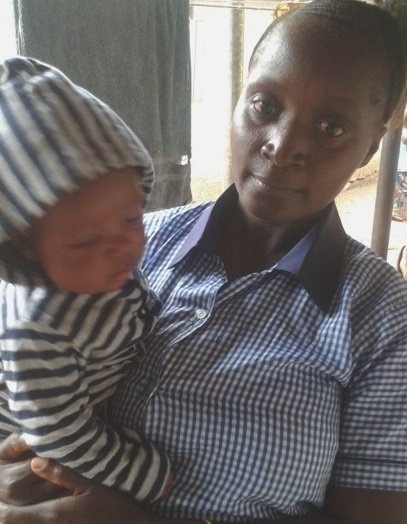
The Photograph above, Miss Tity Kamara, is one of the beneficiaries with her own child, thanking all supporters and the Global Giving team for their support provided to enable them learn skills that will empower them in the future.
Prepared and submitted by: Kaprie J G Thoronka
Project reports on GlobalGiving are posted directly to globalgiving.org by Project Leaders as they are completed, generally every 3-4 months. To protect the integrity of these documents, GlobalGiving does not alter them; therefore you may find some language or formatting issues.
If you donate to this project or have donated to this project, you can receive an email when this project posts a report. You can also subscribe for reports without donating.