By Adriana Gutierrez Galicia | Project Manager
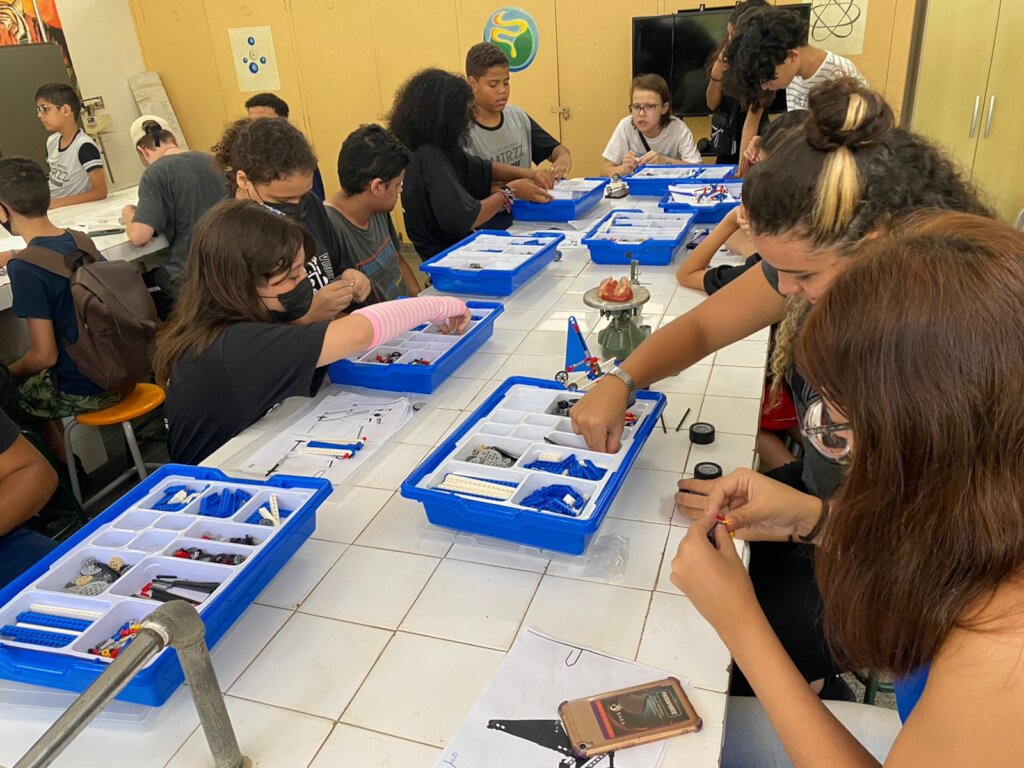
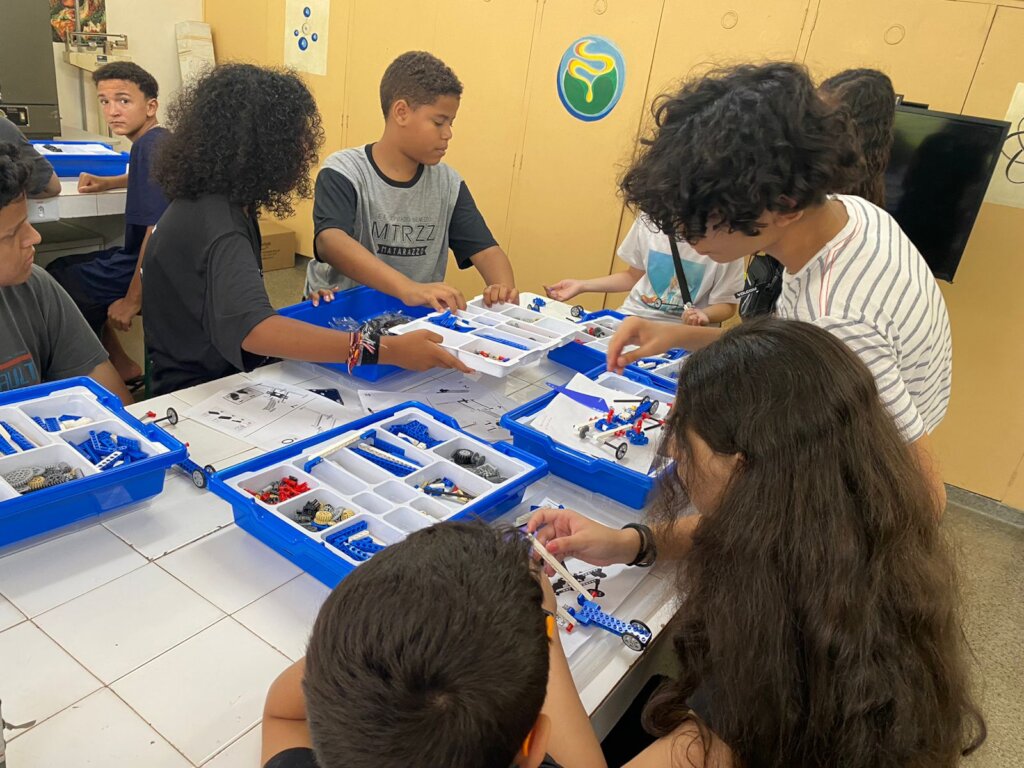
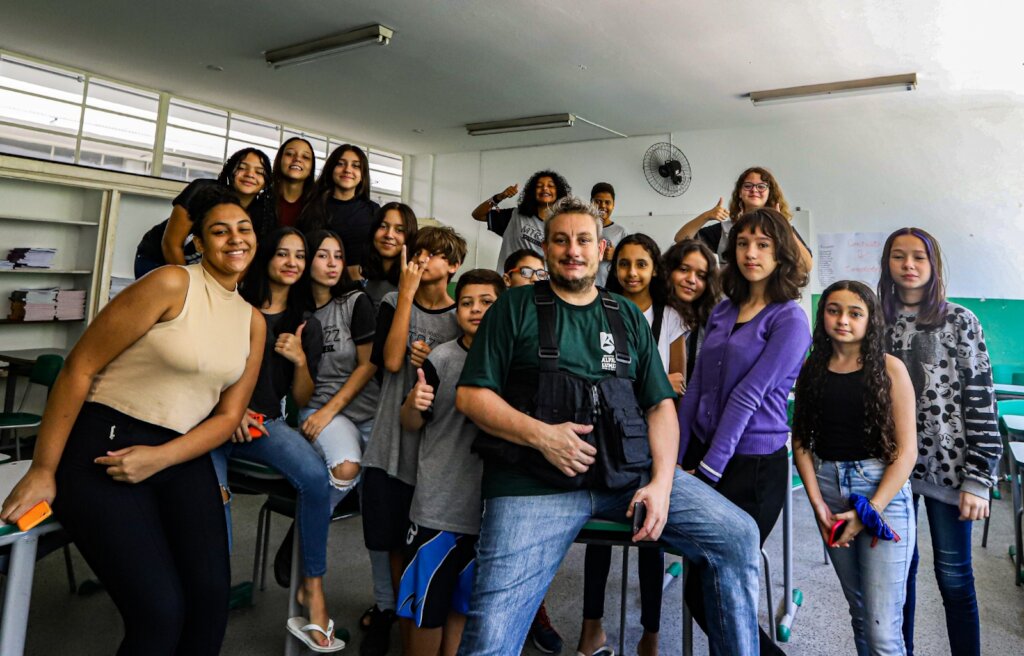
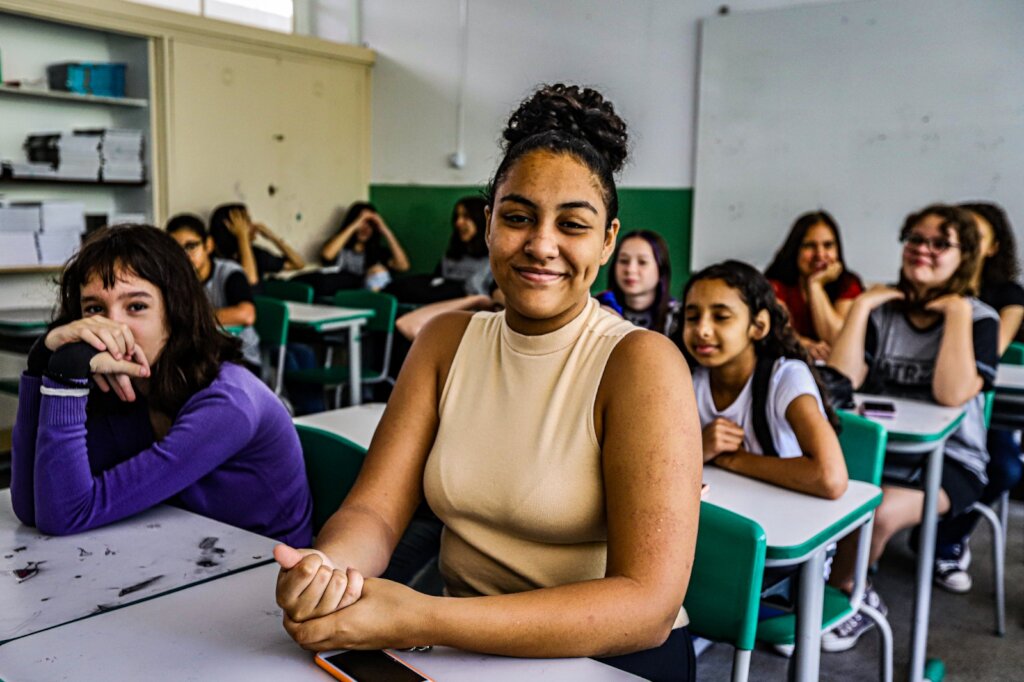
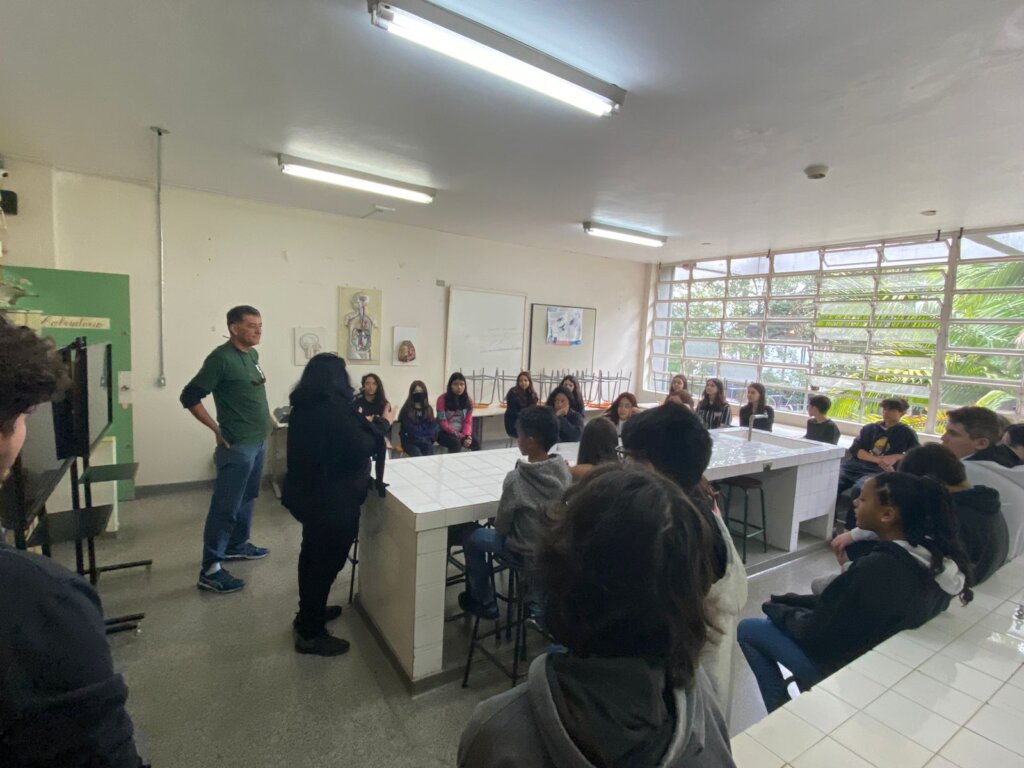
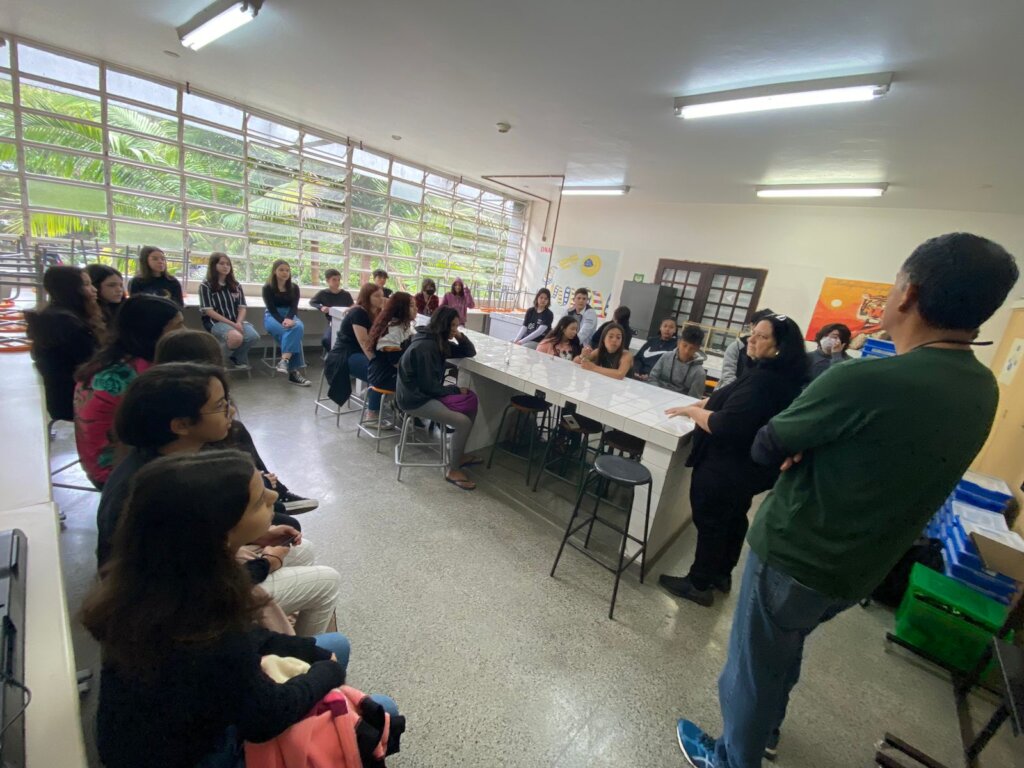
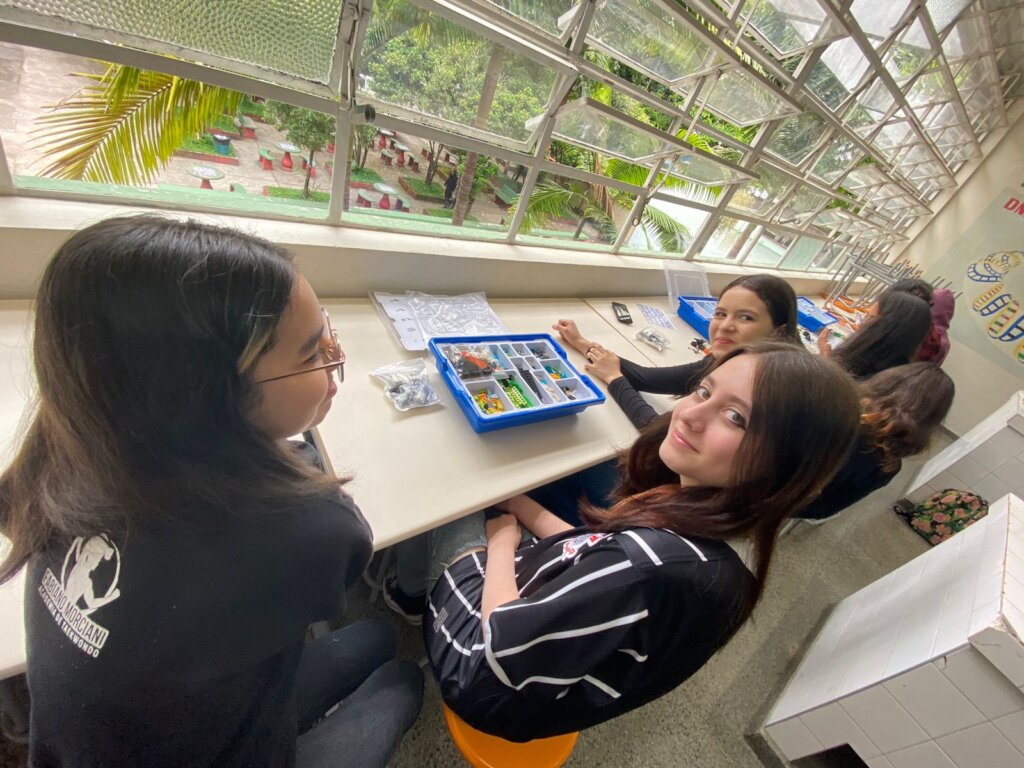
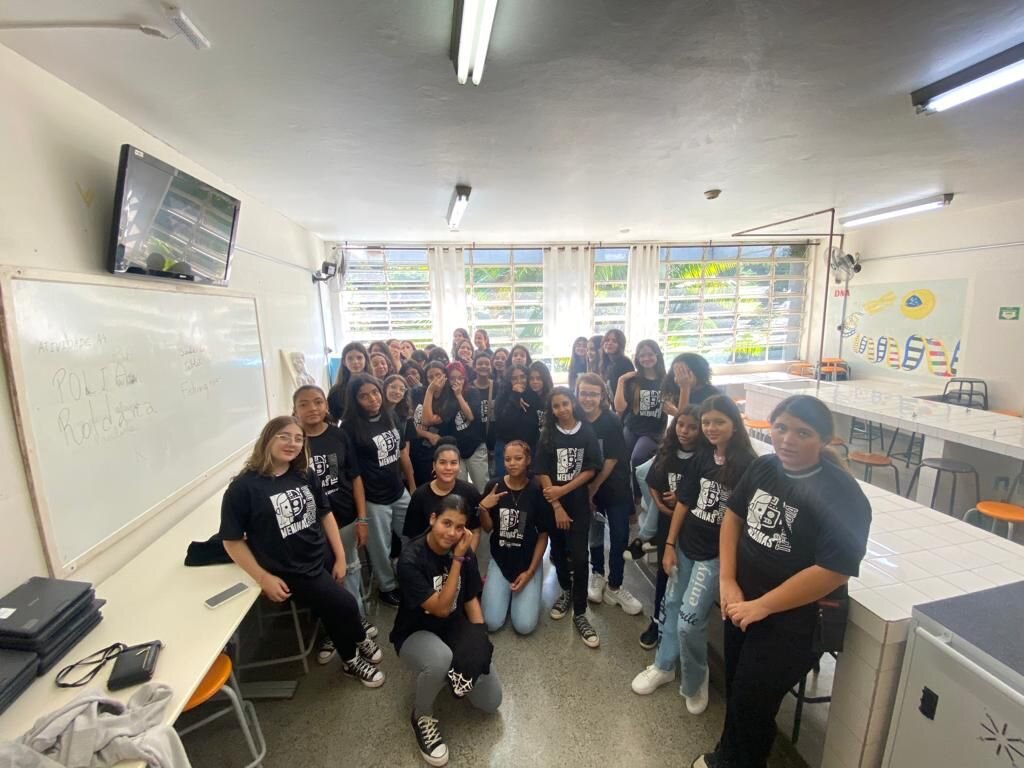
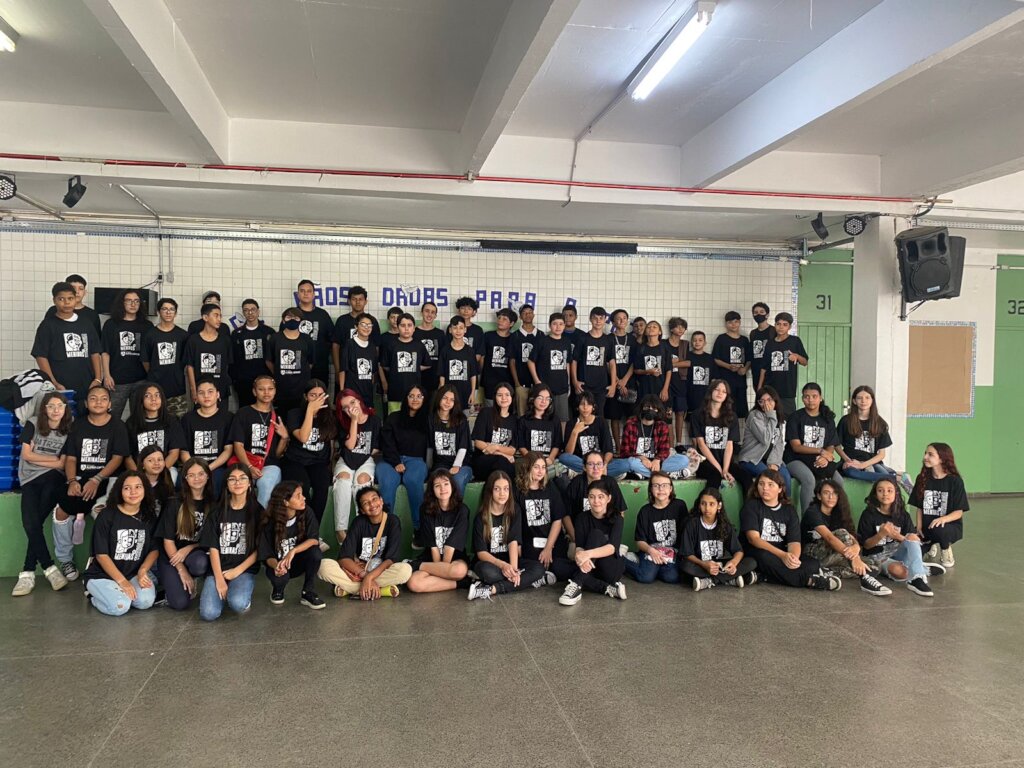
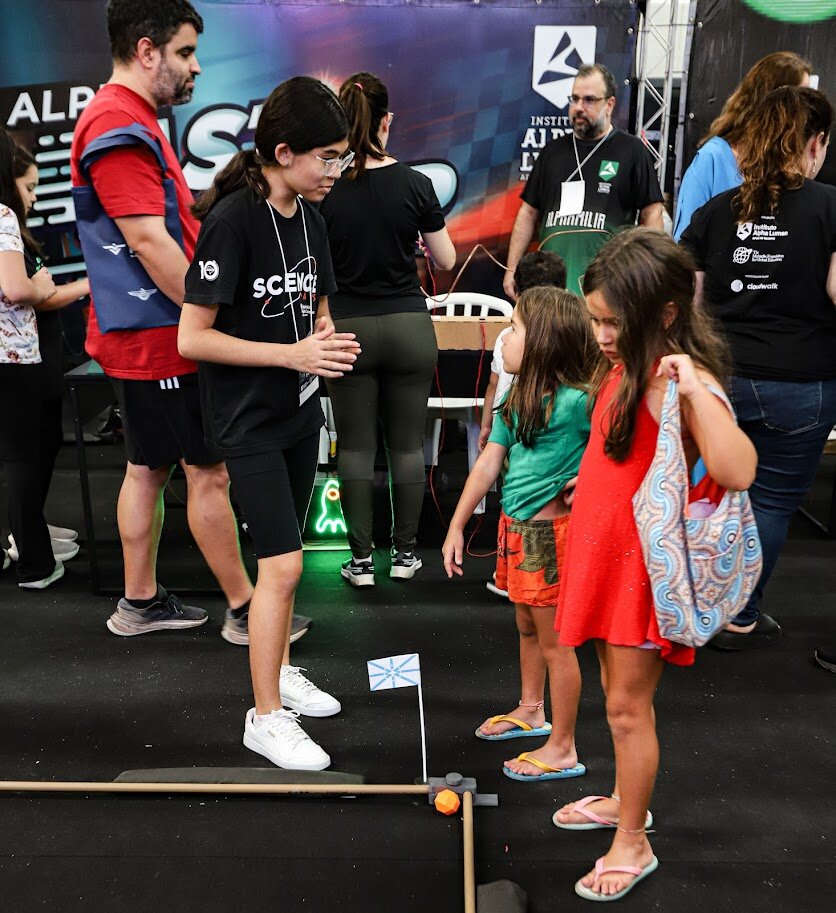
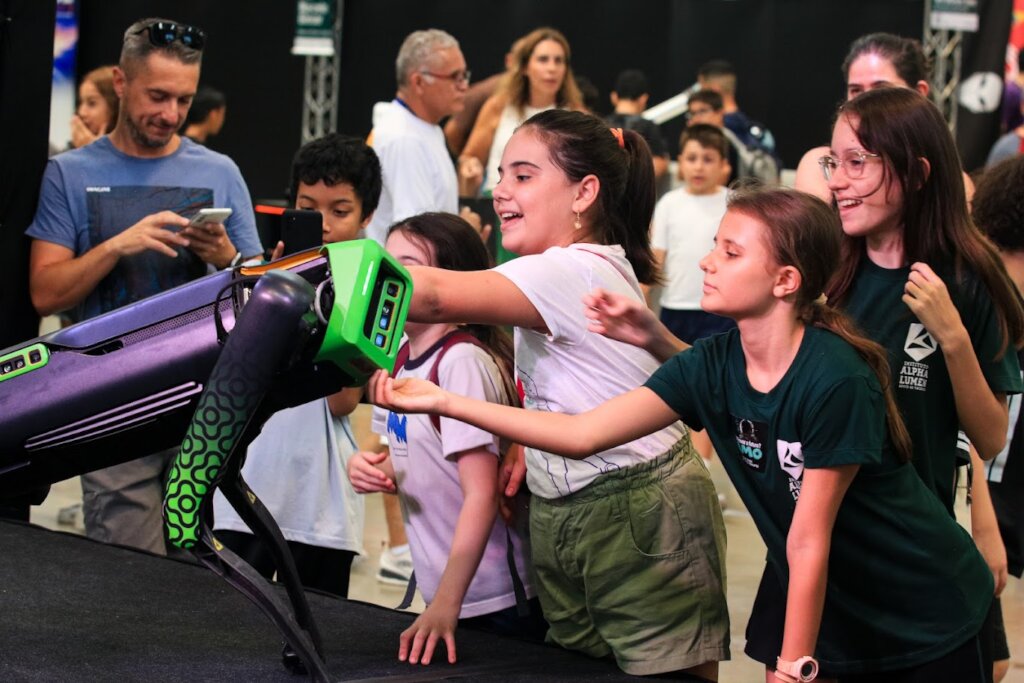
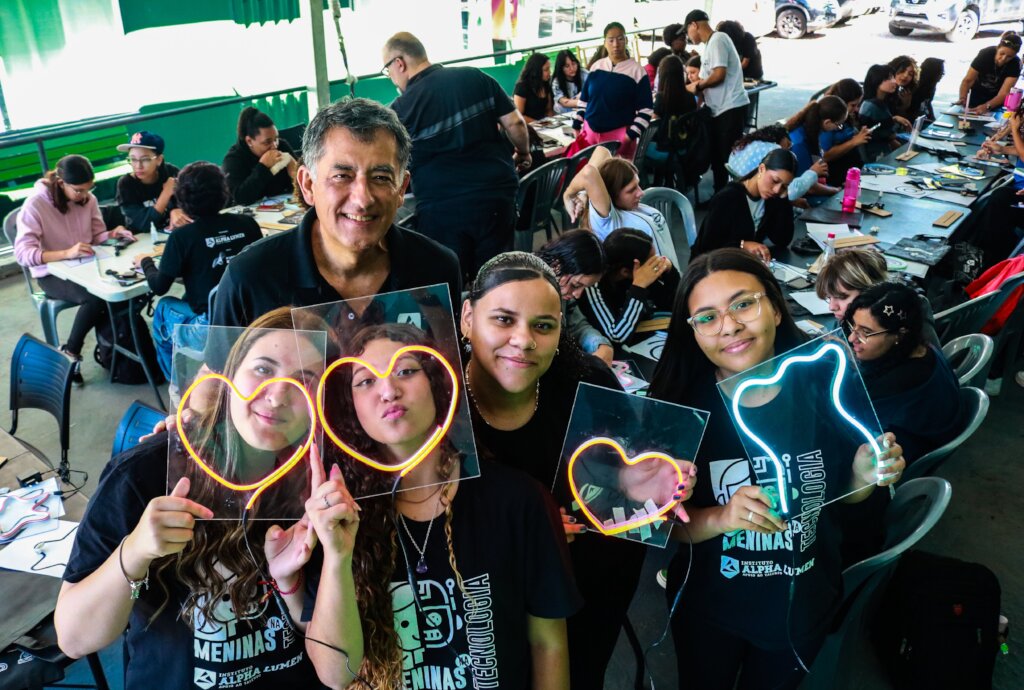
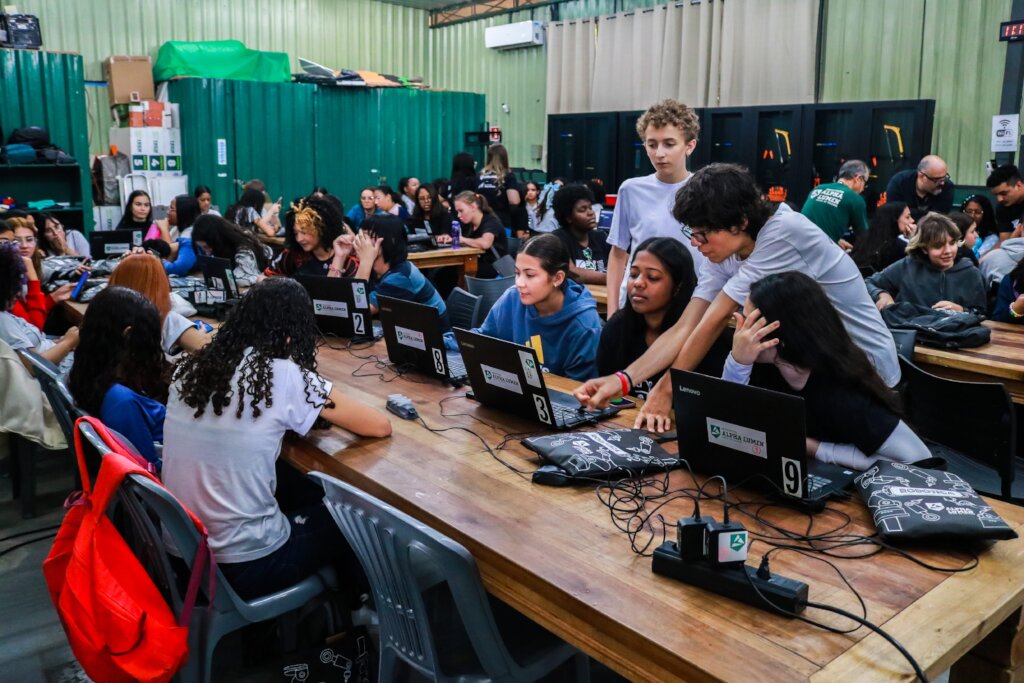
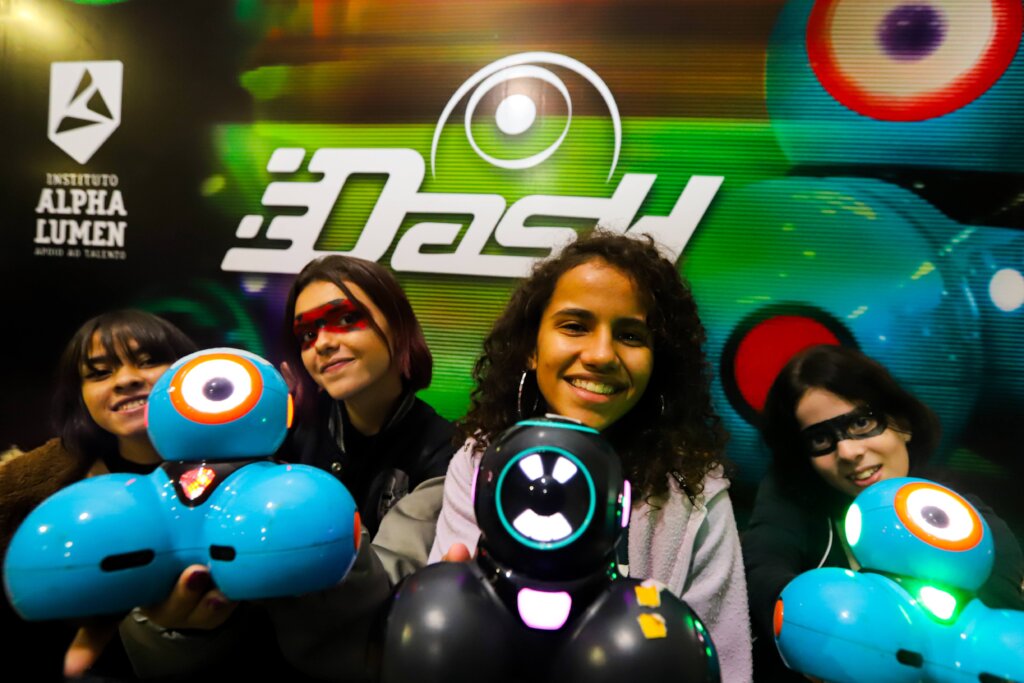
The Girls in Science and Technology project expands access to Science, Technology, Engineering, and Mathematics (STEM) for girls attending Brazilian public schools in São José dos Campos, São Paulo, Brazil,, creating opportunities for them to discover their potential and build the confidence to pursue careers in fields where women are still underrepresented.
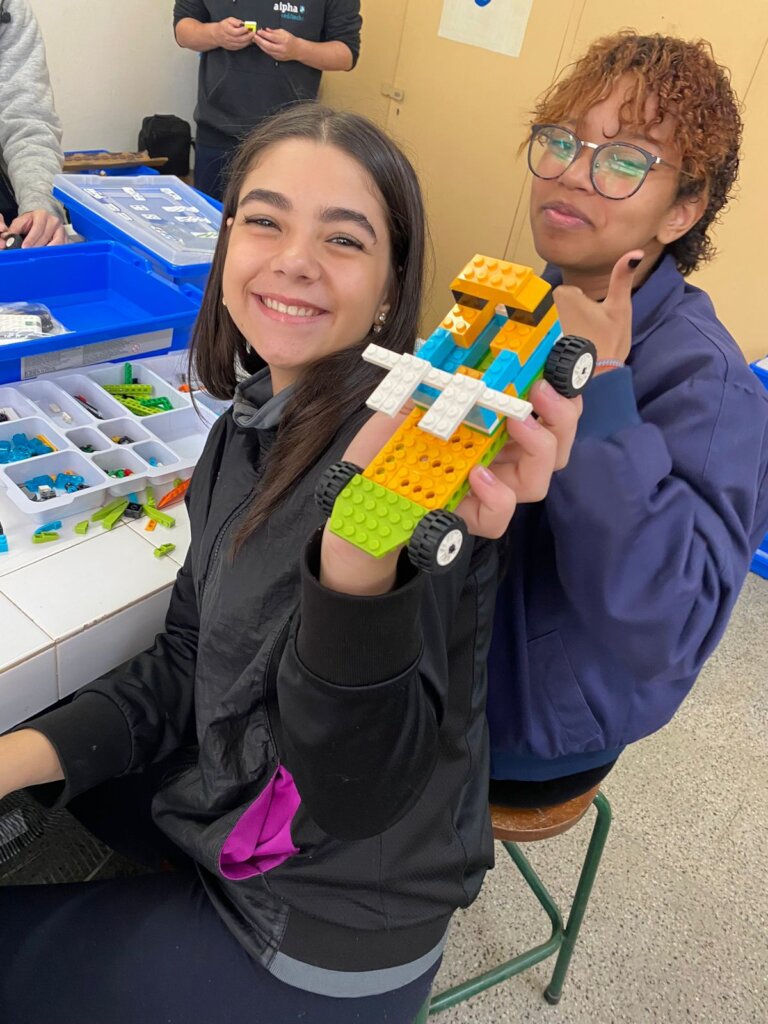
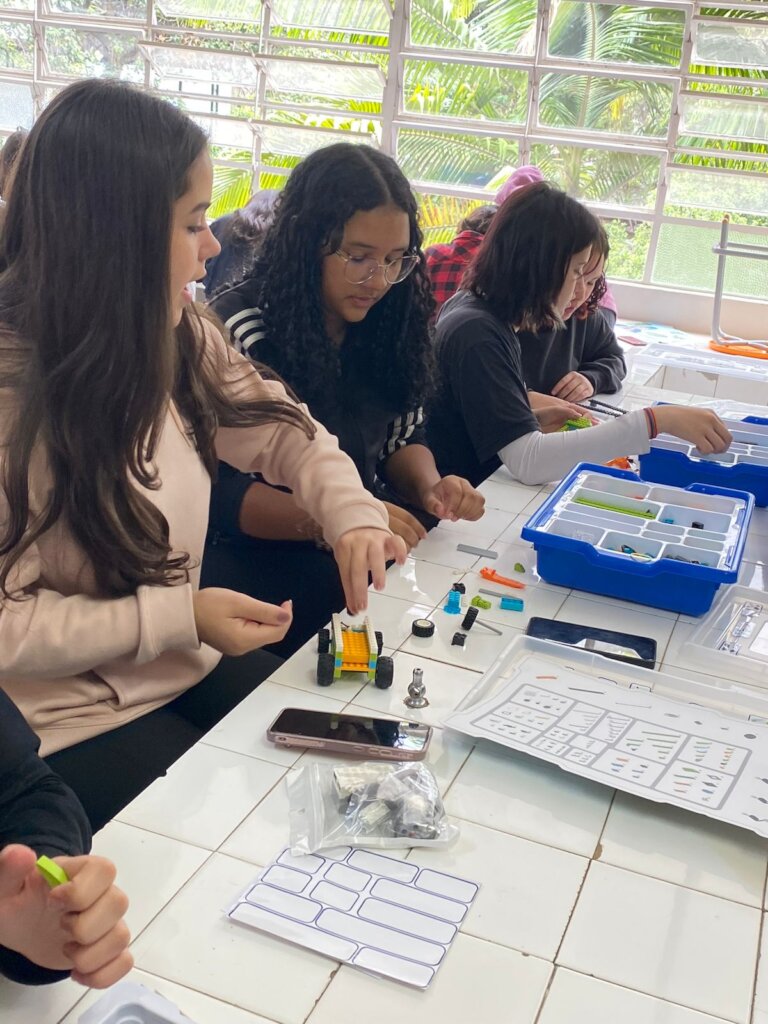
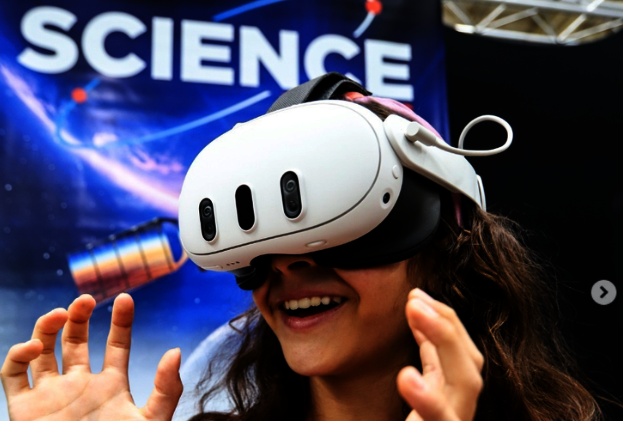
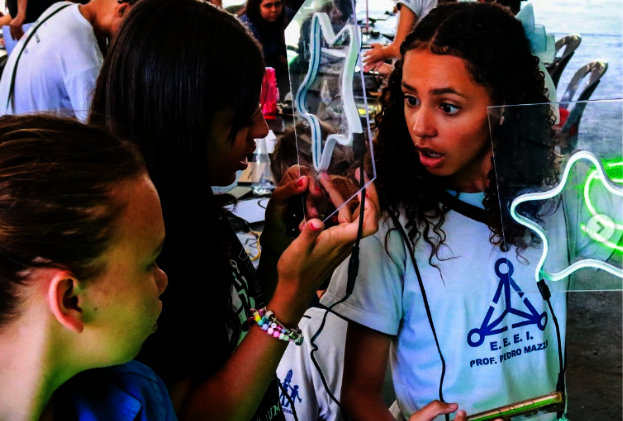
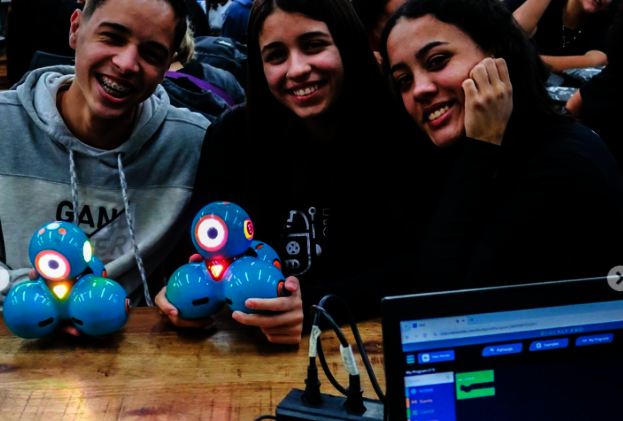
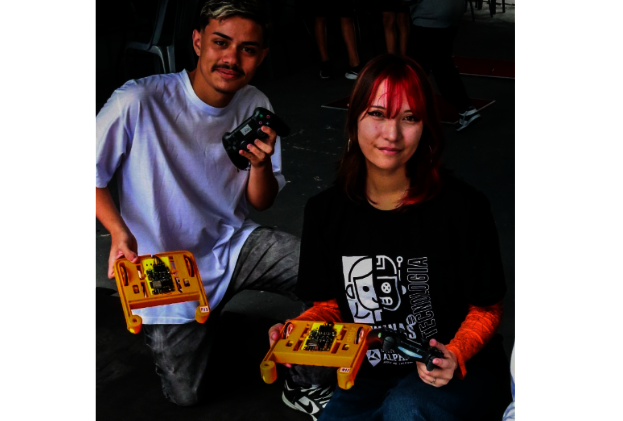
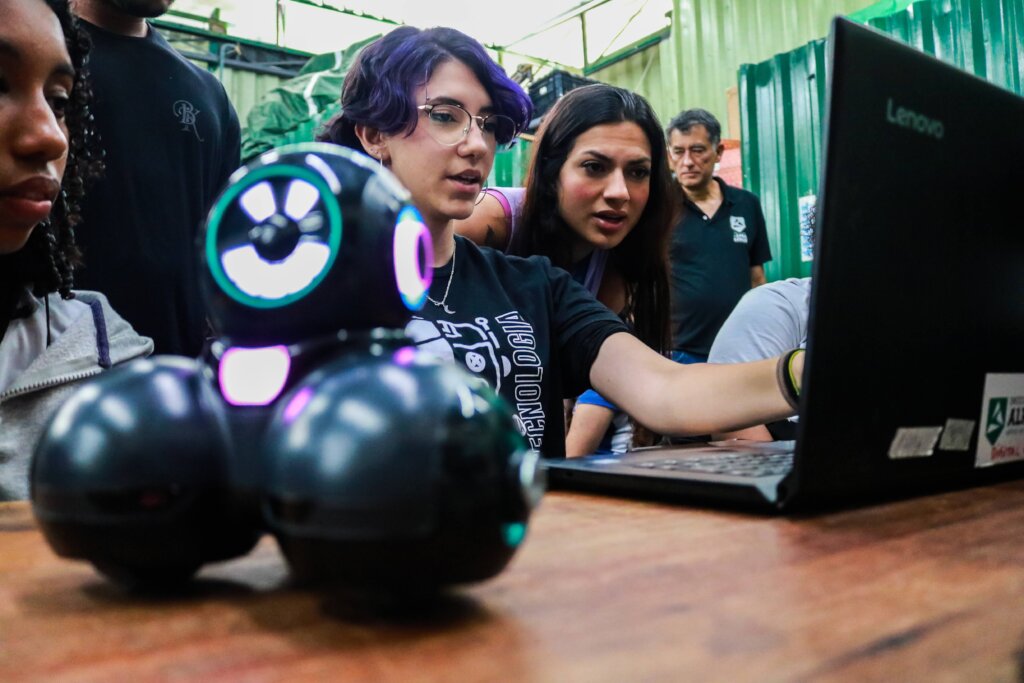
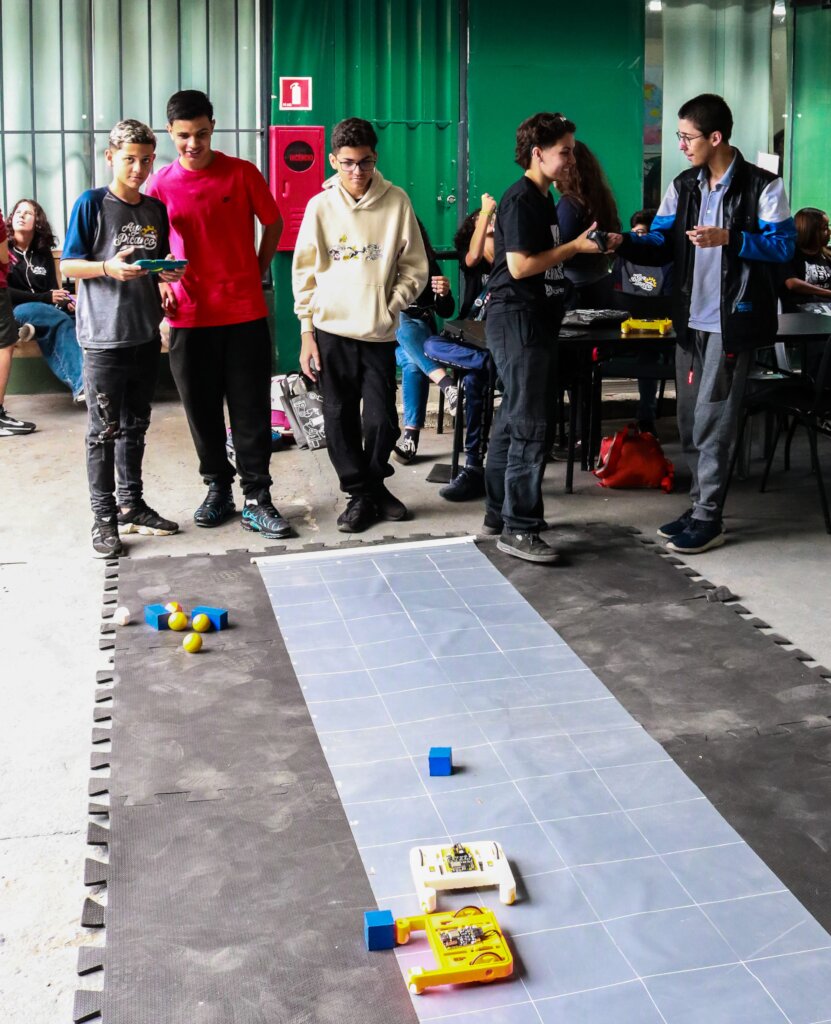
Through hands-on challenges, robotics activities, and interactive learning experiences, participants develop technical knowledge alongside essential life skills such as critical thinking, creativity, communication, leadership, and teamwork. More than learning about technology, they begin to see new possibilities for their futures.
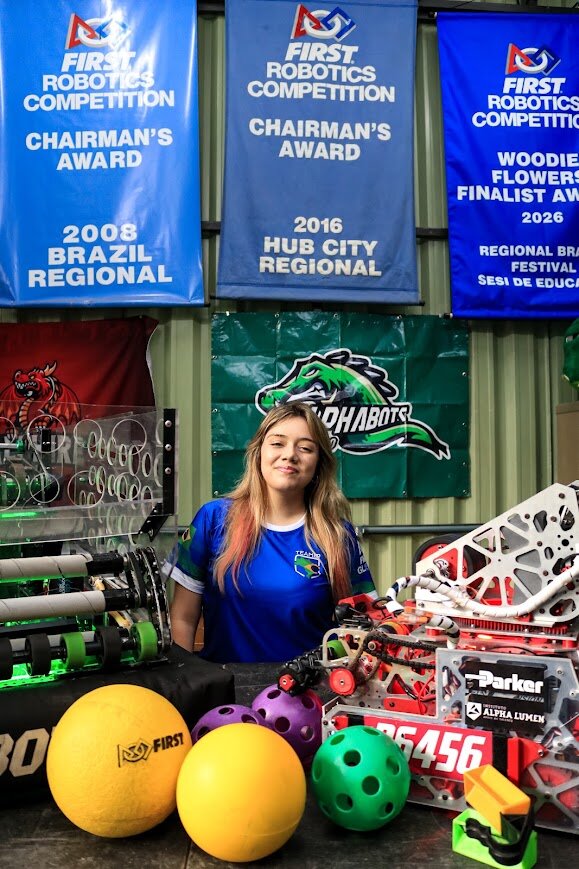
The project's impact is reflected in the inspiring journeys of two students who are members of one of the Alpha Lumen Institute's robotics teams. In recent months, they earned full scholarships to prestigious international programs and were selected for highly competitive academic opportunities at world-renowned universities. Their achievements demonstrate how access to quality education, mentorship, and STEM experiences can expand horizons and inspire other girls to believe that they, too, can build successful careers in science and technology.
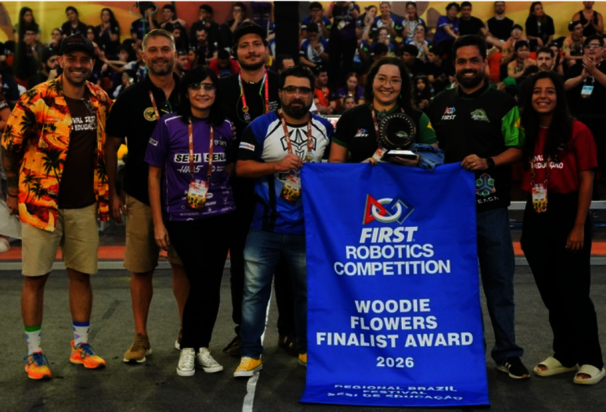
Another important milestone was the recognition of one of the team's mentors with the Woodie Flowers Finalist Award, one of the most prestigious honors in the FIRST Robotics Competition. The award celebrates mentors who inspire and transform students' lives through robotics and education. This achievement marked a historic moment for the team, as it was the first time a female mentor received this distinction, highlighting the importance of female representation and role models in encouraging the next generation of women in STEM.
Every girl who participates in this project strengthens not only her own future but also inspires others to explore their potential and pursue opportunities in science, technology, and innovation. With the support of donors and partners, we can expand this impact, reaching more students and helping build a more innovative, inclusive, and equitable society.
Links:
By Adriana Gutierrez Galicia | Project Manager
By Adriana Gutierrez Galicia | Project Manager
Project reports on GlobalGiving are posted directly to globalgiving.org by Project Leaders as they are completed, generally every 3-4 months. To protect the integrity of these documents, GlobalGiving does not alter them; therefore you may find some language or formatting issues.
If you donate to this project or have donated to this project, you can receive an email when this project posts a report. You can also subscribe for reports without donating.



Support this important cause by creating a personalized fundraising page.
Start a Fundraiser