By Nirupa Kasserchun | National Fundraiser
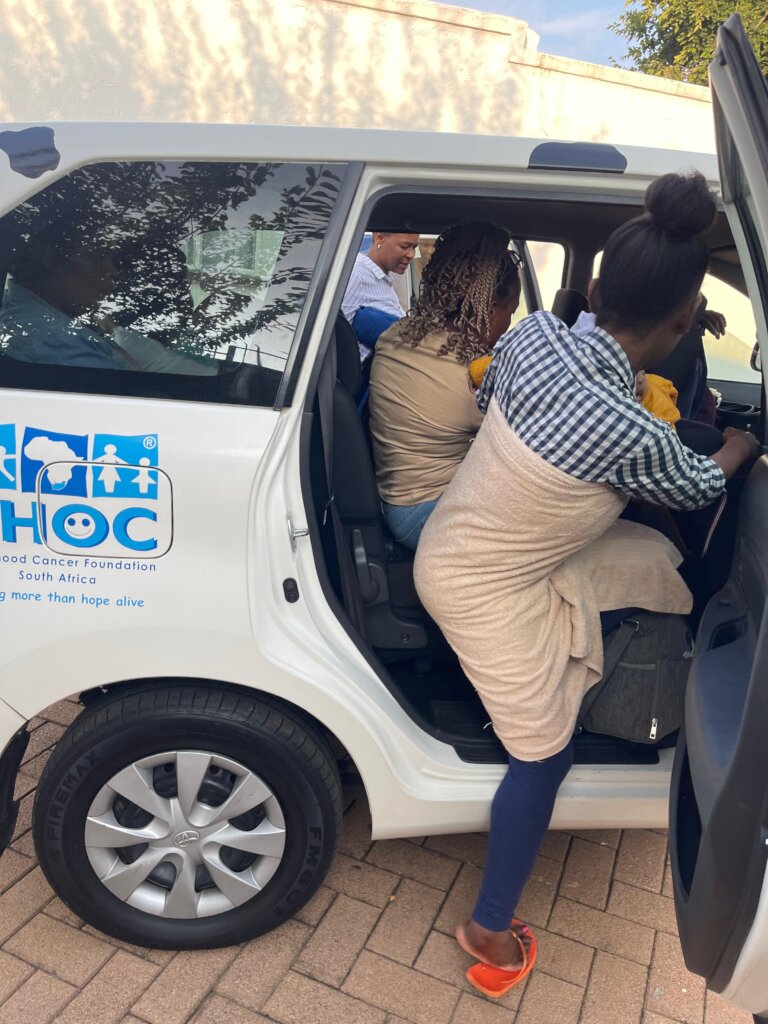
The Fuelling Hope Campaign was established to address one of the practical barriers that can prevent children and teenagers with cancer and life-threatening blood disorders from accessing essential treatment: the cost of getting to and from hospital. For families living in poverty, repeated taxi, bus or other transport costs can place treatment continuity at risk. Children may need to travel significant distances for chemotherapy, radiation, follow-up appointments, investigations and other essential healthcare services, while parents and carers may have reduced or no income while caring for a seriously ill child. CHOC's Transport Financial Assistance Programme provides targeted financial assistance to help families meet these travel costs and reach the healthcare services required during their treatment journey.
The campaign communicates this need through a simple message: Every trip to treatment matters.
Transport assistance forms part of CHOC's broader Comprehensive Child & Family Support Programme, with CHOC providing match-funded support across accommodation, nutrition, bereavement and practical family assistance.
2. JULY–SEPTEMBER 2026 IMPACT AT A GLANCE
During the three-month reporting period, CHOC provided:
Indicator July–September 2026
People Served: 3,540
Transport disbursements issued: 4,093
Total transport assistance: R527,023 / $31,608.46
Average assistance per disbursement: R128.79 / $7.72
Average monthly disbursements: 1,364
Average monthly financial assistance: R175,674 / $10,536
The 4,093 disbursements represent individual instances of financial assistance supporting children and their families to access necessary healthcare. The average assistance of approximately R129 demonstrates how relatively modest amounts can address an immediate barrier to treatment access.
3. CHOC MATCH-FUNDED CONTRIBUTION
The transport assistance was complemented by CHOC's own match-funded investment in the wider support needs of children and families during the same reporting period:
Match-funded support July–September 2026
Financial bereavement support 84 disbursements: R84,000/$5,038
Accommodation: 7,038 bednights
Meals: 21,114
Food parcels and vouchers: 907 valued at R401,684 / $24,091
Beneficiaries reached through food support: 9,510
Carebags: 204
Houses and Lodges: 13
This contribution demonstrates CHOC's investment in addressing the broader practical pressures associated with childhood cancer treatment. Accommodation enables families to remain close to treatment, nutritional assistance helps meet food needs during prolonged treatment, and practical and bereavement support responds to other financial and emotional pressures experienced by families.
4. WHAT THE FUNDING ENABLED
Childhood cancer treatment requires repeated engagement with healthcare services over an extended period. Families may need to travel for chemotherapy, radiation, clinical reviews, scans, blood tests, procedures and other treatment-related appointments. The transport assistance provided during July–September helped families meet these immediate travel costs, reducing one practical barrier to attending scheduled healthcare appointments.
The broader CHOC support package complements this assistance. Families who need to remain near treatment can access accommodation and meals, while food parcels and vouchers provide additional nutritional support. This integrated approach recognises that the barriers affecting treatment continuity are often interconnected.
5. TRANSPORT AND TREATMENT CONTINUITY
Transport financial assistance is a critical enabler within CHOC's Comprehensive Child & Family Support Programme. A child may have access to specialist oncology treatment, but the treatment cannot be accessed if the family cannot afford the journey to the healthcare facility. By providing targeted financial assistance, CHOC helps address this immediate socioeconomic barrier. The 4,093 transport disbursements delivered during the reporting period therefore represent practical interventions that supported continued access to prescribed healthcare.
CHOC's match-funded accommodation further assists families facing distance-related barriers, particularly where remaining close to a treatment centre is necessary. Together, these interventions help families navigate the practical demands of a lengthy treatment journey.
6. THE HUMAN SIGNIFICANCE OF EVERY TRIP
For a family experiencing financial hardship, the cost of a single journey can compete with other essential household needs. Transport assistance helps reduce the likelihood that a family will have to choose between meeting basic household needs and getting their child to a scheduled treatment appointment. The programme supports:
• Access to specialised paediatric oncology services.
• Attendance at scheduled treatment and follow-up appointments.
• Reduced financial pressure on vulnerable families.
• Dignity in meeting an essential treatment-related cost.
• Treatment adherence by addressing a practical barrier to accessing care.
The significance of the programme therefore extends beyond the rand value of each disbursement: it helps make access to treatment more achievable for families experiencing financial hardship.
7. CAMPAIGN PERFORMANCE
The July–September results demonstrate substantial and recurring demand for transport assistance. CHOC issued 4,093 transport disbursements, providing R527,023 / $31,608.46 in assistance. This equates to an average of more than 1,360 disbursements per month. The campaign's original funding proposition of $6 / approximately R100 was designed to demonstrate how a relatively small contribution can help remove an immediate barrier to treatment. The programme data shows an actual average disbursement of approximately R129 during the reporting period. The results also demonstrate the scale of CHOC's own investment in complementary support, with match-funded accommodation, meals, food assistance, Carebags and bereavement support provided alongside the transport intervention.
8. CONTRIBUTION TO REDUCING TREATMENT ABANDONMENT
Treatment abandonment in childhood cancer is influenced by multiple factors, including socioeconomic circumstances, distance from healthcare services and the practical costs associated with maintaining treatment. Transport assistance does not, by itself, eliminate treatment abandonment. It does, however, address one identifiable and potentially modifiable barrier: the inability to afford travel to treatment and related healthcare appointments. By providing timely assistance, CHOC seeks to reduce the likelihood that financial hardship will prevent a child from reaching the care they need. The 4,093 disbursements delivered during the reporting period therefore represent tangible support for continued access to treatment.
This is strengthened by CHOC's wider support model, which addresses other practical pressures that families may face during prolonged treatment, including the cost of accommodation, food and other essential support.
9. CONCLUSION
Between July and September, the Fuelling Hope Campaign provided 4,093 transport assistance disbursements valued at R527,023 / $31,608.46, helping families meet the cost of accessing essential healthcare services. The programme was complemented by significant CHOC match funding, including 7,038 bednights, 21,114 meals, 907 food parcels and vouchers valued at R401,684, 204 Carebags and 84 bereavement assistance disbursements valued at R84,000/$5,038. Together, this investment reflects an integrated approach to supporting children and families throughout the treatment journey. Transport assistance addresses the immediate cost of reaching treatment, while CHOC's match-funded support helps address other practical barriers that can affect a family's ability to sustain treatment.
4,093 transport disbursements. R527,023 / $31,608.46 in transport assistance. Every trip matters.
By Nirupa Kasserchun | National Fundraiser
By Nirupa Kasserchun | National Fundraiser
Project reports on GlobalGiving are posted directly to globalgiving.org by Project Leaders as they are completed, generally every 3-4 months. To protect the integrity of these documents, GlobalGiving does not alter them; therefore you may find some language or formatting issues.
If you donate to this project or have donated to this project, you can receive an email when this project posts a report. You can also subscribe for reports without donating.



Support this important cause by creating a personalized fundraising page.
Start a Fundraiser