By Nirupa Kasserchun | National Fundraiser
PROGRESS UPDATE
TO THE
GLOBAL GIVING
REPORTING PERIOD: JULY 2025 – SEPTEMBER 2025
CHOC Goal
To increase the survival rate of childhood cancer in South Africa to 60% by 2030 through CHOC’s comprehensive care and support programmes.
Introduction
CHOC extends heartfelt gratitude to our donors through the GlobalGiving platform for your continued support of children and teenagers undergoing cancer treatment, as well as their families. Your generosity enables CHOC to address the emotional, social, and financial barriers that hinder treatment access and adherence for children and teenagers with cancer or life-threatening blood disorders.
Through our Comprehensive Child and Family Support Programme, CHOC supported 3,415 beneficiaries from low-income households through:
• Psychosocial and emotional support, reducing distress and building resilience.
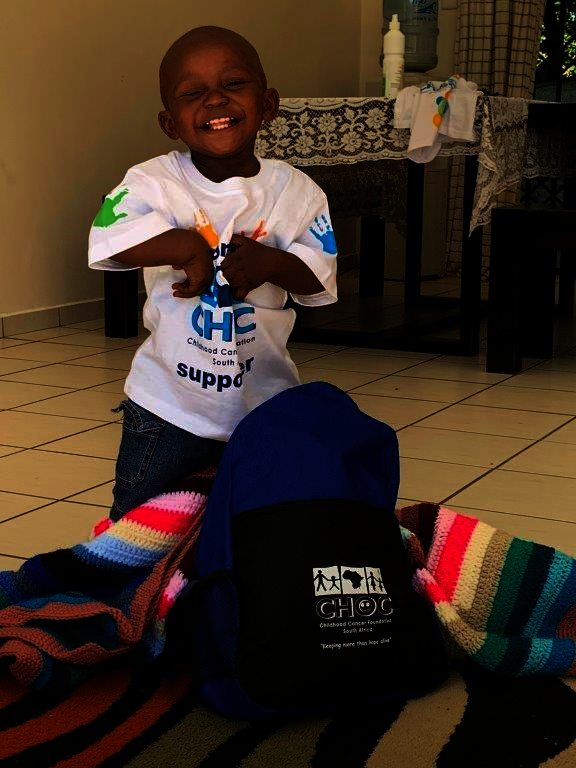
• Practical support through our Home Away from Home programme, which includes free accommodation across our 13 child-friendly houses, nutritional support, transport financial assistance, Carebags, and bereavement support.
• Early detection initiatives that improve timely diagnosis by training community and healthcare stakeholders to recognise the early warning signs of childhood cancer.
The demand for these programmes continues to grow as we note relapses, new diagnoses, and parents’ increasing drive to extend childhood cancer awareness to save lives. Rising poverty levels, inflation, and unemployment further intensify the need for our support. Many families rely solely on the Child Support Grant (R540 / $31) or in fortunate cases the Care Dependency Grant (R2,190 / $126). While families are deeply grateful for this assistance, it does not cover even their most basic needs such as rent, food, transport, and school fees. A basic food basket costs approximately R5,420 / $312 for a family of five, while daily transport to work or school ranges between R80–R100 / $5.78.
Therefore, support from CHOC’s donors and well-wishers plays a vital role in ensuring children can access and adhere to treatment. Your support serves as a lifeline for survival, dignity, and hope for the future , without it, childhood cancer would progress rapidly, leaving little opportunity for survival.
Emotional Empowerment and Family Support
It becomes vitally important for parents to be emotionally empowered and resilient, as we continue to observe heightened fear and uncertainty among children who often internalise their parents’ anxiety about the disease and its outcomes. Through psychosocial intervention, parents gradually gain confidence and emotional stability, yet stigma and misinformation within communities often reignite fear.
CHOC’s Social Workers continually remind parents that children mirror their caregivers’ emotions and behaviour, making it essential to remain calm, courageous, and hopeful. The journey through treatment is lengthy and emotionally taxing, with many parents, particularly mothers, facing immense strain due to disrupted family routines and lack of partner support.
In most cases, mothers serve as the primary or sole caregivers, leading to fatigue, self-neglect and guilt. Despite these challenges, their commitment to their child’s survival remains unwavering. Some mothers continue their tertiary studies through state loans aspiring to build a better life. Although treatment demands often limit their study time, CHOC’sPsychosocial Support Team helps them design realistic schedules to balance both responsibilities.
Programme Outputs (July – October 2025)
During this reporting period, CHOC’s Comprehensive Child and Family Support Programme achieved the following impact:
• 3,604 bed nights provided through our Home Away from Home accommodation facilities.
• R190,209 distributed in transport financial assistance to ensure treatment adherence.
• 179 Carebags distributed to newly diagnosed children and their caregivers.
• R44,000 in bereavement financial assistance extended to grieving families.
• 149 food parcels and 166 food vouchers provided to families facing food insecurity.
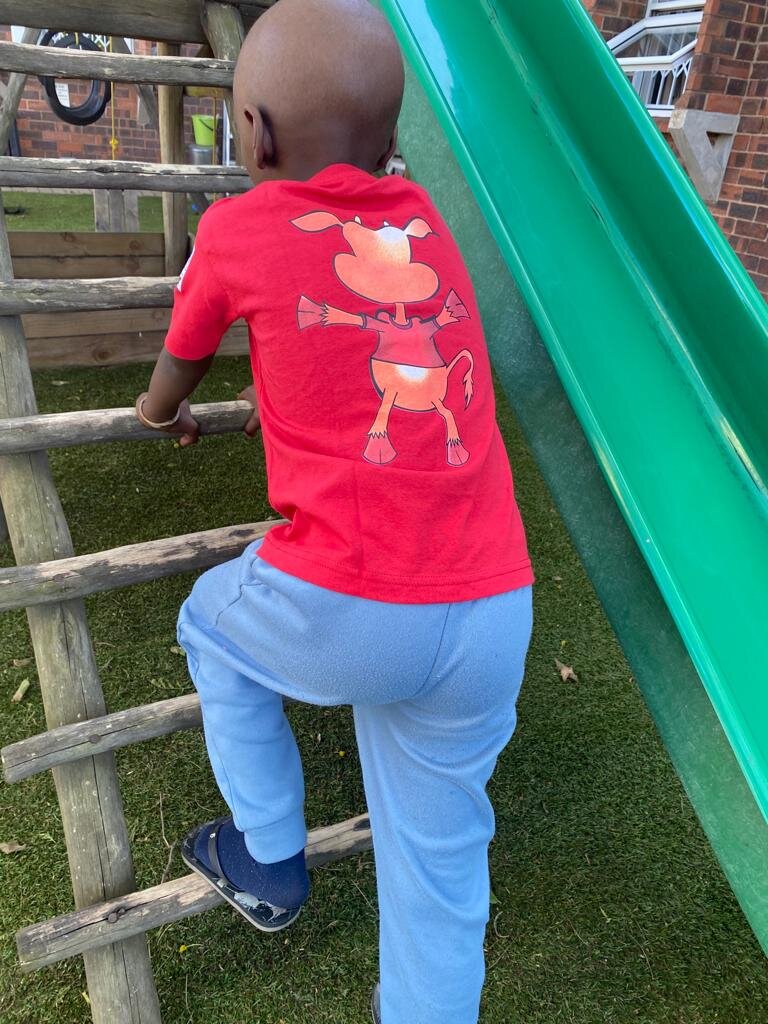
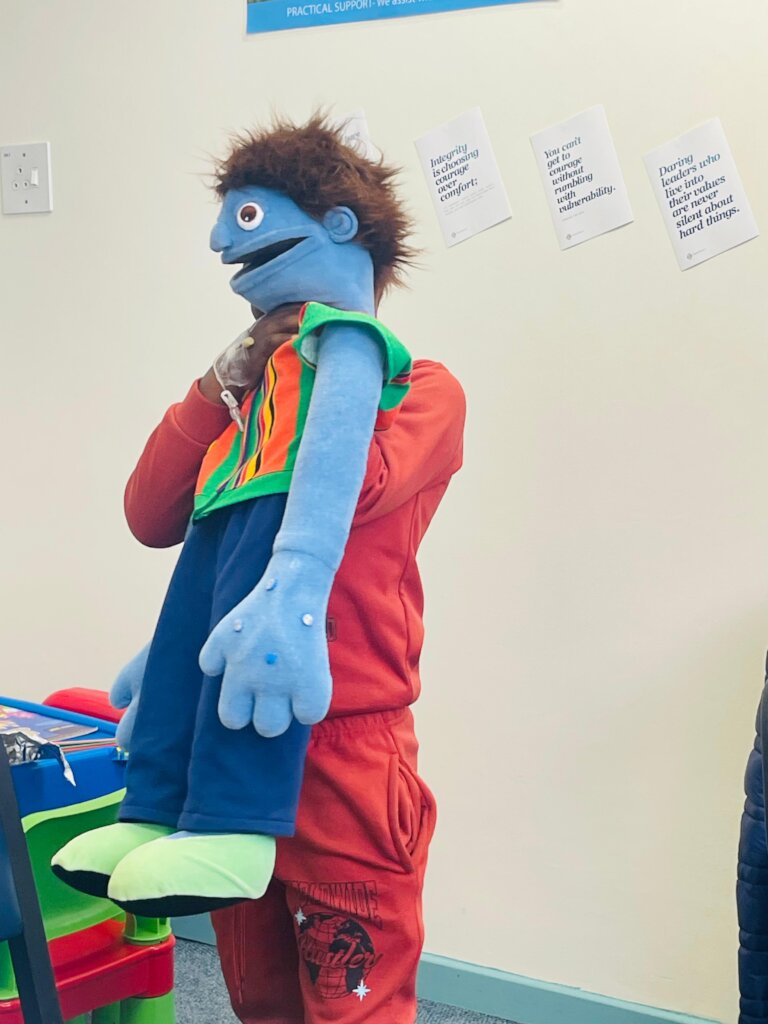
Therapeutic tools such as Shadow Buddies, Patient Puppets, Soft Toys, and the iSchool Africa iPad Education Programme continue to play an essential role in helping children communicate pain, understand medical procedures, and bridge educational gaps during treatment.
Cultural Beliefs and the Importance of Early Detection
The persistence of cultural beliefs linking cancer to witchcraft remains a significant factor in treatment abandonment. Some families initially withdraw from hospital care, only to return one to two months later often with poorer treatment outcomes. This highlights the critical need for education, awareness, and community empowerment.
CHOC’s Early Detection and Psychosocial Support Programmes have strengthened trust and understanding between medical professionals, communities, and traditional structures. Through collaborative engagement, CHOC has built strong relationships with Traditional Health Practitioners (THPs) and spiritual leaders, acknowledging their crucial role in rural family care. Training THPs on the Early Warning Signs of Childhood Cancer has improved referral pathways, demonstrating the immense value of trust-based collaboration between traditional and medical systems.
Educational and Nutritional Support
Educational disruption remains a major challenge for our beneficiaries and often contributes to bullying, isolation, and loneliness within their communities. CHOC’s early stimulation and iPad technology programmes provide opportunities for continued learning at each child’s own pace, supported by trained volunteers.
CHOC and partnering hospitals also work closely to ensure that meal plans align with children’s health and appetite. Many children who spend extended periods in hospital long for traditional home-cooked meals, and where possible, CHOC houses accommodate these requests with the necessary permissions.
The rising demand for food vouchers and parcels reflects the urgent need for nutritional support. This assistance allows families to purchase essential groceries while easing transportation challenges. Severe malnutrition among children on long-term chemotherapy underscores the critical need to expand CHOC’s food support initiatives.
Building Capacity and Strengthening Care
CHOC’s founders envisioned a place where children could feel safe, supported and happy, a vision that continues to guide our work. Today, we are proud to see children entering our houses with smiles and laughter, finding comfort in environments designed to reduce stigma, isolation and stress.
It is equally imperative that our house and hospital staff possess the necessary skills to provide compassionate and informed care. CHOC has continued to invest in staff development, including training in play therapy, palliative care, and sibling support. Structured supervision sessions are conducted regularly, focusing on administrative capacity, personal development and strategies to address challenges affecting service delivery.
Human Impact Stories
CHOC continues to walk alongside children and families as they face childhood cancer with courage and resilience. Each journey tells a story of hope, compassion, and perseverance.
Story 1: A Sixteen-Year-Old with Hodgkin’s Lymphoma
A 16-year-old girl from Limpopo relapsed after a previous remission. Having regularly attended check-ups, her relapse came as a shock to her and her family. CHOC’s Psychosocial Support Worker provided ongoing comfort and guidance as she restarted chemotherapy. During one session, the child’s mother met the Social Worker for the first time and expressed deep gratitude: “I knew someone would take care of my child when I couldn’t be there.”
Despite relapse and complications with her lungs, the girl remained positive. Although initially hesitant to celebrate her birthday, the Social Worker encouraged her to mark the day as a celebration of life. Later, her mother shared photos from the party , a symbol of hope and continuity.
The Social Worker reflected: “She was one of my first patients and I am honoured to walk this journey with her again.”
Story 2: A Mother’s Commitment Through Financial Strain
Another family faced significant financial and transport challenges during weekly chemotherapy sessions. The mother, earning a modest income from laundry work, initially hesitated to request help. After assessment, the Social Worker encouraged her to access CHOC’s transport fund, ensuring her son’s continued treatment.
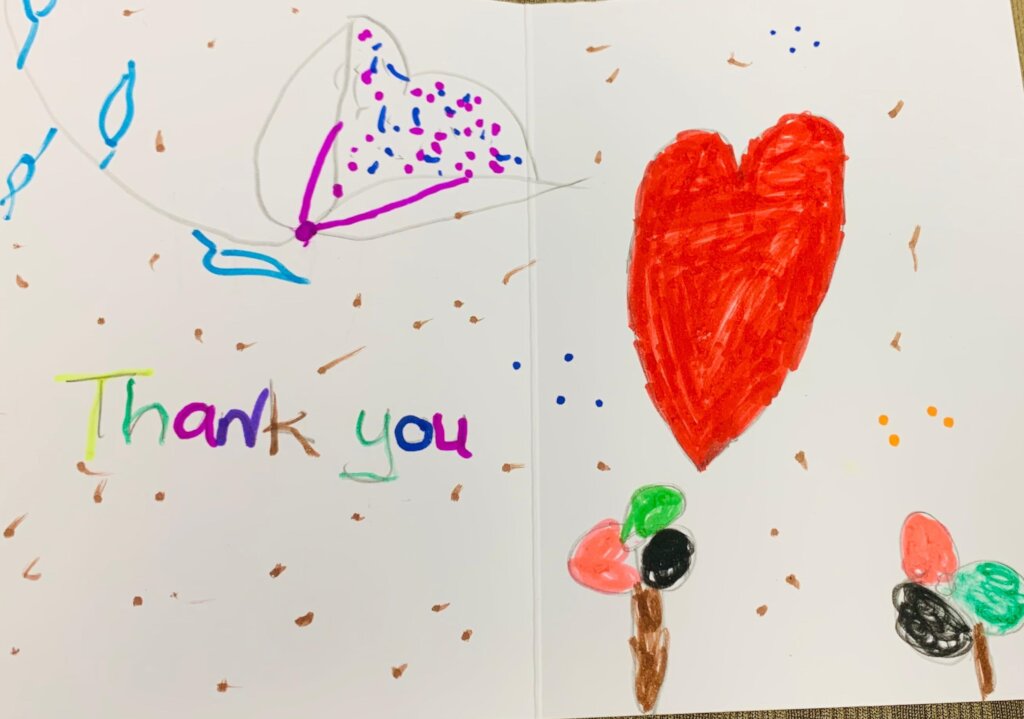
The mother expressed heartfelt gratitude, even bringing a small meal as a token of thanks. Later, she received a food voucher, which she used wisely and promptly submitted receipts demonstrating accountability and dedication. Her son, bravely fighting a brain tumour relapse, remains mobile and communicative while awaiting a CT scan to determine the next steps.
The Social Worker describes her as: “One of the parents you never have to call. She is always present, always committed.”
Conclusion
Through your continued generosity, CHOC is able to extend care beyond medical treatment, ensuring that children and families facing childhood cancer receive the emotional, practical, and nutritional support needed to survive and thrive.
Your support not only sustains our programmes but also brings about hope, resilience, and a future for every child in our care. Together, we continue to fight for brighter tomorrows — one child, one family, and one community at a time.
Project reports on GlobalGiving are posted directly to globalgiving.org by Project Leaders as they are completed, generally every 3-4 months. To protect the integrity of these documents, GlobalGiving does not alter them; therefore you may find some language or formatting issues.
If you donate to this project or have donated to this project, you can receive an email when this project posts a report. You can also subscribe for reports without donating.



Support this important cause by creating a personalized fundraising page.
Start a Fundraiser