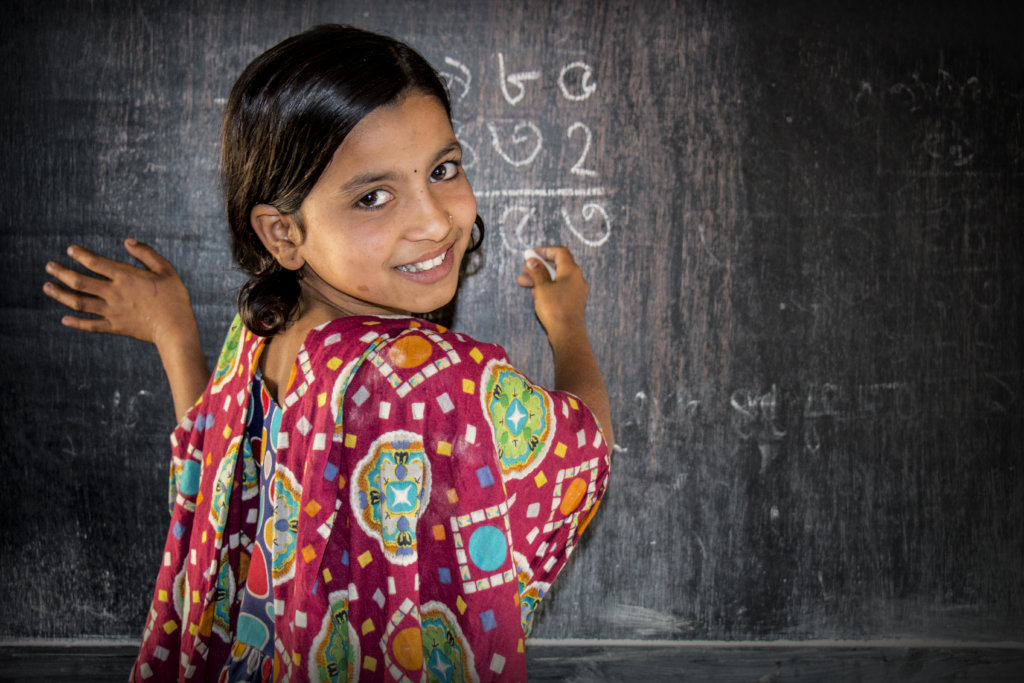
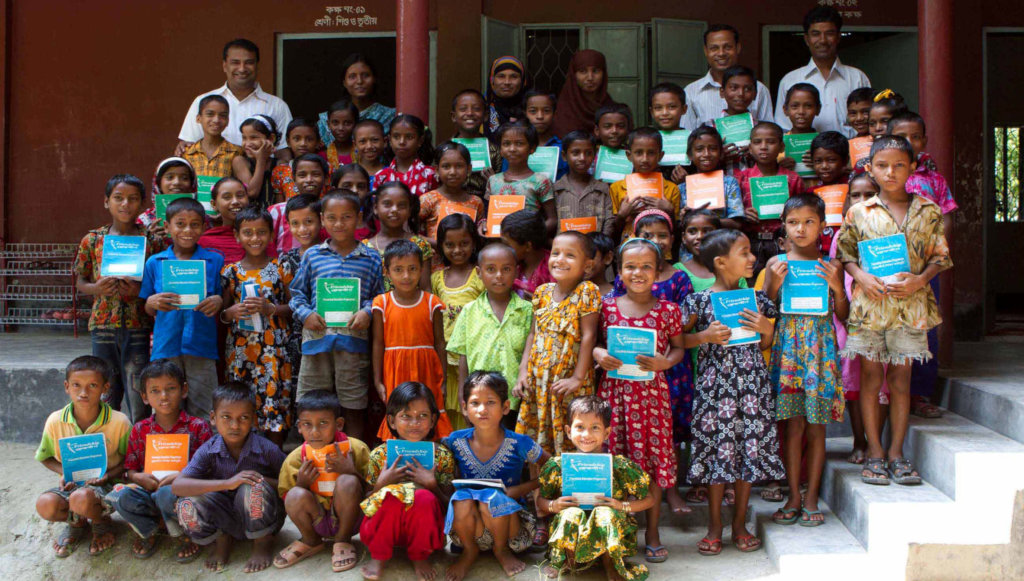
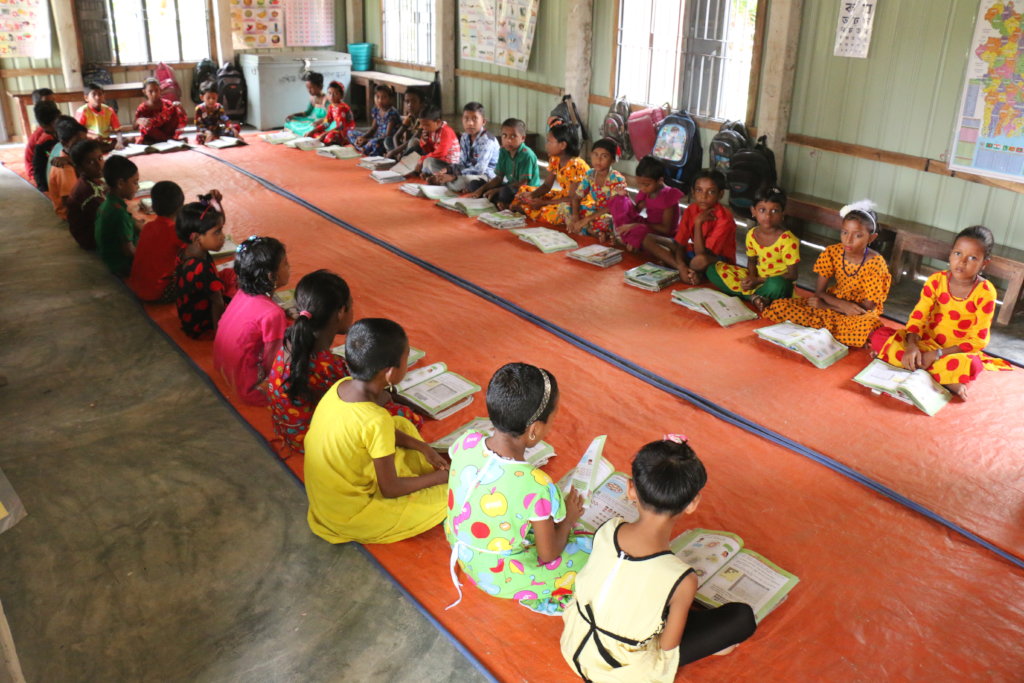
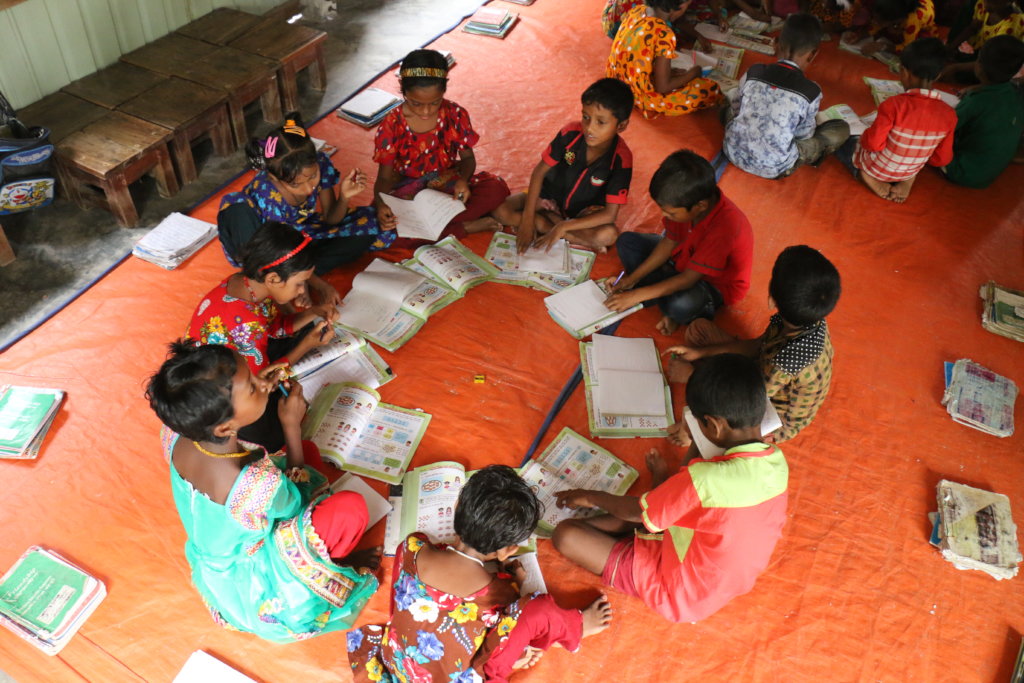
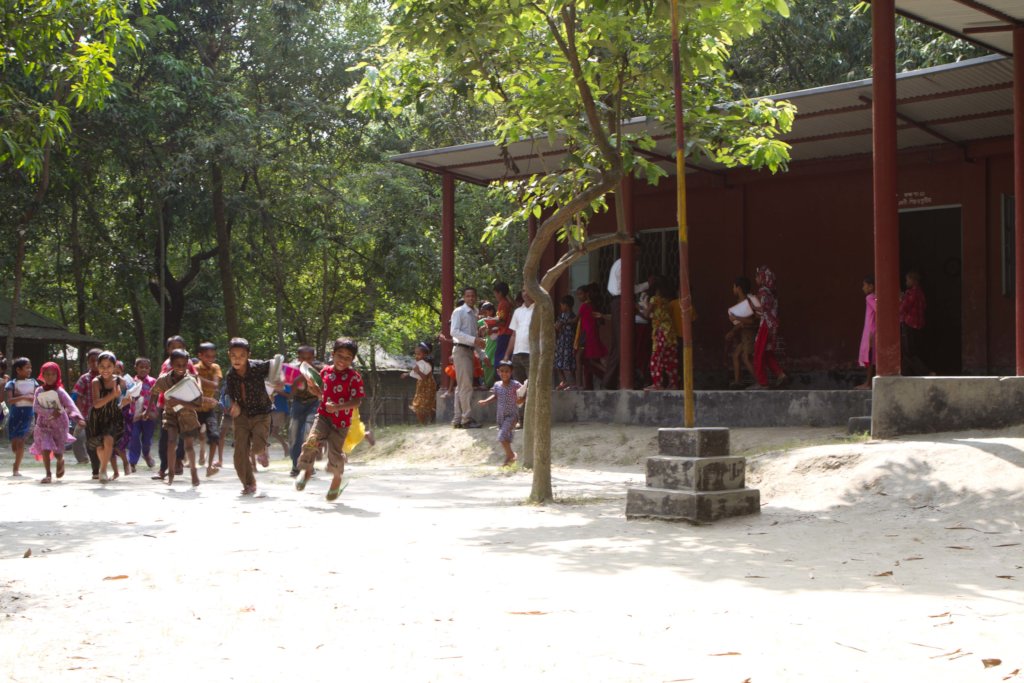
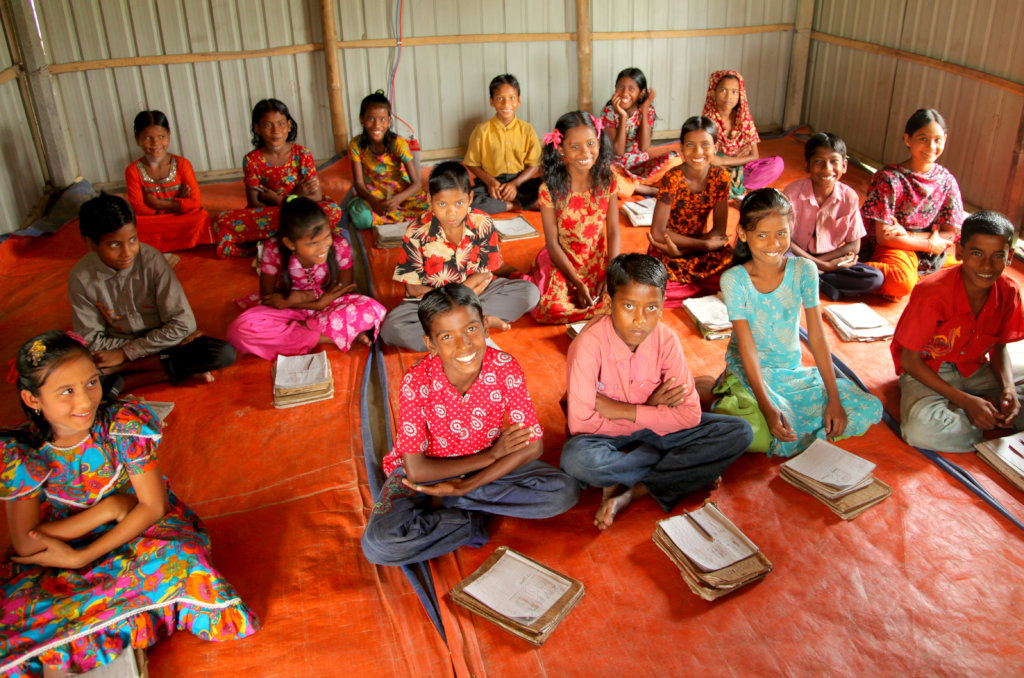
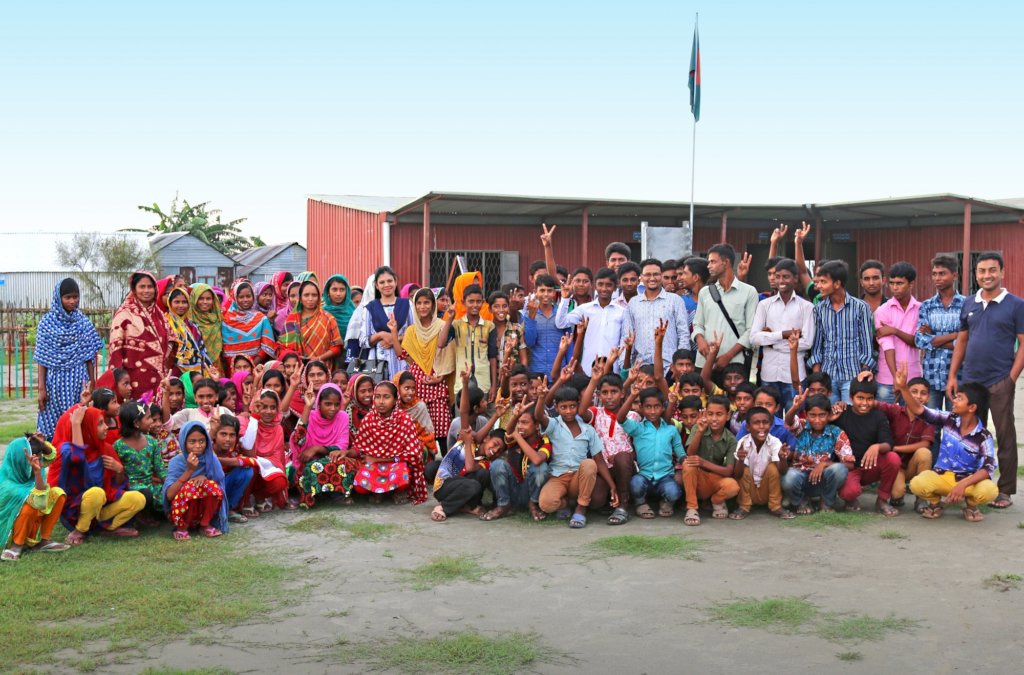
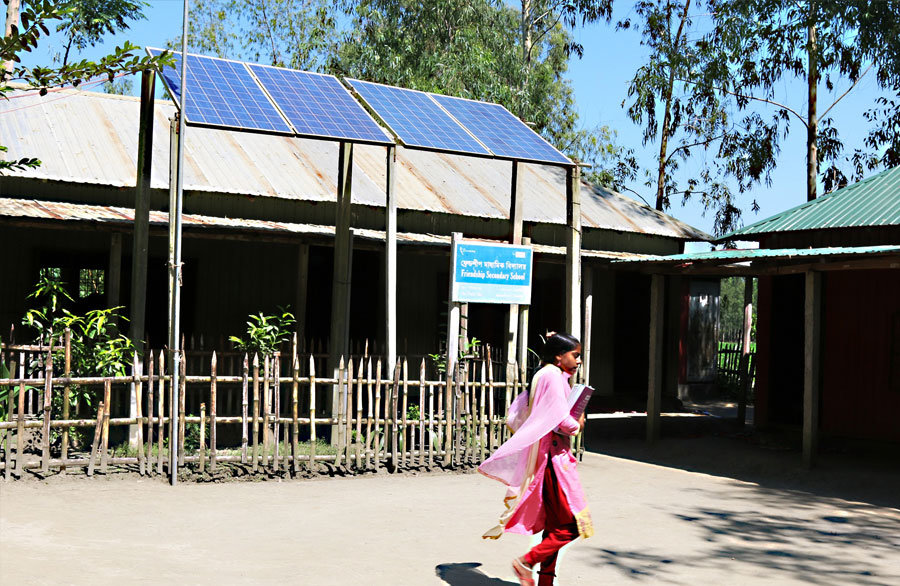
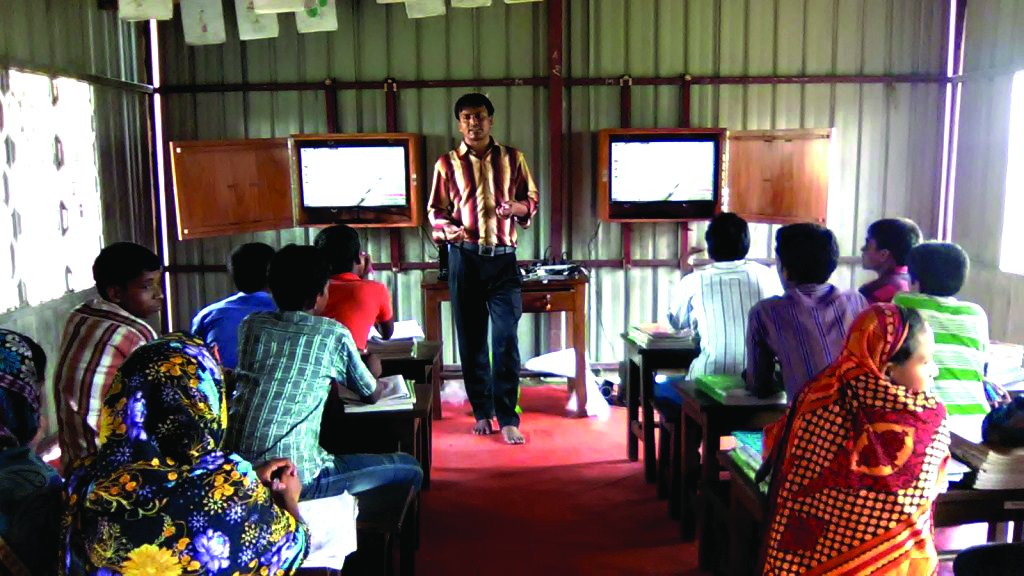
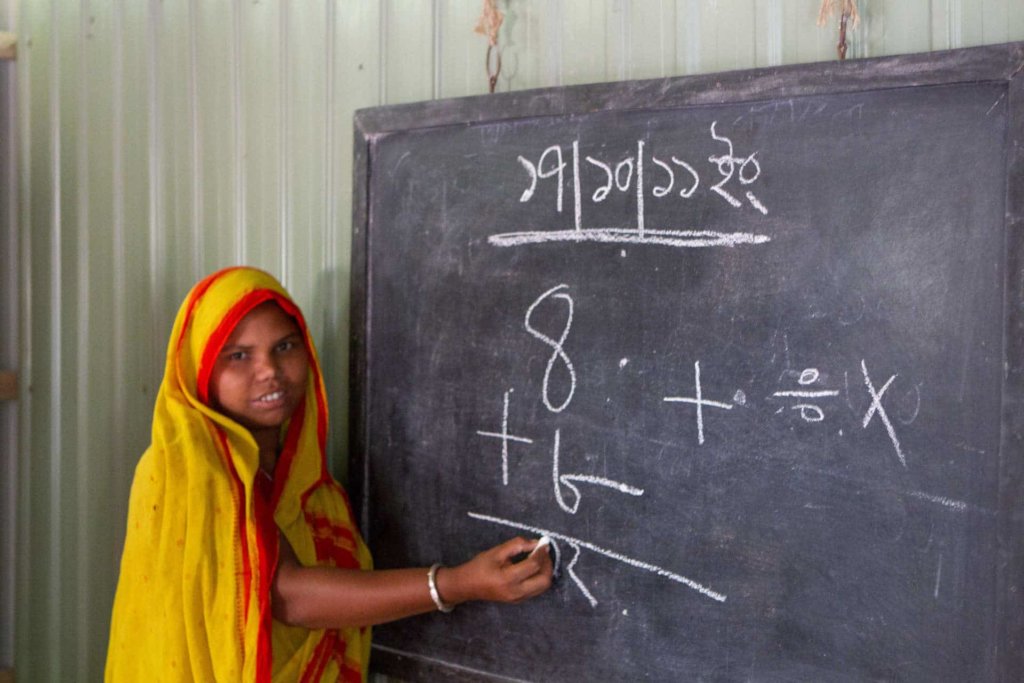
We've established 79 primary and 7 secondary schools in remotest areas of Bangladesh where previously there was no government school. Our students have continuously outperformed the national average. Key to our success is to hire and train teachers from the community. Using pre-fabricated structures, our schools are easily dismantled and relocated in the event of a natural disaster to quickly resume classes. To bypass the isolation, we use ICT-aided classrooms powered by solar panels.
The shifting, deltaic islands in northern Bangladesh disappear as randomly and suddenly as they appear, thus forcing people to continually move as well as discouraging permanent infrastructure. This unpredictability and instability, along with the isolation also creates a severe lack of qualified teachers in the vicinity, leading to a near complete absence of quality education in these areas. This gives rise to many negative socioeconomic ramifications as well; which education can address.
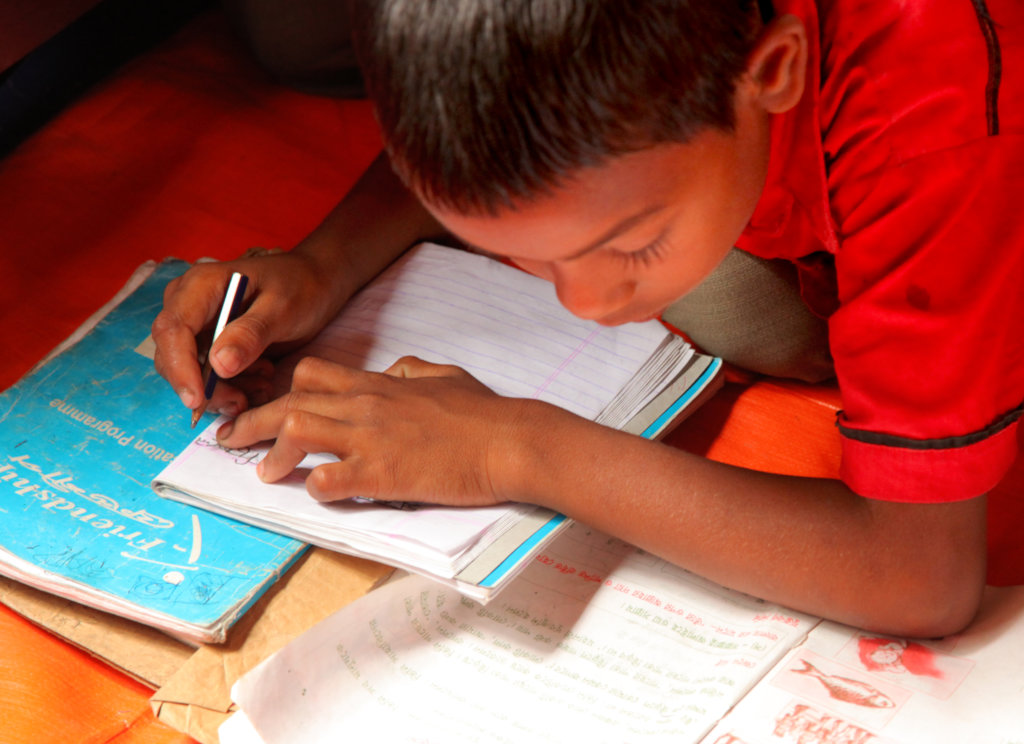
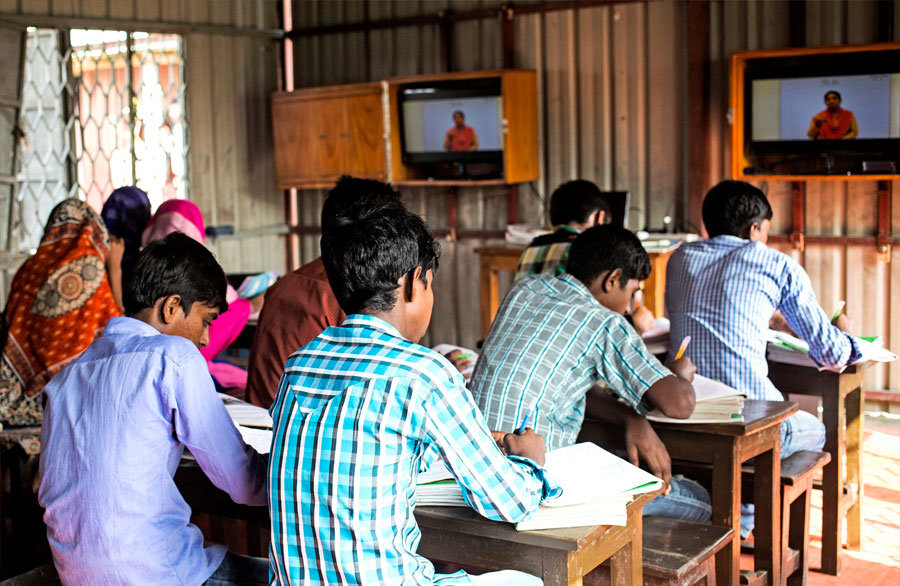
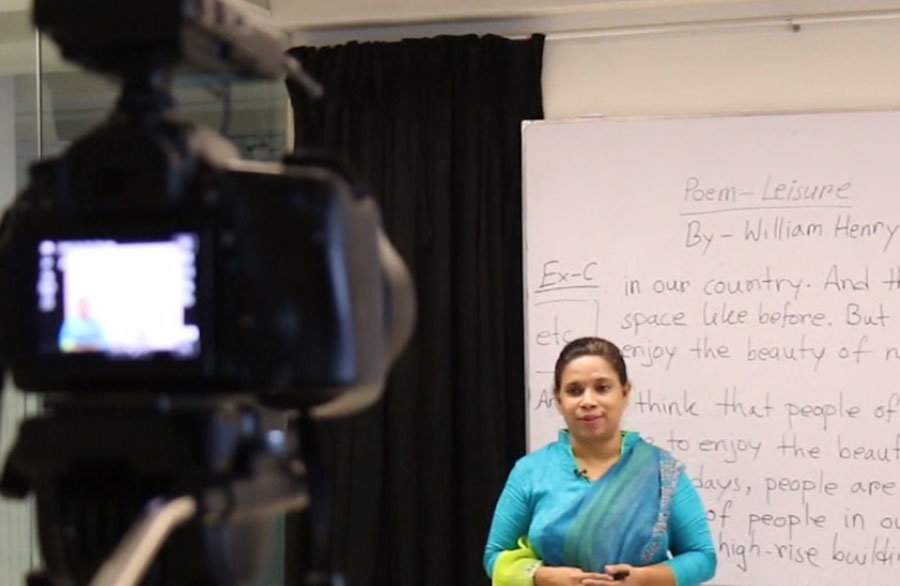
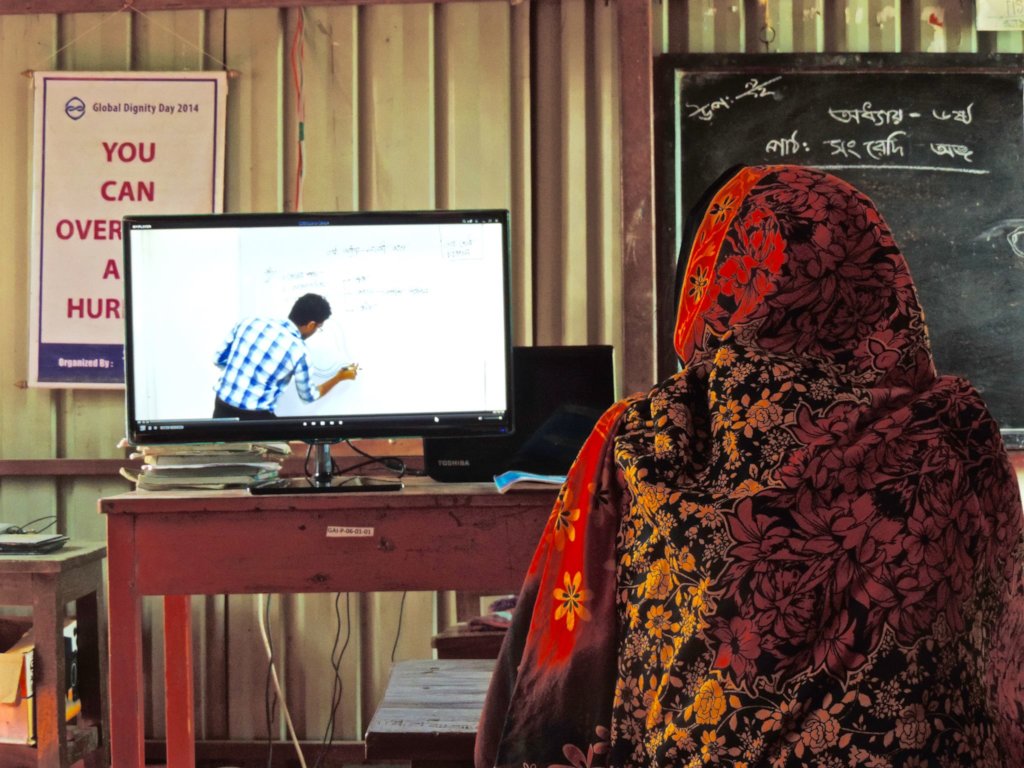
Teachers are chosen from the community where hardly anyone can read or write; based on their ethical standing and trained to be teachers, though they don't even hold a high school degree. Our innovative ICT-aided secondary schools enable isolated students to get quality education by teachers from renowned schools via pre-recorded lessons displayed on solar powered monitors. Strong emphasis is put on ethics, rights and environmental studies. A School Management Committee involves the community.
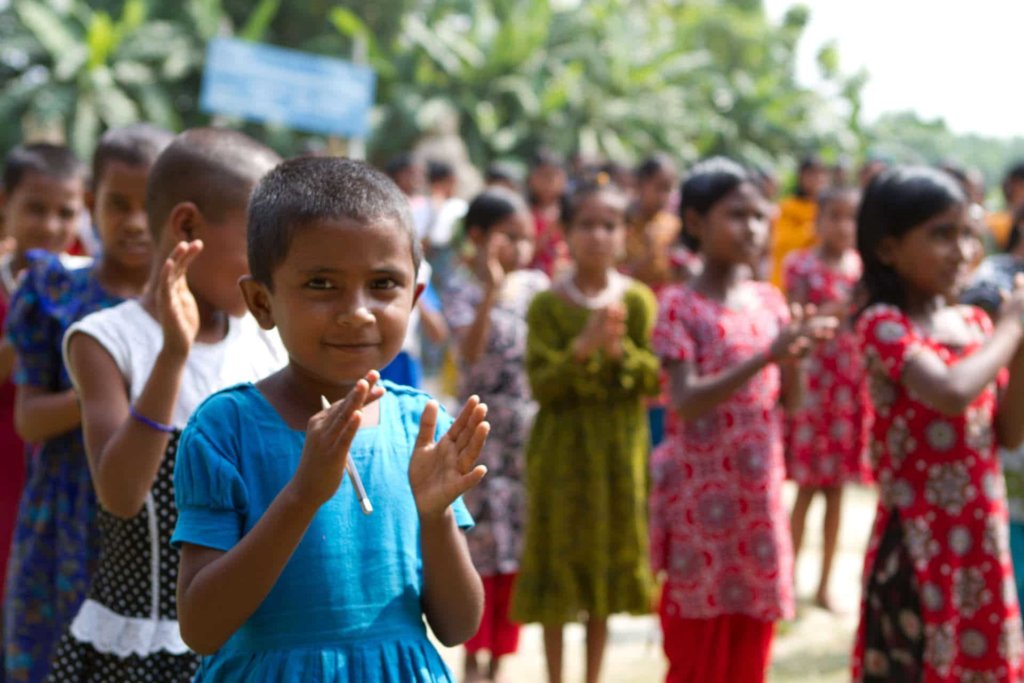
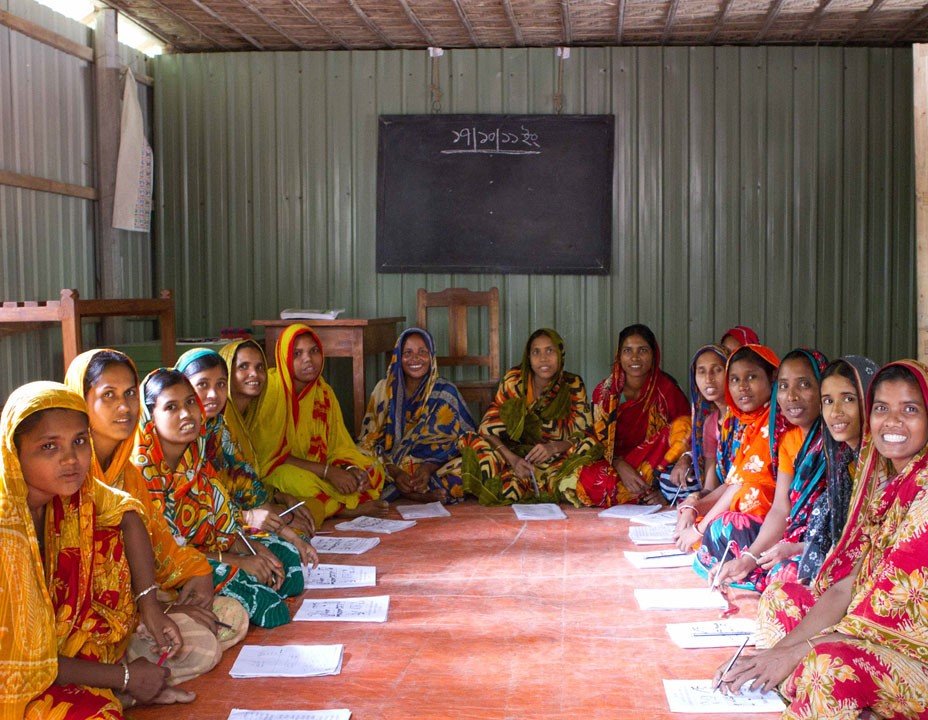
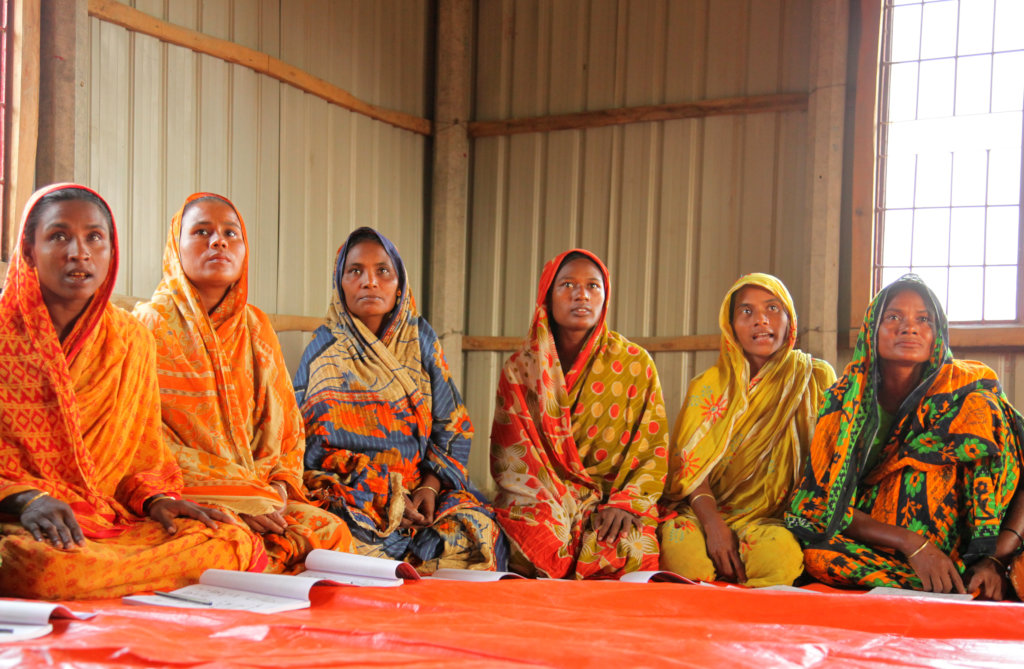
We are providing access to education to 4,500+ children, 1,480 adolescents and adults in 212 remote communities. They've performed far better than national averages in primary and secondary national exams. This schooling is significantly reducing child marriage and child labour; improving community hygiene, knowledge of human rights and better living conditions for the adults who were illiterate. Community teachers are provided with training and a livelihood. Make a donation, make a difference.