By Esli | Freedom for 1000
The commemoration of World Day Against Trafficking in Persons in July serves as a critical milestone for civil society organizations dedicated to the protection of human rights. For our organization, this period represents not only a framework for historical awareness but the operational core of our prevention strategies targeting children and adolescents. Through a pedagogical, playful, and community-based approach, the organization has deployed a series of tactical interventions in the municipalities of Tijuana and Tecate, Baja California. These actions are designed to mitigate the risk factors associated with sexual violence and exploitation. This essay outlines and analyzes the impact of these campaigns executed between July and September.
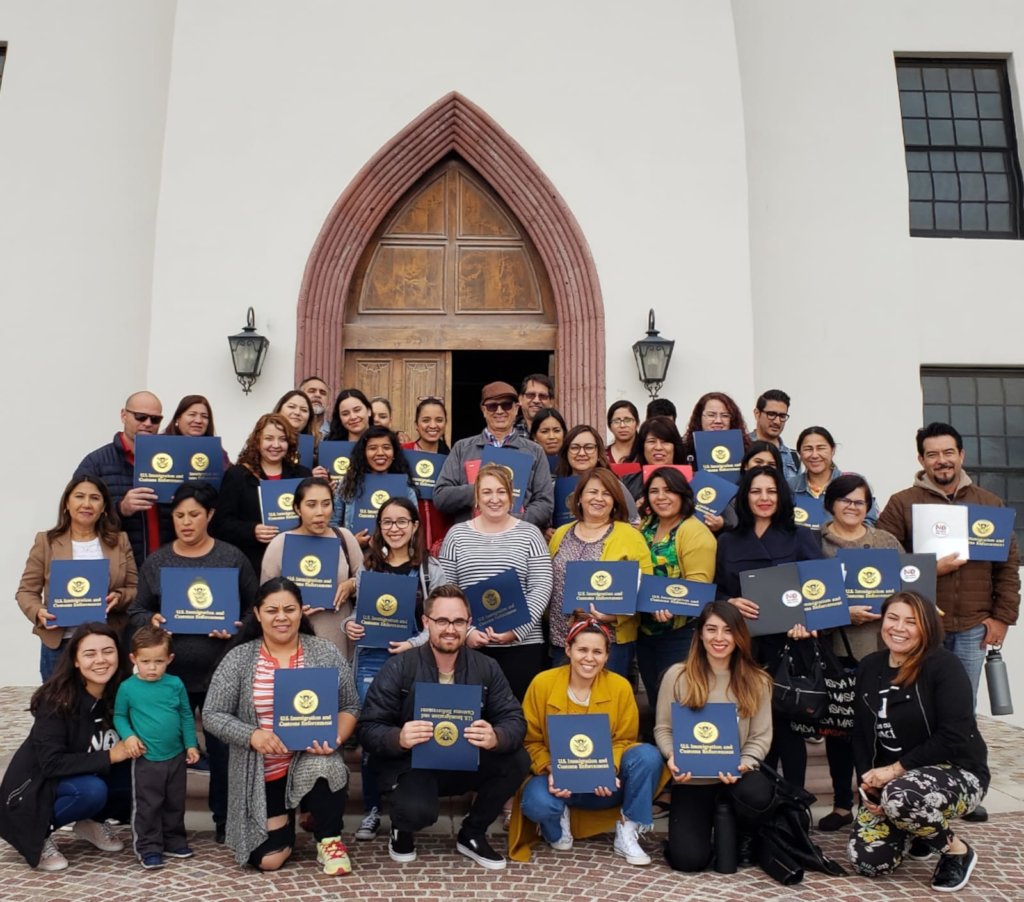
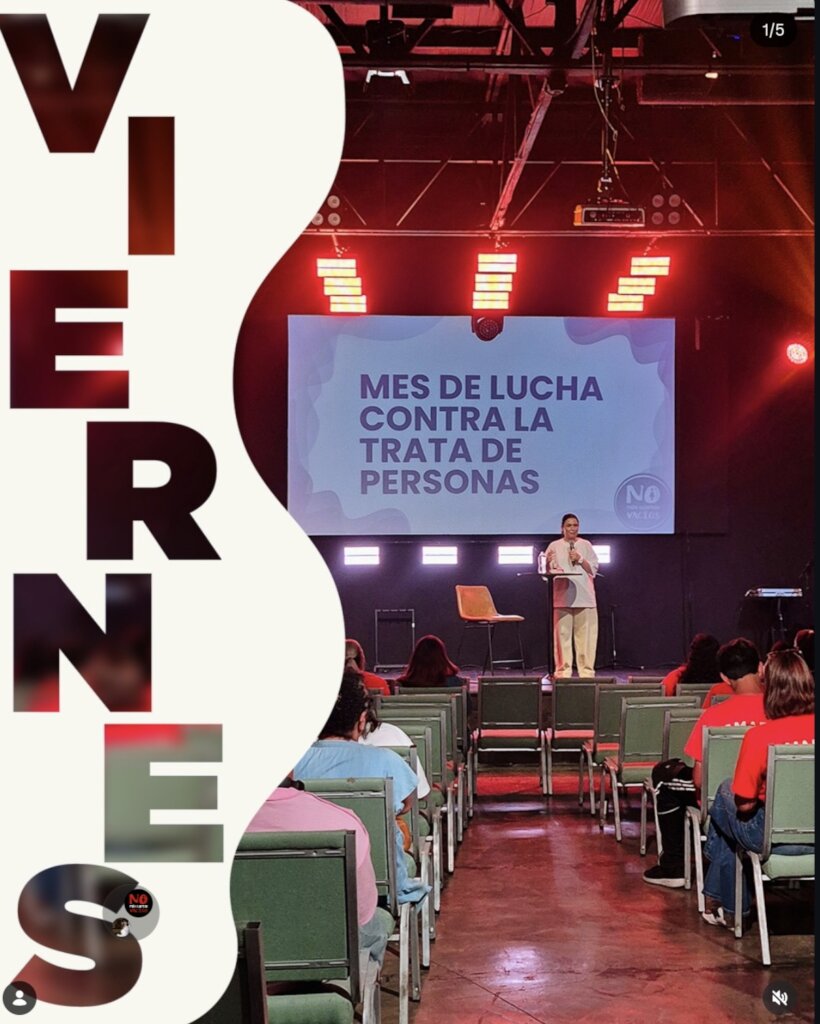
The strengthening of community capacities began in July through a strategic alliance with the "Ancla" Church in Tijuana. In this space, a specialized workshop on Preventing Child Sexual Abuse (CSA) was delivered to more than 70 attendees. The relevance of this intervention lay in its capacity for replication: participants not only acquired theoretical tools but also actively mobilized in public spaces to raise citizen awareness, transforming themselves into agents of change.
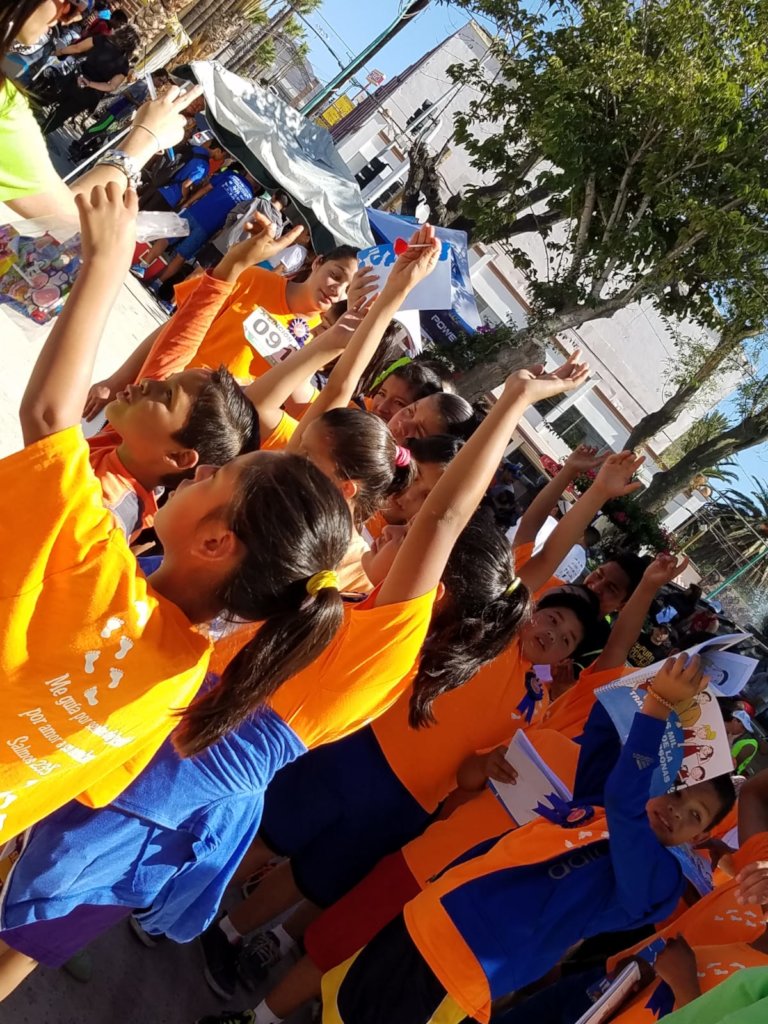
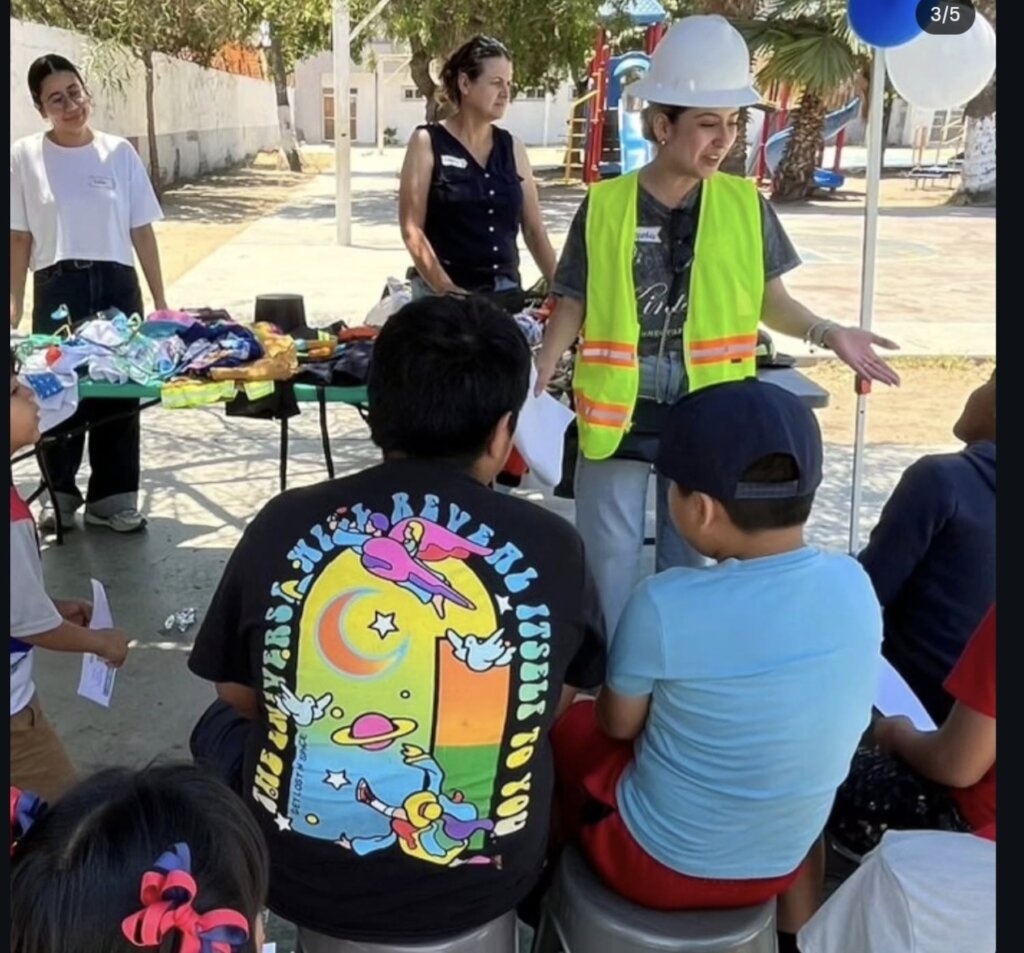
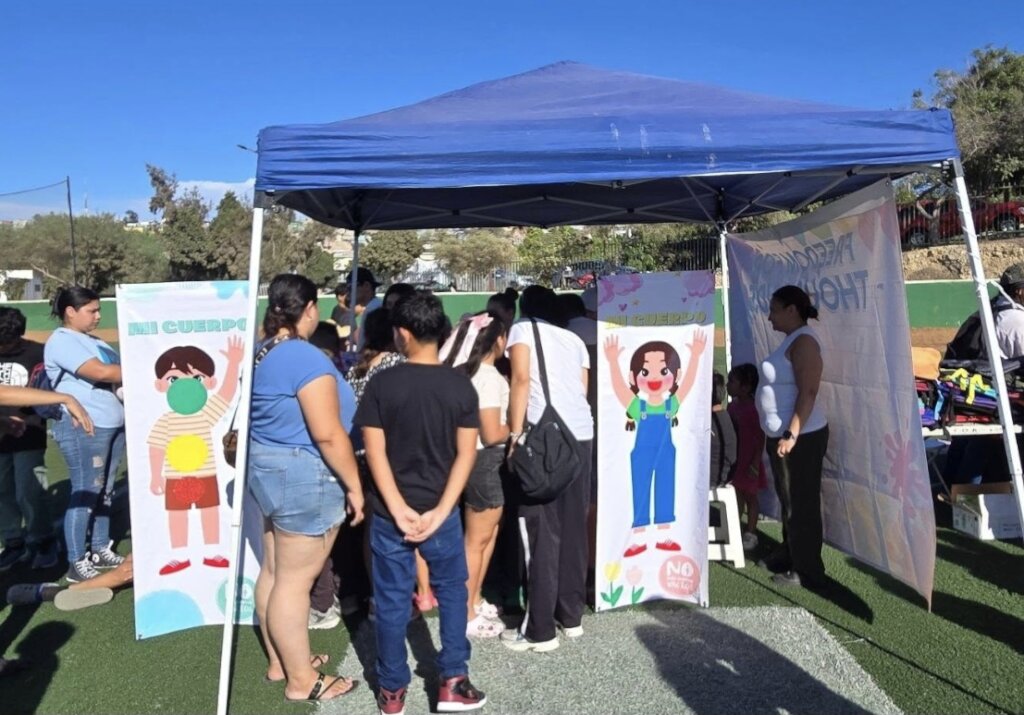
Subsequently, based on the premise that formal education must adapt to stages of child cognitive development, the team implemented the "Freedom for Thousands" campaign in a public park in Tijuana. Through tailored dynamics, more than 60 children internalized the categorization of physical contact (safe, unsafe, and prohibited touches). This playful methodology demonstrated that play is an effective channel for transferring self-care knowledge, allowing children and adolescents to identify warning signs and develop a sense of co-responsibility to protect their peers.
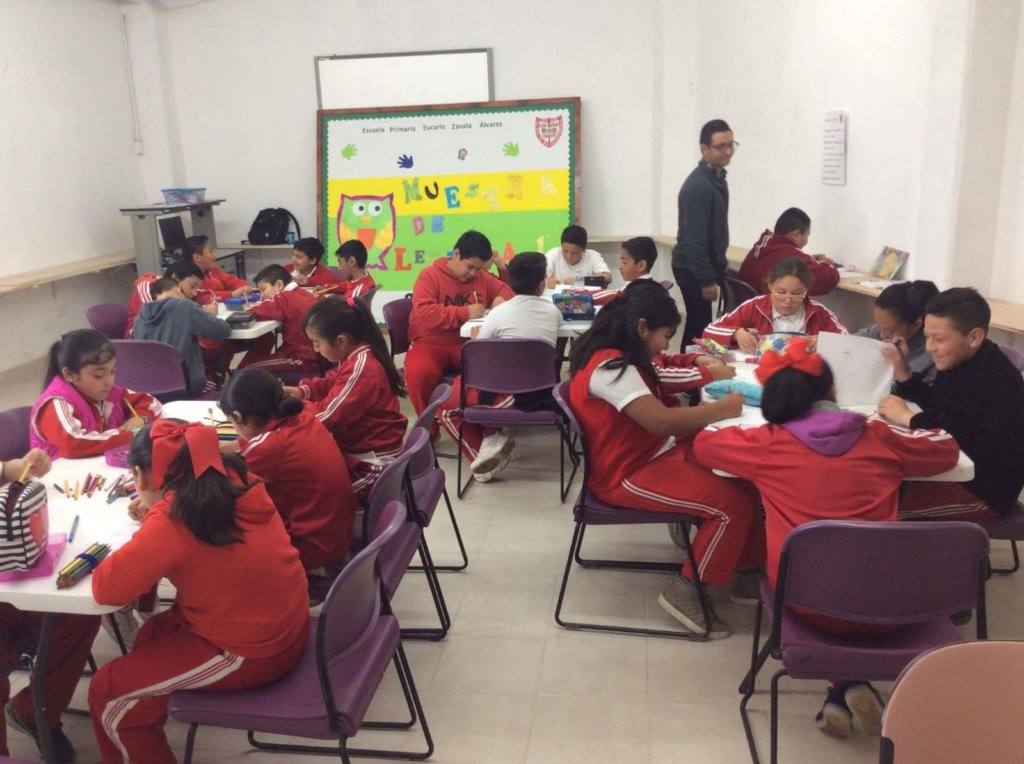
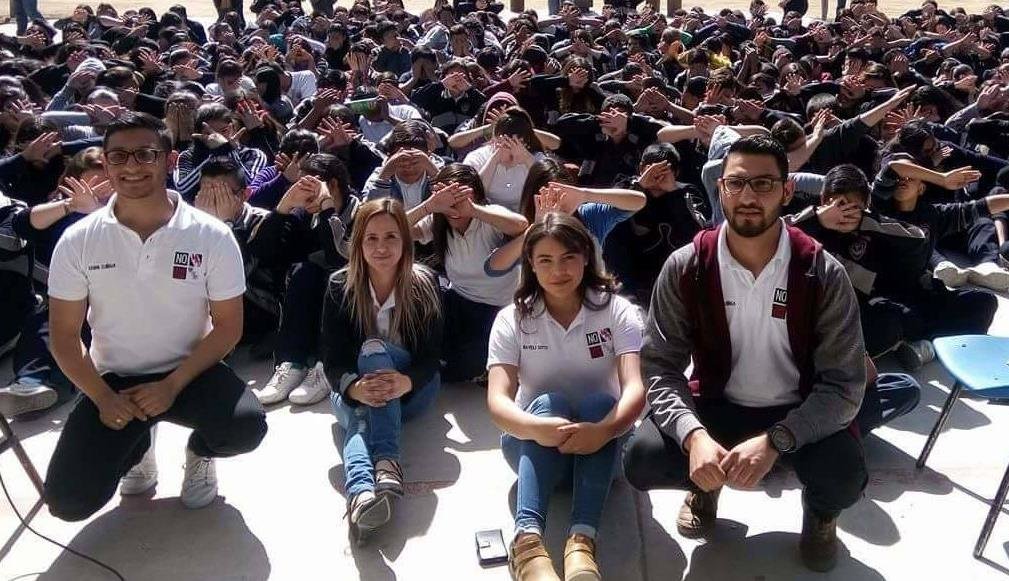
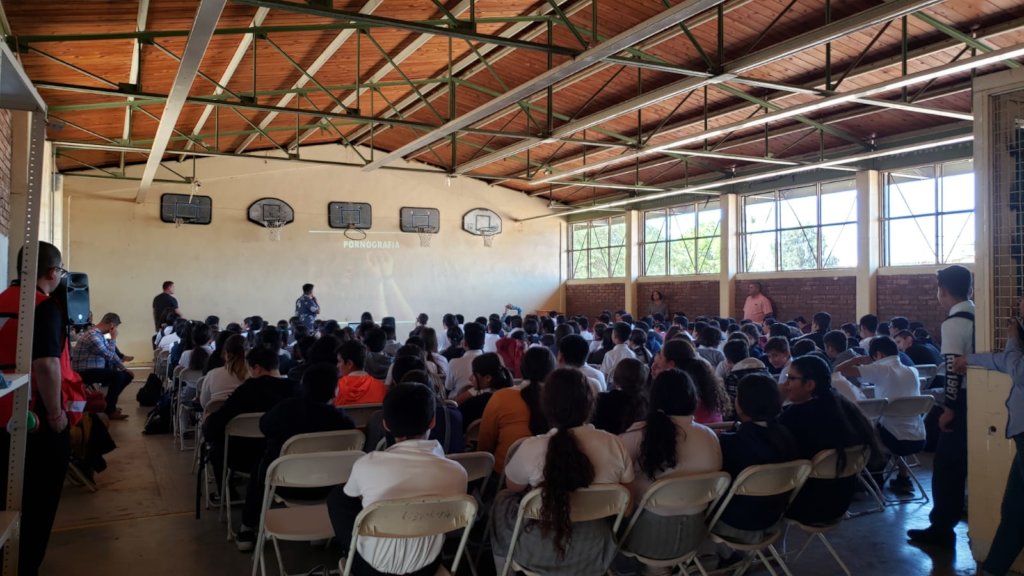
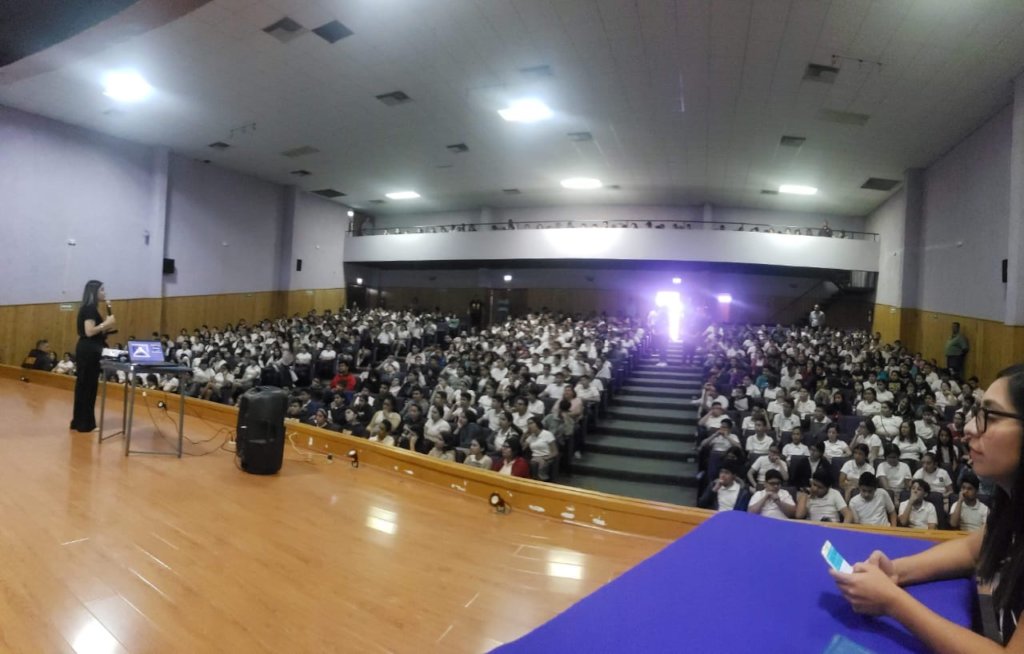
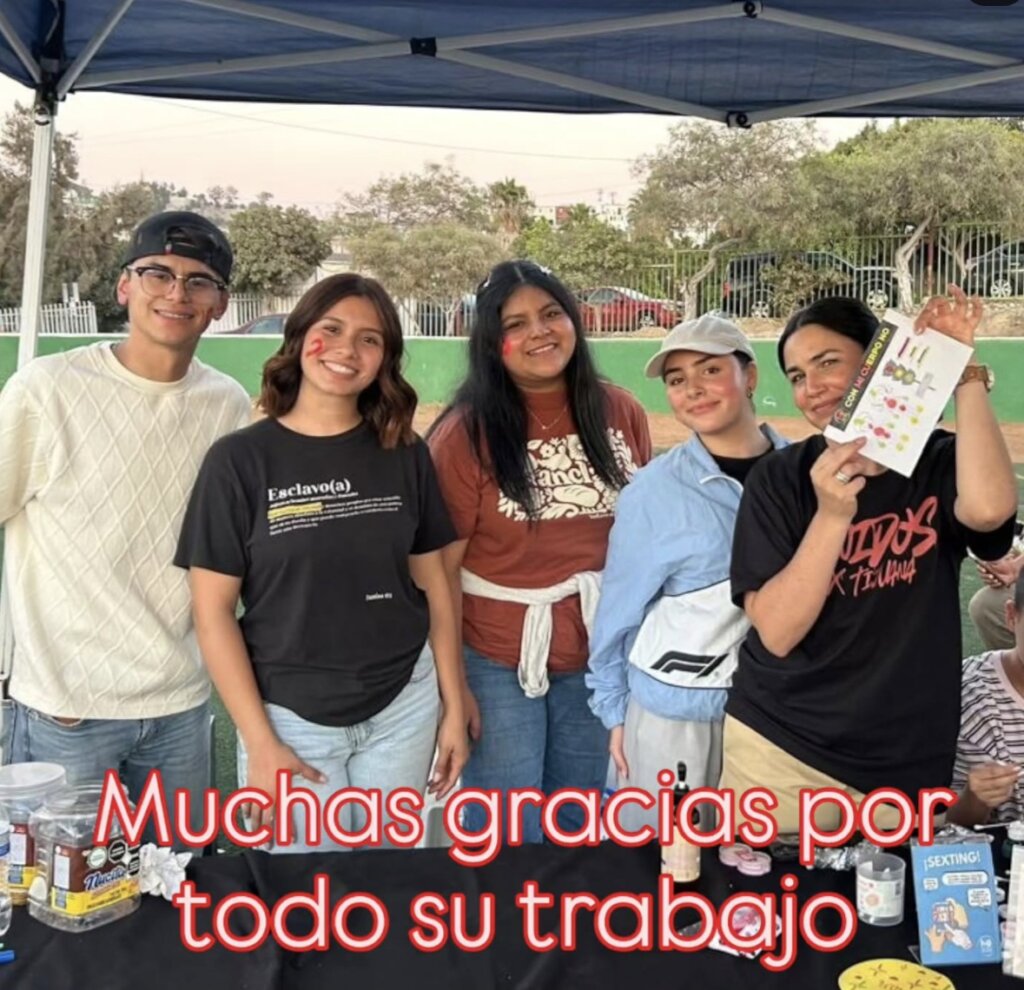
The continuity of these actions during August materialized in the "Unidos por Tijuana" (United for Tijuana) forum. In this large-scale event, the prevention model based on educational entertainment was further consolidated. The observable outcome of these sessions went beyond mere data transmission; it achieved a behavioral shift in the minors, who developed self-protection skills and solidarity-based vigilance within their immediate environments.
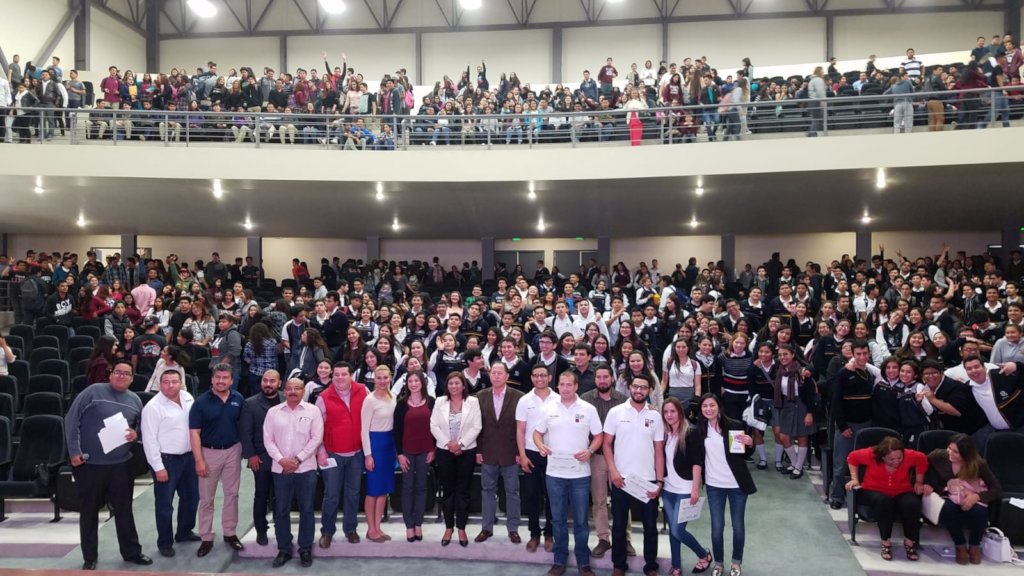
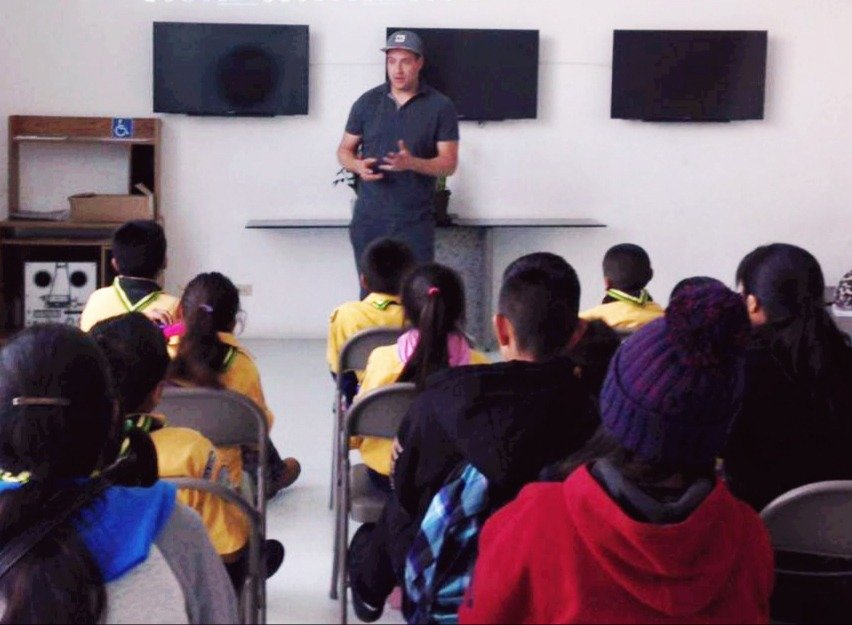
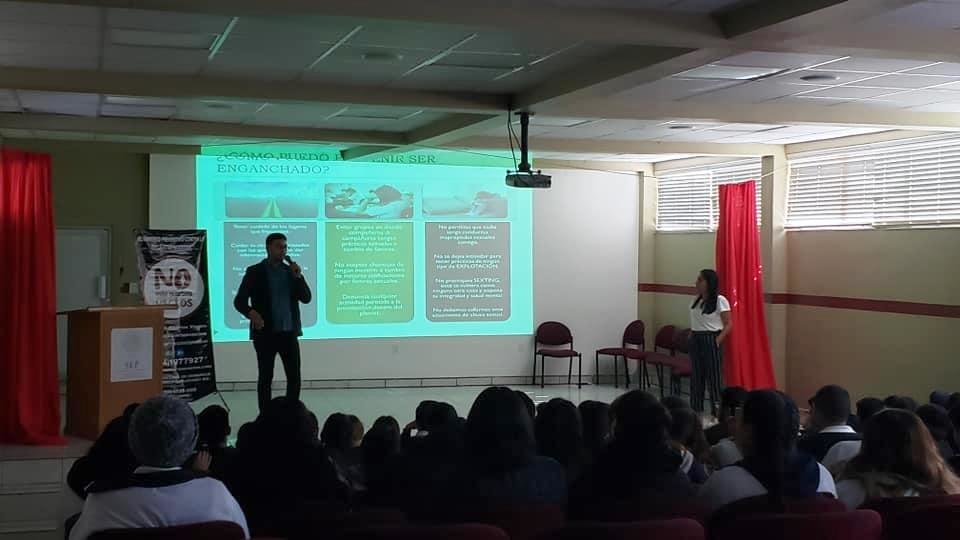
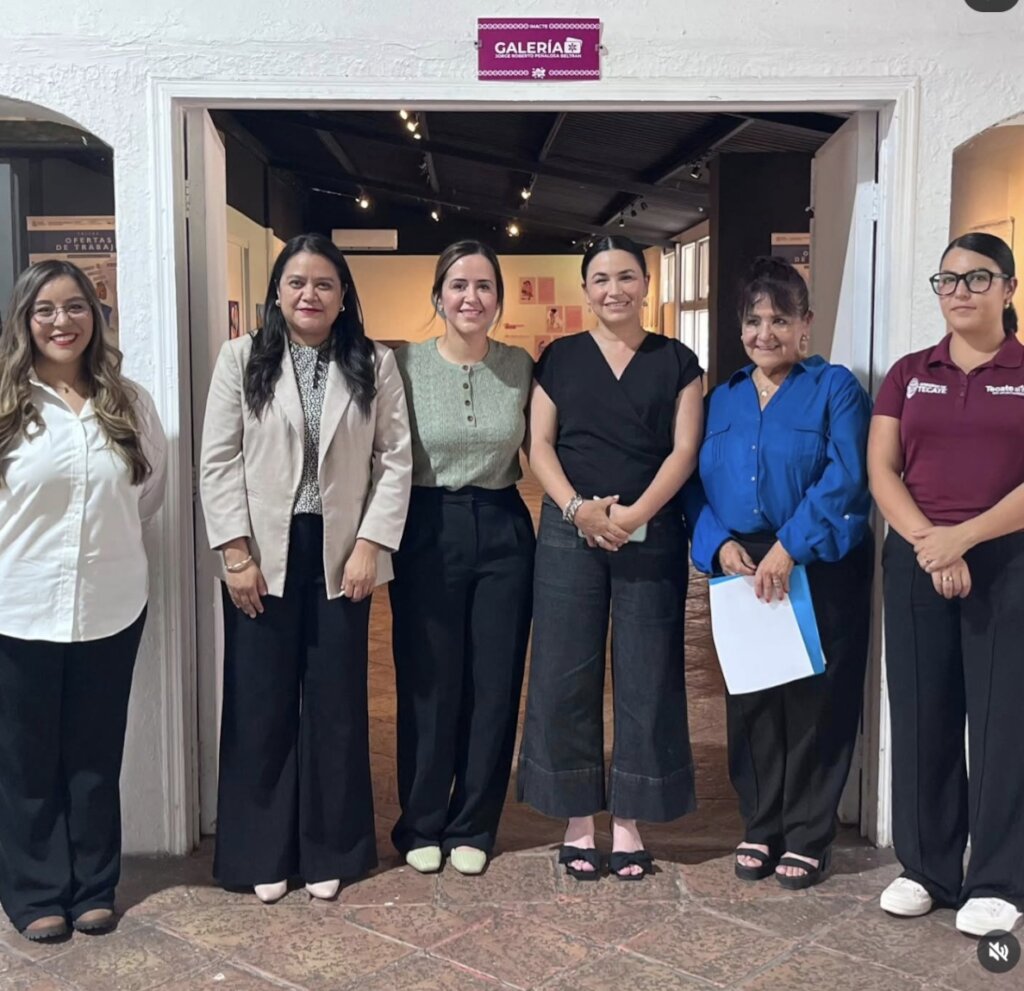
Finally, in September, the organization diversified its geographical reach by participating in an inter-institutional exhibition in the municipality of Tecate, Baja California. This technical and informative forum allowed the organization to raise awareness about the gravity of human trafficking and child abuse before broader audiences and decision-makers. The participation in Tecate reaffirmed the necessity of maintaining a unified, regional front against these structural issues.
The interventions carried out between July and September demonstrate that primary prevention is the most sophisticated and sustainable tool to eradicate human trafficking and child abuse. The transition from theory to community action—visible in the street activism of adults and the empowerment of children in Tijuana and Tecate—proves that the social fabric can be rebuilt through education. Our organization reaffirms its institutional commitment to continue coordinating efforts, mobilizing resources, and fighting permanently to guarantee safe environments free of violence for children and adolescents.
Project reports on GlobalGiving are posted directly to globalgiving.org by Project Leaders as they are completed, generally every 3-4 months. To protect the integrity of these documents, GlobalGiving does not alter them; therefore you may find some language or formatting issues.
If you donate to this project or have donated to this project, you can receive an email when this project posts a report. You can also subscribe for reports without donating.



Support this important cause by creating a personalized fundraising page.
Start a Fundraiser