By Gustavo Rosatto | General Coordinator
The Educational Impact of School Gardens
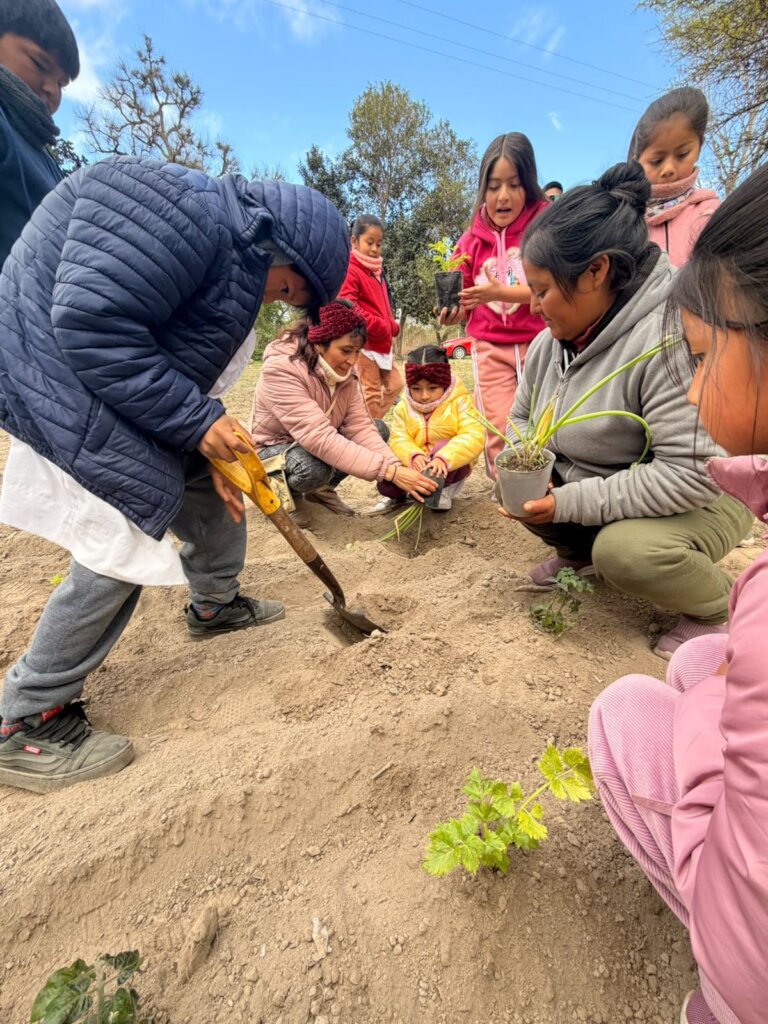
Throughout this year, Fundación Huerta Niño has been working alongside 20 schools in vulnerable communities across the country to develop and strengthen their school gardens as spaces for learning, food production, and community engagement.
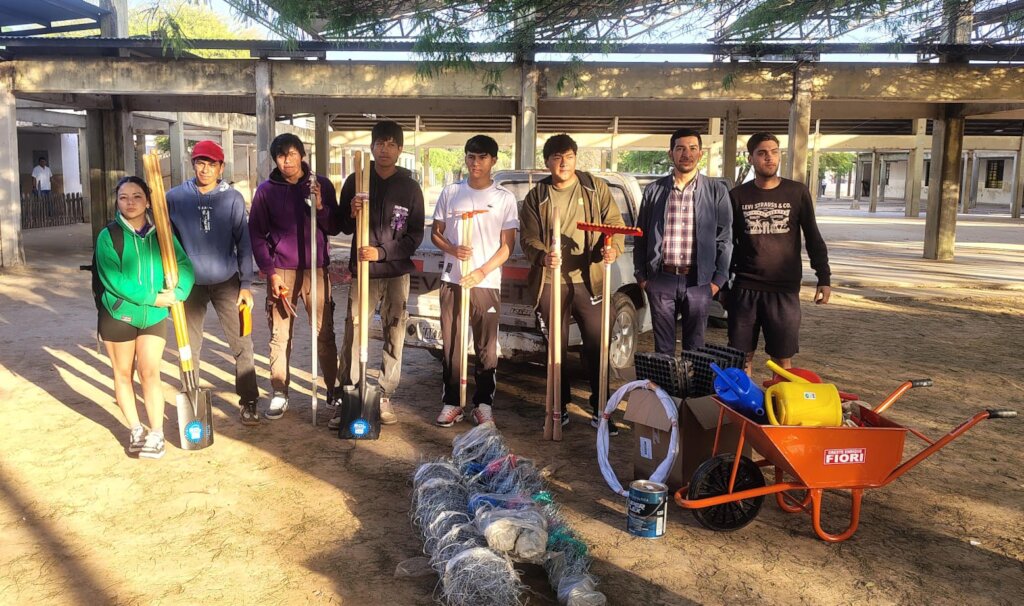
Our support includes the development of essential garden infrastructure, such as perimeter fencing, compost bins, and raised beds; the provision of seeds, seedlings of vegetables and aromatic herbs, fruit trees, and gardening tools; and educational workshops for students, teachers, and families focused on gardening, healthy eating, and environmental stewardship.
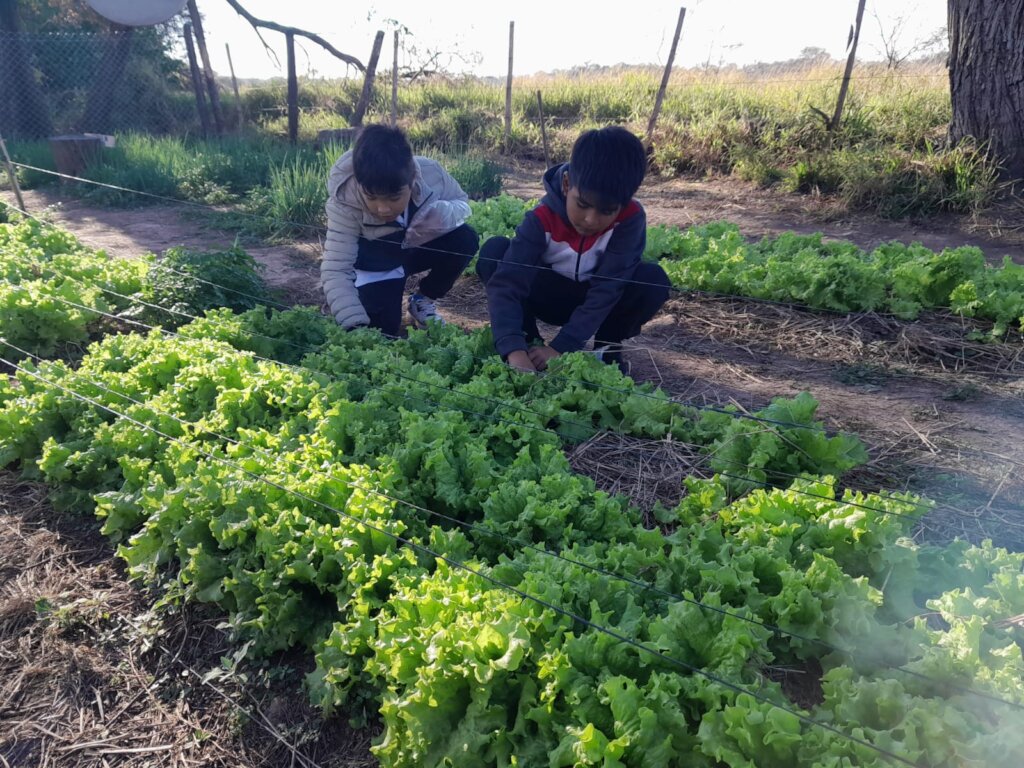
Our work follows the rhythm of the school year, allowing students to take part in every stage of the process, from preparing the soil and planting seeds to caring for the crops and harvesting the produce. At this point in the year, many of the schools are beginning to enjoy the results of their efforts, putting into practice the knowledge and skills they have developed along the way.
1. Learning Through Growing: From Seed to Harvest
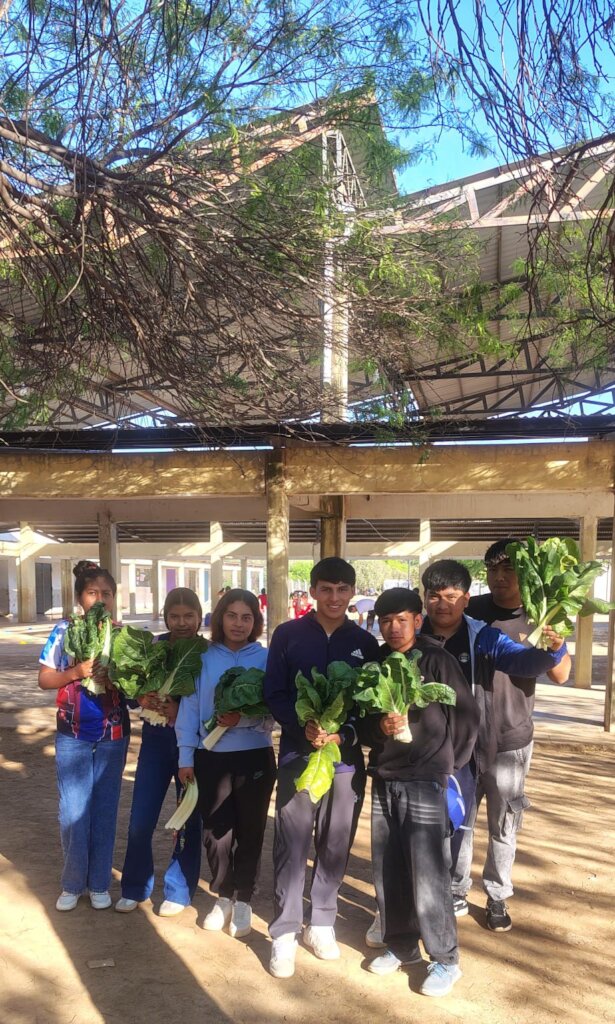
Harvesting is a meaningful milestone in the school garden journey. After months of planting, watering, and tending to their crops, students can finally gather the vegetables and other foods they have helped grow. This experience allows them to see the tangible results of their work and understand the time, care, and collective effort involved in producing food.
Throughout the process, children gain practical knowledge about plant development, seasonal cycles, and the natural resources required to grow healthy crops. They learn why protecting soil, conserving water, and respecting biodiversity are essential to sustainable food production. At the same time, they develop responsibility, observation skills, and the ability to work collaboratively toward a shared goal.
The garden becomes a living classroom where learning takes place through direct experience. By participating in food production, students gain a better understanding of where their food comes from and recognize that growing fresh produce can be a valuable resource for their schools and communities.
2. Bringing the Harvest to the Table: Food, Nutrition, and Healthy Habits
The educational experience continues beyond the garden beds, as students use their harvest to prepare meals and explore new recipes. Connecting gardening with cooking helps children understand the journey food takes from the soil to the table and encourages them to become more involved in their own eating habits.
Growing vegetables and herbs through agroecological practices also introduces students to more environmentally responsible ways of producing food. These practices prioritize soil health, water conservation, and biodiversity while avoiding reliance on synthetic herbicides and pesticides. By cultivating and preparing their own produce, children can develop greater curiosity about fresh ingredients, discover new flavors, and become more willing to incorporate vegetables into their daily meals.
Cooking activities provide an opportunity to explore the nutritional value of different foods and discuss the importance of a varied, balanced diet. Students learn that healthy eating is closely connected to the quality and diversity of the food they consume, as well as to the way it is produced.
In this way, the school garden becomes a practical tool for nutrition education. It helps transform abstract concepts into everyday experiences, empowering children to make more informed food choices while developing an appreciation for fresh, locally grown produce and environmentally responsible food systems.
3. Extending the Impact: Children as Agents of Change in Their Families
The benefits of a school garden reach far beyond the classroom. As children acquire new knowledge and practical skills, they have the opportunity to share what they learn with their families, extending the program’s impact into their homes and communities.
A conversation about planting seeds, caring for vegetables, or preparing a meal with freshly harvested ingredients can inspire families to reconsider their eating habits, incorporate more fresh produce into their diets, reduce food waste, and explore the possibility of growing food at home.
Children play an important role in this process. By sharing their experiences and discoveries, they become agents of change who help bring new knowledge about nutrition, food production, and environmental care into their everyday family lives. These exchanges can also strengthen connections between schools and families, creating opportunities for learning and collaboration beyond the school setting.
The school garden thus becomes much more than a place to grow food. It serves as a bridge between education and community life, where practical knowledge can be shared, healthy habits can take root, and environmental awareness can grow across generations.
At Fundación Huerta Niño, we believe that every school garden holds the potential to generate lasting change. The vegetables harvested today are only one part of the outcome: the knowledge, habits, and values that children carry with them can continue to grow long after the harvest, contributing to healthier families, more environmentally conscious communities, and greater opportunities to produce their own food.
Links:
By Gustavo Rosatto | Coordinador general
By Gustavo Rosatto | General Coordinator
Project reports on GlobalGiving are posted directly to globalgiving.org by Project Leaders as they are completed, generally every 3-4 months. To protect the integrity of these documents, GlobalGiving does not alter them; therefore you may find some language or formatting issues.
If you donate to this project or have donated to this project, you can receive an email when this project posts a report. You can also subscribe for reports without donating.


Support this important cause by creating a personalized fundraising page.
Start a Fundraiser