By Lydia Amanzi | Communications Officer
As the sun rises over the rolling landscapes of Zambia, communities in rural districts are waking up to a new reality—one where indigenous foods are taking center stage in household nutrition. This transformation has been made possible thanks to the generous support of GlobalGiving donors, whose contributions have helped rural families rediscover and embrace traditional foods for better health and resilience. The Piloting Incentive-Based Agricultural Portfolios for Nutrition and Resilience in Zambia, also referred to as the Nutrition Portfolios project, implemented by CIFOR-ICRAF, has empowered families to harness the power of local biodiversity to improve their diets and adapt to climate change. Though the project has recently come to a close, its impact continues to ripple through the lives of many.
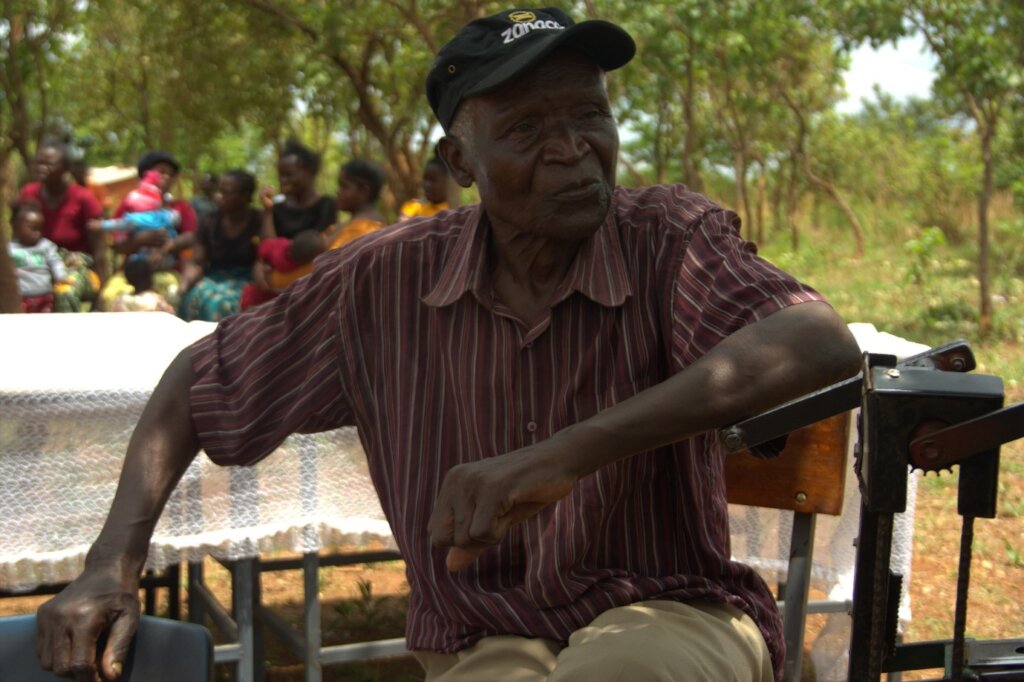
To gain deeper insight into the project’s impact, I sat down with Dr. Rhett Harrison, Senior Landscape Ecologist and Co-Principal Investigator, who played a crucial role in implementing the initiative.
A Legacy of Nutrition and Sustainability
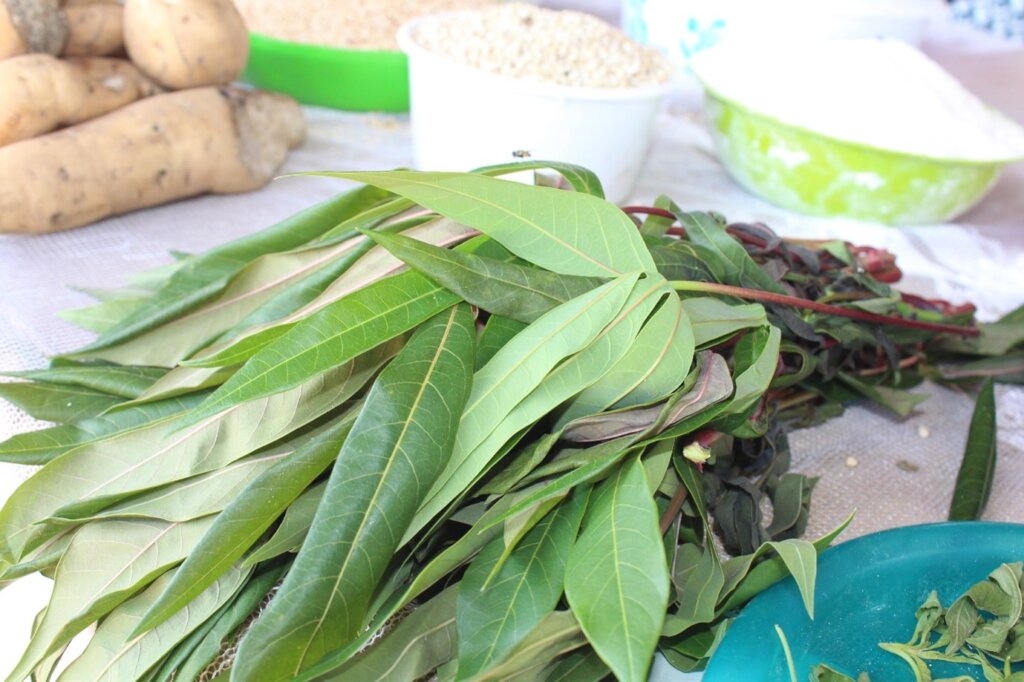
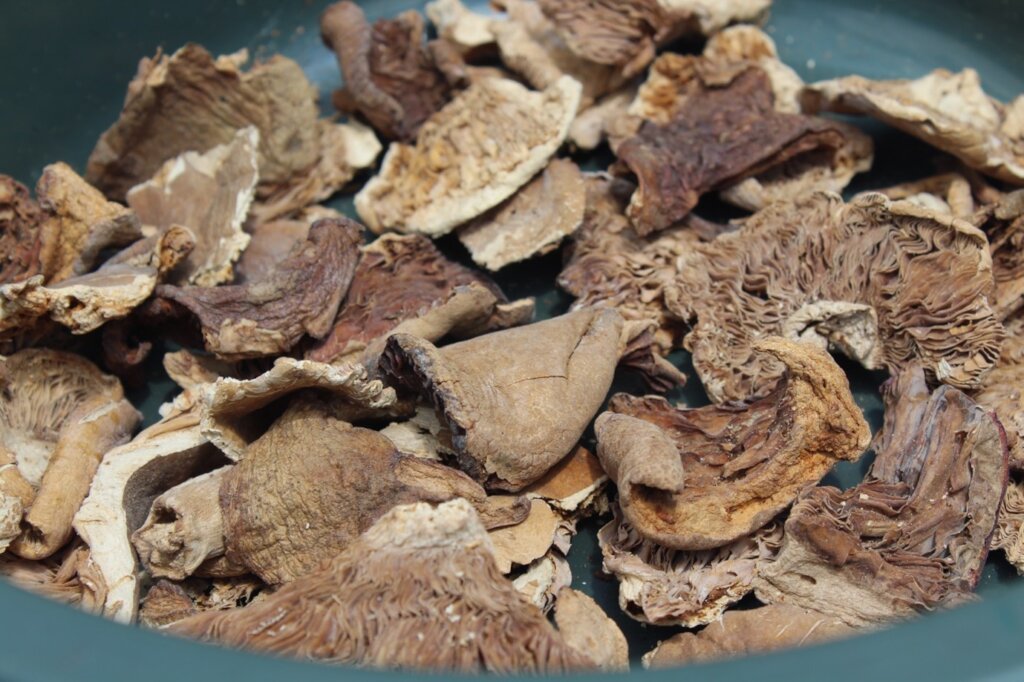
"The Nutrition Portfolios project was designed to address the issue of malnutrition and food insecurity in Zambia by promoting the use of indigenous foods, as well as crop diversification through agroforestry," Dr. Harrison begins. "These foods are not only more climate-resilient but also packed with essential nutrients that are often missing from conventional starch-heavy diets."
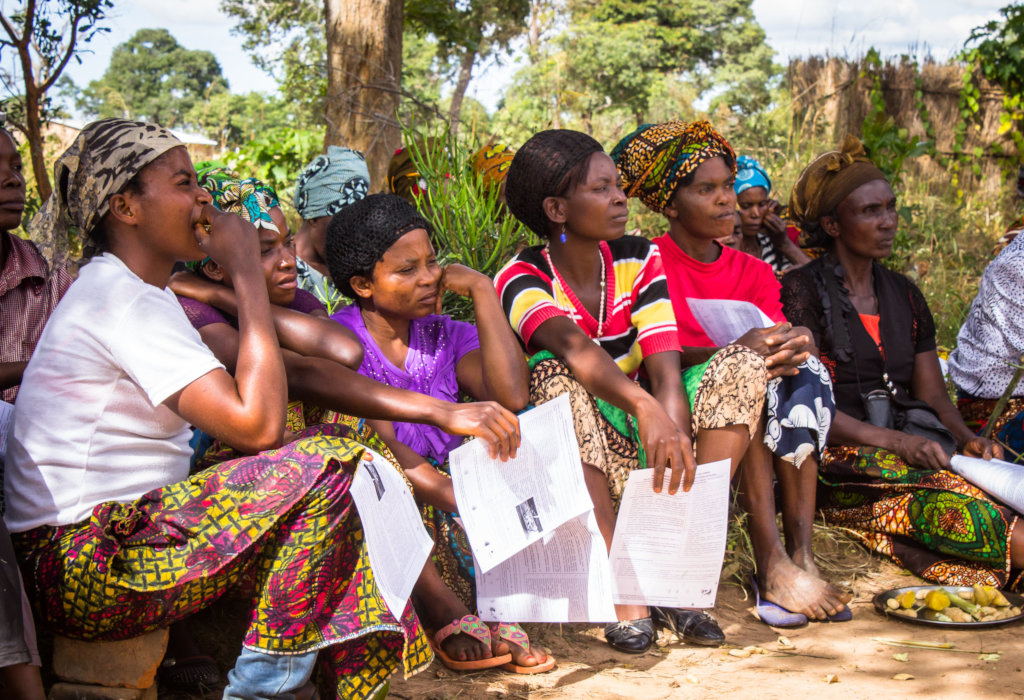
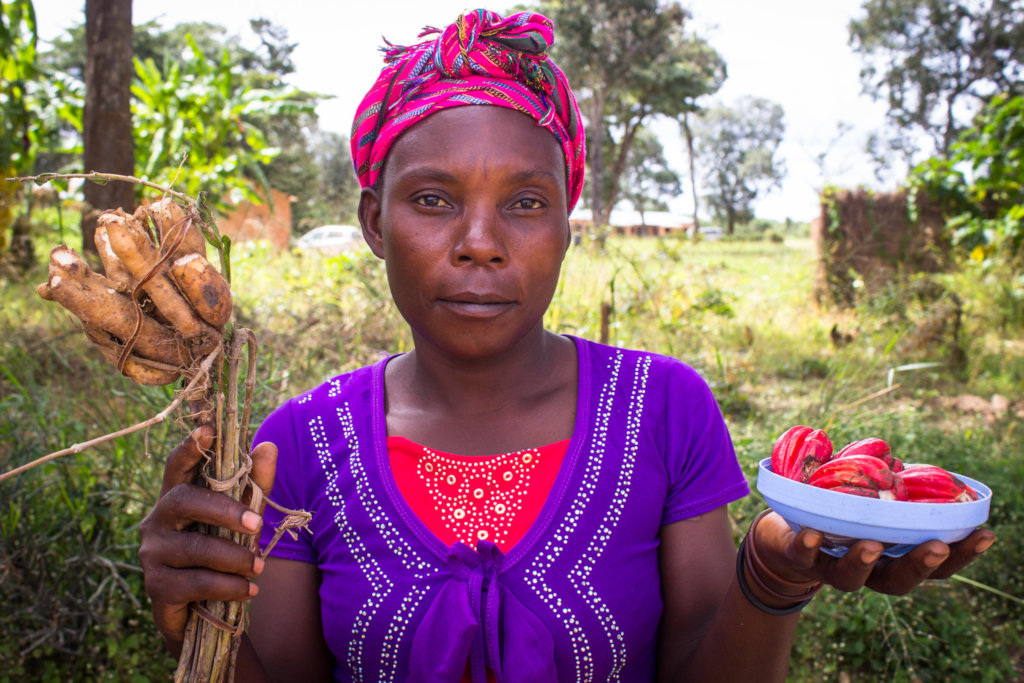
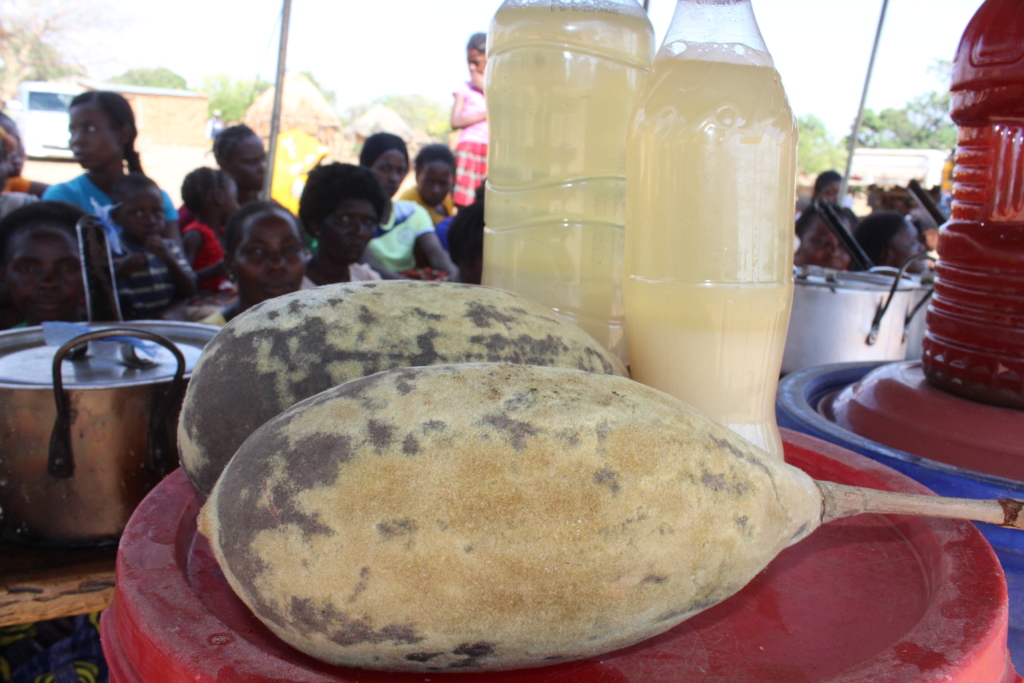
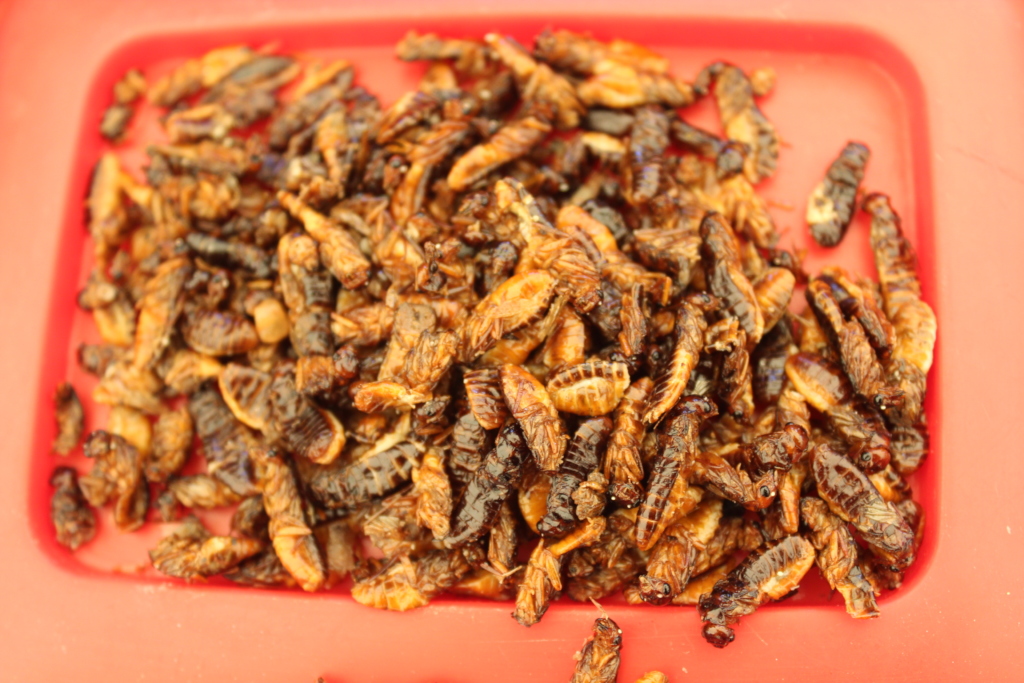
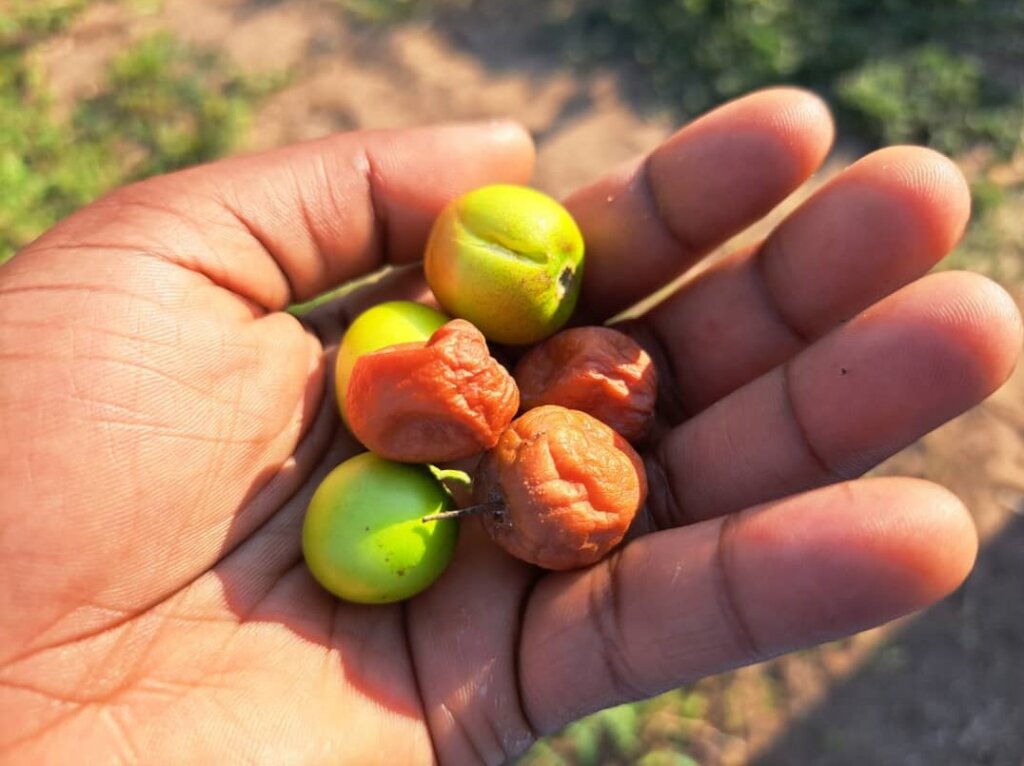
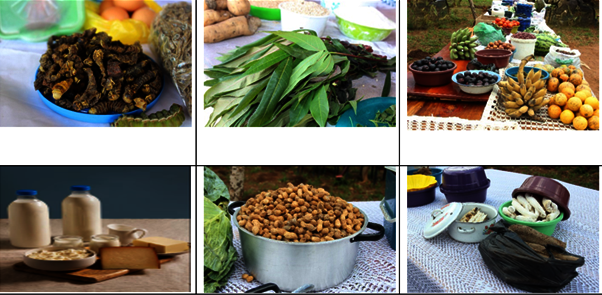
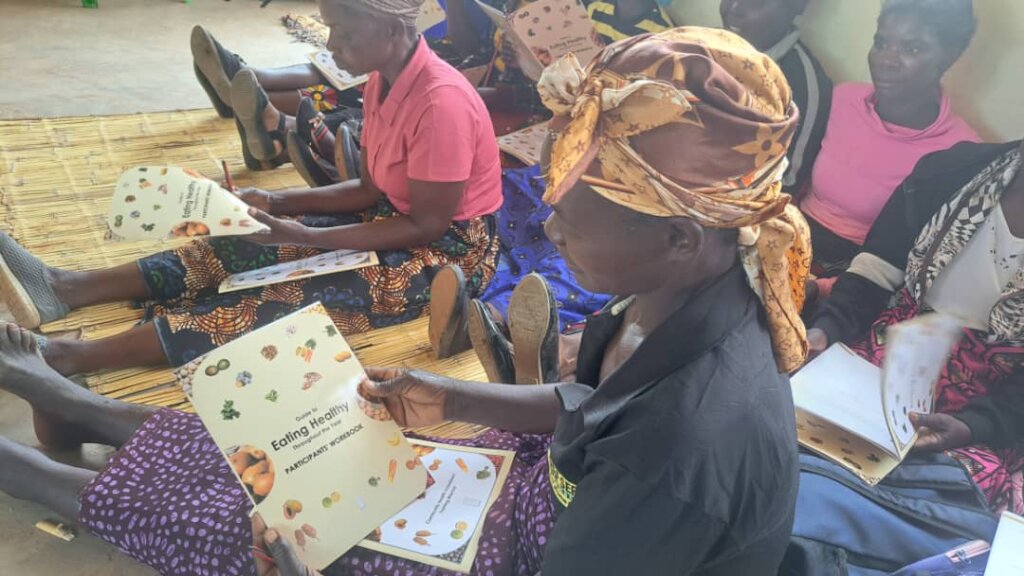
The project introduced households to a variety of nutrient-dense tree species—such as baobab, tamarind, and masau demonstrating their value in everyday meals. Women and youth, in particular, were empowered with knowledge on harvesting, preparing, and preserving these foods, ensuring year-round access to vital nutrients.
Coping with Changing Rainfall Patterns
One of the greatest challenges faced by rural communities in Zambia has been the erratic rainfall patterns that have increasingly threatened conventional crop yields. For many, the past growing seasons have been marked by uncertainty, as maize and other staple crops failed due to drought conditions.
"We knew we had to pivot our approach," Dr. Harrison explains. "Instead of focusing on conventional crops, we helped communities rediscover the value of trees and other plants that naturally thrive in dry conditions. Trees like baobab, which can withstand prolonged droughts, produce vitamin-rich fruits that can be harvested even when other crops fail."
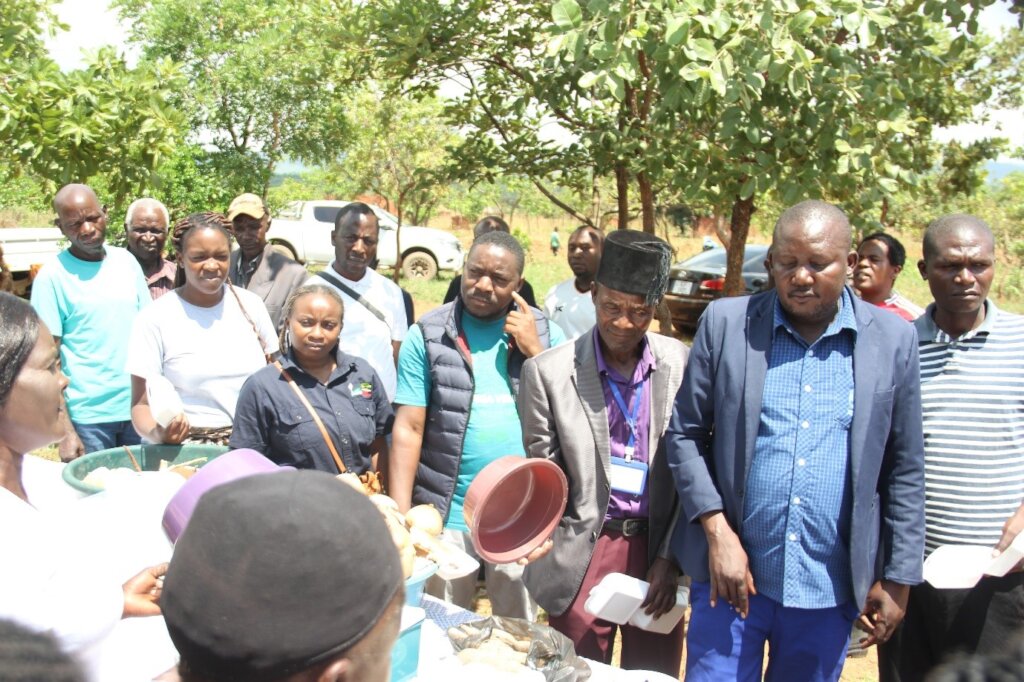
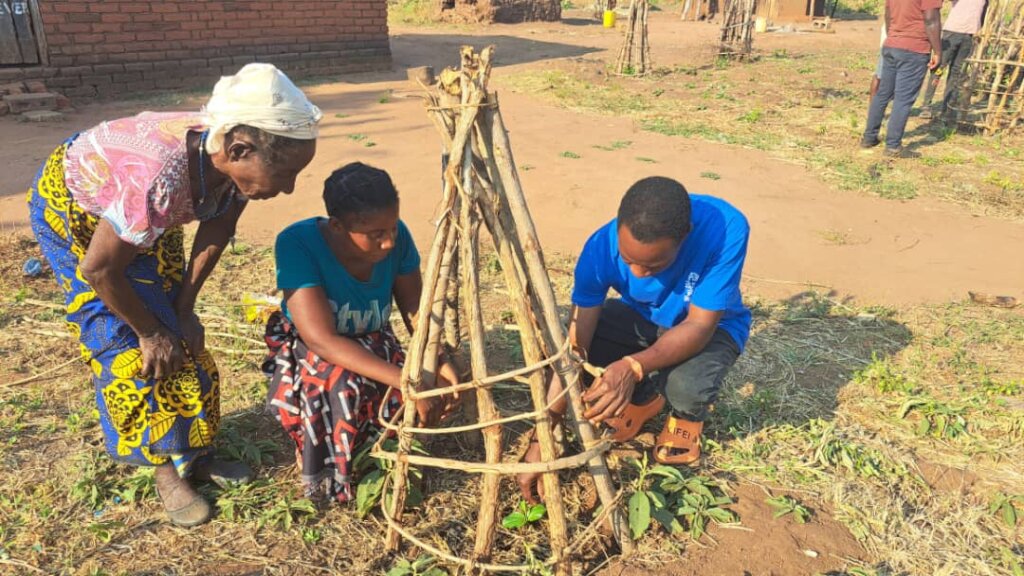
Workshops and field demonstrations equipped farmers with knowledge and skills to cultivate and integrate these trees into their farms and home gardens, ensuring that nutrition was not compromised even during dry spells.
The Influence of Climate and Weather
The success of the project did not come without its hurdles. Climate change has undeniably made an impact on the project’s implementation, from delayed rainy seasons to increased pest infestations. However, these challenges reinforced the need for sustainable solutions that would survive environmental unpredictability.
"It’s clear that Zambia's food security cannot depend on a single crop," says Dr. Harrison. "Through this project, we've been able to introduce a more diversified approach to nutrition—one that incorporates trees and other plants that are resilient to climate fluctuations. Even as the project officially closes, its principles will continue to benefit communities in the long run."
A Heartfelt Thanks to Our Supporters
The success of the Nutrition Portfolios project would not have been possible without the generous support of donors through GlobalGiving. Their contributions have helped plant and protect indigenous trees that now serve as nutritional lifelines for many Zambian households.
"We are deeply grateful to everyone who contributed to this initiative," Dr. Harrison said. "Your support has not only provided immediate nutritional relief but also laid the foundation for long-term food security in the face of climate change."
As the project closes, its legacy lives on in the communities it touched—where families continue to embrace indigenous foods and agroforestry as a sustainable solution to their nutritional needs.
Links:
By Lydia Amanzi | Communications Administrator
By Lydia Amanzi | Communications Administrator
Project reports on GlobalGiving are posted directly to globalgiving.org by Project Leaders as they are completed, generally every 3-4 months. To protect the integrity of these documents, GlobalGiving does not alter them; therefore you may find some language or formatting issues.
If you donate to this project or have donated to this project, you can receive an email when this project posts a report. You can also subscribe for reports without donating.



Support this important cause by creating a personalized fundraising page.
Start a Fundraiser