By Lydia Amanzi | Communications Administrator
Since 2021, CIFOR-ICRAF, with your generous support, has been implementing the Piloting Incentive-Based Agricultural Portfolios for Nutrition and Resilience in Zambia. This initiative, spanning eight chiefdoms in Central, Eastern, and Northern Zambia, has been a ‘foodie/fruity’ journey of hope, resilience, and transformation for rural farming communities.
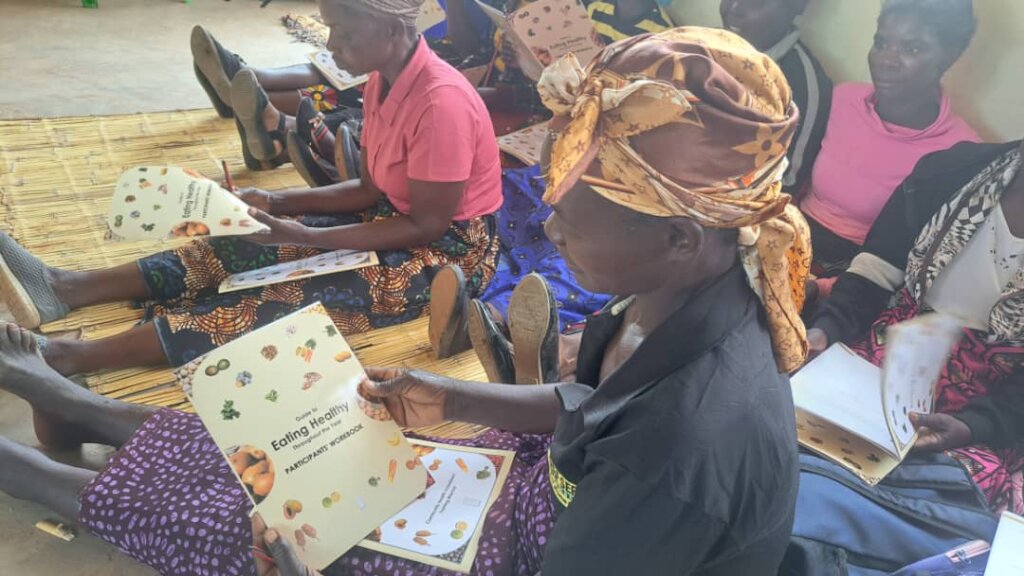
Your contributions have helped us champion an innovative approach to nutrition by promoting the inclusion of wild and indigenous foods in household diets. Together, we are not only addressing hunger but also fostering healthier families and more resilient ecosystems.
Why Wild Foods Matter
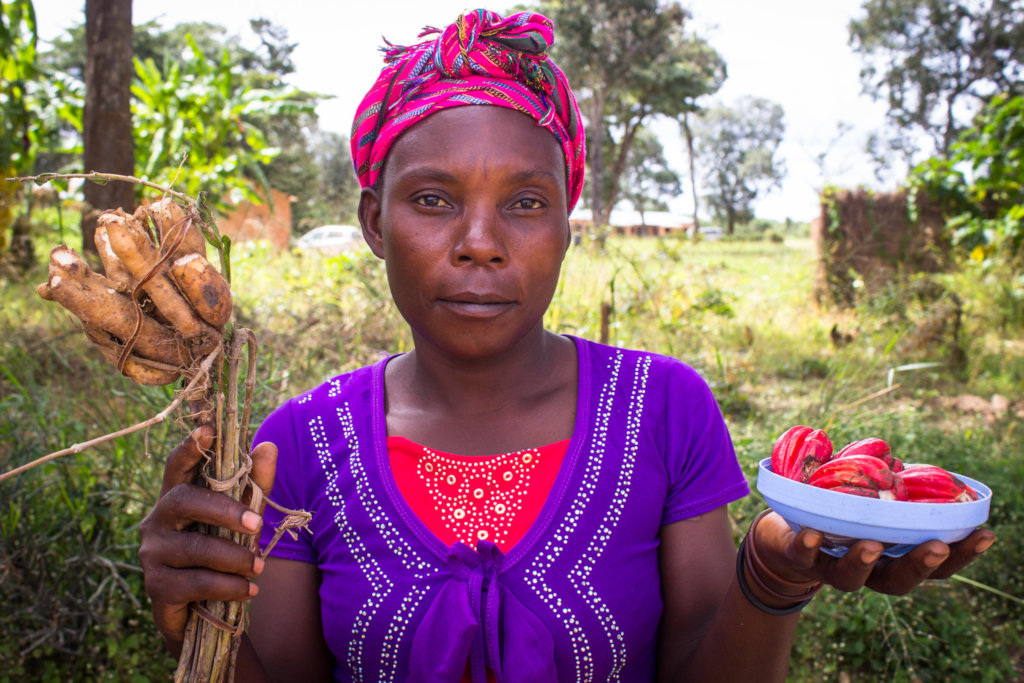
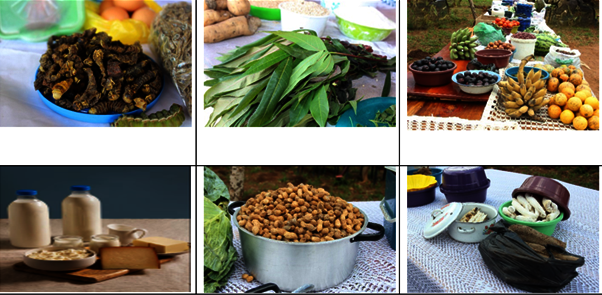
Wild foods, including indigenous fruits like Masuku (Uapaca Kirkiana) and Infugo (Anisophyllea boehmi), hold the key to bridging nutrient gaps and diversifying diets in the Zambian communities. These foods are naturally adapted to local conditions, offering high nutritional value and requiring minimal external inputs to thrive. By incorporating them into household farming systems, communities gain access to sustainable and affordable sources of nourishment.
Thanks to your support and to core funds from the German government, the project:
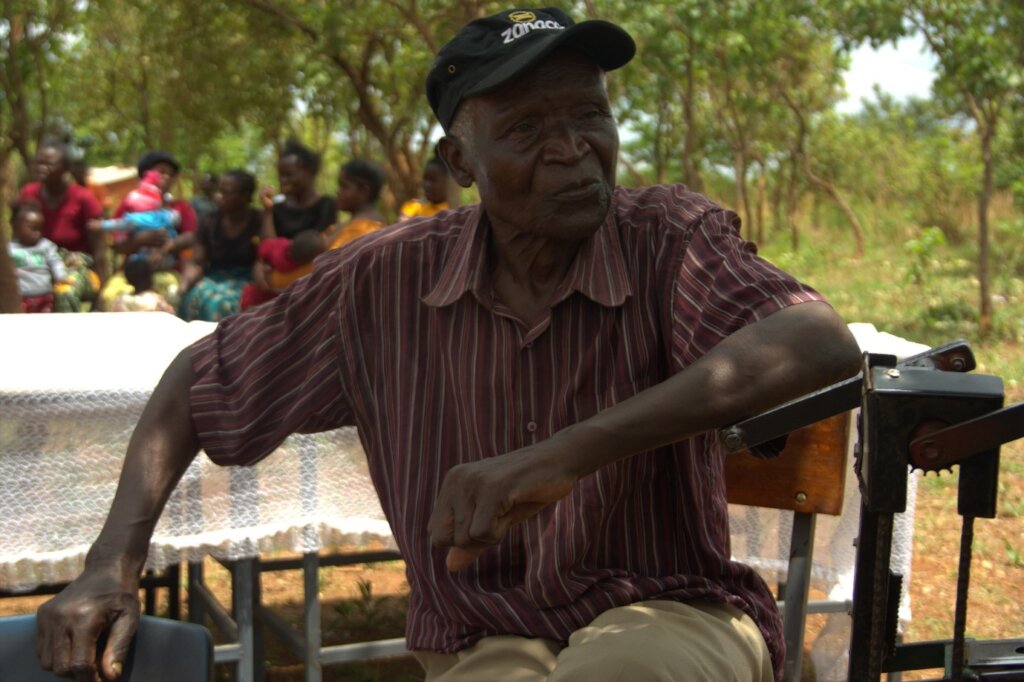
At the close of project activities in November, Kalimbanya, a respected Headman from Chikwanda, reflected on the wisdom of his elders. “We were taught to protect certain trees for their fruits and only cut others for wood fuel or furniture. This knowledge sustained us for generations,” he said.
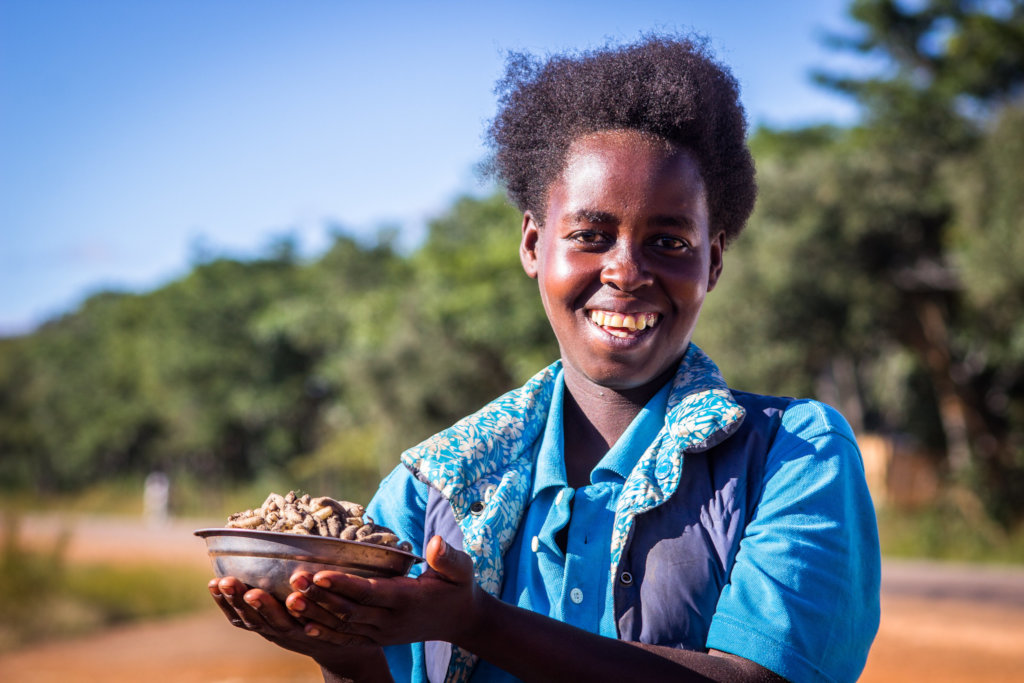
Indiscriminate tree cutting and the decline of valuable resources. “We must teach the younger generation to protect trees for wild foods and other uses. Without this, we risk losing not just the trees but the animals and insects they support, like mopane worms, which are a critical protein source.”
The Chief of Chikwanda echoed this sentiment, reminding his community of their role in sustaining the environment and food supply. “Our region is vital for the country’s food security. Let’s care for our forests so they continue to nourish us.”
This project is a testament to your commitment to meaningful change.
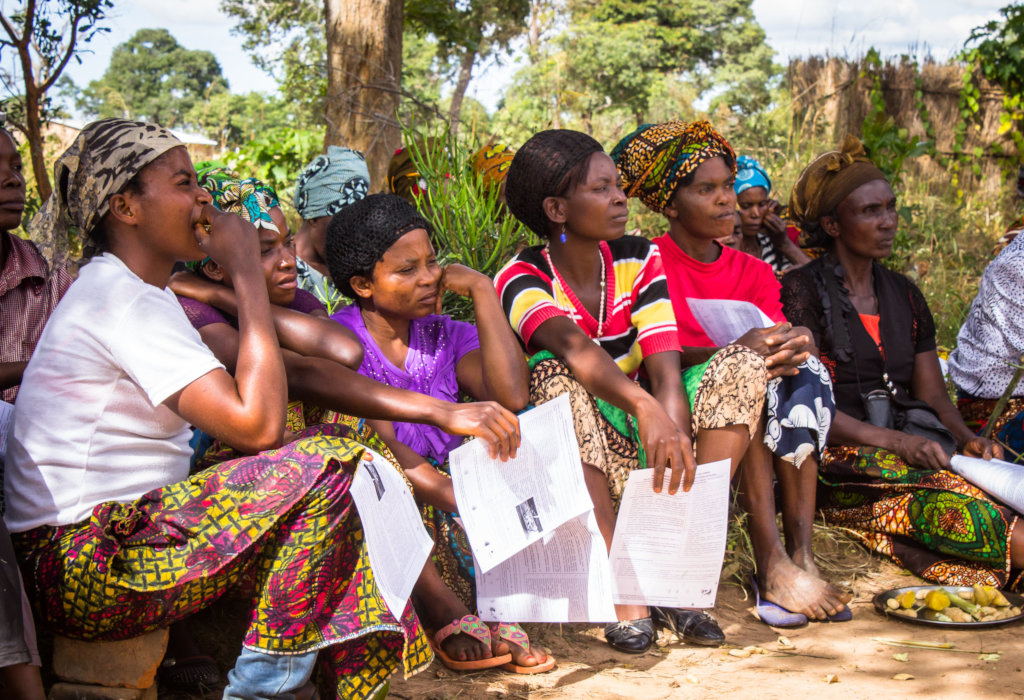
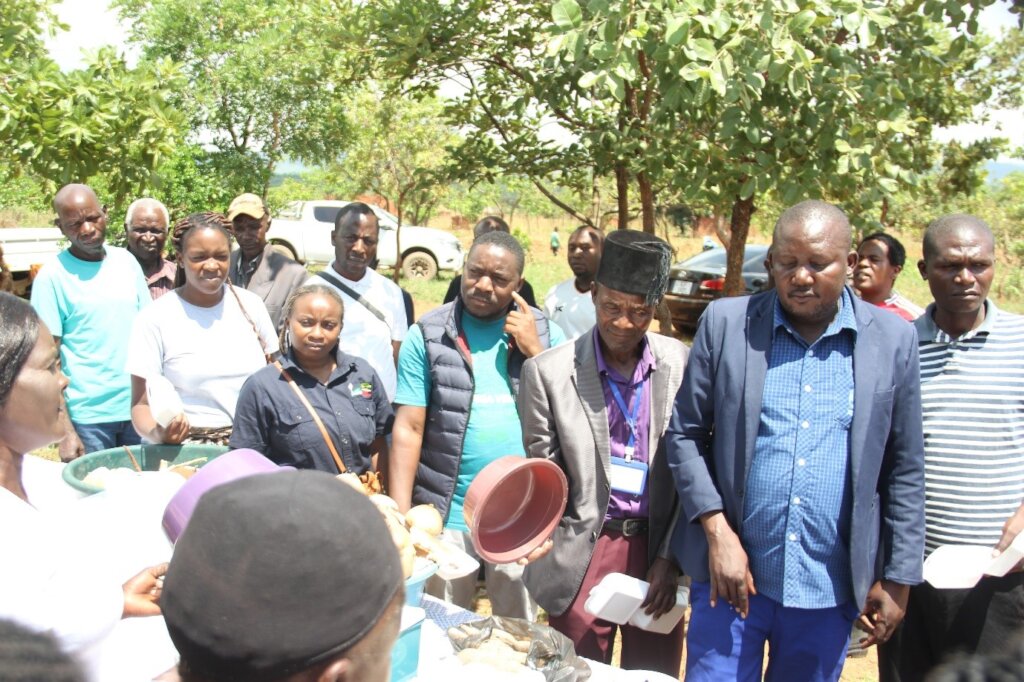
When it comes to supporting health, you also supported a Water, Sanitation, and Hygiene (WASH) component, which complements the nutrition initiative. “I didn’t realize how important it was to wash my hands with soap as a breastfeeding mother,” said Mulenga, a mother who attended the food fair in Chikwanda village. “Now, I know it helps protect my baby from harmful bacteria.”
In concluding the phase of this project, we will soon report on how it has transformed lives and fostered long-term resilience in these communities. Be sure to look out for this final update—it will be a celebration of everything your donations, not matter how small,have made possible.
Looking Ahead Together
This project has shown how wild foods can play a central role in transforming household diets and improving health. By bringing traditional knowledge back into practice and combining it with innovative solutions, we’ve created a legacy of sustainability and resilience.
To our donors:yourcontributions have helped us plant seeds—not just in the ground, but in the hearts of communities who now see wild foods as a path to health, prosperity, and environmental stewardship.
Project reports on GlobalGiving are posted directly to globalgiving.org by Project Leaders as they are completed, generally every 3-4 months. To protect the integrity of these documents, GlobalGiving does not alter them; therefore you may find some language or formatting issues.
If you donate to this project or have donated to this project, you can receive an email when this project posts a report. You can also subscribe for reports without donating.



Support this important cause by creating a personalized fundraising page.
Start a Fundraiser