By AINEMUKAMA PROSPER | Project Leader
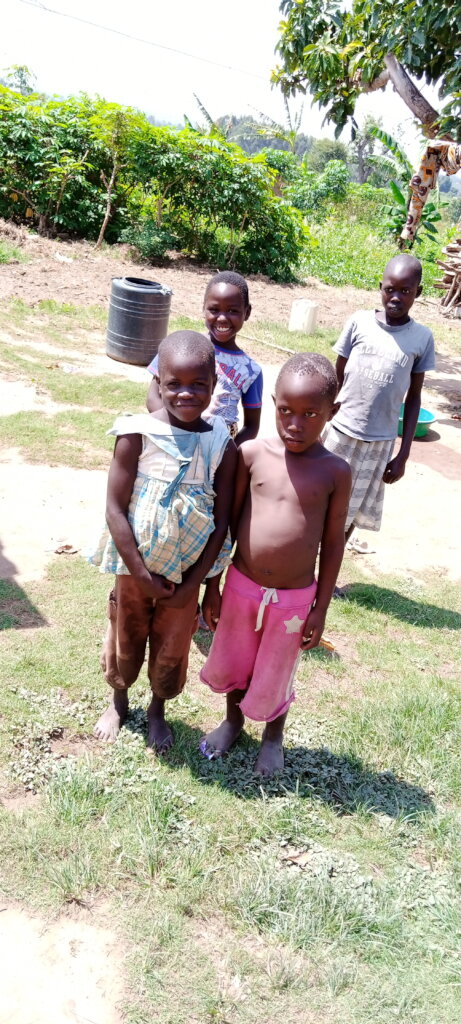
The Batwa are a pygmy indigenous group of people living around Bwindi impenetrable forest in South western Uganda. Previously, they used to live in the forest where they hunted and gathered fruit for survival until the government gazetted that land for conservation of the nearly extinct mountain gorillas. This pushed the Batwa into hard life where they were never resettled. This marked the start of a difficult life where they have chronically lacked food, lacked proper education and proper standards of living. This has also been made worse by the discrimination against them by the surrounding populations due to their short stature and due to that, parents have not been able to get jobs and even when they get few jobs, their pay is way less than the standard pay for the other pay. This has plunged their communities into a deep hole of isolation, poor standards of living and self neglect. Parents have no ability to send their kids to school due to lack of money, the kids fer being in school due to the fear of being laughed at by the other pupils. This has put the future of better lives for the Batwa communities in jeopardy as the young population may be heading to a state of poor living standards, ignorance and poverty like their parents.
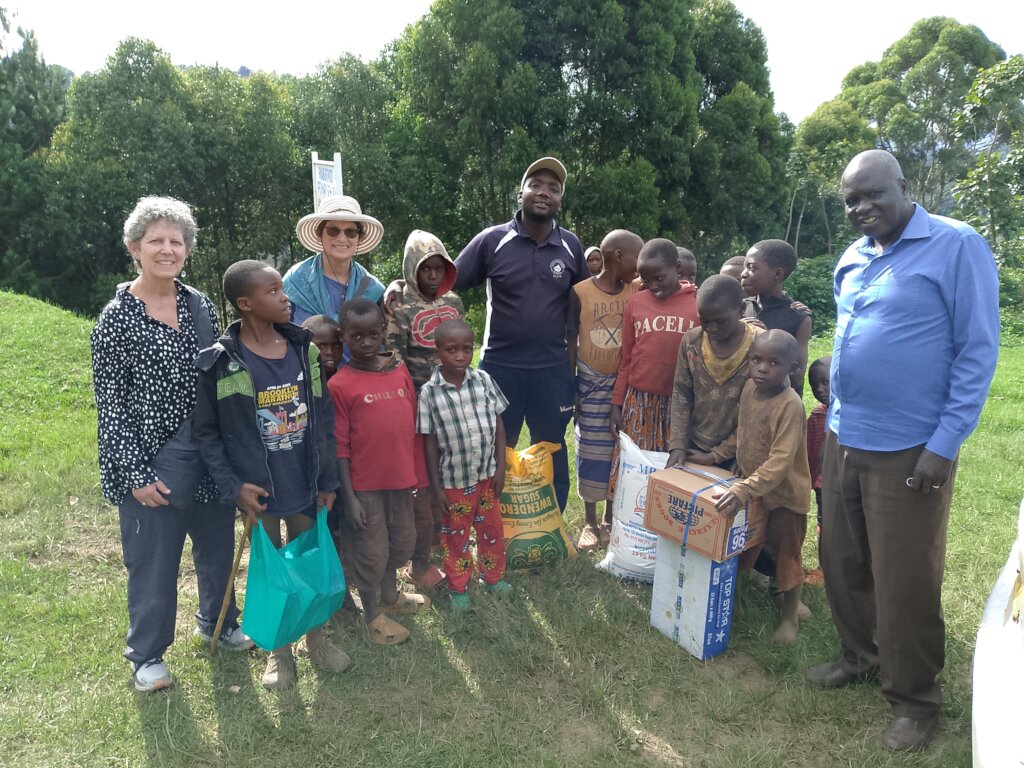
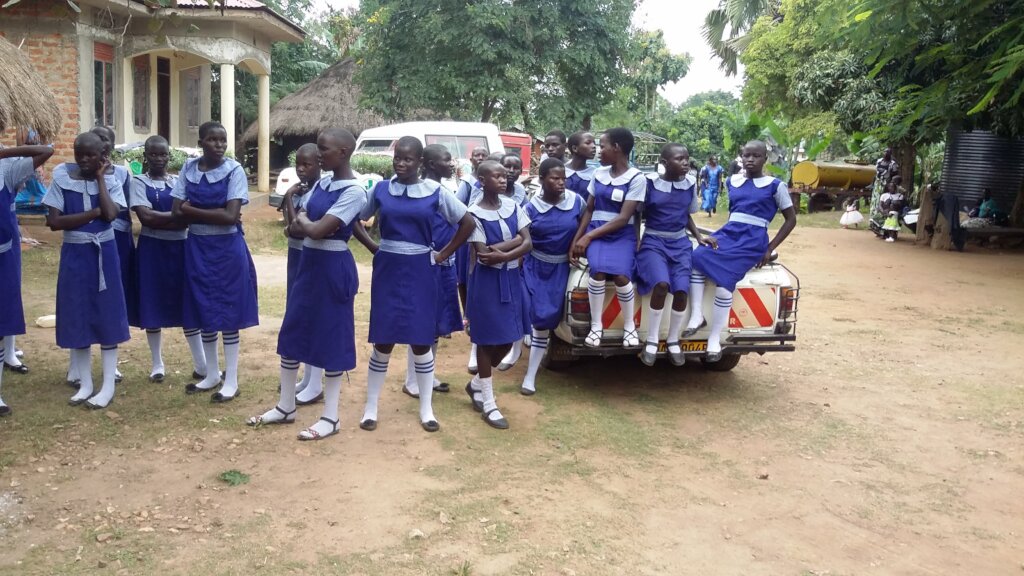
Last study semester, Kigezi Healthcare foundation under one of its numerous community uplifting projects supported a primary school in one Batwa community where scholastic materials such as books, pens and pencils together with food supplies were donated. The scholastic provided a relief to a number of pupils where most of them especially siblings have been using one exercise book and most of them were not able to purchase new ones once the ones they had got used up. The food is to keep the pupils in school as they don’t return to school once their families lack food at home as they don’t attend school once they have not had food to eat at home. This has been one of the many reasons for the escalating absenteeism. The food supplies included, Corn flour, sugar and beans to make porridge and corn cake so that the pupils can attend classes minus hunger as one of the reasons for absenteeism. The total number of the pupils directly supported came up to 24 where 15 were girls and 9 were boys.
We thank everyone who has always taken up arms to join this fight for better lives around the globe.
By GEOFFREY ANGUYO | PROJECT LEADER
By Ainemukama Prosper | PROJECT LEADER
Project reports on GlobalGiving are posted directly to globalgiving.org by Project Leaders as they are completed, generally every 3-4 months. To protect the integrity of these documents, GlobalGiving does not alter them; therefore you may find some language or formatting issues.
If you donate to this project or have donated to this project, you can receive an email when this project posts a report. You can also subscribe for reports without donating.



Support this important cause by creating a personalized fundraising page.
Start a Fundraiser