By Ainemukama Prosper | PROJECT LEADER
The indigenous and marginalized Ethnic groups are not clearly defined in Uganda and in this write up we refer to the Batwa ethnic group. These people continue to suffer from the historical background of living in the forests and surviving mainly on nature for food through hunting, gathering roots and fruits and honey among other survival mechanisms. They also continue to suffer disempowerment and discrimination on economic, social and cultural grounds. The Batwa minority group has self-identification as members of a distinct indigenous cultural group and recognition of this identity by others; Collective attachment to geographically distinct habitats or ancestral territories in the project area and to the natural resources in these habitats and territories;
Customary cultural, economic, social, or political institutions that are separate from those of the mainstream society or culture; or a distinct language or dialect, often different from the official language or languages of the country or region in which they reside.
It is noted that, although the Ugandan Constitution does not expressly recognize indigenous peoples it makes provision for addressing some of the negative effects arising from ethnic imbalances. The Constitution, in the section on National Objectives and Directive Principles of State Policy, provides that every effort shall be made to integrate all peoples while at the same time recognizing the existence of, amongst others, their ethnic, religious and cultural diversity. In this regard, the Constitution requires that everything necessary be done to promote a culture of co-operation, understanding, appreciation, tolerance and respect for each other’s customs, traditions and beliefs. The term “Marginalization” generally describes the overt actions or tendencies of human societies whereby those persons perceived as being without desirability or function are removed or excluded (i.e., are "marginalized") from the prevalent systems of protection and integration, so limiting their opportunities and means for survival.
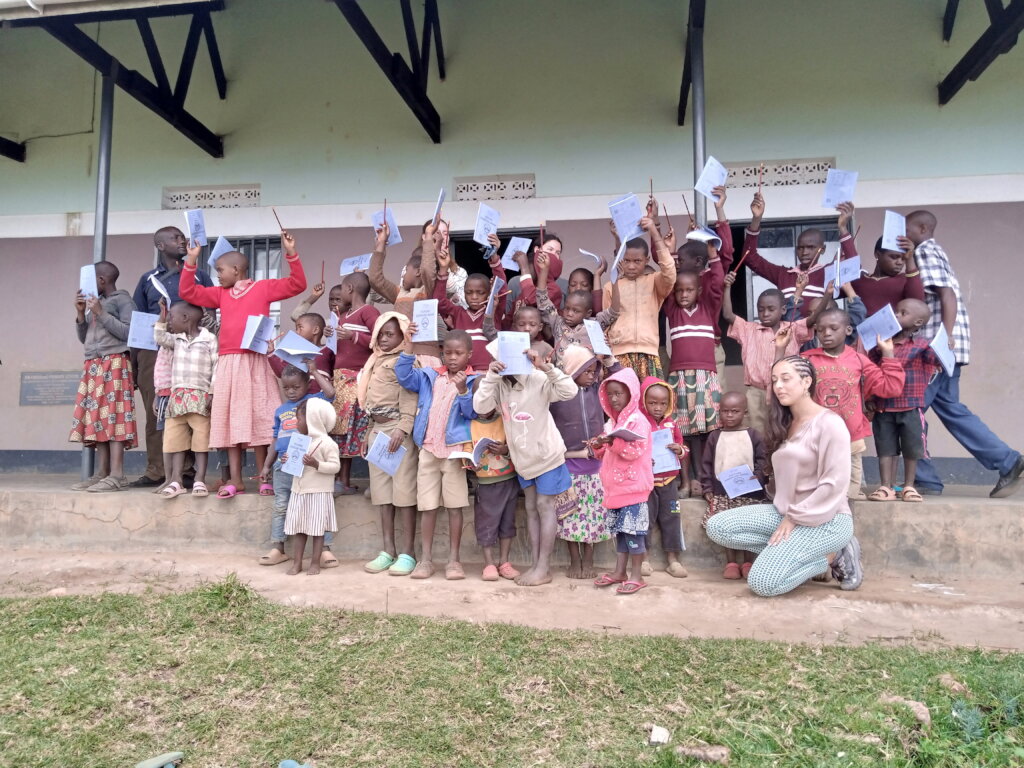
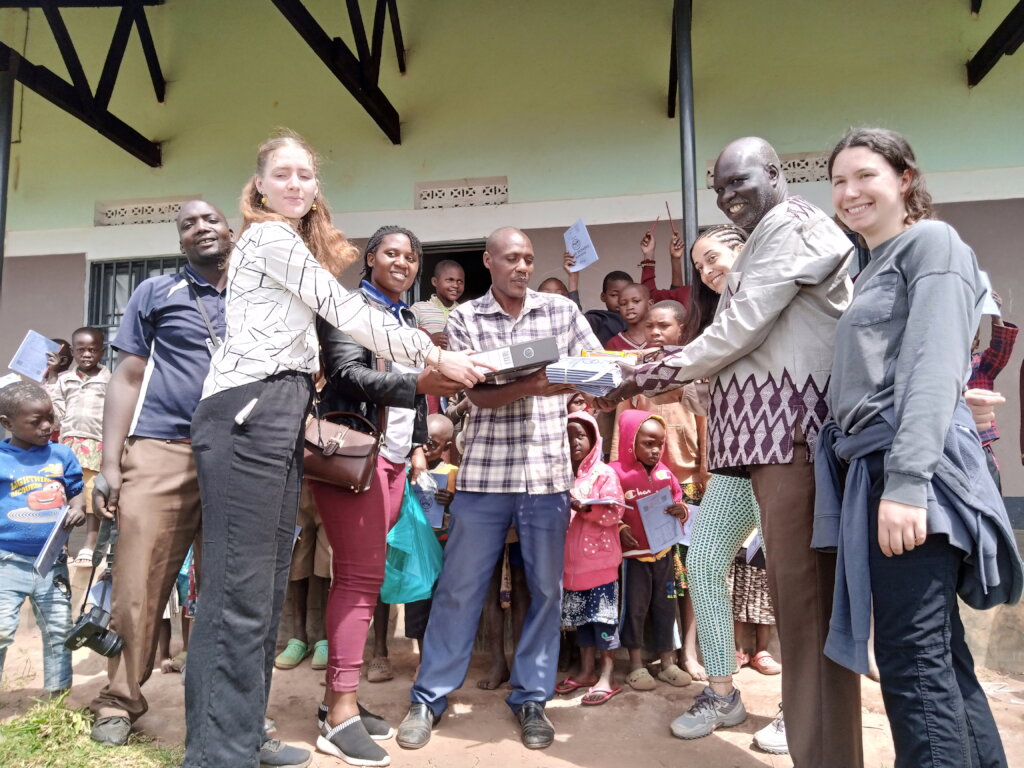
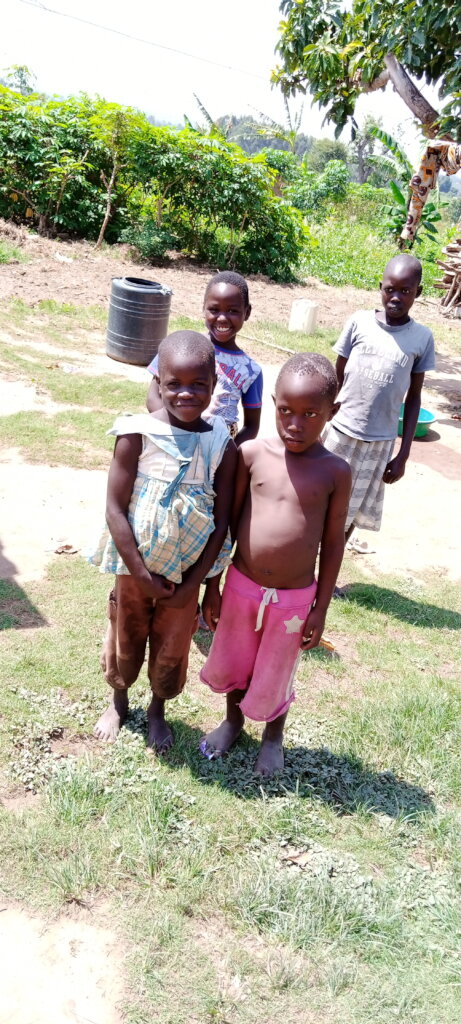
The Batwa communities were not going to school because there were no deliberate efforts to build schools for them. In the last fifteen to twenty years some efforts have been made to have the children go to school but they face challenges of infrastructure, scholastic materials, Uniforms food and teachers. One of our social workers reported “ I have never seen three children from the same family writing in one exercise book in my entire life” We have supported the children with books and uniforms in addition to the healthcare through mobile clinics. A lot needs to be done and we continue to send our voice to our good friends to continue to support this initiative.
Project reports on GlobalGiving are posted directly to globalgiving.org by Project Leaders as they are completed, generally every 3-4 months. To protect the integrity of these documents, GlobalGiving does not alter them; therefore you may find some language or formatting issues.
If you donate to this project or have donated to this project, you can receive an email when this project posts a report. You can also subscribe for reports without donating.



Support this important cause by creating a personalized fundraising page.
Start a Fundraiser