Enhance Food Security for 300 Returned Migrants

by Organization to Develop Our Villages
Enhance Food Security for 300 Returned Migrants

Project Report | Dec 11, 2025
ODOV Technical Support and Impact

By Sopheat Tes | Executive Director

ODOV Technical Support and Impact

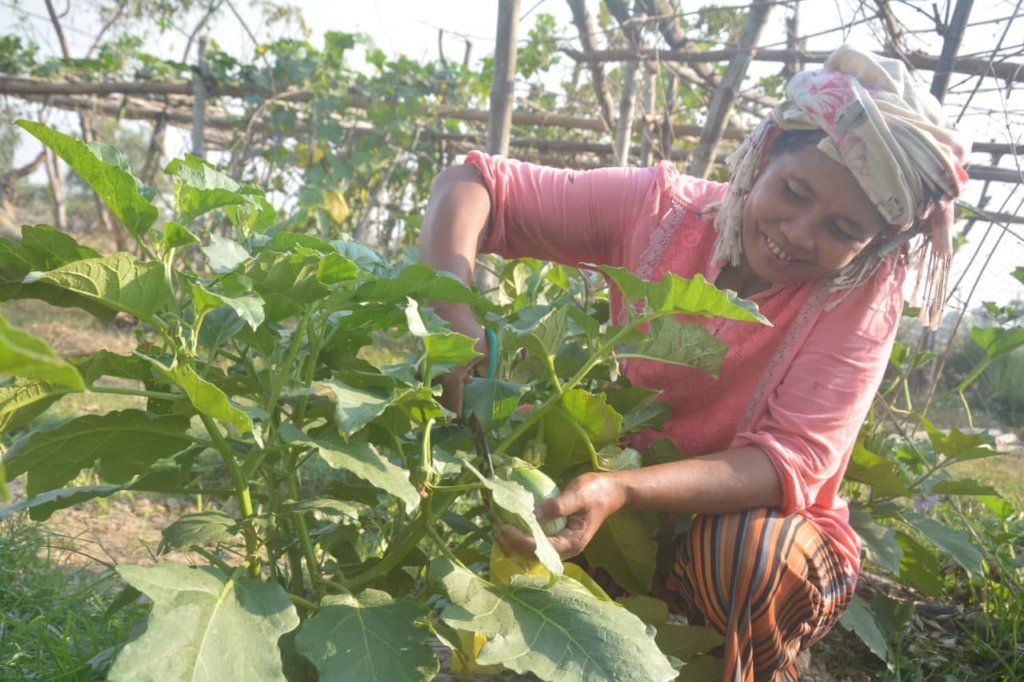
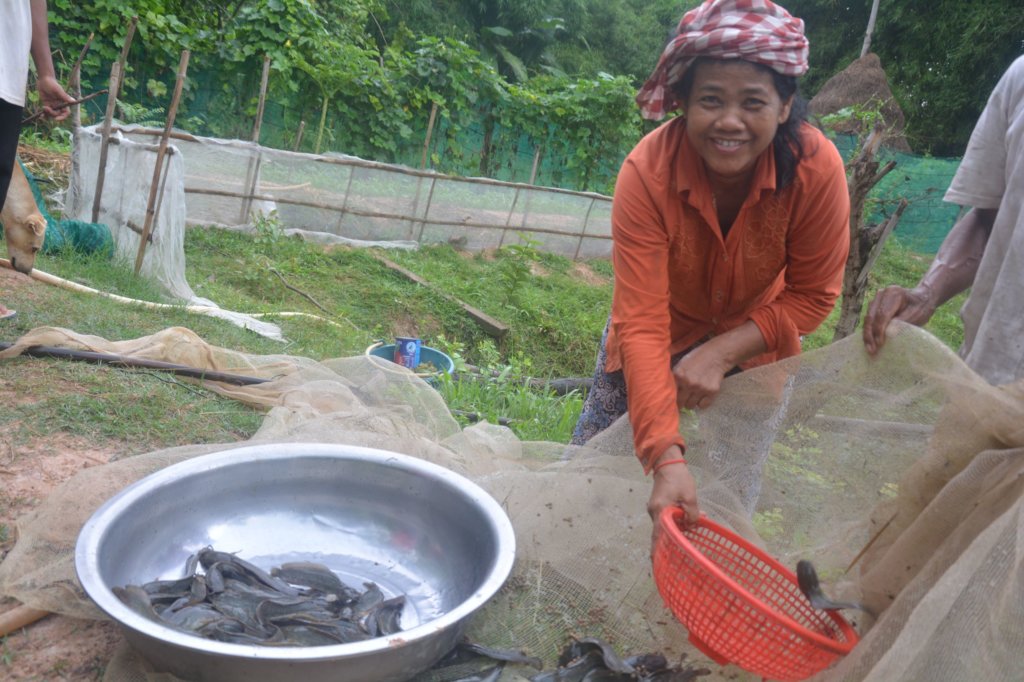
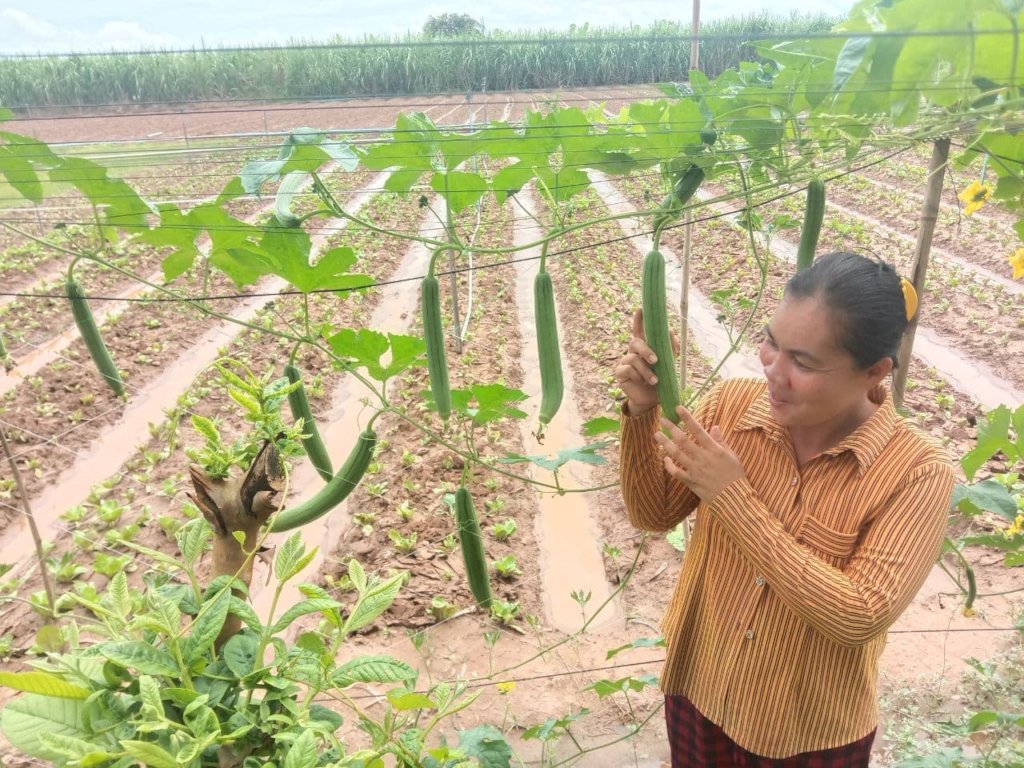
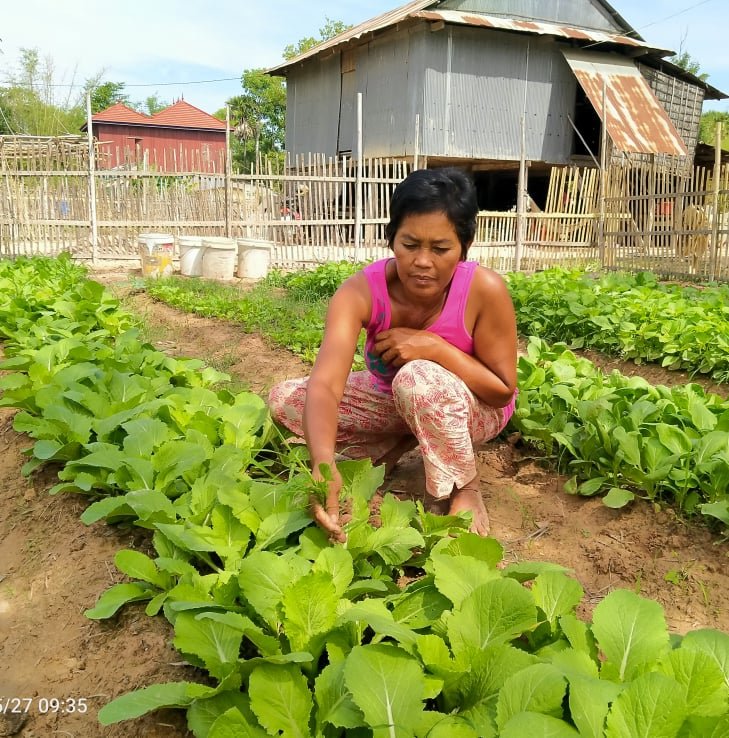
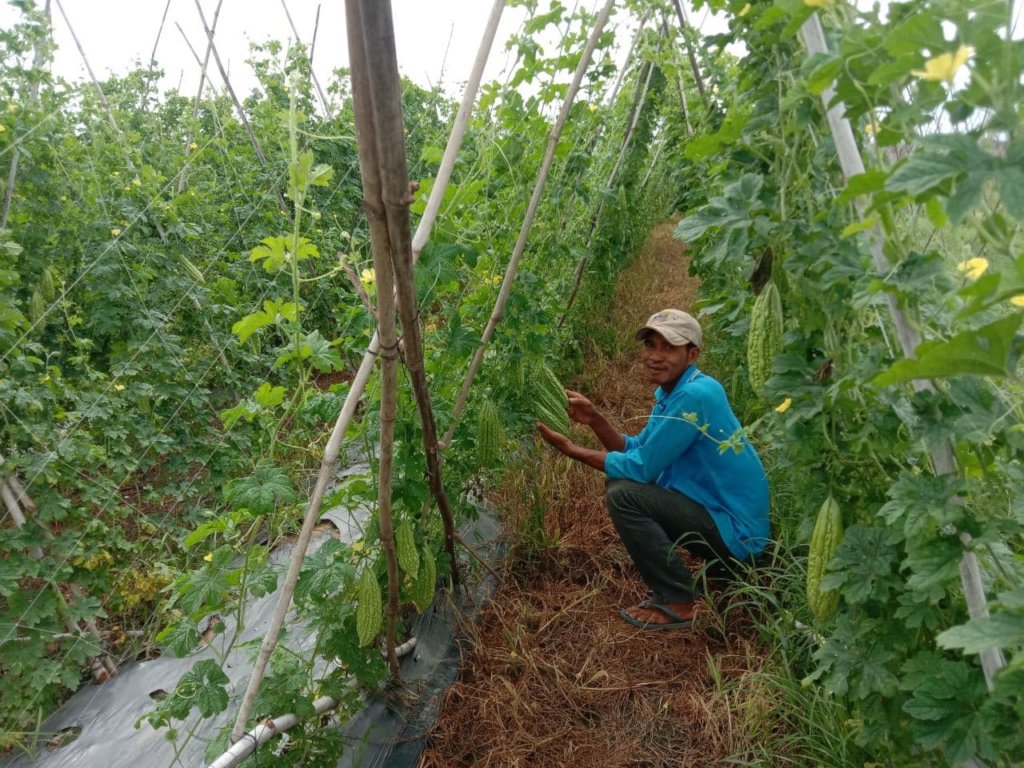
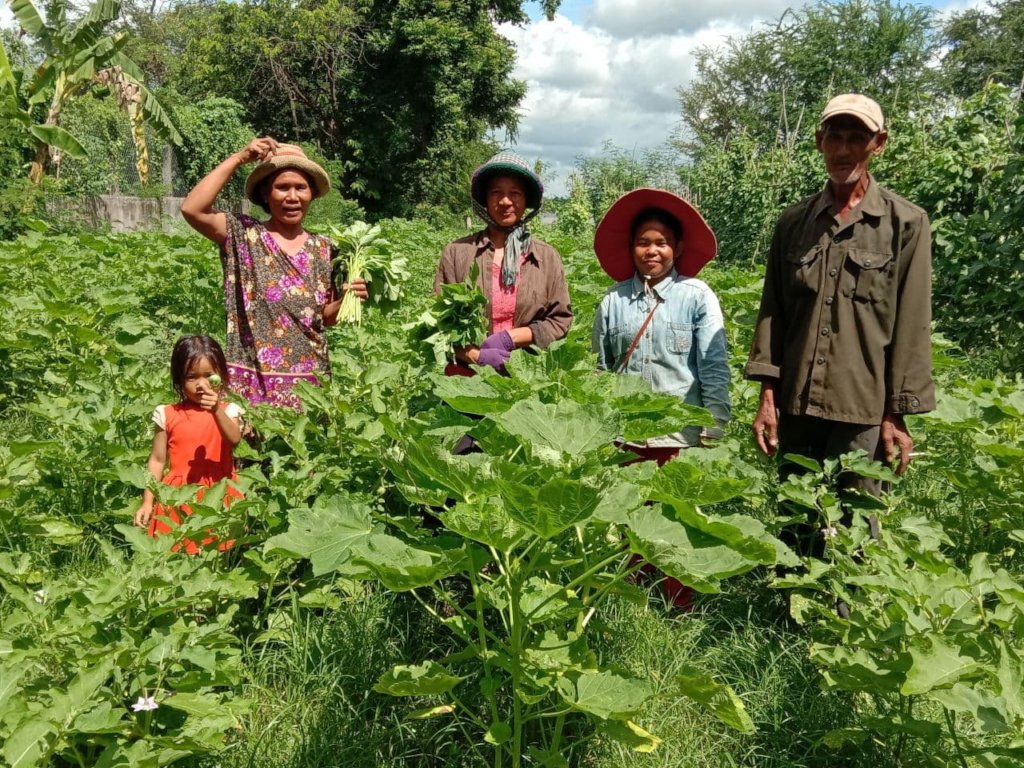
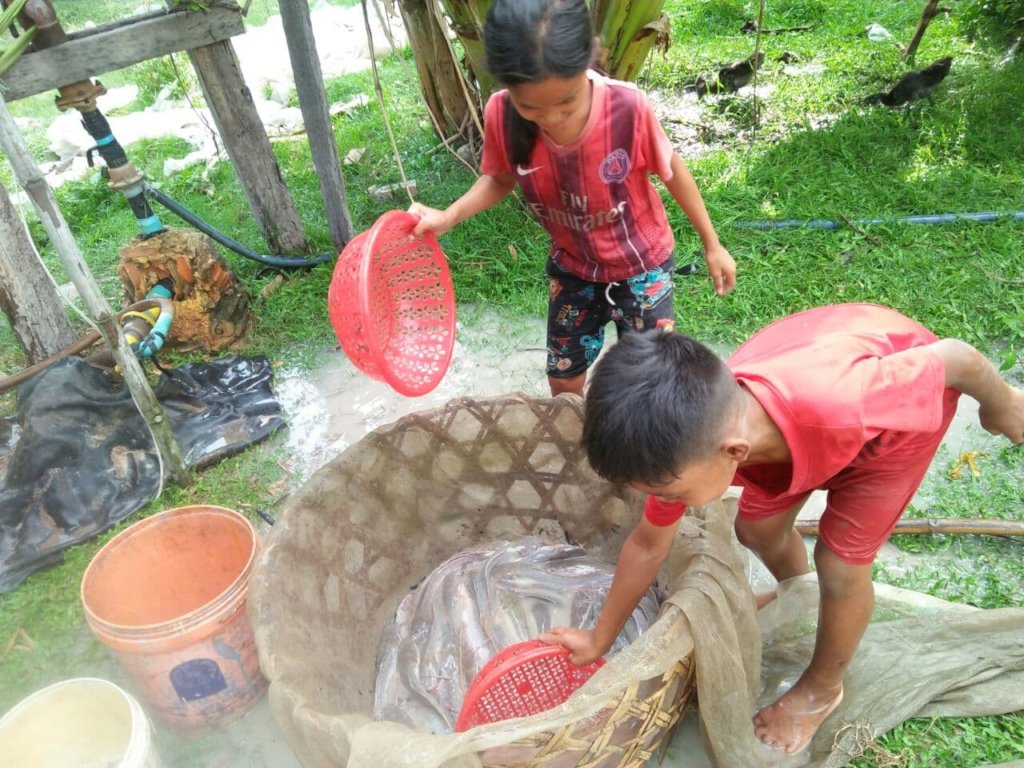
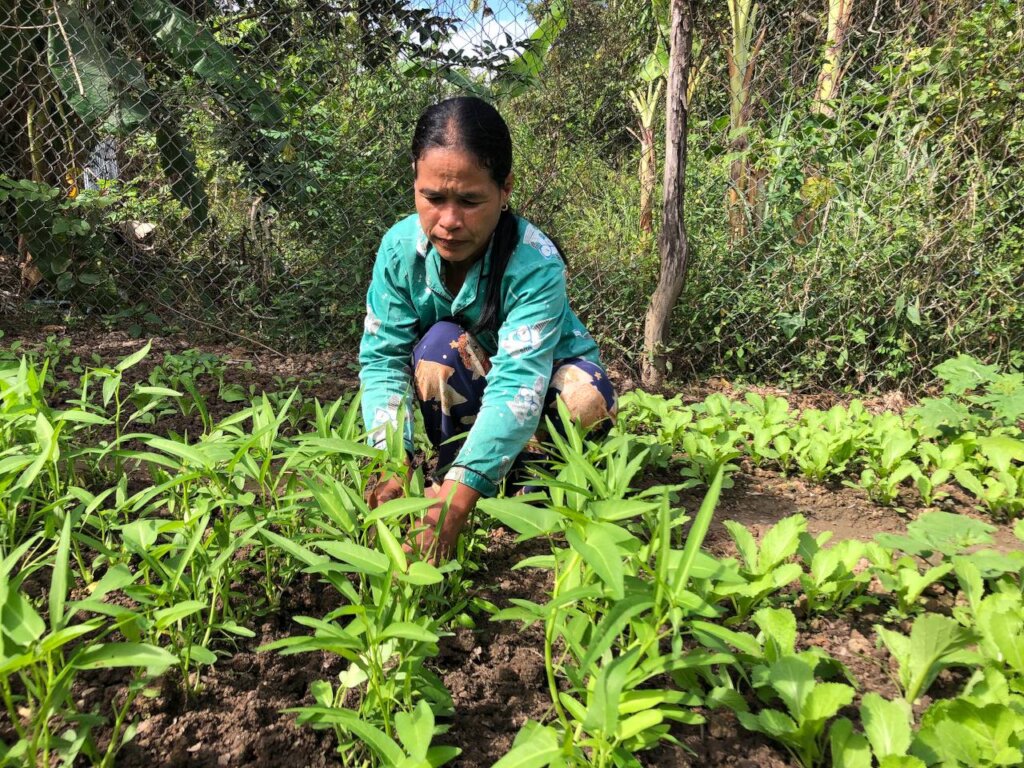
During this reporting period, the Organization to Develop Our Villages (ODOV) focused its efforts on providing continuous technical support and supervision to the 50 selected training participants. ODOV staff maintained a consistent schedule of monitoring visits, technical support, and curriculum integration, ensuring the farmers had the necessary knowledge and guidance to succeed and enabling them to produce more food for consumption and sale.

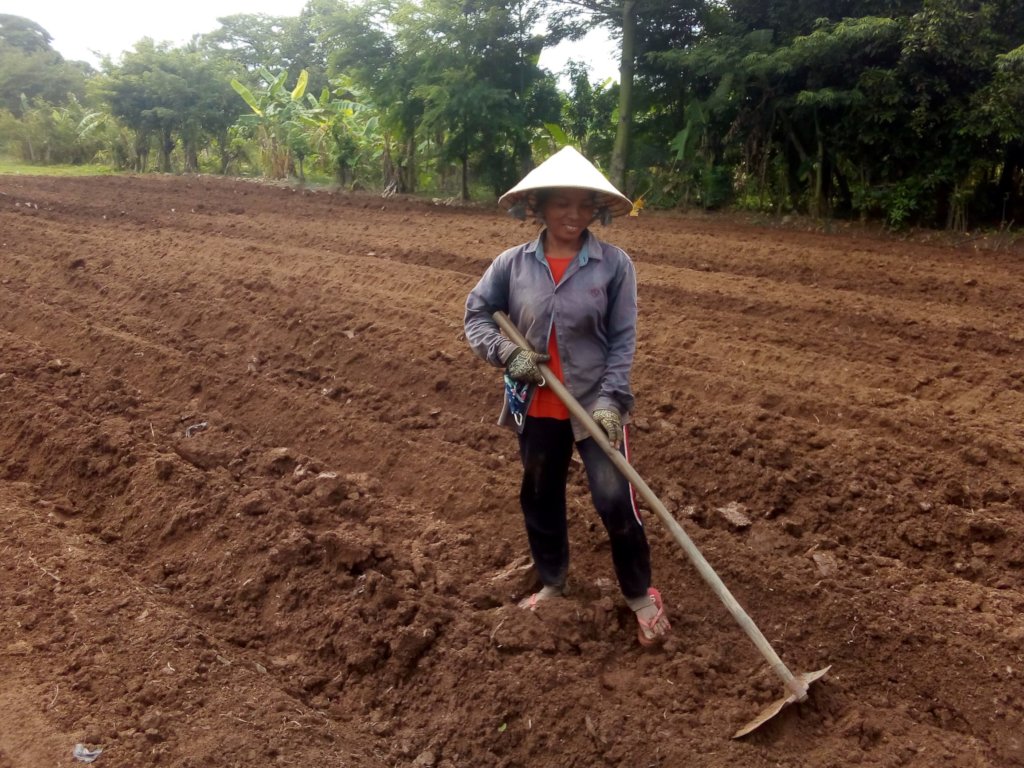
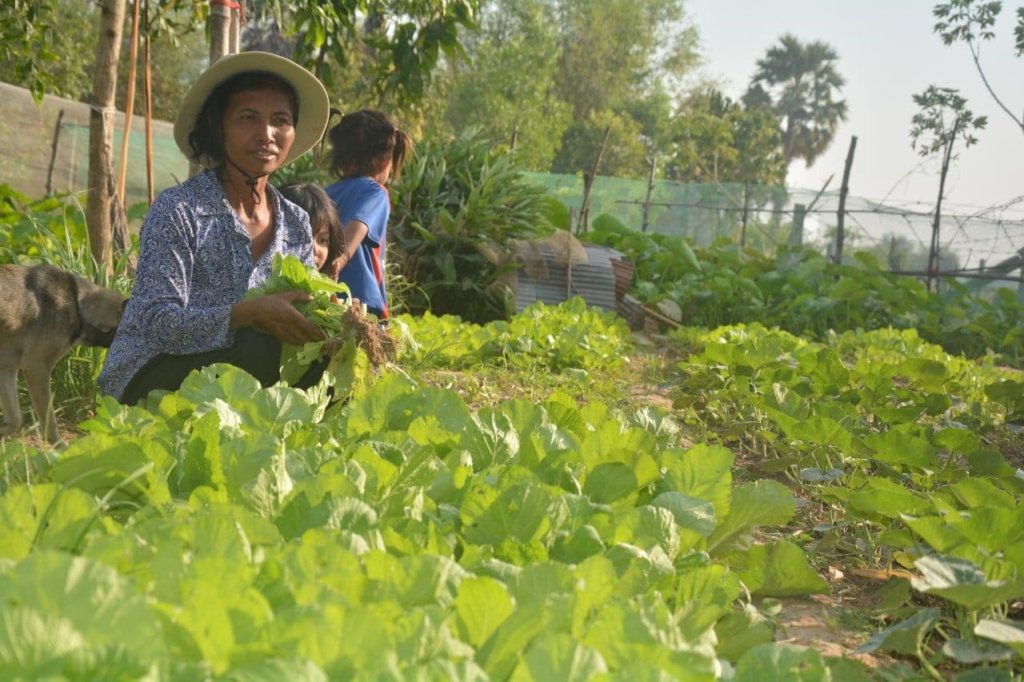
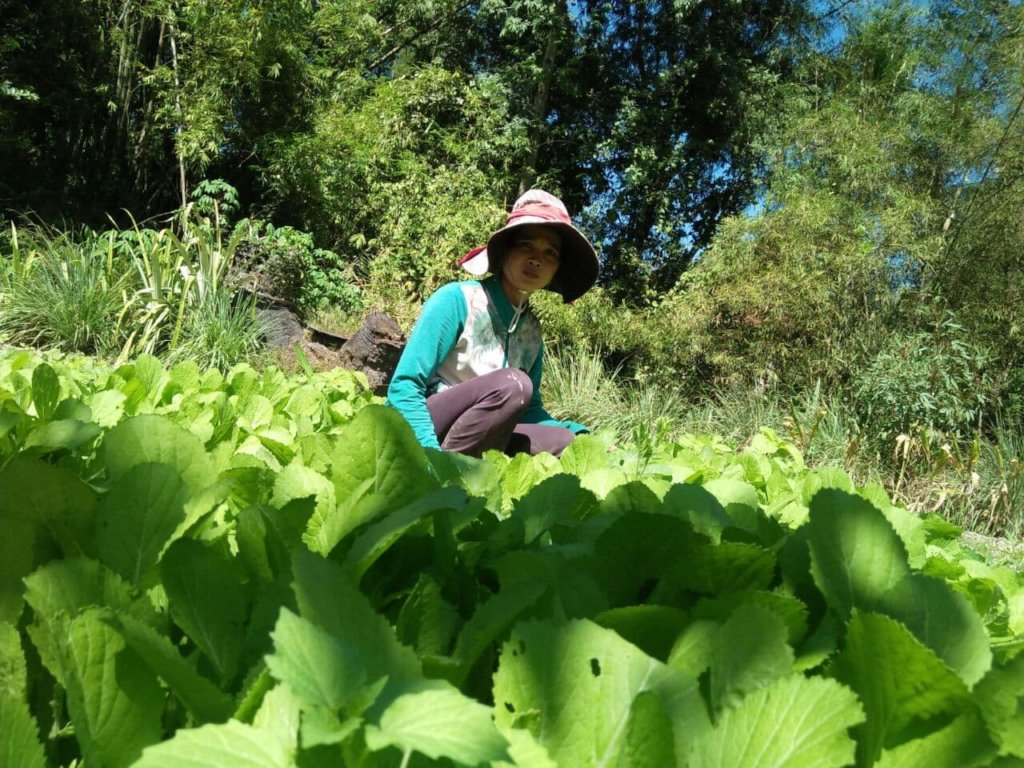
The core agricultural support provided training focused heavily on climate change adaptation strategies, including instruction on seasonal planting, container gardening, and establishing shelter planting systems for crop protection. This was complemented by detailed lessons on proper soil preparation, effective pest control methods, and the preparation of natural pesticides and hormone fertilizers to ensure improved crop vitality and yields.

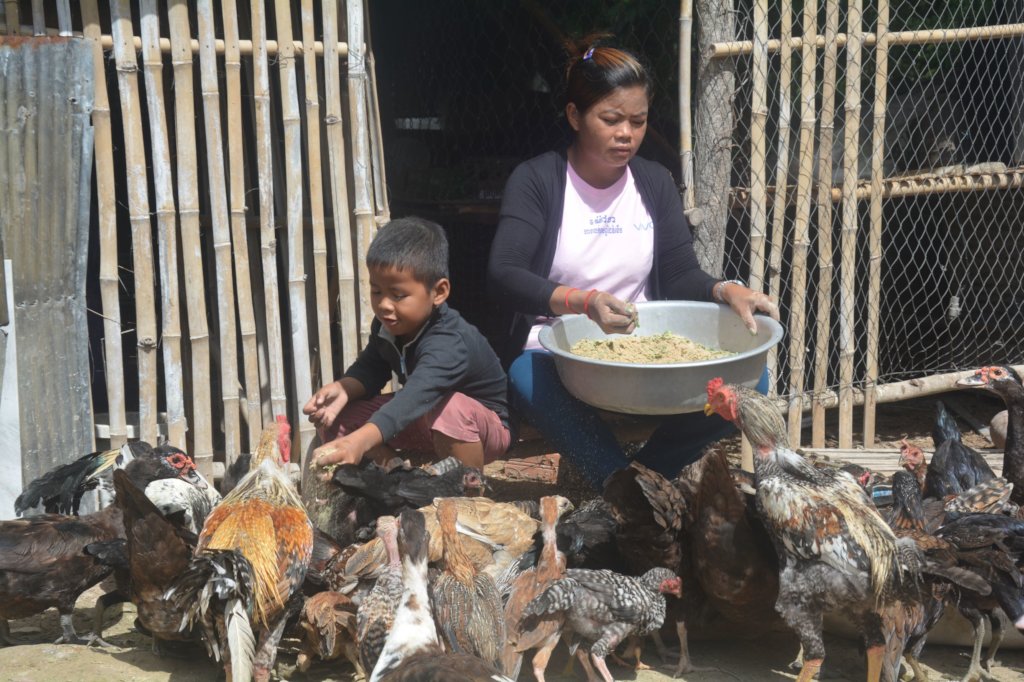
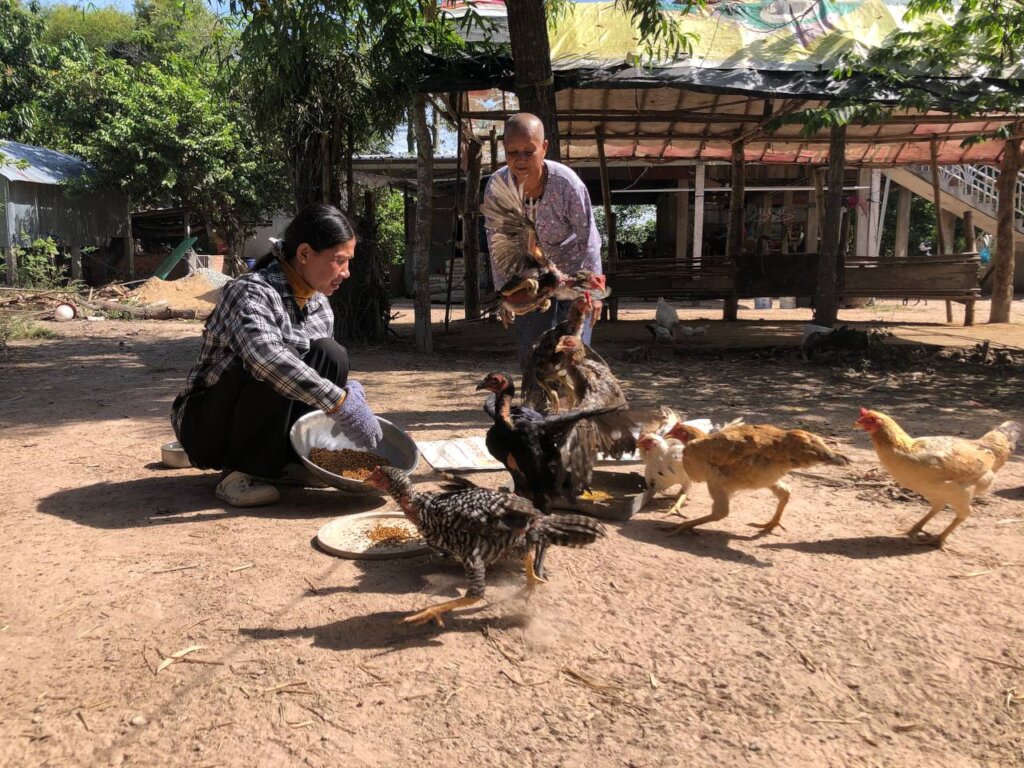
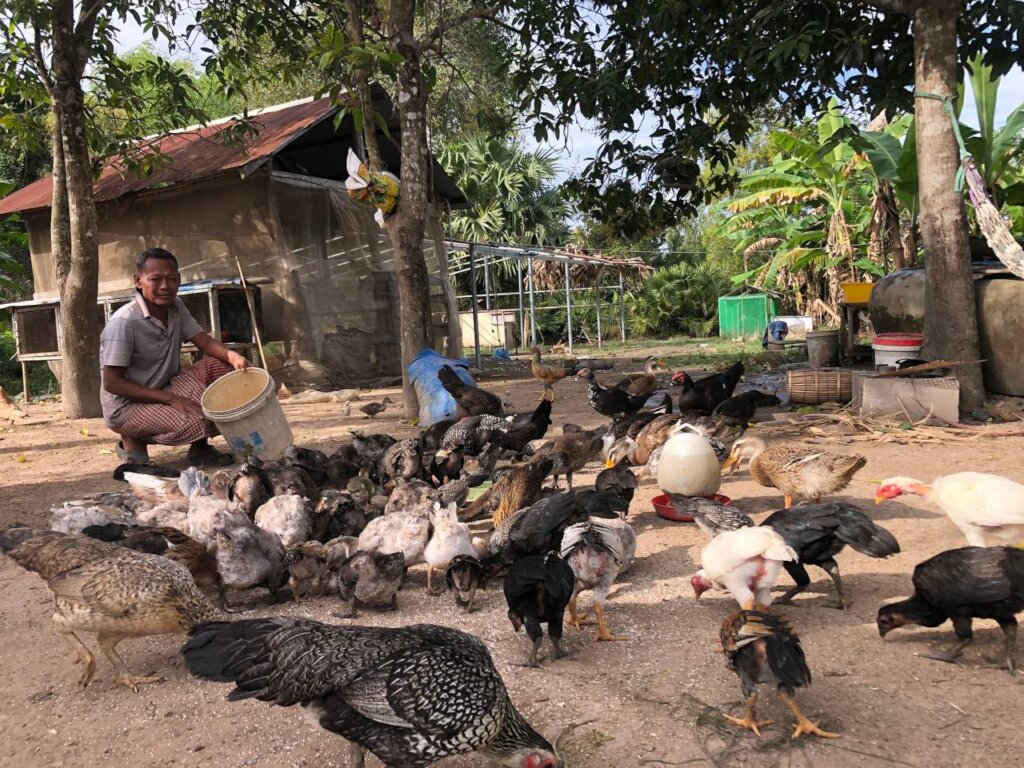
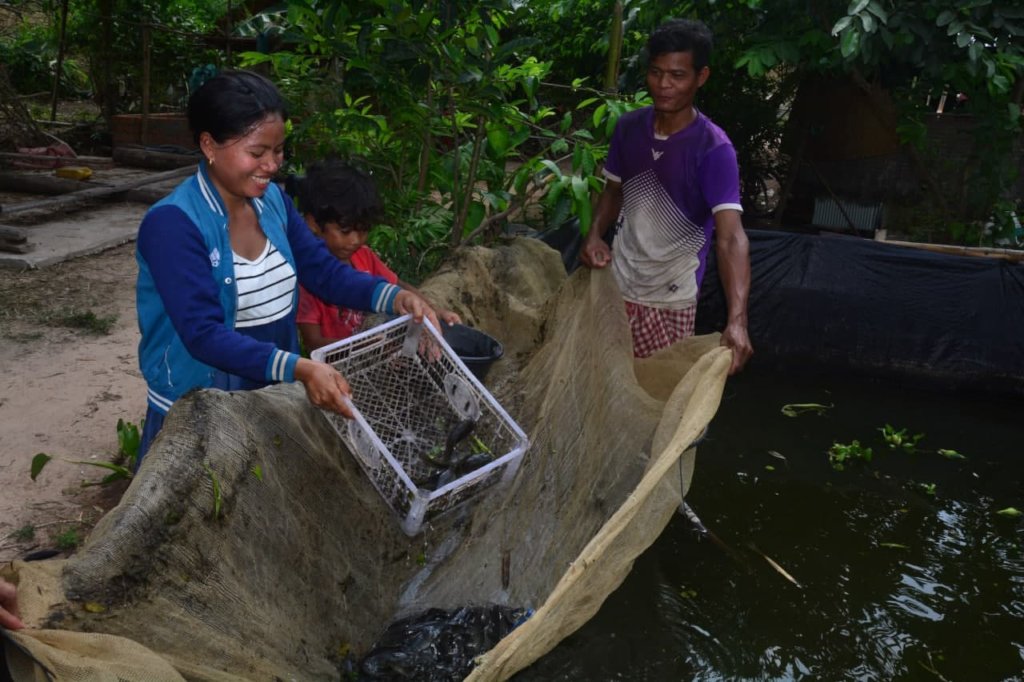
In the area of chicken production, ODOV staff strongly encouraged farmers to maintain a schedule of regular vaccination and utilize proper brooding techniques for chicks. To proactively manage diseases related to weather fluctuations, staff provided training on mixing essential vitamins and protective medicines for both the cold and hot seasons, specifically promoting the use of natural vaccines during colder periods to safeguard flock health.

For Social Integration, critical lessons focusing on Gender, Women's Rights, and Family Peace were integrated into the support schedule. This curriculum directly addressed and helped mitigate persistent social challenges observed in the communities, such as unequal resource management, the lack of male participation in domestic work, and instances of domestic violence, promoting a more equitable and peaceful household environment.

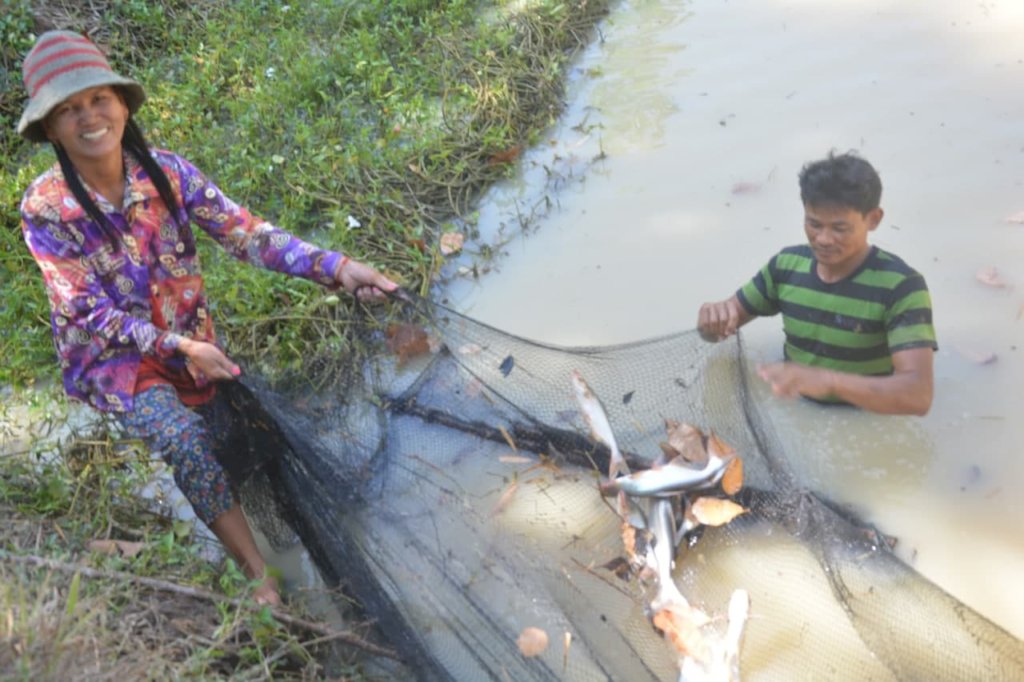
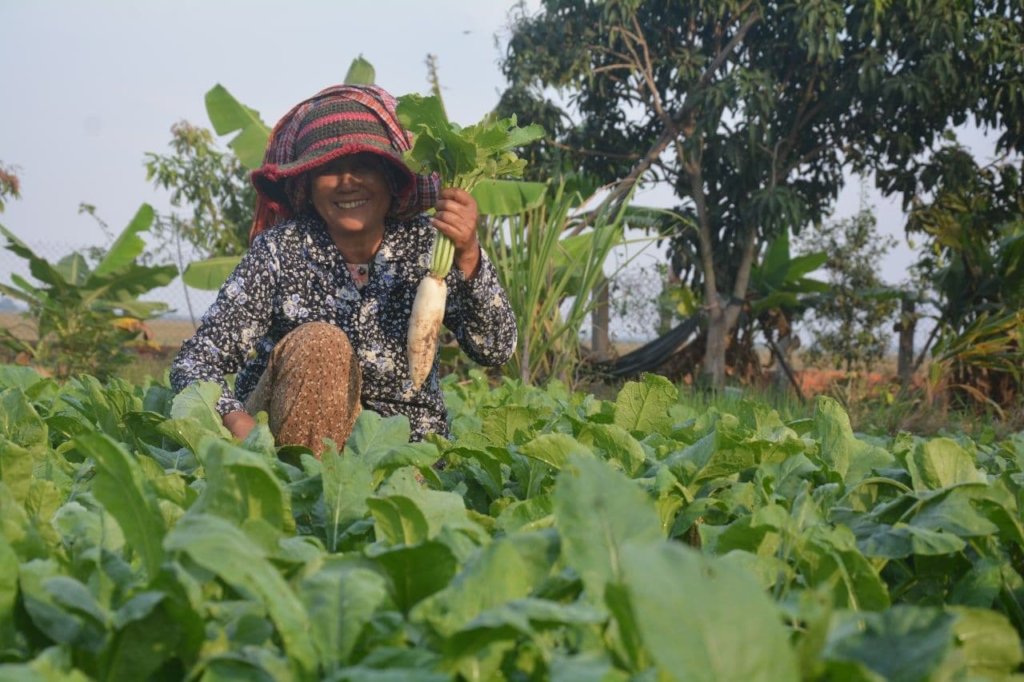
During the reporting period, farmers produced 45,000 kg of vegetables, selling 37,350 kg for an income of $18,675. Chicken production resulted in 1,505 kg of total weight, with 550 kg sold, generating $2,200. The total combined income from the sale of vegetables and poultry is $20,875, earned from selling the surplus home food produced, equating to an average income of $417.50 per participating family.

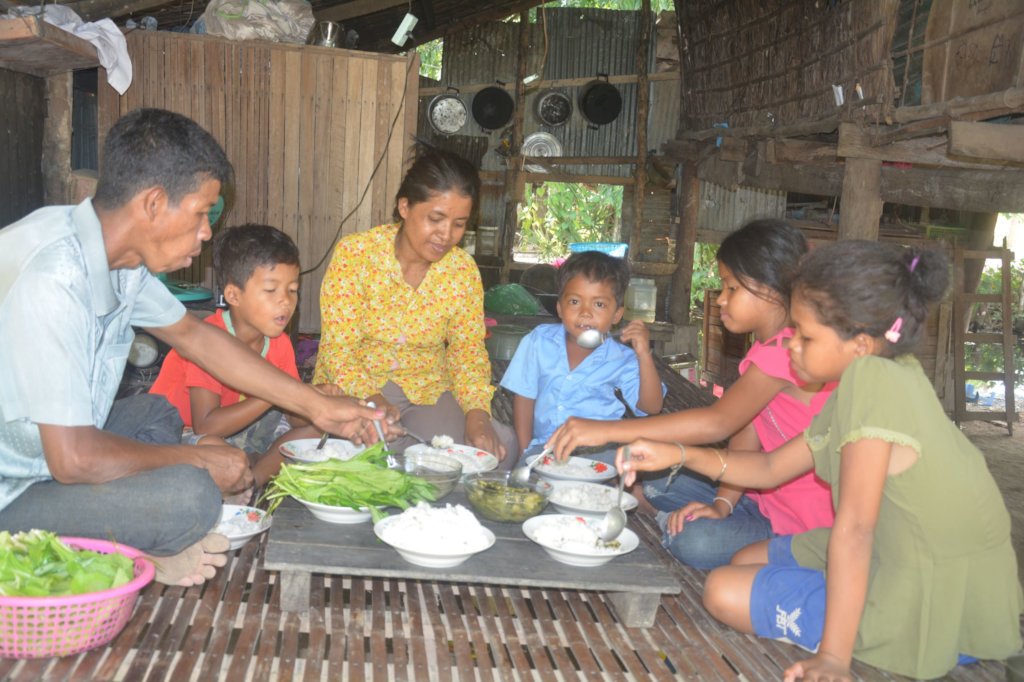
The intervention has resulted in significant Impact and Outcomes. In terms of Technical Success, farmers demonstrated a marked improvement in their knowledge, which translated directly into better crop and livestock production results. This success ensured that families have access to adequate daily food consumption from their home production and led to Sustained Practices. Families are now independently committing to purchasing commercial vaccines for their chickens, successfully applying learned techniques, and generating income from selling their surplus cultivated vegetables and chickens.

Furthermore, the Social Change observed is profound: monitoring confirmed improved gender equality, mutual respect, shared resource management, and a significant reduction in domestic violence, fostering increased family harmony. Crucially, farmers are actively sharing this knowledge with their neighbors, contributing to village-wide peace, and local employment in farming has increased, effectively reducing the need for out-migration.

Share on Twitter Share on Facebook

About Project Reports

Project reports on GlobalGiving are posted directly to globalgiving.org by Project Leaders as they are completed, generally every 3-4 months. To protect the integrity of these documents, GlobalGiving does not alter them; therefore you may find some language or formatting issues.

If you donate to this project or have donated to this project, you can receive an email when this project posts a report. You can also subscribe for reports without donating.


Sign up for updates

Organization Information

Organization to Develop Our Villages

Location: Phnom Penh - Cambodia
Website:
Facebook: Facebook Page
Project Leader:
Sopheat Tes
Phnom Penh , Cambodia
$2,822 raised of $48,000 goal
 
33 donations
$45,178 to go
Donate Now
$10
USD
The project can purchase vegetable seeds for a poor households to grow home gardent. By growing own vegetables, the poor farmer will be able to collect vegetable for their daily household consumption.
$25
USD
Project can purchase 3 hens and 1 rooster/purchase 500 fish-fingerlings for a poor household to raise to increase food for their household's consumption and earning extra income from selling surplus.
$50
USD
Project can pay for an technician to train 10 households in agricultural climate change adaptation techniques - mulching, compost making, drip or sprinkling irrigation, fish and poultry productions.
$100
USD
Project can pay for a technician to organize 4 community dialogues (40 households) to share best practices and challenges in regarding to their homestead food production activities.
$150
USD
Project can pay for a technician to provide two trainings for 30 households in gender concept, women rights and peace development.
$200
USD
Project can pay for a technician to organize a district consultation forum between women representatives and Committees on Women and Children Affairs to reflect on women's issue and address the gaps.s
$350
USD
Project will pay service provider to dig a pond for a poor household. Pond will store rainwater and serve multiple purposes, raise fish, consistent water access for livestock, and vegetable gardens.
$500
USD
Project can help a household to set up a demonstration farm. The farm will serve as a resource of training center for community members to learn and share experiences on agricultural productions.
lock
Donating through GlobalGiving is safe, secure, and easy with many payment options to choose from. View other ways to donate

Organization to Develop Our Villages has earned this recognition on GlobalGiving:

Help raise money!

Support this important cause by creating a personalized fundraising page.

Start a Fundraiser

Learn more about GlobalGiving

Teenage Science Students
Vetting +
Due Diligence

Snorkeler
Our
Impact

Woman Holding a Gift Card
Give
Gift Cards

Young Girl with a Bicycle
GlobalGiving
Guarantee

Get incredible stories, promotions, and matching offers in your inbox

WARNING: Javascript is currently disabled or is not available in your browser. GlobalGiving makes extensive use of Javascript and will not function properly with Javascript disabled. Please enable Javascript and refresh this page.