By Yaqoob Sadiq | Project Leader
1. Introduction
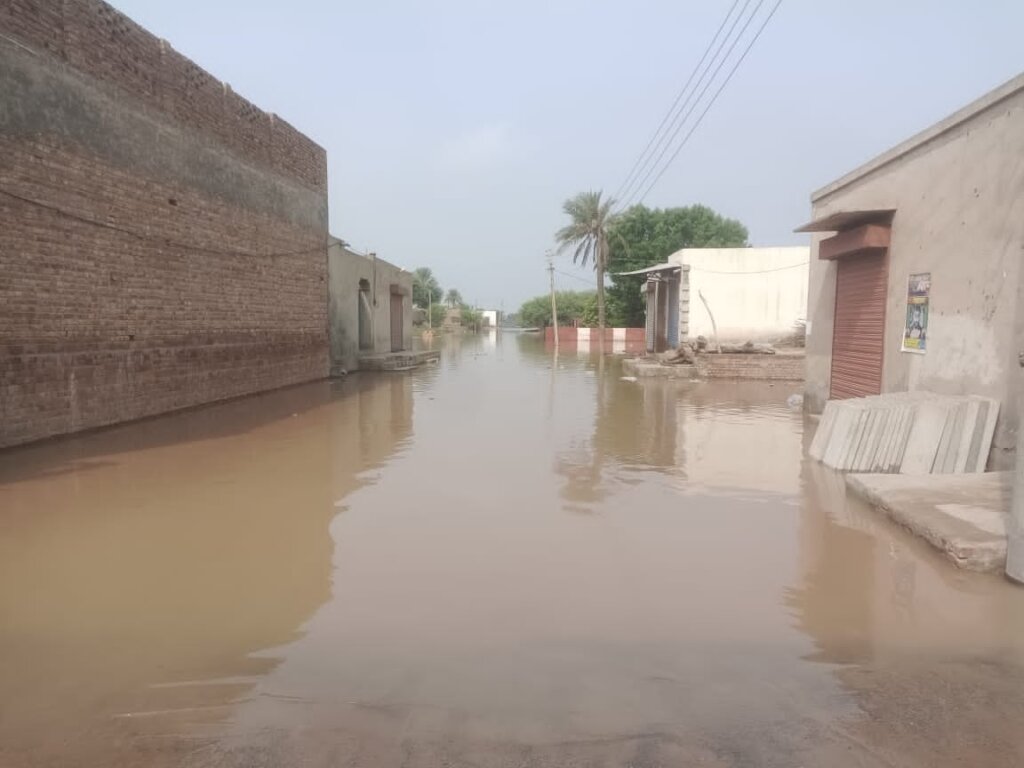
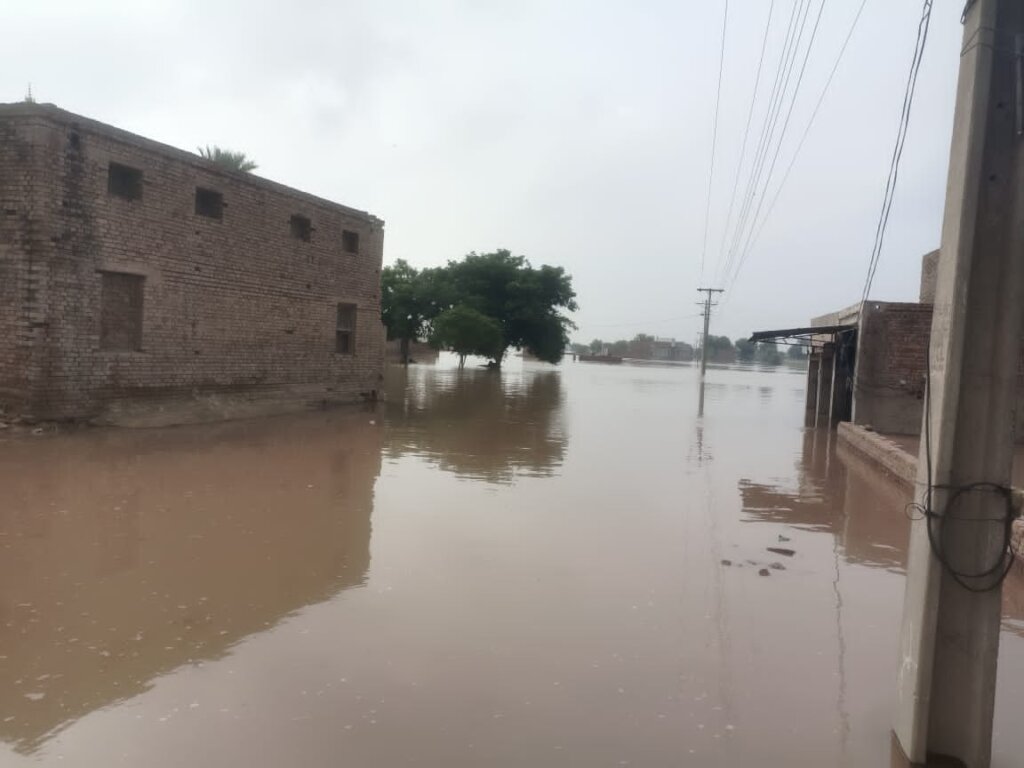
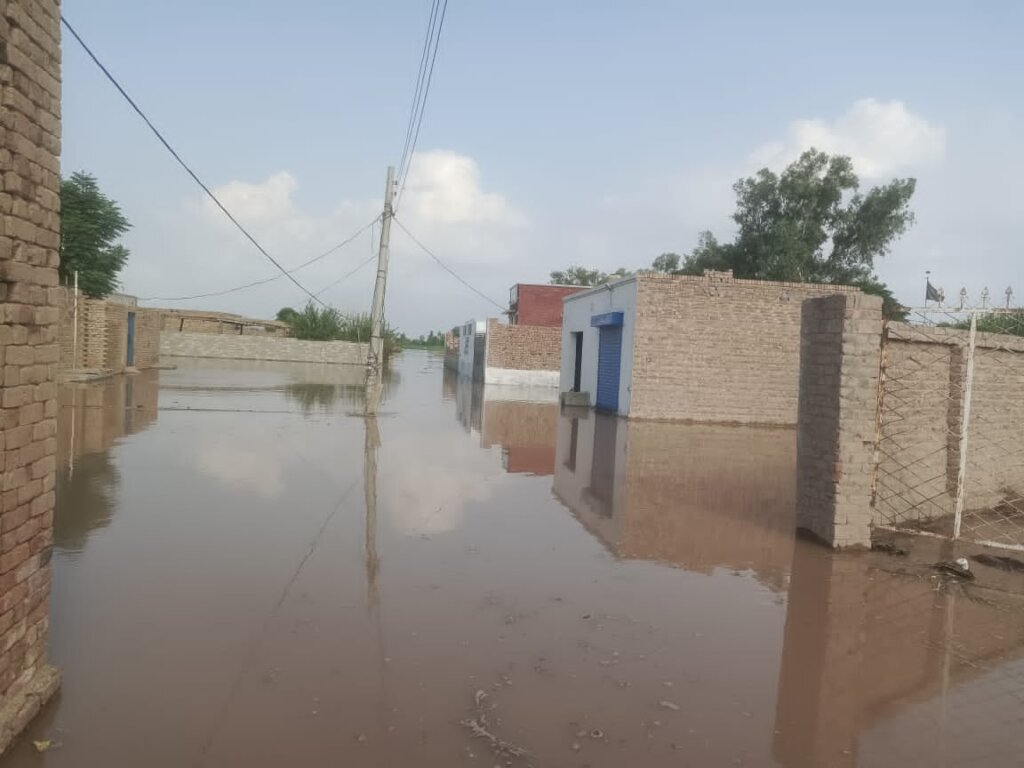
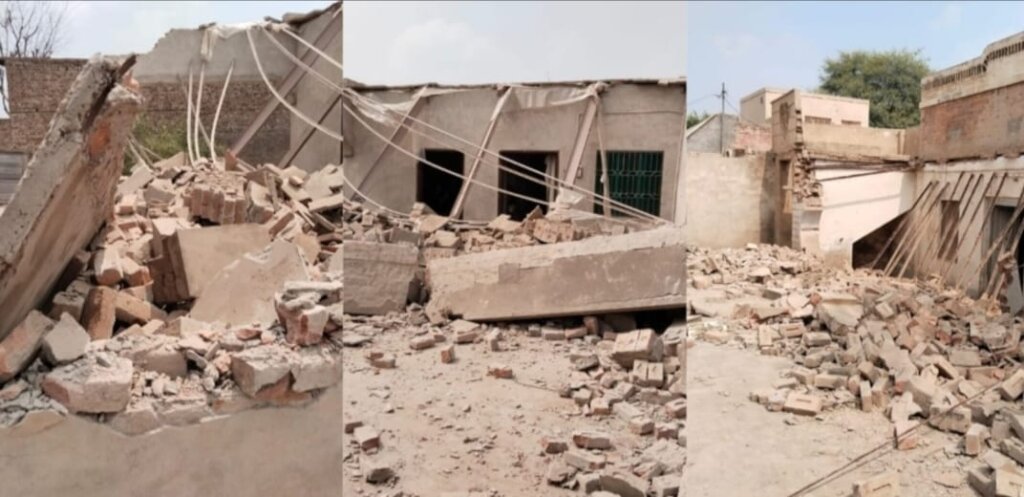
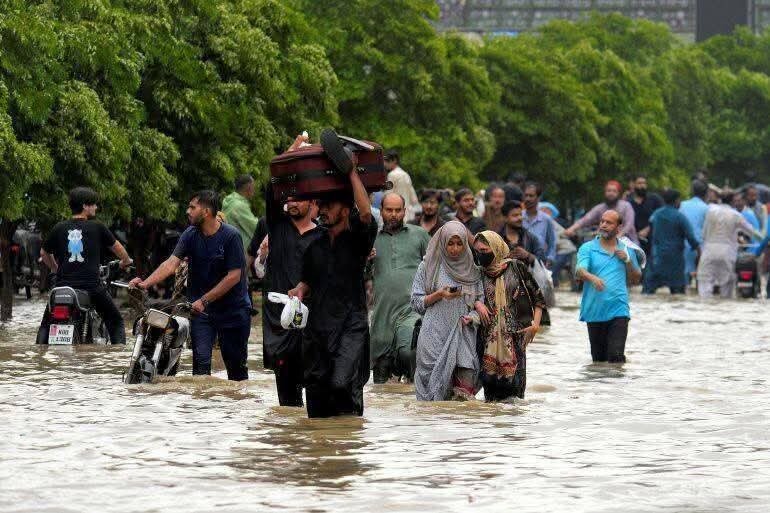
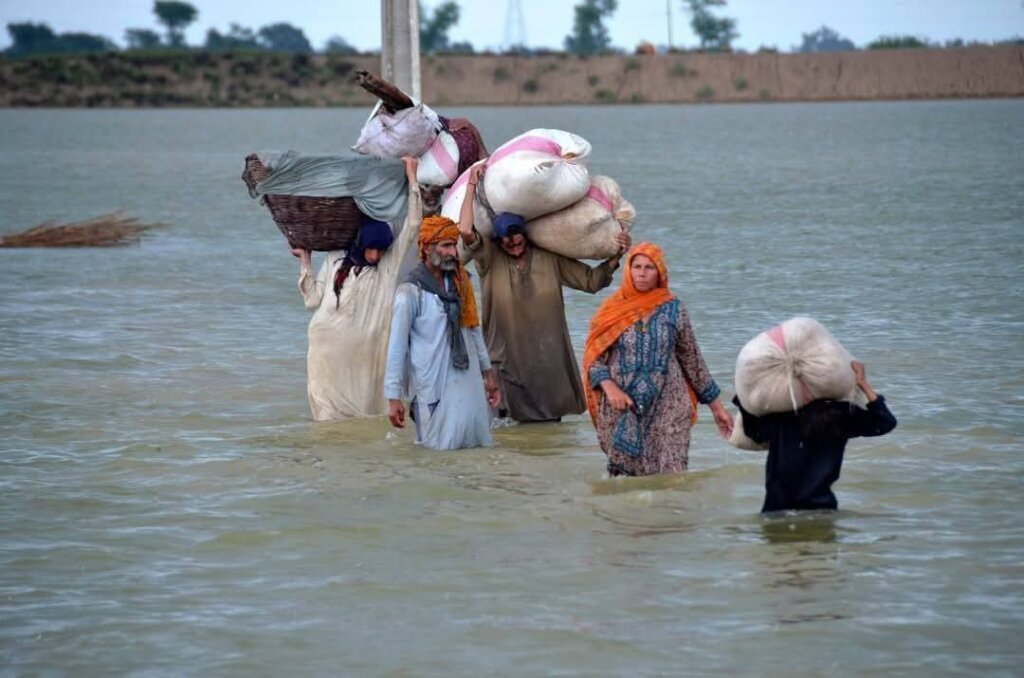
Pakistan experienced severe monsoon flooding during 2025, affecting communities across several provinces. The 2025 monsoon season brought intense rainfall, river flooding, flash floods and urban inundation. According to the National Disaster Management Authority (NDMA), the monsoon season resulted in more than 1,000 reported deaths nationwide, more than 229,000 houses damaged or destroyed, and the loss of thousands of livestock. Millions of people were rescued or evacuated from high-risk areas.
Punjab was among the provinces severely affected. Flooding along major rivers, including the Chenab and Ravi, affected numerous villages and communities. In September 2025, authorities reported that 75 villages in Toba Tek Singh had been affected by flooding, while thousands of villages across Punjab were impacted.
The disaster particularly affected poor rural families who depend on daily wages, agriculture, livestock and informal employment. Many families lost food stocks, household belongings, livestock and sources of income.
In response to this emergency, Joy Foundation Pakistan launched a Flood Relief Appeal 2025 to provide immediate humanitarian assistance to vulnerable and flood-affected families.
2. Background of Joy Foundation Pakistan
Joy Foundation Pakistan is a non-profit development organization working with marginalized and vulnerable communities in Toba Tek Singh and surrounding areas.
The Foundation has experience in emergency response and community development, including humanitarian assistance during previous floods and other emergencies. Since 2010, Joy Foundation has supported vulnerable communities affected by floods through food assistance, hygiene support, medical assistance, clean water and other emergency interventions.
The Foundation's approach is based on responding to urgent humanitarian needs while maintaining dignity, transparency and accountability toward affected communities and supporting partners.
3. The 2025 Flood Emergency
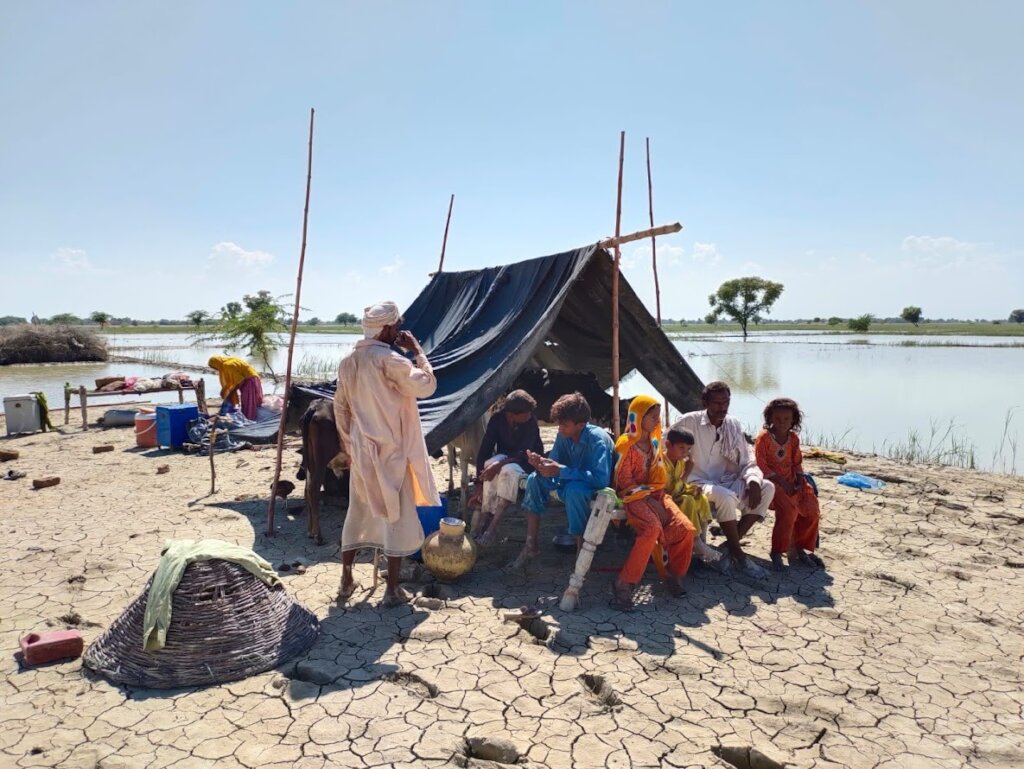
During the 2025 monsoon season, heavy rainfall and rising river levels created serious flooding risks in Punjab. The Chenab River experienced major flood waves, while several districts along river systems were affected. Authorities issued warnings and implemented evacuation and relief measures in vulnerable areas.
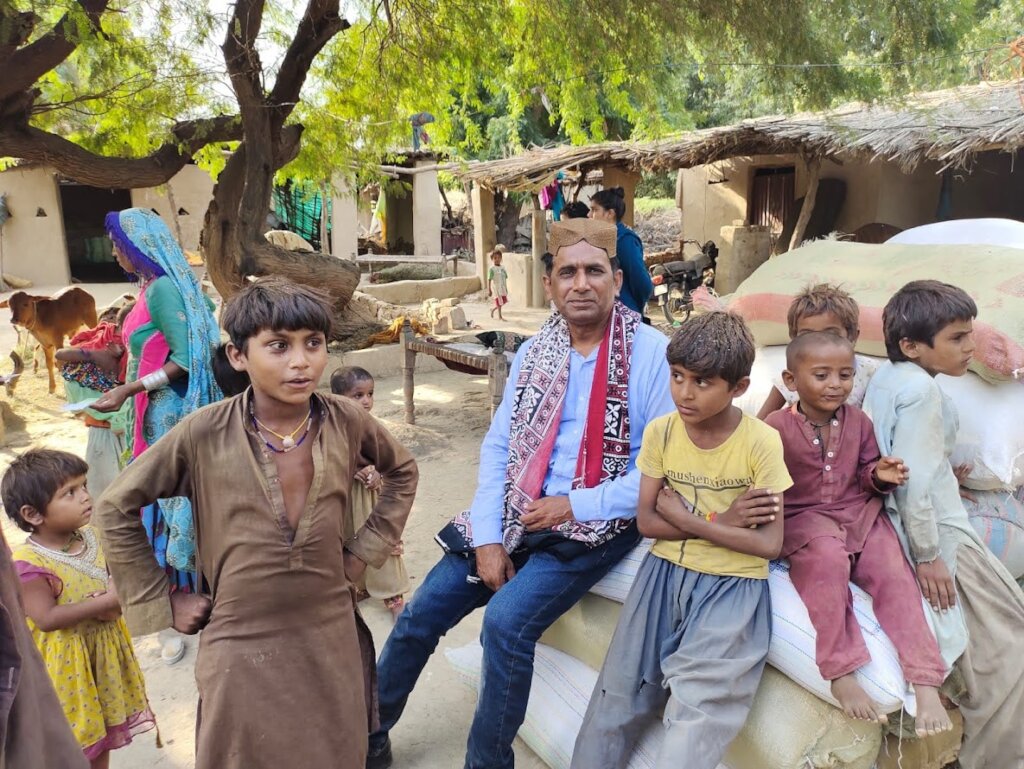
Toba Tek Singh and surrounding rural communities were among the affected areas. Poor families, including brick kiln workers and other daily-wage workers, faced particular difficulties because they had very limited savings and few resources to recover after losing income or household belongings.
Flood-affected families required immediate access to:
4. Purpose of the Flood Relief Appeal
The purpose of the Flood Relief Appeal Pakistan 2025 was to mobilize emergency resources to support vulnerable families affected by flooding.
Joy Foundation focused on providing practical assistance to families who had lost access to basic necessities and whose livelihoods had been disrupted.
The response aimed to:
5. Target Beneficiaries
The emergency response prioritized vulnerable families living in flood-affected rural communities.
Priority was given to:
Poor and low-income families
Daily-wage workers
Brick kiln workers and their families
Women-headed households
Families with young children
Elderly and vulnerable persons
Persons with disabilities
The initial response targeted approximately 250 families, representing approximately 1,500-3,000 individuals, depending on household size and the severity of needs identified through field assessments.
6. Emergency Relief Activities
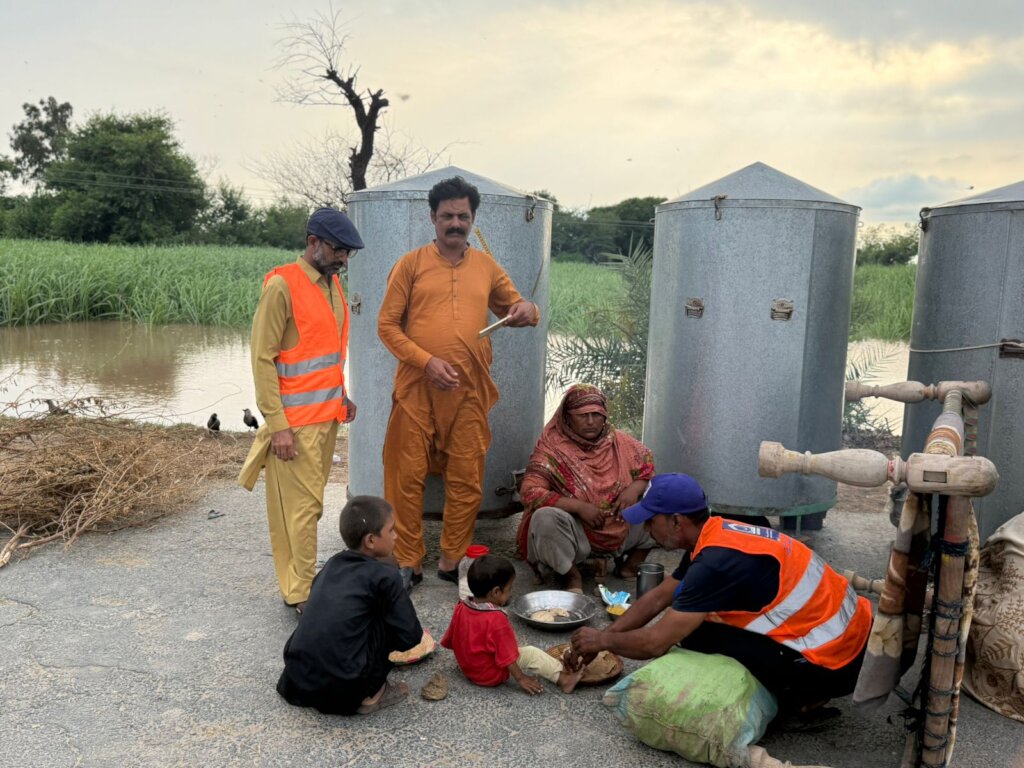
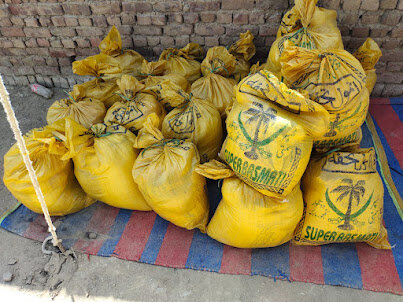
A. Food Assistance
Food was one of the most urgent needs among affected families.
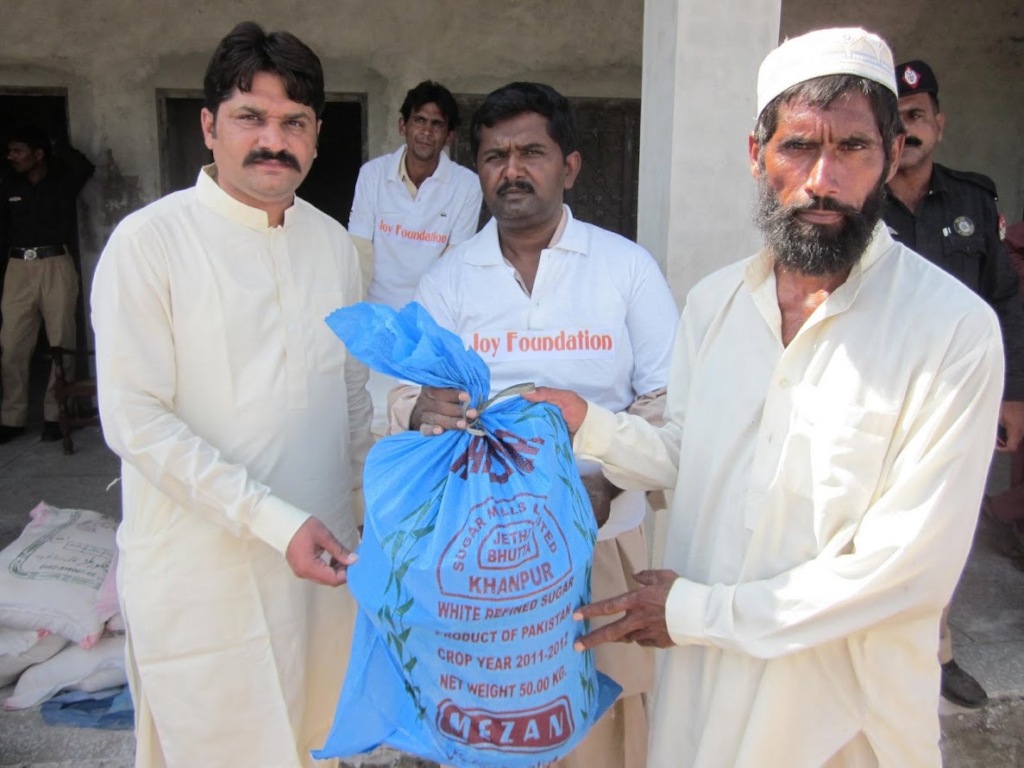
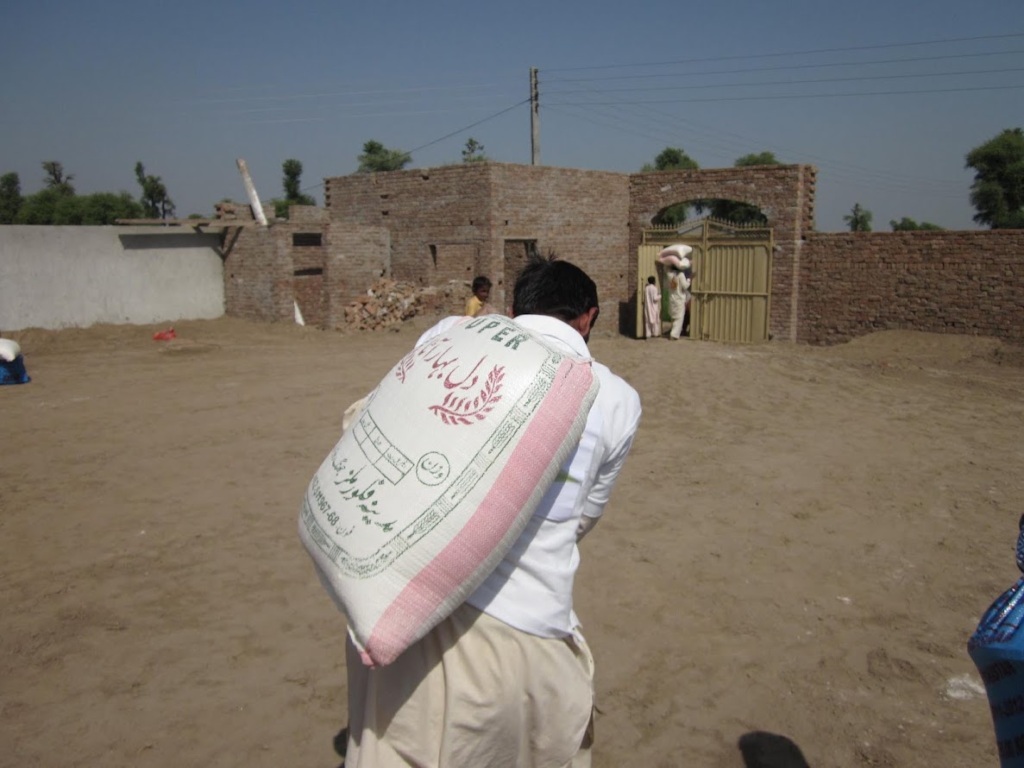
Joy Foundation provided emergency food packages containing essential household food items. The assistance helped families meet their immediate nutritional needs while their normal sources of income and food were disrupted.
The food packages were distributed according to identified household needs, with priority given to the most vulnerable families.
B. Hygiene Kits
Flooding increases the risk of waterborne and communicable diseases. Families often lose their normal hygiene supplies when their homes are flooded.
Joy Foundation therefore included hygiene materials in the emergency response.
The hygiene support included essential items such as:
Soap
Washing materials
Sanitary products
Household cleaning materials
Other essential hygiene supplies
The distribution was particularly important for women, children and families living in temporary or overcrowded conditions.
C. Clean Drinking Water
Access to safe drinking water was a major concern following flooding.
Joy Foundation supported affected families with clean drinking water and promoted safe water practices to reduce the risk of waterborne diseases.
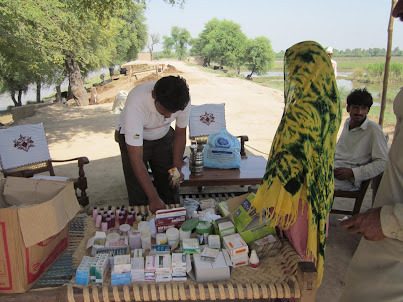
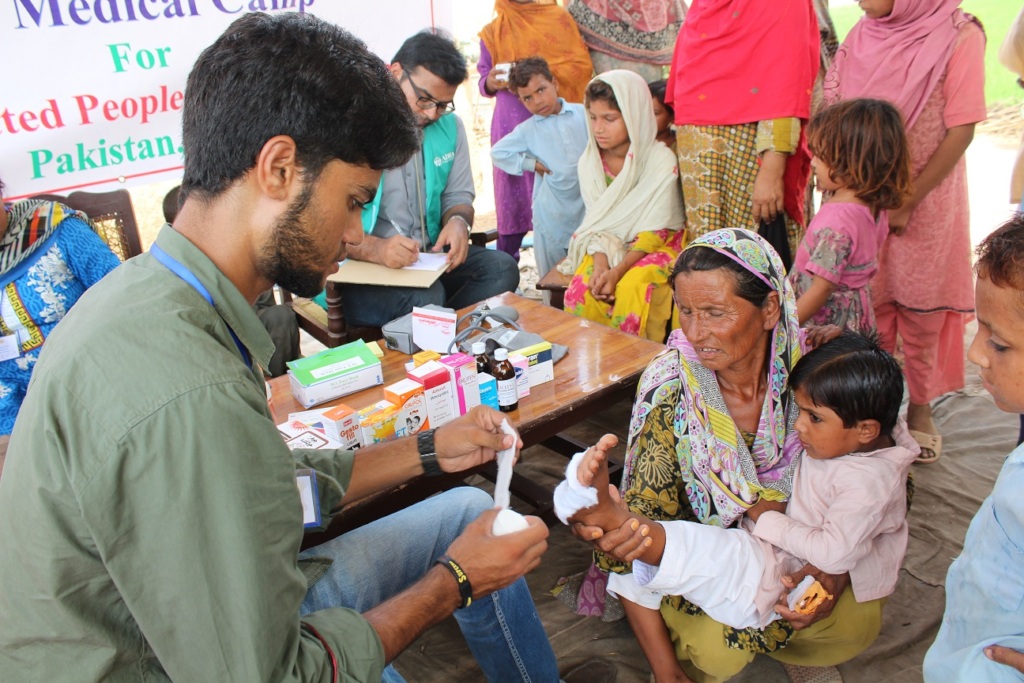
D. Medical Camps
Flood-affected communities required immediate medical attention because standing water, poor sanitation and overcrowding can increase health risks.
Joy Foundation organized/supports medical assistance through medical camps for affected communities.
The camps aimed to provide:
E. Emergency Shelter and Household Support
Some families were unable to return immediately to their homes or had lost essential household belongings.
Where resources permitted, Joy Foundation supported vulnerable families with emergency household and shelter-related materials.
These included items such as:
Tents or temporary shelter materials
F. Support for Children
Children were particularly vulnerable during the flood emergency.
Flooding disrupted normal education activities, damaged learning environments and created additional protection concerns.
Joy Foundation supported affected children through emergency learning materials and coordination with its existing education activities. Where necessary, education centers affected by flooding were temporarily closed for the safety of children and teachers.
8. Community Participation
Joy Foundation involved local community members in the response process.
Community participation helped the Foundation:
Identify affected households
Verify beneficiary information
Understand changing needs
Organize distribution points
Communicate health and hygiene information
Monitor the use of relief assistance
Identify families requiring additional support
The Foundation sought to ensure that assistance was provided fairly and respectfully.
By Yaqoob Masih | Project Leader
By Yaqoob Masih | Project Leader
Project reports on GlobalGiving are posted directly to globalgiving.org by Project Leaders as they are completed, generally every 3-4 months. To protect the integrity of these documents, GlobalGiving does not alter them; therefore you may find some language or formatting issues.
If you donate to this project or have donated to this project, you can receive an email when this project posts a report. You can also subscribe for reports without donating.



Support this important cause by creating a personalized fundraising page.
Start a Fundraiser