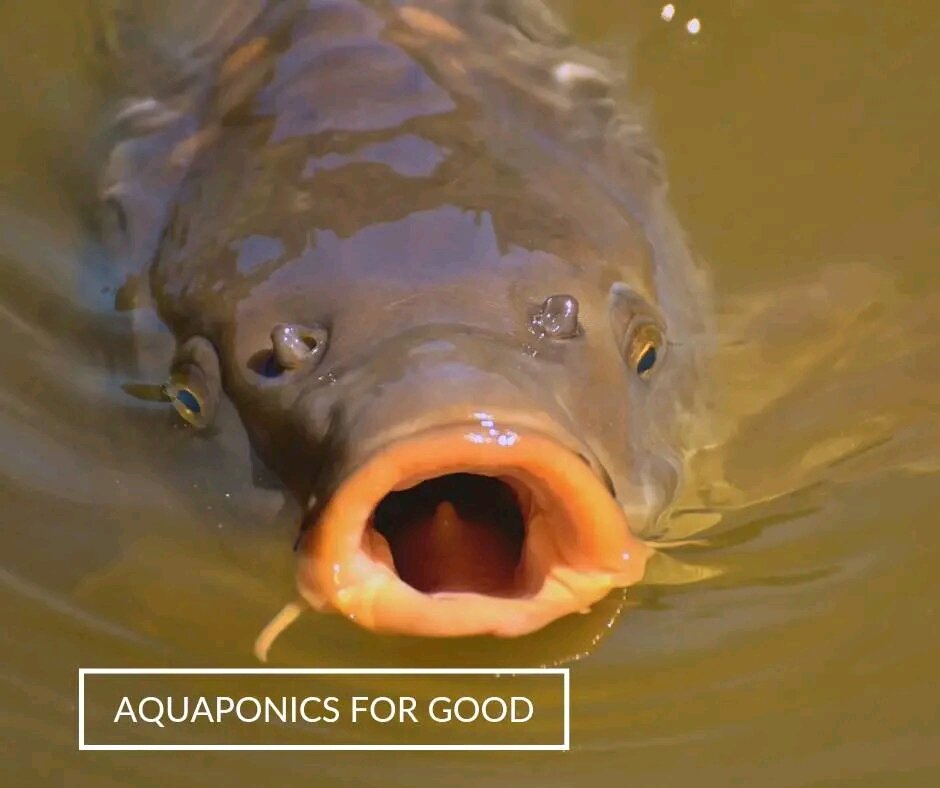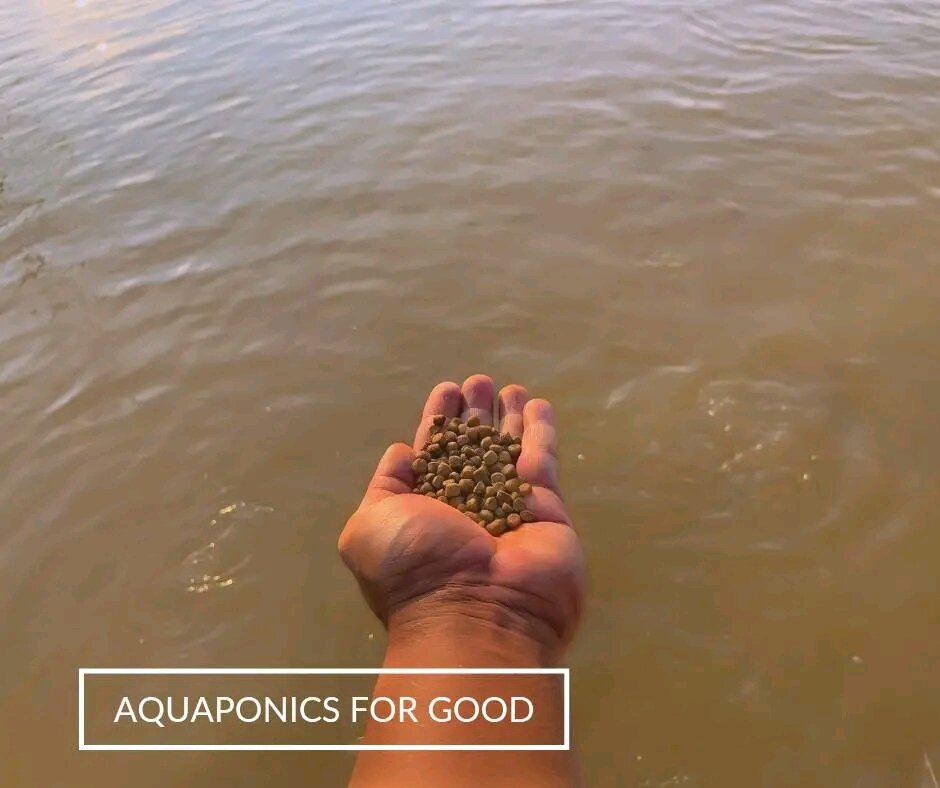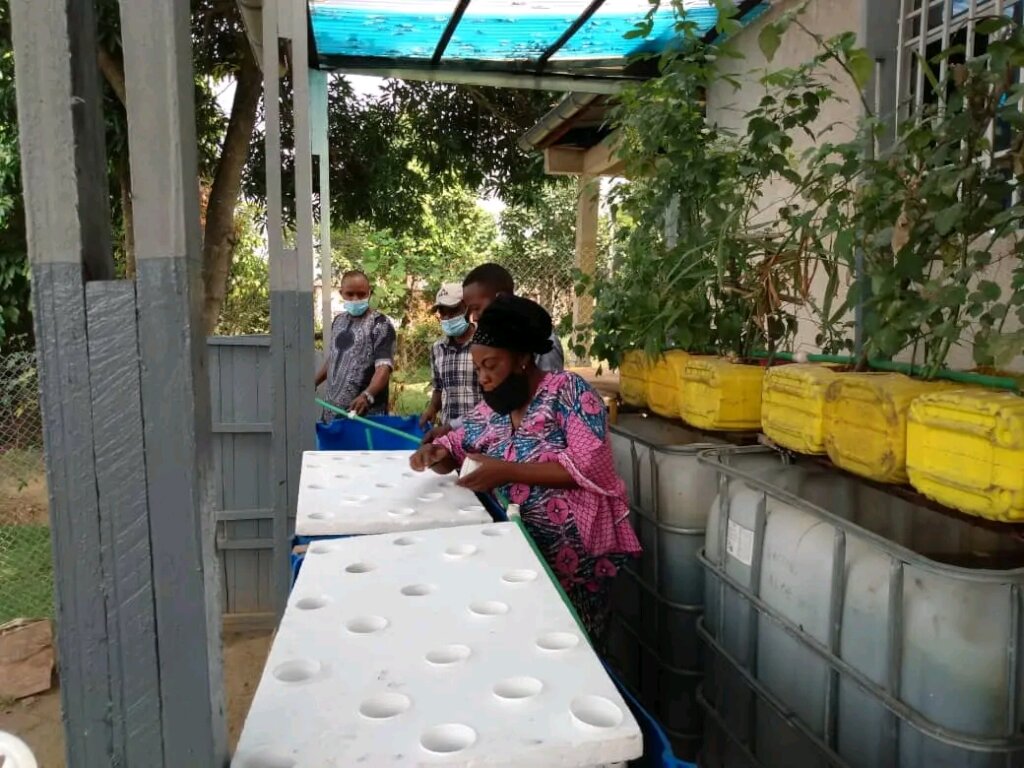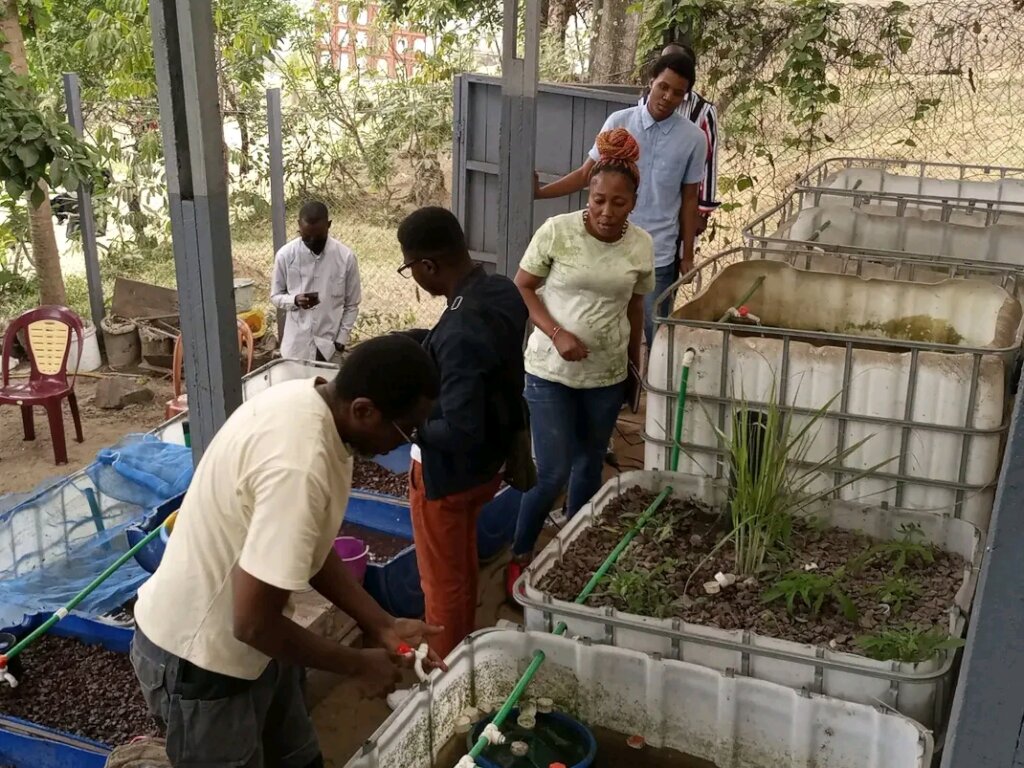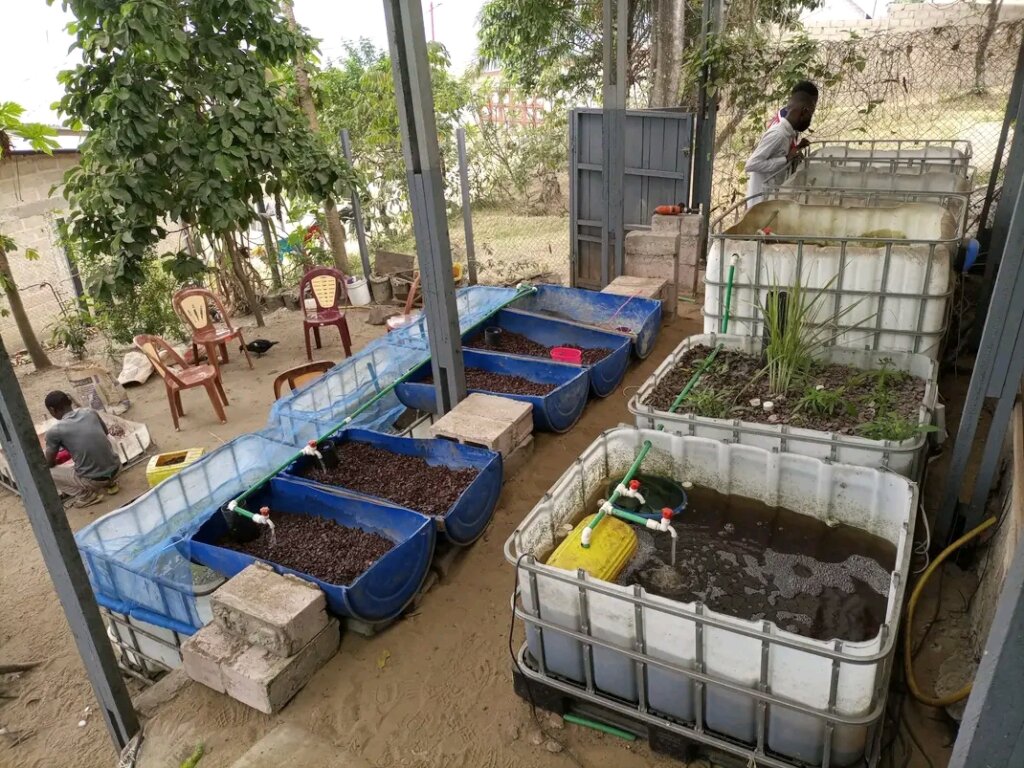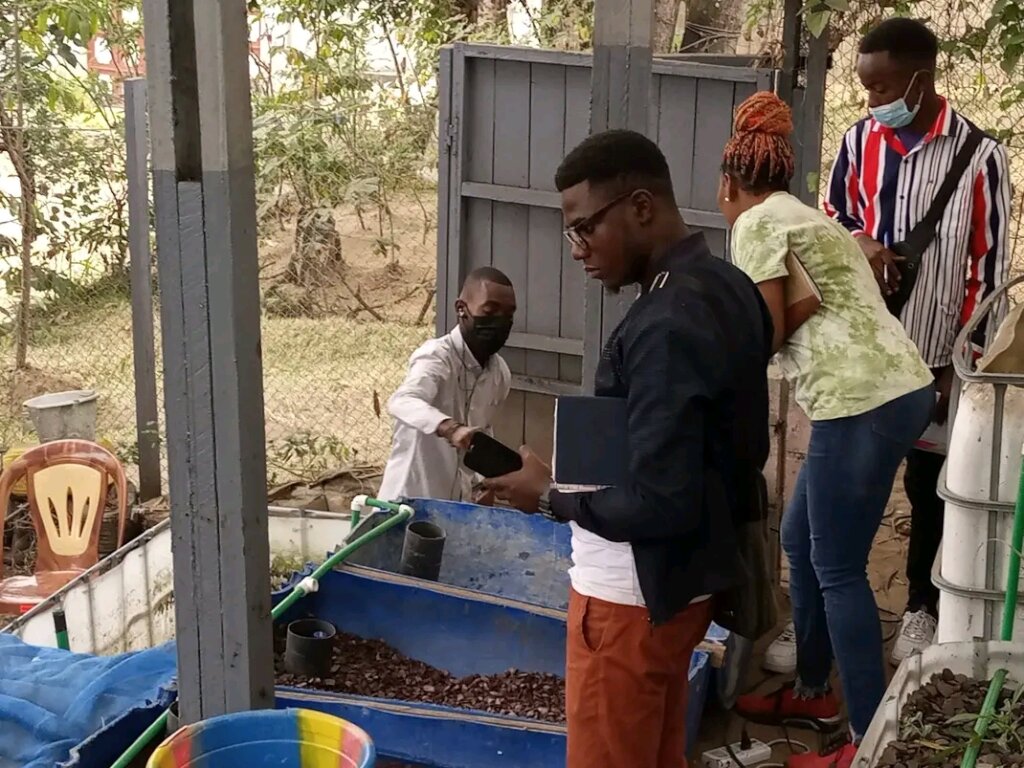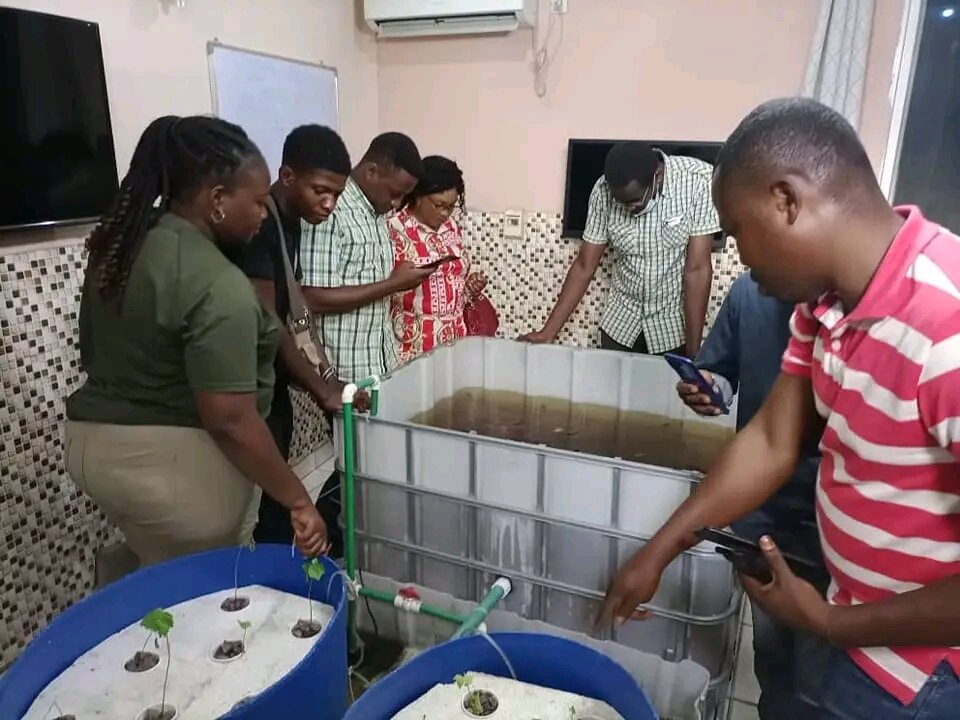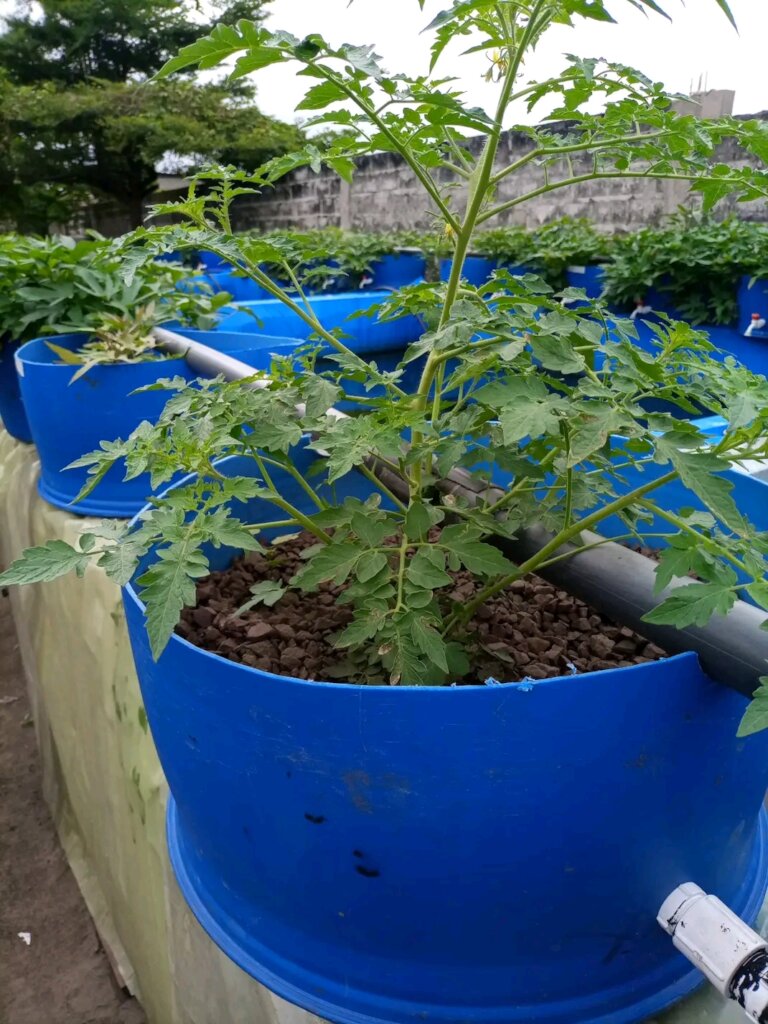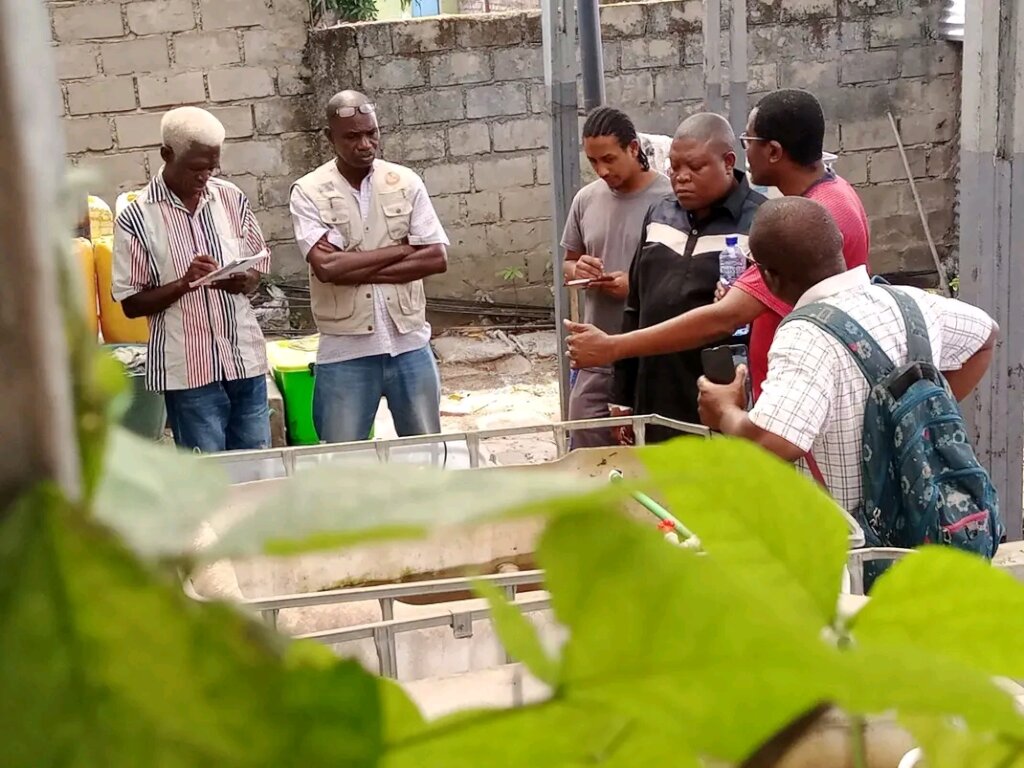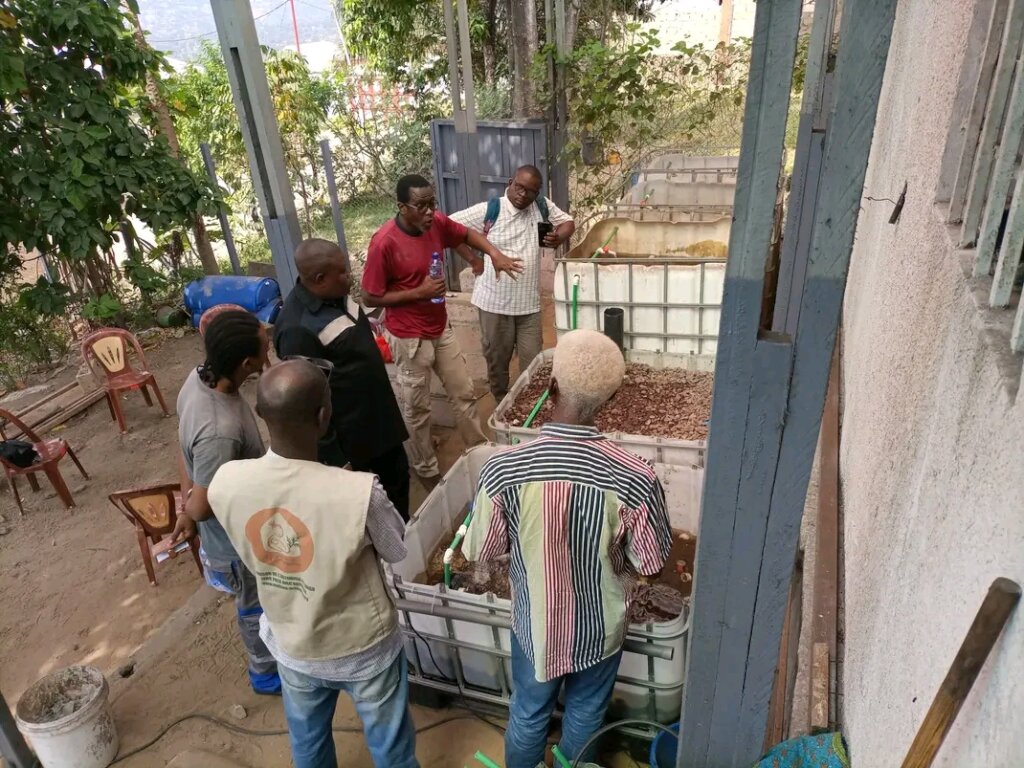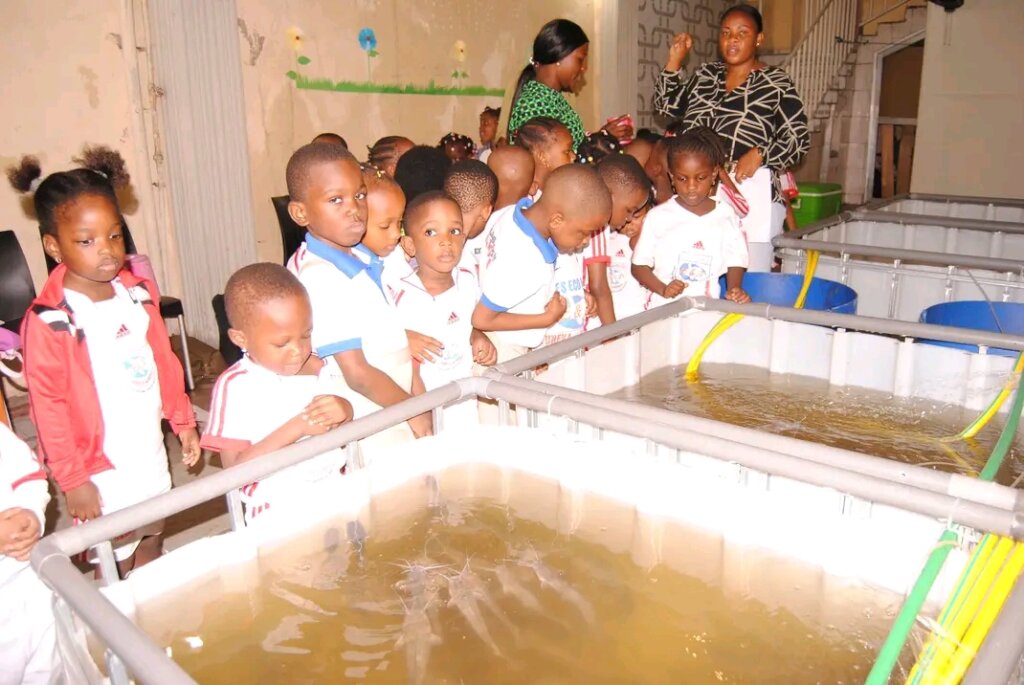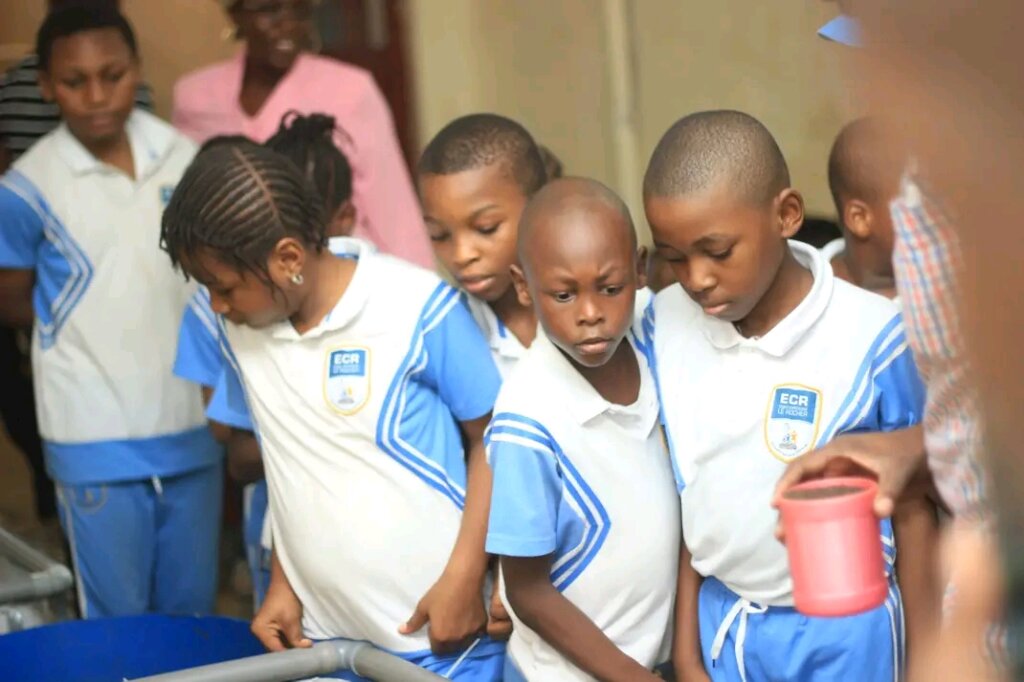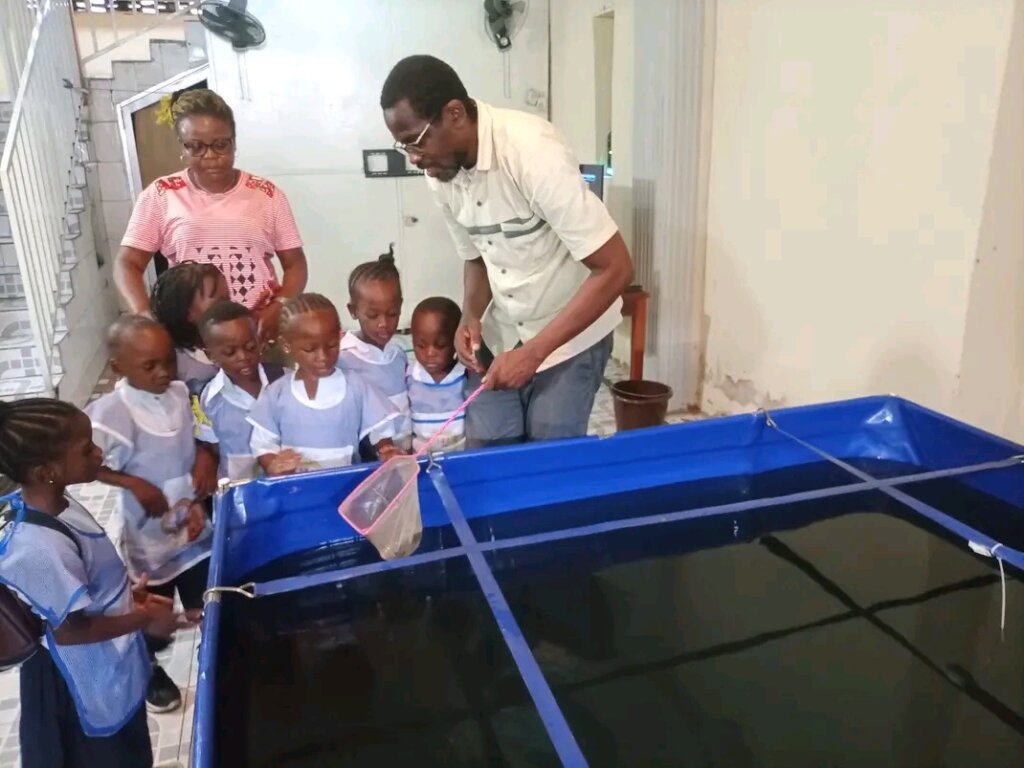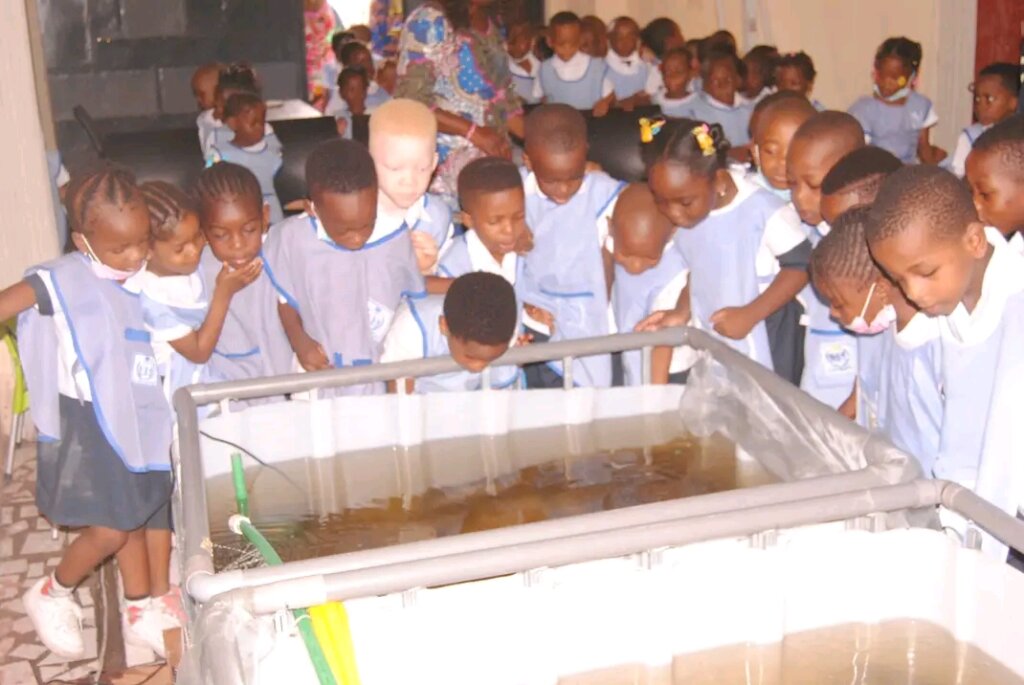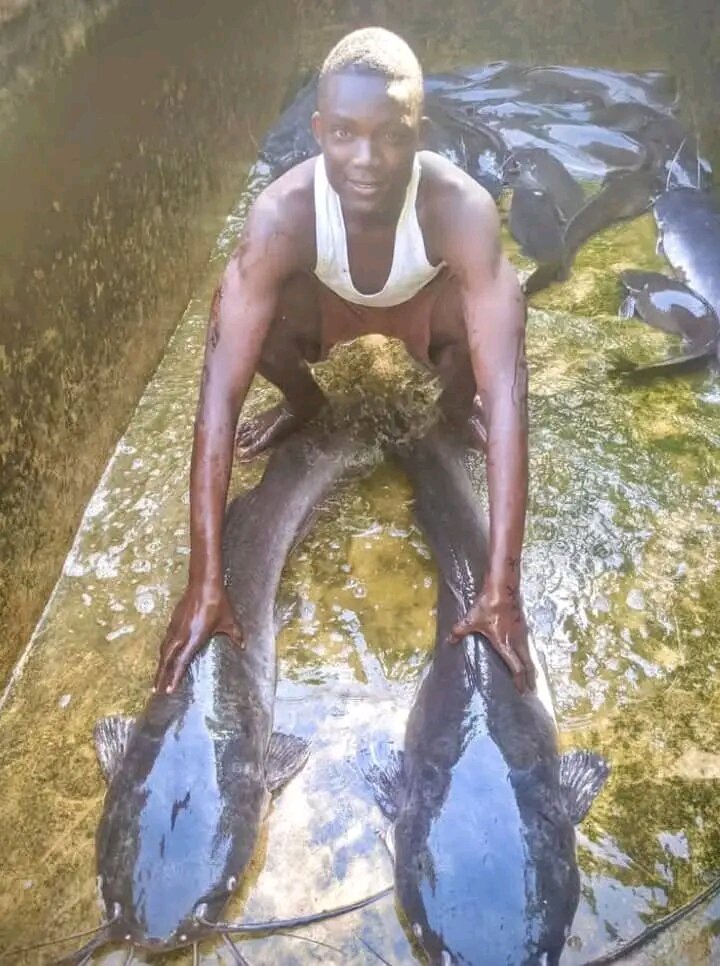
The DRC's aquaculture sector leverages 52% of Africa's water to boost food security and youth employment, aligned with the 2024-2028 Strategic Plan. Targeting Nile Tilapia and Catfish, the project aims to close the 467,000-ton production gap, reducing costly imports. Operations combine rural ponds and urban tanks to bypass logistics bottlenecks. Success depends on solving fingerling shortages, lowering feed costs, and training the 61% of local farmers lacking formal technical skills.
Despite holding 52% of Africa's fresh water, local aquaculture is underdeveloped. The country relies on expensive imported frozen fish to feed its population. Local farmers struggle with a severe lack of quality fingerlings and affordable feed. Additionally, poor roads and a lack of cold storage cause fish to spoil quickly. Limited bank loans prevent small farms from expanding, leaving the nation's massive food potential completely untapped.
It provides farmers with high-quality fingerlings and affordable feed to increase fish yields. Training programs teach modern techniques, while solar-powered cold storage centers stop post-harvest spoilage. By improving market supply chains, the project cuts reliance on expensive imports. Finally, microfinance access helps small farms expand, creating jobs for youth and securing cheap, fresh protein for millions in the DRC.
This project will ensure long-term food security and economic growth in the DRC. Boosting local fish production will eliminate dependency on costly imports, saving millions in foreign currency. Communities will gain access to cheap, fresh protein, drastically reducing malnutrition. The expansion of aquaculture will create sustainable jobs for youth and women across rural areas. Finally, it establishes a green, self-sufficient food model, turning the DRC into a major fish exporter in Africa.
This project has provided additional documentation in a PDF file (projdoc.pdf).



Support this important cause by creating a personalized fundraising page.
Start a Fundraiser