By Sona Keresztesova | Project Leader
Since 2013 we have been among the lucky ones whose hobby and passion become their job.
Our main activity consists indeed in connecting bees, people and education.
Although beekeeping in our a family is a tradition that started in 1945, it was not always clear that we will always be able to carry on this passion forever. The story of our non-governmental organization kRaj is in fact fascinating.
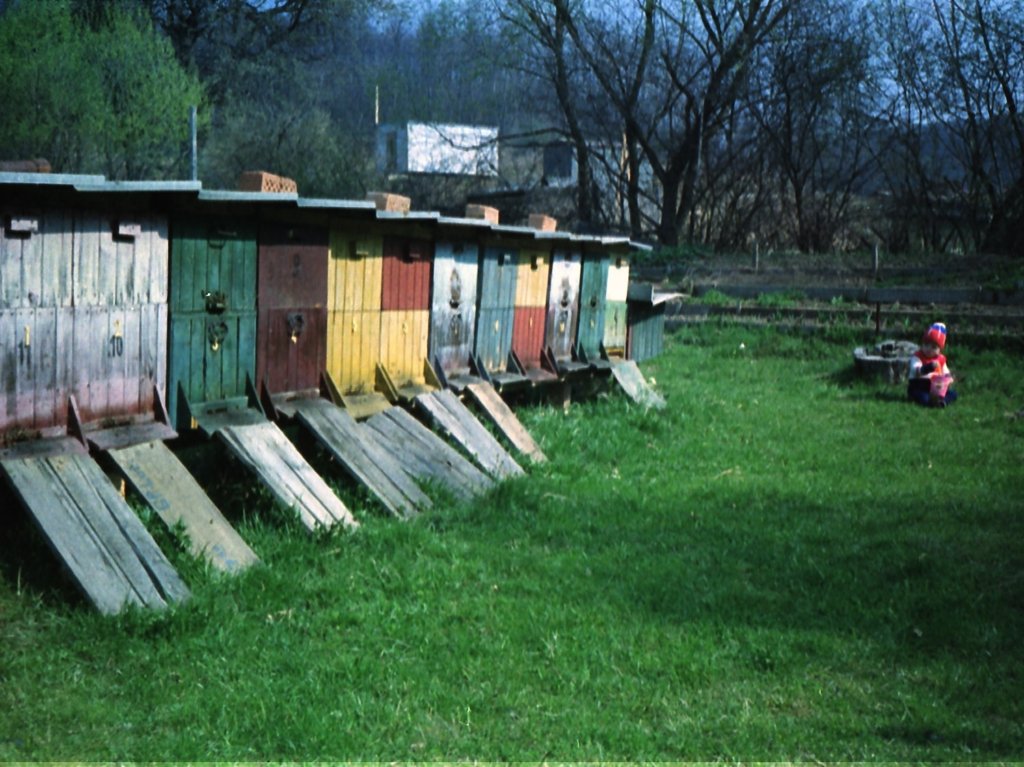
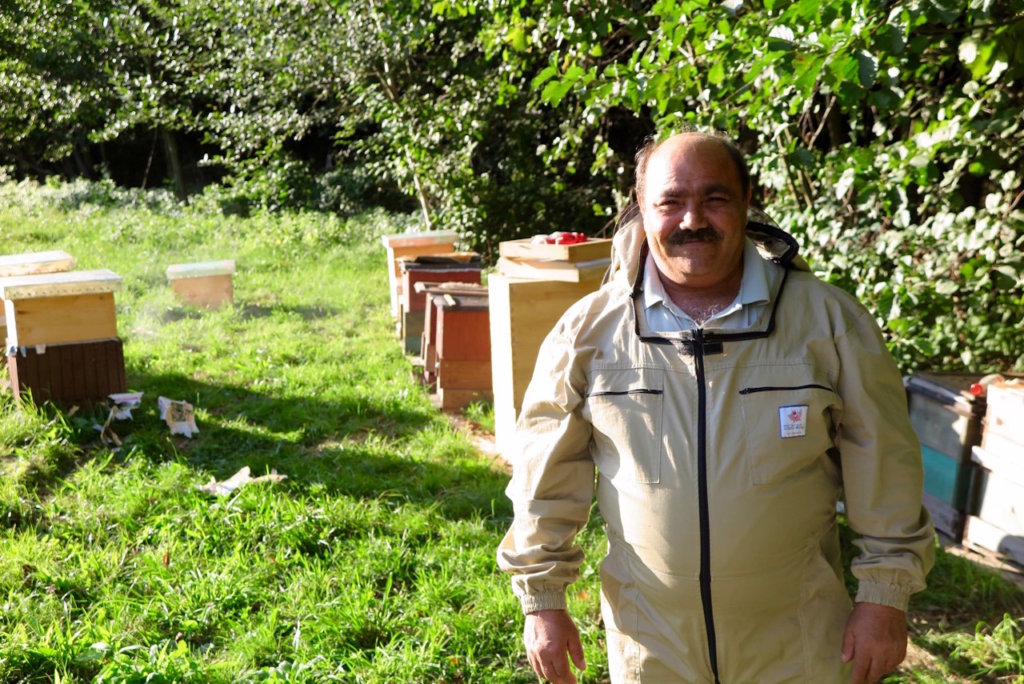
One of its founders - David - has grown up with bees. He had helped and learnt about beekeeping since his early childhood, because with up to 100 beehives, every helping hand was needed. But instead of helping at the apiary he preferred hanging out with friends and playing, like most kids his age. That is why for quite a long time he saw beekeeping as a necessity and bees as stinging insects, rather than as an interesting hobby and a useful insect. Everything changed when David´s father grew old. Due to his lack of force, he had to quit beekeeping. So David came to the decision to continue the beekeeping tradition. Indeed, as he became older, he started to appreciate this activity more and more.
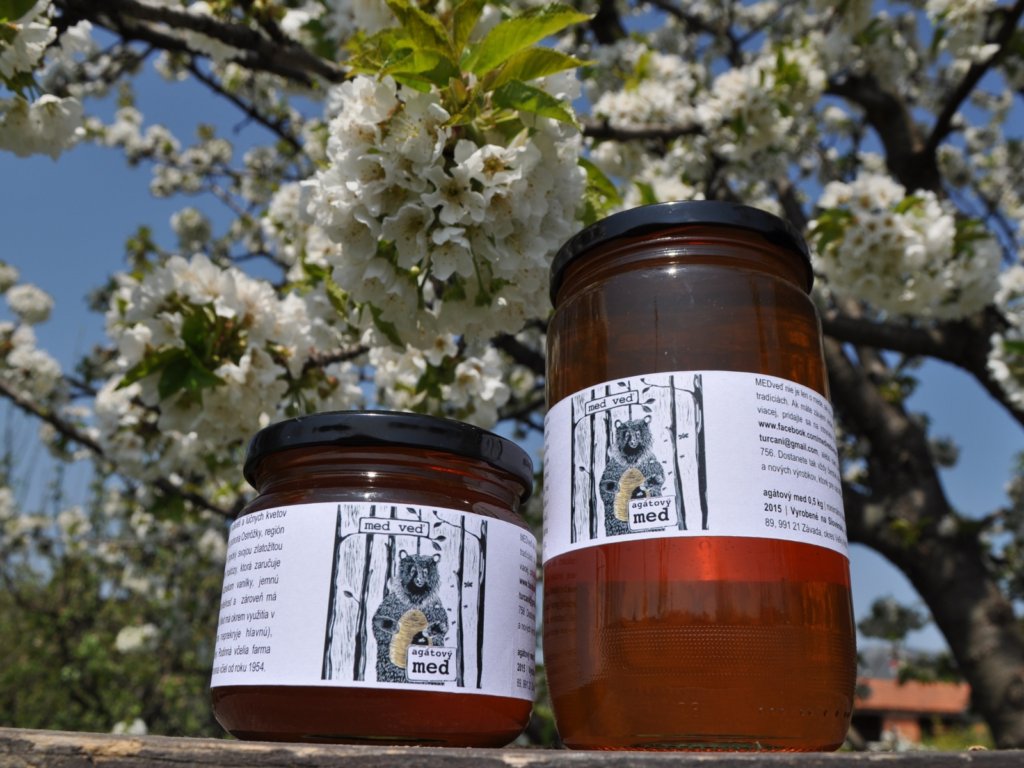
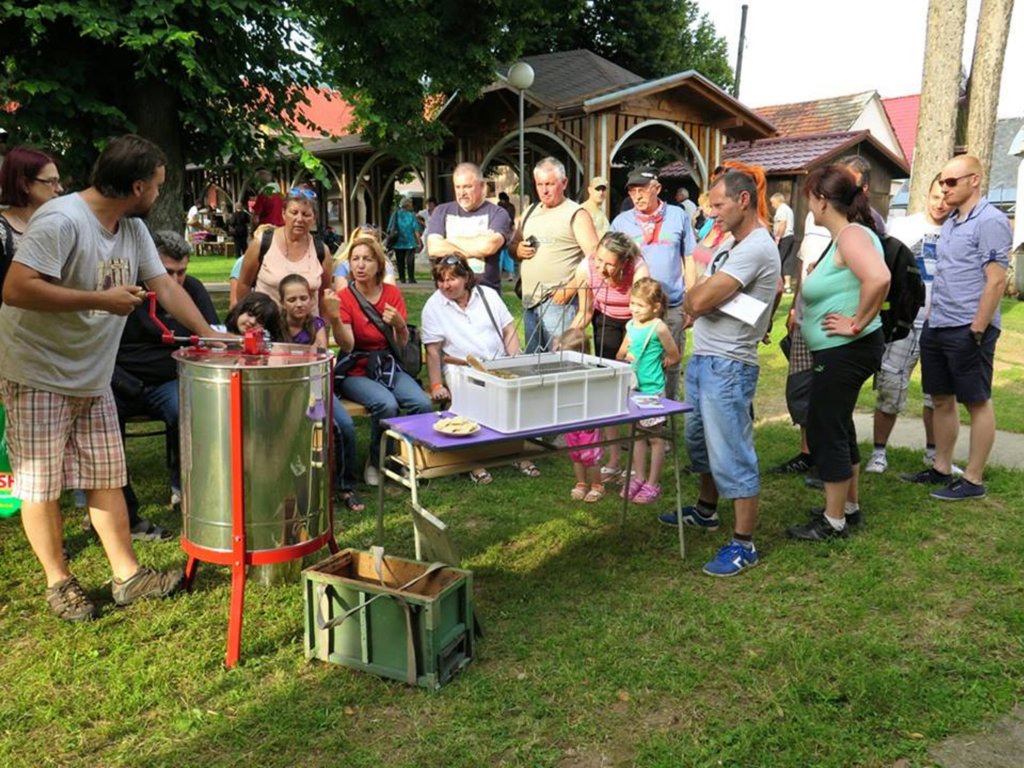
First he decided to help his farther with selling honey. So we created a label and sold the honey directly to customers at different art and craft festivals. This is when we realized that knowledge about honey and bees among the general public is pretty low. We often got questions about how bees made honey and how they live. Sometimes we even experienced big mistakes from people who would for instance think that the bumblebee is the male of the honey bee, or that our honey comes from the supermarket. We then had the feeling that we needed to tell the people how important bees are for our daily lives.
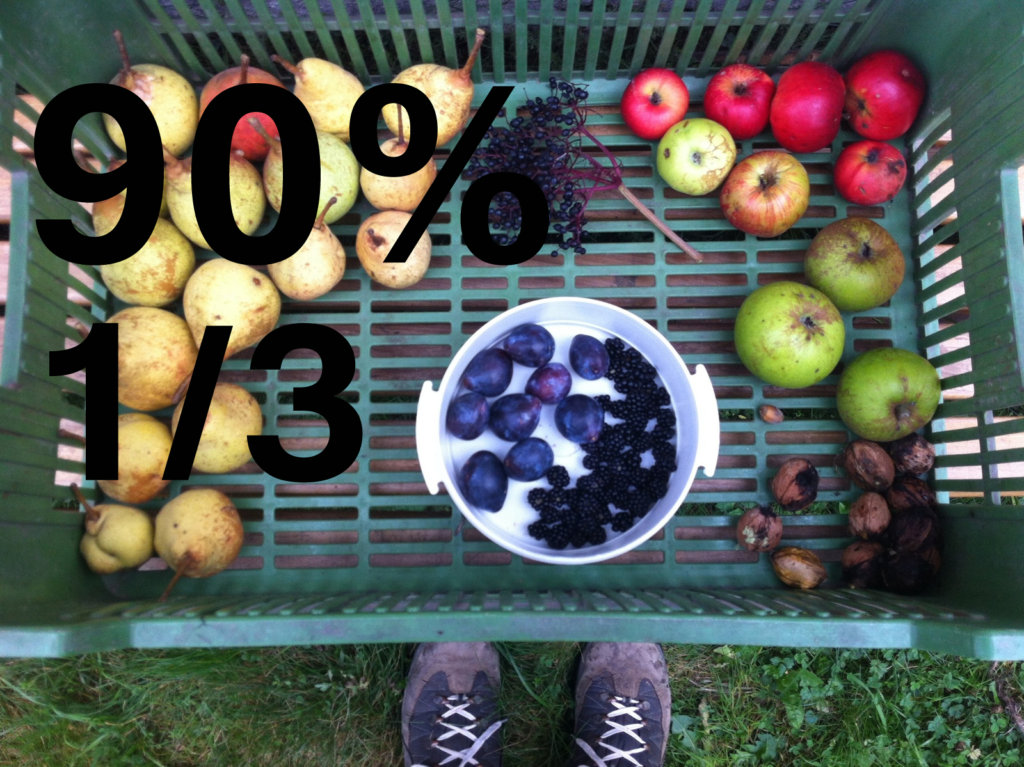
They had to realize that almost 90% of the food we eat is pollinated by insects and that every third bite is pollinated directly by honey bees.
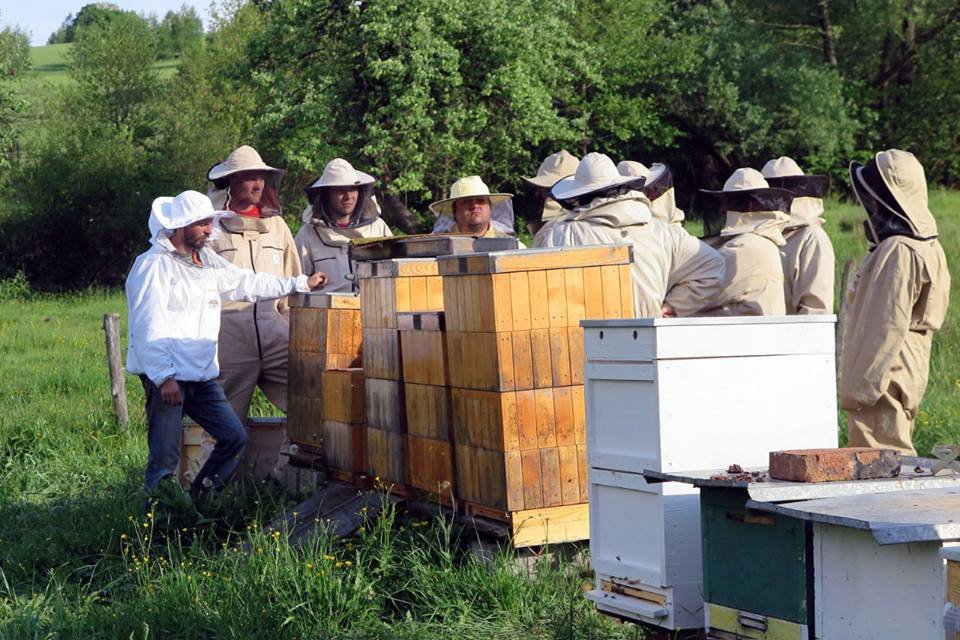
So in 2013 our project “Vcelí kRaj” (Bee landscape/Bee paradise) came to life. We established an educational apiary in the middle of Slovakia that since its opening has become quite popular and was visited by almost 2500 visitors.
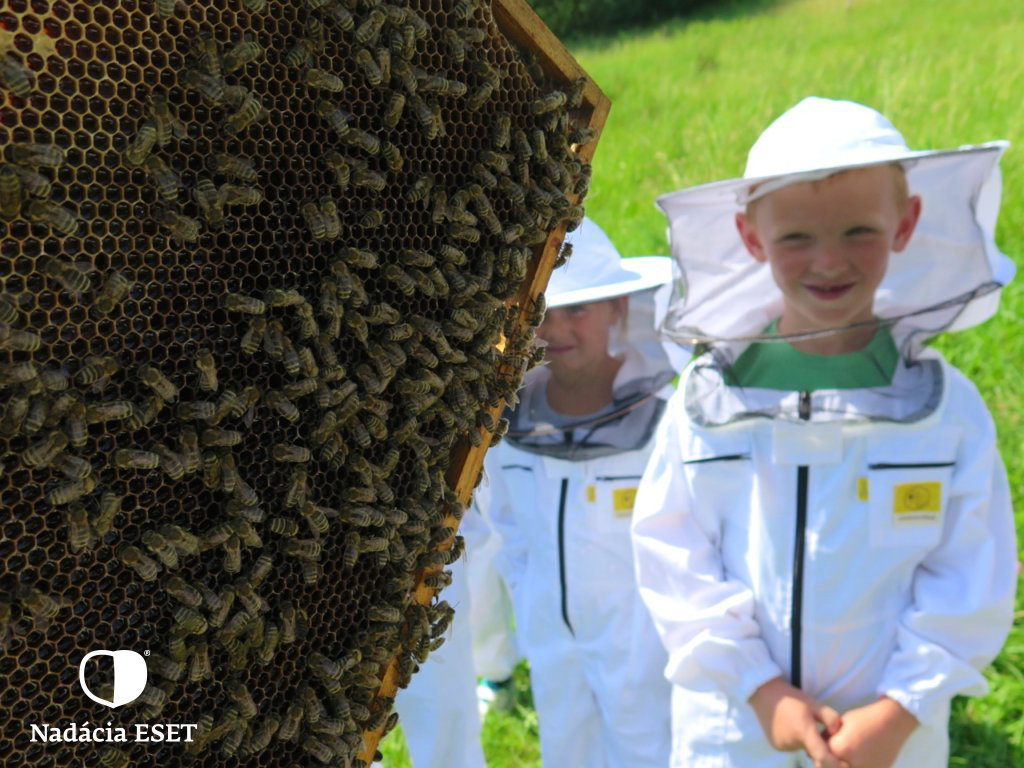
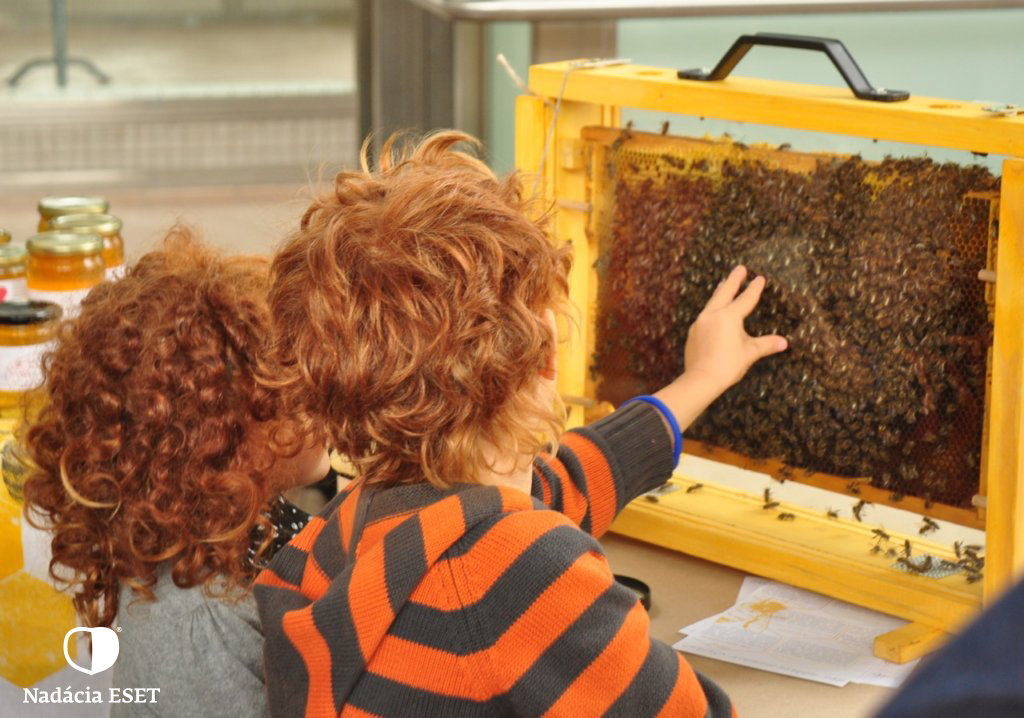
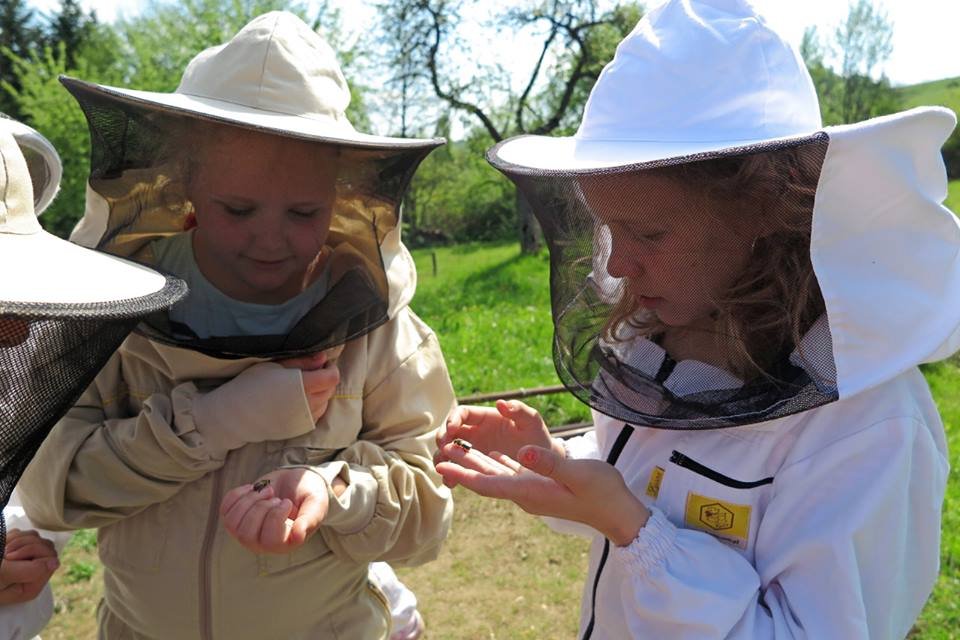
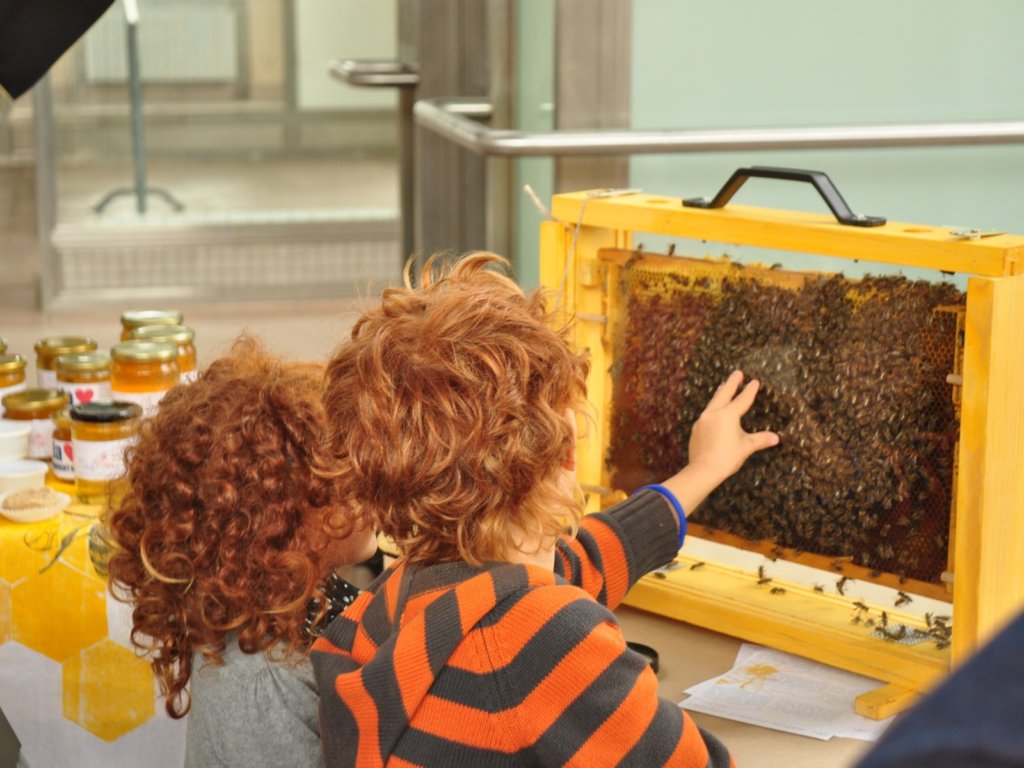
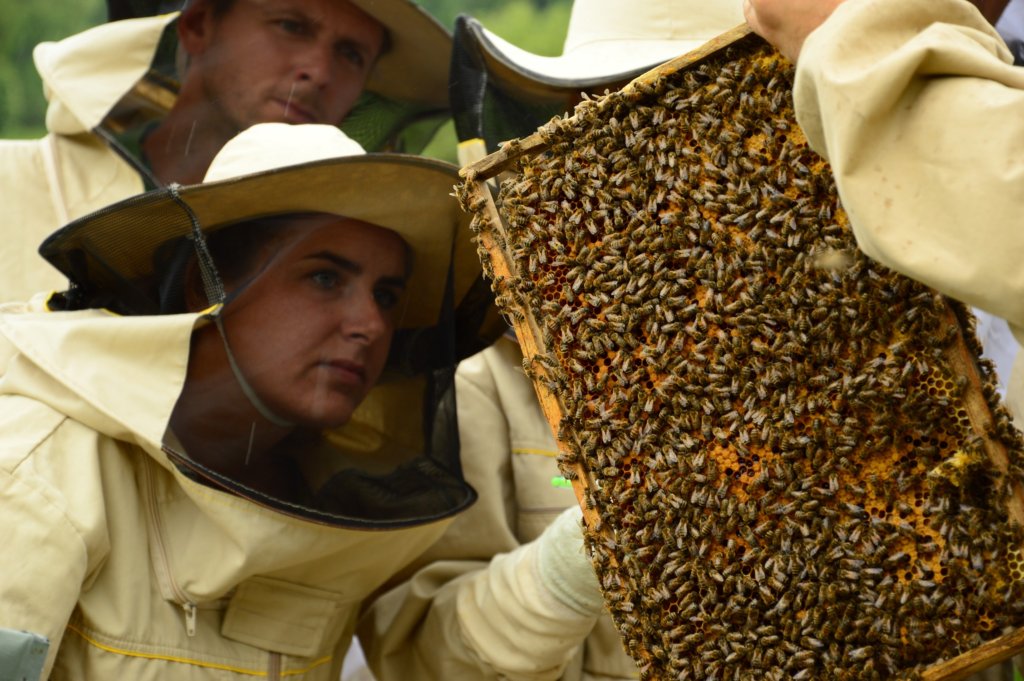
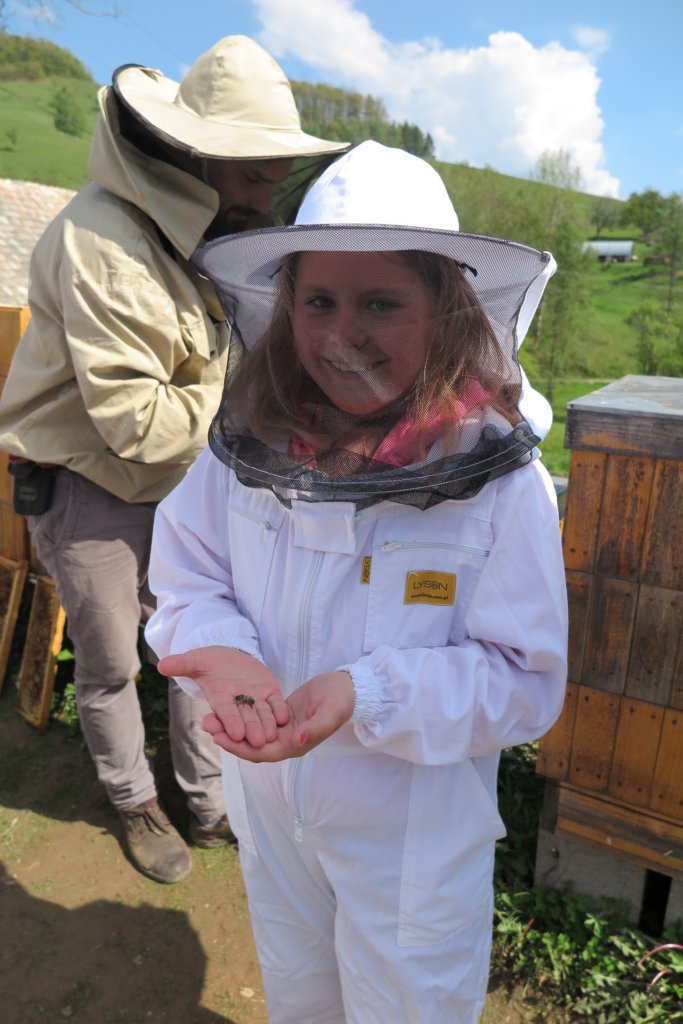
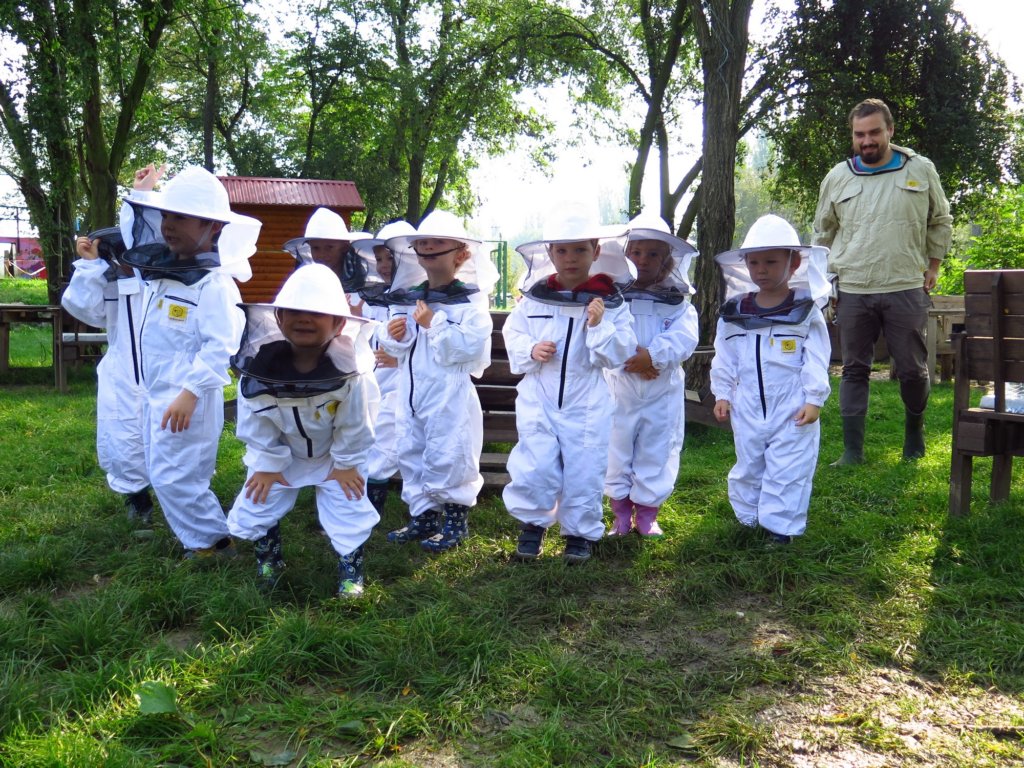
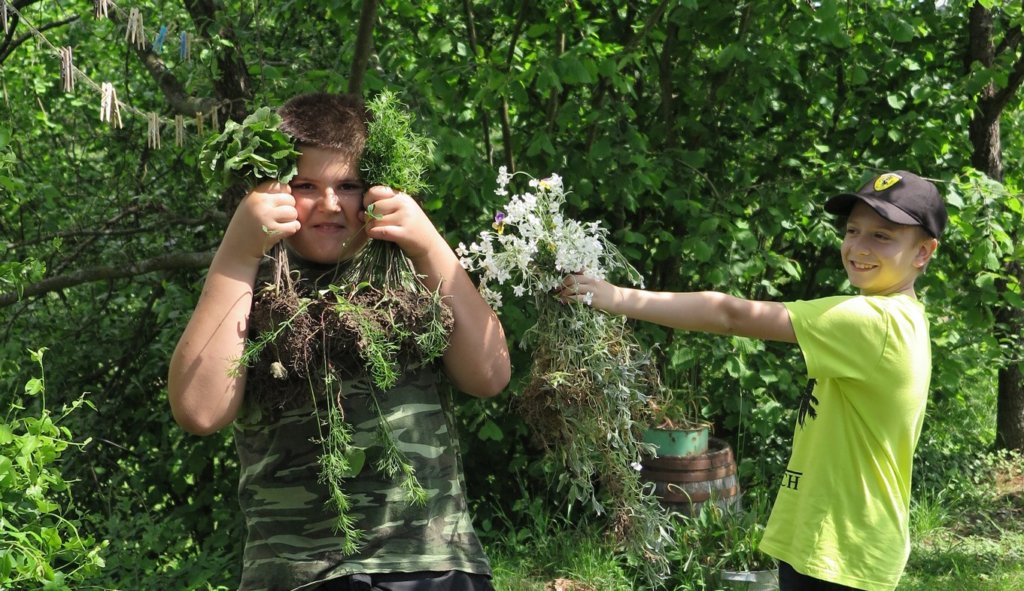
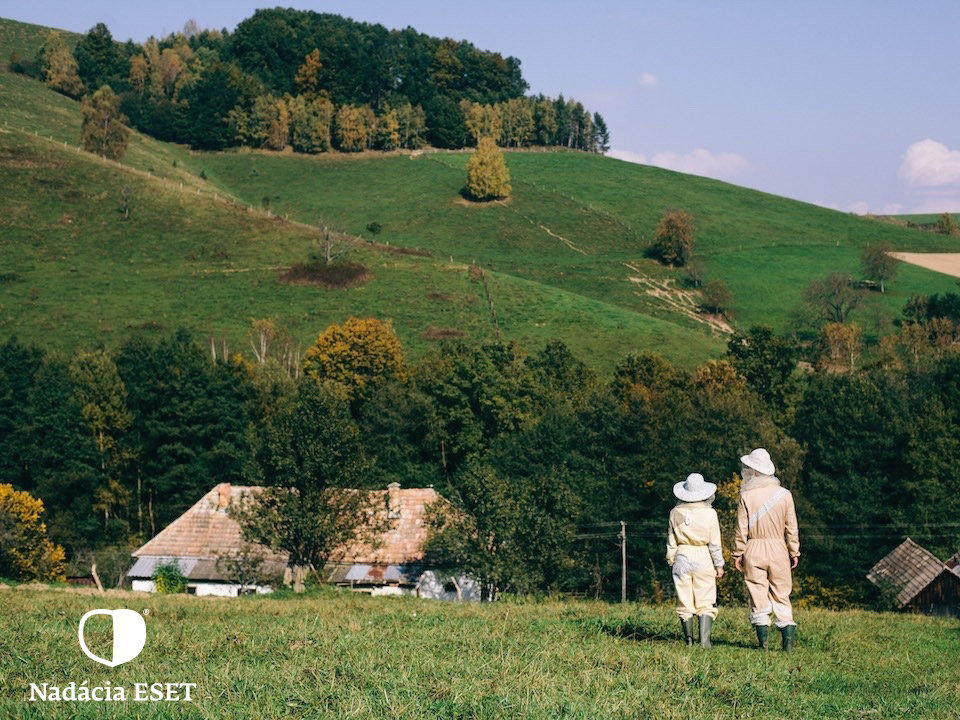
A lot of schools are coming to our apiary. Children receive beekeeping suits and can experience the job of a beekeeper. We want them to become bee-friendly and to overcome their fear of bees. They receive important information about pollination and useful insects, always by playing and in a friendly environment. We also teach them how to help bees by creating bee-friendly environments and how bees contribute to our biodiversity.
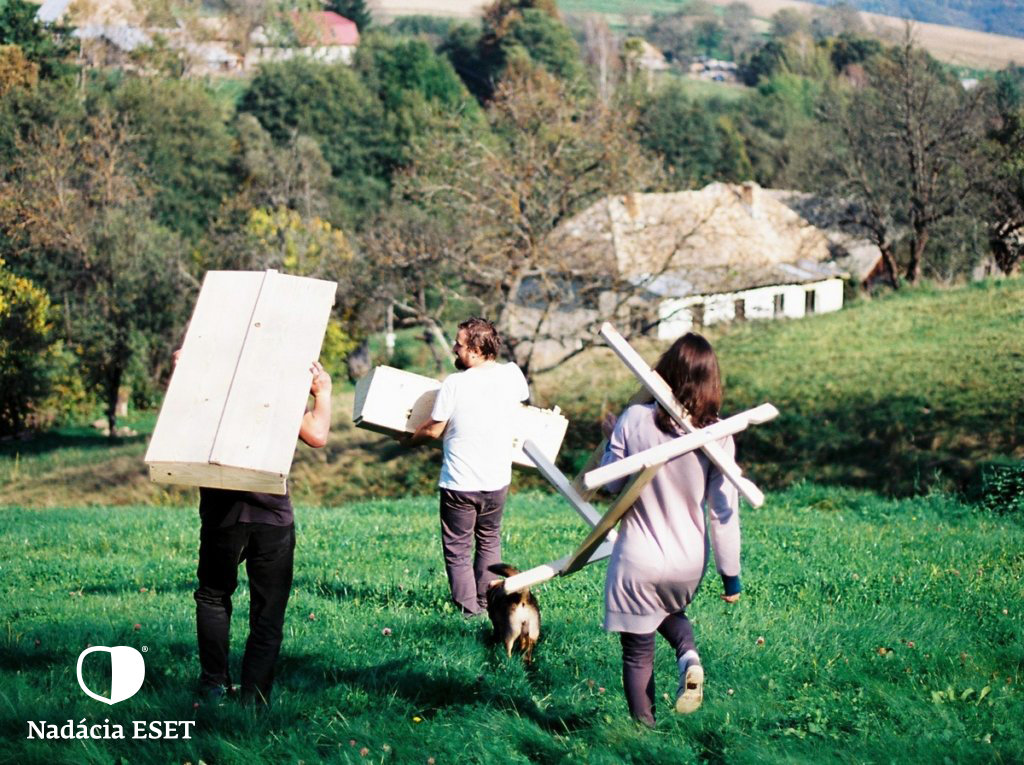
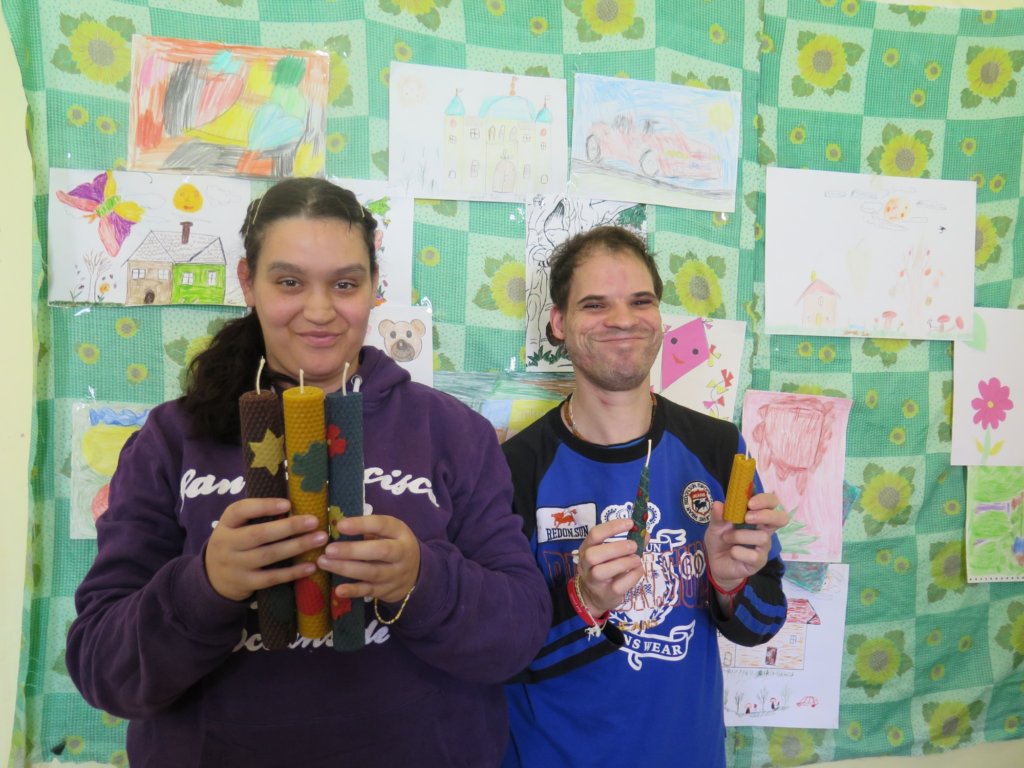
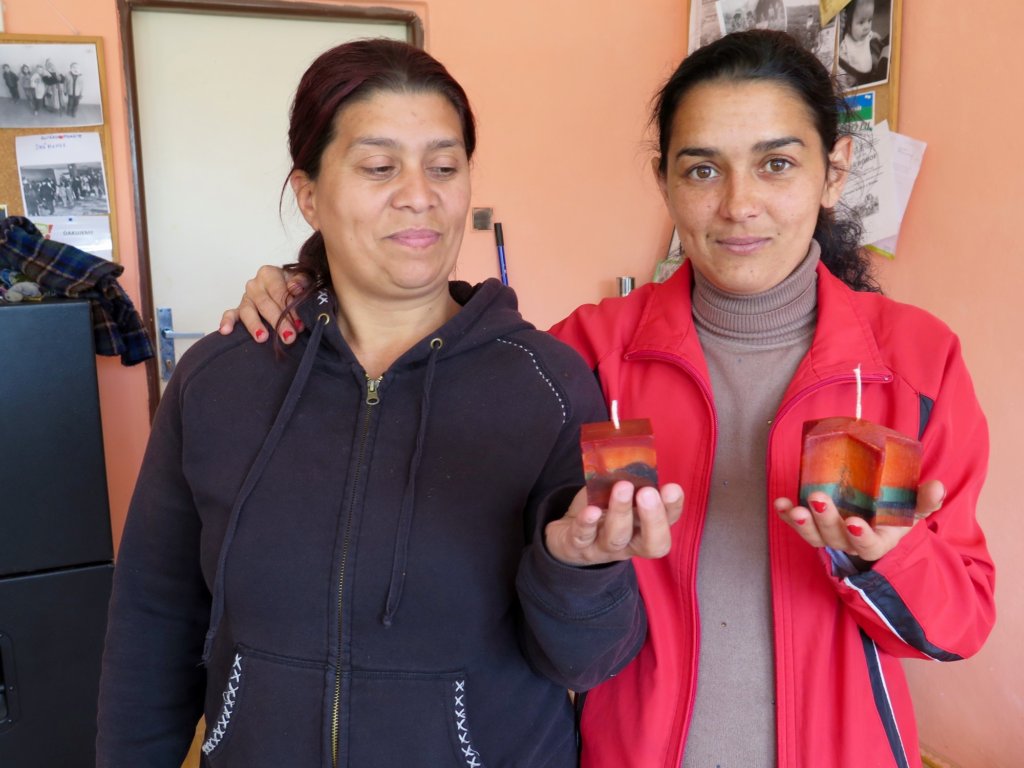
Our last message is very important for the future of beekeeping. In addition to produce a varied natural environment and honey, bees are also highly profitable. Indeed, we also work with marginalized communities (for instance people with mental or physical handicap, Roma people or long-term unemployed people.) These communities where taught how to keep bees, and together we established 22 new apiaries. This is a good way for these people to earn some little money and get some honey for their families. We also taught them how to process other bee products like bee wax or propolis into unique handcrafted gift products so they can sell them and earn some little extra too. We believe bees are important for our environment, biodiversity, nutrition and also a good source of social entrepreneurship.
They are our irreplaceable helpers. BEES ARE THE BE(E)ST!
That’s why we want to build the first environmental center focused on bees and pollination in Slovakia. We have to promote this feeling towards more and more people!
Thanks to your donations, we are able to create a display apiary with bee friendly gardens where people can learn everything from the fascinating life of pollinators, and get useful hints how to help and protect them. We are very ambitious about our actions, and that is why we need even more help!
Project reports on GlobalGiving are posted directly to globalgiving.org by Project Leaders as they are completed, generally every 3-4 months. To protect the integrity of these documents, GlobalGiving does not alter them; therefore you may find some language or formatting issues.
If you donate to this project or have donated to this project, you can receive an email when this project posts a report. You can also subscribe for reports without donating.