By Aida Maia | Project Leader
ACTIONS FOR WOMEN EMPOWERMENT
Self-help Groups and Network Groups
See video: https://vimeo.com/175507068
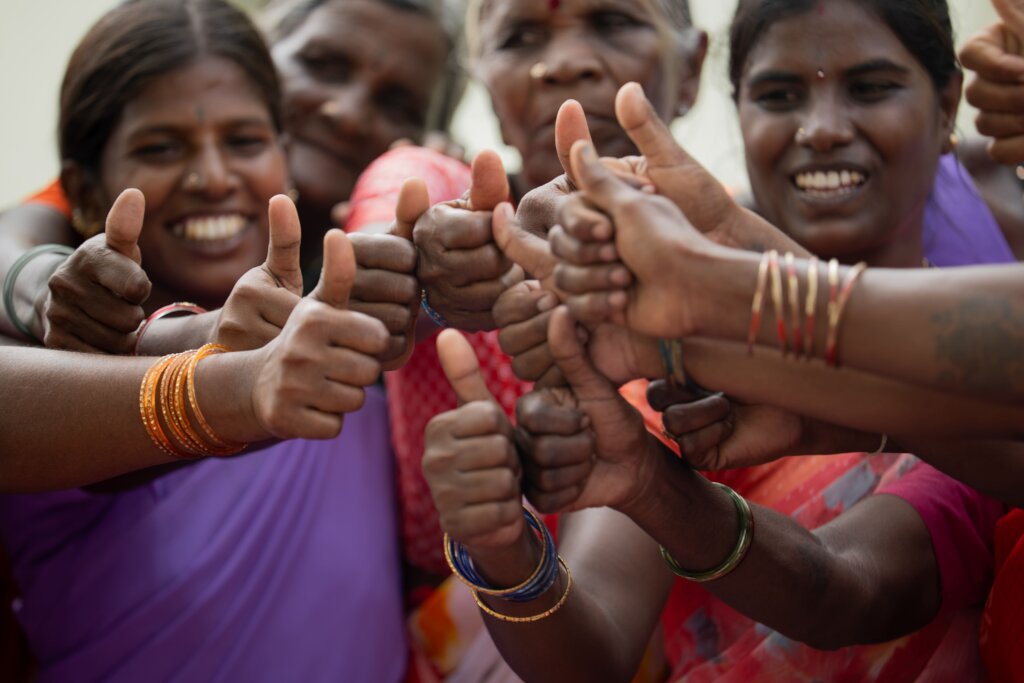
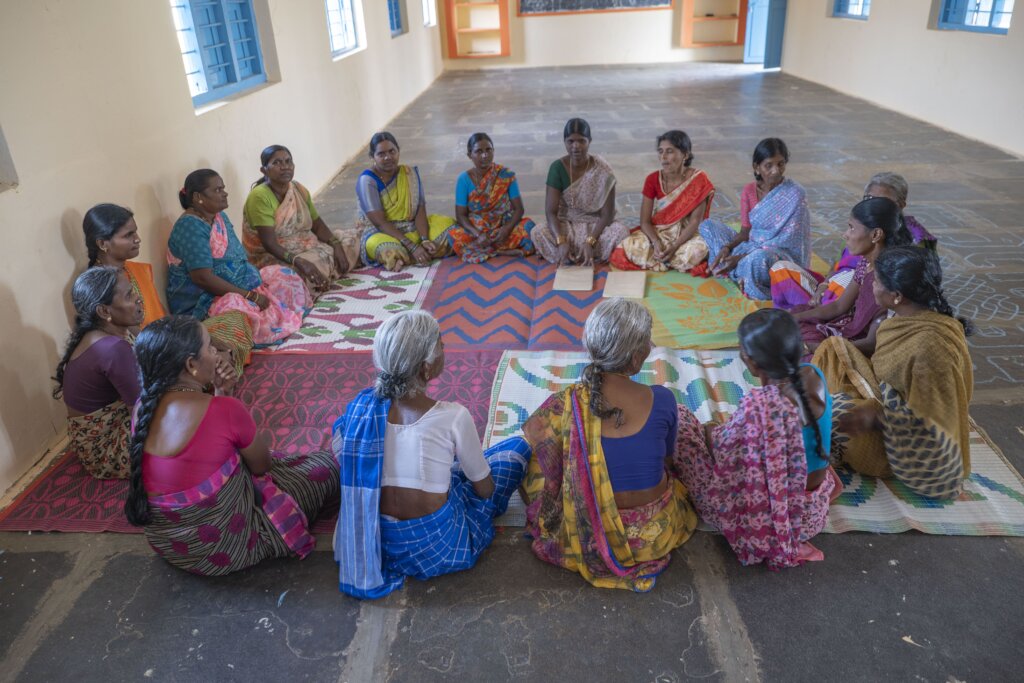
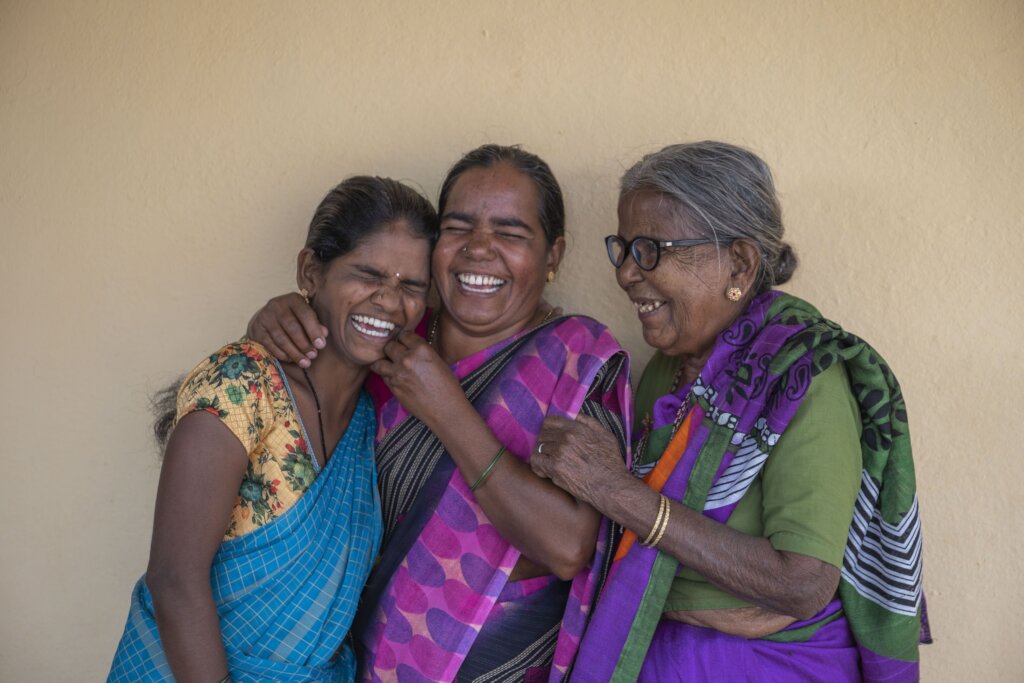
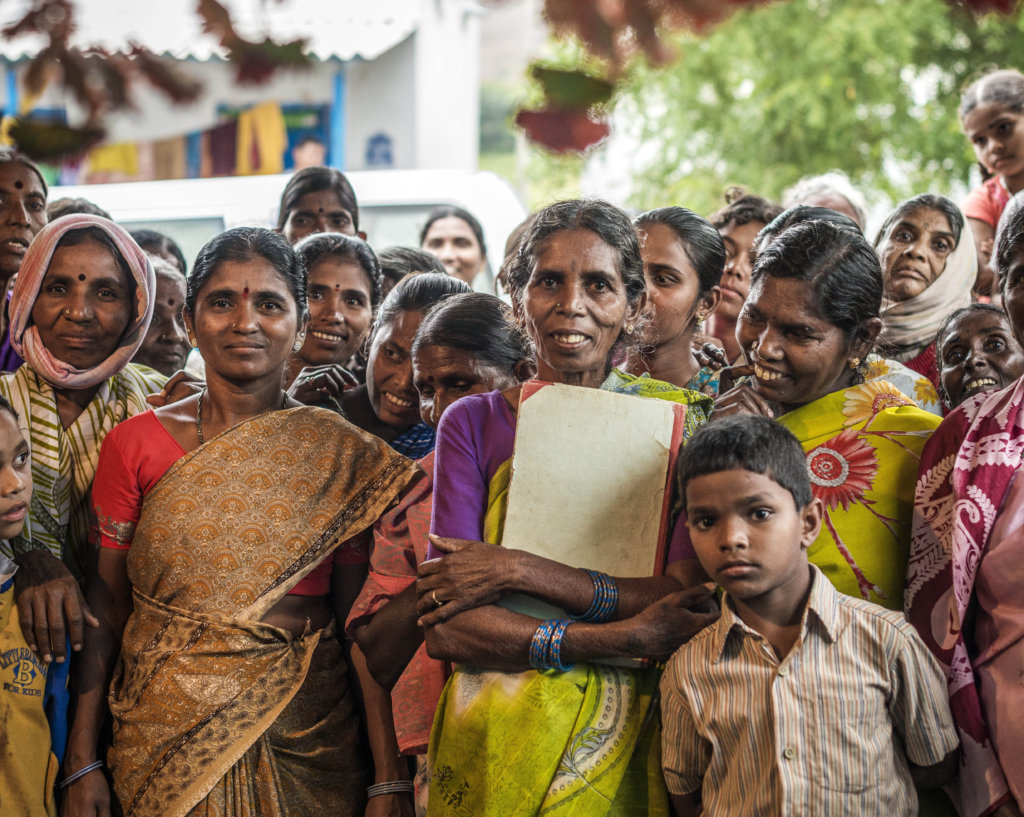
RDT has been investing in empowering rural women, their collective autonomy and rights, by forming and strengthening the functioning of Self-help Groups. Through peer-support and affirmative collective action, many in the groups have reached self-awareness, skill acquisition and socio-economic possibilities.
In the early 80s, the RDT’s teams were not allowed to access directly to women. Men, who were not willing to allow women participated in socio-economic activities, blocked this kind of interaction. RDT earned their trust by focusing, in a first stage, on how they were there to teach women about being healthy and strong to continue her work for the home and family.
In 1982, RDT constituted a 6-member team of Community Organizers and social workers to initiate the programmes in about 15 villages, on experimental basis. After establishing a good rapport with women and their families, the team started the process of organising women in associations or sanghams. From 1995, the sanghams were reorganised into Self-help Groups (SHGs), each them consisting of 15 members. This reorganisation increased the membership from 45% to about 85 % in villages.
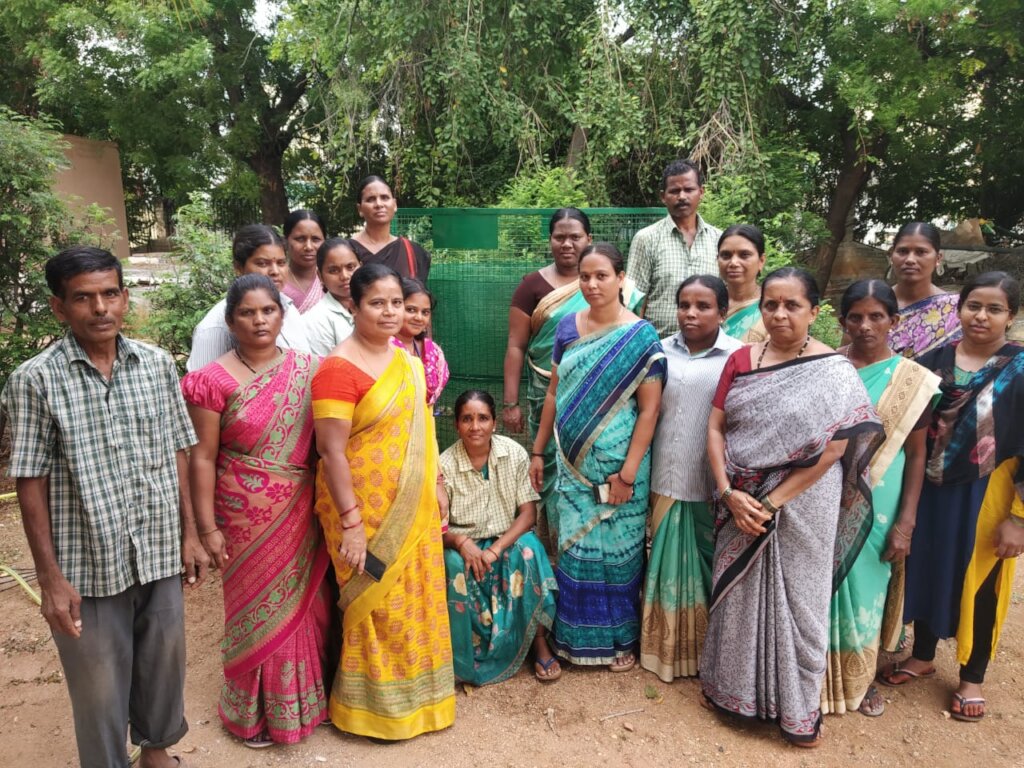
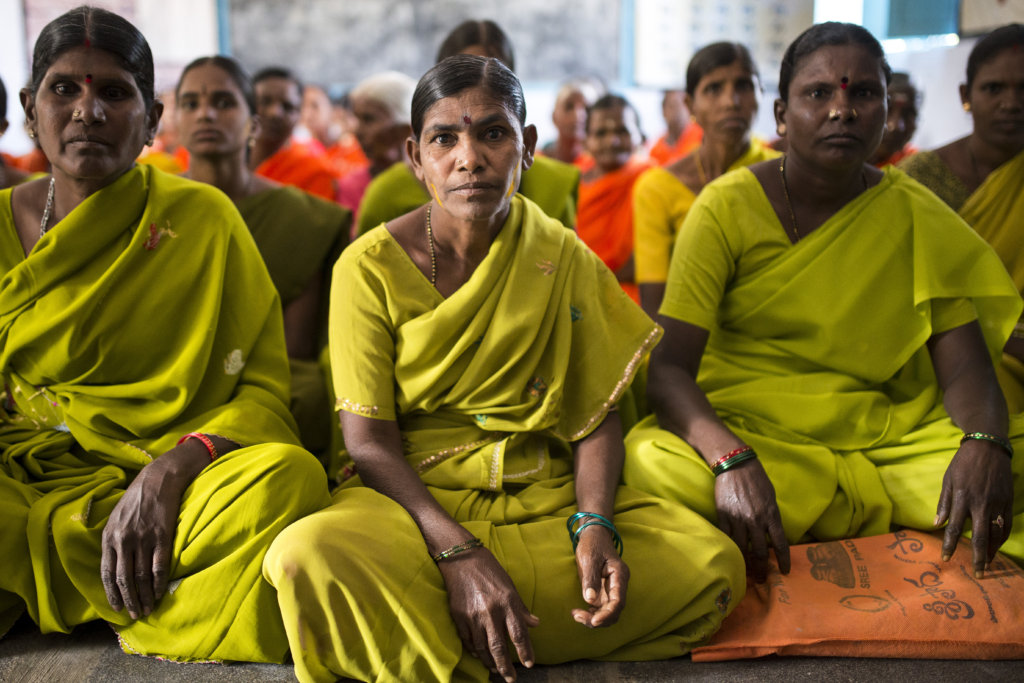
Since then, the number of women’s associations has been growing along the years. Nowadays, 111,157 women are members of 8,187 SHGs in 1,675 villages. They are discussing and taking collective actions on socio-economic, heath and other issues concerning their development.
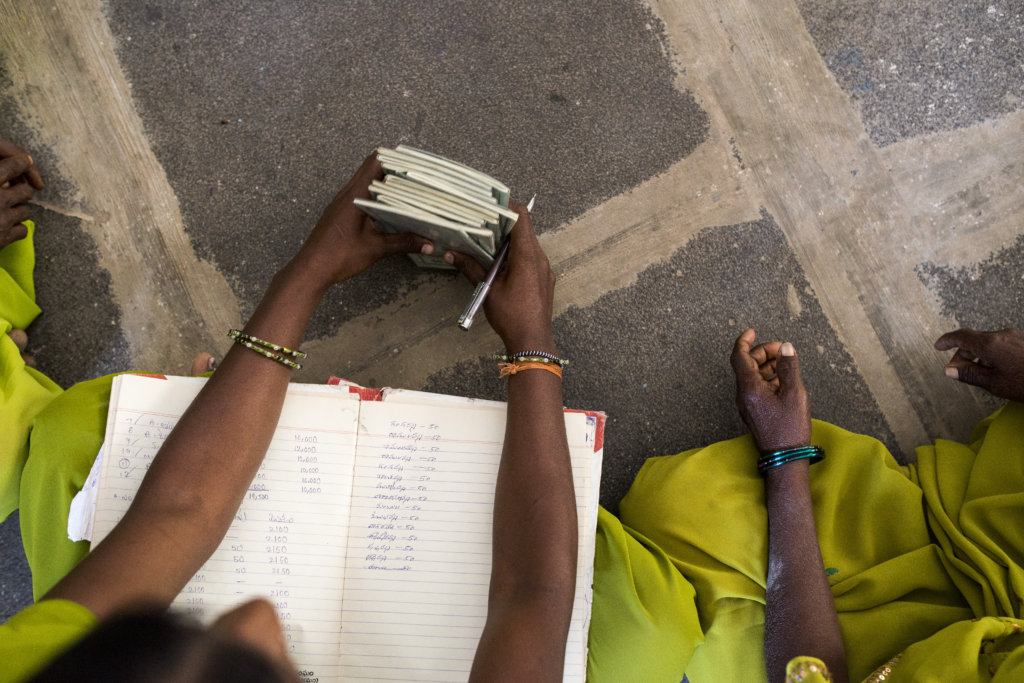
SHGs’ primary domain is the management of micro-finance initiatives, i.e. savings and credit facilities. In 1994, RDT constituted the Women's Development Fund (WDF) to improve socio-economic conditions of rural women. It works as an internal bank that grants individual microcredits, without interest, in order to develop income generation activities, and allowing the creation of small businesses. This requires managerial abilities on the part of member/beneficiaries.
RDT introduced a management data system for getting information about the mini-banks, the pattern of its utilisation and repayment. That allows the transparency in financial transactions commanded by the organization, in its mentor and supervisory role. The WDF operates in 7,769 groups of 1,536 villages, and is fully managed and supervised by the women of each sangham, with the support of sector’s staff.
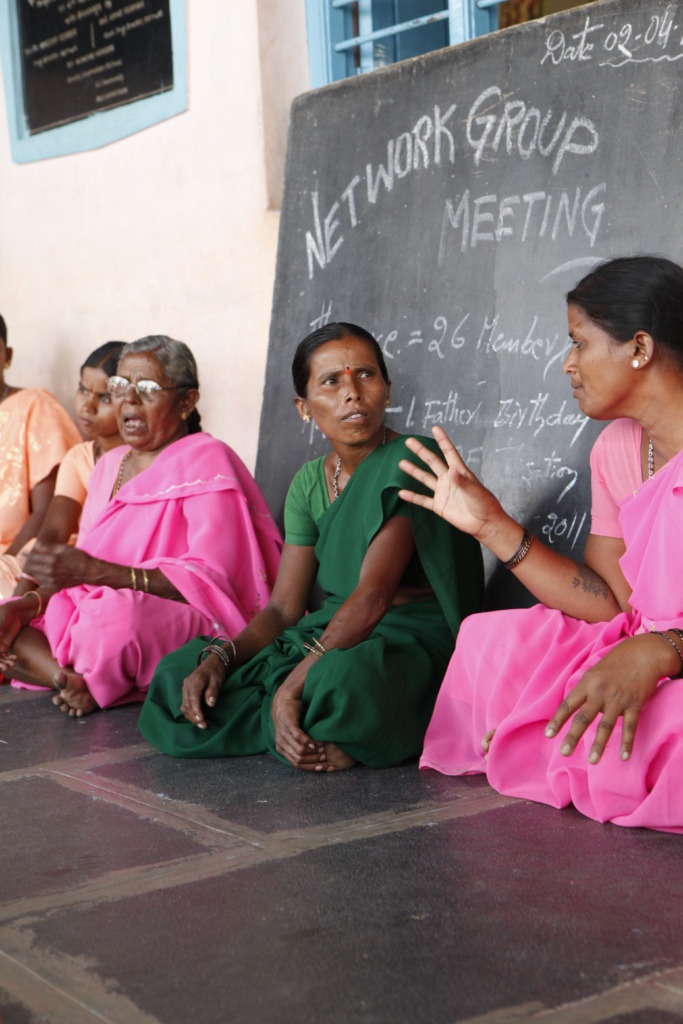
RDT also created an intersection between SHG leaders, forming a Network Group (NG) composed by four members: two women, a man, and a person with disability. It is also encouraged that 50% members of a NG form part of the local Community Development Committee, which manages and monitors community schools/children’s education at village level.
NG members have an expanded view of the work in others SHG and receive inputs on different topics, as HIV/AIDS and family planning. At present, there are 10,493 NG at 1,222 villages in Anantapur and across the state of Andhra Pradesh.
Major achievements of SHG
More and more women can have a direct say in their life-choices. This is a significant change in a society where most of the major decisions on women lives have been taken by others, as parents, in-laws, husband, and brothers. Now, they express themselves more coherently and confidently, both within and outside their families, amongst the community elders and at various forums.
The most pronounced impacts have been growth of self-belief and economic independence in women. They have mobilised average savings of more than $345,000 per year through mini-bank activities.
There is also a marked improvement in the leadership qualities and awareness of SHG members in addressing social factors inhibiting women like child marriages, property rights, physical and mental exploitation, foeticide, etc.
Nowadays, 25% of SHG are managed independently by women, and they all report effective communication between group members. Roughly, 84% SHGs have cross-affiliation with Network Groups. This effectively mobilises women for collective action at an inter-village level.
HIGHLIGHTS
STAFF SPEAK
“Sanghams provided an opportunity for women to show that if they work together, they can accomplish even what the men had failed to achieve, and that their decisions have value at both family and community level. With this view, RDT constituted the Women’s Core Team in 1993, with senior members from all departments and cadres, headed by Women Sector Director.”
Mrs. Prameela Kumari, RDT & WCT Member
“We wanted to create a system of access for poor rural women so that they become empowered and capable decision makers.”
Mr. Adinarayana, Sector Team Leader
SUCCESS STORY
“After the demise of my husband, I had to completely shoulder the responsibility of taking care of my two children. I joined the sangham in our village as I felt the need for support and guidance. Earlier, women in our village had no space of their own; men made all the decisions and did not like our presence in the meetings.
RDT teams started awareness camps in sanghams and interaction with women within and outside our village. We members were told many things which were not known to us earlier and along with improving my articulation skills, I learnt also a lot about education and health. The sangham became our collective strength.
RDT trained me as a Community Health Worker, popularly called CHW. I also gained tailoring skills with the help of the organization and even obtained a loan from Women Development Fund to buy a sewing machine. I am happy that I am not dependent on outside labour anymore because I earn enough with my tailoring. I never thought that a single skill such as tailoring would bring about a great level of financial independence for me and my family.
My son is doing his technical course while my daughter is studying for her graduation and I am able to support their education. Today, I am the leader of SHG in our village and by taking this lead role in the management of the Group, I learnt a lot on social issues and became independent in managing financial transactions. My self-confidence has improved a lot, for which I am very grateful to RDT.”
Ms. Nagamma, P. Kondapuram Village, Pamidi Area
PARADIGM SHIFT
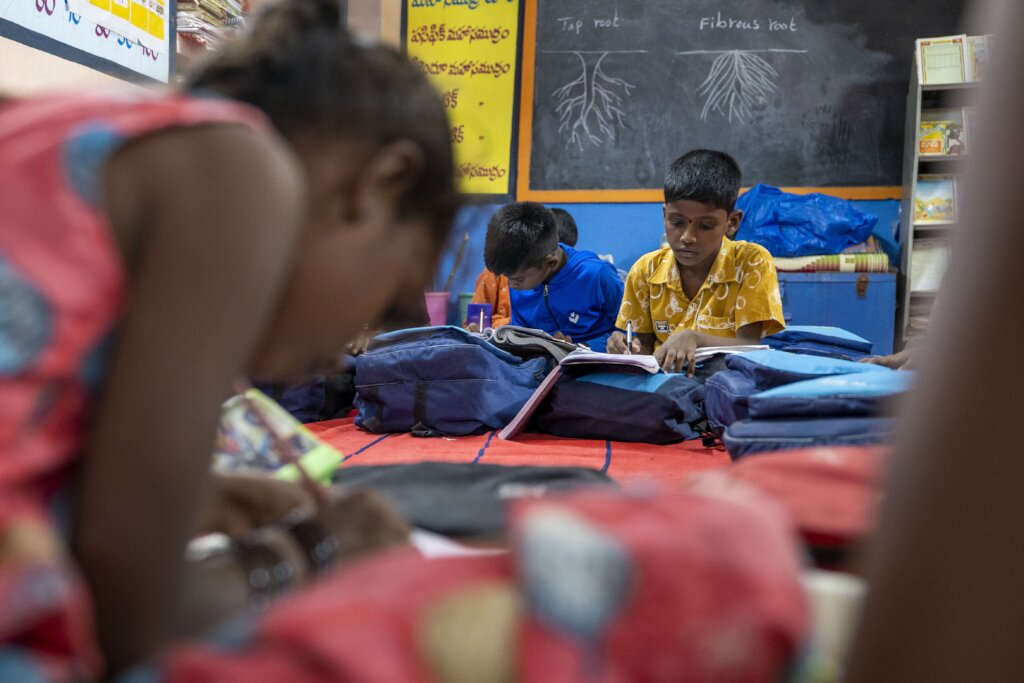
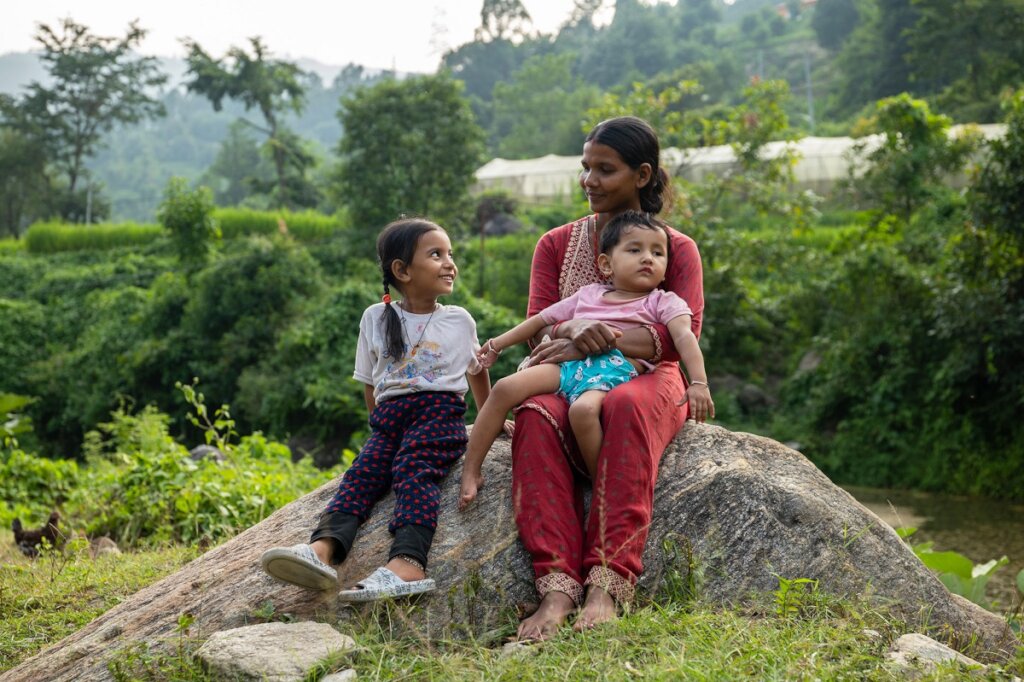
The living standard and quality of life have improved since people have become aware of family planning benefits, as now they are able to give better facilities and education to their children. This earlier was not possible, as income was limited and families have more children.
With your collaboration we can do more. We can make a difference.
Project reports on GlobalGiving are posted directly to globalgiving.org by Project Leaders as they are completed, generally every 3-4 months. To protect the integrity of these documents, GlobalGiving does not alter them; therefore you may find some language or formatting issues.
If you donate to this project or have donated to this project, you can receive an email when this project posts a report. You can also subscribe for reports without donating.



Support this important cause by creating a personalized fundraising page.
Start a Fundraiser