By Mathusree Menon | Communication RDT
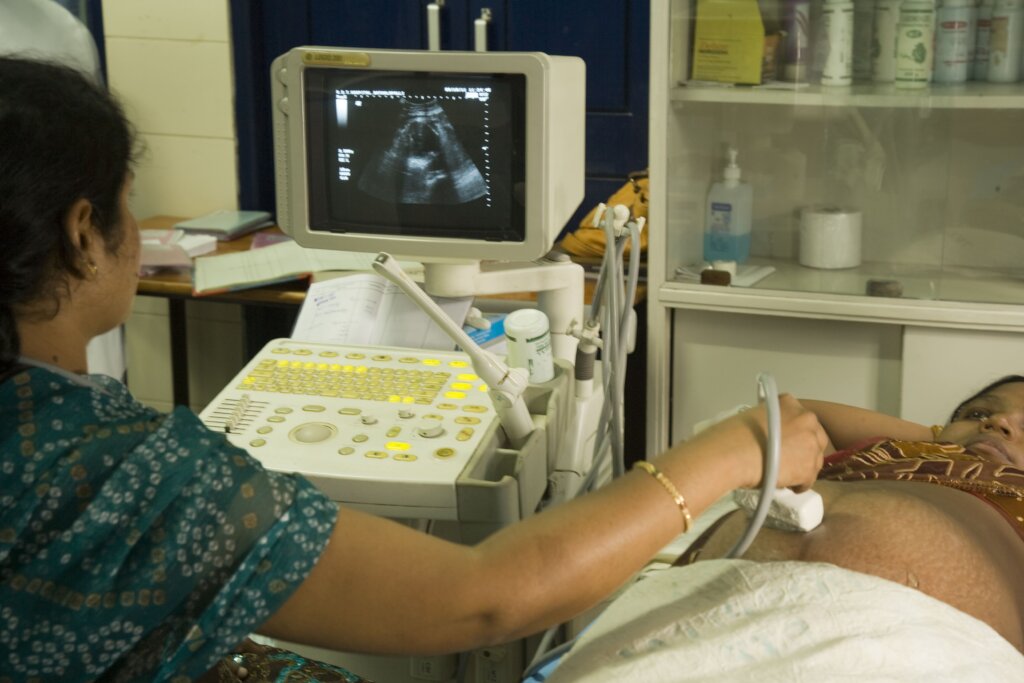
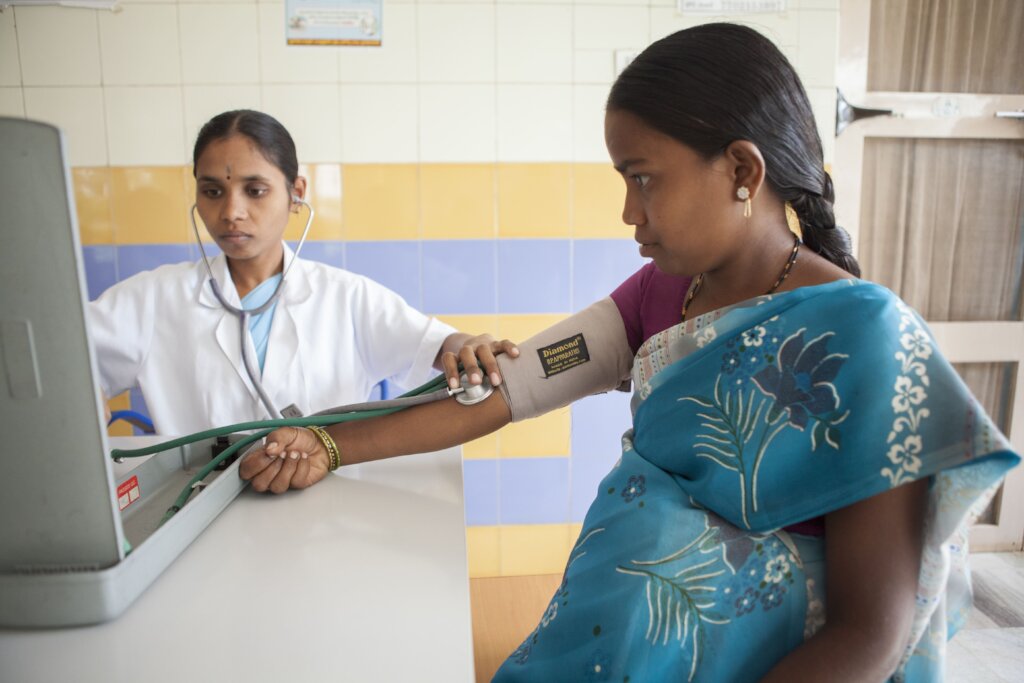
The gynecology and obstetrics ward at RDT Kalyandurg Hospital is a hive of activity. 22-year-old Meena waits for the doctor in charge to attend to her. In the final stages of her pregnancy, she is waiting to find out whether she will have a caesarean section or a natural delivery.
She heard about the hospital through the rural health worker in her village and has been coming for regular check-ups ever since. Meena has never missed one of the antenatal education sessions that the hospital offers to pregnant women and their spouses to help them plan for a safer pregnancy.
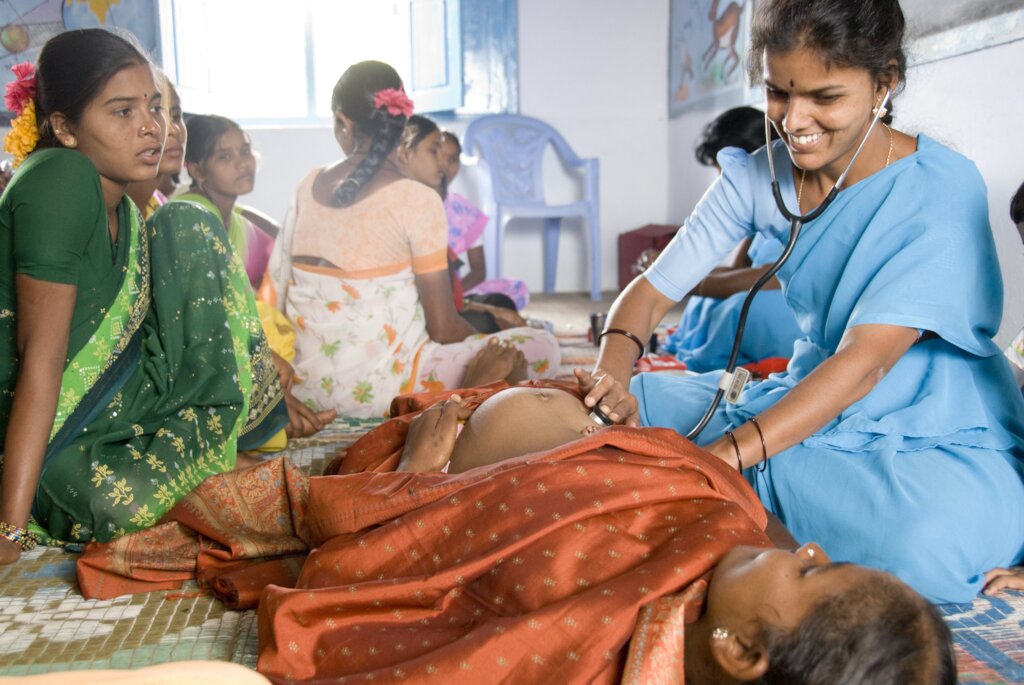
Prenatal care involves a series of medical appointments, screenings, and tests during pregnancy. These tests assess the health and well-being of the mother and fetus under the supervision of medical professionals.
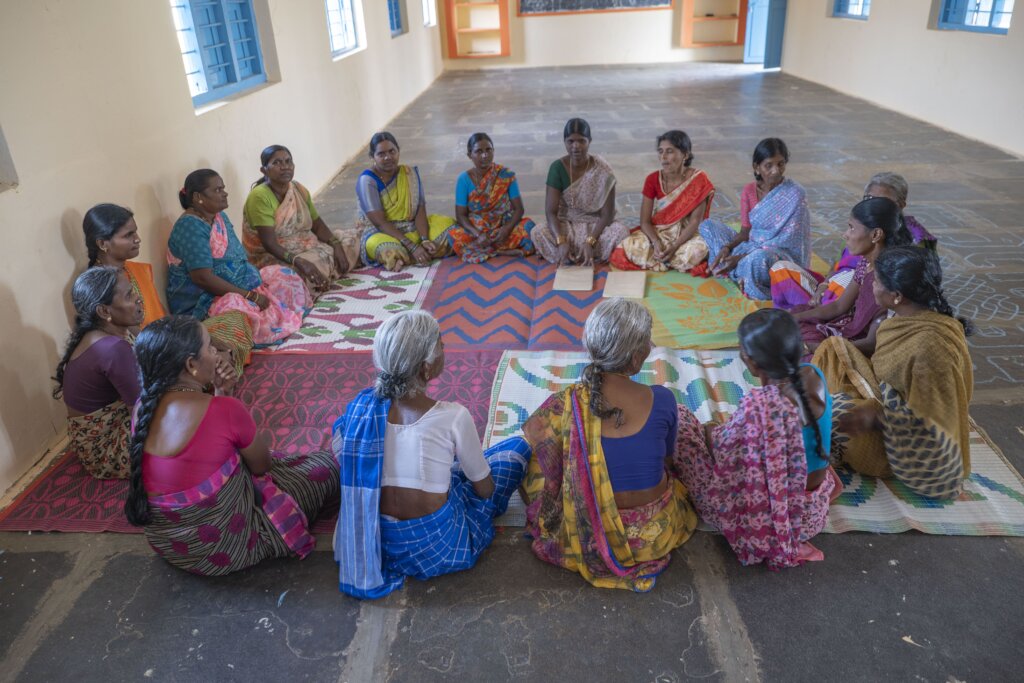
Proper monitoring minimizes the risk to both mother and baby. The RDT hospital network has recorded 14,902 institutional deliveries in 2021-22. Regular awareness-raising sessions address overlooked maternal health issues to prevent complications during pregnancy and reinforce the importance of antenatal care. They also help bridge the gap between traditional and modern health care, where women can share their concerns and benefit from antenatal care.
With the help of awareness sessions, Meena knows what medicines she needs to take in the first few months of her pregnancy. She says, "The nurses and doctors here make me understand how pregnancies get complicated without adequate vitamins and can change the health of the babies if you have iron deficiency, gestational diabetes. They help me understand that all this can be effectively managed with proper medical care.”
"I learned a lot about the misconceptions about pregnancy that our grandparents and parents gave us. Here at the hospital, they give precise instructions on what to do each month to ensure the health of both mother and baby. I think the sessions I attended with my family also helped them understand and empathize with me in a way," says Meena, as Dr. Pavani, head of the gynecology and obstetrics department, attends to her. "When I came here, I learnt more about the treatments I am undergoing and the medicines that are used at different stages of pregnancy. It makes me feel more confident about my body," she adds.
Meena's husband was with her throughout the session and shared his concerns. He says, "I feel that the antenatal classes at the hospital gave me a detailed understanding of the complications and the importance of a healthy mother during pregnancy. He helps Meena get up from the cot she was sitting in. "I am glad we chose to come here," he adds with a smile.
Dr. Pavani, the head of the G & O department at Kalyandurg, has also recently given birth. "In a way, I now empathize more with the mothers. My job is to ensure that their pregnancies are safe and to help them understand how they can be more involved in their own health. We encourage them to talk about their concerns and address them openly. The women are mostly from the villages, and many are first-time mothers. We identify whether these mothers have iron deficiency or hypertension and provide a screening that can identify their problems.
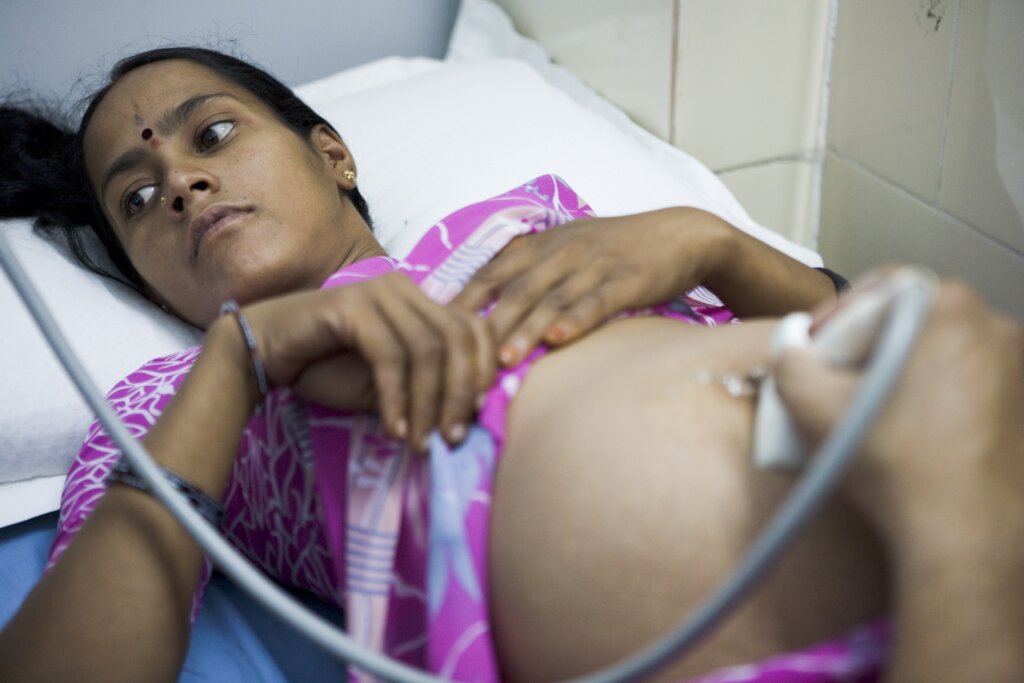
The doctor quickly moves to the beeping machine next to Meena and explains, "Along with this, we also make sure that the mothers take the non-stress test (NST) to ensure that there are no abnormalities in the baby's movements and the mother's stress."
With 665,756 medical visits in the RDT hospital network, it is necessary to look at the role played by the gynecology and obstetrics department. It makes us understand that prenatal care is more than just medical care. It symbolizes the prospect of a healthier future for mothers and their newborns. "As obstetricians and gynecologists, it is our duty to go beyond clinical expertise and ensure that families can embark together on the journey of motherhood with optimal health and information," adds Dr. Pavani, before heading to the operating room to begin the next surgery on a pregnant patient.
Links:
Project reports on GlobalGiving are posted directly to globalgiving.org by Project Leaders as they are completed, generally every 3-4 months. To protect the integrity of these documents, GlobalGiving does not alter them; therefore you may find some language or formatting issues.
If you donate to this project or have donated to this project, you can receive an email when this project posts a report. You can also subscribe for reports without donating.



Support this important cause by creating a personalized fundraising page.
Start a Fundraiser