By DHAWAL PATEL | DIRECTOR
Introduction
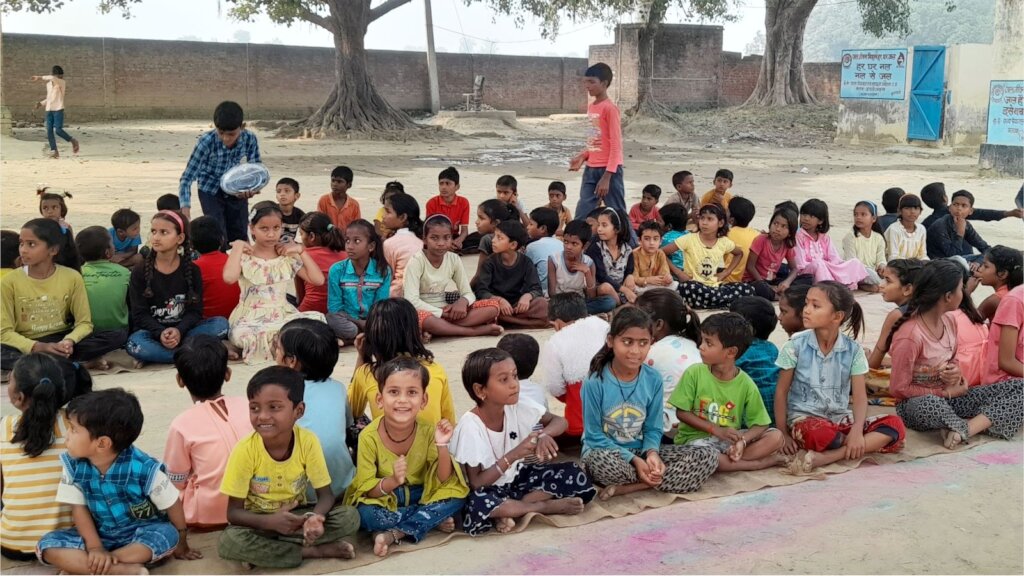
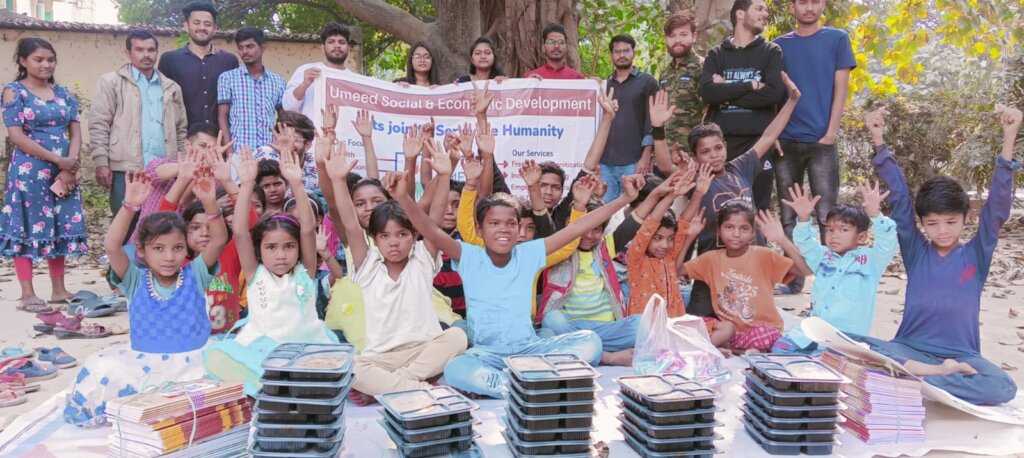
“Let’s Feed Our India – Let’s Feed Our Future” is a flagship food-distribution initiative launched by Umeed Social and Economic Development. The project aims to provide fresh, hygienic, and nutritious food every day to the most vulnerable populations in Varanasi and Prayagraj, including beggars, slum families, elderly and abandoned individuals, sadhus, and homeless saints.
Our mission is simple: ensuring that no one sleeps hungry.
Project Overview
Daily Food Distribution:
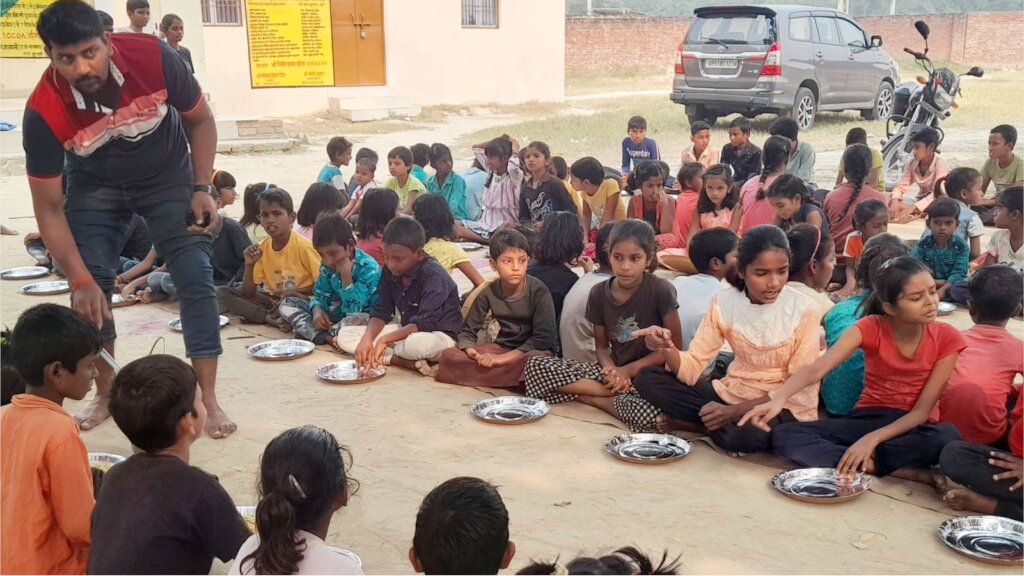
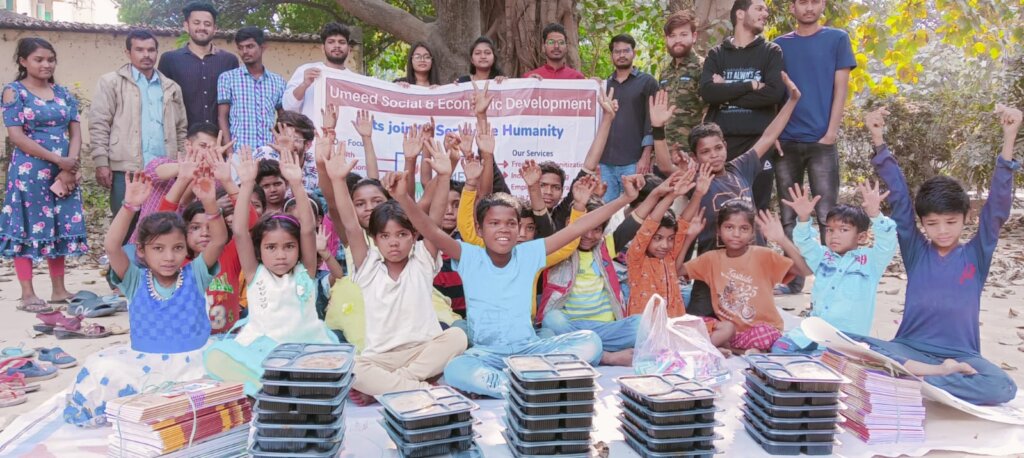
Umeed distributes 200 plates of freshly cooked food every evening. The distribution areas include slum pockets of Varanasi and Prayagraj, Maduwadhi Railway Station in Varanasi, various ghats (Dashashwamedh, Assi, Manikarnika surroundings), and Yamuna Ghat in Prayagraj.
The food is prepared in a hygienic kitchen and delivered through a dedicated Umeed Food Van. The activity has been ongoing consistently for the last several months.
Objectives
To eliminate hunger among the poorest communities
To support slum families, beggars, elderly individuals, and sadhus who have no reliable food source
To reduce food insecurity in poverty-affected zones of Varanasi and Prayagraj
To create a support system for vulnerable individuals living in unsafe and unhygienic areas
To spread compassion, dignity, and care through daily service
Target Beneficiaries
The project directly serves beggars living around ghats, temples, and railway stations; slum residents including children and senior citizens; sadhus staying near ghats; homeless individuals on pavements; and migrant daily-wage workers during low employment periods.
An average of 200 individuals benefit daily, amounting to more than 6,000 beneficiaries each month.
Daily Activity Flow
Food Preparation:
Fresh, hot meals are prepared each day including rice or khichdi, dal or sabzi, roti, seasonal vegetables, and water bottles during summer. Hygiene and food safety are prioritized.
Transportation:
Meals are loaded into the Umeed Mobile Food Van, and the volunteer team heads out around 5–6 PM.
Distribution:
The van covers predetermined points each day. Food is distributed in an organized manner to avoid crowding. Special attention is given to elderly individuals, disabled persons, and children.
Documentation:
Activity logs, photographs, and daily beneficiary counts are maintained.
Problems Faced by Beneficiaries
Beggars:
Experience constant hunger, lack of shelter, poor sanitation, malnutrition, discrimination, and irregular income opportunities.
Slum Residents:
Face inconsistent earnings, large family burdens, malnutrition among children, lack of proper cooking facilities, and unhygienic living conditions.
Sadhus:
Depend entirely on public offerings and often face irregular food availability, especially during night hours. Many live in open spaces with limited access to meals.
Challenges Faced During Distribution
Overcrowding at distribution points
Unpredictable weather such as rain, fog, or extreme heat
Difficulty reaching inner slum lanes
Safety concerns at railway stations
Managing high demand in densely populated areas
Ensuring the safety of volunteers in congested or unsafe surroundings
Despite these challenges, the Umeed team has maintained uninterrupted daily distribution.
Impact of the Project
Social Impact:
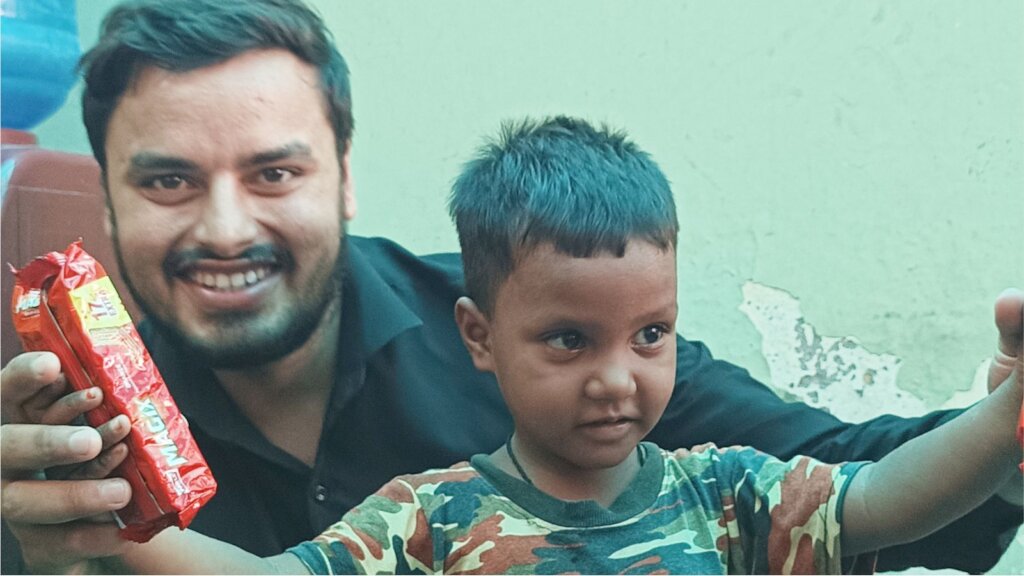
The project reduces hunger among thousands of people each month, offering at least one guaranteed meal every day. It improves health among slum children, supports elderly homeless individuals, and builds trust within the community.
Community Impact:
The initiative has helped reduce food insecurity, raised awareness on nutrition and hygiene, and given hope and dignity to the most vulnerable groups.
Future Plans
Umeed plans to expand daily food distribution from 200 to 400 plates, introduce morning breakfast service, provide nutrition kits on weekends, establish a central community kitchen, conduct hygiene and health awareness drives, and arrange weekly medical camps.
Links:
Project reports on GlobalGiving are posted directly to globalgiving.org by Project Leaders as they are completed, generally every 3-4 months. To protect the integrity of these documents, GlobalGiving does not alter them; therefore you may find some language or formatting issues.
If you donate to this project or have donated to this project, you can receive an email when this project posts a report. You can also subscribe for reports without donating.



Support this important cause by creating a personalized fundraising page.
Start a Fundraiser