By Akaraonye Samuel ifeanyi | Project Leader
PROJECT REPORT
Name of Organization: Sam Onyemaechi Humanitarian Foundation.
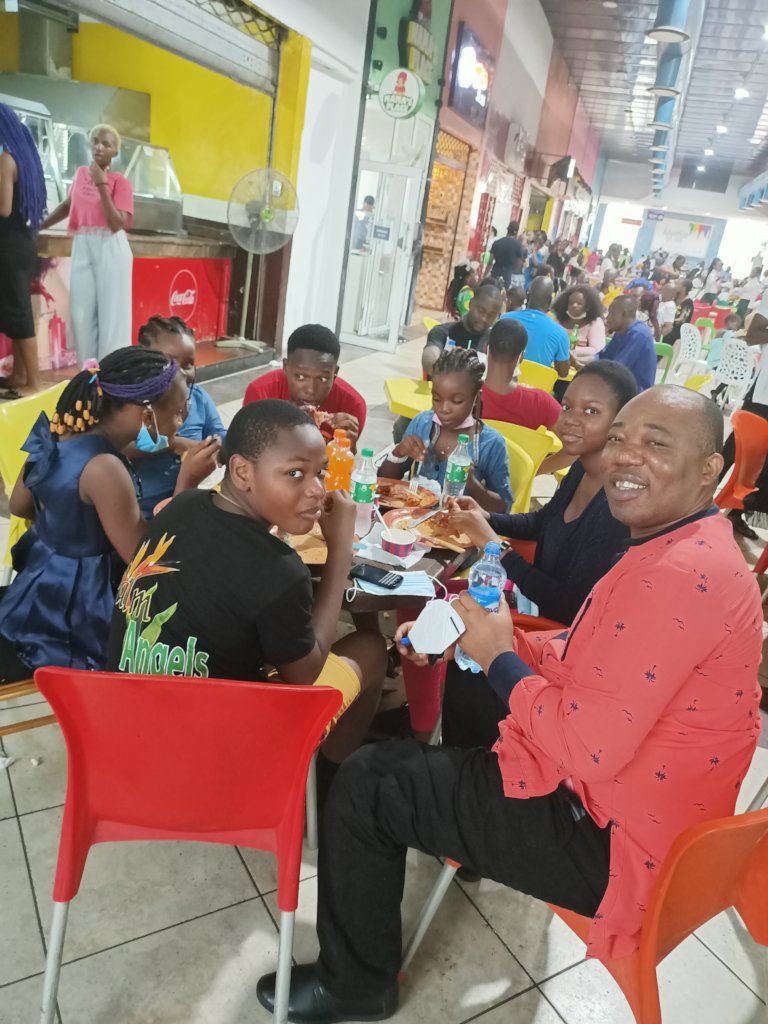
Project Title/Name: Feed 5000 children on their children’s Charity Day
Focus Country: Nigeria.
Project Locations: Lagos and Southeast, Nigeria.
Focus Area: Better Health and Nutrition
Project Type: Direct service, Street based Project
Proponent: Sam Onyemaechi Humanitarian Foundation
Address Klm 1 Eke-Ahiara Junction, Umuofor Nnarambia
Ahiara, Ahiazu Mbaise, Imo State, Nigeria
BRANCH OFFICE: 88 Murtala Muhammed way,
Yaba, Ebute Metta, Lagos.
EMAIL: support@samonyemaechihumanitarian.org
WEBSITE: https://www.samonyemaechihumanitarian.org
Introduction;
School feeding programs have been defined by the World Bank as “targeted social safety nets that provide both educational and health benefits to the most vulnerable children, thereby increasing enrollment rates, reducing absenteeism, and improving food security at the household level”. Better health and nutrition allow children to learn and perform better, broaden their educational opportunities. …In benefiting children and their families, school feeding and health help build what is known as ‘human capital’, skills, knowledge, experience and habits, equitable access to education, social protection, parent involvement and opportunities for local farmers.
Executive Summary:
Sam Onyemaechi Humanitarian Foundation is to provide guidance on how to develop and implement effective school feeding programs, in the context of both a productive safety net, as part of the response to the social shocks of the current global crises, as well as a fiscally sustainable investment in human capital as part of long-term global efforts to achieve Education for All and provide social protection for the poor. The analysis was initiated in response to enhanced demand for school feeding programs from low-income families affected by the social shocks of the current global crises, and focused first on the role of school feeding as a social safety net. This proved to be too narrow a context, and the analyses evolved to address the longer-term implications for social protection and the development of human capital as part of national policy. This shift in emphasis came about because the available data suggest that today, perhaps for the first time in history, every country for which we have information is seeking to provide food, in some way and at some scale, to its schoolchildren. The coverage is most complete in the rich and middle-income families—indeed, it seems that most countries that can afford to provide food for their schoolchildren do so. But where the need is greatest—in terms of hunger, poverty, and poor social indicators—the programs tend to be the smallest, though usually targeted to the most food-insecure regions. These programs are
also those most reliant on external support, and nearly all are supported by WFP. So the key issue today is not whether countries will implement school feeding programs, but how and with what objective. The near universality of school feeding provides important opportunities for WFP, the World Bank, and other development partners to assist governments in rolling out productive safety nets as part of the response to the current global crises, and also to sow the seeds for school feeding programs to grow into fiscally sustainable investments in human capital. Significant progress has been made to date in realizing our project goal within the first three months. As a group we have accomplished to a greater extent the following: achieve food security and improved nutrition and promote sustainable agriculture, Designed overall user interface structure for sustainable solutions
Organizational Background
Sam Onyemaechi Humanitarian Foundation’ started in the year 2012, officially registered September 7, 2017. Joined GlobalGiving community May 29, 2021, with a vision to seek sustainable solutions to end hunger in all its forms by 2030 and to achieve food security. SOHF aim is to ensure that everyone everywhere has enough good quality food to lead a healthy life. Also to create a platform for young people to actively engage them in social issues in the southeast, Nigeria. In the first 3 months of its operations, ‘Sam Onyemaechi Humanitarian Foundation’ did a rapid assessment of existing youth program in the region to discover a dearth of serious, structured interventions with young people in the area. The team from ‘Sam Onyemaechi Humanitarian Foundation’ visited more than 20 rural communities and several NGO functionaries operating in the area to learn about the involvement of youth and adult in Social initiatives in the area. In these visits, most of the principals, teachers and social workers voiced a need to build leadership among young people on social issues and motivate them to take up social action initiatives. The educators expressed their concerns and difficulties involved in mobilizing young people for social action initiatives.
In the same period, a team from ‘Sam Onyemaechi Humanitarian Foundation’ participated in the ‘Change Makers program’ that was conducted jointly by The Nonprofit council with the aim of understanding the current community development initiatives of other NGOs across Nigeria. During this phase the team studied the program design and the community mobilization methods of these NGOs. The team also underwent a one year long mentoring and handholding under this program. In the process, the team also participated in a several learning programs with several NGOs working on community issues from across the nation. In these sessions, the team interacted with more than 12 NGOs and their several community leaders working in different parts of the country.
Equipped with an understanding of local issues and an understanding of the best practices of NGOs from across the country, ‘Sam Onyemaechi Humanitarian Foundation’ started conducting basic life skill and active citizenship programs in communities in Southeast. The program was named ‘change for life’. These workshops caught the interest of educators and students alike and they welcomed ‘Sam Onyemaechi Humanitarian Foundation’ team to conduct repeat workshops on several issues in 15 communities with around 8,367 in attendant. This program also had an indirect outreach of another 4200 people. ‘Sam Onyemaechi Humanitarian Foundation’ also initiated a pilot program named ‘Metamorphosis’ that involved families in community outreach program. This program involved around 10,600 farmers from 15 different communities in the area. In the same period, ‘Sam Onyemaechi Humanitarian Foundation’ conducted two parent counseling workshops in two different communities to discuss the issues of their children. This program titled ‘Parenting and grassroots child-care' helped us put forward our standpoints and increased our acceptance with parents who are the prime decision makers for their children
The success of the initiative inspired us to continue the program with young farmers. Now in its second year of operation, ‘Sam Onyemaechi Humanitarian Foundation’ has started conducting life skill and active citizenship workshops in 10 additional Communities. This program so far had a direct outreach of 2700 families. Parenting and grassroots child-care has been conducted in two new Communities in the year. Currently, ‘Sam Onyemaechi Humanitarian Foundation is actively working with 23 communities in Southeast working on different issues in different communities.
In order to give a push to these projects, 'Sam Onyemaechi Humanitarian Foundation’ has identified the need for:
a) Help the vulnerable improve and maintain a healthy and independent lifestyle and to maximize their quality of life.
b) Starting of 2 Resource Centers in southeast to address the needs of farmers
a) Resource Centers for youth to learn vocational skills.
b) Resource and Empowerment Centers for farmers to equip them with skills in farming.
Vision and Goal
The vision and goal of Sam Onyemaechi Humanitarian foundation is to create change in the lives of children of all races that are living in poverty, and to facilitate the growth and development of children through focusing on their nutritional and educational needs. SOHF primary Goal is to seek sustainable solutions to end hunger in all its forms by 2030 and to achieve food security. The aim is to ensure that everyone everywhere has enough good-quality food to lead a healthy life. Achieving this Goal will require better access to food and the widespread promotion of sustainable agriculture. This entails improving the productivity and incomes of small-scale farmers by promoting equal access to land, technology and markets, sustainable food production systems and resilient agricultural practices. It also requires increased investments through international cooperation to booster the productive capacity of agriculture in developing countries.
Core values
Involving people, applying knowledge and making things happen. We take as our Motto “Peace, social justice, diversity, fun and democracy as key values” which guide us.
Organizational Structure
‘Sam Onyemaechi Humanitarian Foundation’ is registered as a Trust with Mr AKARAONYE Samuel Ifeanyi, Engr. Greg Ntiwunka, Mr. Joseph Ehioma and Ms James Rosita Nkeiruka as the Board of Trustees.
The ‘Sam Onyemaechi Humanitarian Foundation’ Team is currently led by Chief Augustine Anyanwu and comprises of Mr.Dominic Anyanwu, Agnes Cletus Bassey, Mr. Chigbu Uchenna Ezekiel, Ms Anthonia Chuke etc.
Aims and Objectives
The aim and objectives of Sam Onyemaechi Humanitarian Foundation is; To ensure that children of all races receive at least one nutritious meal a day during the formative years, The promotion and maintenance of good health, hygiene and safety amongst children of all races. To provide food security to all children during the formative years, to ensure that all pre-school children stand a fair chance of a good education by being in a setting that lays the framework for future learning. To give every child a sense of love and caring by providing them with items of comfort. The establishment and maintenance of liaison with other organizations, including Government Departments, having aims and objects similar to those of Feed 5000 children on their charity children's day.
Target Beneficiaries
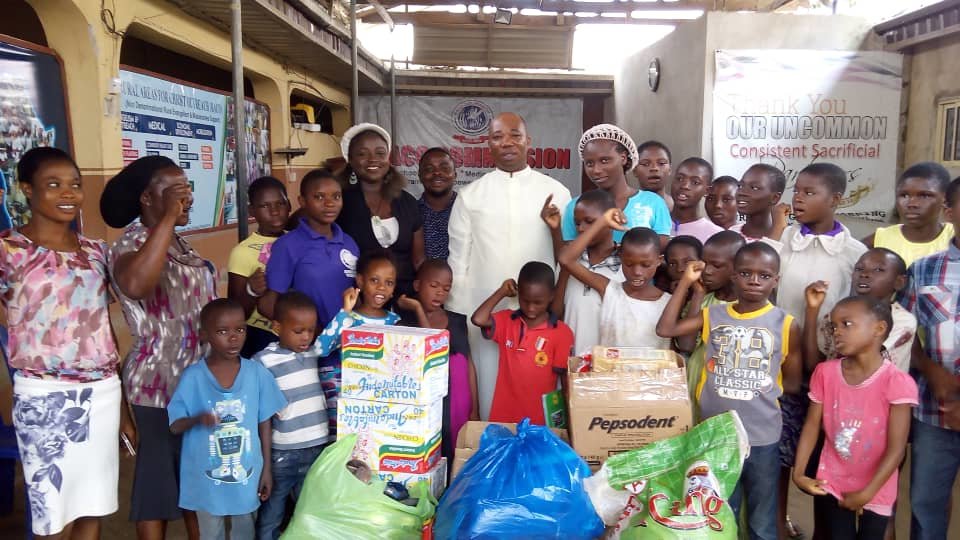
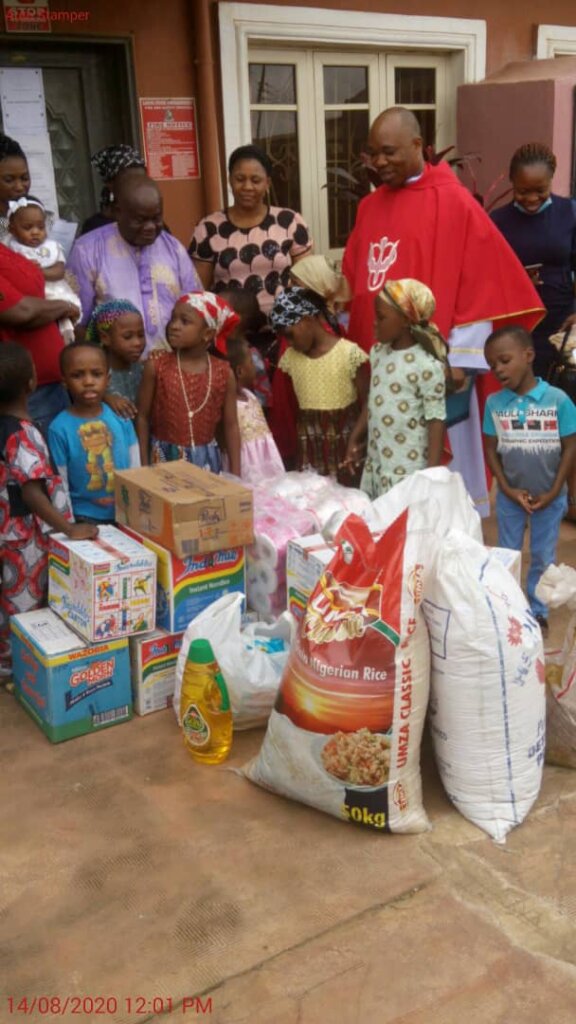
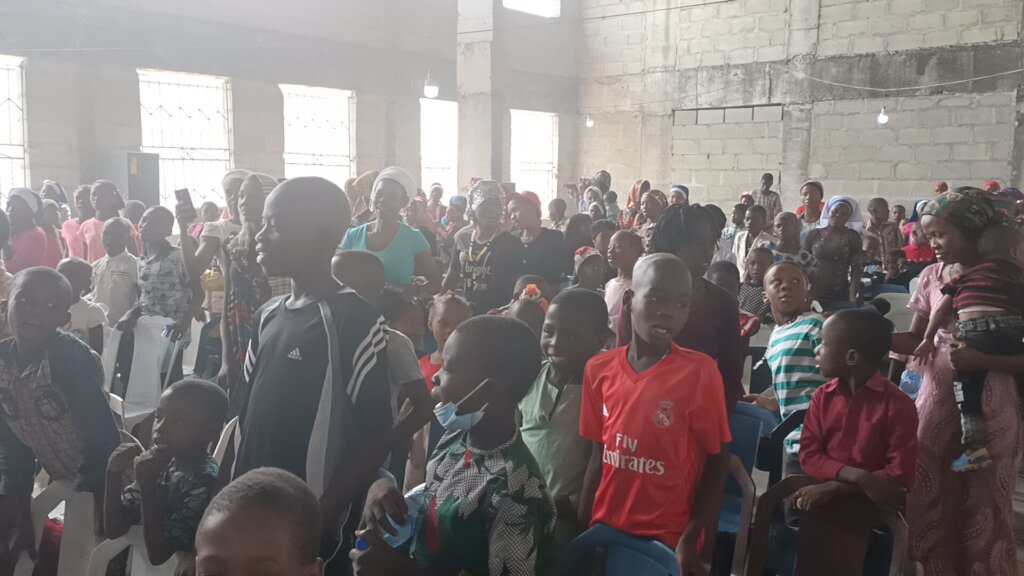
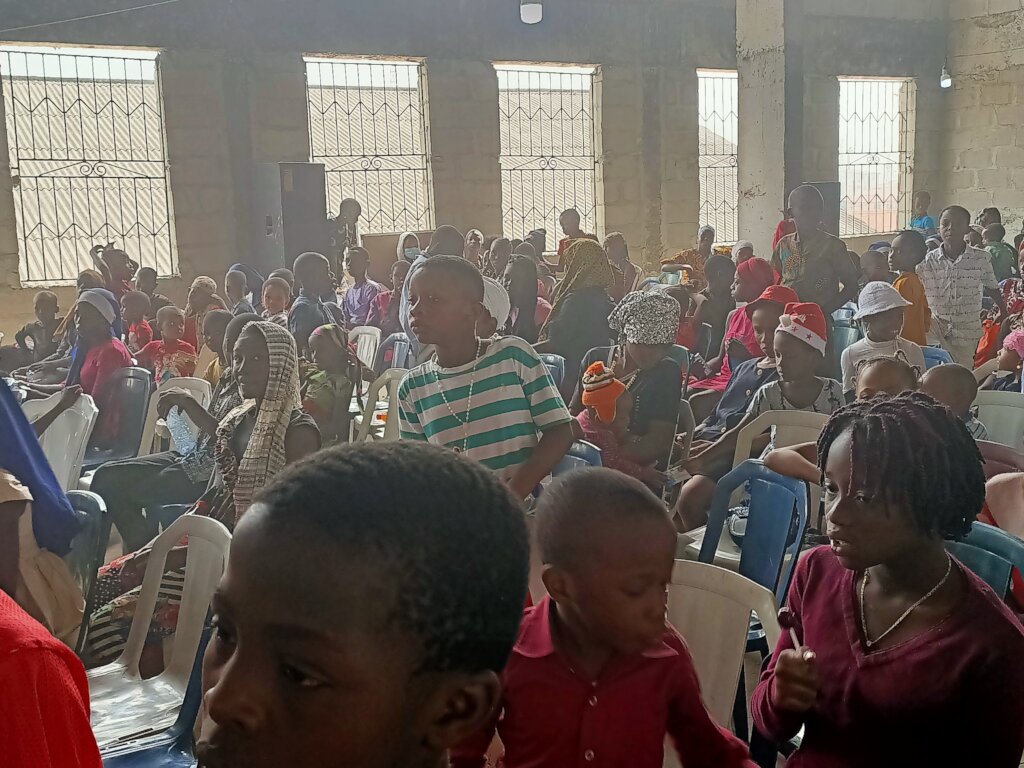
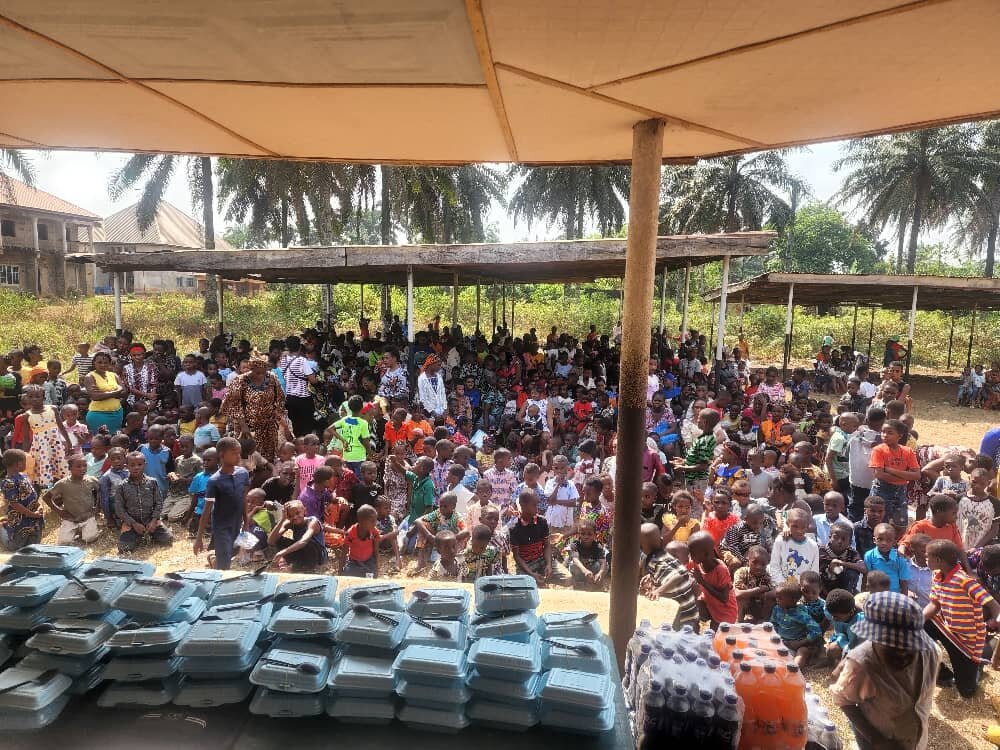
The project was implemented in the rural communities in Southeast and south west. The direct beneficiaries are the three-year-old to twelve-year-old children in pre-nursery to primary, vulnerable and malnourished children in rural communities. The main objective of the feeding program is to improve the nutritional status of the community. Thus, the objectives of the feeding program are; to supplement the diets of weaker sections of the community to combat undernutrition, to educate the community for combating and preventing malnutrition.
The impact of the underlying problem on the target population.
The effects of poverty are serious in rural communities. Children who grow up in poverty suffer more persistent, frequent, and severe health problems than children who grow up under better financial circumstances. In the Society, Issues like hunger, illness, and poor sanitation are all causes and effects of poverty. Bad sanitation makes one susceptible to diseases, and hunger and lack of clean water makes one even more vulnerable to diseases. This impact ranges from; family problems, Health, Illness, and Medical Care, education, housing and homelessness.
*Project Details*
INCOME
s/n DATE DISCRIPTION AMOUNT
1 11/24/2021 FUNDRAISING THROUGH GLOBALGIVING $ 105.55
2 10/31/2021 PRODUCTS SALES $ 650.25
3 11/20/2021 IN-KIND CONTRIBUTION $ 1678.00.80
4 12/18/2021 WANGAROU ENTREPRENEUR $ 150
5 12/21/2021 MISCELLANUOUS DONATIONS $ 350.10
GRAND TOTAL $ 2,933.9
GRAND TOTAL OF INCOME= $2,933.9
EXPENSES
S/N DESCRIPTION AMOUNT
1 SALARIES/ ASSOCIATE COSTS $300
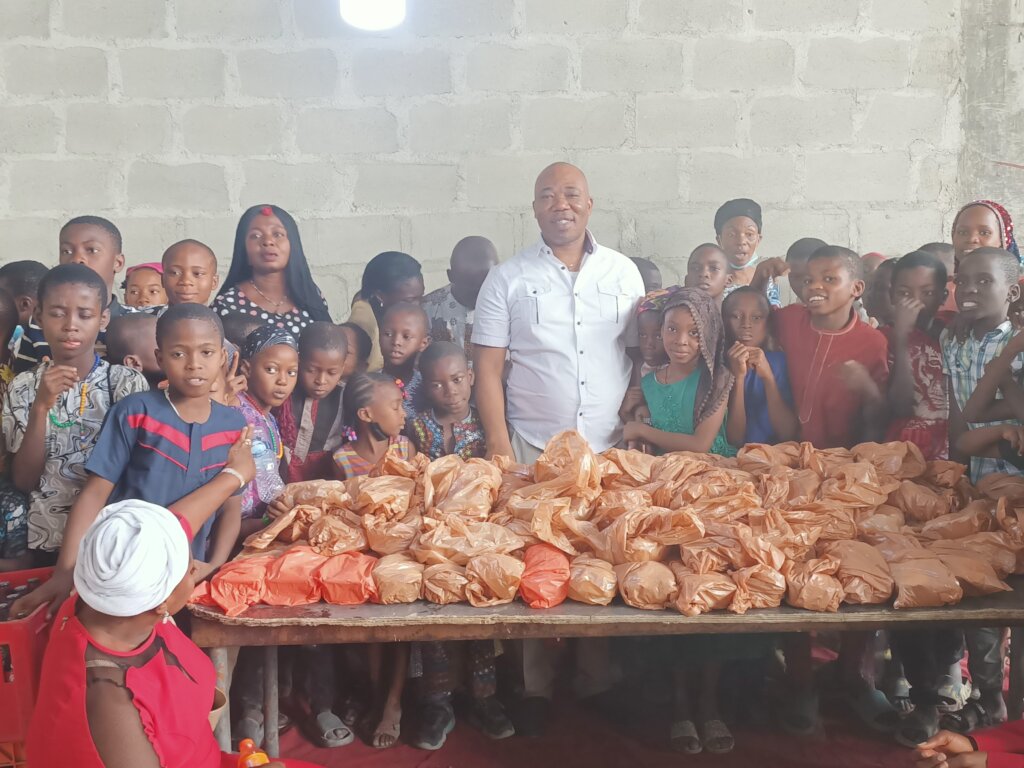
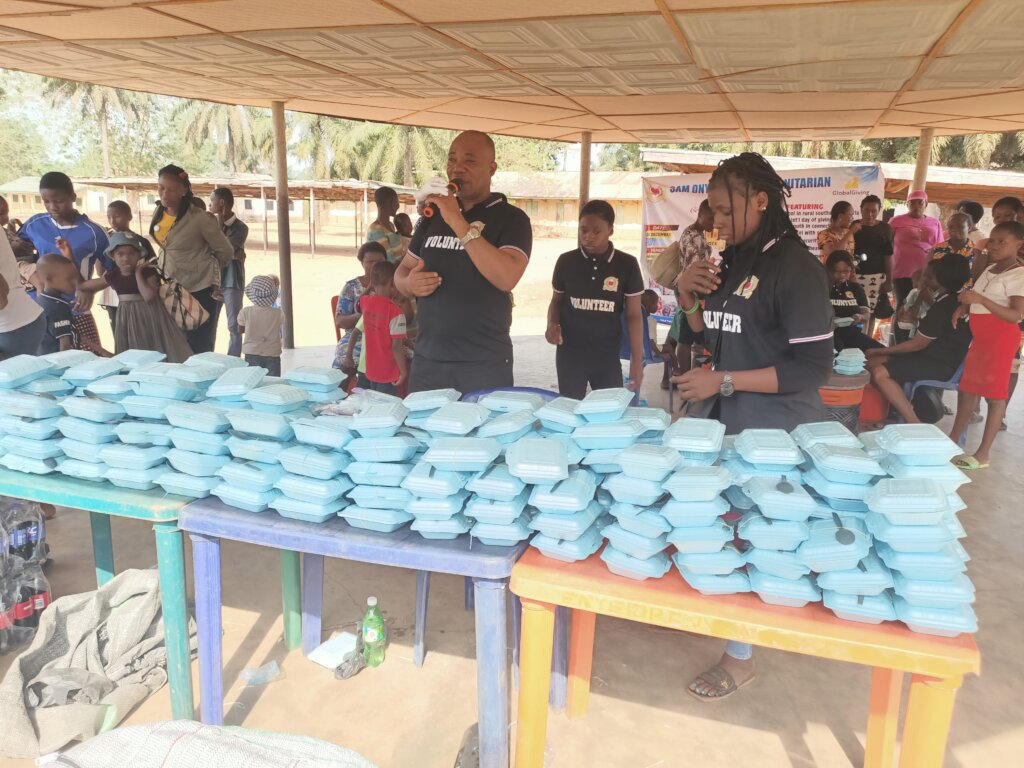
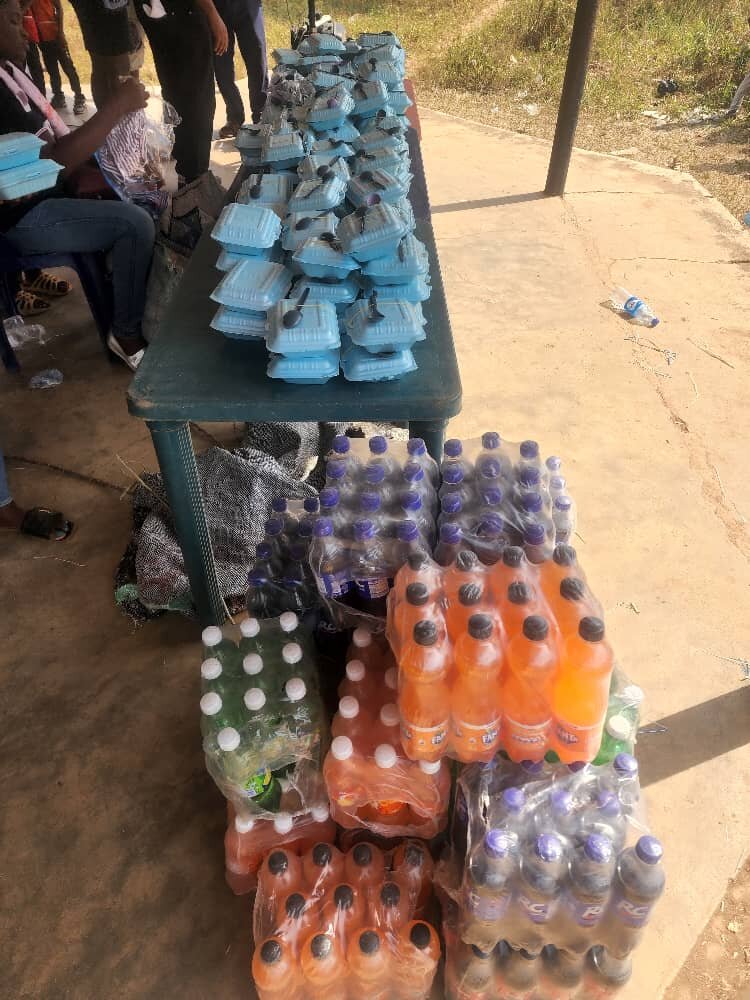
2 FEEDING STREET CHILDREN $1250.26
3 TRAVEL/MILEAGE $350
4 MEETING COSTS (CONFERENCE AND REFRESHMENT) $300
5 PRINTING/PHOTOCOPY $55
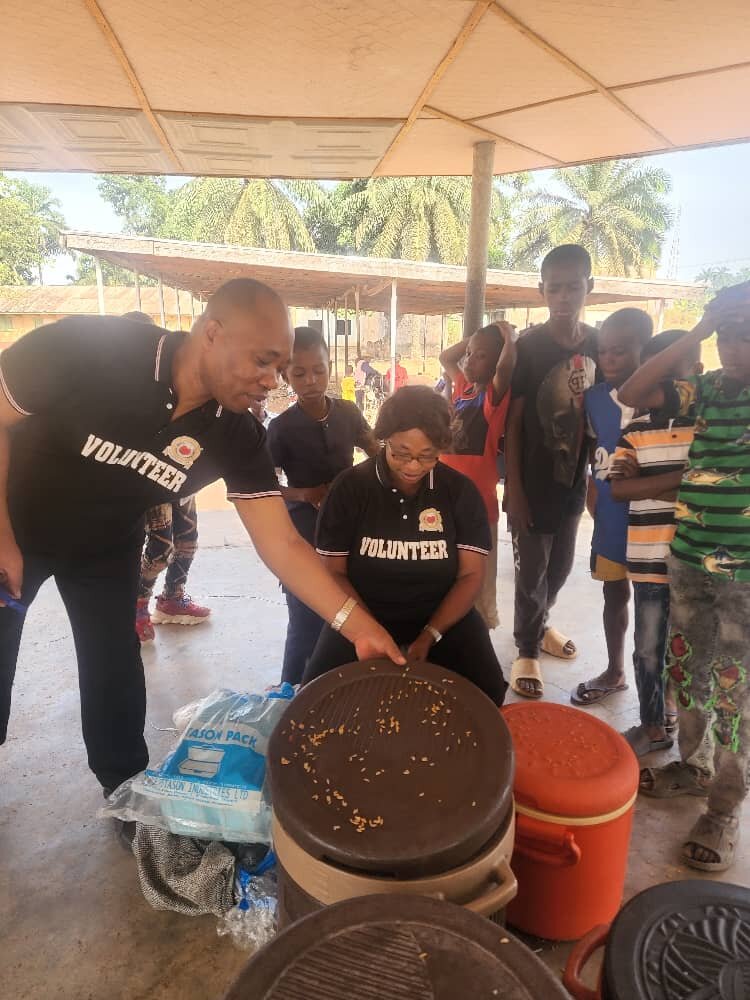
6 VOLUNTARY/STAFF APPRECIATION $200
7 WORKSHOP TRAINING/SEMINAR $100
8 FACILITATOR APPRECIATION $150
9 TELEPHONE BILLS $30
10 FOOD CONDIMENTS $100.21
11 ICT DEVELOPMENT $50
GRAND TOTAL $2885.47
GRAND TOTAL OF INCOME= $2933.9
GRAND TOTAL OF EXPENDITURES= $2885.47
Balance = $48.43
Sustainability of the Project
The ability of our organization as a whole to survive and to meet our mission goal, we embark on an entrepreneurial venture, as a way of raising money for community, financial and organizational sustainability. The foundation runs a food production, processing and packaging factory. We have been partnering with a company in processing our food items for sales. We are working hard to build our own factory for our organizational sustainability, and to help youth that have vocational skill to acquaint themselves with entrepreneurial skills to be resourceful and useful to themselves and society at large. The procurement of the necessary equipment for production, processing and packaging of organic raw materials(food) and construction of a multi-purpose hall that will accommodate our factory and other activities is our priority, we can achieve this through external sources like grants and long-term funding or through internal sources like income-generating activities or membership fees. And to actualize our mission and goal, we have these points as our guiding principles: Collaborative leadership, member-driven decisions,
effective communication, change-ready and adaptive workforce continuous improvement, on- going evaluation and measurement, sound financial infrastructure.
Difficulties and Challenges
The major challenges we are facing in carrying out our humanitarian services to school children is insufficient funding. SOHF specifically targeted at improving school enrolment, attendance, reducing number of out of school children and improve nutritional status of benefiting students from pre-nursery to primary six. We have challenges of utility, proper managing due to heavy workload for teachers and lack of effective monitoring and evaluation system. We also have challenges of the media, the media is expensive and hunger. The persistence of hunger is no longer a matter of food availability. Rather, in many countries that failed to reach the Millennium Development Goals (MDGs) hunger target, natural and human-induced disasters or political instability have resulted in food insecurity affecting large swathes of the population.
Annexes
Annexed below is a sample of this section that has been drawn from the project report of ‘Sam Onyemaechi Humanitarian Foundation’ – a non-profit organization that works with young adolescents, youths and adult in rural Communities.
*Overview of the Program:
We at ‘Sam Onyemaechi Humanitarian Foundation’ very much value exposure, interaction and peer learning processes. Our recent interactions with more than 20 Communities have reinforced this belief. We are now looking out for support to create 2 youth resource and Empowerment centers in southeast, Nigeria where young, adult etc can come together, co-create learning experiences and contribute positively to the community development. We plan to utilize these resource Empowerment centers as spaces for involving the youth and adult in “self-development” and ‘social action’ projects of various kind.
'Sam Onyemaechi Humanitarian Foundation’ has the required experience and expertise to design and run social action campaigns. We feel campaigns are great opportunities to demonstrate leadership skills, highlight social issues, develop deeper understanding about issues and mobilize young people. Campaigns give energy and take care of youth and adult needs such as fun, interaction, novelty etc. We want to organize a campaign each year highlighting youth action.
What we have achieved so far?
‘Sam Onyemaechi Humanitarian Foundation’ is now an accepted name in more than 35 Communities. Our volunteers are personally known to tens of thousands of families in southeast.
As a part of self-development initiative, we have conducted workshops in more than 25 Communities in the last 3 years with a direct outreach of approximately 4000 people in the last 3 years. We have so far organized one major campaign in nearby villages where they went and identified families who were not buoyant enough to Carter for their family’s needs.
Since the beginning ‘Sam Onyemaechi Humanitarian Foundation’ has been running out several programs in Communities promoting spirit of volunteerism and celebrating youth led social action. We have organized a major social action project titled ‘Change for life’ in 10 large Communities with an approximate outreach of around 23000 peoples. This project involved collecting and donating used and unused clothes blankets, shoes, food items to the needy.
What we propose?
In this project we propose to undertake the following activities under the aegis of the Resource and Empowerment Center for youth and adult.
Youth Resource and Empowerment Center:
We wish to build 2 new Youth Resource and Empowerment Centers (YREC) in Southeast over a period of next two years – one for the first generation school goers and the second for adult in rural Communities. At the end of the two years we would have been running 2 Youth and adult Resource and Empowerment Centers and the third year would be dedicated to further strengthen and better the functioning of these 2 resource and Empowerment centers.
Awareness Campaign:
We will design and run campaigns involving adolescents young people and adult from rural and urban areas every year starting with the end of year 1. The theme of the campaign will be designed by the adolescents. This will help them to consolidate their learnings and create awareness about social issues.
Conclusion
Poverty and a lack of awareness seem to be at the heart of the problem of childhood malnutrition in Nigeria. Until the socioeconomic status of the vast majority of Nigerians improves significantly, malnutrition will continue to pose a serious threat to the growth and development of Nigerian children and the future of national development. Significant variations exist in the level of child and maternal malnutrition across rural/urban settings, geopolitical zones, and agro-ecological bands in Nigeria. Malnutrition rates are higher among rural households who depend more on agriculture than on other sectors for their livelihoods. A range of socioeconomic, demographic, and public health related factors work together to influence maternal and child nutrition outcomes among rural and urban dwellers across the geopolitical zones and agro-ecological zones in Nigeria.
Project reports on GlobalGiving are posted directly to globalgiving.org by Project Leaders as they are completed, generally every 3-4 months. To protect the integrity of these documents, GlobalGiving does not alter them; therefore you may find some language or formatting issues.
If you donate to this project or have donated to this project, you can receive an email when this project posts a report. You can also subscribe for reports without donating.



Support this important cause by creating a personalized fundraising page.
Start a Fundraiser