![Food preparation in the Bona Fide kitchen]()
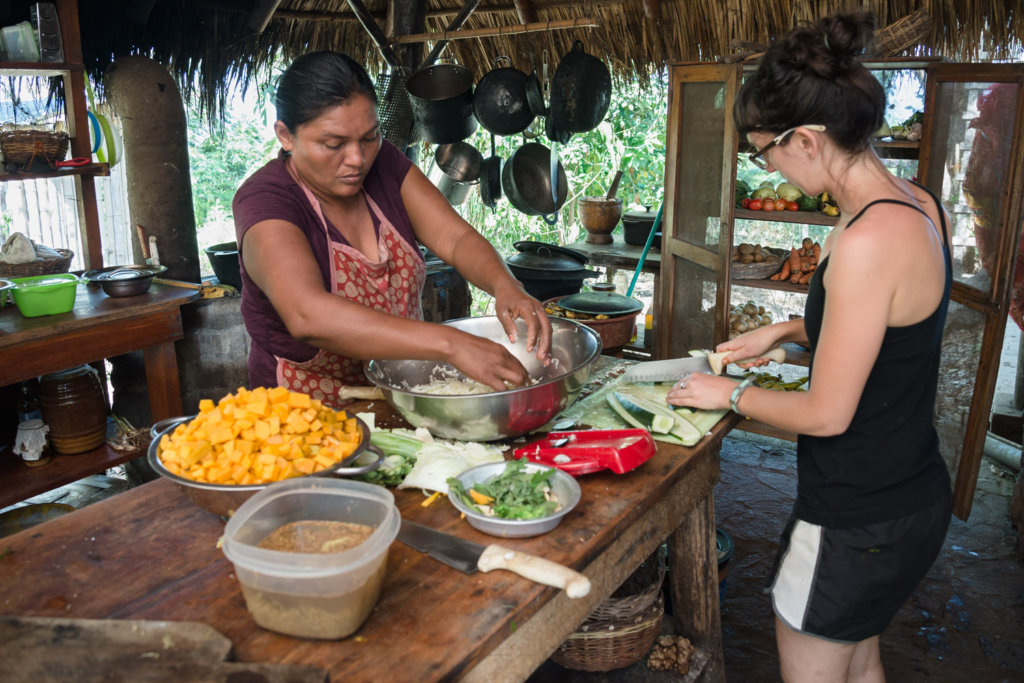
Food preparation in the Bona Fide kitchen
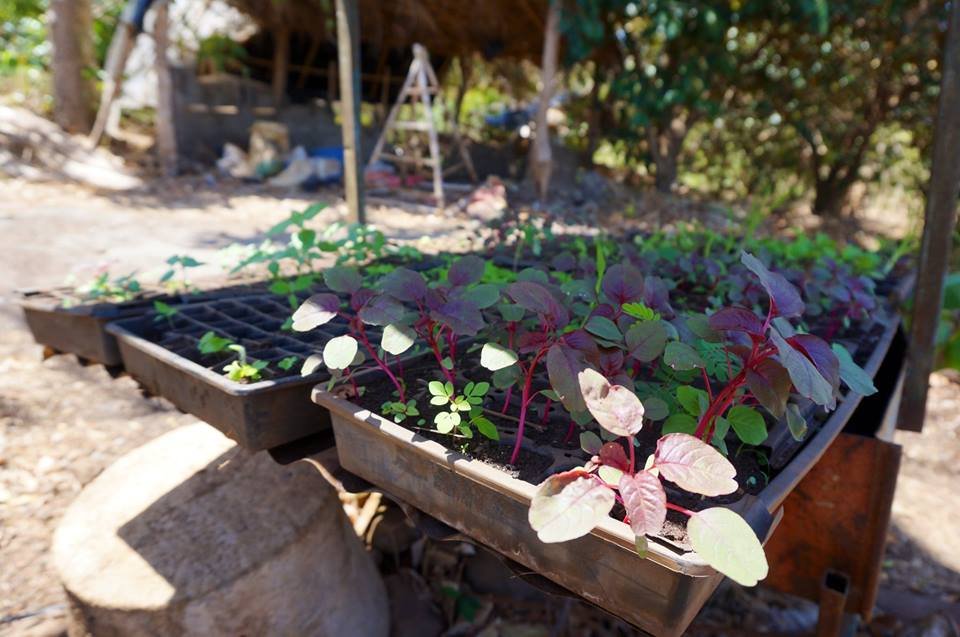
As the plant-based side of the Farm-to-Clinic initiative, a lot of Project Bona Fide's work revolves around researching and experimenting with varieties of plants and agricultural technologies that are successful in the tropics and adaptable to an ever changing climate. Since the project’s inception in 2001, the focus of our work has been mainly on agroforestry and perennial food systems that have the potential to produce crops with higher nutritional value, higher market value, and promote food security in the region. These systems not only contribute to the reforestation of abused landscapes and the reintroduction of biodiversity on the island, providing benefits for generations to come, but they also produce nutrient dense fruit and nut crops that have medicinal qualities important to our Farm-to-Clinic project.
While our herbal medicine garden is the heart of Farm-to-Clinic, our 26-acre farm is also stacked with fruit and nut forests that are equally important for their nutritional benefits and medicinal qualities. The incorporation of these whole foods into the diet can be more effective than supplements in dealing with everyday health problems and for preventative health measures. At Project Bona Fide we grow a variety of food on the farm that is beneficial to the human body and known locally for its medicinal properties. A few examples highlighted below are pitaya (dragon fruit), calala (passion fruit), and nopal (prickly pear cactus), but the options, and overall abundance on the farm, are endless.
Pitaya, commonly referred to as dragon fruit, is a dark red fruit produced by a cactus native to Mexico that grows well in the tropics. Pitayas are rich in antioxidants, which protect the body from damage caused by free radicals, along with Vitamin C, B vitamins, as well as carotene, protein, and fiber. According to recent studies, the number, quantity, and variety of antioxidants in pitaya is unmatched by food supplements or pills. The benefits of this nutrient dense fruit are said to strengthen the immune systems, assist in the faster healing of bruises and wounds, aid in treating heart problems, as well as contribute to the prevention of respiratory health issues. Additionally, the seeds of pitaya or high in polyunsaturated fats (omega-3 and omega-6 fatty acids), that can reduce triglycerides and lower the risk of cardiovascular disorders.
Calala (passion fruit), is native to subtropical regions of South America, and can be found in markets all over Nicaragua. The sour, crunchy, tropical fruit produced by this vine is a rich source of antioxidants, minerals, vitamins, and fiber. The inclusion of good fiber in your diet helps remove cholesterol from the body and is very important for colon health. Like pitaya and many fruits grown in the tropics, passion fruit is also high in Vitamin C, Vitamin A, Potassium, and other beneficial minerals like iron, copper, magnesium, and phosphorus. These different vitamins and minerals are an important part of preventative medicine and care for many different systems of the body. In addition to the nutrient-dense fruit, the leaves and flower of the passionfruit vine are also highly medicinal and can be used for teas and tinctures for sleep aid and anxiety relief.
Nopal, or prickly pear, is another cactus grown on Finca Bona Fide that has two edible portions, the pad and the fruit, commonly known as tuna. Nopal is revered locally as a medicinal plant for it’s ability to boost the immune system, lower the cholesterol, fight inflammation, combat diabetes, treat topical burns, and aid digestion. The plant is also rich in antioxidants, specifically betalins, that encourage healthy cell growth and and assist detoxification. Nopales are particularly useful to individuals who suffer from diabetes, as studies have demonstrated their ability to lower blood sugar by restraining the liver from releasing glucose into the blood. It also contains fibrous pectin which assists in reducing diabetic condition and the need for insulin.
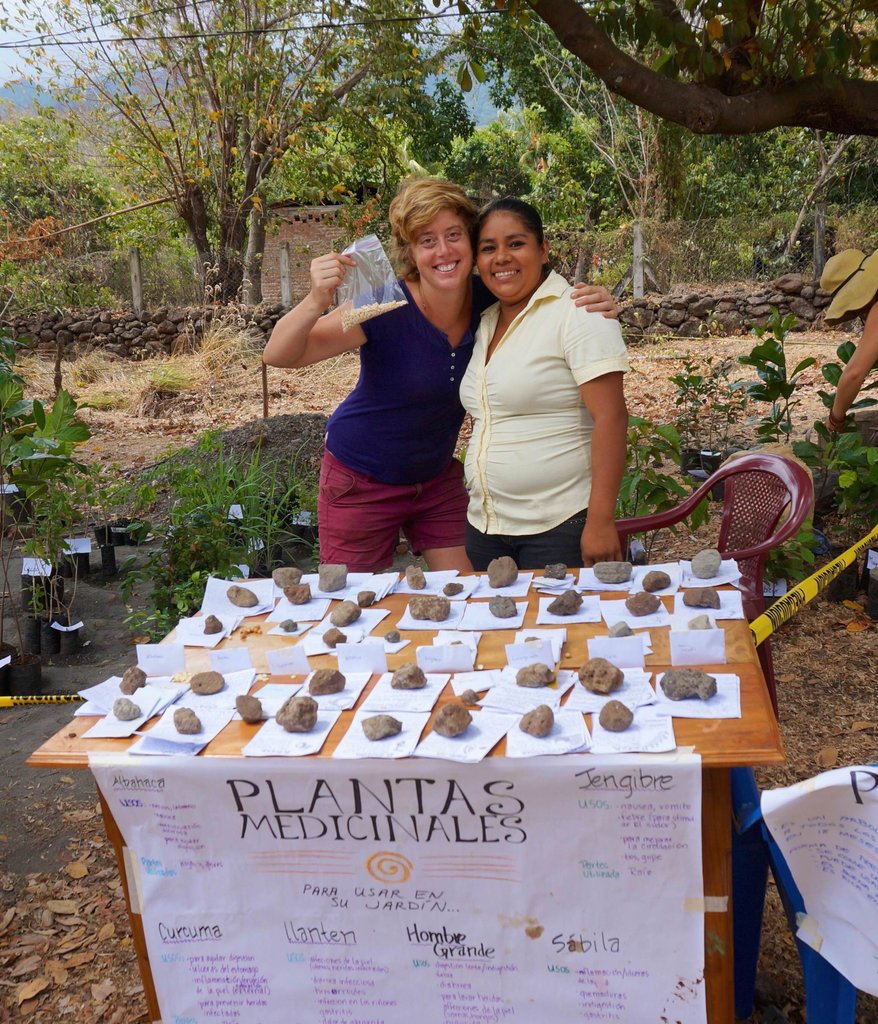
Our Farm-to-Clinic initiative seeks to support a holistic, integrative understanding of health care rooted in our environment’s endless bounty. A critical part of the Farm-to-Clinic project is our active investigation and reasearch of the medicine growing all around us; from our herbal medicine garden, to our larger food forests, to the wildlife corridor surrounding our farm.
![Share on Twitter]()
![Share on Facebook]()