By Sabrina Kerin | Program Coordinator
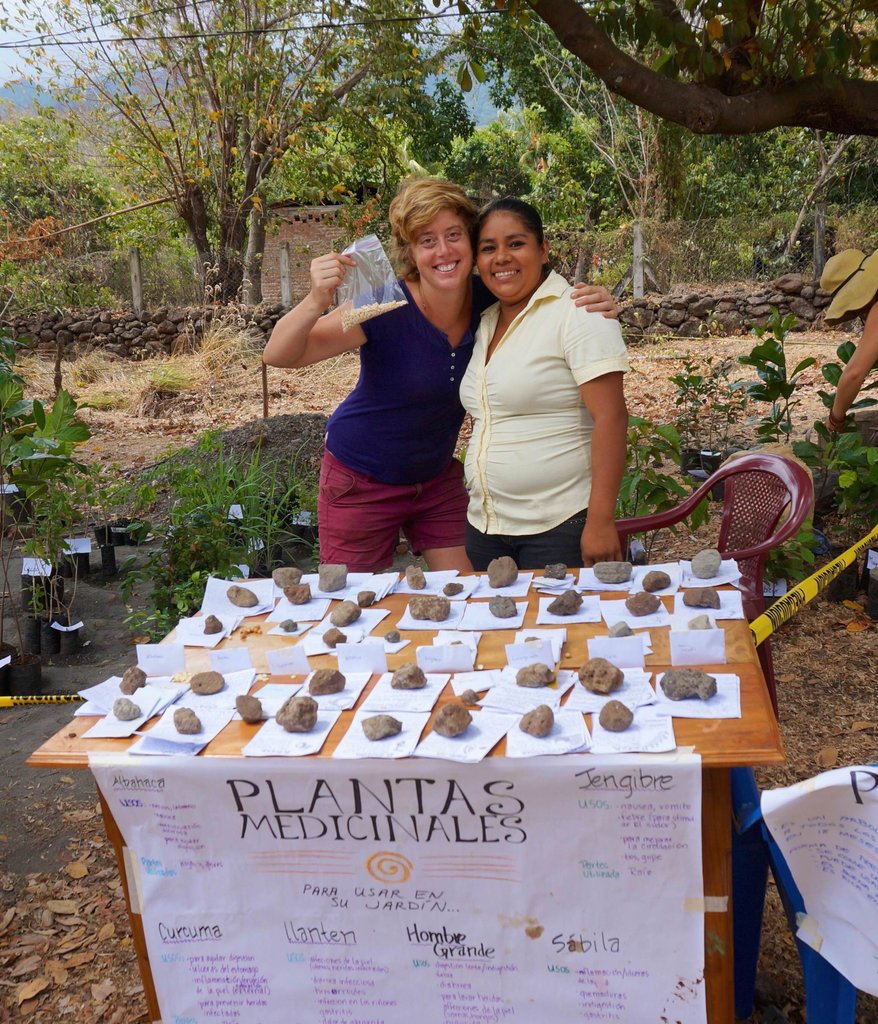
The fall season is considered low-season in Nicaragua and many other parts of Central America. Known locally as “el invierno”, it is characterized by heavy rainfalls and less tourism due to the unfavorable weather conditions. It is a beautiful time of the year, and it gives businesses and organizations much needed room for reflection and forward planning. This is a great season for Project Bona Fide team members to bunker down on projects and for long-term interns and volunteers to plug into the different parts of the farm on a deeper level. During this fall season we have continued to expand and work on our Farm-to-Clinic initiative with continued education, outreach, and experimentation. Most recently we have had the opportunity to introduce different techniques of alternative medicine to our staff, further deepening our site's understanding of holistic health care through experience, research, and discussion.
Holistic health care emphasizes the treatment of the mind, body, and spirit as interconnected entities and has been incorporated into medical treatment around the world. It is the understanding that the human body, mind, and spirit are interconnected and that health is a matter of balance between the three. Cultures around the world, from the Native Americans in North America, to the mesopotamians in the Middle East, to the ayurvedic practitioners in India, have observed this essential balance and have focussed their health care practices around it.
Last month, Project Bona Fide hosted Paty Hernandez, a Holistic Counselor and Wellness Coach, who has been collaborating with NDI’s clinic over the last few months for a full-day Reiki level 1 certification for interested coordinators, interns, volunteers, and visitors. Reiki is a Japanese healing technique for stress reduction and relaxation that promotes simultaneous healing of the body, mind, and spirit. Reiki was brought to the West in the 1930’s by a Japanese practitioner and has since grown to be a common practice used across the US and worldwide. Part of the Farm-to-Clinic project includes the exploration of alternative health care techniques both locally and globally and investigation into how they can be culturally adapted and embodied in remote communities with limited access to clinical health care.
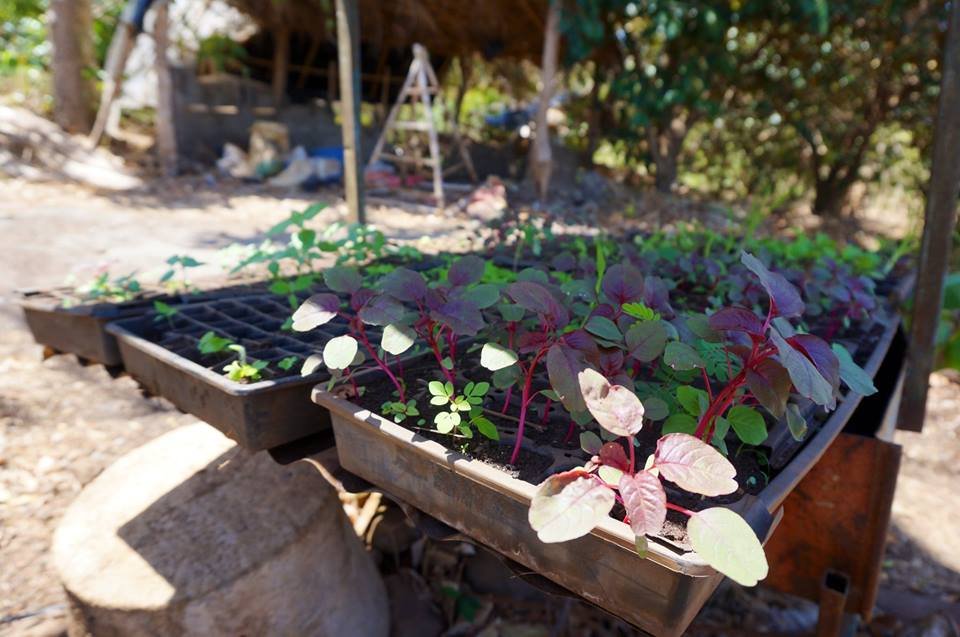
In addition to the production of medicinal herbs and herbal medicines for use in the clinic, we are encouraging our community and our partners to involve themselves in the exploration and education of these alternative health practices inherited from and practiced by cultures around the world. We believe in a health care system that addresses the whole person and seeks for healthy, adaptable, and successful treatments in the natural world. As high season on the farm approaches, we are looking forward to continuing our explorations, to welcoming 3 new interns to the Farm-to-Clinic team, and to many successes and advances for the project in the new year to come.
Project reports on GlobalGiving are posted directly to globalgiving.org by Project Leaders as they are completed, generally every 3-4 months. To protect the integrity of these documents, GlobalGiving does not alter them; therefore you may find some language or formatting issues.
If you donate to this project or have donated to this project, you can receive an email when this project posts a report. You can also subscribe for reports without donating.