By Seth Mwangi | Programs Manager
1. Executive Summary
Economic hardship remains one of the leading drivers of child vulnerability within the communities served by Macheo Children's Organisation. Many caregivers struggle to provide basic necessities such as food, healthcare, education, and safe housing due to unemployment, underemployment, and limited access to sustainable income opportunities. The Family Economic Empowerment (FEE) intervention seeks to address these root causes by strengthening household livelihoods and enabling families to become economically self-reliant.
During the reporting period, the programme supported vulnerable households through business seed capital, entrepreneurship training, financial literacy, business mentorship, and regular household coaching. The intervention continued to demonstrate that when caregivers have stable sources of income, children's well-being improves significantly. Families reported increased household income, improved food security, better school attendance, and reduced dependence on emergency assistance.
2. Background
At Macheo, we recognize that sustainable child protection cannot be achieved by supporting children alone. Strengthening the economic capacity of caregivers enables families to provide stable, nurturing environments where children can thrive.
The Family Economic Empowerment intervention is designed to build resilient households by supporting caregivers to establish or expand viable income-generating activities based on their skills, interests, and local market opportunities. Rather than providing short-term relief, the programme focuses on creating lasting pathways out of poverty through enterprise development, financial management, and continuous mentorship.
3. Objective of the Intervention
The overall objective of the Family Economic Empowerment intervention is to improve household resilience by increasing caregivers' capacity to generate sustainable income, enabling them to meet their children's essential needs independently.
Specific objectives include:
4. Key Activities Implemented
During the reporting period, the following activities were undertaken:
5. Results and Achievements
The intervention continued to generate encouraging results across participating households.
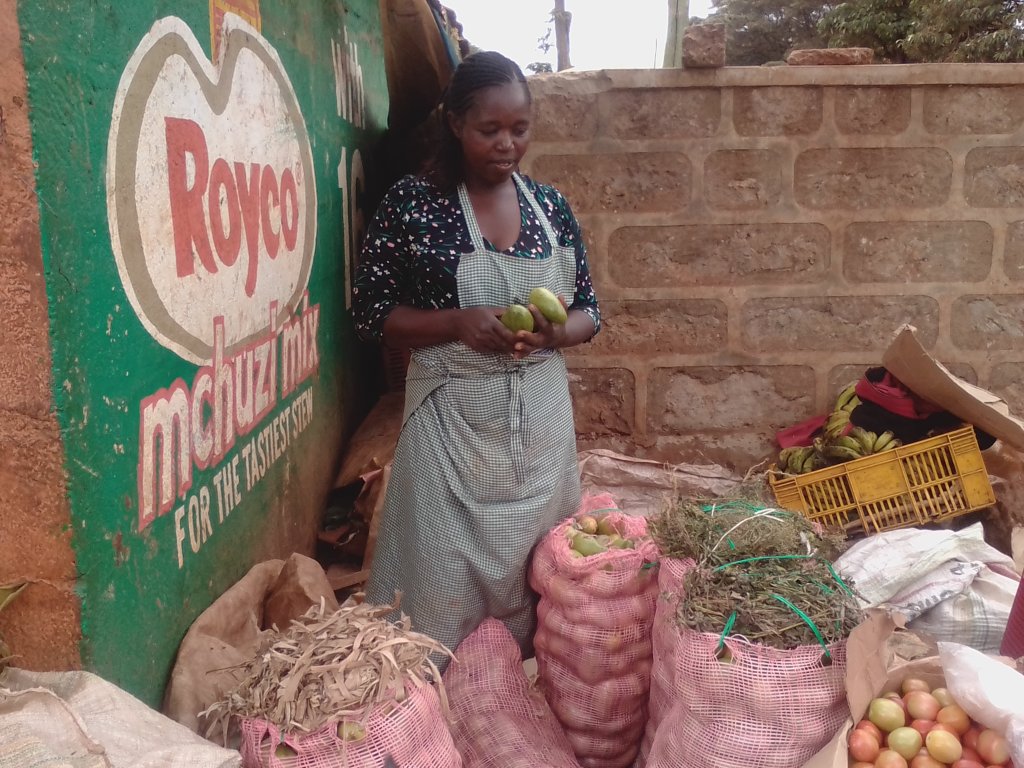
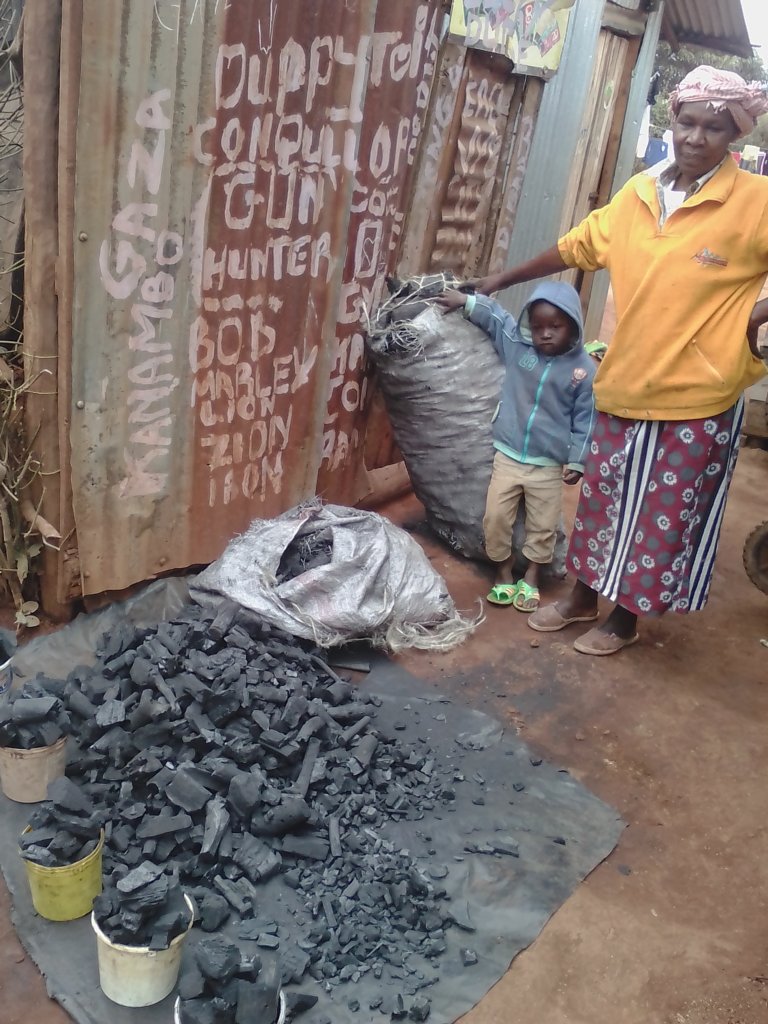
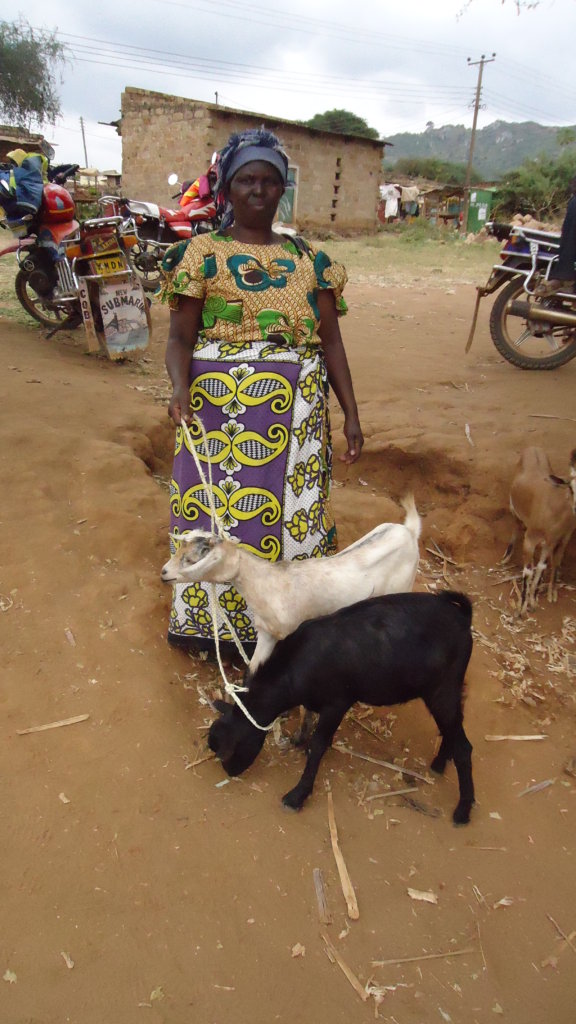
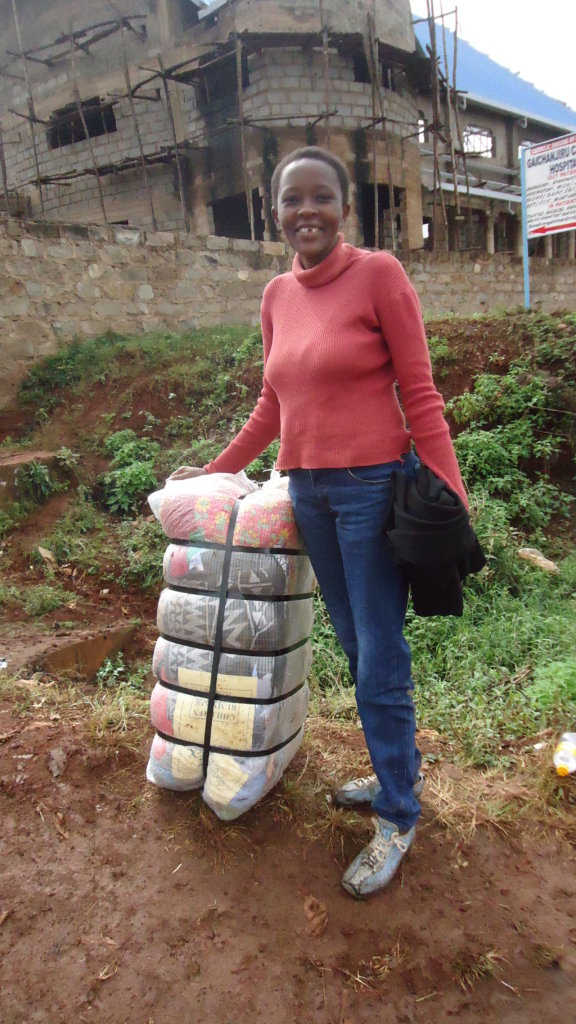
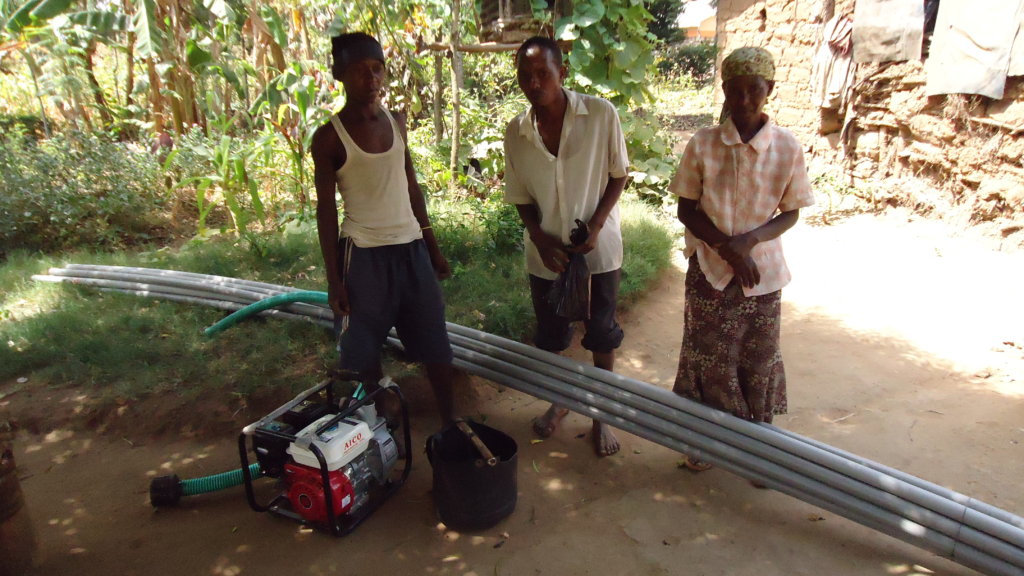
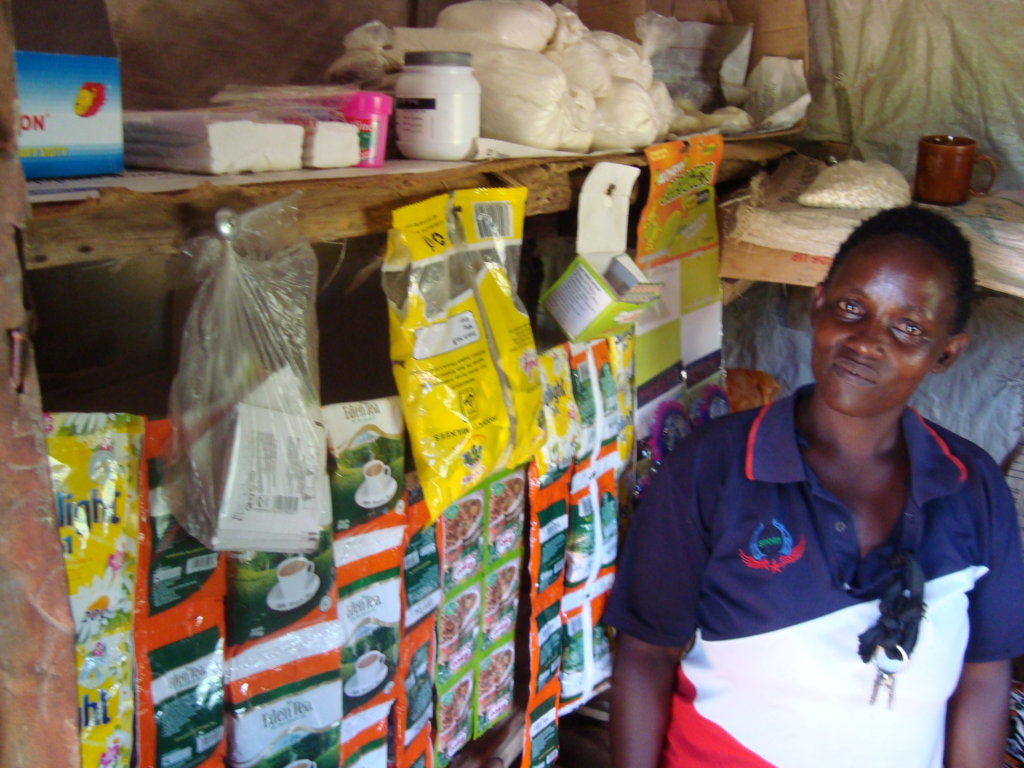
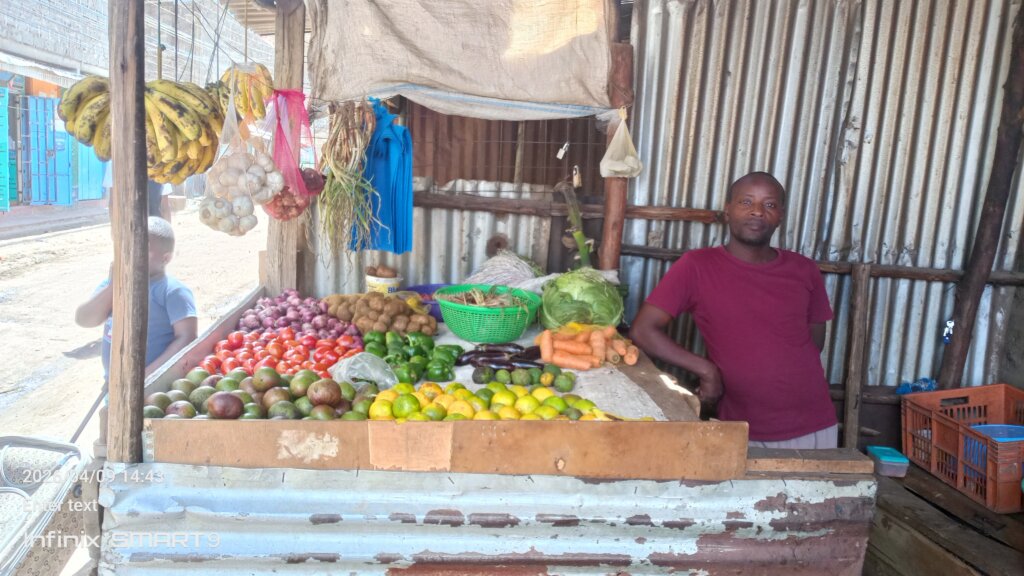
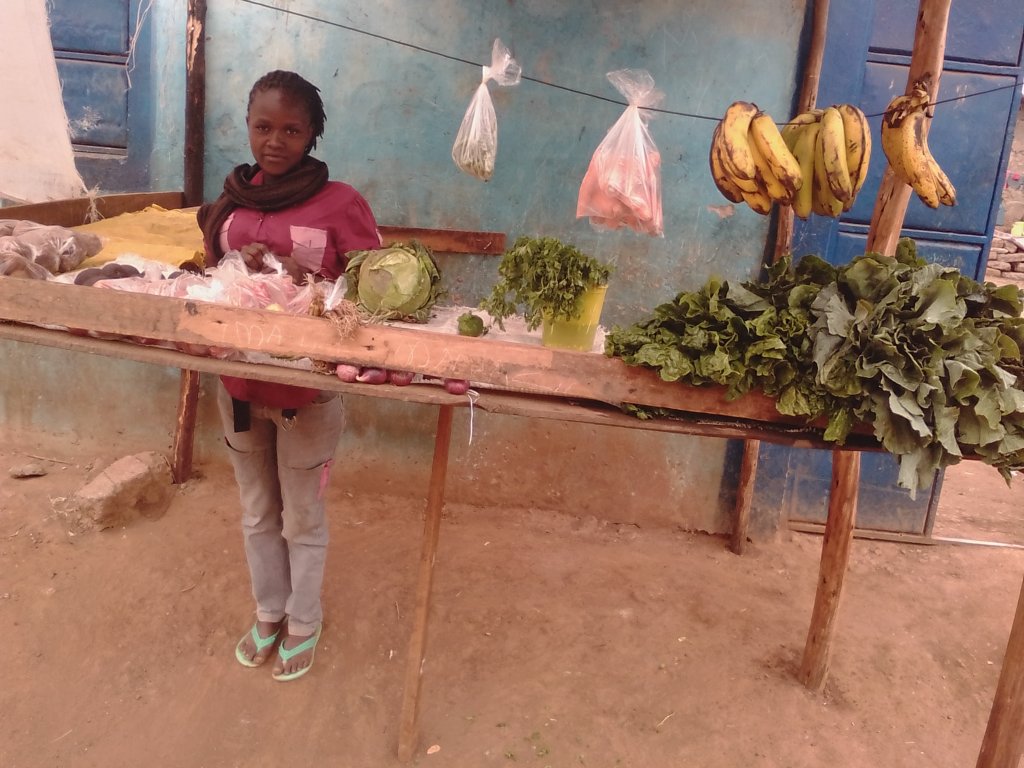
Many caregivers successfully established or expanded small businesses including grocery kiosks, vegetable vending, poultry keeping, tailoring, second-hand clothing businesses, food vending, and small-scale farming enterprises.
Regular mentoring and follow-up visits helped beneficiaries improve record keeping, reinvest business profits, diversify income sources, and manage business risks more effectively.
As household incomes increased, families demonstrated improved ability to meet children's basic needs without relying on emergency support. Several caregivers reported consistently providing three meals a day, paying school-related expenses, accessing healthcare when needed, and improving their housing conditions.
Beyond financial gains, caregivers expressed renewed confidence, dignity, and hope for the future. The intervention empowered many beneficiaries to view themselves not merely as recipients of assistance but as entrepreneurs capable of transforming their own lives.
6. Impact on Children
The ultimate beneficiaries of the intervention remain the children.
Improved household incomes contributed to:
Children from economically empowered households demonstrated greater stability and improved opportunities to continue their education and healthy development.
7. Success Story
One caregiver who previously depended entirely on casual labour received support to establish a small retail business. Through continuous mentorship and prudent financial management, the business gradually expanded and now provides a reliable daily income.
With increased earnings, the caregiver has been able to consistently provide nutritious meals, pay school expenses on time, improve household living conditions, and save for future business expansion. The family has transitioned from surviving day-to-day to planning for long-term financial stability, illustrating the transformative impact of sustainable economic empowerment.
8. Challenges Encountered
Despite the positive progress, several challenges affected implementation:
Macheo continues to address these challenges through close mentorship, regular monitoring, business diversification, and linking caregivers to community support systems.
9. Lessons Learned
The reporting period reinforced several important lessons:
10. Sustainability
The Family Economic Empowerment intervention places sustainability at the centre of programme implementation.
Caregivers are encouraged to reinvest business profits, diversify income sources, participate in savings groups, and gradually build financial independence. Macheo continues to provide periodic coaching while reducing direct support as businesses become self-sustaining.
This approach enables families to continue improving their livelihoods long after programme support has ended.
11. Looking Ahead
Moving forward, the programme aims to strengthen market linkages for beneficiaries, expand entrepreneurship training, promote climate-smart livelihood opportunities, and enhance financial inclusion through savings and credit initiatives.
Continued investment in Family Economic Empowerment will enable more vulnerable families to break the cycle of poverty while creating safe, nurturing environments where children can thrive.
12. Appreciation
We extend our sincere gratitude to our donor partners for your unwavering commitment to vulnerable children and families. Your support is doing far more than financing small businesses—it is restoring dignity, strengthening households, and creating opportunities for families to build sustainable futures.
Every business established, every caregiver empowered, and every child who remains healthy, nourished, and in school is a direct reflection of your generosity and belief in the potential of the families we serve.
Together, we are not simply responding to poverty we are helping families overcome it, creating lasting change that will benefit generations to come. Thank you for walking this journey with us.
Project reports on GlobalGiving are posted directly to globalgiving.org by Project Leaders as they are completed, generally every 3-4 months. To protect the integrity of these documents, GlobalGiving does not alter them; therefore you may find some language or formatting issues.
If you donate to this project or have donated to this project, you can receive an email when this project posts a report. You can also subscribe for reports without donating.



Support this important cause by creating a personalized fundraising page.
Start a Fundraiser