By Rani Opula Rajan | Donor Relations
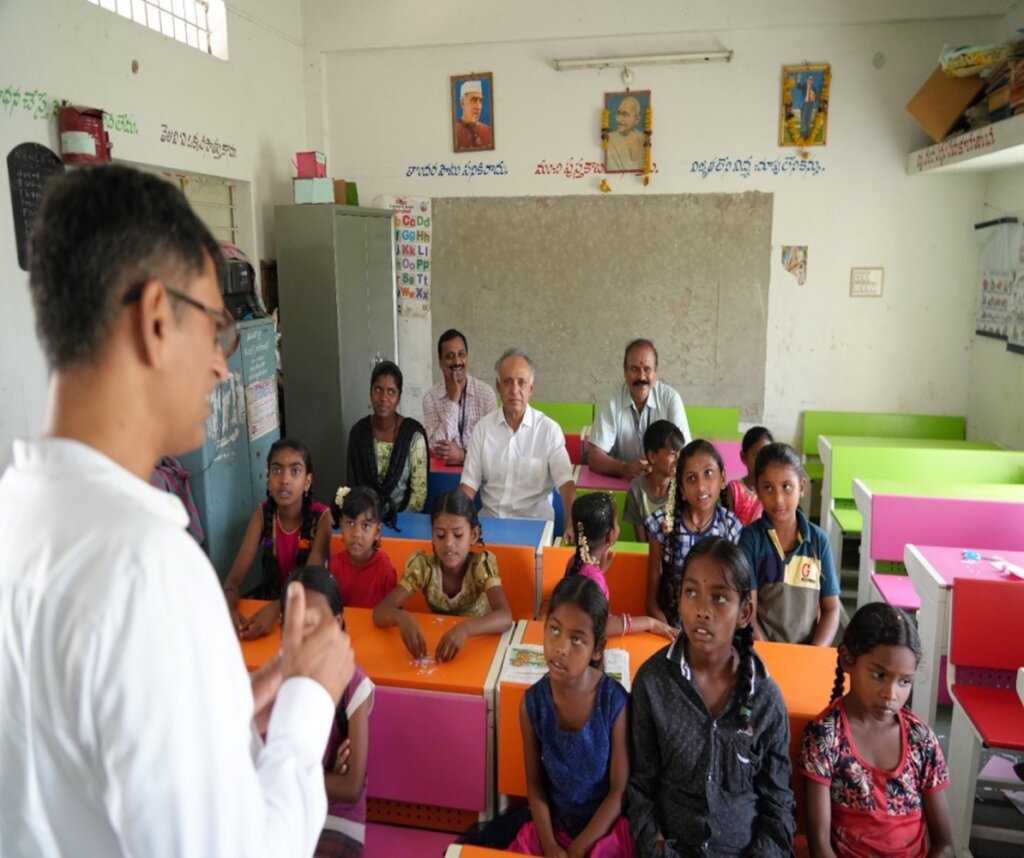
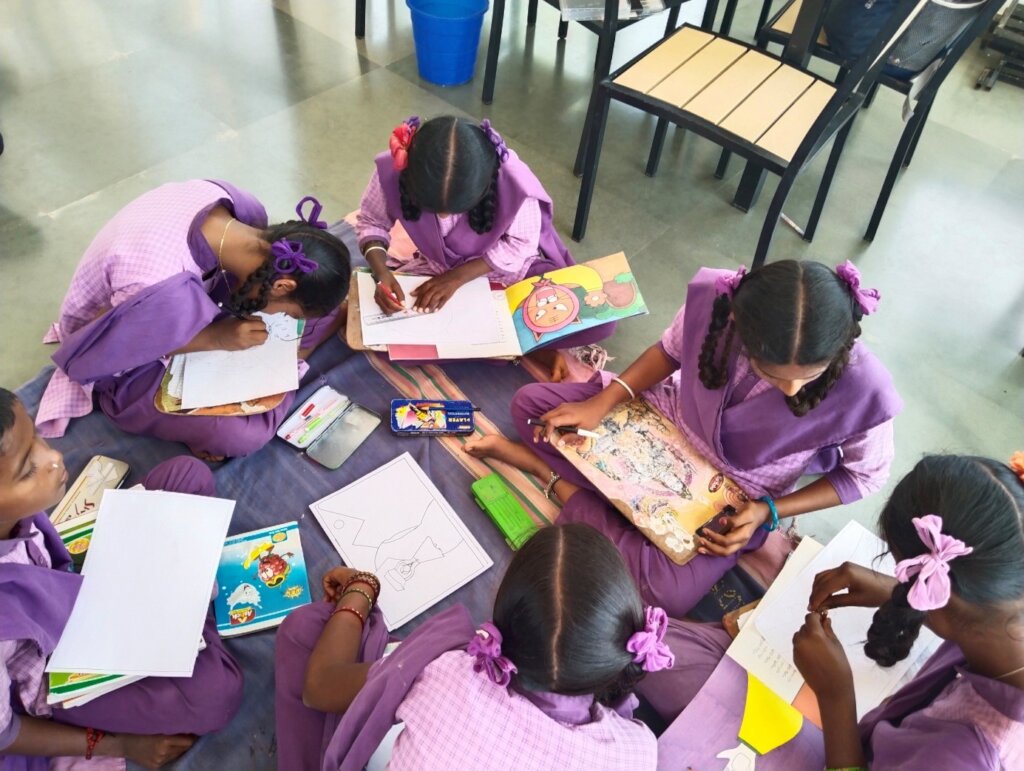
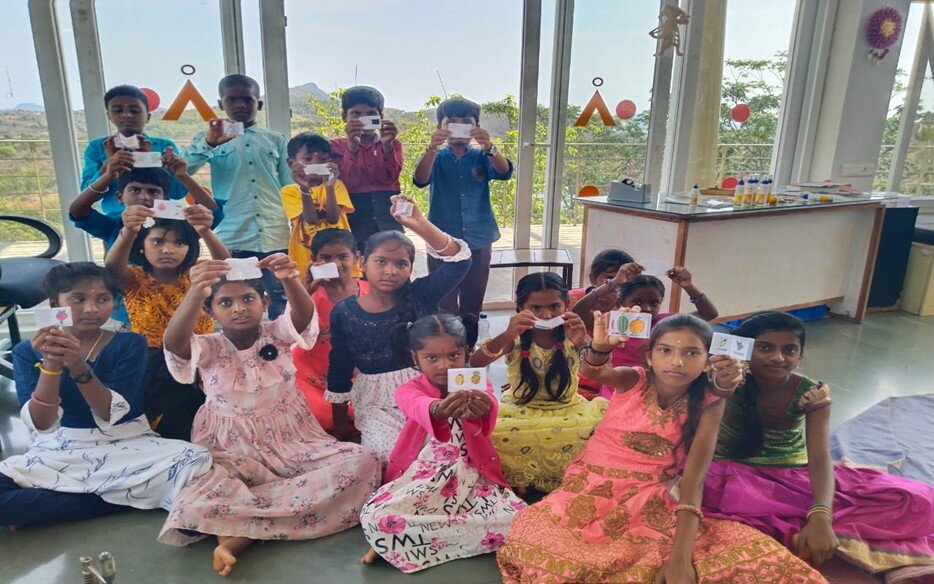
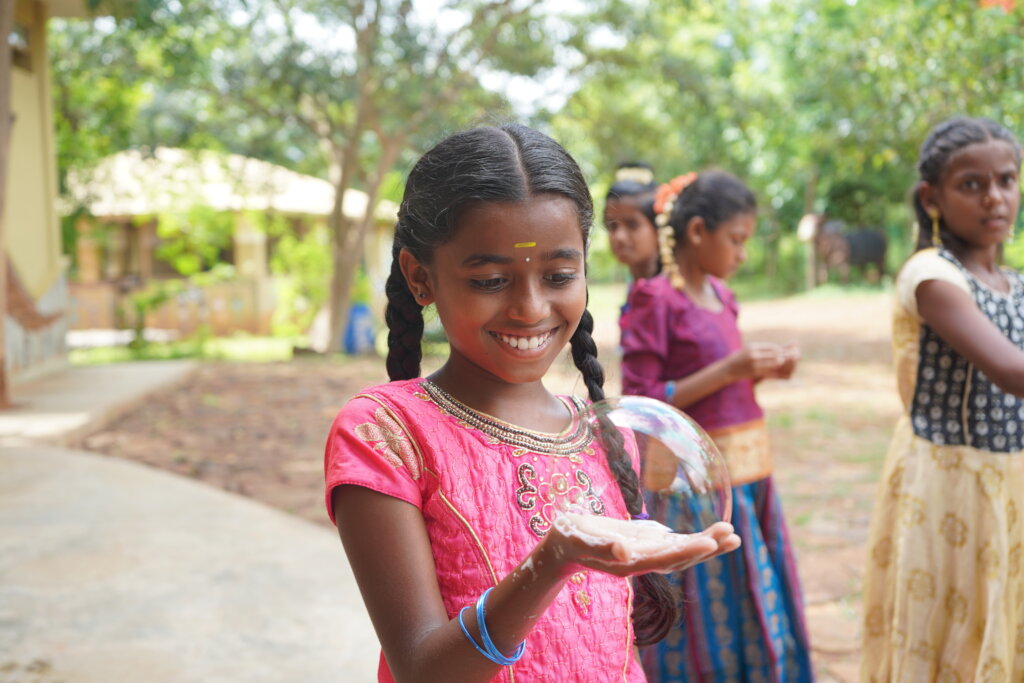
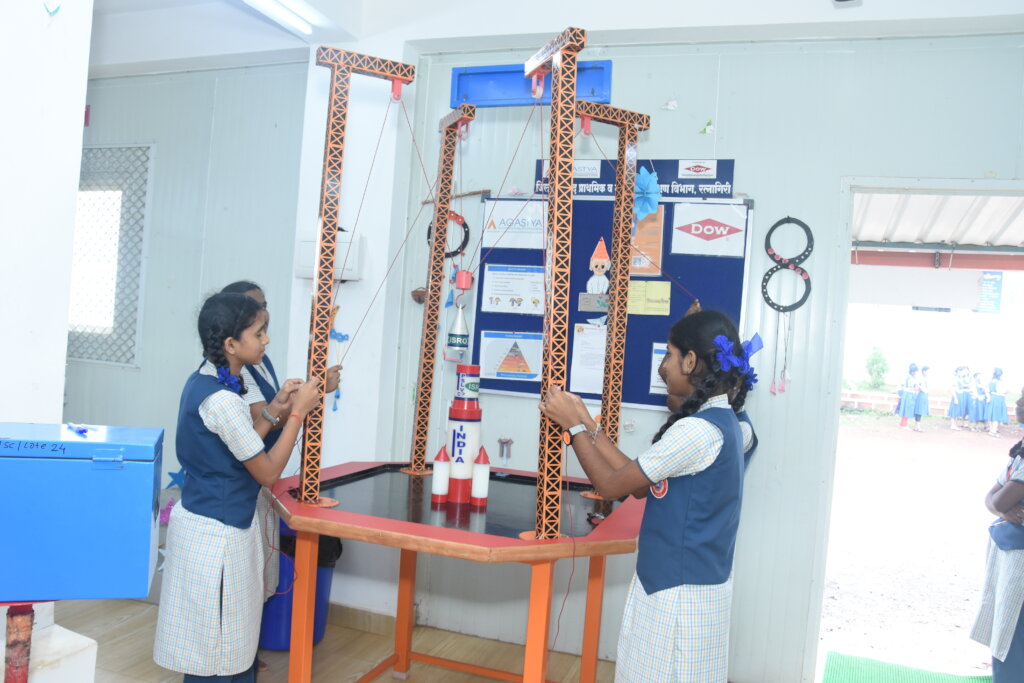
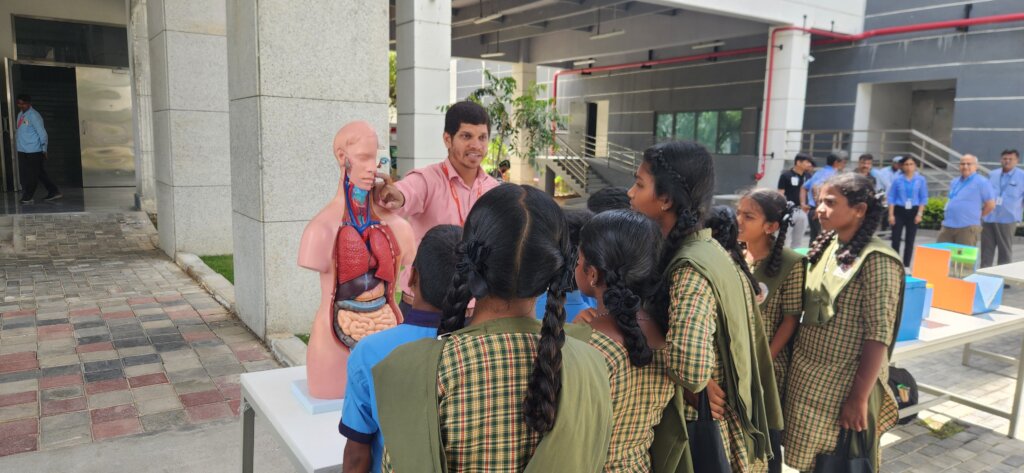
At the Science Centre, 100+ science experiments and models are exhibited (Chemistry, Physics, Biology, Ecology and Astronomy). Government school teachers and children visit the Centre, and are given the opportunity to interact with simple science experiments and models. Science Centres act as a resource centre and a venue for Teacher Training, Young Instructor (YI) training, Summer Camps and Science Fairs. Agastya can also conduct special training activities like Project-Based Learning (PBL), Discovery-Based Learning (DBL), and Integrated Learning from the second year of operations. The Science Centre is a space for children and teachers to experience learning in a hands-on, interactive and positive environment. Children perform experiments, learn to make simple models with easily available low-cost materials and participate in team-based projects.
Reach and benefits of the Science Centre
Science Centre Programs
The following are a list of programs that can be organized at a Science Centre.
The Young Instructor Program
Apart from teaching and demonstrating through
Experiments, Agastya identifies and trains students to be Young Instructors where children teach science to their peers. A select group of students is identified with the help of Agastya instructors and school teachers. Young Instructors are selected based on their innate curiosity, questioning nature and ability to think laterally, not on their ability to secure good grades. They are provided special training on science models in addition to training to build their capacity and skill in presentation and communication.
They explain scientific concepts at Science Fairs to other children. Peer-to-peer learning helps learners to absorb concepts and information without fear of being reproached thus eliminating learning and communication barriers that often exist between an adult and a child. Young Instructors take initiatives in their communities and act as agents of change.
Science Fairs
Science Fairs are held to enable Agastya reach a larger group of children. Using simple models 12- to 16-year-old young instructors demonstrate scientific phenomena such as the solar and lunar eclipse, seasonal changes, concepts such as pressure and volume relationship and the protein chains that link together to form insulin. The Science Fairs, in addition to targeting a large audience of children, serve as a platform to encourage Young Instructors to demonstrate science concepts to their peers through the peer-to-peer. This facilitates greater interaction and understanding of concepts, boosts confidence and improves communication skills.
Links:
Project reports on GlobalGiving are posted directly to globalgiving.org by Project Leaders as they are completed, generally every 3-4 months. To protect the integrity of these documents, GlobalGiving does not alter them; therefore you may find some language or formatting issues.
If you donate to this project or have donated to this project, you can receive an email when this project posts a report. You can also subscribe for reports without donating.



Support this important cause by creating a personalized fundraising page.
Start a Fundraiser