By Rani | Executive, Donor Relation
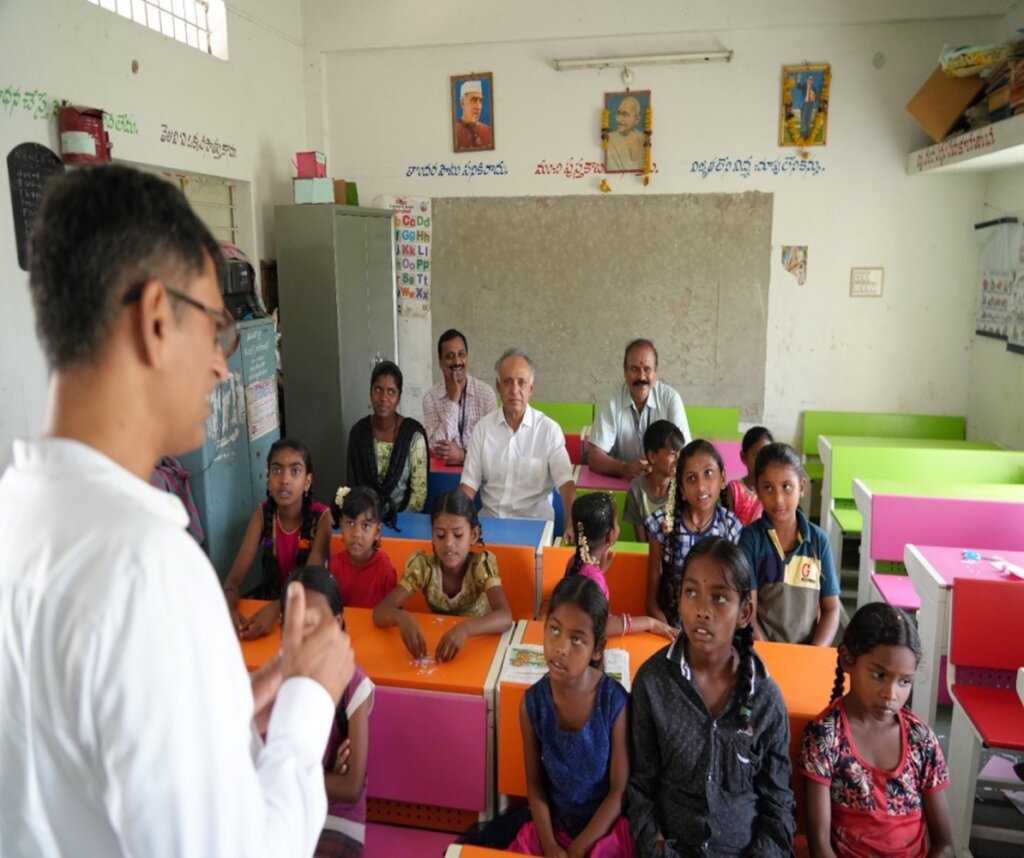
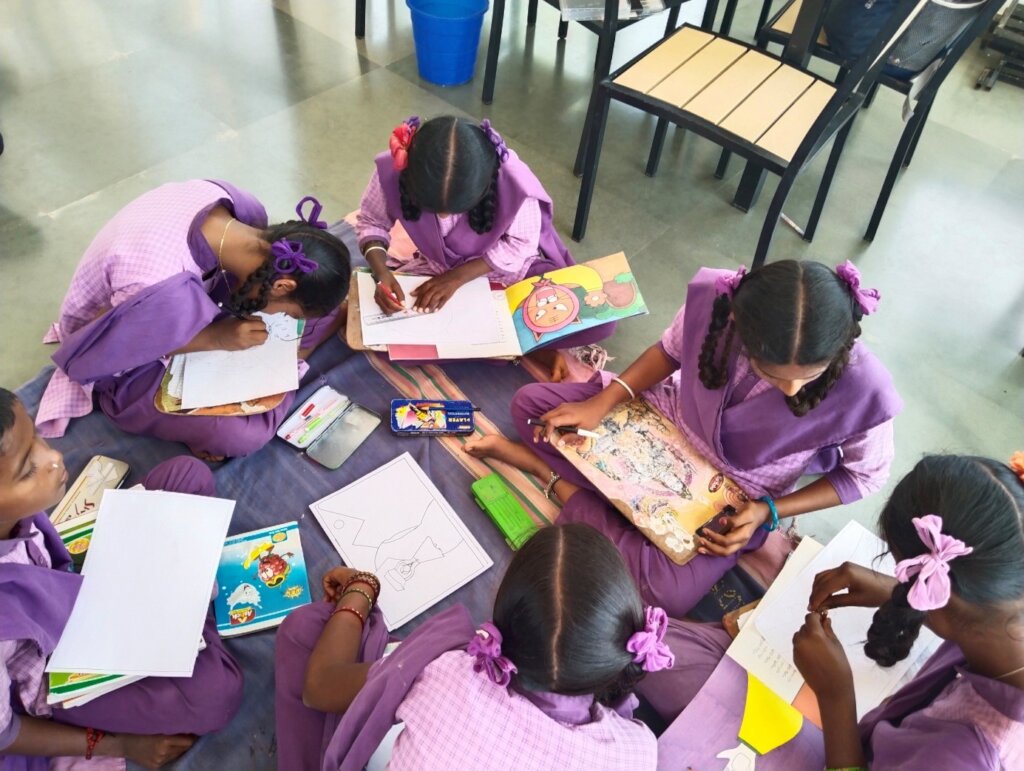
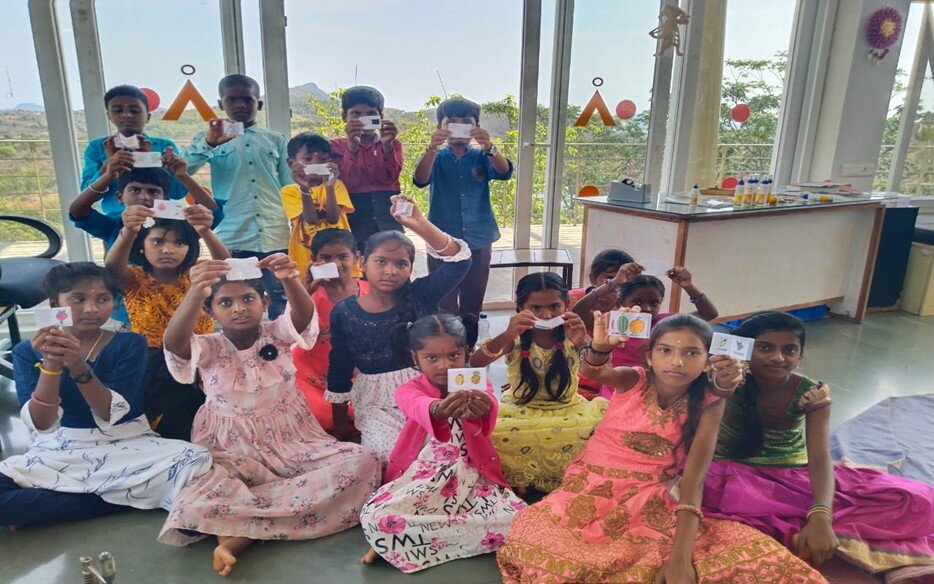
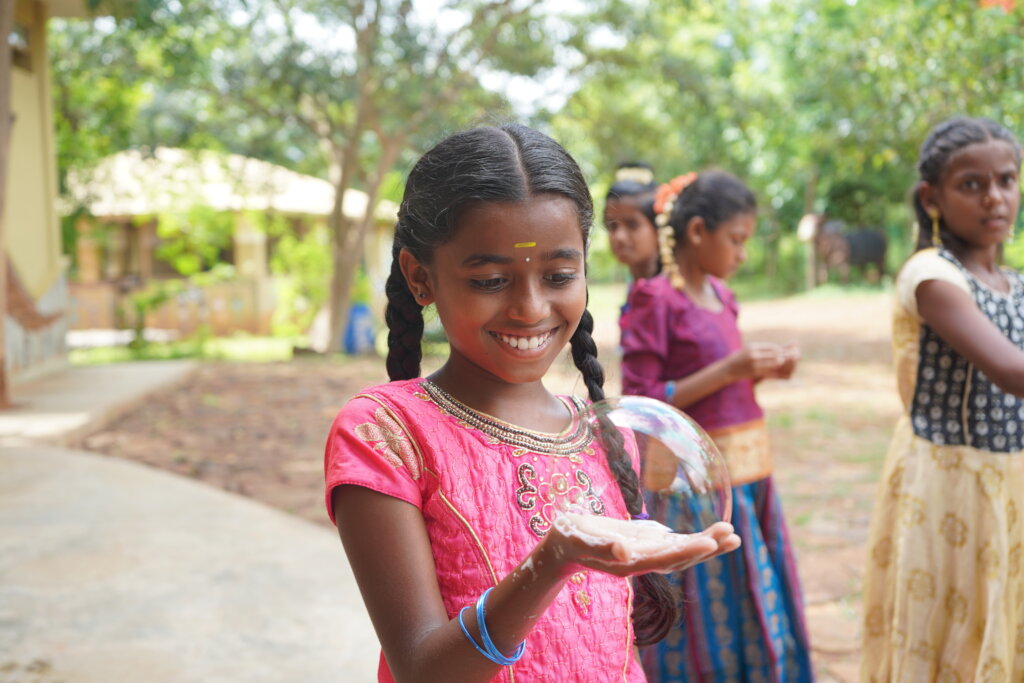
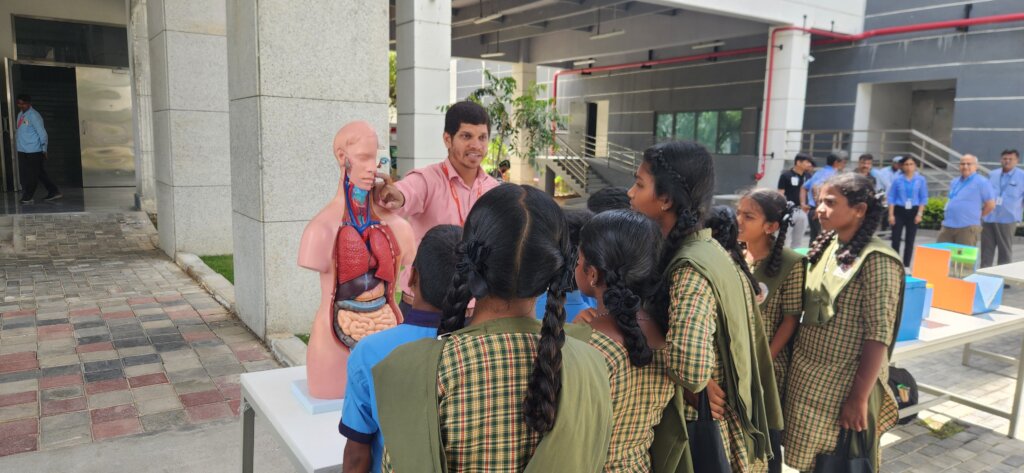
The Mobile Science Lab (MSL) is a very powerful and innovative instrument to revolutionize rural education and make hands-on education increasingly accessible. It is a catalytic channel that is fun, engaging and interactive, aimed to raise awareness among disadvantaged children and teachers of the value of learning - with a focus on science. Each MSL travels to doorstep of remote schools with 100+ hands-on science models covering a wide range of topics in Physics, Chemistry and Biology for Class 5 through 9. The teaching approach is consistent with the National Curriculum Framework and the topics overlap the NCERT syllabus. There are also experiments not directly correlated to the state syllabus but are intended to spark curiosity and encourage questioning among the children. The demonstration sessions emphasize interaction and questioning. Children are able to relate better to concepts explained through interactive demonstrations rather than through rote learning. MSL’s are highly effective in delivering large science fairs, and reaching community members through night community visits too. Night community visits allow the child beneficiary’s parents, family and community members to participate in learning sessions about various beneficial topics.
Activities facilitated by the Mobile Science Lab
Young Instructor Program (from first year of operation)
Apart from teaching and demonstrating through experiments Agastya identifies and trains students to be Young Instructors; where children teach their peers. A select group of students are identified with the help of instructors and teachers based on their innate curiosity, questioning nature and ability to think laterally, and not on their grades. These students are provided special training on science models in addition to building their capacity and skills in presentation and communication. They explain scientific concepts at Science Fairs to other children. Learners absorb concepts and information better through their peer instructors without the fear of being reproached, eliminating barriers that normally exist between an adult and a child. Young Instructors take initiatives in their communities and act as agents of change.
Science Fairs (from first year of operation)
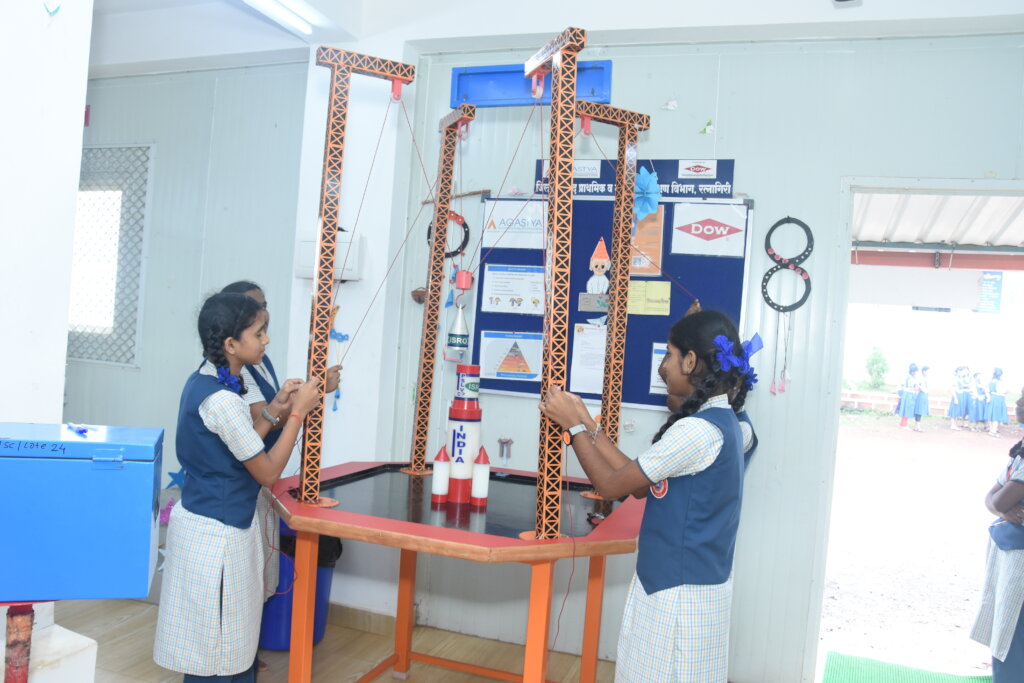
Science Fairs are held to reach out to a larger group of children across age groups. Using simple models, 14 to 16 year old Young Instructors demonstrate scientific phenomena such as the solar and lunar eclipse, seasonal changes, concepts such as pressure and volume relationship and protein chains that link together to form insulin. The Science Fairs, in addition to targeting a large audience of children, serve as a platform to encourage Young Instructors to share science concepts with their peers (through the peer-to-peer learning method). This facilitates greater interaction and understanding of concepts, boosts confidence and improves their communication skills. Science Centres, as well as Mobile Science Labs, are both capable of supporting and organizing Science Fairs.
Teacher Training (after one year of operation)
Teacher training programs aim to diffuse and propagate creative-thinking and problem-solving skills among government school teachers. Agastya uses non-standard approaches to transform teachers, for example, by offering modules that integrate learning and knowledge across the different subject areas. Agastya works with mixed groups of teachers and children to raise interaction and bridge the gap between teacher training and the demands of the school classroom.
Night Community Visits (from first year of operation)
Mobile Science Labs operating in rural areas go on community visits during holidays and evenings (as time permits). The team visits villages and sets up interactive models and experiments in the popular gathering spots of villages. The Agastya team imparts a sense of responsibility to parents, while motivating them to send their children to schools. Specifically, the intentions behind community visits are:
Reach and benefits of the Mobile Science Lab
Links:
Project reports on GlobalGiving are posted directly to globalgiving.org by Project Leaders as they are completed, generally every 3-4 months. To protect the integrity of these documents, GlobalGiving does not alter them; therefore you may find some language or formatting issues.
If you donate to this project or have donated to this project, you can receive an email when this project posts a report. You can also subscribe for reports without donating.



Support this important cause by creating a personalized fundraising page.
Start a Fundraiser