By Aman Chhabra | Project Leader
Dear Donor,
Hope you and your loved ones are safe and healthy!!
Mentioning below some of the key highlights of our work between Nov 22 and Feb 23.
Starting with a Success Story
A demographic survey conducted by the Union Home Ministry (Interior Ministry) in 2020 revealed that the State of Jharkhand has the highest percentage of underage girls getting married. It is as high as 5.8 per cent, compared to the National average of 1.9%. The pandemic exacerbated this situation resulting in a high rate of early marriages. This has been a reality in our intervention areas of Hazaribagh (a district in Jharkhand) too. However, our Adolescent Empowerment Programme has been making a dent in the early marriage norms here and many girls have courageously raised their voices against this practice and negotiated against their early marriage. The following story of Mahima (name changed) is one such example-
Mahima lives in Harhad Village of Sadar block of Hazaribagh. She was studying in class 10 when for the first time her parents had initiated discussions about her marriage. Mahima was a member of our Taaron Ki Toli (Legion of Stars) and this made her understand the repercussions of early marriage. She was upset but decided to talk to her parents. She negotiated with her parents to let her compete at least grade 10th of her formal education. Thereafter again when discussions started for her marriage, she pleaded that she be allowed to complete at least grade 11th. Thus she negotiated year by year and from grade 10 she has today reached grade 12th. It was not easy but she found an ally in her mother. Moreover, academically she had been doing very well. This helped her negotiate for further studies. She has been able to successfully stall her early marriage. Now she aspires to complete her graduation and prepare for a government job. The sessions have increased her confidence and she feels certain she will be able to stall her marriage further and take up a career before she marries.
The development of such negotiation skills in adolescents like Mahima has been made possible due to our innovative life skills-based gender equity curriculum called ‘Taaron Ki Toli’ (Legion of Stars).
Taaron Ki Toli (Legion of stars) Sessions
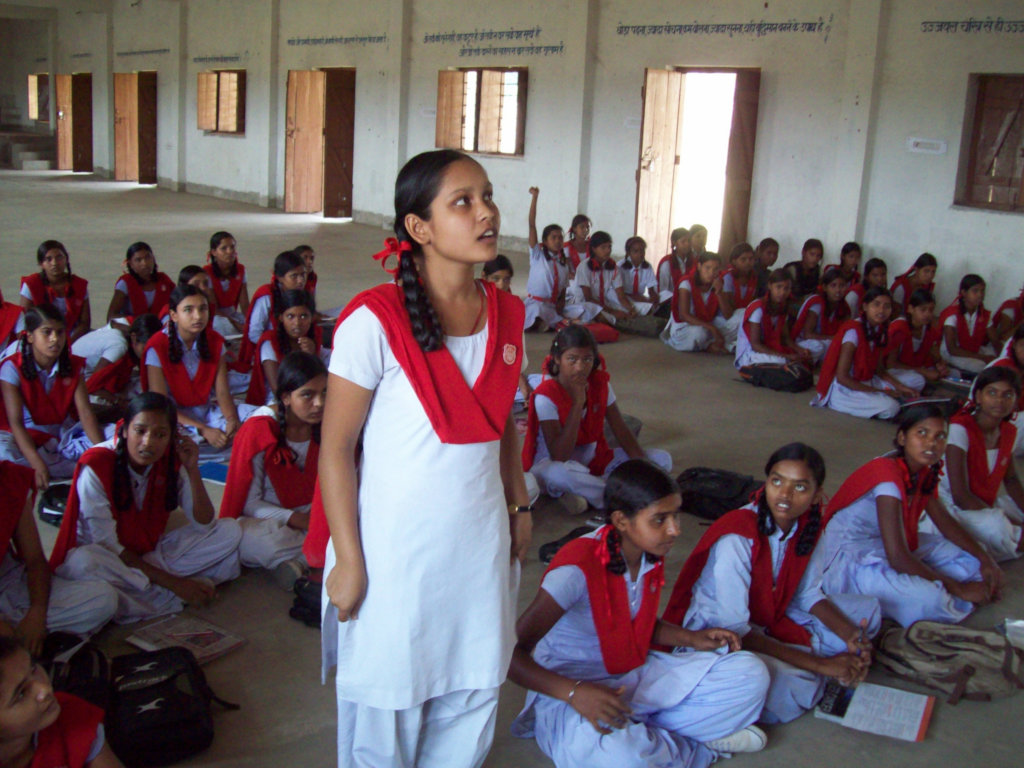
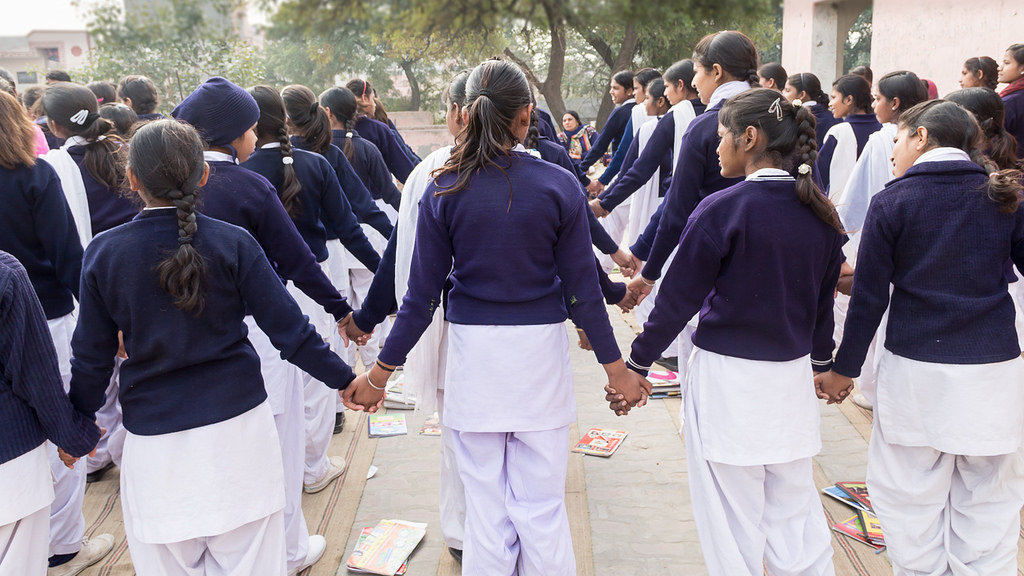
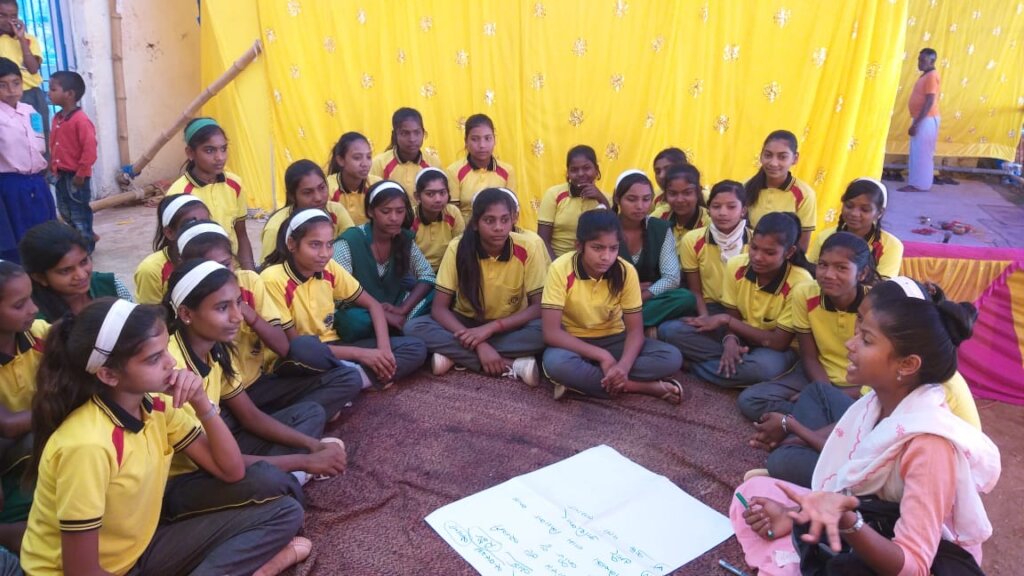
Our Taaron Ki Toli curriculum aims to develop an understanding of adolescents around gender-based discrimination and violence and contribute to the development of communication and negotiation skills so that adolescents are able to raise their voices against such ills as early marriage, discrimination and violence. These sessions also help them make informed decisions on key life aspects related to their marriage, health, education and aspirations.
During the reporting period, we held Taaron Ki Toli sessions with 69705 adolescents in the States of UP & Jharkhand, out of which 48505 comprised Ujjwal Taras (11-14 years’ cohort) and 21200 comprised Roshan Taras (15-18 years’ cohort). The sessions with Ujjwal Taras focused on developing deeper awareness and understanding of rights and gender roles and gender stereotypes, puberty-related changes and ills of early marriage while the sessions with Roshan Taras focussed on helping them realize their strengths and aspirations and the importance of rights.Other than TKT sessions, 12518 adolescents (12369 girls; 149 boys) are also engaged in community-based interactions
Some changes that are being witnessed in the intervention area are as follows-
The following remark of Head Teacher Ms Deepika (name changed) of UMS, Harhad throws light on the same, “Earlier the girls used to be lured into marriages as they loved the jewellery and gifts they received during the marriage. But now when I ask girls about marriage they exclaim, no, no, we shall not marry so early. We will talk to our parents and oppose such a decision."
Besides engaging adolescents, we also engage community people, parents and stakeholders through community mobilization events and community-led campaigns.
“Baat Karne Se Baat Banti Hai” (Dialogues Lead to Solutions) –Hyper-Local Campaign in Hazaribagh, Jharkhand
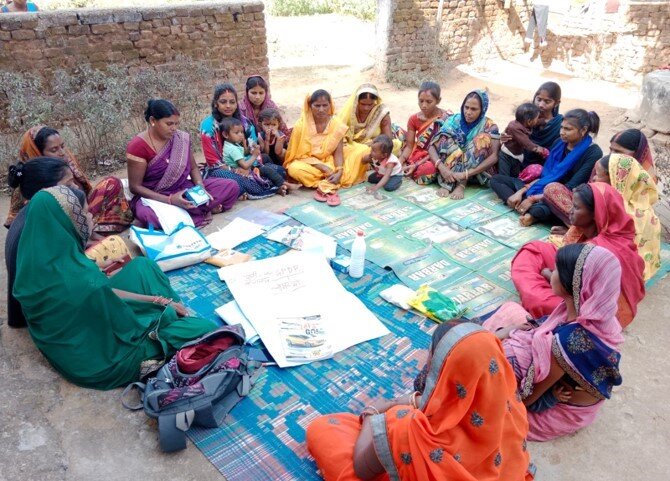
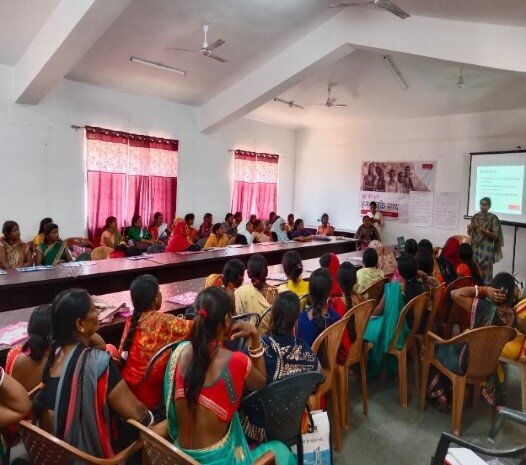
People from intervention communities in Hazaribagh are raising their demands using Participatory Rapid Appraisal (PRA) tools like social resource maps. Hyper Local Campaign using these tools was held in the 5 blocks of Hazaribagh which culminated in the holding of a Jansunvaai (public hearing) wherein the people of the community presented their demands before representatives of Panchayati Raj (village-level governance committee) and block-level government officials. Women and youth took leadership in raising demands like the provision of sanitary pads, handwashing facilities and dustbins in village community centres, installation of CCTV (closed Circuit Television) cameras in unsafe spots, transportation facilities to local markets, libraries and study centres for girls etc. Through this hyper-local, the Mukhiya (the village head) and other representatives got an understanding of the required development work from a gender lens. In villages like Padma, Tatijhariya and Bedam, work on these demands has already been started by the Mukhiyas and other members of the Panchayati Raj. This exemplifies how the deep transformation work is being strengthened and ownership of community members is developing in our intervention areas. 279 community members took active part in this campaign.
Video Van and theatre of Oppressed shows in Jharkhand: Giving Wings to Aspirations
“We too want opportunities and exposure like boys so that we can progress in life and fulfil our dreams. But it is true that adverse comments of some community members impose hurdles in our way and our families are pressurized into curtailing our freedom and imposing restrictions on our mobility” -Saima (name changed) from Dhengura village of Katkamdag in Jharkhand
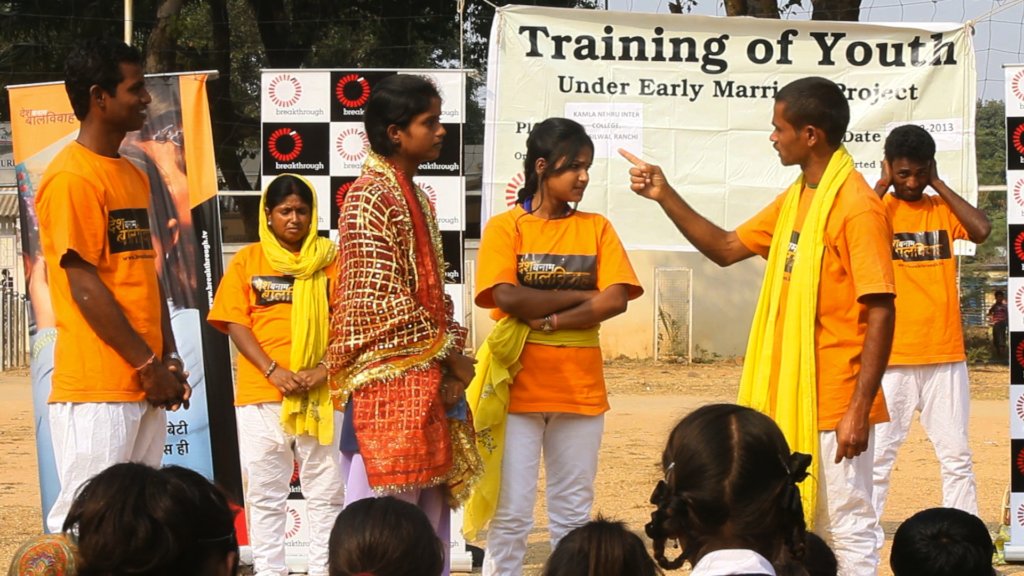
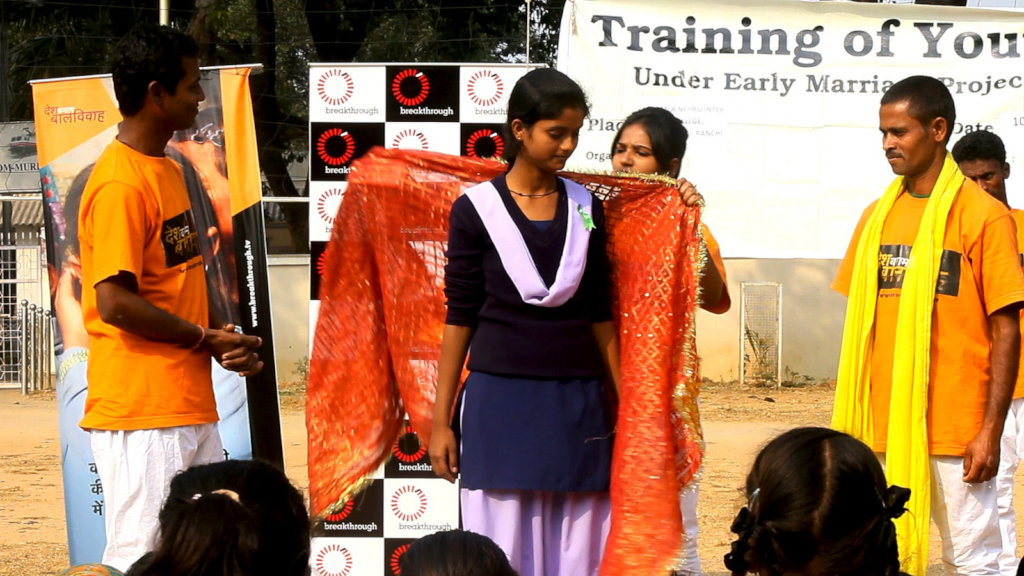
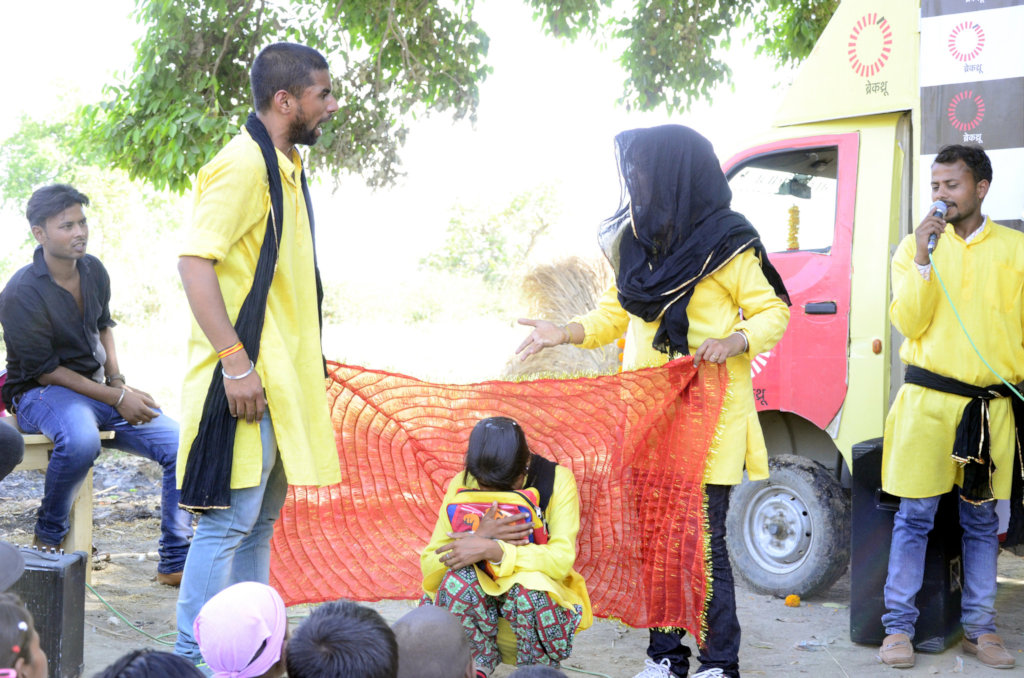
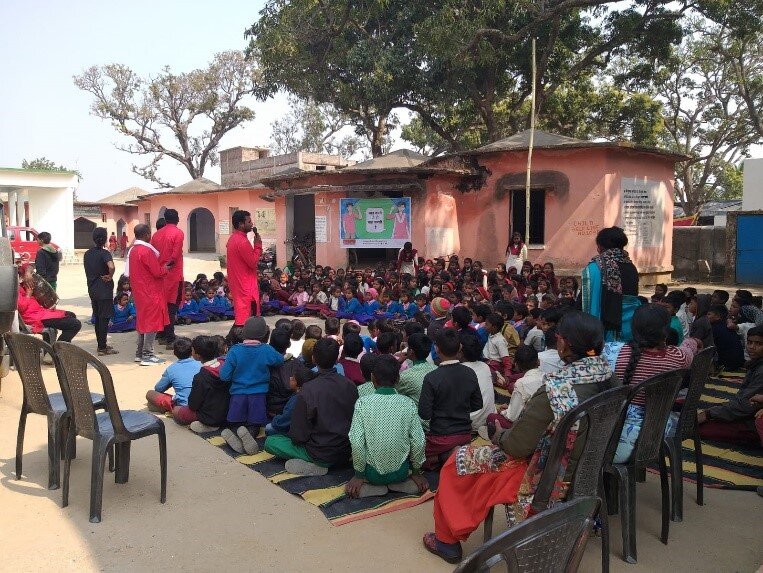
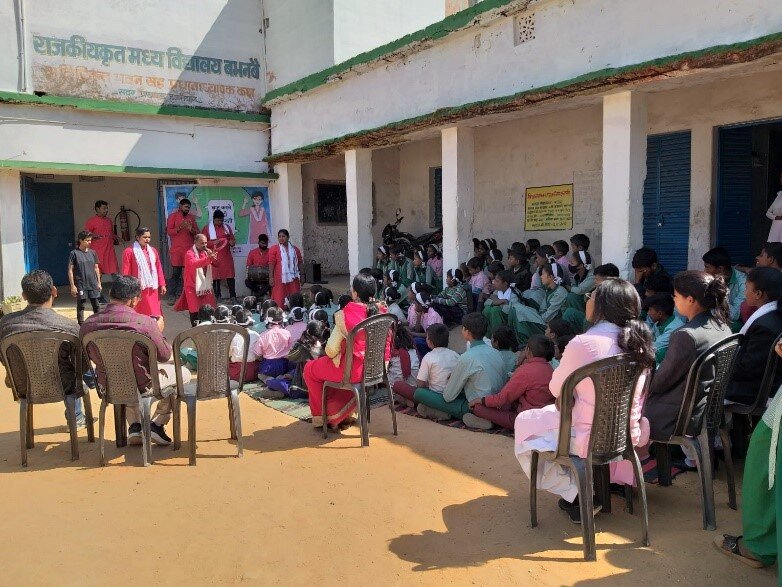
The girls could connect well with the theme of the theatre shows held in Hazaribagh district of Jharkhand. 30 video van shows (reaching out to 4872 people) in communities and 37 Theatre of Oppressed shows in schools (reaching out to 6124 people) have been held in Jharkhand during the reporting period so that a conducive and supportive environment is developed in communities for girls so that girls like Saima do not need to compromise with their dreams and aspirations.
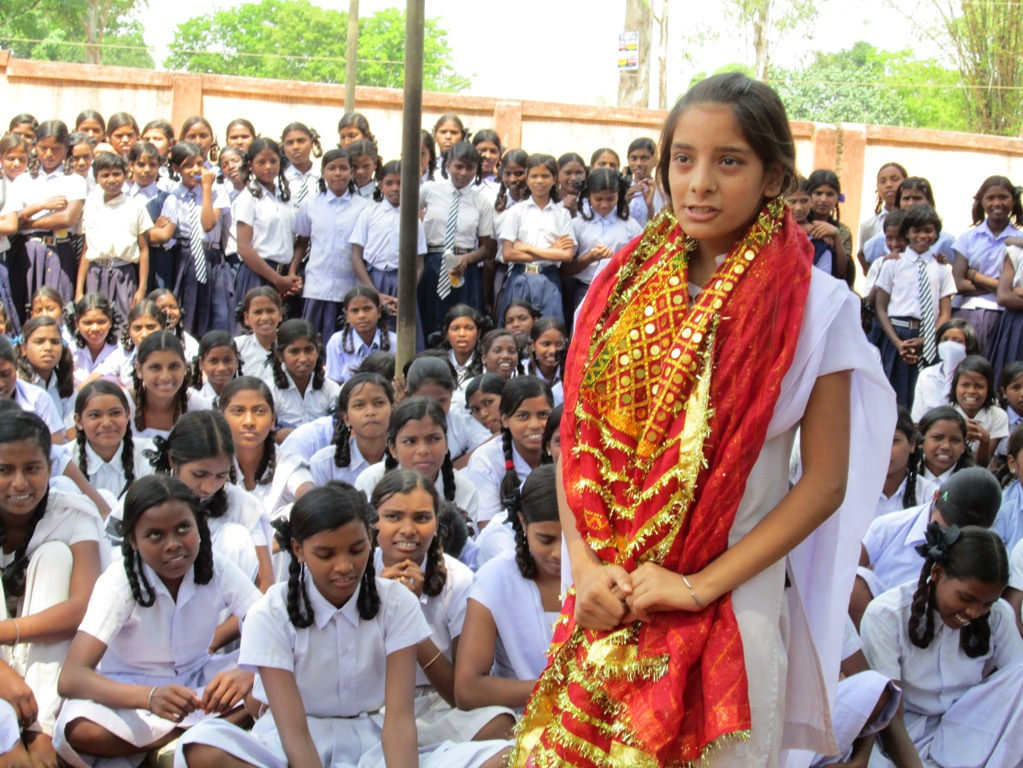
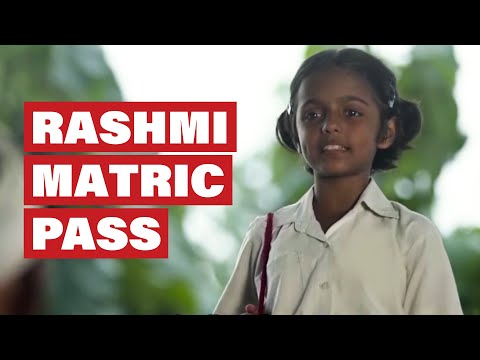
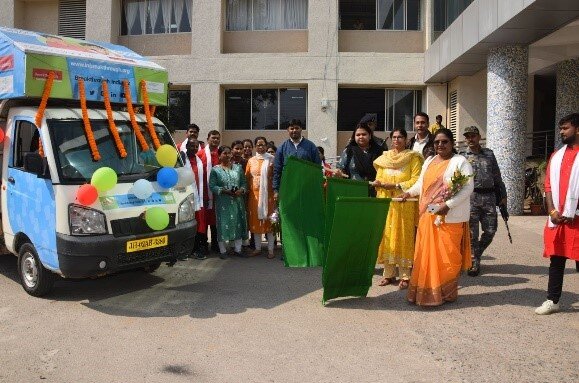
The aim of these shows was to spread awareness for making gender-based discrimination and violence unacceptable and to develop a conducive environment in families and communities. The video van was shown the green flag by the Deputy Commissioner Ms Nancy Sahay and Ms Induprabha, who is an officer from the Department of Social Welfare. A theatre and video clips were shown based on the issue of education and aspirations of adolescent girls. The girls found these to be inspiring.
A teacher of the Middle School at Katkamsandi said-
“Such theatre will encourage students to hold dialogues with their parents and negotiate for fulfilling their dreams and aspirations. It is an excellent method of giving messaging related to the importance of education, dreams and the need to hold intergenerational dialogues”.
This all work is happening because of support of DONORS like YOU. We would request you to continue your support and if possible recommend our project to like-minded people.
With Hope and Gratitude,
Aman Chhabra.
Project reports on GlobalGiving are posted directly to globalgiving.org by Project Leaders as they are completed, generally every 3-4 months. To protect the integrity of these documents, GlobalGiving does not alter them; therefore you may find some language or formatting issues.
If you donate to this project or have donated to this project, you can receive an email when this project posts a report. You can also subscribe for reports without donating.



Support this important cause by creating a personalized fundraising page.
Start a Fundraiser