By Aman Chhabra | Project Leader
Dear Donor,
Hope you and your family are safe and healthy !! We can just wish that these tough days are over soon and we all come out stronger.
We had to close our on field work from 10th March but there were some really good things we were able to do from Jan 1st till 10th March. We wanted to make sure that we involve all stakeholders so that we are able to bring a sustainable change.
We hope reading what we were able to do with your support will lift-up your spirits in these testing times.
Breakthrough’s Adolescent Empowerment Programme (AEP) in Gaya district of Bihar state is largely modelled to promote sexual and reproductive health rights of adolescent girls and gender equitable norms from the early stages of life over.
During the reporting period, our focus was to execute programme based on insights from baseline evaluation exercise. Our key accomplishments during this reporting period were:
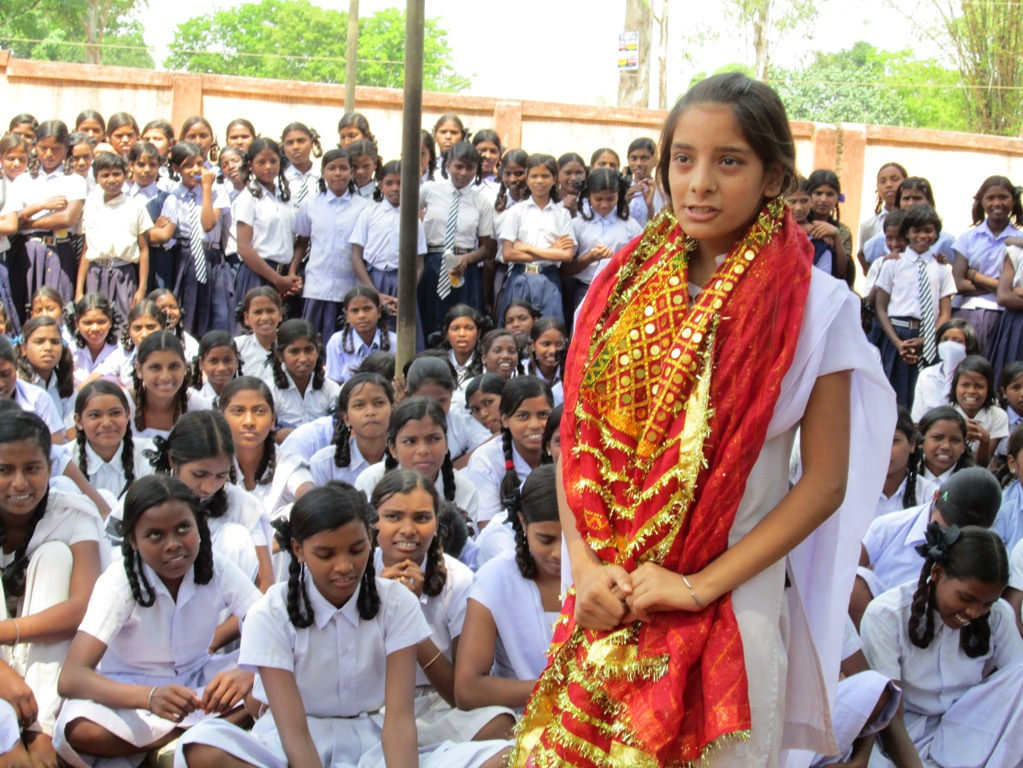
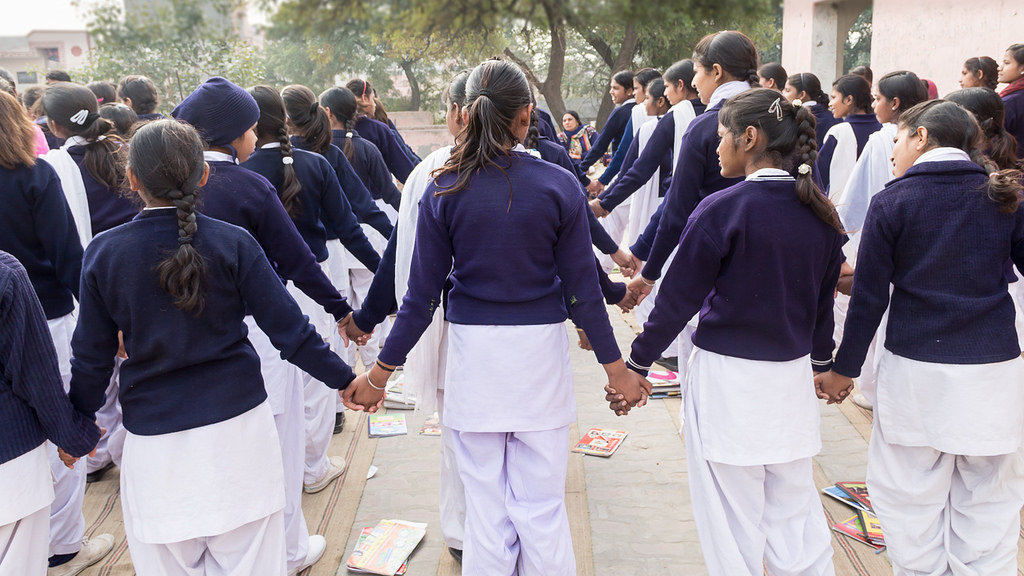
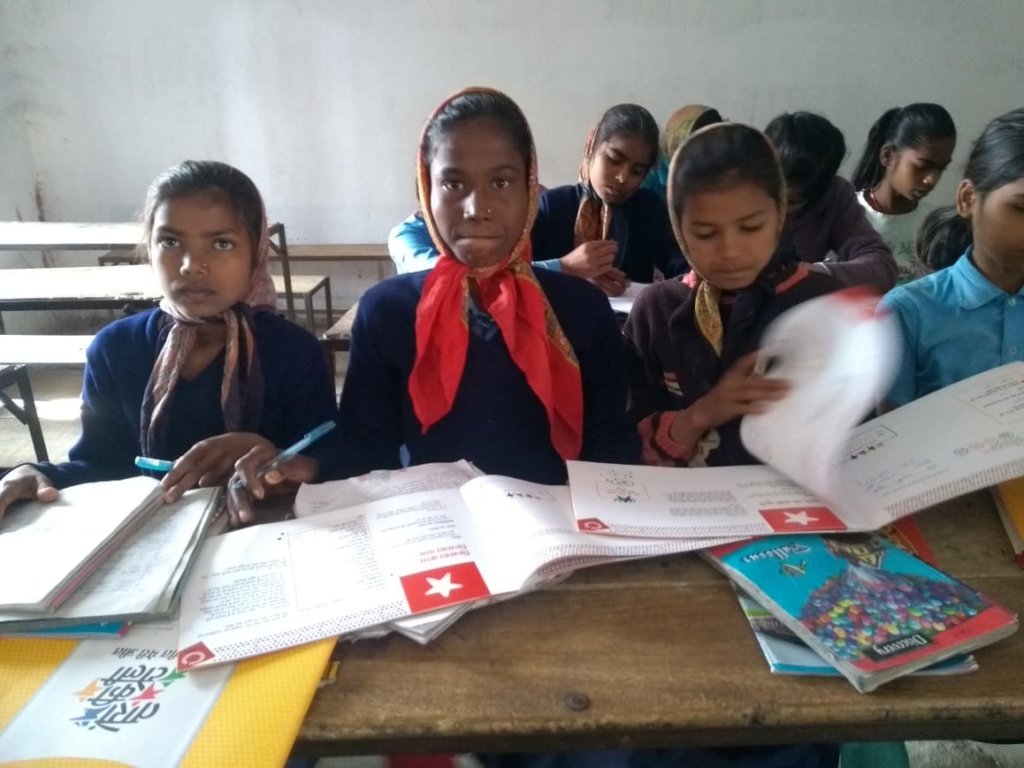
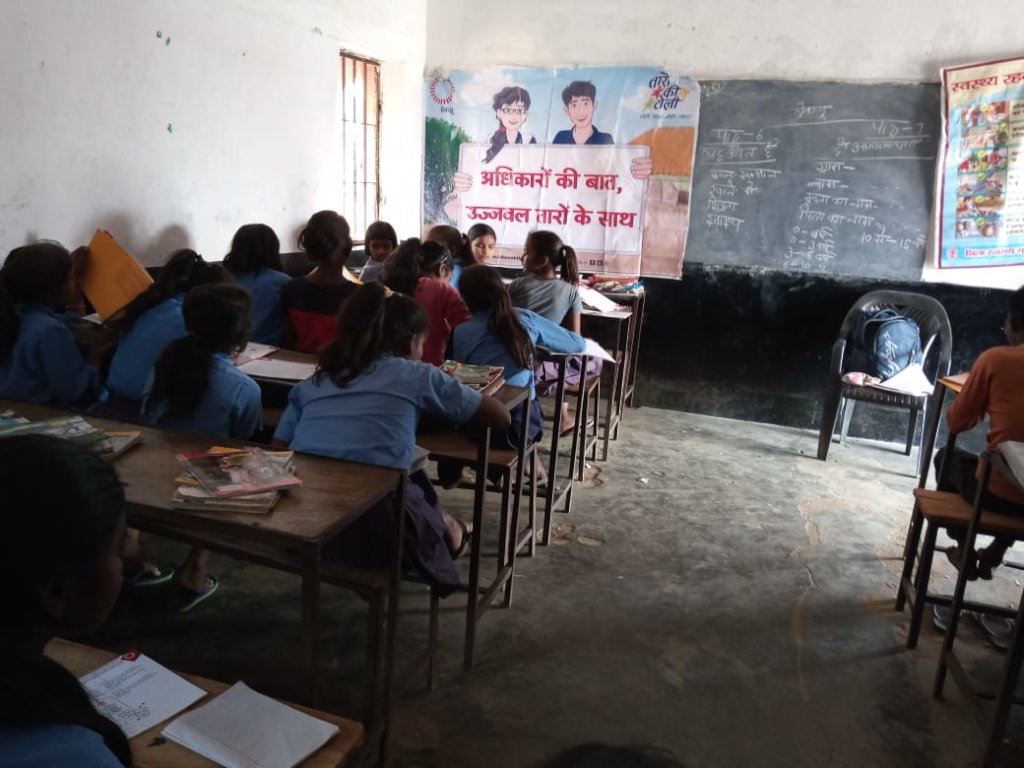
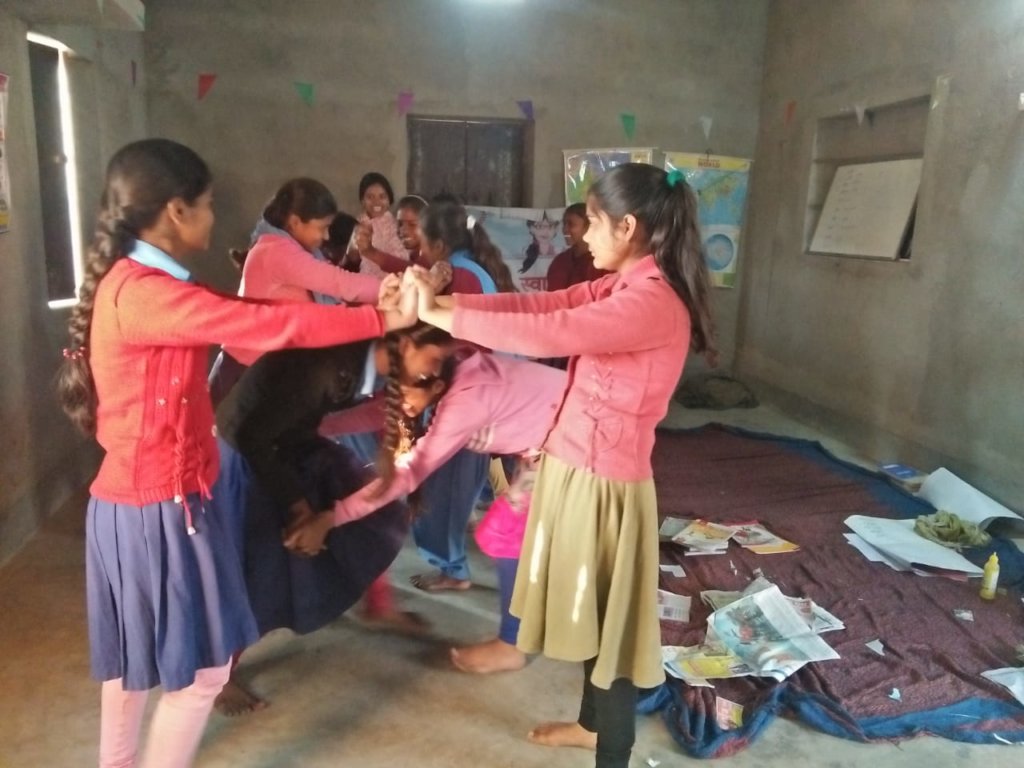
Meeting/Training with Ujjwal Tara (Younger Adolescents 11-14yrs): School-based trainings with Younger Adolescent Girls & Boys (11-14yrs) shapes the gender attitudes and beliefs of young adolescents to help them question social norms that contribute to girls being out of school; encourage them to be aware of their rights to negotiate for decisions concerning them like education and marriage.
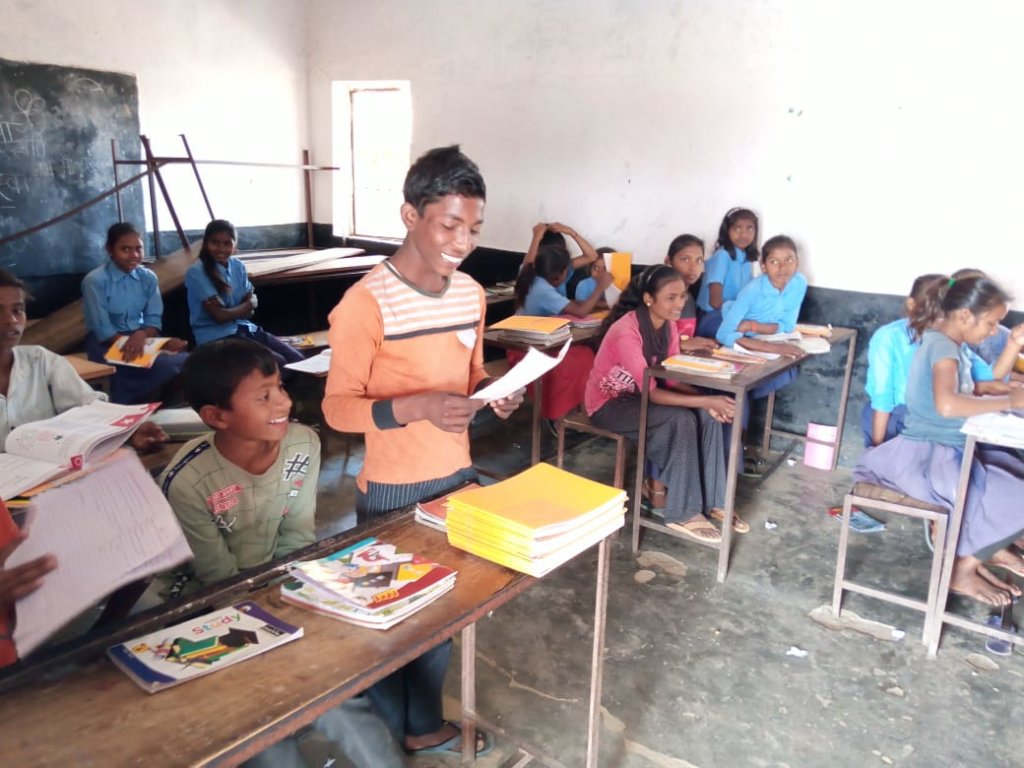
During the reporting period, the district program team reached out to 1089 adolescents (girls 618 & boys 471) through six chapters of Taaron Ki Toli (TKT) module in 10 schools in five GPs of Tekari block in Gaya district, Bihar. The six TKT chapters are:
1. Sab Ke Samne: This session provides an opportunity to younger adolescents to speak and express themselves in front of others. 2. Aaj Ki Taza Khabar: in this session, the adolescents select an article/news from the recent local newspaper and speak about it with other students in classroom. 3. Aaj Main Upar (Exploring aspirations): This session gives a chance to introspect and identify their core strengths and aspirations so that they identify their aspirations. By decoding gender stereotypes that affect their aspirations, they learn to not limit their aspirations by gender roles and thrive. 4. Suno to Sahi Suno (listening Skills): This session helps build the listening skills of adolescents as a step to build their communication skills. This will further help them negotiate better for their rights and entitlements. 5. Ye Kaun Hai (Gender Identities and works): This session helps students understand gender stereotypes associated with day-to-day responsibilities and gender roles. 6. Do Atmkathaye (Two Autobiographies): As part of the exercise, the adolescents are asked to write their own stories in small groups. It help them to reflect & understand gender disparities in social structure around them. At the end of the session, many students shared that they now understand gender discrimination, barriers and privileges that exists in the society and how important it is to end such discrimination.
Rohit is studying in class 8th in Government Middle School, Panchanpur, Gaya. His mother’s name is Jeera and he used to feel ashamed to tell his mother’s name to others. He participated in TkT sessions in his school and learnt that not only his father but also his mother is part of his identity and he should not be ashamed of it. Now he speaks his mother’s names with dignity and pride.
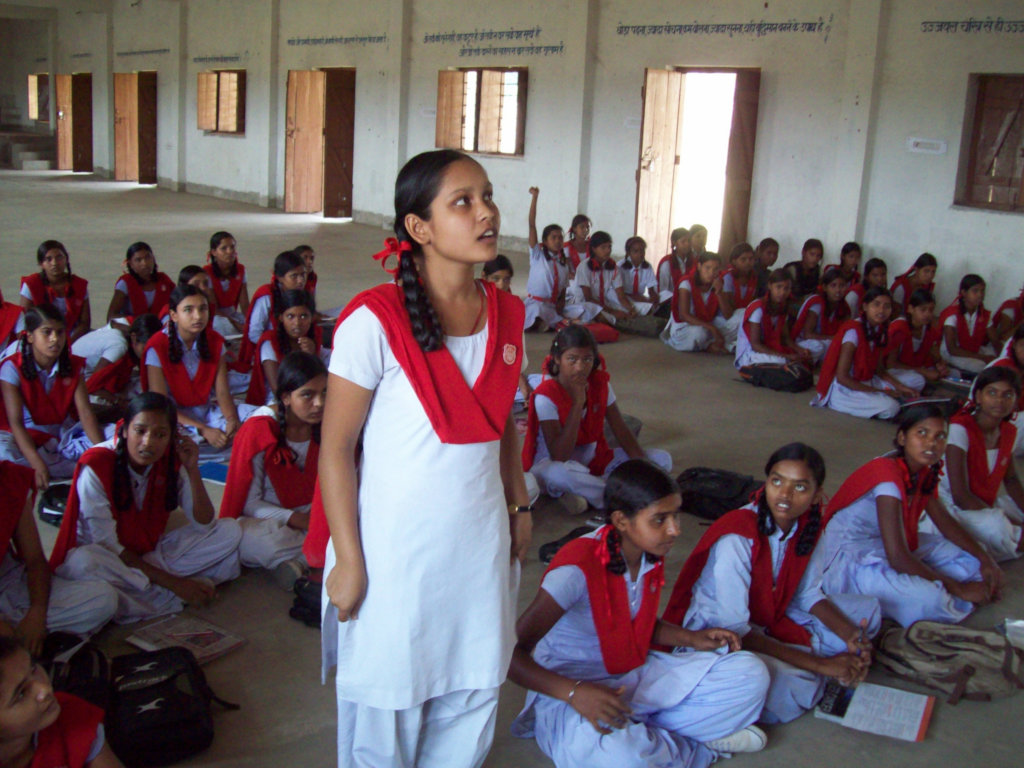
Meeting/Training with Roshan Tara (Older Adolescents Girls 15-18yrs): Training with older adolescent girls aims to generate positive dialogue about relationships, sex, and sexuality, and to demolish complex and unstable relationships between the public and private sectors. During the reporting period, the adolescent girls were collectivised as Kishori Mandals (community based adolescent groups) in the communities in intervention GPs. Currently we have 16 adolescent groups comprising of 395 adolescent girls in 10 revenue villages of 5 GPs. The district team has completed four chapters of Taaron Ki Toli (TKT) module with these adolescents. The names of TKT chapters are 1. Swasthya Aur Potion (Health and Nutrition): as an introductory session, it helps older adolescent girls to be collectivised a group by giving their consent; and the session help them understand health and nutrition in the local context. 2. Healthy and Un-healthy: discussion on health and body image 3. What is good / bad: In this session, adolescents discuss good food vs. expensive food; and how does it affect a girl' body (discuss menstruation and health here), How does poor nutrition affect the health of adolescents.
The adolescent girls expressed that first time as a group they met in the community space and discussed on health & different types of good food available locally. Many girls also shared that earlier many of them did not only know about health and their rights, but now they can talk among themselves about it.
Deepali is from Tetarpur village in Tekari block of Gaya district. She is 15yrs old and a member of kishori mandal in the village. She told that her parents used to talk about her marriage; and how they are looking for boy to marry her. One day she spoke to her parents and expressed to them that this is not the right age for her to get married instead she wants to study further. She also explained how early marriage affects a girls health & life. Her parents promised her to delay her marriage and will support in education.
Youth Engagement (19+ Youth Peer Leaders, Dhruv Tara) – Orientation Meeting at GP Level: According to the youth engagement strategy, the district program team has identified around 90 youths in the intervention villages. After that, the field team sensitised them on the gender roles so that they can act like social change-actors / catalysts who mobilise other community members in their respective communities. As per the revised deep transformational strategy, the project team will be organising issue & skill training with them in next reporting cycle.
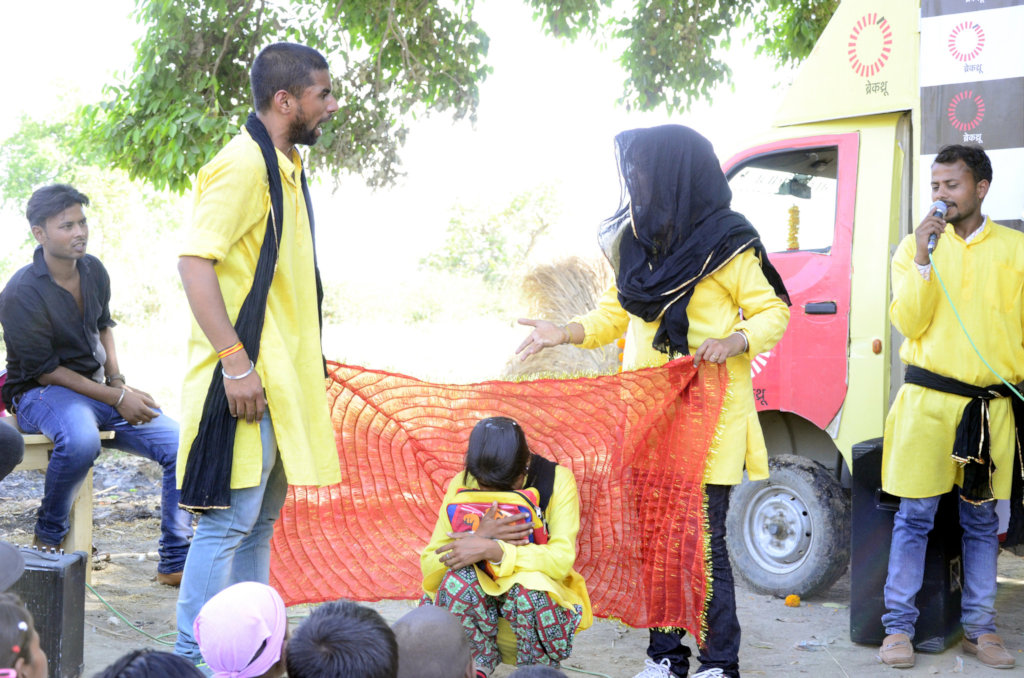
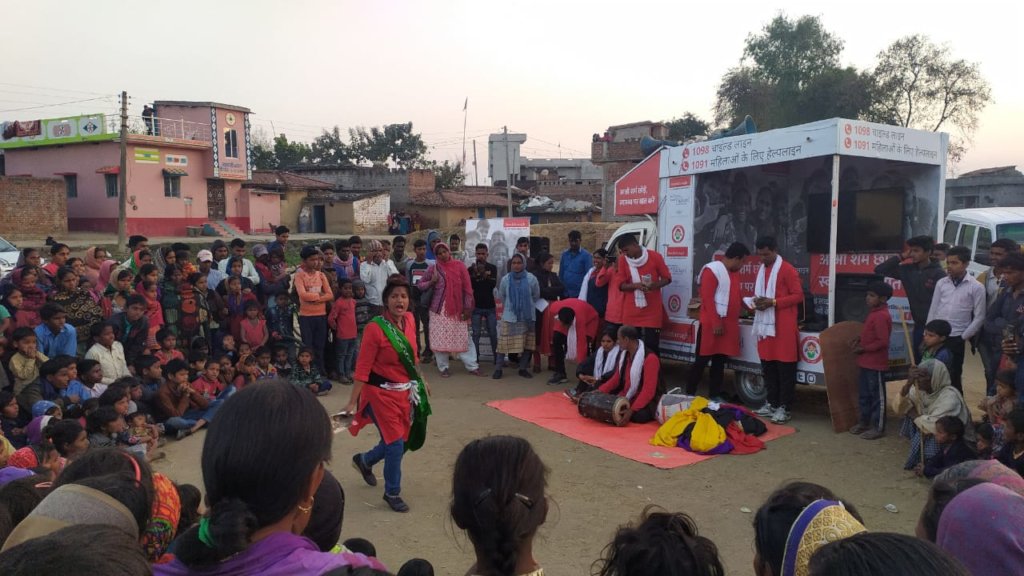
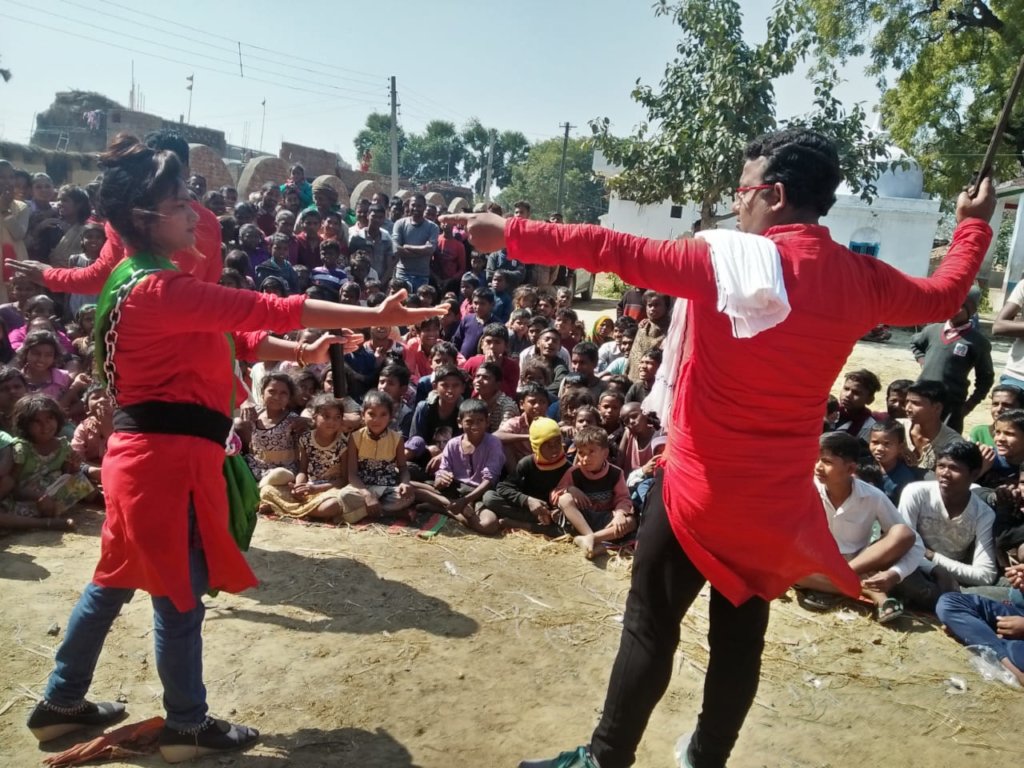
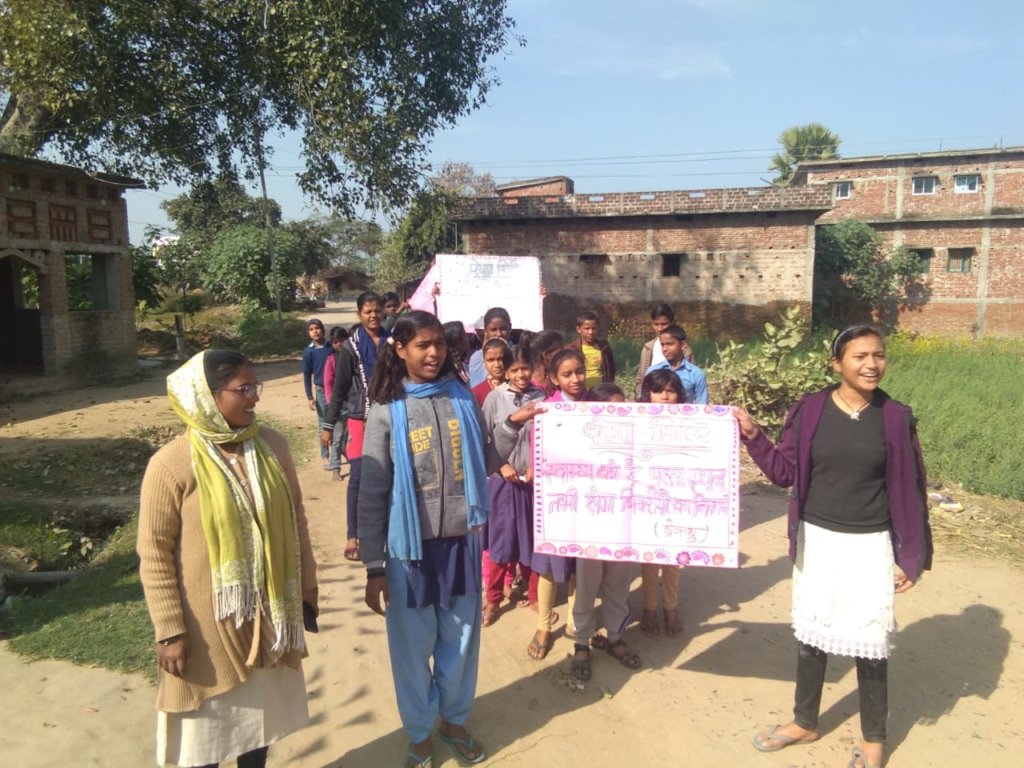
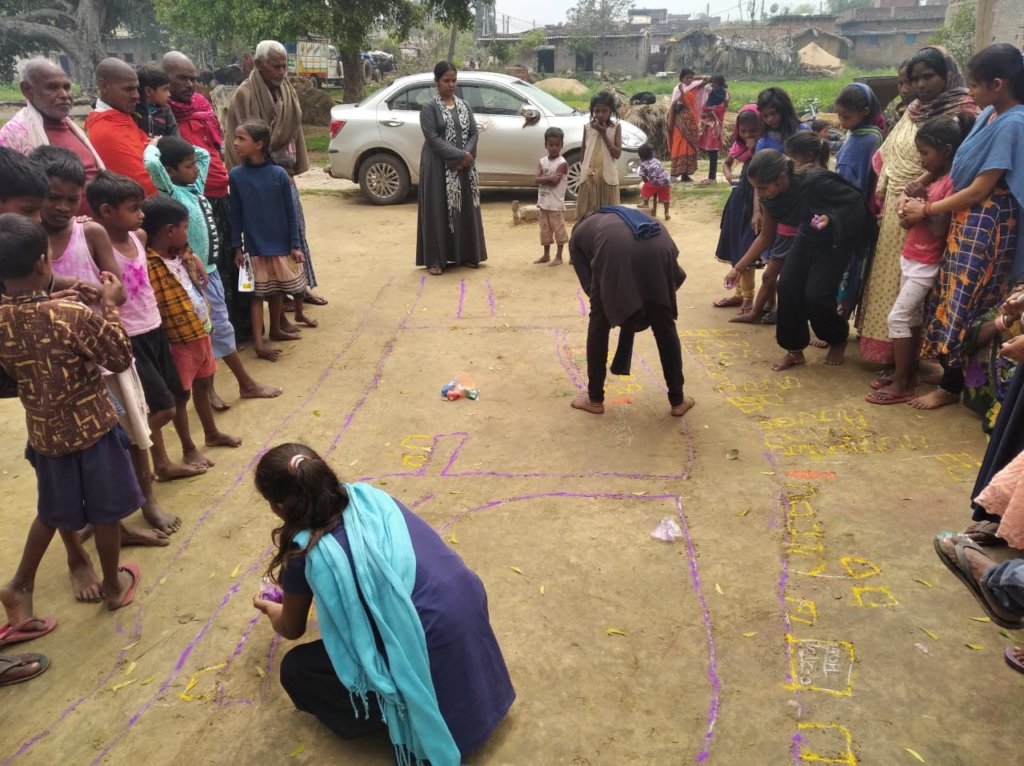
Community Mobilisation (Video Van in Intervention Communities): District magistrate (Gaya), Block Development Officer (BDO) Tekari Block and Civil SDO inaugurated the video van activity. It is an affective methodology of community mobilisation to generate dialogues around critical social issues. The theme of video van was girls’ education and menstruation, which was a difficult issue to talk about in an open forum in rural community setup. The kishori mandal and convergence group members help in mobilizing and organizing the video van activity. Altogether 10 shows of video van activity covered 1950 people directly in all 10 revenue villages of Tekari block, Gaya district, Bihar. Following message imparted through video van:
Games: the program team selected and played games that challenge gender stereotypes.
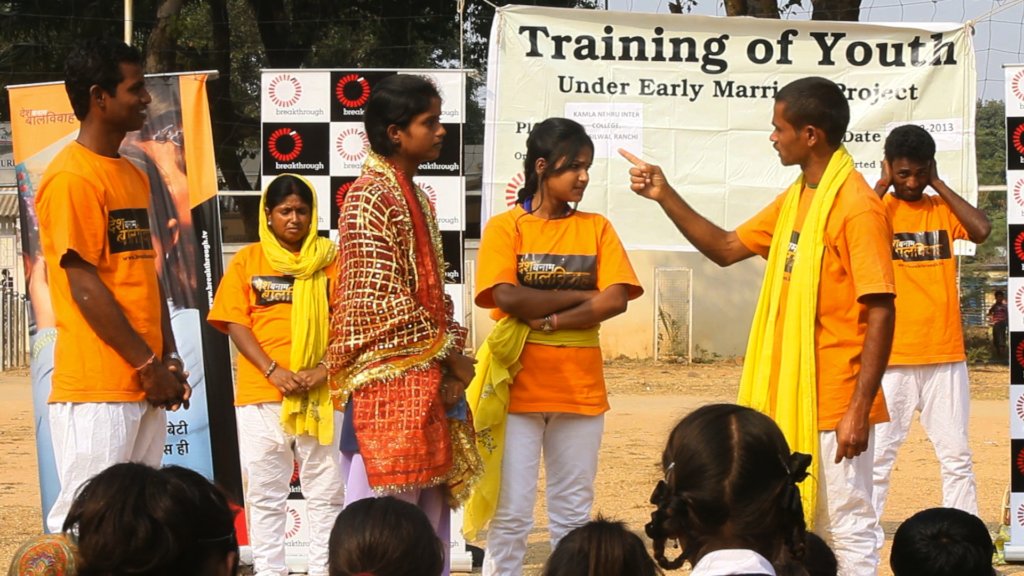
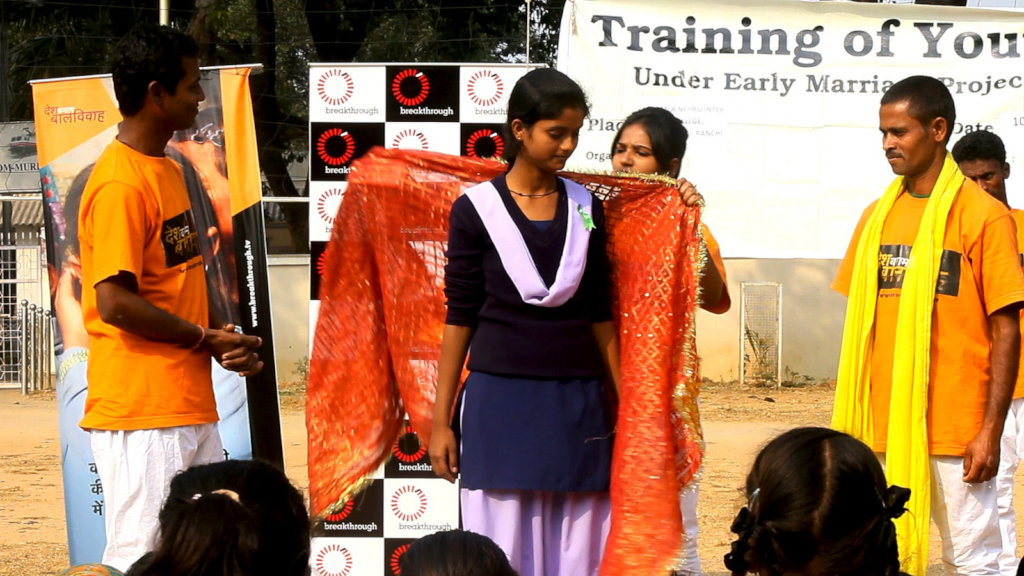
Theatre of the Oppressed: The title of the theatre of the oppressed was ‘Chanda Ki Udaan’. It is forum theatre; which shows what all barriers & challenges Chanda (who is full of aspirations) faces at school and home during menstruation period.
Short Video: The title of the movie was ‘Jhole Wali Didi’ it talks about the body changes in boys & girls; and how people do not want to talk about it as it is a topic of shame for people in community. This video gives a message in an interesting way that it is okay to talk about it from the health prospective and not just seeing it as issue of shame.
Schemes / Services: 1. the other agencies, like child-line participated in the activity and shared about their services. 2. Dissemination of helpline numbers (Child line 1098, Women Helpline 1091). 3. IEC materials with information about related information. 4. Available Government Schemes such as - Mukhya Mantri Laxmi Ladali Yojana, etc.
Over 500 adolescent girls participated in the video van activity and 20 of them came forward for dialogues in open forum during the theatre of the oppressed. They confidently shared their views on menstruation hygiene. It was a great deal as a girl faces many barriers due to gender based discrimination and is not supposed to speak for herself.
Regular Convergence Group Meetings: During the reporting period the social mapping activity completed in remaining one revenue village. After completing social mapping in all 10-revenue villages, the project team as part of the strategy organised individual meetings with identified convergence group members. It was critically important that we prepare them before bringing everyone together at one platform to discuss local issues and barriers. The convergence group members are gatekeepers, influencers and parents (PRIs, FLWs, Ward members and other) in a community setup.
In the next reporting period, we will be activating these convergence groups in all the GPs. It will help in building community ownership on the local issues related to them and identify necessary actions to address them. As per the design, project stakeholders in the convergence meetings will identify key action points for adolescent empowerment and they will take action to address the issue in their respective revenue villages.
We observed that project lead need an orientation on effective facilitation of convergence group meeting. Hence, we are organising an exposure visit for project lead to adjacent state.
Mobilising Adolescents to Village Health & Nutrition Day (VHND): During the reporting period, more than 60 adolescents participated in Village Health, Sanitation & Nutrition Day in their local communities. According to the baseline survey around 96% of the adolescents’ population in the target communities is either not aware about the VHND/ADH or do not know what are the services provided at VHND/ADH for adolescent girls. In addition, there is a myth that services provided at VHNDs are only for pregnant women and children below 5yrears. One of the desired outcome for older adolescent girls in the first year of the project is that they will have reduced inhibitions on accessing health information and services (nutrition/ menstrual hygiene). In order to address the misconceptions and lack of awareness among the older adolescents age group the project team started sensitising them on local VHND centres and services provided there for older adolescents. However, sensitisation was not enough initially team had to mobilise them to local VHND centres to access the services. In five-gram panchayats, 190 adolescent visited VHND and availed the services such as TT injection, counselling session on anaemia, IFA tablets.
Training of Trainers (ToT) of BT Trainers: the district team members participated in training of trainers on facilitation skills organised in Gaya, Bihar.
Key learnings during the reporting period: When one has good rapport with community, it increases acceptation & participation of community. This time the adolescents (members of kishori mandals) took the responsibility of creating awareness about the video van in their own communities by pasting posters and mobilising people to video van spot in the community. They also actively participated during the show and supported the team.
Key challenges faced during the reporting period:
We can't thank you enough for your support as it is support from you which makes our work possible.
THANKS AGAIN !!! STAY SAFE .
Project reports on GlobalGiving are posted directly to globalgiving.org by Project Leaders as they are completed, generally every 3-4 months. To protect the integrity of these documents, GlobalGiving does not alter them; therefore you may find some language or formatting issues.
If you donate to this project or have donated to this project, you can receive an email when this project posts a report. You can also subscribe for reports without donating.



Support this important cause by creating a personalized fundraising page.
Start a Fundraiser