By Dr. Laila Risgallah Wahba | Founder, Not Guilty
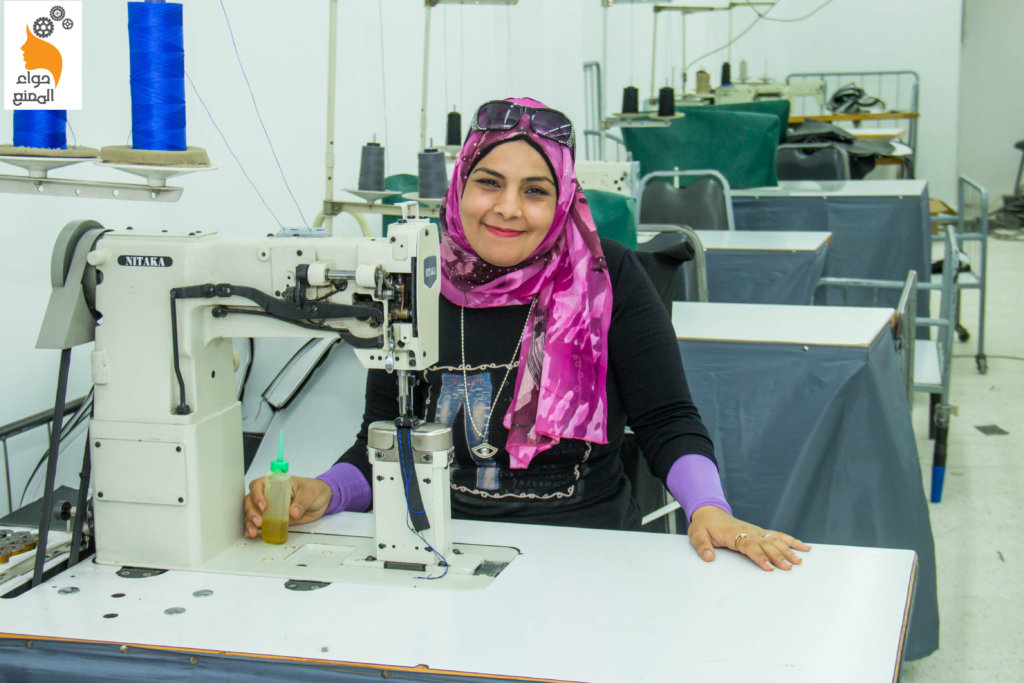
For many women in Egypt, employment represents an opportunity for financial independence and a better future for their families. Yet for women working in factories, that opportunity can also come with the risk of harassment, discrimination, and abuse.
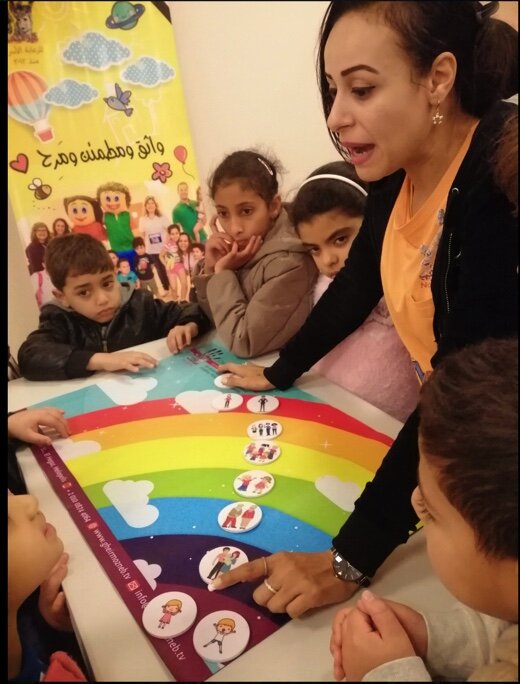
At Not Guilty, we believe that every individual deserves to work in an environment where they feel safe, respected, and valued. Through our Eve of the Factory initiative, we are working to address workplace sexual harassment through prevention education, awareness, and support for survivors.
Understanding the Challenge
Women working in factories are particularly vulnerable to workplace exploitation. According to the challenges identified in our original project assessment, 88% of factory girls come from poor, illiterate families. Many enter the workforce at a young age out of financial necessity.
For these women, reporting harassment can mean risking their livelihood, reputation, and personal safety. Fear of retaliation and cultural stigma often create an environment where abuse goes unreported.
This is why our work extends beyond teaching individuals to recognize harassment. We are working toward a broader cultural shift that encourages accountability, challenges victim-blaming, and makes workplaces safer for everyone.
Our Approach: Education, Prevention, and Empowerment
The Eve of the Factory project was designed to reach 600 women, girls, and factory workers across 10 factories in Egypt.
Our approach focuses on three essential areas:
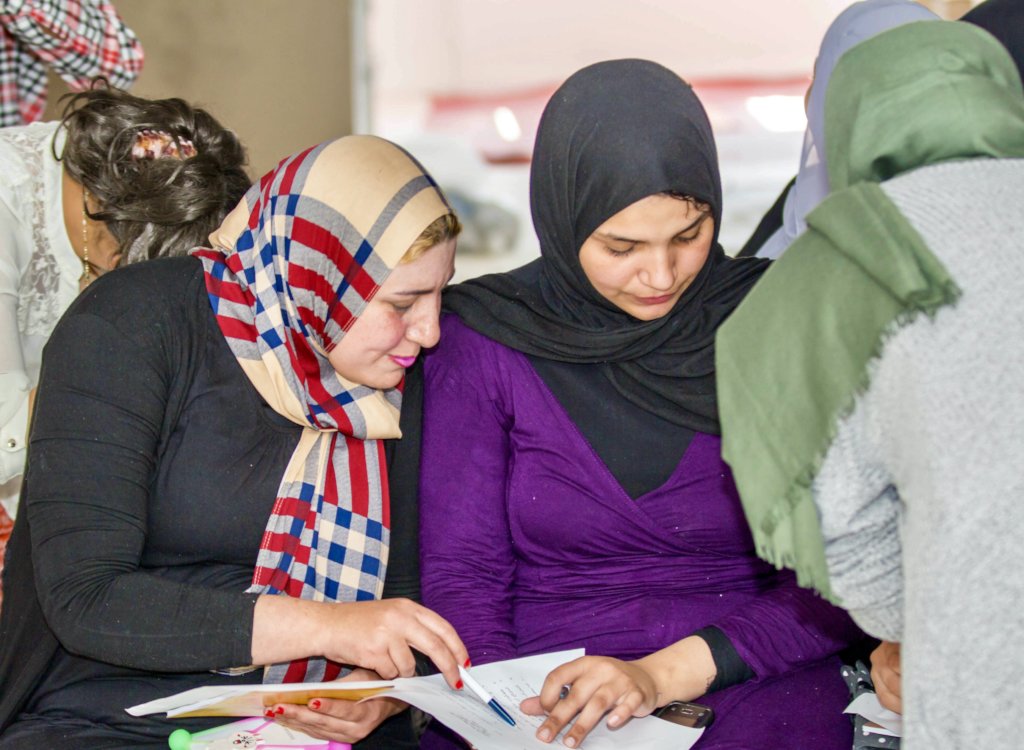
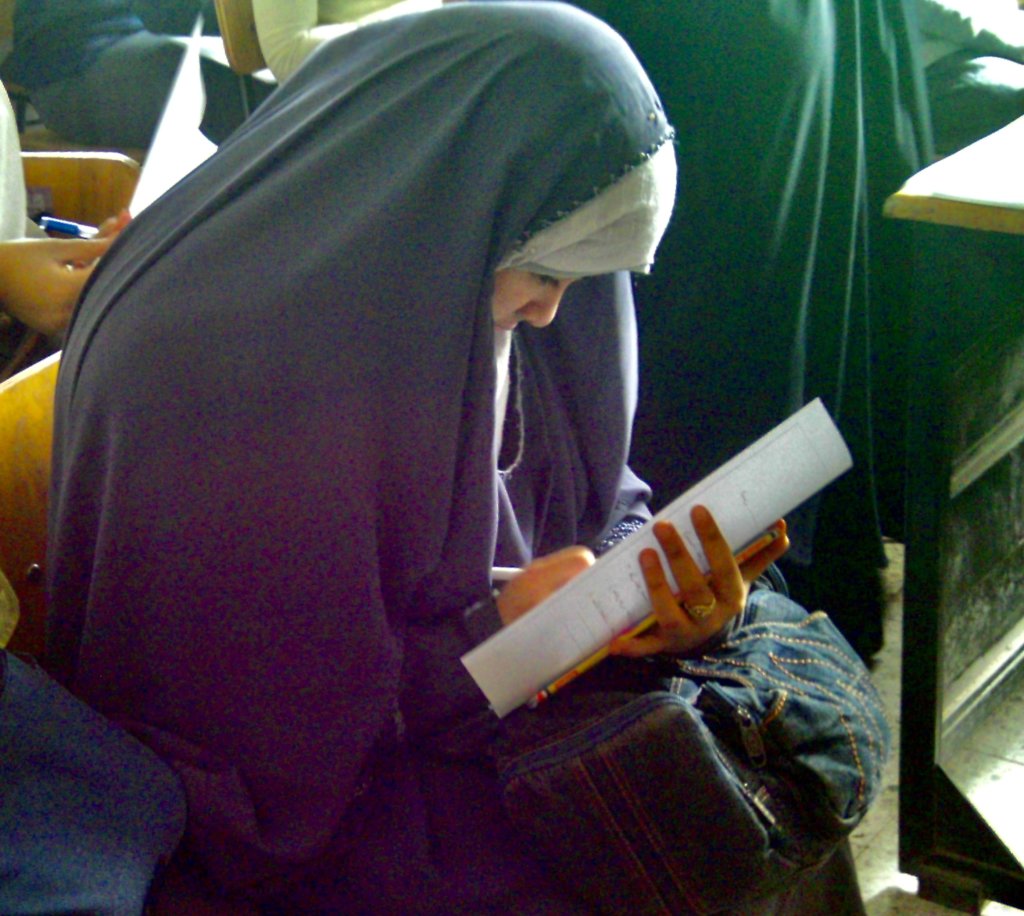
Prevention Education: Helping workers recognize inappropriate behavior, understand personal boundaries, and identify harassment and abuse.
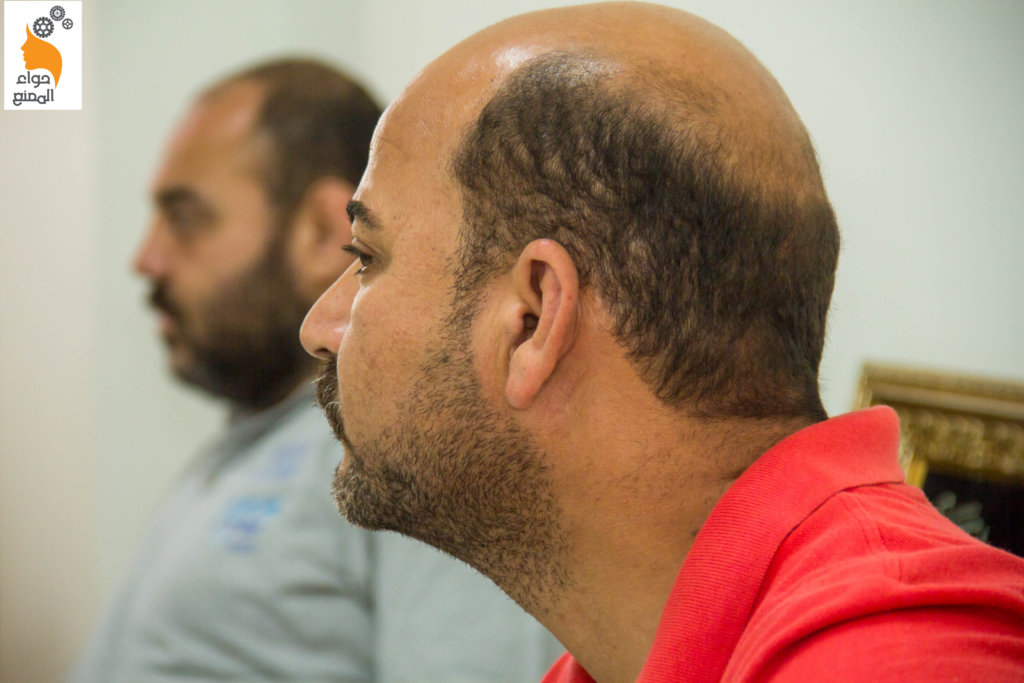
Engaging Men in Prevention: Encouraging male factory workers to become part of the solution by promoting respect, accountability, and safer workplace practices.
Supporting Survivors: Creating opportunities for women affected by harassment or abuse to receive emotional support and access pathways toward healing.
By addressing both individual awareness and workplace culture, we aim to create change that extends beyond a single training session.
Building a Culture Where Women Can Speak Up
One of the greatest barriers to preventing sexual harassment is the silence surrounding it.
Women may hesitate to report abuse because they fear being blamed, dismissed, or punished. This silence allows harmful behavior to continue and can leave survivors feeling isolated.
Not Guilty's educational approach emphasizes a critical message: abuse is never the victim's fault.
Through prevention training and awareness, our goal is to help workers understand their rights, encourage supportive responses to disclosures, and promote workplace environments where harassment is recognized and addressed rather than ignored.
Looking Ahead: Sustainable Workplace Safety
Our long-term vision is to help establish safer workplace standards that can be adopted by factories throughout Egypt.
The project's original goals include developing workplace safety criteria, encouraging factories to implement protective practices, and increasing the reporting of harassment and abuse.
As we look ahead, our priorities remain centered on expanding access to prevention education, strengthening awareness of workplace harassment, and advocating for environments where women can work without fear.
We believe meaningful change happens when education is paired with accountability and when communities recognize that protecting workers is a shared responsibility.
Thank You for Standing With Women in Egypt
Your generosity helps support Not Guilty's commitment to prevention, education, and survivor empowerment.
While changing deeply rooted attitudes takes time, every effort to challenge silence, educate workers, and promote accountability moves us closer to a future where women can pursue employment with dignity and safety.
Thank you for believing that every woman deserves a workplace free from harassment and abuse.
Together, we can help build safer workplaces and stronger communities.
With gratitude,
The Not Guilty Team
By Dr. Laila Risgallah Wahba | Founder, Not Guilty
By Dr. Laila Risgallah Wahba | Founder, Not Guilty
Project reports on GlobalGiving are posted directly to globalgiving.org by Project Leaders as they are completed, generally every 3-4 months. To protect the integrity of these documents, GlobalGiving does not alter them; therefore you may find some language or formatting issues.
If you donate to this project or have donated to this project, you can receive an email when this project posts a report. You can also subscribe for reports without donating.



Support this important cause by creating a personalized fundraising page.
Start a Fundraiser