Promoting Real Healthy Families: Home Economics

by Kole Intellectual Forum
Promoting Real Healthy Families: Home Economics

Project Report | Aug 27, 2026
Call for: District Educational Conference

By George Obua | Project Leader

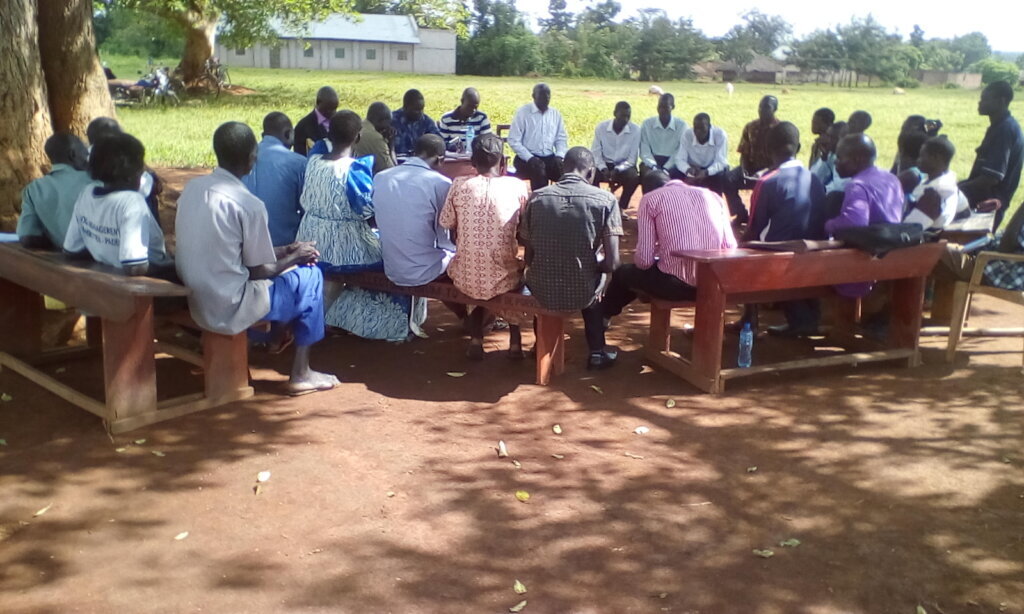
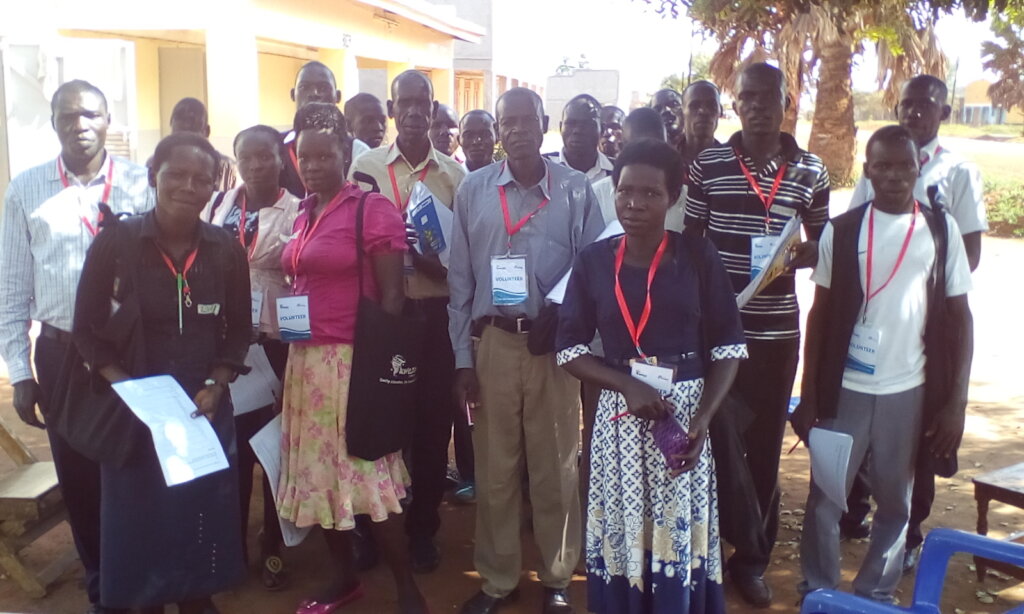
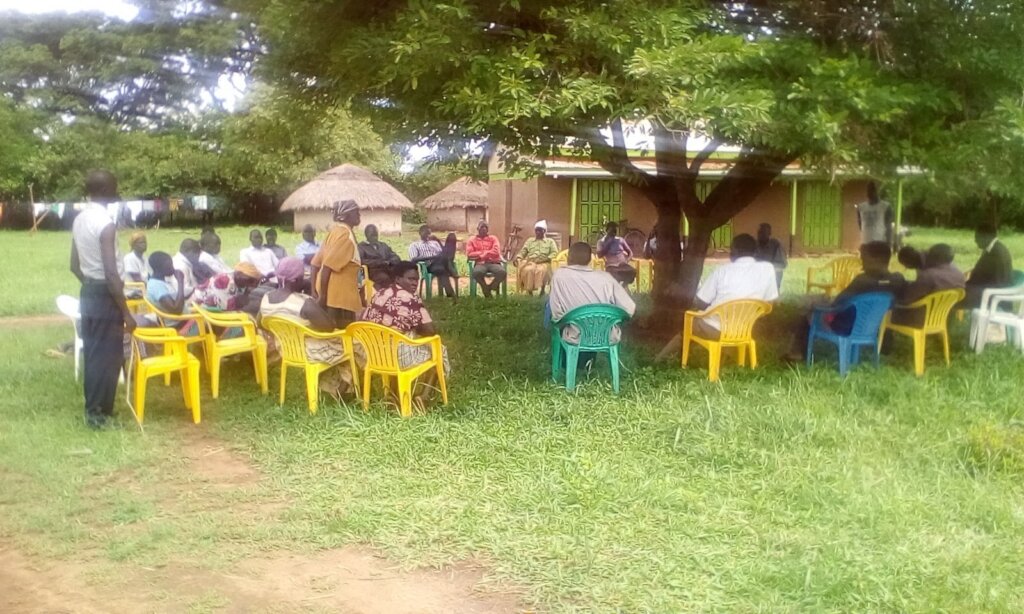
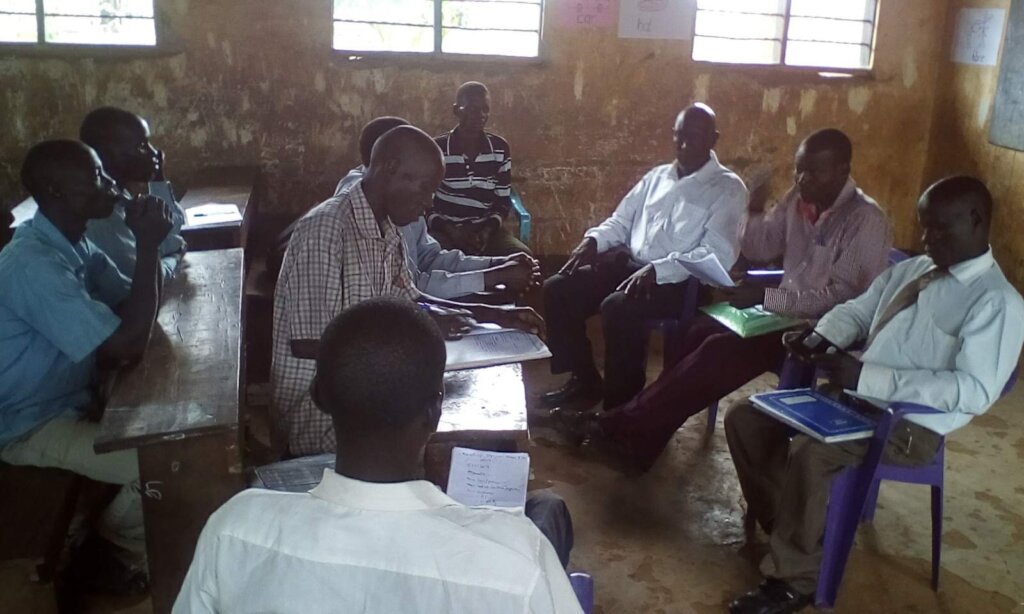
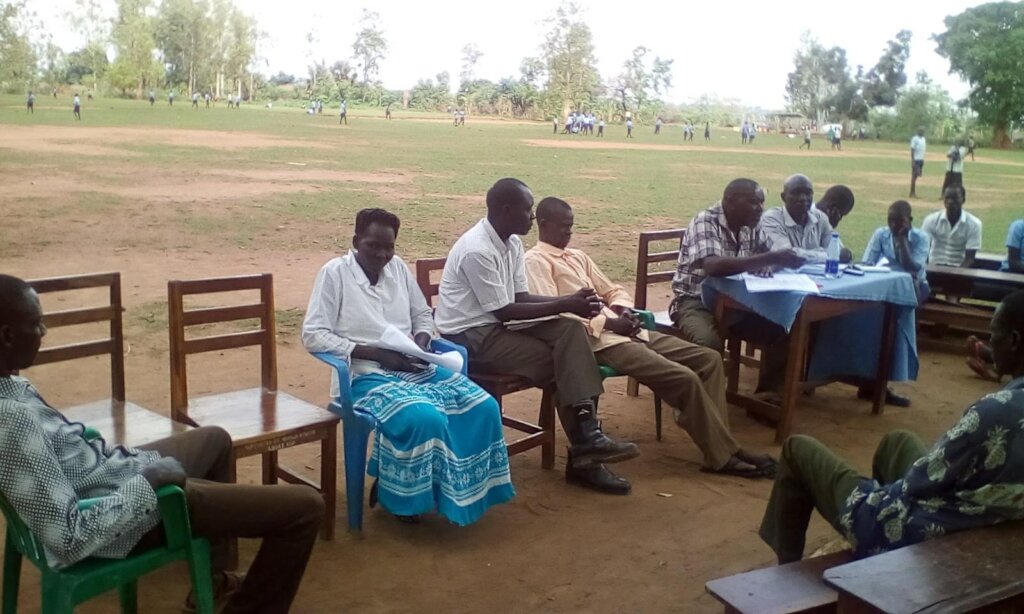
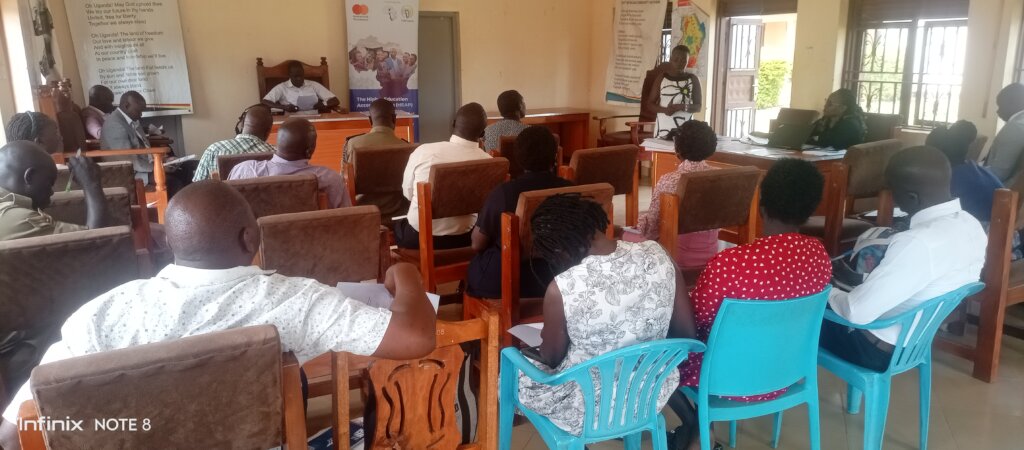
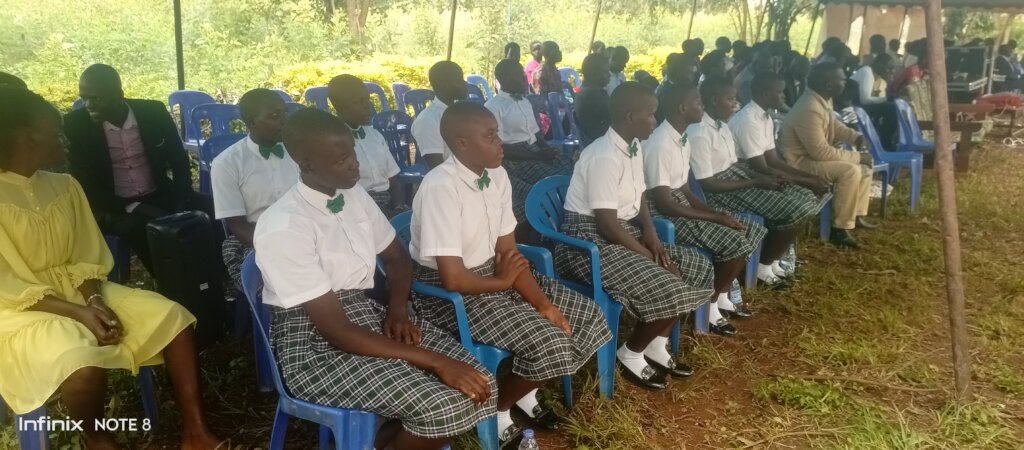
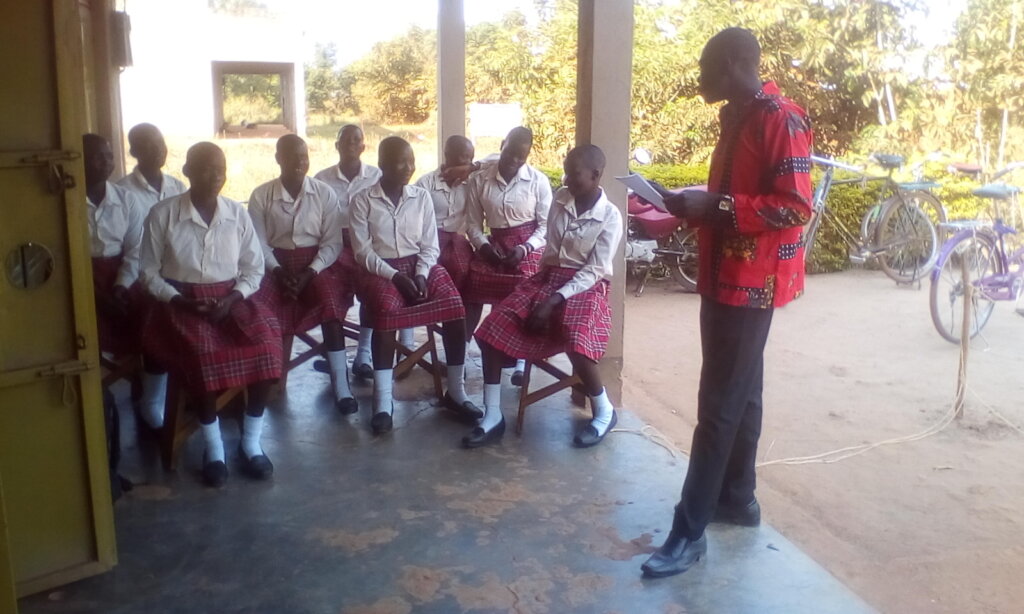
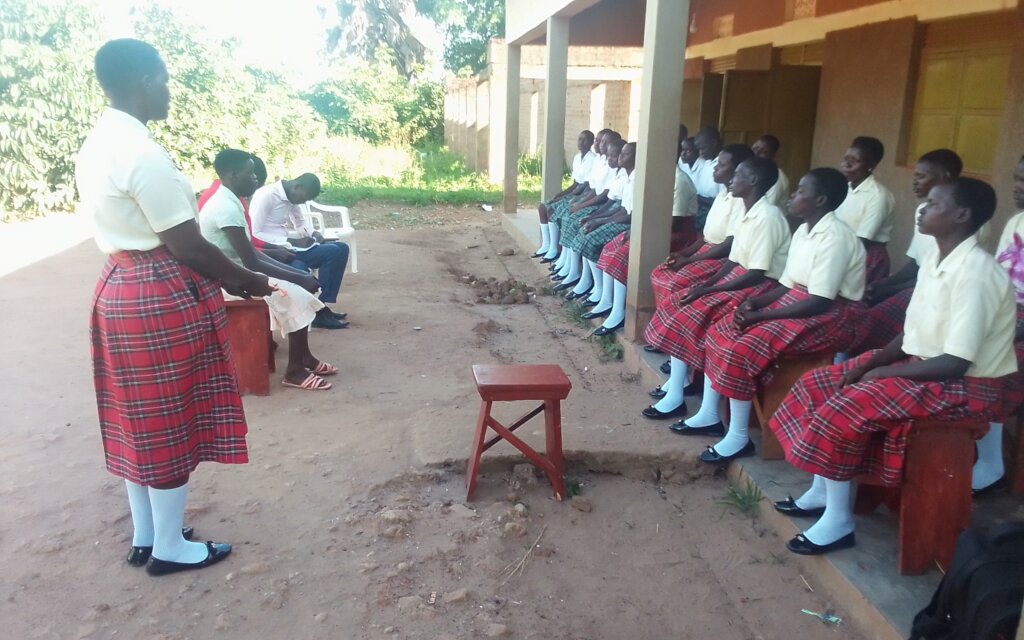
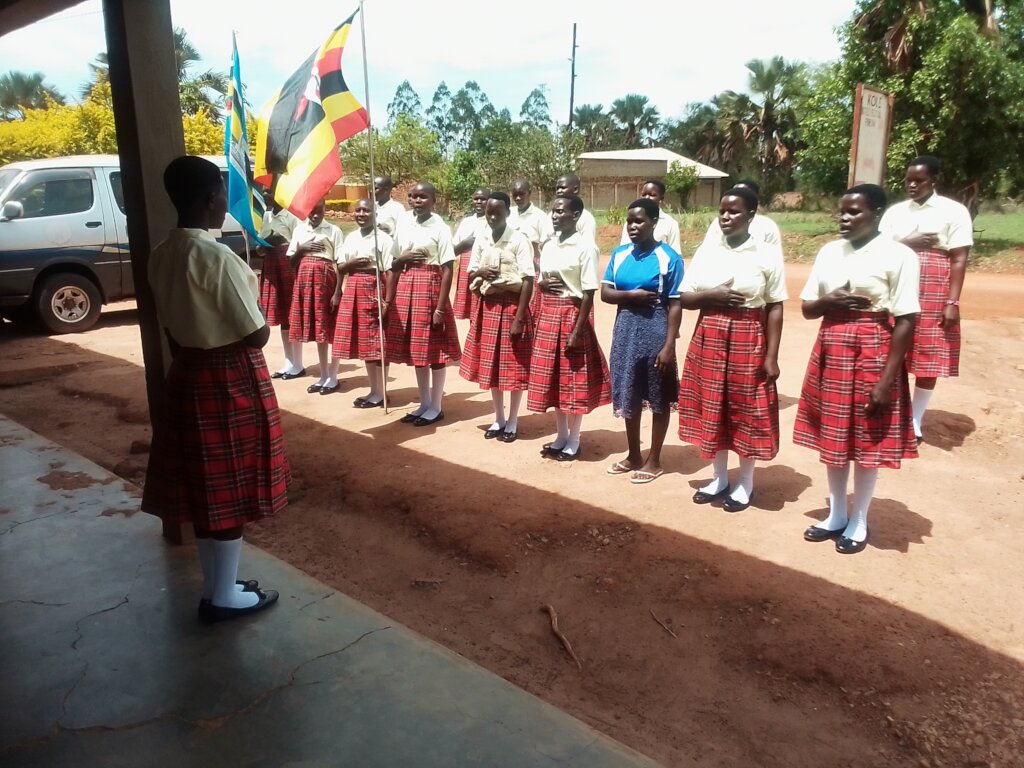
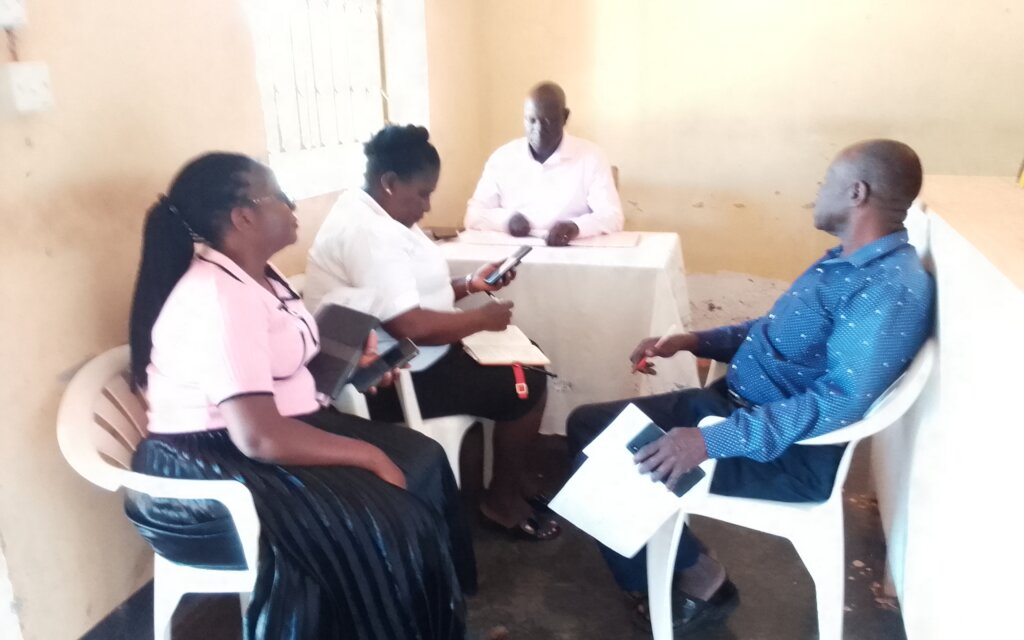
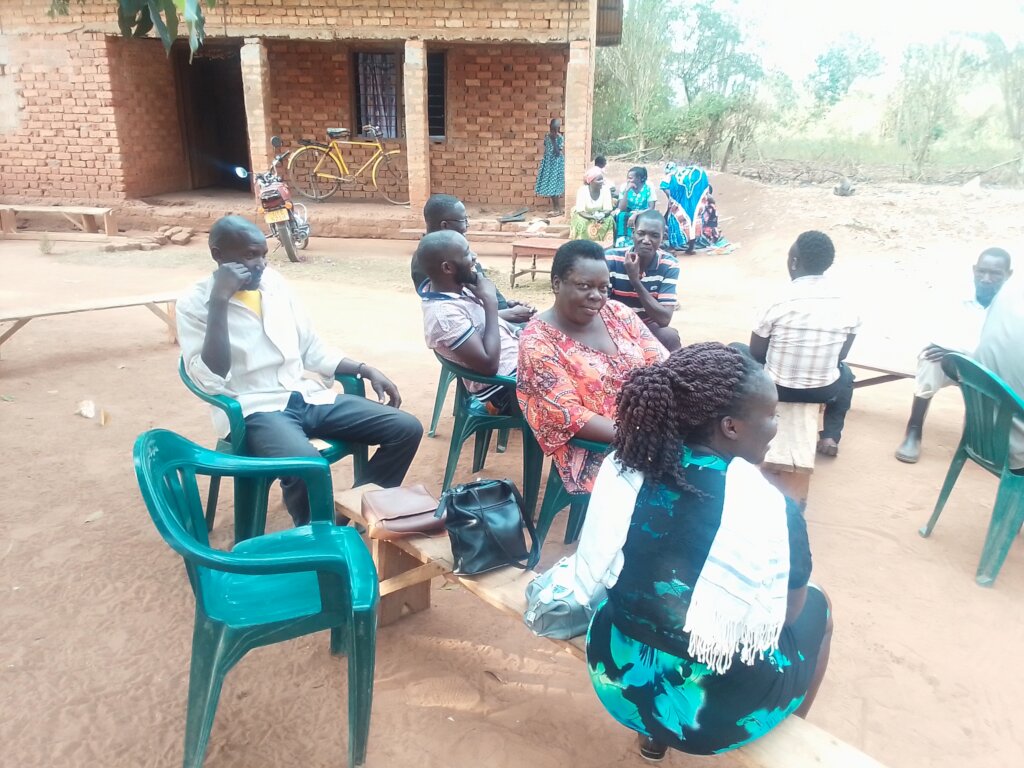
When, Kole Intellectual Forum, presented their research findings on the problems link to poor performance in education system in Kole District to the ditrict officials; these officials, mandated the organization to start organizating what they referred to as Kole District  educational review conferences with the intention to drive policy influence, foster collaboration and networking, showcase innovative practices and program impacts; as well as providing a essential capacity building and professional development opportunities. 

Elaborately, the reasons for facilitating the educational review conferences is expected to be based on:
  • Policy Influence and Advocacy: Conferences provide a crucial platform for NGOs to influence educational policy by bringing their grassroots experiences and data-driven research to the attention of policymakers, government representatives, and international bodies. This ensures that policies are grounded in real-world needs, especially for marginalized populations, and helps hold governments accountable for their commitments (e.g., Education for All goals).
  • Networking and Partnerships: These events are key for cultivating relationships with a diverse range of stakeholders, including potential donors, corporate sponsors, academic institutions, and other non-profits. These connections often lead to invaluable collaborations, joint initiatives, and resource sharing that amplify an NGO's impact and reach.
  • Showcasing Impact and Innovation: Conferences offer a venue for NGOs to present their work, share success stories, and highlight innovative teaching methods or program designs that can address specific educational challenges. This visibility not only raises awareness of their mission but also helps position them as thought leaders in their field, attracting further support and partnerships.
  • Capacity Building and Professional Development: NGOs can organize and host workshops or seminars within the conference structure to enhance the skills and knowledge of their staff, teachers, and partners. These sessions cover essential topics like grant writing, program evaluation, or new pedagogical techniques, which directly improve program delivery and organizational effectiveness.
  • Learning and Knowledge Exchange: Facilitating these gatherings allows for the exchange of ideas and best practices among peers. This inter-organizational learning helps NGOs stay updated on the latest trends and research in the education sector, adapt their strategies to evolving needs, and avoid duplicating efforts.
  • Resource Mobilization: By offering visibility and networking opportunities with funding organizations, conferences can significantly enhance an NGO's fundraising efforts, helping them secure the necessary financial resources to drive their initiatives forward and achieve financial sustainability
Share on Twitter Share on Facebook

About Project Reports

Project reports on GlobalGiving are posted directly to globalgiving.org by Project Leaders as they are completed, generally every 3-4 months. To protect the integrity of these documents, GlobalGiving does not alter them; therefore you may find some language or formatting issues.

If you donate to this project or have donated to this project, you can receive an email when this project posts a report. You can also subscribe for reports without donating.


Sign up for updates

Organization Information

Kole Intellectual Forum

Location: Kampala, Uganda - Uganda
Website:
Facebook: Facebook Page
Project Leader:
Aaron Ogwal
Kampala , Uganda
$4,229 raised of $10,000 goal
 
90 donations
$5,771 to go
Donate Now

Help raise money!

Support this important cause by creating a personalized fundraising page.

Start a Fundraiser

Learn more about GlobalGiving

Teenage Science Students
Vetting +
Due Diligence

Snorkeler
Our
Impact

Woman Holding a Gift Card
Give
Gift Cards

Young Girl with a Bicycle
GlobalGiving
Guarantee

Get incredible stories, promotions, and matching offers in your inbox

WARNING: Javascript is currently disabled or is not available in your browser. GlobalGiving makes extensive use of Javascript and will not function properly with Javascript disabled. Please enable Javascript and refresh this page.