By Samuel Chigamba | Project Leader
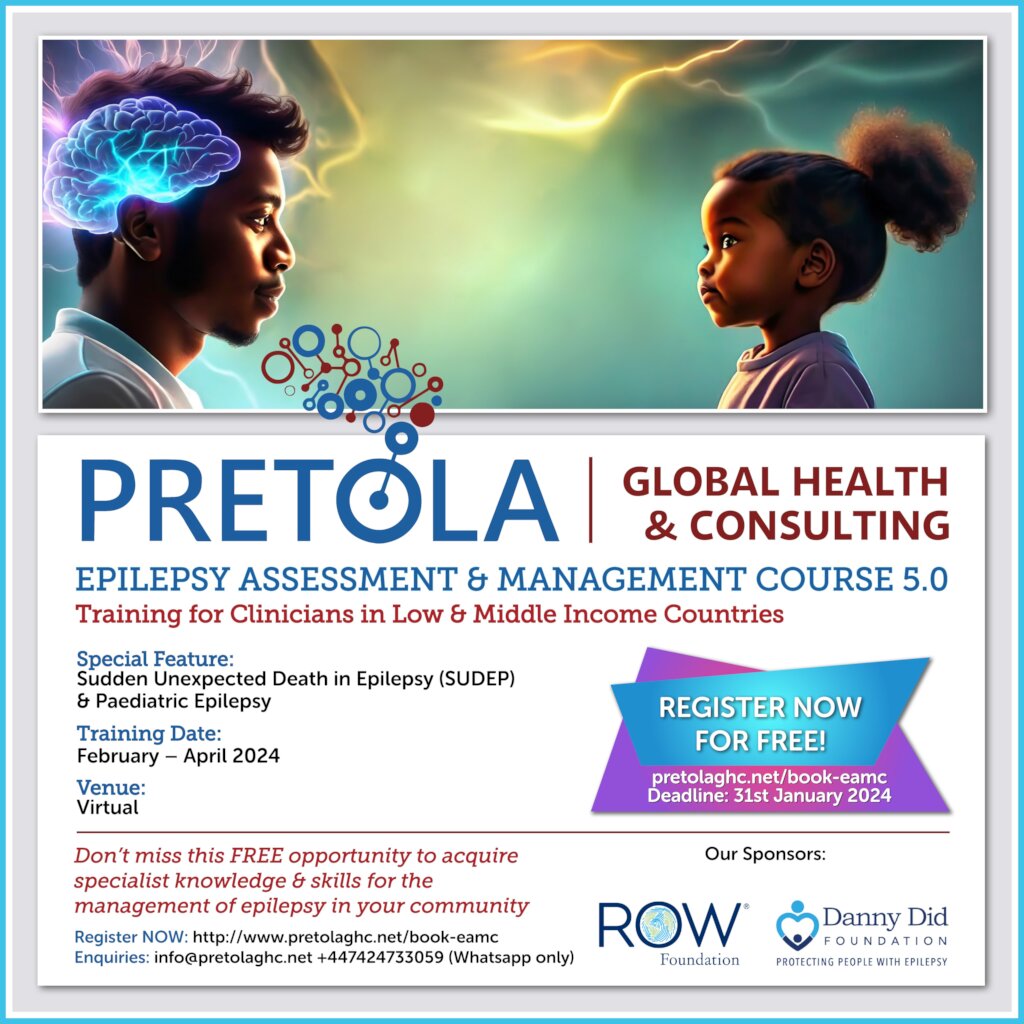
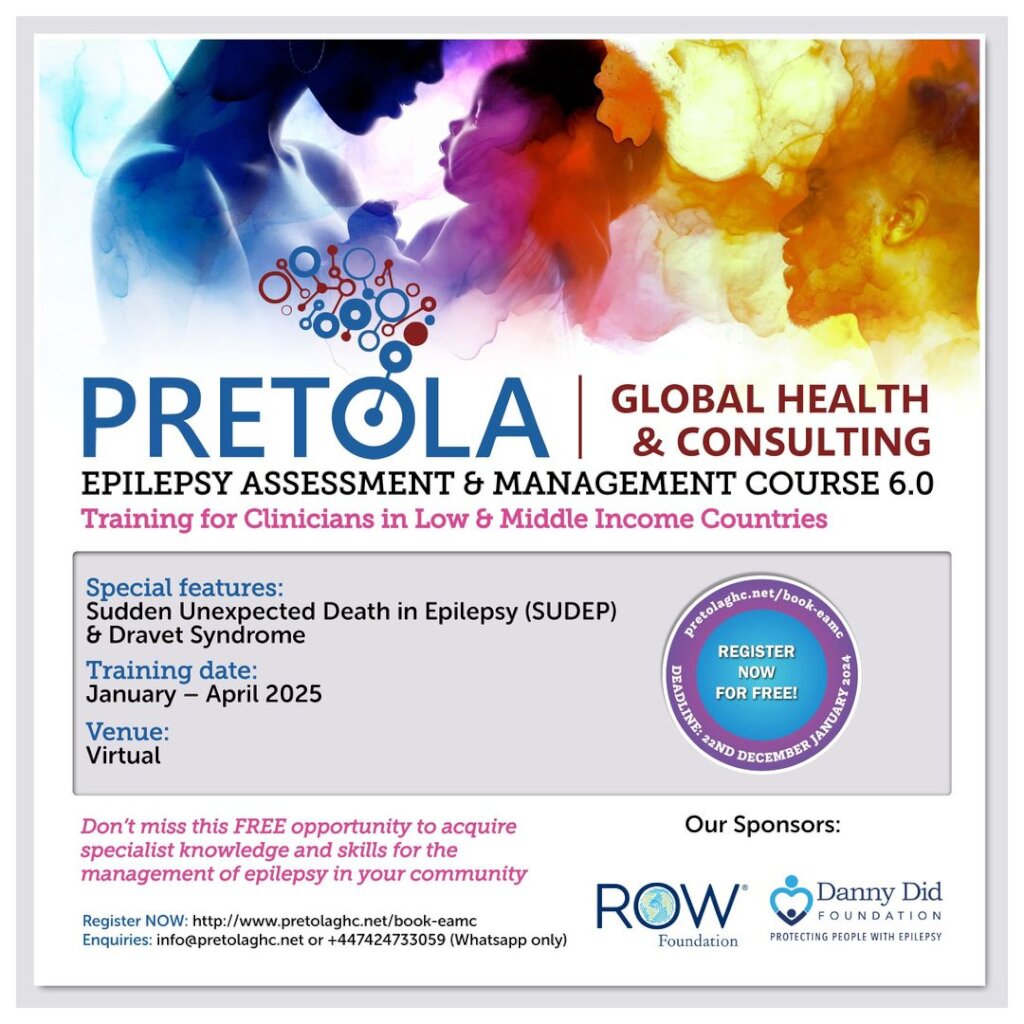
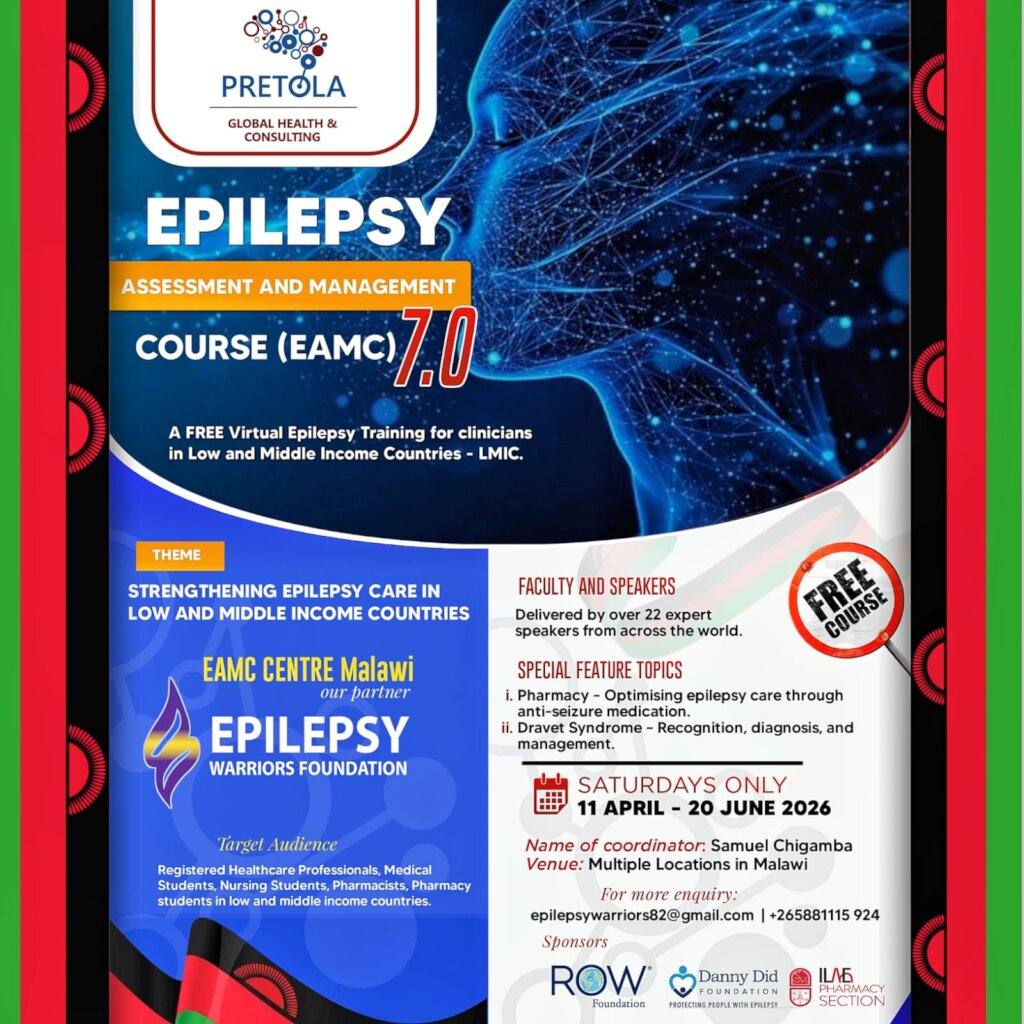
Thanks to the generous support of our partners and donors, Epilepsy Warriors Foundation successfully coordinated the Epilepsy Assessment and Management Course (EAMC) 7.0 in Malawi between April and June 2026. The EAMC is an international course, delivered and offered by Pretola Global Health and Consulting Limited based in the UK.
The EAMC 7.0 equipped healthcare professionals and students with practical, evidence-based knowledge to improve epilepsy care in low-resource settings.
A total of 251 participants were registered for the course, representing nursing and midwifery students, medical students, clinical officer students, pharmacists, lecturers, and practicing healthcare professionals from across Malawi.
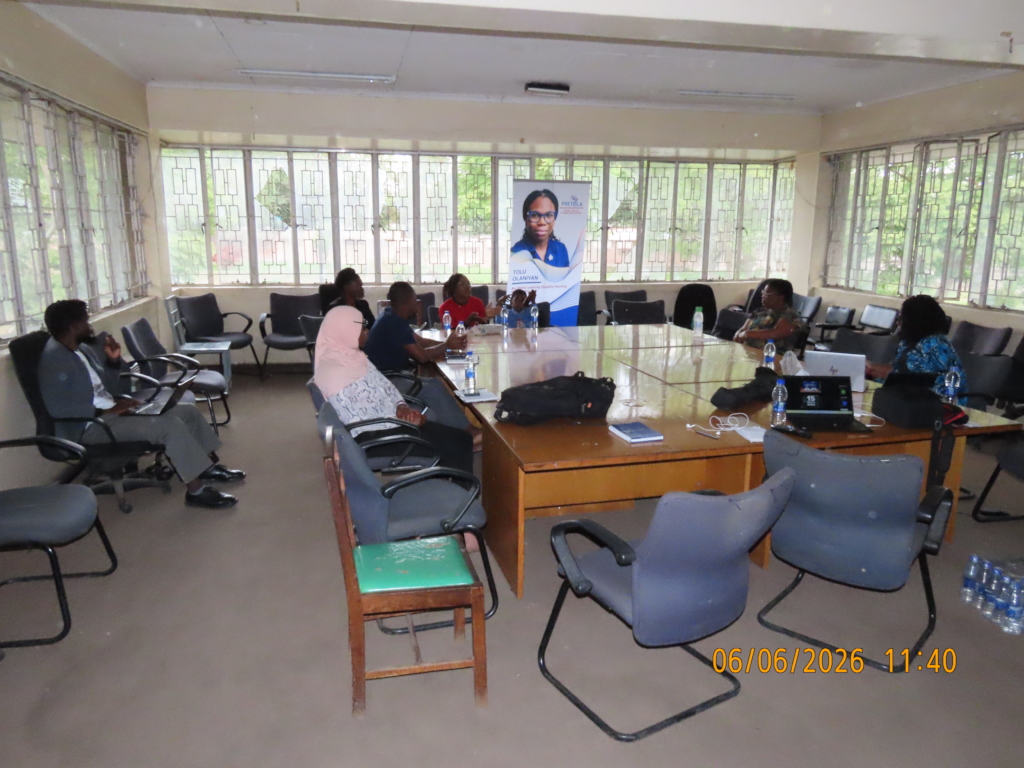
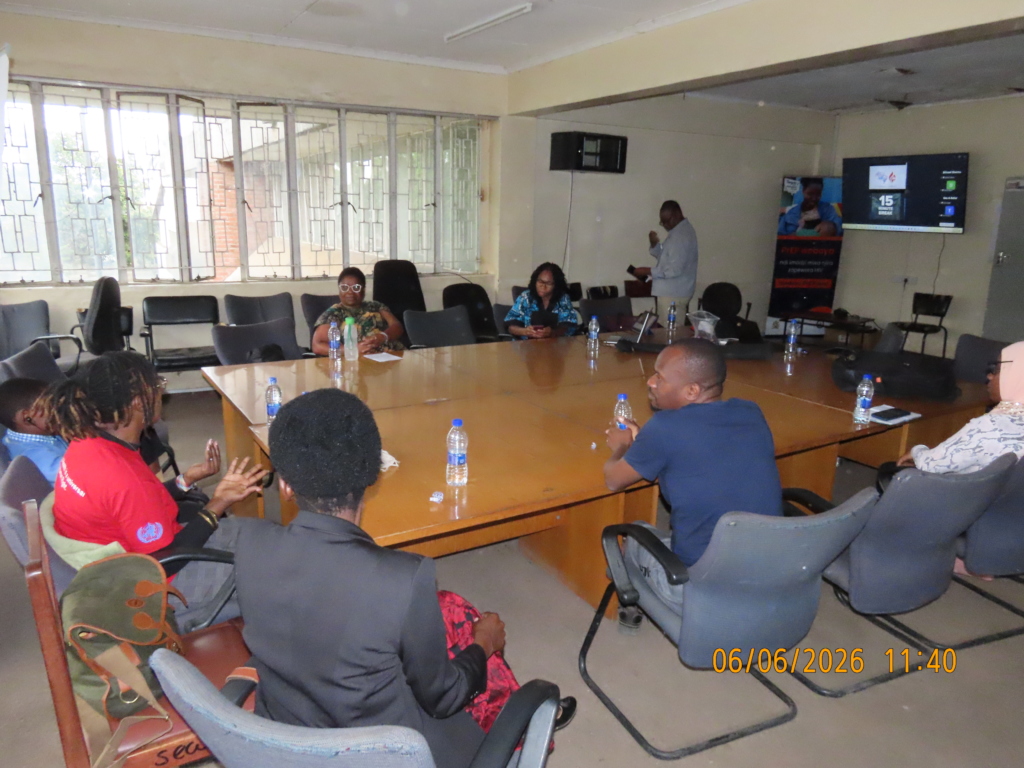
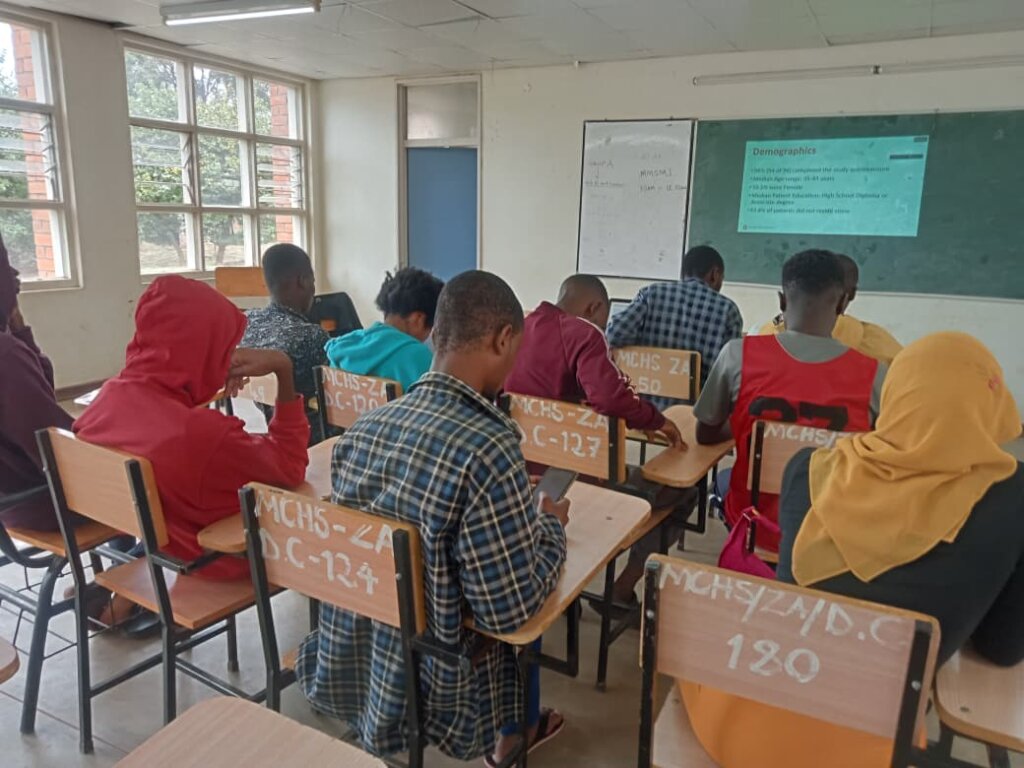
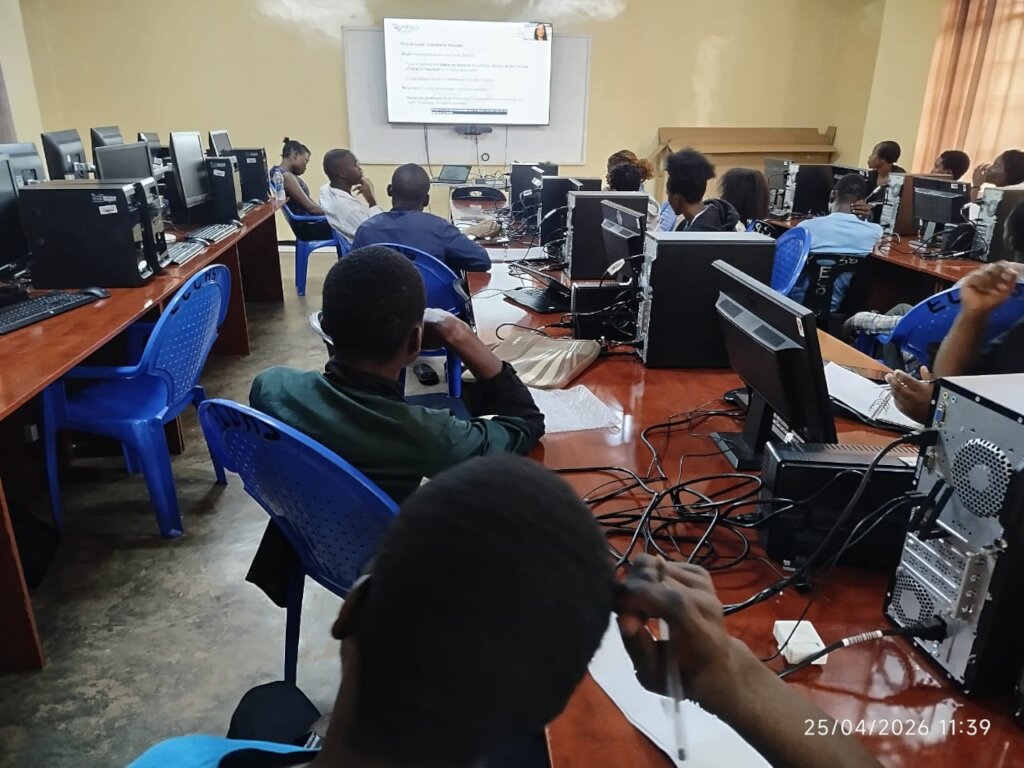
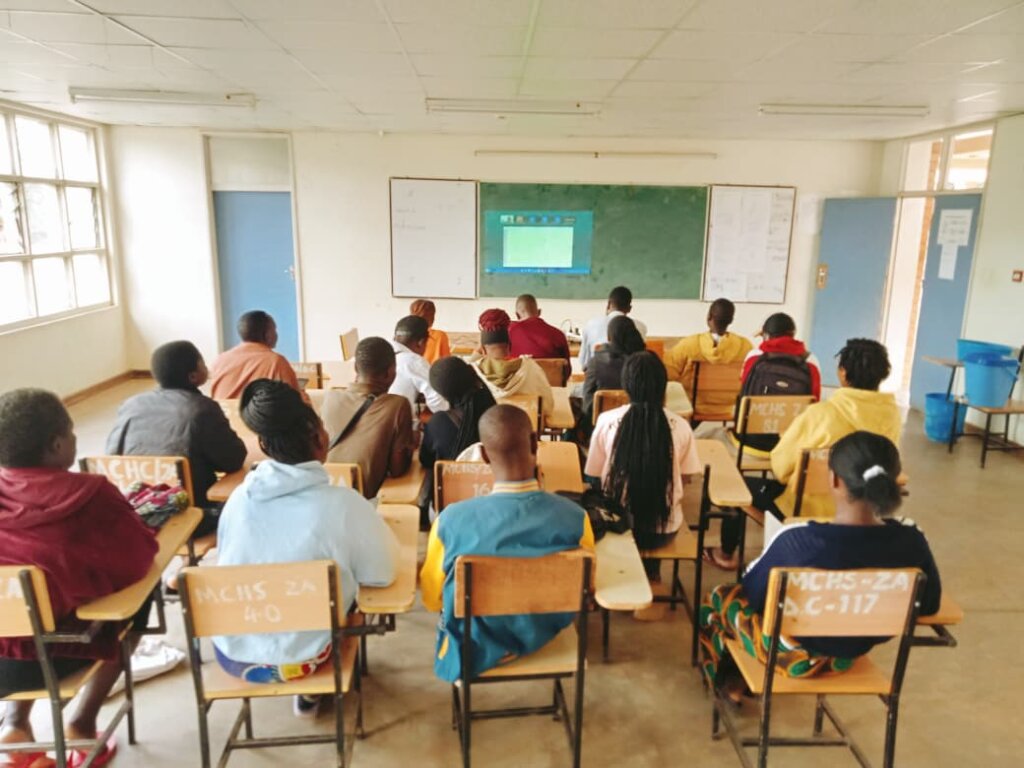
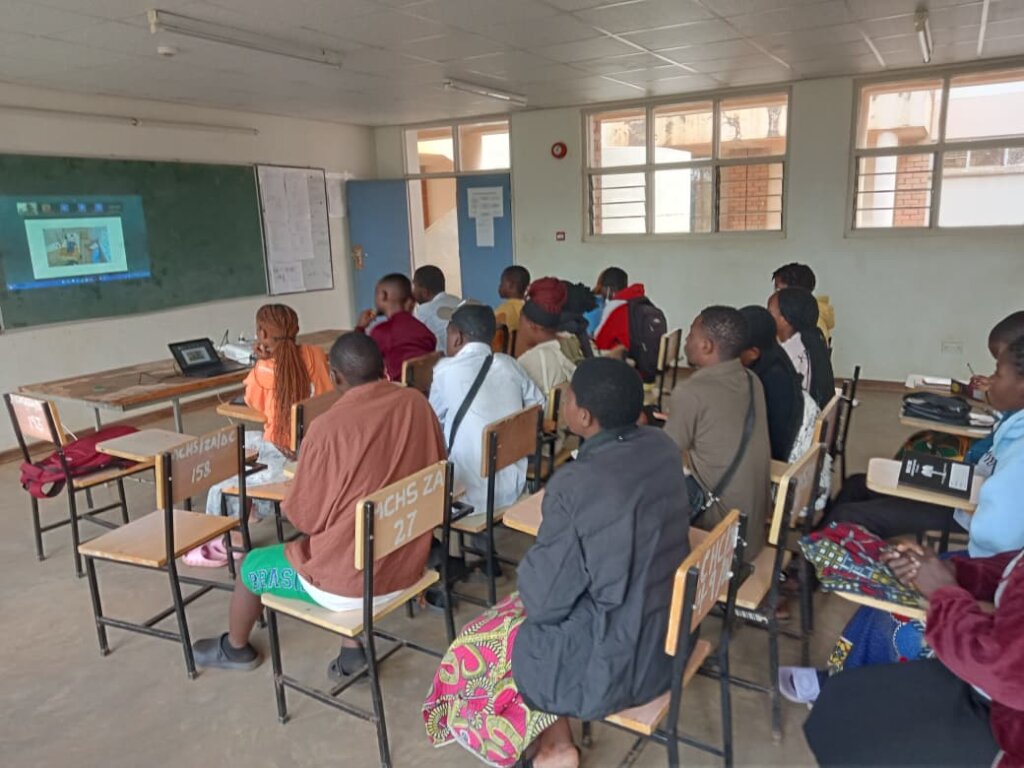
EWF partnered with College of Health Sciences, Zomba campus and Ekwendeni College of Health Sciences to host EAMC Centres providing in-person group for attendees in Malawi specifically for students in the two institutions but on Day 5 another centre was held in Blantyre District in partnership with Blantyre District Health Office and Pretola Global Health and Consulting.
Over six bi-weekly training sessions, participants completed more than 20 specialist topics covering the following themes and topics;
Trainers and Topics Covered - Week 1
Day 1 of the EAMC Saturday 11th April 2026
Overview of Epilepsy in Low- and Middle-Income Countries
Topic 1: Overview of Epilepsy in LMIC
Topic 2: Epilepsy in Older People
Topic 3: History Taking in Epilepsy Assessment & Management
2. Trainers and Topics Covered - Week 2
Day 2 of the EAMC Saturday 25th April 2026
Theme: Rare epilepsy - Dravet Syndrome
Topic 1: Dravet Syndrome - Foundations of Epilepsy & Febrile Seizures
Topic 2: Dravet Syndrome - Clinical Features & Diagnosis Neurologist, UK)
Topic 3: Dravet Syndrome - Treatment Approaches
Topic 4: Dravet Syndrome - Comorbidities, Behavior, and Social Support
3. Trainers and Topics Covered - Week 3
Day 3 of the EAMC Saturday 16th May, 2026
Theme: Pharmacological Management of Epilepsy in Low-Resource Settings
Topic 1: Understanding Basic Pharmacology of Anti-Seizure Medications
Topic 2: Managing Adverse Effects of ASMs
Topic 3: Managing Epilepsy in Special Groups
4. Trainers and Topics Covered - Week 4
Day 4 of the EAMC Saturday 23rd May, 2026
Theme: Epilepsy Mortality Prevention - risk management, SUDEP and Status epilepticus
Topic 1: An overview of mortality in epilepsy: the LMIC picture
Topic 2: SUDEP prevention in LMICs- Dr Lucretia Long Topic 3: Status epilepticus management: rapid recognition & treatment in LMIC
Topic 4: Strengthening Health Systems for Epilepsy Mortality Prevention in LMICs (medicines access, care pathways, and primary care integration)
5. Trainers and Topics Covered - Week 5
Day 5 of the EAMC Saturday 6th June, 2026
Theme: Global Health Needs of People with Epilepsy
Topic 1: Presenting insights from the Global Epilepsy Needs Study
Topic 2: Exploring the GENS results and its implications for epilepsy healthcare professionals
Topic 3: GENS - Exploring Mental Health Needs
6. Trainers and Topics Covered - Week 6
Day 6 of the EAMC Saturday 20th June, 2026
Theme: Addressing Stigma and Promoting Stigma Adherence
Topic 1: Temporal Lobe epilepsy
Topic 2: Working with families and carers to better understand epilepsy management
Topic 3: Addressing the impact of Stigma in Epilepsy care in LMICs
Topic 4: Promoting Epilepsy Treatment Adherence in LMICs
The course was designed to address the realities of epilepsy care in low- and middle-income countries and provided practical knowledge that participants can immediately apply in their clinical practice.
To ensure participants remained engaged throughout the programme, Epilepsy Warriors Foundation coordinated communication through dedicated WhatsApp groups, provided technical support to participants for accessing the online platform to watch recorded training sessions, and encouraged continuous participation through regular reminders and follow-up.
As a result of the training, participants now have improved knowledge and confidence in taking comprehensive epilepsy histories, making accurate diagnoses, managing epilepsy in vulnerable populations, understanding the relationship between epilepsy and mental health, assessing and reducing SUDEP risk, and applying evidence-based treatment approaches.
While the project was highly successful, we encountered some challenges. Changes between in-person and virtual attendance by some attendees in the EAMC Centers created administrative difficulties but was then resolved, students from the EAMC Centre at Ekwendeni College of Health Sciences had to go on allocation hence the centre had to be closed with participants advised to contine the trainings virtaually, centres also encountered powercuts due to loadshedding, fortunetely Ekwendeni College of Health Sciences had a genset and was supported through the project to buy fuel, unfortunetely the centre at Zomba college of health sciences did not have access to a genset and participants utilized a laptop and bluetooth speaker until power was restored (this occured during week 3) and delays in securing a support letter from the Ministry of Health affected fundraising efforts. Despite these challenges, the programme was successfully delivered and reached healthcare workers and future clinicians who are now better equipped to improve epilepsy care in their communities.
We are deeply grateful to every donor and supporter whose generosity made this training possible. Your support is helping build a stronger healthcare workforce, reduce the epilepsy treatment gap, and improve the quality of life for people living with epilepsy in Malawi.
We are also deeply greatful for our partnership with Pretola Global Health and Consulting that has enabled the Warriors to Coordinate the EAMC in Malawi making a lasting impact.
By Samuel Chigamba | Project Leader
By Samuel Chigamba | Project Leader
Project reports on GlobalGiving are posted directly to globalgiving.org by Project Leaders as they are completed, generally every 3-4 months. To protect the integrity of these documents, GlobalGiving does not alter them; therefore you may find some language or formatting issues.
If you donate to this project or have donated to this project, you can receive an email when this project posts a report. You can also subscribe for reports without donating.



Support this important cause by creating a personalized fundraising page.
Start a Fundraiser