By Emily Bensen | CEO
Strengthening Vaccination Coverage across Five Districts in Togo
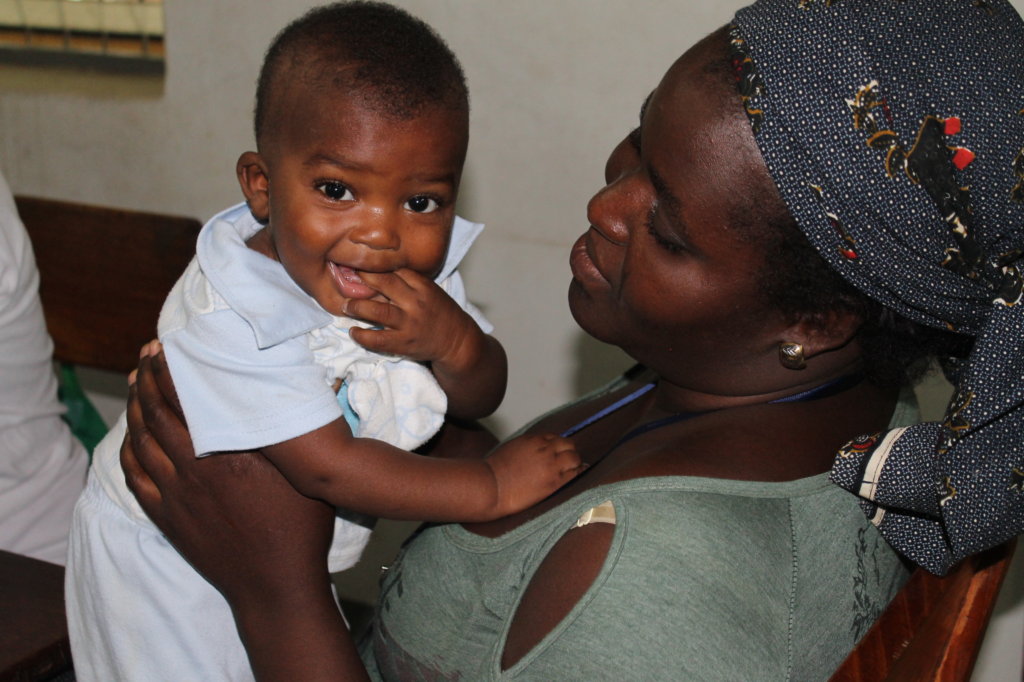
Every child deserves a full set of vaccines, but in five districts of Togo, thousands of children under five were going without, with some never receiving a single dose of needed vaccines. Over nineteen months, worked in partnership with Togo’s Ministry of Health (MOH) to close this gap. On June 29, 2026, partners gathered in Adétikopé in the Agoè-Nyivé district to share results and lessons from IH’s vaccination project supported by Gavi, the Vaccine . During the closing workshop, IH shared not only what it has achieved, but also what it leaves in the government's hands going forward.
Implemented from December 2024 to June 2026, the project reinforced essential childhood vaccination in the health districts of Golfe and Agoè-Nyivé (Grand Lomé region) and Lacs, Zio, and Bas-Mono (Maritime region), while finding and catching up zero-dose and under-vaccinated children.
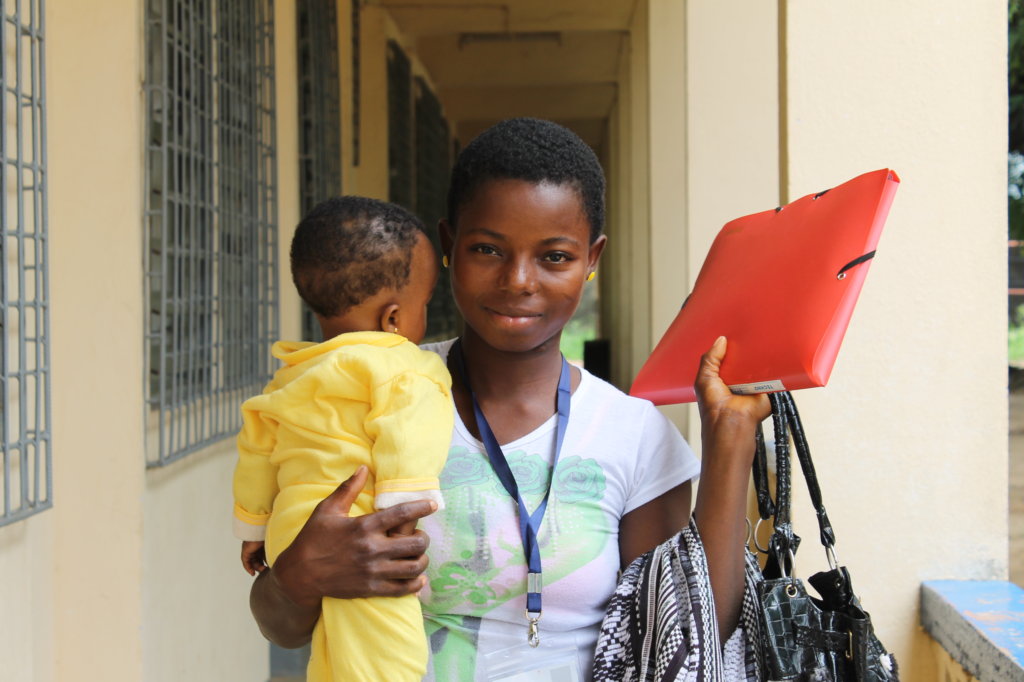
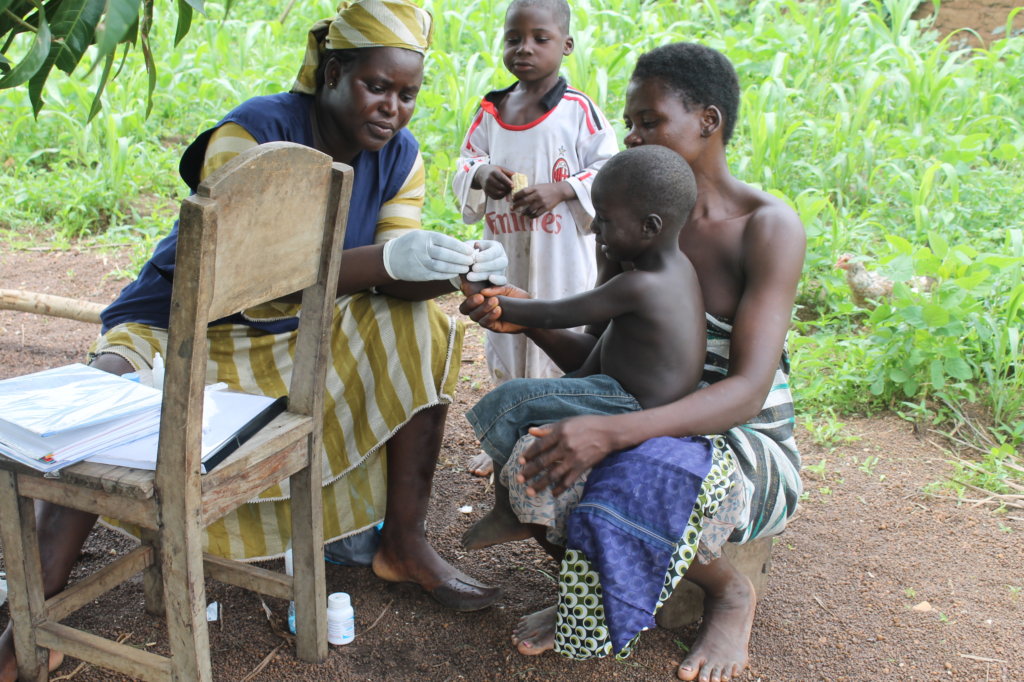
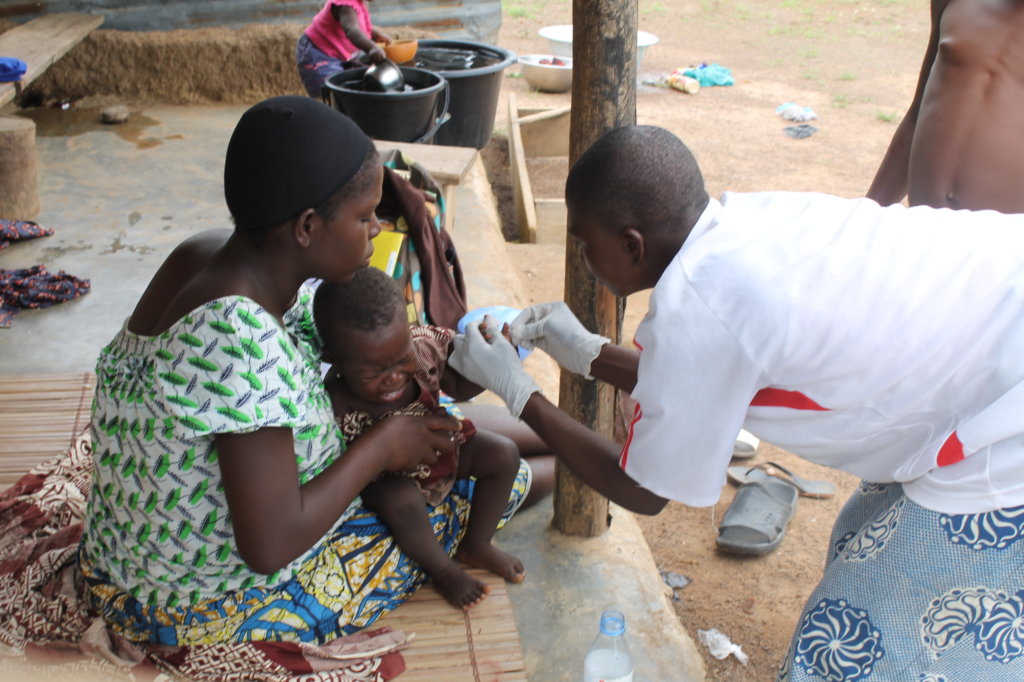
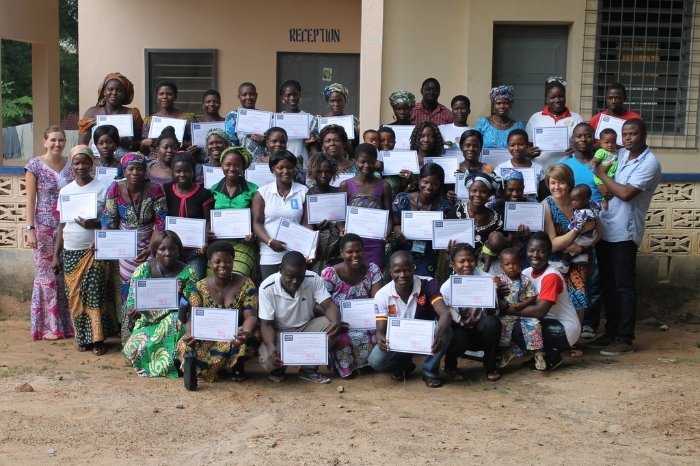
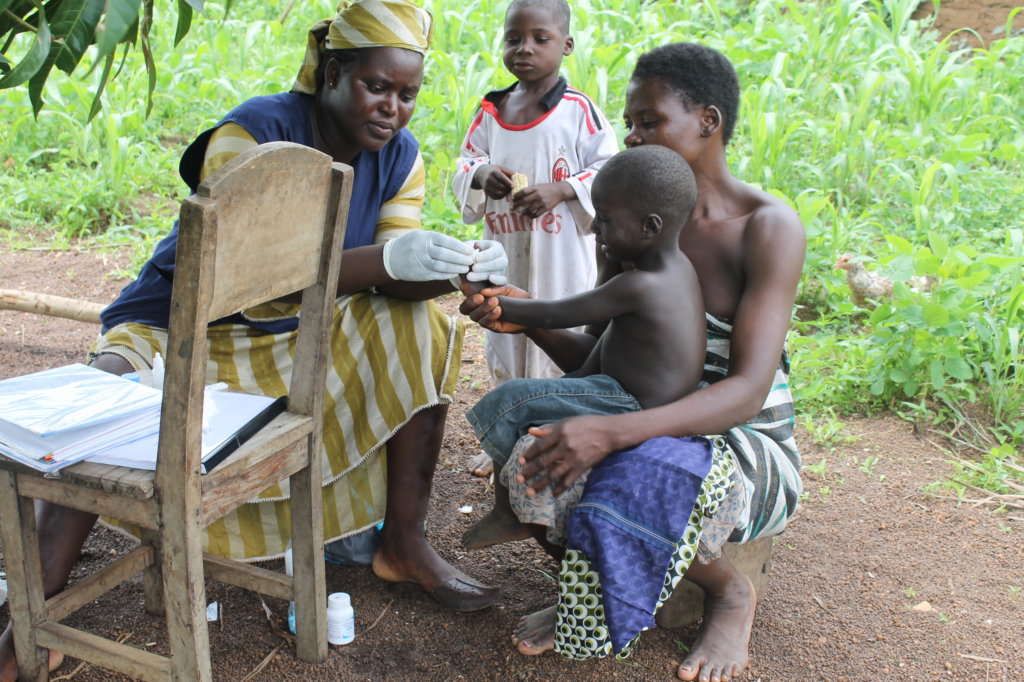
IH trained 430 Community Health Workers (CHWs) on the national vaccination calendar and on identifying zero-dose and lost-to-follow-up children. Additionally, 459 community leaders were mobilized to support outreach. Together, they educated 5,934 people, mostly women, on the importance of vaccinations. CHWs also helped vaccinate pregnant women, another critical group requiring timely vaccinations. CHWs identified and referred 5,402 children and pregnant women to health centers, including 3,948 under-vaccinated children, 443 zero-dose children, and . By the project's end, 4,297 of the identified 4,391 zero-dose and under-vaccinated children were caught up on their vaccines (97% vaccination coverage rate).
As the project transitions to MOH ownership, IH will continue to support the MOH as needed with what comes next. For example, during the project, IH built training materials, data tools, and a case database and provided for CHWs to access the tools. These materials are now being managed and maintained by the MOH,by both regional and district teams in order to continue to support the country's vaccination efforts going forward. IH is motivated by the MOH’s ability to own this work and continue improving vaccination access for the country's most vulnerable populations.
Togo Highlights
Success
Building on their ongoing CHW reform pilot, Togo's MOH is now launching another model for strengthening quality of primary healthcare delivery: clinical mentors. The government is piloting this new cadre of workers in the Anié district with IH’s support and inspired by the impact of IH clinical mentors across the Kara region.
In May, IH trained seven midwives to serve as clinical mentors, and they are now active across the district. At the Colo Copé health center, for example, clinical mentor Kossiwa coaches Bakato, a junior midwife, on everything from delivering babies safely to counseling patients on family planning. "We share our knowledge, our techniques, but also our life experiences," Kossiwa said.
Togo's government and IH share the same goal behind this work: bringing comprehensive, high-quality care closer to communities to help save mothers', newborns', and children’s lives. To help the government optimize program delivery, in the year ahead IH will compare data from IH clinical mentors and government clinical mentor programs, sharing learnings and recommendations.
Road to National Scale-up: Kara's Ultrasound Model
Since May 2022, IH has partnered with Kara regional MOH to bring obstetric ultrasounds to rural areas by training midwives to perform ultrasounds themselves, across all seven health districts of the Kara region. Four years in, the model has delivered 37,769 free ultrasounds, trained 69 midwives, and deployed 31 portable ultrasound machines. The effects extend beyond ultrasounds: prenatal care attendance in Kara rose 11 percentage points, against an increase of just 1 point in comparison regions, and in the Kéran district, deliveries assisted by a skilled birth attendant rose from 87% to 99%, above the 90% SDG target.
In June 2026, Kara’s Regional MOH and IH convened roughly thirty people from across the health system, including district health teams from all seven districts, midwives, radiologists, and gynecologists from Togo's university hospitals, and faculty from the Universities of Lomé and Kara for a two-day workshop. Together, they produced three tools meant to carry this model beyond Kara: 1) a practical guide standardizing how midwives are trained in emergency obstetric care and first-level ultrasound, 2) a supervision checklist the MOH can fold into its own routine monitoring, and 3) a document capturing four years of lessons learned and recommendations for scaling up.
By 2028, IH aims to: 1) transition the financial ownership and supervision of this work to Kara’s regional MOH, and 2) work with the national MOH to formally authorize task-shifting of ultrasounds to midwives nationwide.
Challenge
Improving Quality of Obstetric and Newborn Care
Pregnant women in IH-supported sites are reliably giving birth at health centers; facility-based delivery coverage was 96% in FY26. However, beyond coverage, IH also cares deeply about the quality of obstetric and newborn care women and their babies receive. This quarter, the MOH and IH’s 51% in the Kara region, well under the 85% target. In other words, women are reaching health facilities, but the has room to improve. Closing that gap is a key priority in FY27. This quarter, IH is analyzing its verbal autopsy data to better pinpoint key areas for improvement and will use this data along with the quality-of-care score to design a quality improvement initiative.
Guinea Highlights
Douako’s New Room
Guinea has one of the highest maternal mortality rates in West Africa at 550 deaths per 100,000 live births, with neonatal mortality at 32 per 1,000. For women in Douako in Guinea's Kouroussa district, reaching an operating room used to mean a 135-kilometer (84-mile) trip to the district capital and crossing the Niger River by canoe or ferry, which could mean travel times of eight hours or more in the dry season and impassable conditions during rainy season. Earlier this year, during a supervision visit to the Douako health center, IH's Guinea Country Director Aboubacar Diakité witnessed the loss of newborn triplets due to complications that would have been manageable with care, but the distance to care was not.
To meet the needs of Douako’s community, IH joined a co-investment opportunity with the MOH and local community to build a new operating room. Built as an extension of the Douako health center, a doctor now performs C-sections, neonatal resuscitation, and treatment for eclampsia, addressing conditions that are among the leading causes of newborn and maternal death. In April 2026, the new operating room was officially inaugurated with community members,
“This operating room is a great opportunity for Douako. It will save lives and reduce the need for difficult and costly travel for patients... Community of Douako, this operating room is yours now.”
— Mayor of Douako
“Because of the obstetric care now available to women in Douako, I will sleep better at night. I will receive fewer calls in the middle of the night during the rainy season about women who need care but can't get across the river.”
— Dr. Lancinet Kourouma, District Health Director, Kouroussa
Kendeya, IH's in-house digital health application, was piloted in 2025 Kendeya was designed to improve data quality, reduce reporting errors, and support CRs in delivering and tracking community-based health services. The app’s evaluation, completed in March 2026, found reduced data entry errors, increased efficiency from less paper-based reporting, improved decision-making, and more time with patients. On that basis, IH plans to scale up Kendeya in the Kankan region. As of June 2026, approximately
IH is pleased to share that Kendeya has been included in Guinea's National Community Health Strategy (2026–2030) for national scale-up. At a Kankan regional technical health committee meeting, Guinea's National Directorate of Community Health presented the new strategy with Kendeya’s inclusion. This level of ownership from the national Directorate strengthens the case for formal policy validation by the MOH, which would designate Kendeya as the country's official community health . IH is performing a needs assessment and scoping the resources, infrastructure, and expertise needed to effectively scale the app. IH recognizes that a national rollout of a community health app is a multi-step effort and is approaching Kendeya's expansion carefully rather than rushing to scale.
Challenges
Powering New Maternity Operating Room
Douako's new maternity operating room was officially inaugurated this quarter, a major milestone for a community 135km from the nearest surgical care. IH joined a co-investment effort, contributing one-time funding for construction and equipment as well as an ambulance to carry patients referred from surrounding health centers. Newly trained staff, including a surgeon and an anesthesiologist, were transferred from Conakry to Douako, with their salaries fully covered by the government on an ongoing basis. The community committed to purchase the generator that will keep equipment running reliably even when the electricity is down, along with covering its annual upkeep going forward. IH is now coordinating with the community to follow through on that commitment, targeting September 30, 2026, to have the generator installed and the operating room open for its first surgeries. Looking ahead, roughly 300 C-sections per year are expected, serving close to 200,000 people across five rural communes that previously had no access to surgical care.
Organizational Highlights (Global):
Opening a Regional Hub Office in Dakar, Senegal:
We're excited to share that IH is expanding into a bold new chapter: the Board has approved the opening of a regional hub office in Dakar, Senegal, a major milestone that delivers on our five-year strategic plan's ambition to reach a third country by 2028 and strengthen health systems across the region. Being present in Dakar will enable us to strengthen relationships with strategic partners, further solidify our center of gravity in Francophone West Africa, and set us up to reach more patients in new countries. Beyond this administrative expansion, IH is actively exploring how we could work in partnership with the Senegal MOH to bring high-quality primary care to underserved Senegalese communities.
Skoll World Forum 2026
With support from the Godley Family Foundation and Wagner Foundation, IH hosted a roundtable breakfast during this year's Skoll World Forum in Oxford, England, to introduce its new leadership to a group of 20 partners. CEO Emily Bensen and Managing Director Dieynaba Thiam-Ka shared IH's emerging vision for its next strategic period, speaking candidly about the challenges the organization faces alongside new opportunities for impact. In addition, Senior Director of Partnership Melanie Joiner addressed how IH is structuring funding partnerships to support future expansions in Francophone West Africa.
Community Spotlight: The scan that saved her life.
A handful of chicks peck eagerly at scattered kernels of corn in the family courtyard. Standing nearby with a bowl in her hands, Mangani Tiborwa feeds them patiently. It is hard to imagine that just a few months ago, this mother of two dealt with an unexpected health crisis.
Tiborwa lives in Kabou-Sara, a village in the Basser district, where memories of her third pregnancy remain vivid.
"During my first two pregnancies, ultrasounds were not available here. We had to travel all the way to Bassar city, and the service was not free," she recalls.
When Tiborwa became pregnant with her third child at the end of 2025, she began attending routine antenatal care visits at the Kabou-Sara health center. Thanks to the free maternal healthcare services supported by IH, she was able to complete her regular checkups. However, despite the midwife's recommendation, she could not afford her first-trimester ultrasound.
One day, a CHW supported by IH visited her home with encouraging news. A team of trained midwives would soon be offering free obstetric ultrasounds at the health center as part of the Primary Obstetric Ultrasound in Rural Areas initiative. Tiborwa seized the opportunity. But as the midwife examined the ultrasound screen, the atmosphere changed.
"She told me that my pregnancy had stopped developing and that my baby had died. It was very difficult to accept."
The ultrasound revealed a miscarriage. After receiving psychological support from her midwife, Tiborwa was immediately referred to Bassar District Hospital, where the diagnosis was confirmed. The medical team provided the care she urgently needed before life-threatening complications could develop.
Today, although the pain of losing her baby remains, Tiborwa is grateful that the condition was detected in time.
"I thank the health workers and IH. Without this free ultrasound, my condition would not have been detected early. I probably would not be alive today."
Her hope now is that every woman in her community will continue to have access to this lifesaving service.
"I hope our health center will one day have a permanent ultrasound machine. Many women still need it. These ultrasounds have truly saved our lives."
Tiborwa's story highlights the importance of bringing obstetric ultrasound services closer to women living in rural communities.
Financial Highlights
This quarter, IH is excited to share that we have been selected as a grantee of the ICONIQ Impact Child Survival Portfolio, a $100 million initiative supporting 18 locally led organizations working to improve child survival across Sub-Saharan Africa and South Asia.
Together, the portfolio's partners are advancing some of the highest-impact interventions in global health, helping ensure that children continue to receive essential nutrition, vaccines, and healthcare during a critical moment for child health worldwide.
Learn more about the Child Survival Initiative here.
Links:
By Emily Bensen | CEO
By Emily Bensen | CEO
Project reports on GlobalGiving are posted directly to globalgiving.org by Project Leaders as they are completed, generally every 3-4 months. To protect the integrity of these documents, GlobalGiving does not alter them; therefore you may find some language or formatting issues.
If you donate to this project or have donated to this project, you can receive an email when this project posts a report. You can also subscribe for reports without donating.



Support this important cause by creating a personalized fundraising page.
Start a Fundraiser