By Sekamana Archimede | Head of Partnership, Strategy & Impact
Report on Fighting Malnutrition in Nyanza
By Archimede Sekamana | Head of Partnership, Strategy & Impact
REPORT (APRIL – JUNE 2026)1. Summary
Malnutrition remains a serious threat to the health, development, and future of vulnerable children in Nyanza District. Building on the activities implemented from January to March 2026, Dufatanye Organization continued combining child nutrition support, Early Childhood Development services, household food production, caregiver training, hygiene promotion, and regular community monitoring.
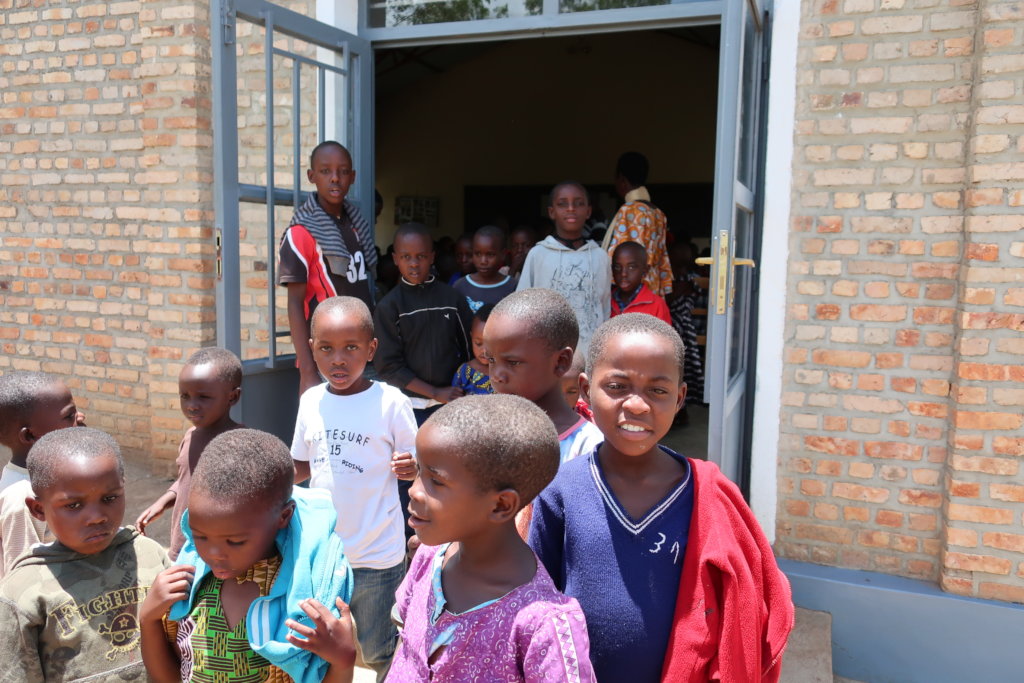
During the April–June 2026 reporting period, the project reached 1,599 children through ECD, nutrition, attendance monitoring, and early learning services. A total of 174 ECD centres across 10 sectors of Nyanza District were monitored, while 35 caregivers received technical training and coordination support.
Nutrition support included the distribution of 195 eggs to 165 vulnerable children, helping improve access to protein-rich foods. The project also conducted household-level nutrition and agricultural follow-up, reaching 217 households in Nyamagana B Village with guidance on kitchen gardens, vegetable production, irrigation, hygiene, banana plantation management, and household self-reliance.
These activities contributed to a more integrated response to malnutrition by addressing children’s immediate dietary needs while strengthening the ability of families and caregivers to provide nutritious food, maintain hygienic environments, and support healthy child development.
2. Nutrition Support and Child Development Services
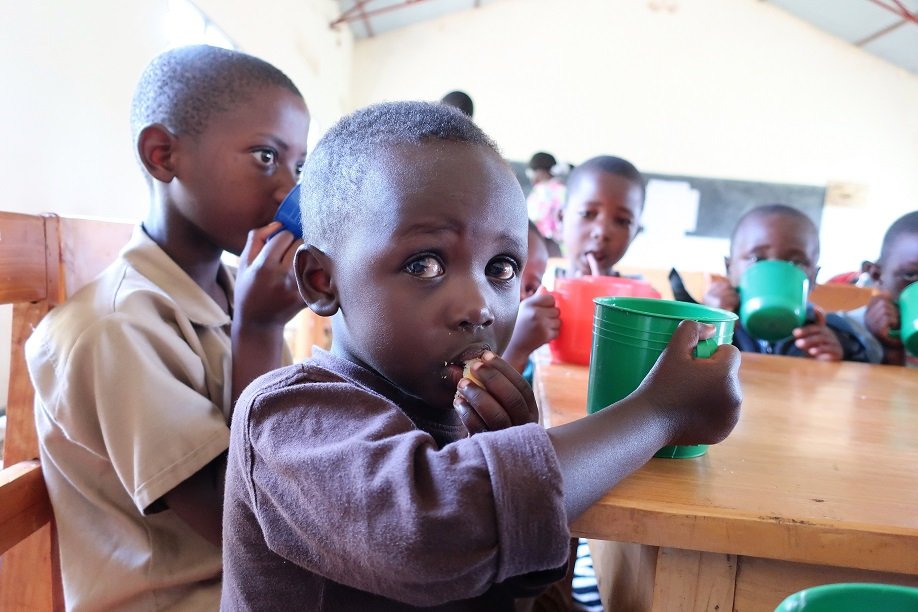
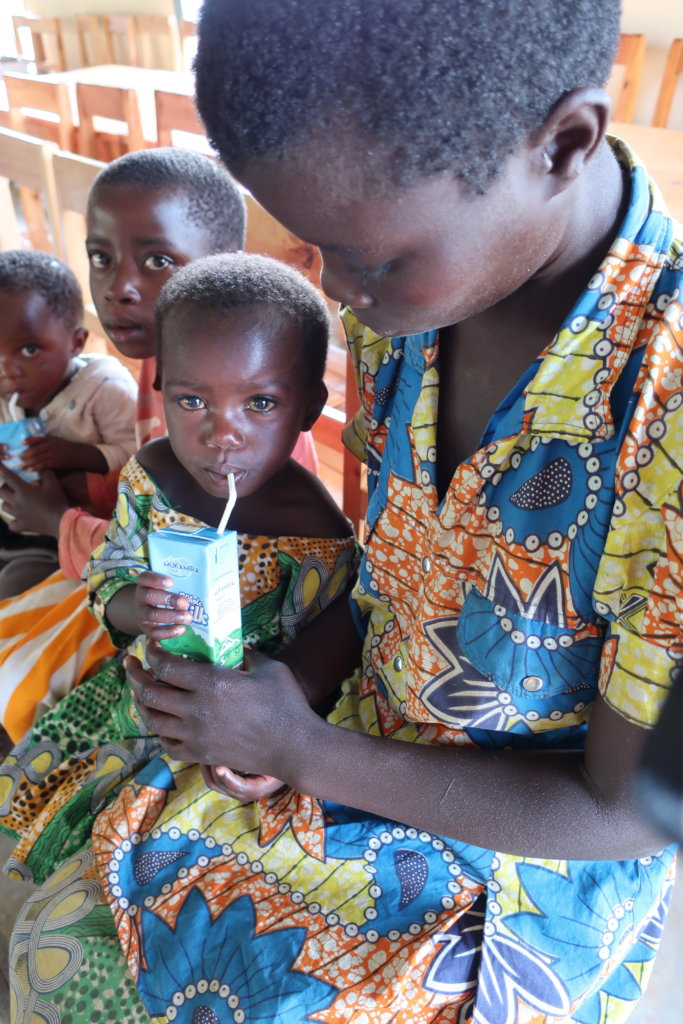
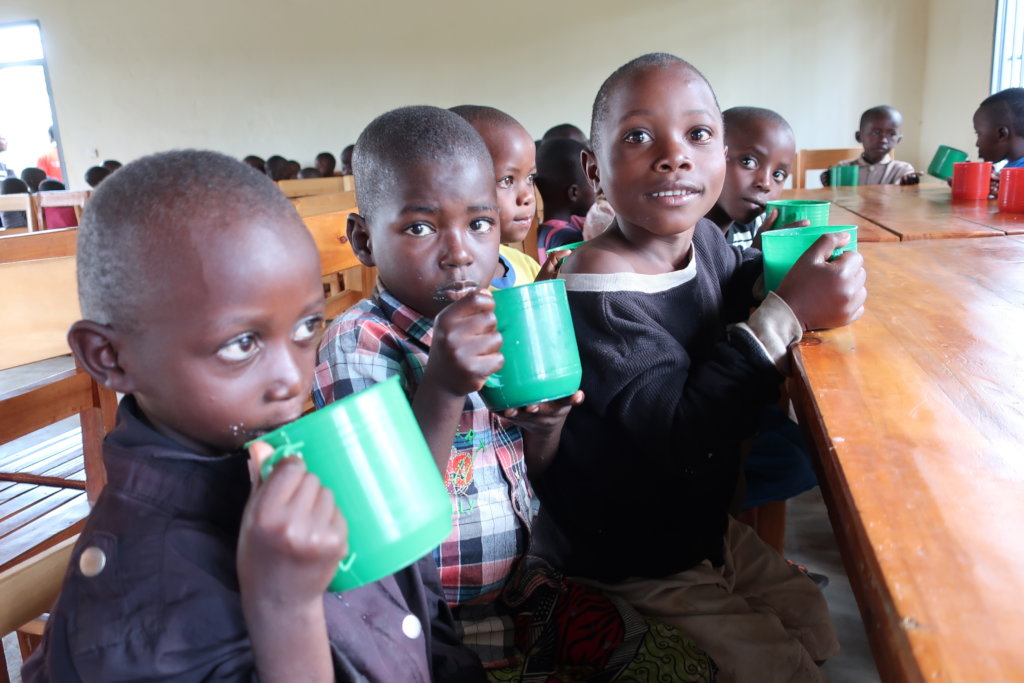
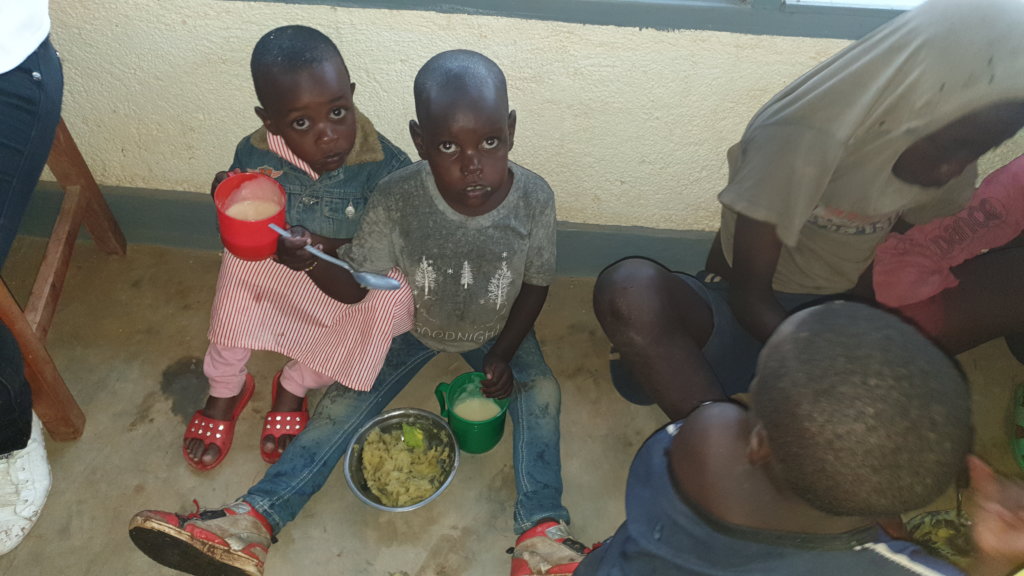
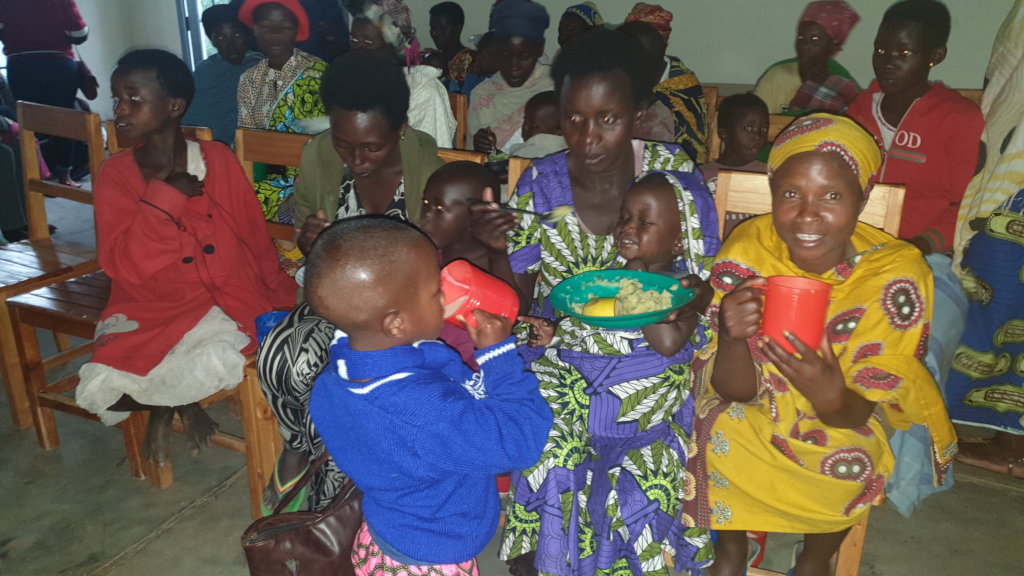
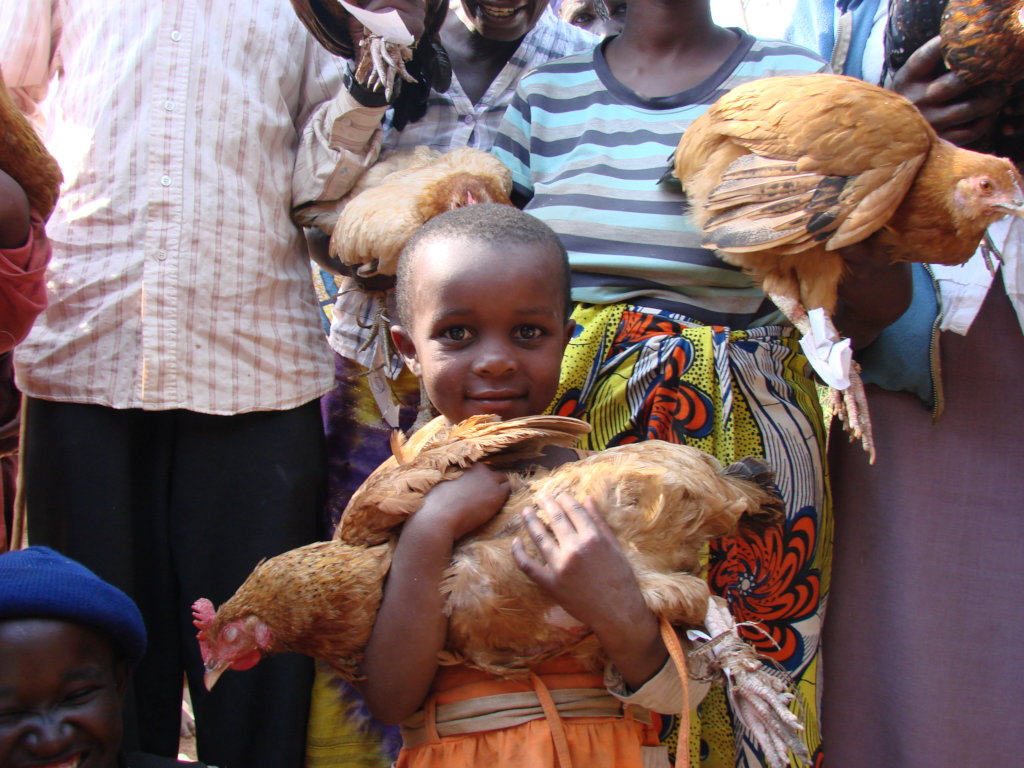
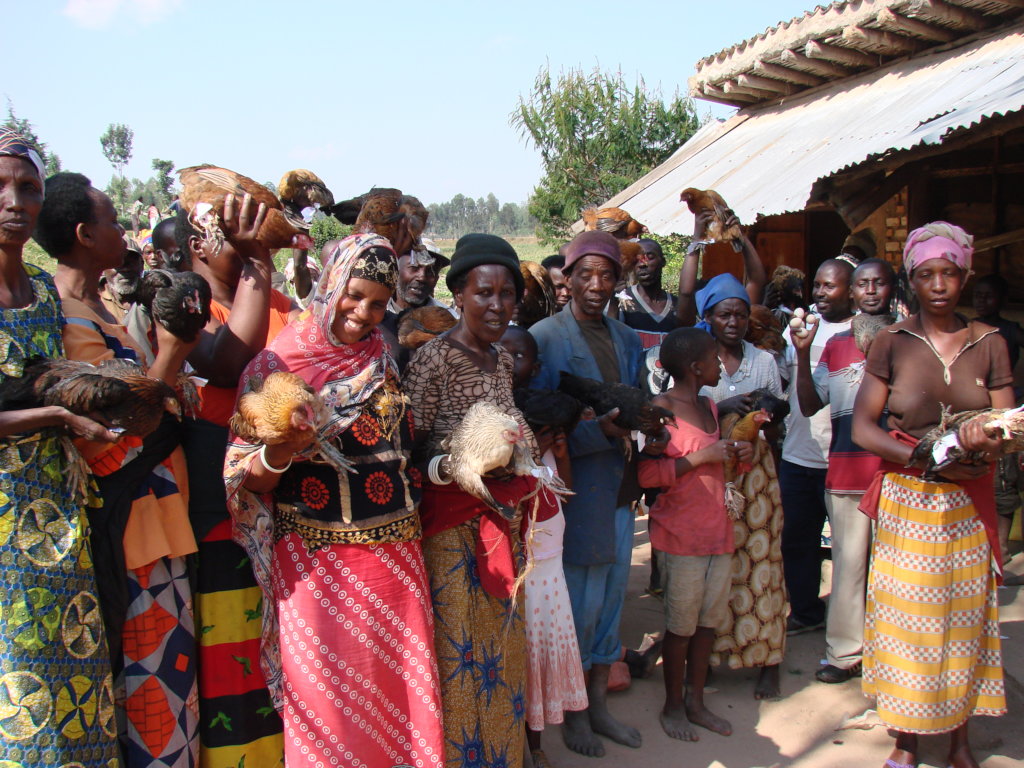
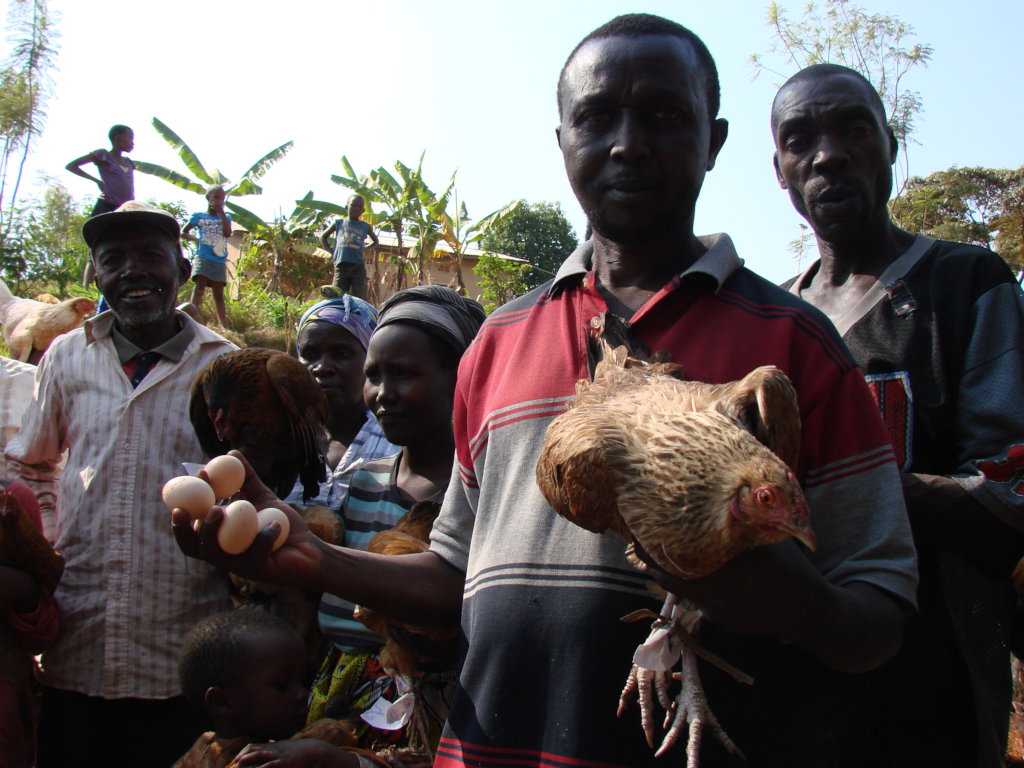
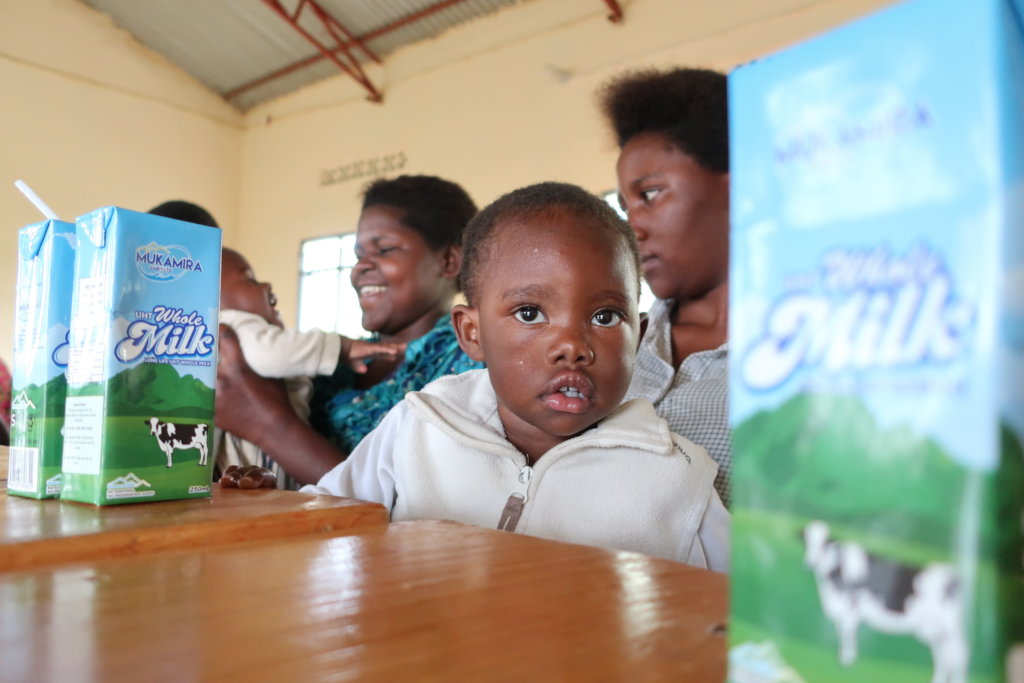
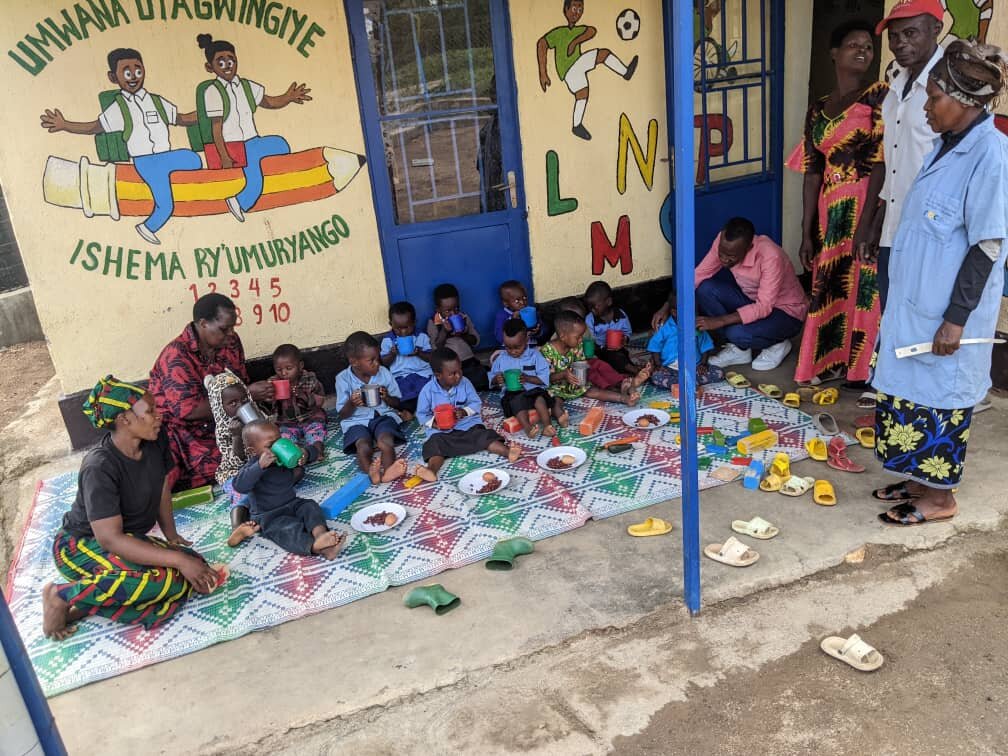
The project continued providing nutrition support through Early Childhood Development centres in Nyanza District. A total of 195 eggs were distributed to 165 children, increasing access to protein-rich foods among vulnerable young children.
The egg distribution complemented other ECD services, including attendance monitoring, early stimulation, child development activities, hygiene promotion, and caregiver support. In total, 1,599 children benefited from integrated ECD and nutrition-related services during the quarter.
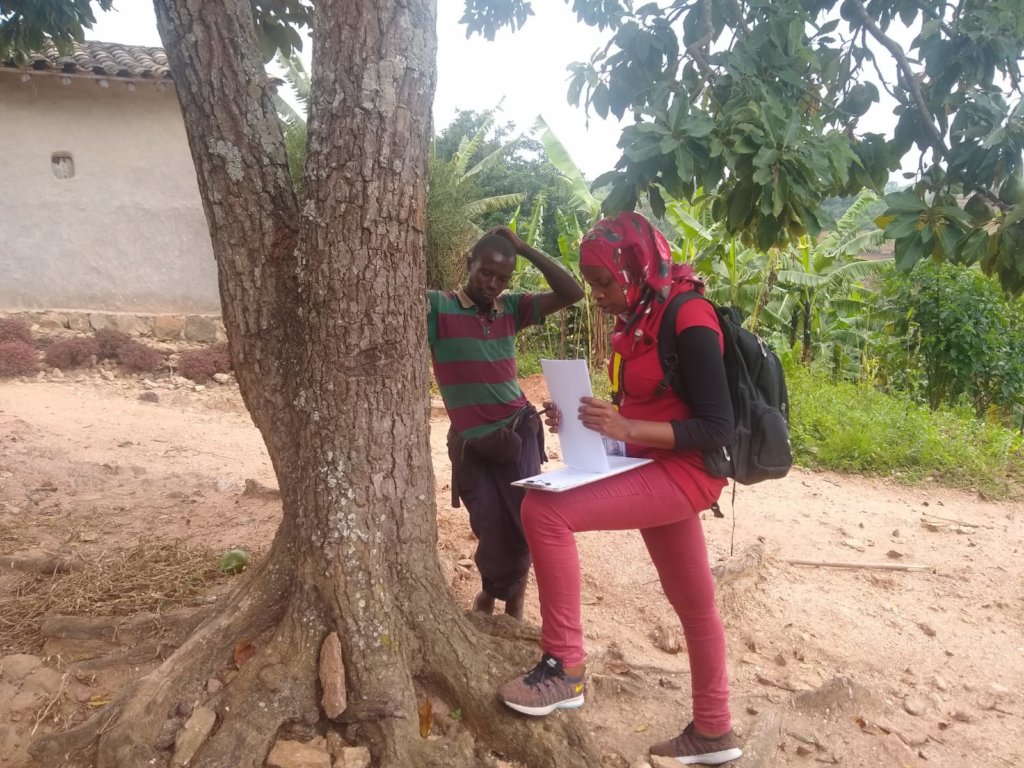
Regular monitoring and supportive supervision were conducted in 174 ECD centres across 10 sectors. Monitoring focused on:
The monitoring findings indicated that more than 80% of the assessed ECD centres were operating effectively and meeting minimum service standards, although infrastructure, sanitation, learning materials, and record-keeping gaps remained in some centres.
The project also reviewed child measurement and growth-monitoring records to strengthen the early identification and follow-up of children at risk of malnutrition. However, the quarterly source documents did not provide a consolidated and verified total for children screened through MUAC during April–June 2026. The project will strengthen this area during the next reporting period to ensure that nutrition outcomes are measured more consistently.
3. Household Food Security and Complementary Activities
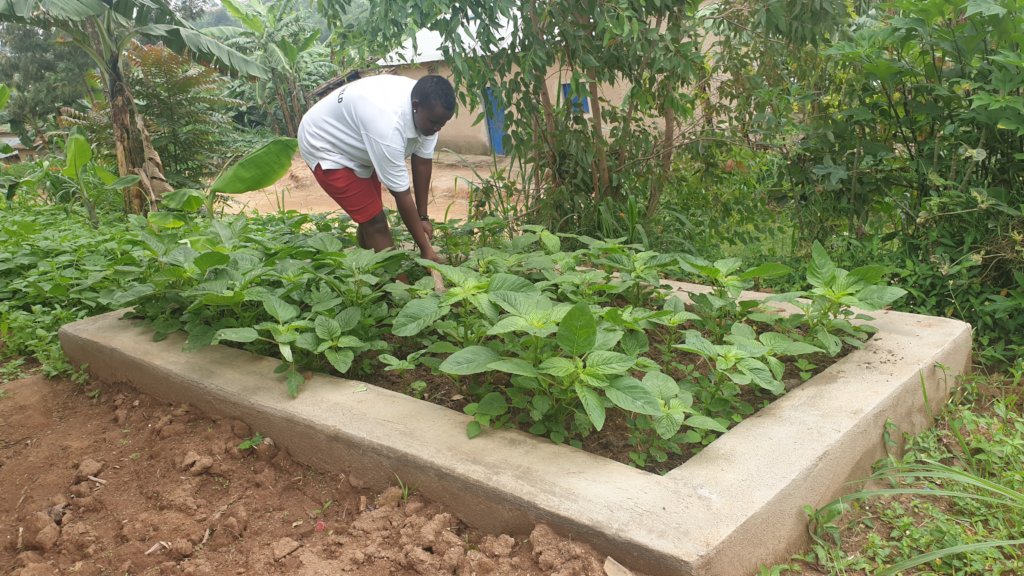
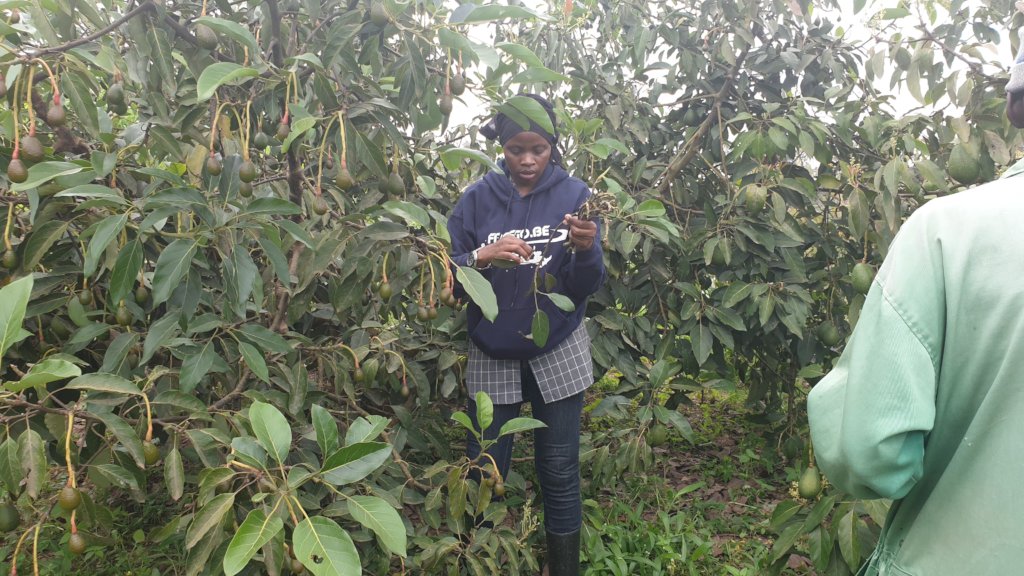
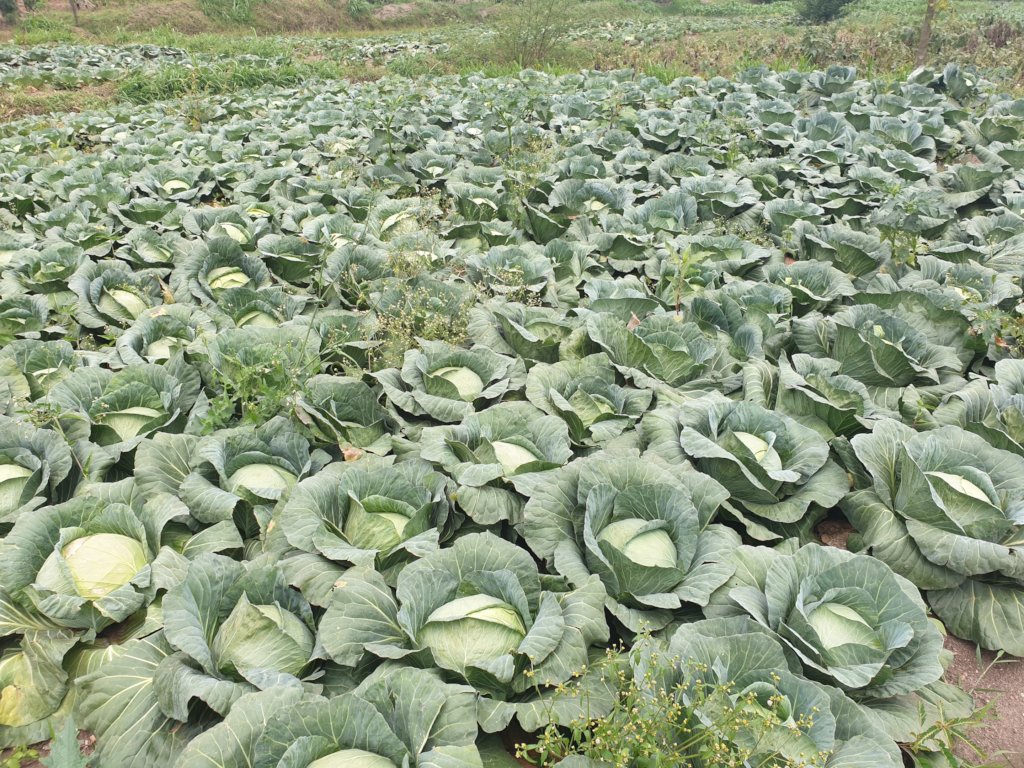
Household food production remained central to the project’s strategy for fighting malnutrition. During the quarter, 217 households in Nyamagana B Village received monitoring visits and technical support related to kitchen gardens and nutrition-sensitive agriculture.
Among the households visited:
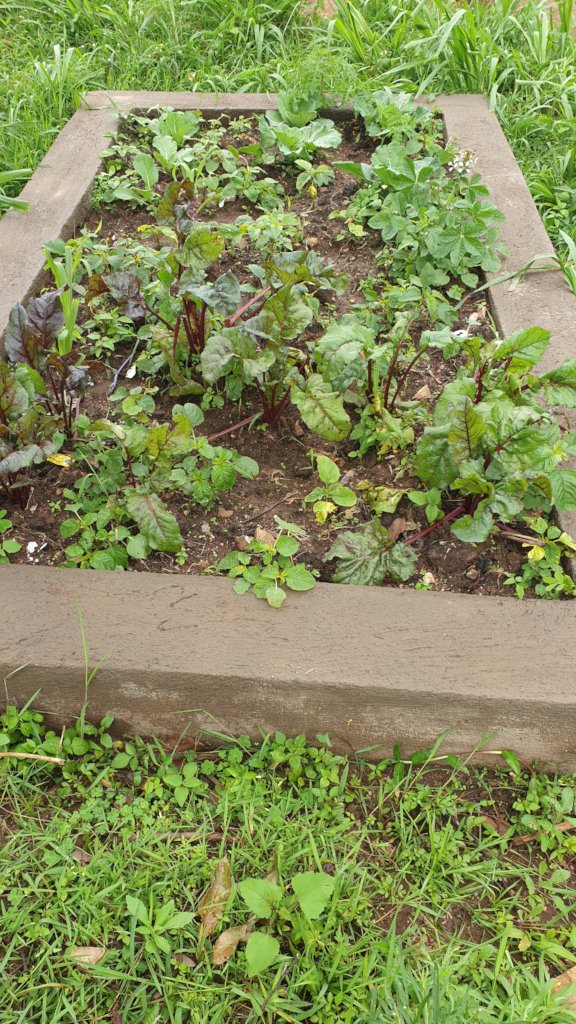
Households received practical guidance on vegetable production, kitchen garden rehabilitation, irrigation, water conservation, compost preparation, hygiene, banana plantation management, and household self-reliance.
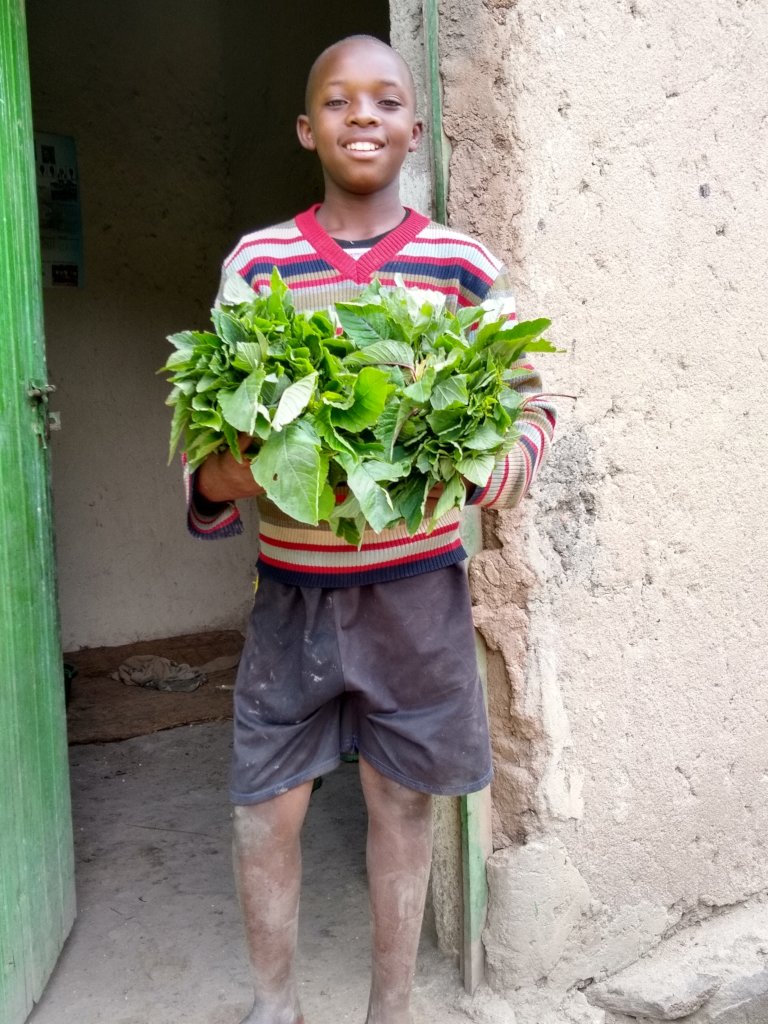
The project promoted the use of kitchen gardens to increase access to vegetables and improve household dietary diversity. Families were encouraged to use locally available resources, organic manure, mulching, and water-conservation practices to maintain food production during periods of limited rainfall.
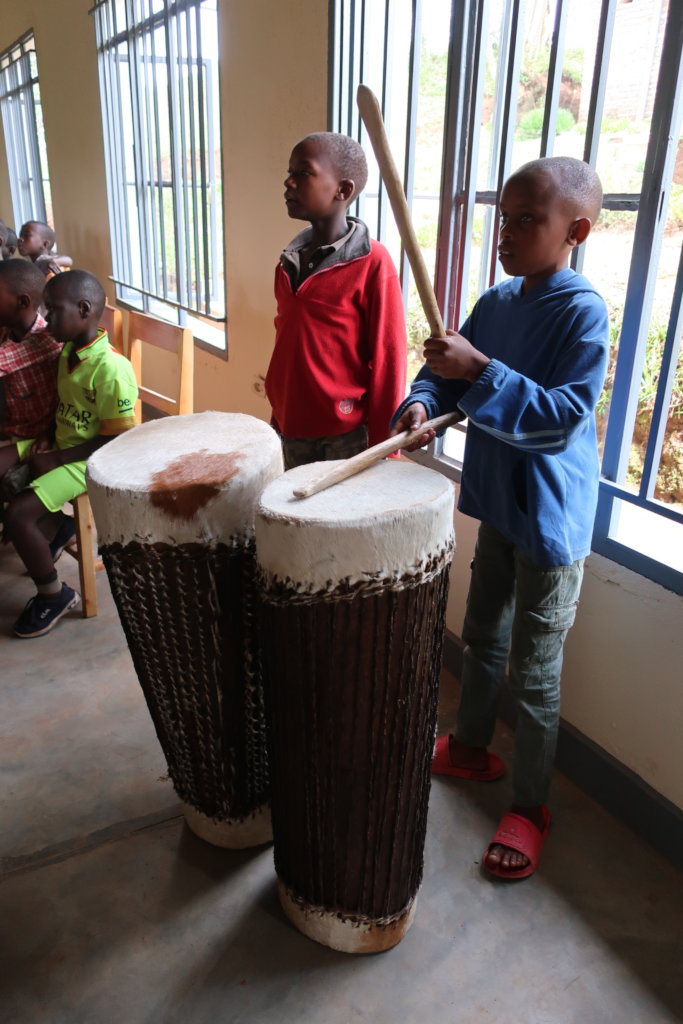
Saturday children’s activities also continued during the quarter. Children participated in agriculture education, savings activities, sports, talent development, and other learning activities that reinforced practical knowledge, responsibility, and positive household practices.
Caregiver capacity building was another important part of the project. A total of 35 caregivers, including 29 women and six men, were trained on:
The training strengthened caregivers’ ability to support children’s nutrition, health, learning, protection, and overall development.
Ten sector-level ECD coordinators were also trained on the Berulo digital reporting platform. This strengthened attendance monitoring, reporting accuracy, and the timely management of ECD information across the district.
4. Impact
The project’s integrated approach is helping households understand that fighting malnutrition requires more than distributing food. Sustainable progress depends on combining nutritious diets, household food production, caregiver knowledge, hygiene, child growth monitoring, and community ownership.
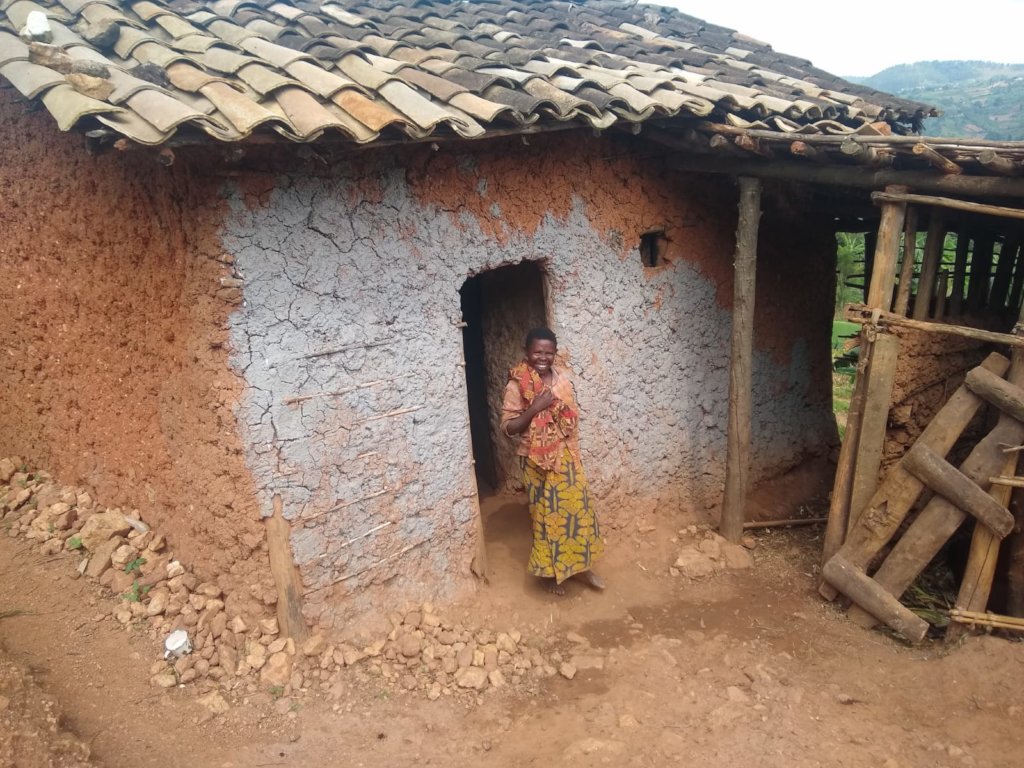
One beneficiary demonstrating this change is Uwimana Yosefa, a 54-year-old widow from Nyamagana B Village, who lives with her two children and two grandchildren.
Before joining Dufatanye Organization’s activities, her household struggled to afford basic necessities and adequate food. She depended on casual labour and had limited knowledge of nutrition, saving, and kitchen garden management.
Through project training and continuous household coaching, she learned about good nutrition, household financial management, vegetable production, and the importance of maintaining a productive kitchen garden. The project supported and encouraged her to grow vegetables and bananas.
Today, her kitchen garden provides vegetables for household consumption, while surplus production is sold to generate income. She sells a bundle of vegetables for approximately RWF 300 and uses part of the income to contribute RWF 500 per week to her savings group. Her experience demonstrates how nutrition-sensitive agriculture can simultaneously improve household diets, income, savings, and self-reliance.
The project contributed to:
These results are encouraging, but the project does not yet have sufficient verified anthropometric data to claim that the prevalence of child malnutrition decreased during the quarter. Future reporting will require stronger child-level measurements, including consolidated MUAC and growth-monitoring results.
5. Challenges and Lessons Learned
The project faced several challenges that affected household food production and nutrition activities.
Water shortages reduced vegetable growth and made it difficult for some households to maintain productive kitchen gardens. Families were encouraged to adopt irrigation, mulching, water harvesting, and soil-moisture conservation practices.
Some households lacked sufficient manure and agricultural inputs, reducing soil fertility and vegetable productivity. The project promoted compost preparation and the use of locally available organic materials.
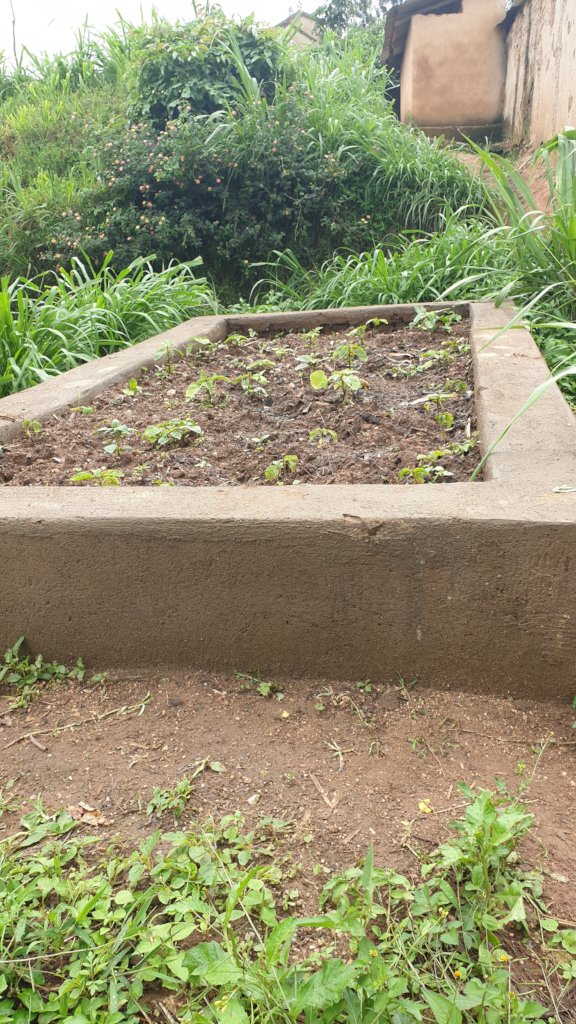
Poor maintenance was observed in some kitchen gardens. A total of 48 households required additional technical guidance and follow-up to rehabilitate or properly maintain their gardens.
A dependency mindset remained among some beneficiaries, limiting household ownership and initiative. Community sensitization therefore emphasized self-reliance, household contribution, and the responsibility of families to maintain project-supported activities.
The quarter generated several important lessons:
6. Next Steps
During the next reporting quarter, the project will focus on:
These actions will help the project move beyond short-term nutrition support toward sustainable, family-led and community-driven solutions to malnutrition in Nyanza District
Project reports on GlobalGiving are posted directly to globalgiving.org by Project Leaders as they are completed, generally every 3-4 months. To protect the integrity of these documents, GlobalGiving does not alter them; therefore you may find some language or formatting issues.
If you donate to this project or have donated to this project, you can receive an email when this project posts a report. You can also subscribe for reports without donating.



Support this important cause by creating a personalized fundraising page.
Start a Fundraiser