By Bill Brower | GlobalGiving Field Program Officer
Bill Brower is a Field Program Officer with GlobalGiving who visited our partners’ projects throughout South and Southeast Asia. On June 14th he visited Aravind clinics, labs and other facilities in Madurai. His “Postcard” from the visit:
“Dr. V.”, the late founder of Aravind, realized great efficiency gains in eye surgeries could be realized by minimizing the time each patient spent with the surgeon. The skills the surgeon has are so highly specialized and valuable that it is wasteful, in a sense, to take up his or her time doing other things. So multiple patients, attending staff and instruments are cycled in and out of the surgery room—allowing Aravind surgeons to do four times as many surgeries annually as their colleagues elsewhere in India. Americans might cringe at this lack of bedside manner, but in the face of an overwhelming need and very limited resources this approach allows many more to be treated, including those who could otherwise not afford it.
Aravind has designed its pricing scheme so that every paying cataract customer supports two free or surgeries for low-income individuals. Those who are able to pay some money are given a subsidized rate. This model is economically self-sufficient; there is even money left over to reinvest in the organization and expansion. Other specialty surgeries are more expensive and this is where outside donations, including those from GlobalGiving, primarily go.
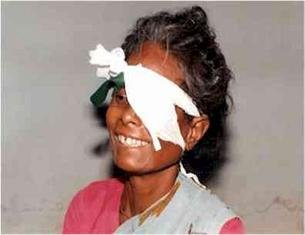
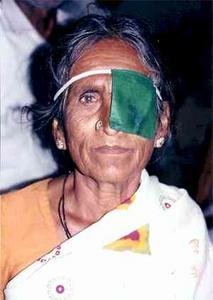
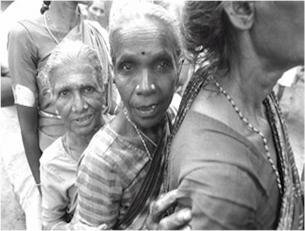
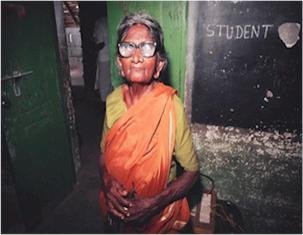
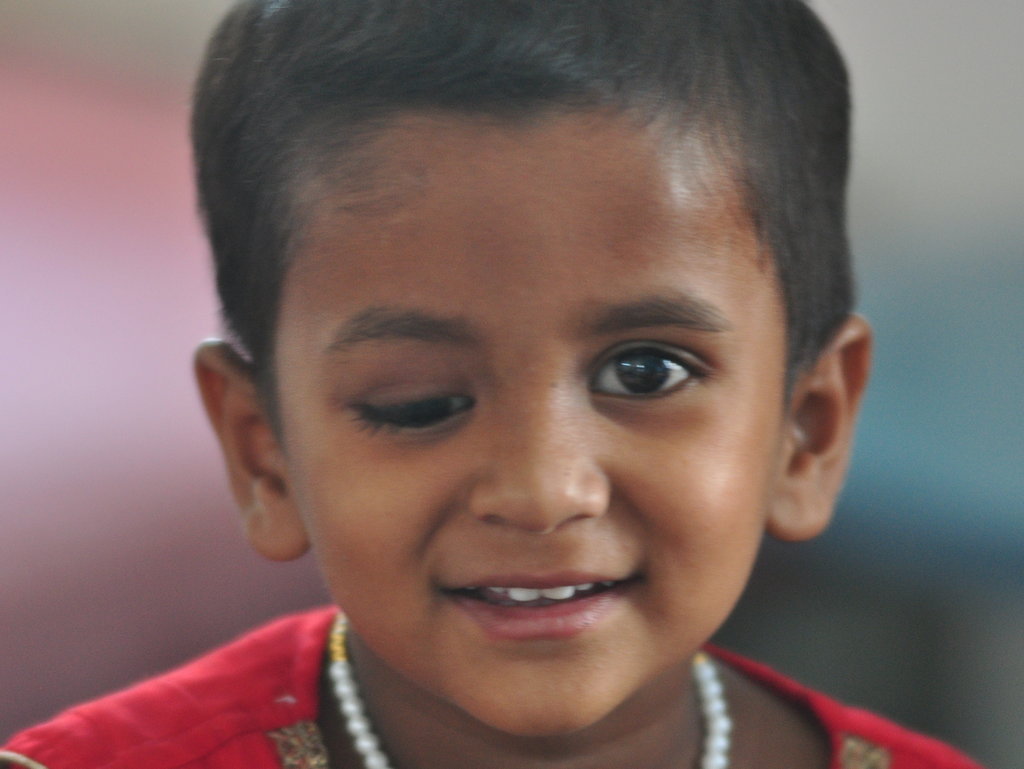
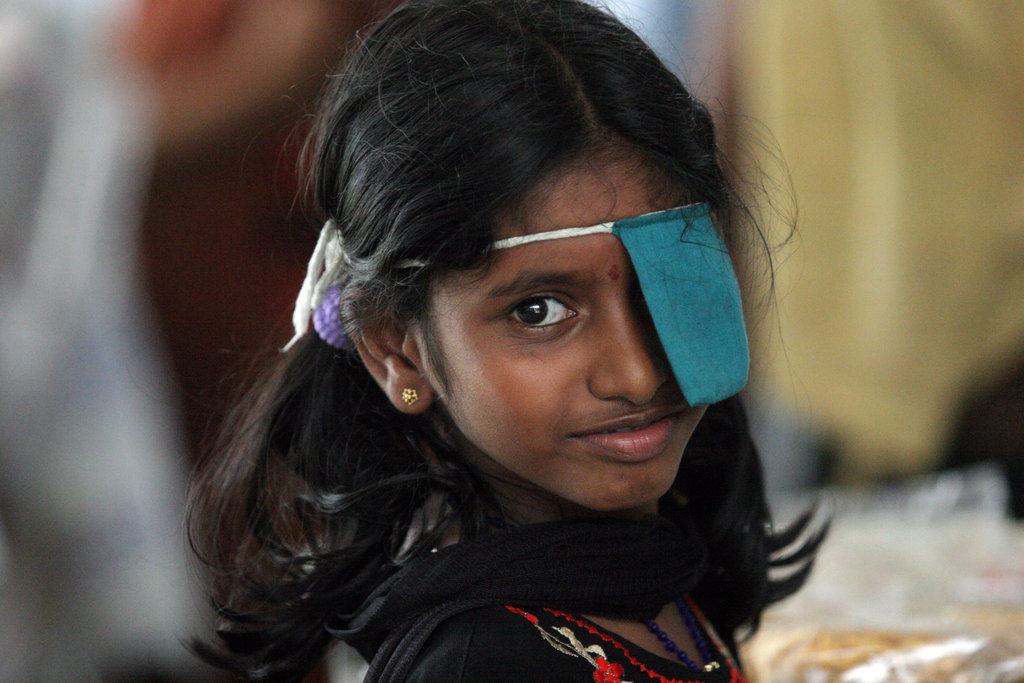
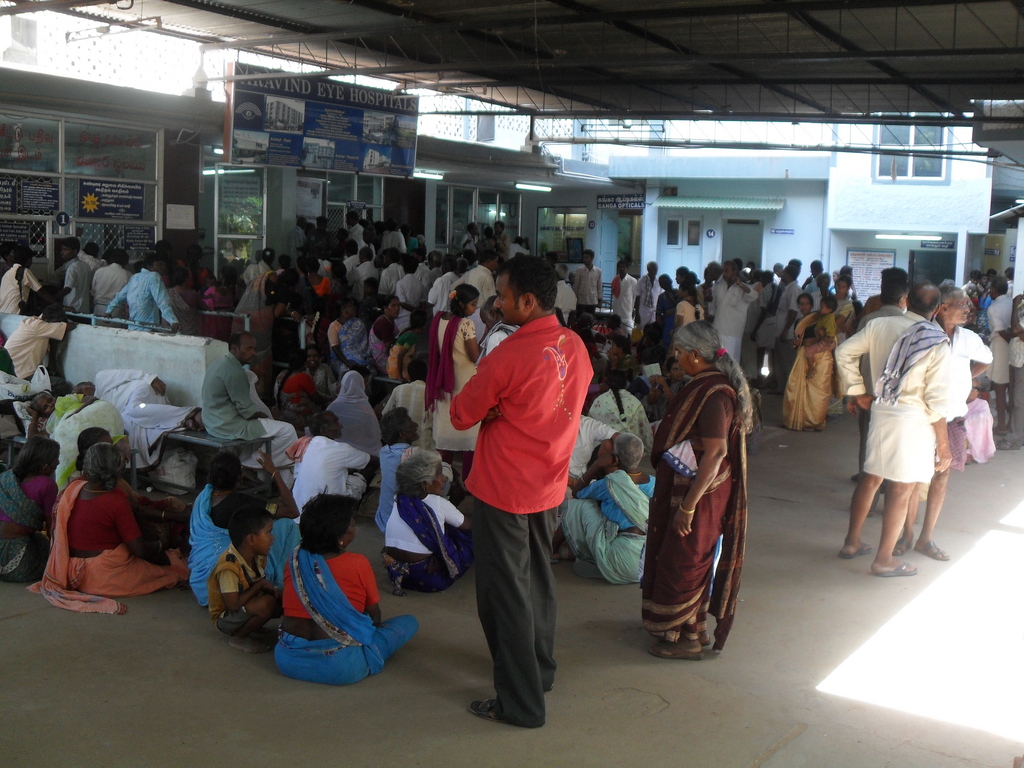
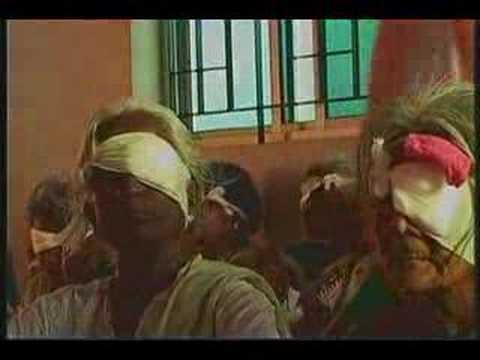
The facility for free patients is a chaotic jumble of humanity (see the attached picture)—a good sign considering they spend $0 on marketing or publicity. There seemed to be an underlying order that was getting people where they needed to be—for a consultation, surgery prep, prescriptions, check-ups. A steady stream of people with bandages over one eye was flowing out of the clinic.
I also saw Aravind’s production facility, Aurolab, where they manufacture their own lenses, sutures, instruments, blades and even pharmaceuticals. This was something I was continuously impressed by: Aravind’s dedication to doing everything in-house. Research, manufacturing, maintenance, trainings, outreach—all is done by Aravind employees. This may be an offshoot of being family-run (most of the management is related); whatever the reason it certainly makes them more self-sufficient.
Several new buildings were going up in the Aravind complex when I was there. If the principles which have guided them thus far continue to permeate the organization while expanding, unnecessary blindness has a potent adversary in southern India. Given that one-third of the world’s blind are in India and life expectancy for them is 2.5 years after going blind, this growth seems to be just what the doctor ordered.
Links:
Project reports on GlobalGiving are posted directly to globalgiving.org by Project Leaders as they are completed, generally every 3-4 months. To protect the integrity of these documents, GlobalGiving does not alter them; therefore you may find some language or formatting issues.
If you donate to this project or have donated to this project, you can receive an email when this project posts a report. You can also subscribe for reports without donating.



Support this important cause by creating a personalized fundraising page.
Start a Fundraiser