The Empowering Young Women Through Skills Training project was implemented to enhance the economic independence and social wellbeing of young girls and women by equipping them with practical vocational skills and providing essential empowerment tools. The project targeted vulnerable young women, particularly those from low-income households, school dropouts, and unemployed youth, with the aim of reducing poverty and promoting sustainable livelihoods.
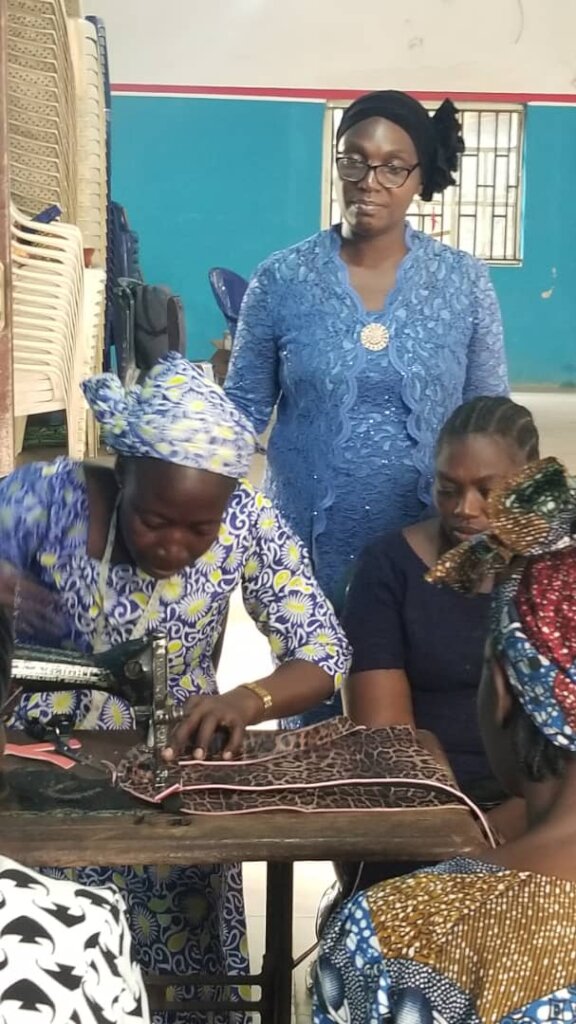
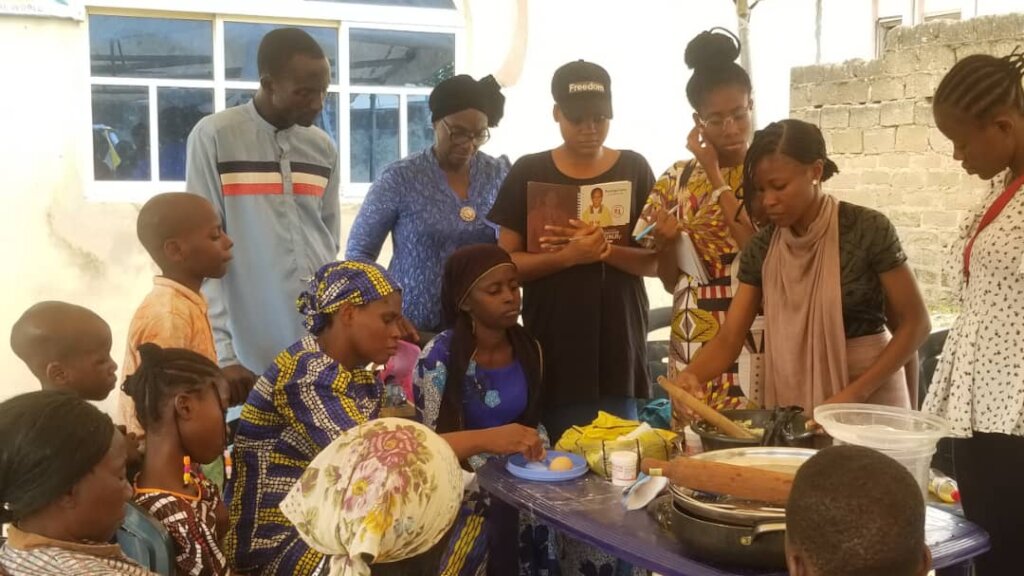
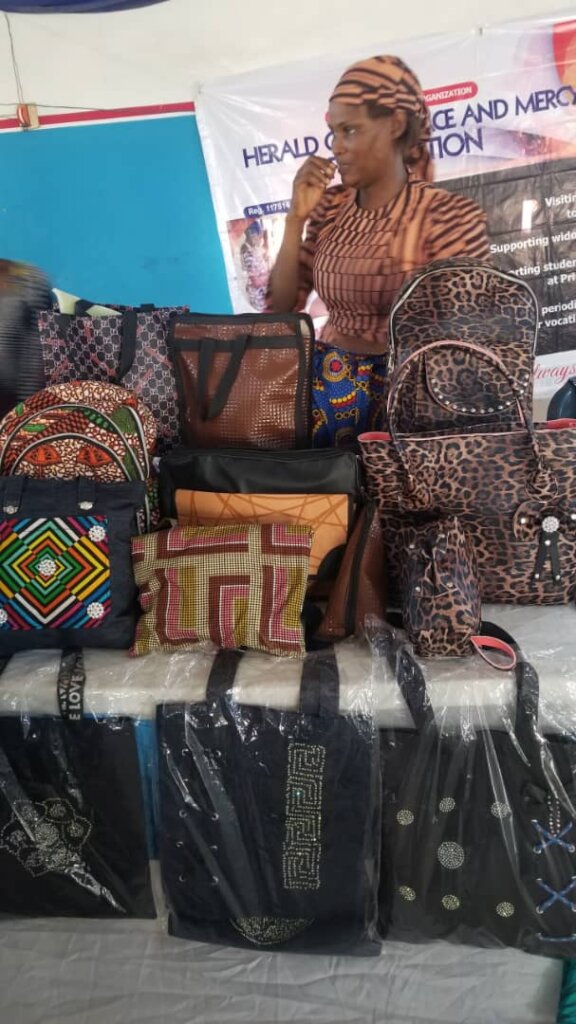
During the project implementation, participants received intensive training in various skill areas, including tailoring, hairdressing, bead making, soap production, and small-scale entrepreneurship. The training sessions combined theoretical knowledge with hands-on practical demonstrations to ensure participants gained confidence and competence in their chosen fields. Professional trainers and facilitators guided the participants, emphasizing quality production, customer relations, and basic business management skills.
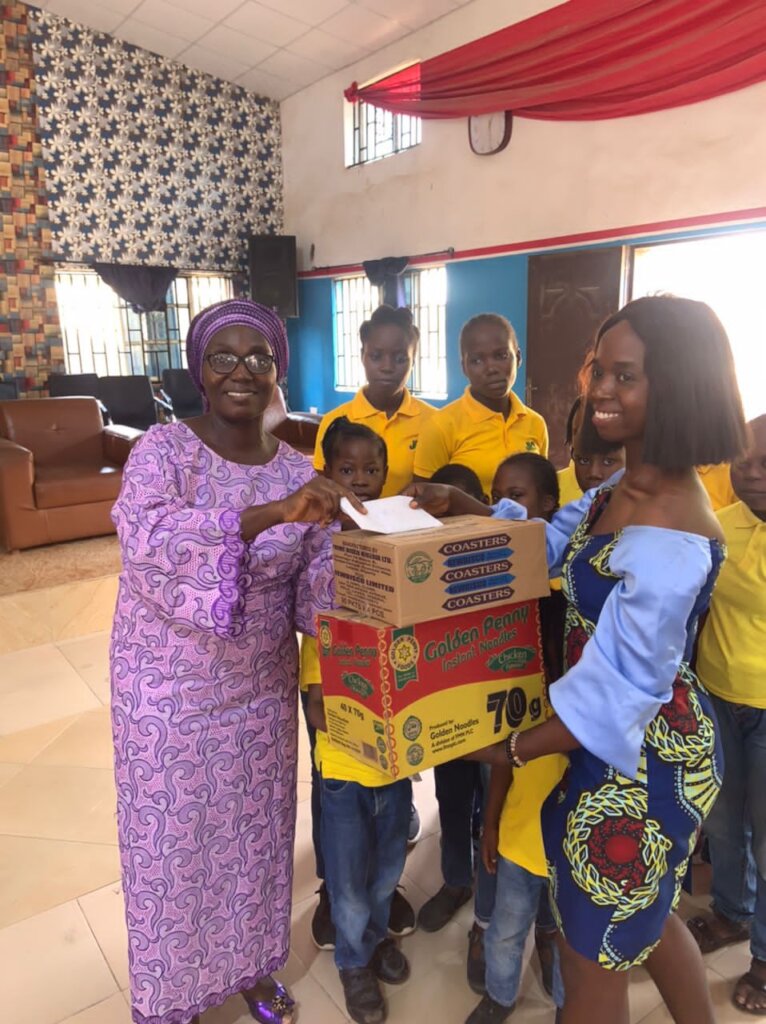
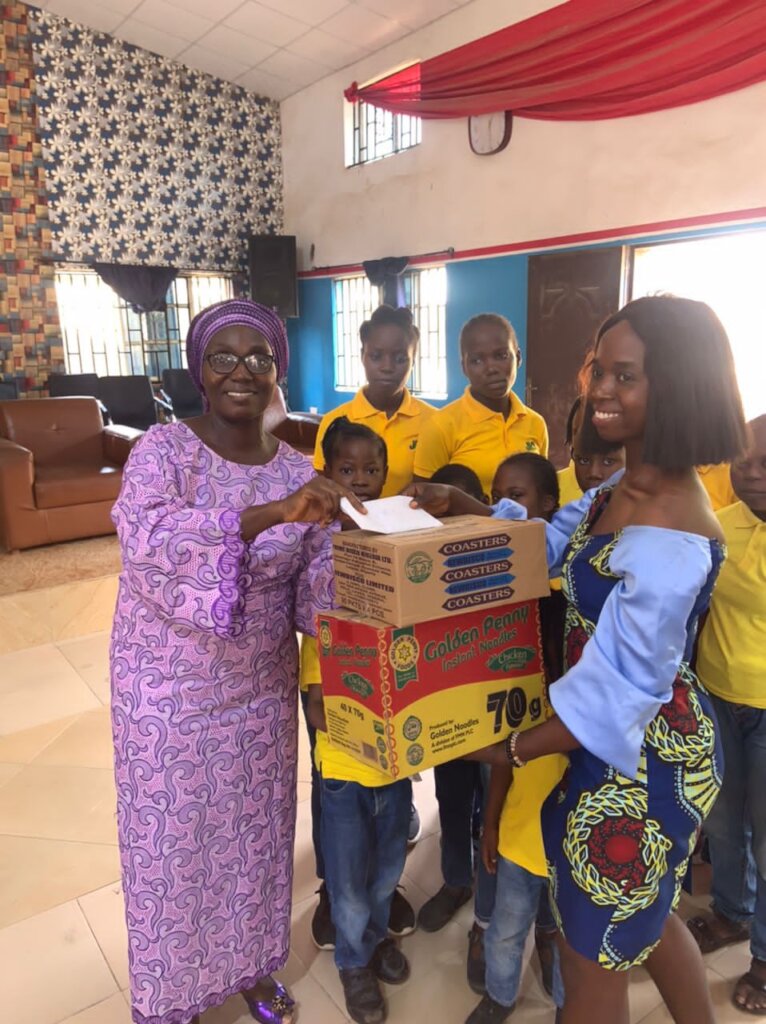
Following the successful completion of the training phase, empowerment tools were distributed to the beneficiaries to support the immediate application of their acquired skills. These tools included sewing machines, hairdressing kits, bead-making materials, soap production equipment, and starter packs for small business operations. The distribution of these tools aimed to eliminate barriers that often prevent young women from starting their businesses due to lack of resources.
The project positively impacted beneficiaries by improving their capacity for income generation, boosting self-esteem, and promoting financial independence. Many participants expressed readiness to establish small enterprises, while others indicated interest in forming cooperative groups to strengthen their market presence.
In conclusion, the project successfully empowered young girls and women by providing them with valuable vocational skills and essential working tools. The initiative contributed to poverty reduction, enhanced community development, and encouraged self-reliance among participants. Continued mentorship and monitoring are recommended to sustain the long-term impact of the project and ensure beneficiaries remain productive and economically stable.