By Sekamana Archimede | Head of Partnership, Strategy & Impact
REPORT (APRIL – JUNE 2026)
Summary
Access to safe, comfortable, and affordable menstrual hygiene products remains a challenge for many girls and women in rural Rwanda. From April to June 2026, Dufatanye Organization continued implementing its eco-friendly sanitary pad initiative through local production, distribution, community participation, and product innovation.
Despite equipment breakdowns, material shortages, and the temporary unavailability of the project tailor, the project maintained production activities and strengthened community ownership through the active participation of volunteers and young people.
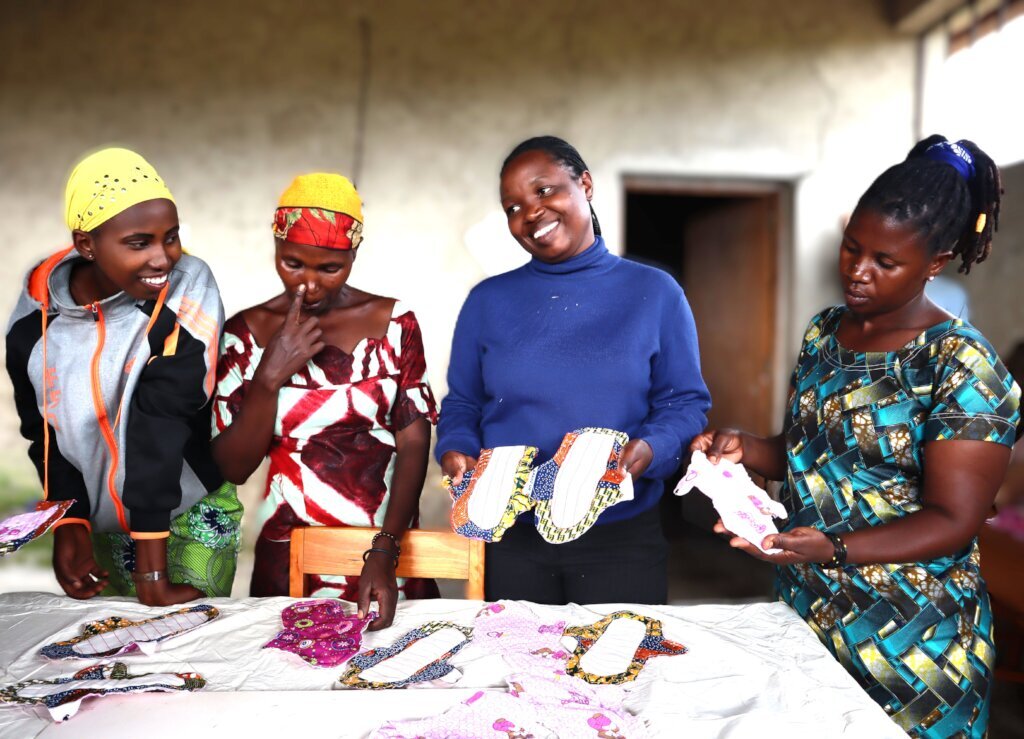
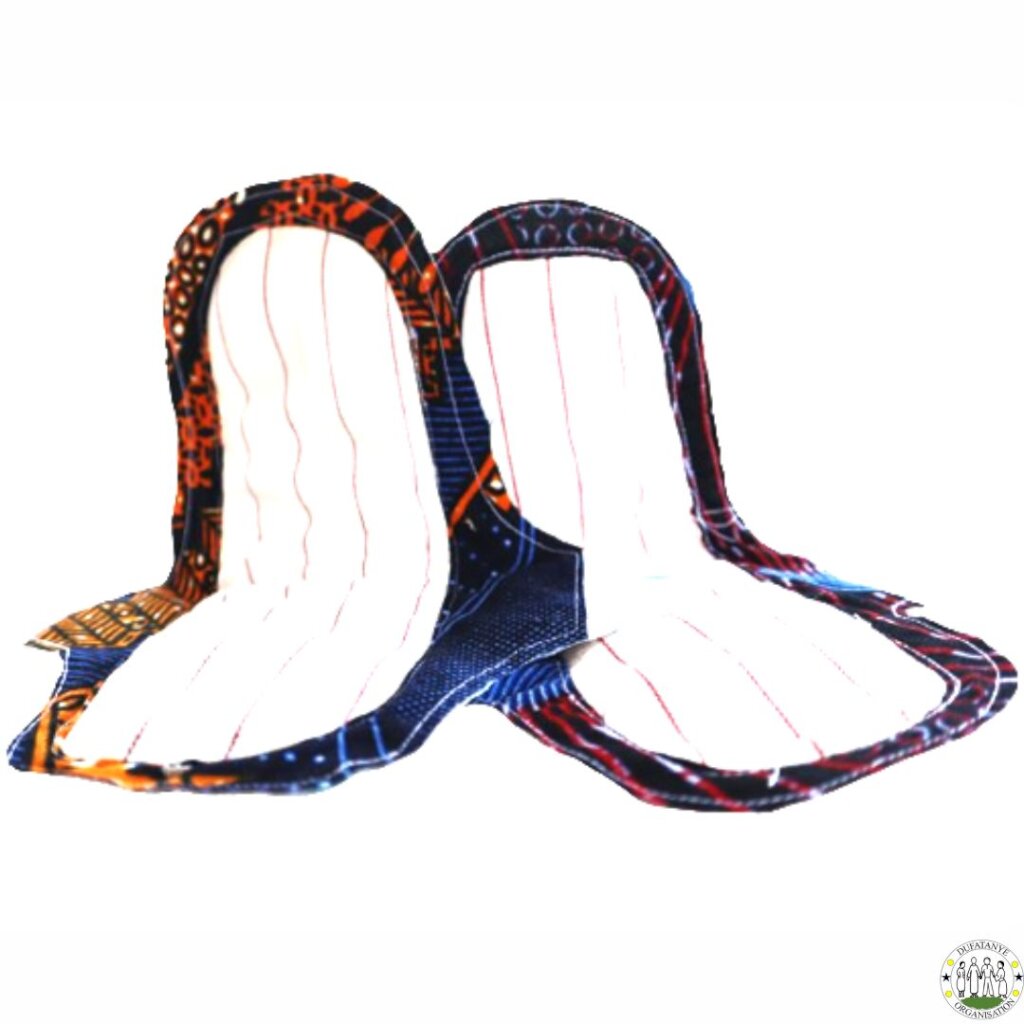
During the quarter, the project produced 168 reusable sanitary pads, prepared 220 absorbent cotton units, and completed 140 waterproof fabric pieces for future pad assembly. A total of 46 packages of reusable sanitary pads were distributed to girls and women, including 40 packages delivered to Muhanga School and six packages distributed within the local community.
Production and Distribution of Reusable Sanitary Pads
Reusable pad production continued throughout the reporting period:
In April, 70 reusable sanitary pads were produced against a target of 100.
In May, 48 reusable sanitary pads were assembled.
In June, an additional 50 reusable sanitary pads were completed.
In total, 168 reusable pads were produced during the quarter.
The project also prepared materials required for continued production. In May, 50 absorbent cotton units were produced, followed by 170 units in June, bringing the quarterly total to 220 absorbent cotton units. In addition, 140 waterproof fabric pieces were cut and prepared in June for future pad assembly.
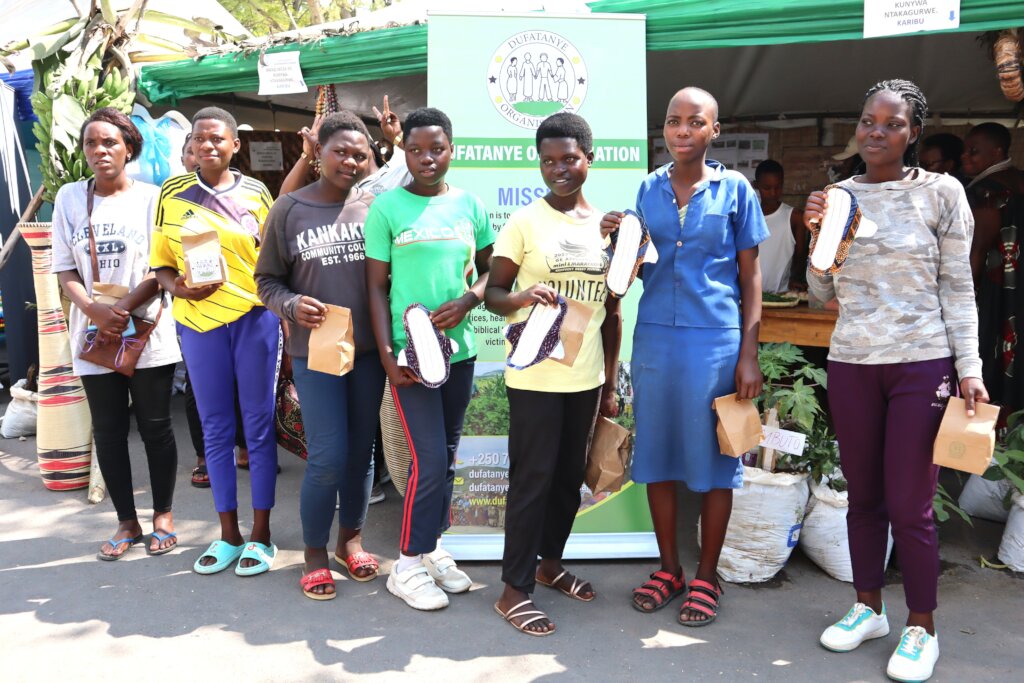
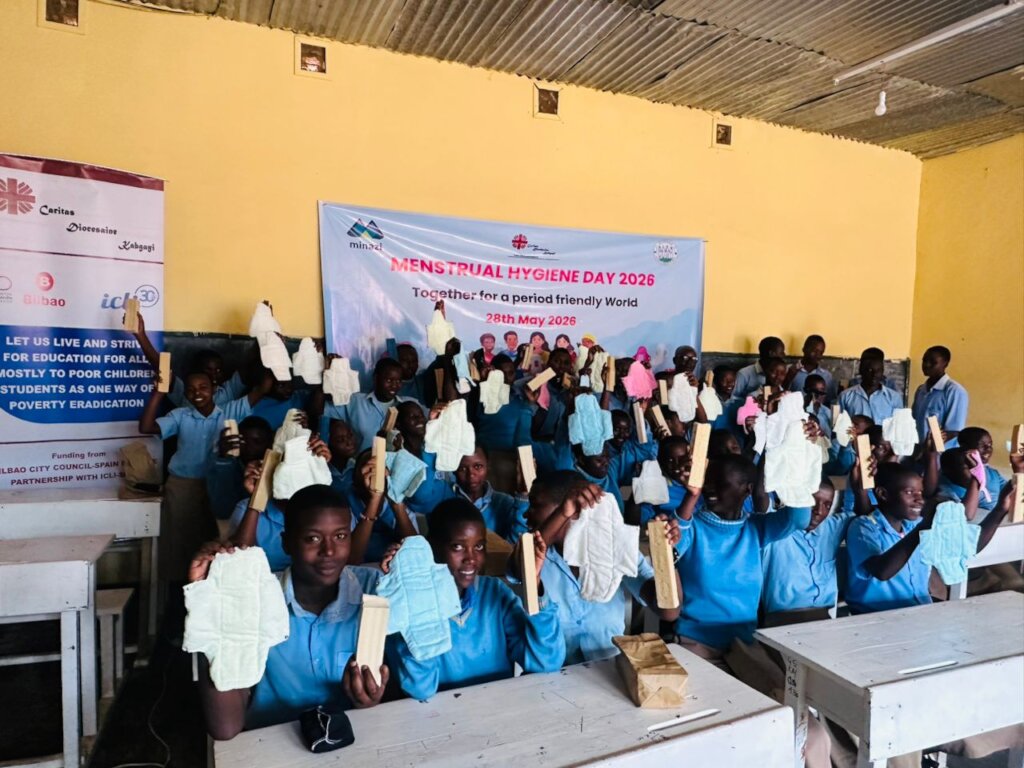
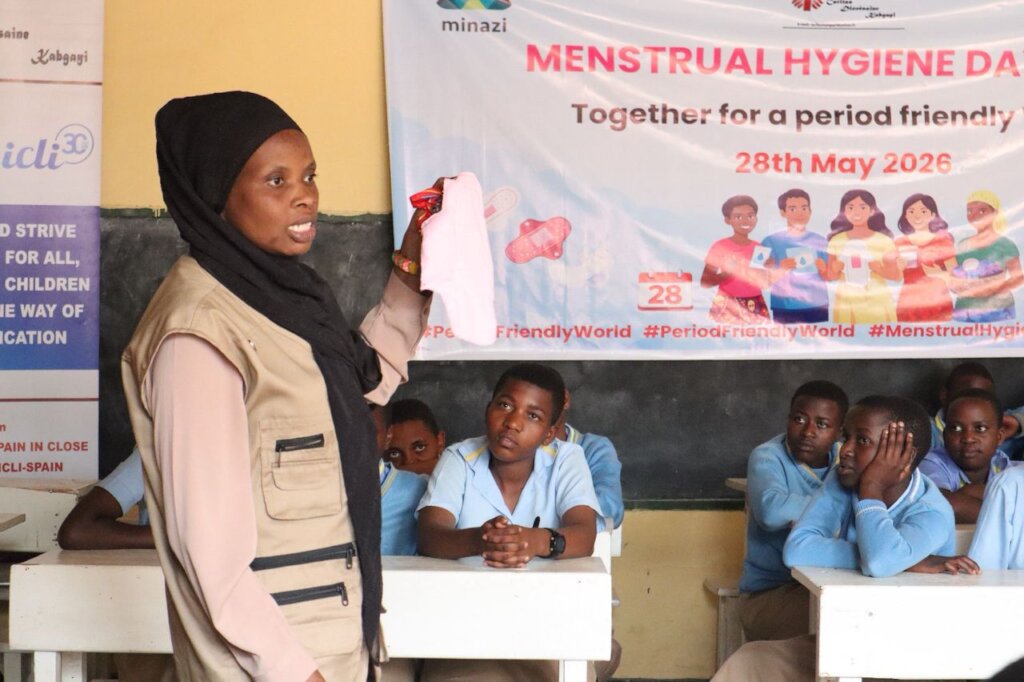
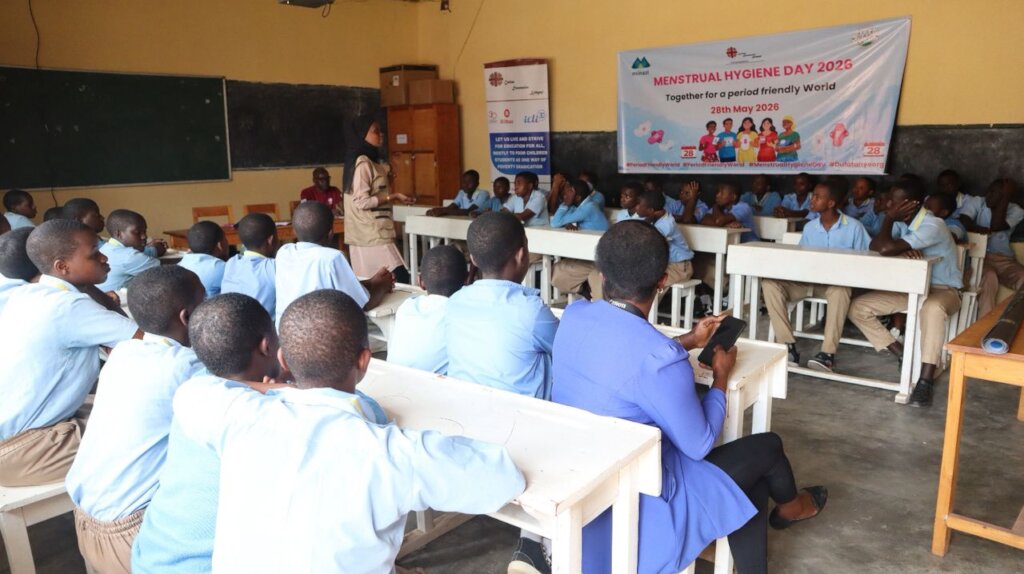
During May, the project distributed 46 packages of reusable sanitary pads. Of these, 40 packages were distributed to girls at Muhanga School, while the remaining six packages were provided to girls and women within the surrounding community.
By producing pads locally and using materials prepared within the community, the project continues to promote an affordable and environmentally responsible menstrual hygiene solution.
Complementary Activities
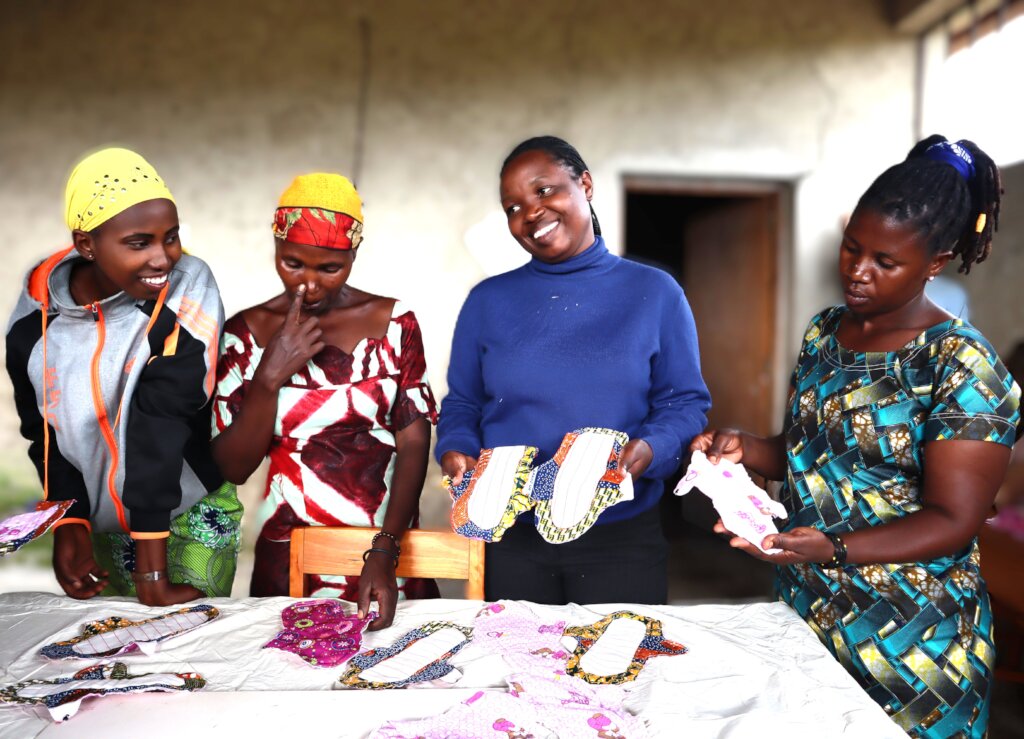
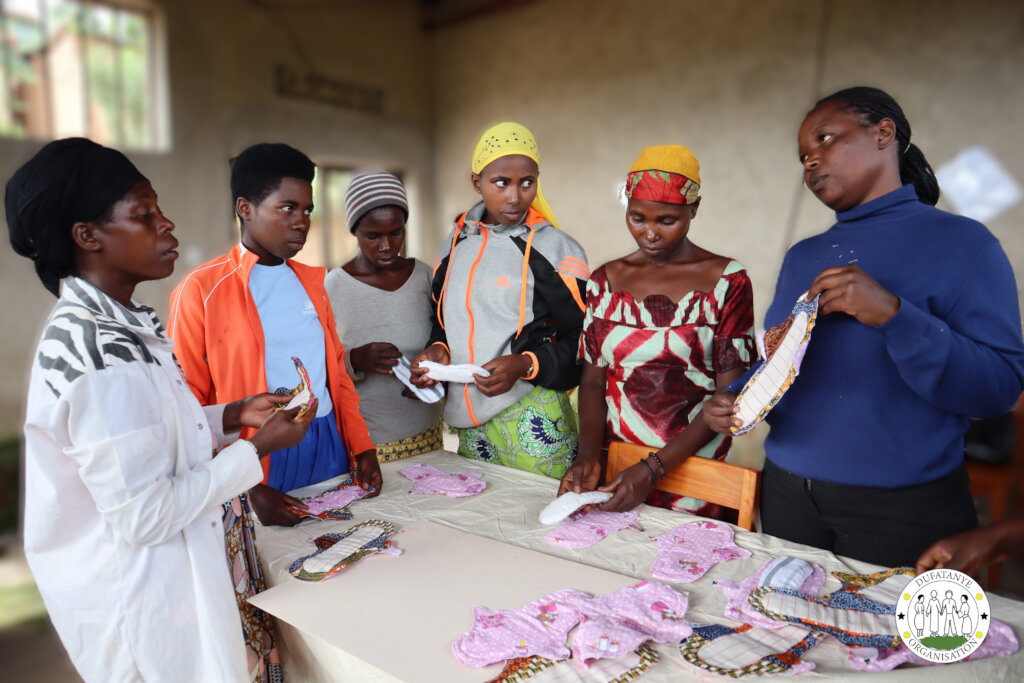
Community members, volunteers, and young people supported several stages of the production process, including cutting, blending, cooking and cleaning fibers, preparing waterproof materials, and assisting with pad assembly.
The project also continued exploring innovative products that could respond to additional health and hygiene needs. During April, the production team developed a one-metre baby nappy prototype using locally available materials. Further absorption and quality testing will be conducted before the product can be considered for wider production.
Internal coordination meetings, production records, photographs, and weekly and monthly reports were used to monitor implementation. All required reports for the quarter were completed and submitted on time.
The participation of volunteers helped the project continue operating during periods when the tailor was unavailable and strengthened community ownership of the initiative.
Impact
The project continues to contribute to the dignity, confidence, and wellbeing of girls and women by increasing access to reusable menstrual hygiene products.
One beneficiary Madelene (Not here really name), a 41-year-old woman from Nyamagana A Village, explained that before receiving locally produced reusable pads, managing menstruation was often uncomfortable and stressful because affordable and reliable products were difficult to access.
After using the reusable pads, she reported that they were soft, comfortable, absorbent, easy to wash, and reliable during her daily activities. Access to the pads gave her greater confidence and peace of mind. She also expressed pride that the products were being made locally by members of her own community.
Her experience demonstrates that locally produced reusable pads are more than menstrual hygiene products. They are practical tools that support women’s dignity, confidence, comfort, and participation in everyday activities.
The project also contributed to:
Increased access to affordable and reusable menstrual hygiene products.
Improved confidence among women and girls using the products.
Greater community participation in menstrual health solutions.
Reduced reliance on disposable menstrual products.
Development of practical production skills among volunteers and community members.
Stronger local ownership of women’s health initiatives.
Challenges and Lessons Learned
Production targets were not fully achieved because of several operational challenges. The production machines experienced repeated breakdowns during April, May, and June, while tailor illness and unavailability delayed pad assembly.
Shortages of buttons, towels, and other materials also affected production during May. In June, damage to the production storage lock created a potential security risk for materials and completed products.
The project responded by repairing equipment, adjusting production targets, mobilizing volunteers to support cutting and material preparation, and reporting security concerns to management.
The quarter demonstrated that regular machine maintenance, reliable access to spare parts, timely procurement of materials, availability of a backup tailor, and stronger storage security are essential for consistent production.
Next Steps
During the next reporting quarter, the project will focus on:
Producing 80 absorbent cotton units and 100 reusable pads per week.
Preparing 100 waterproof fabric pieces per week with volunteer support.
Repairing and reinforcing storage locks to improve security.
Procuring sufficient buttons, towels, needles, and other production materials.
Establishing regular preventive maintenance for production machines.
Identifying and training a backup tailor to reduce interruptions.
Continuing distribution to schools and vulnerable women in surrounding communities.
Conducting absorption and quality tests for the baby nappy prototype.
Strengthening production monitoring, documentation, and donor reporting.
Expanding community awareness of safe and sustainable menstrual hygiene practices.
Links:
Project reports on GlobalGiving are posted directly to globalgiving.org by Project Leaders as they are completed, generally every 3-4 months. To protect the integrity of these documents, GlobalGiving does not alter them; therefore you may find some language or formatting issues.
If you donate to this project or have donated to this project, you can receive an email when this project posts a report. You can also subscribe for reports without donating.



Support this important cause by creating a personalized fundraising page.
Start a Fundraiser